
0 ITEMS

Payroll KPI Dashboard
12-month tracker for key data points of your payroll, its process, and general efficiency.


Video Overview:
Templates Features:
- Twelve-Month Overview: The layout provides a comprehensive view covering a 12-month period, allowing for detailed monitoring and analysis across an entire year.
- Year-to-Date Summaries: It encompasses year-to-date totals and averages for each Key Performance Indicator, offering a snapshot of performance over time.
- Budget Versus Actual Analysis: There’s an in-depth comparison of budgeted versus actual figures for overtime hours, overtime expenditure, and the overall payroll cost, aiding in financial management and planning.
- Innovative Visual Displays: Each KPI is represented through engaging and intuitive visualizations, making data analysis both straightforward and insightful.
- Consolidated Data Presentation: All information is organized within a single tab, streamlining data access and analysis. This setup facilitates easy replication of the tab for initiating a new year’s data tracking.
Tracking payroll Key Performance Indicators (KPIs) offers numerous benefits for organizations, allowing them to enhance efficiency, accuracy, and strategic decision-making. Here are some of the major benefits:
- Improved Accuracy and Compliance: Payroll KPIs can help monitor the accuracy of payroll processing, ensuring that employees are paid correctly and on time. This reduces the risk of errors that can lead to compliance issues with tax authorities and labor laws.
- Cost Management: By tracking KPIs such as the cost of payroll processing per employee or the percentage of payroll cost relative to total revenue, organizations can better manage and optimize their labor costs.
- Operational Efficiency: KPIs like the time taken to process payroll or the ratio of payroll staff to the total number of employees help organizations assess the efficiency of their payroll processes. Identifying bottlenecks or inefficiencies can lead to process improvements, saving time and resources.
- Strategic Decision Making: Payroll data can offer insights into labor cost trends, overtime expenses, and employee turnover rates. These insights enable more informed strategic decisions regarding hiring, budget allocations, and compensation strategies.
- Employee Satisfaction: Timely and accurate payroll processing directly impacts employee satisfaction and morale. Tracking KPIs related to payroll errors or delays can help organizations identify areas for improvement, contributing to a positive work environment.
- Data-driven Insights: Payroll KPIs provide valuable data that can be analyzed to forecast future trends, plan budgets, and allocate resources more effectively. This data-driven approach supports better overall business planning and strategy.
- Enhanced Security: Monitoring KPIs related to payroll fraud and unauthorized access to payroll systems can help organizations strengthen their security measures and protect sensitive employee information.
- Benchmarking and Performance Tracking: By setting benchmarks for payroll KPIs, organizations can track their performance over time and against industry standards. This helps in recognizing achievements and identifying areas for improvement.
In essence, tracking payroll KPIs is crucial for maintaining the efficiency, accuracy, and reliability of payroll processes, while also providing strategic insights that support broader organizational goals.
This spreadsheet template is also included in the All Models Bundle.
Similar ProductsOther customers were also interested in...



 Jason Varner
All My Financial Models, Spreadsheets, Templates, ...
Lifetime access to all future templates as well! Here is a set of spreadsheets that have some of the... Read more
Top 16 Google Sheet Templates
This is a bundle of all the most useful and efficient google sheet templates I have built over the y... Read more

Small Business Playbook (Financial / Tracking Temp...
About the Template Bundle: https://youtu.be/FPj9x-Ahajs These templates were built with the ... Read more

Inventory Valuation Using FIFO – Automatical...
Any accountant that needs to comply with IFRS will have to use the FIFO valuation method for calcula... Read more

Joint Venture and Fund Cash Flow Waterfall Templat...
Here are all the spreadsheets I've built that involve cash flow distributions between GP/LP. Include... Read more

Cumulative LP Distribution Joint Venture Waterfall...
A 6 Tier cash flow waterfall template. Plug in the distributable cash flow (+/-) and set the hurdle ... Read more

Franchisor Licensing: Financial Model with Cap Tab...
Build up to a 10 year financial forecast with assumptions directly related to the startup and operat... Read more

Preferred Equity Cash Distribution Model – 2...
A 10-year joint venture model to plan out various scenarios for the way cash is shared between a GP ... Read more

 Anuj
Anuj
Private Equity Fund Model (Investor Cashflows)
The Private Equity Fund Cashflows Model helps LPs and GPs analyze fund cash flows, returns, and dist... Read more
 Pierre-AlexandreHeur...
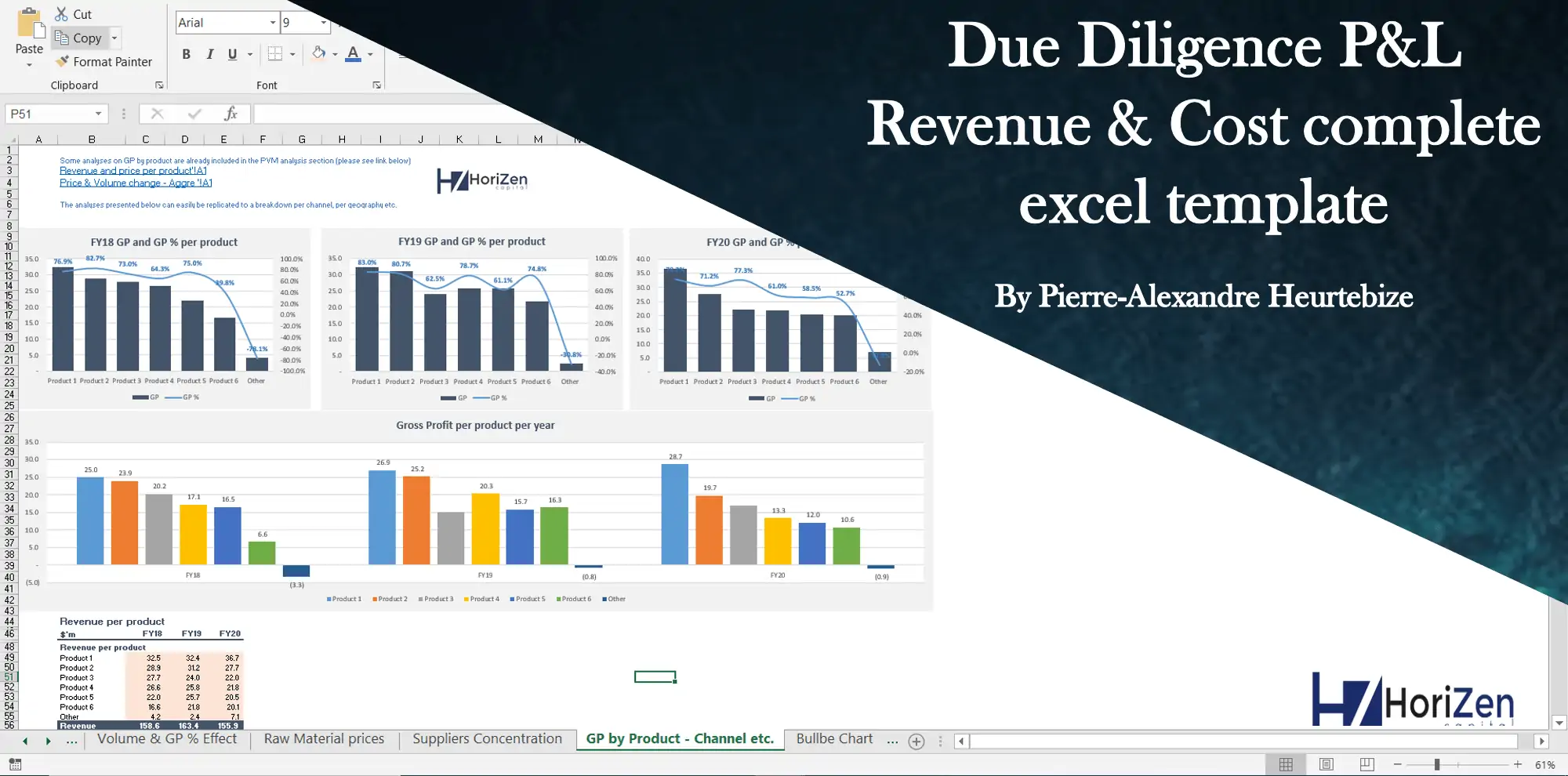
Due Diligence P&L – Exhaustive Revenue a...
Model for in depth understanding of high level profit and loss and revenue analysis. Big-4 like chec... Read more
You must log in to submit a review.