
0 ITEMS

Know-How
Know-How refers to the specialized knowledge or expertise required to perform specific tasks or processes. In financial modeling, it may include understanding complex financial concepts, methodologies, and tools. We offer financial model templates that encapsulate industry know-how, simplifying complex financial analyses and planning.


A ready-to-use Battery as a Service (BaaS) Financial Model Template…

Plan and forecast your film production business with a ready…

Download a ready-to-use Tennis Club Financial Model Template built for…


Poultry Farm Financial Model – 10-Year Forecast, Valuation, Feasibility &…

🚀 AI GPU-as-a-Service / AI Compute Data Center Financial Model…

Plan, finance, and optimize an EV fleet depot charging project…

Direct Air Capture Financial Model – Carbon Removal Credits, MRV, Offtake, Storage & Project Finance
A professional Direct Air Capture financial model built for durable…

A ready-to-use Equipment Rental Marketplace Financial Model Template delivering dynamic…

A ready-to-use Excel Solar Farm + BESS Financial Model Template…

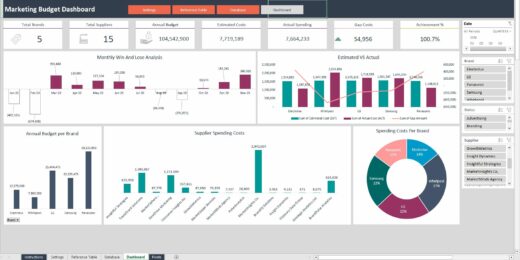

Marketing expenditure refers to the total amount an organization allocates…


The model is designed to provide SaaS founders, finance teams,…


A bottom‑up, operator-focused projection model that turns warehouse sizing +…


This padel club financial model Excel provides a structured five-year…


A tool designed specifically for modeling turnaround projects and then…

One of the most straightforward ways to struggle a preferred…


A dynamic, ready-to-use Excel template for Vertical Farming and Hydroponic…

A 10‑year, investor‑grade model for a battery recycling plant at…

Model up to 10 years of ramping and stabilized operation.…

This financial model forecasts the performance of a subscription-based coworking…

This model is built to handle acquisitions or new develops…

An effective cash flow and financial planning tool for multiple…

Unlock funding success with this dynamic Biogas Financial Model Excel…

Download this ready-to-use Renewable Energy Financial Model—expertly built by an…

A simple startup model for agent-based SaaS businesses. Includes fundraising…

A dynamic, ready-to-use Excel template for Battery Energy Storage System…

This dynamic Early Stage Startup SaaS Financial Model, built by…
Supercharge your self storage business planning with this dynamic, ready-to-use…

Boost your battery startup’s success with this dynamic, ready-to-use Battery…

A professional, ready-to-use Excel financial model tailored for agrotech startups…

The Professional Services Financial Plan Excel Template is a comprehensive…

This Crypto Trading Platform - App Financial Model is designed…

This template will produce an absorption costing summary, showing your…

The Consulting Firm Financial Model Template is a comprehensive Excel…


Includes forward assumptions for LTL, economic vacancy, credit loss /…


This is a great tool if you need to understand…

A complete financial model, including income statement, balance sheet, and…

A scenario analysis tool that compares various angles of a…

Enter high-level inputs about underlying collateral, adjust variables, and see…

A powerful underwriting tool designed for leveraged joint venture purchases…


AI Strategy for Professional Services Firms: Unlocking Efficiency, Innovation, and…
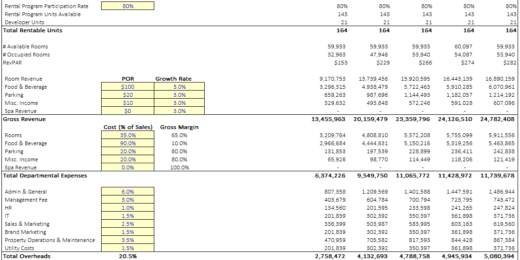

The Condo-Hotel Operating Financial Model is an essential tool for…

This Excel-based financial model provides a clear, fully integrated way…


This model offers a DCF Analysis and connected 3-statement model…


One of the most advanced joint venture fund models. Plug…
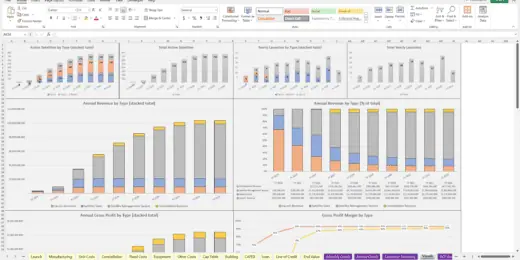
A 10-year financial model to account for the startup costs…
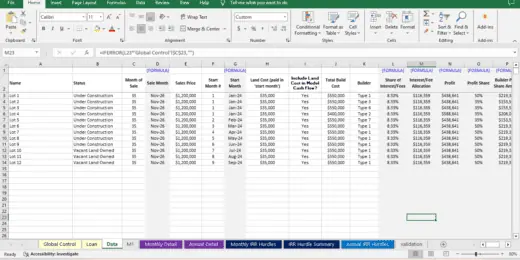
This real estate development model is designed for small or…

A financial model framework designed for an AI platform that…

Hydrogen production is a big industrial business and having a…

This financial model is to plan out the startup of…

Simply input your sales and purchases, along with the terms…


Conduct a comprehensive financial analysis of a dam project, incorporating…
Crafting Effective Financial Plans for the Know-How Industry

In a fast-evolving global marketplace, the Know-How industry stands out as a beacon of specialized expertise and innovation. This sector is underpinned by a wealth of proprietary knowledge and intellectual property, which companies harness to offer unique value propositions. From cutting-edge technology consulting to niche advisory services, the Know-How industry is defined by its profound reliance on specialized knowledge. Consequently, crafting effective financial plans tailored to this industry is pivotal in not only sustaining growth but also securing a competitive edge. This article delves into the intricacies of financial planning within this landscape, providing insights into the KPIs that matter most and the pivotal role of financial modeling templates in the process.
Understanding the Know-How Industry Landscape
The Know-How industry encompasses a diverse array of sectors, including consultancy, technology services, and specialized advisory firms, among others. Giant consultancy firms such as McKinsey & Company, Deloitte, and Accenture dominate the field alongside specialized players who offer niche expertise in areas such as cybersecurity, artificial intelligence, and renewable energy. The market dynamics in this industry are largely driven by innovation, rapid technological advancements, and an insatiable demand for cutting-edge, tailor-made solutions. Unlike traditional industries that rely on tangible assets, the Know-How industry derives its value from intangible assets such as intellectual capital and expertise.
Inherent within this industry are unique characteristics that set it apart from others. The value chain here often hinges on the caliber of talent and the depth of expertise, which are pivotal in delivering solutions that clients cannot readily find elsewhere. Moreover, the ability to continuously innovate and adapt to evolving client needs is crucial. This industry demands a relentless pursuit of efficiency in utilizing knowledge assets, and as such, businesses are required to implement sophisticated financial management strategies to thrive. Specialized knowledge and expertise not only drive value but are instrumental in achieving competitive differentiation in a crowded market space.
Key Performance Indicators (KPIs) in the Know-How Industry
To ensure effective financial planning, it is essential to identify and monitor specific KPIs that provide critical insights into business performance in the Know-How industry. These metrics not only help in assessing the current state of affairs but also inform long-term strategic decisions.
- Client Acquisition Cost (CAC): This KPI measures the total cost incurred in acquiring a new client. It encompasses all sales and marketing expenses and is crucial in understanding the investment needed to attract clients effectively. By accurately calculating CAC, businesses can evaluate the efficiency of their marketing strategies and optimize spend to achieve a more favorable return on investment (ROI).
- Customer Lifetime Value (CLTV): CLTV estimates the total revenue a business can expect from a client over the course of the business relationship. It's a critical metric for projecting long-term profitability and determining the sustainable level of investment in client acquisition strategies. A high CLTV indicates strong client loyalty and the potential for profitable engagements.
- Knowledge Asset Utilization: A unique aspect of the Know-How industry is the reliance on intellectual property (IP) and proprietary knowledge. Measuring the efficiency with which these assets are utilized can provide insights into operational effectiveness and innovation capacity. This KPI helps in aligning resources with strategic objectives and maximizing value derived from intellectual capital.
- Project Profitability Metrics: Individual projects form the backbone of revenue generation in the Know-How sector. Metrics such as gross margin, contribution margin, and project ROI are essential in evaluating financial success at the project level. These metrics permit businesses to identify areas for improvement and allocate resources where they are most impactful.
Monitoring these KPIs is not just about keeping track of numbers; it's about using data-driven insights to shape strategic initiatives. This informed approach can lead to more refined decision-making and enhanced overall business performance.
Crafting Financial Plans Tailored to the Know-How Industry
Creating robust financial plans is indispensable for sustainable growth and success in the Know-How industry. This involves several critical steps aimed at addressing the unique challenges and opportunities inherent to this sector.
- Conducting thorough market research is a cornerstone of sound financial planning. Understanding prevailing market trends, competitor performance, and client needs allows businesses to position themselves strategically. Insights gleaned from this analysis inform key decisions and help identify opportunities for growth.
- Budgeting for knowledge development is vital. Given the industry's reliance on specialized expertise, investing in training, research and development (R&D), and technological advancements is paramount. Allocating adequate funds to these areas fosters innovation and equips businesses with the tools needed to deliver superior solutions.
- Scenario analysis is another essential element of financial planning, enabling organizations to prepare for varying market conditions and potential disruptions. By evaluating different scenarios, businesses can develop strategies that are resilient and adaptable, ensuring continuity and stability regardless of external influences.
- Risk management in the Know-How industry requires a focus on financial risks unique to knowledge-based operations. Given the intangible nature of many assets, organizations must employ strategies to safeguard intellectual property and mitigate the impact of unforeseen events.
By following these strategic steps, businesses can create financial plans that are not only comprehensive but also finely attuned to the nuances of the Know-How industry.
The Role of MS Excel Templates in Financial Planning
MS Excel remains a powerful tool in the realm of financial modeling, particularly for the Know-How industry. Its advantages are manifold, starting with its unparalleled customization capabilities. Excel allows professionals to tailor models precisely according to specific business needs, accommodating diverse scenarios and inputs with ease. This level of flexibility is invaluable for companies navigating the complexities of the Know-How sector.
Additionally, Excel's user-friendly interface ensures that even complex financial models can be manipulated and understood without extensive technical expertise. Its dynamic analysis features enable users to quickly adjust inputs and instantly observe their impact on outputs, facilitating agile decision-making and strategic forecasting.
Crucially, Excel offers robust data visualization tools, allowing intricate financial data to be presented in intuitive, comprehensible formats. This enhances stakeholder communication and aids in making informed decisions grounded in clear, actionable insights.
eFinancialModels' templates are meticulously designed to enhance financial planning efforts, particularly for organizations within the Know-How sector. These pre-built models incorporate relevant KPIs and industry best practices, providing a comprehensive framework for effective financial planning. By leveraging these specialized templates, businesses can elevate their strategic initiatives and secure a definite competitive advantage in a challenging landscape.
Conclusion: The Path Forward for Know-How Organizations
In conclusion, effective financial planning is a linchpin for success in the Know-How industry. By integrating specialized KPIs and taking advantage of MS Excel's robust financial modeling capabilities, businesses can forge financial strategies that are not only resilient but also strategically aligned with industry demands. As you strive for excellence in your financial planning endeavors, explore eFinancialModels' range of financial model spreadsheet templates. These tools are specifically crafted to meet the unique needs of the Know-How industry, offering the insights and frameworks needed to excel in an increasingly competitive world. Leverage these resources to not only plan effectively but also gain a decisive edge over competitors, ensuring long-term sustainability and growth.
Frequently Asked Questions about Financial Planning in the Know-How Industry
- What distinguishes financial planning in the Know-How industry from other sectors? The Know-How industry relies heavily on intangible assets like intellectual capital and expertise, making it crucial to integrate specialized KPIs and financial strategies that highlight these unique resources.
- Why is the Client Acquisition Cost (CAC) so important in this industry? CAC helps companies understand how efficiently they are acquiring new clients, allowing them to optimize their marketing strategies for better returns on investment in a highly competitive landscape.
- How does Excel facilitate financial planning for Know-How companies? Excel provides customizable and dynamic financial modeling capabilities, enabling businesses to tailor their plans according to specific needs while making data-driven decisions quickly.
- Why should Know-How organizations invest in training and R&D? Investing in training and R&D is crucial for fostering innovation and ensuring that a company stays ahead in delivering cutting-edge solutions tailored to evolving client needs.
- What role does scenario analysis play in financial planning? Scenario analysis prepares organizations for varying market conditions and potential disruptions, ensuring strategies are resilient and adaptable for sustained business continuity and growth.
You might also like: