
0 ITEMS

Cost Calculation
Cost accounting provides a reliable comparison of products and services within and outside an organization with the products and services available in the market. It also helps to achieve the lowest cost level of product with the highest efficiency level of operations. Listed here are financial model templates that include the calculations of cost.
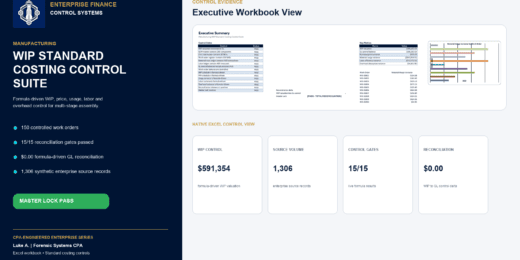

Enterprise Excel controls for WIP roll-forward, cost variances, overhead, and…
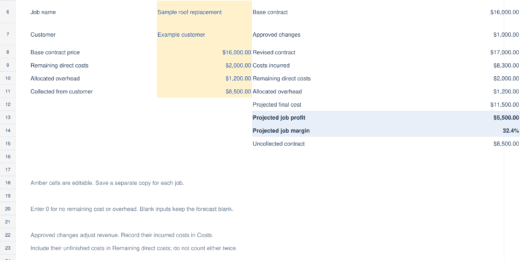

Plan estimates, track job expenses and approved changes, review projected…

Most stocktake sheets report variance one way and quietly mislead…


AI Data Center Power Procurement & Behind-the-Meter Generation Model ⚡…

⚡ Model the grid-connection decision before delay, network upgrades, deposits,…


Production-ready Excel financial model for standalone utility-scale BESS projects, bundled…
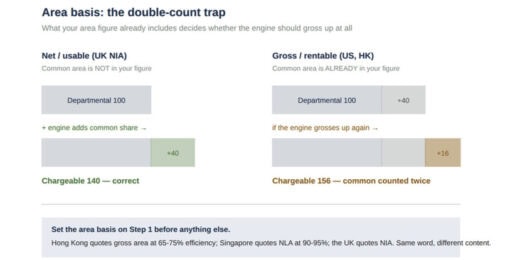

An occupier takes three floors. Rent, business rates, service charge,…


An institutional, lender grade Excel model for a concrete block…
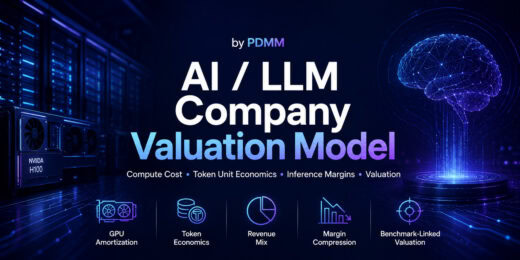
🔥 Premium AI / LLM Company Valuation Financial Model A…

When a lease expires, most comparisons rank options by rent…


A ready-to-use Battery as a Service (BaaS) Financial Model Template…
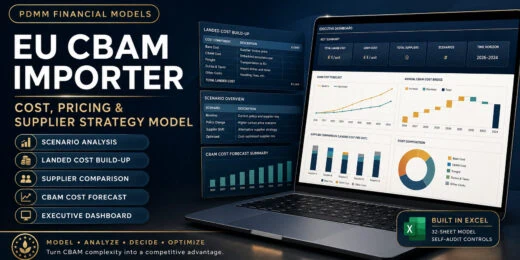
A 32-sheet editable Excel decision model for EU CBAM importers…
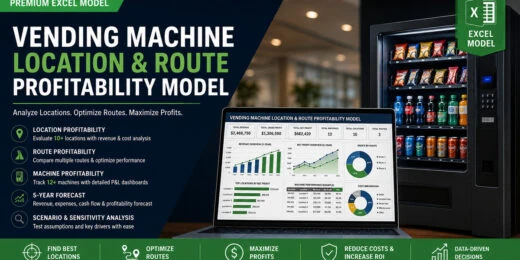
Evaluate a vending-machine business from individual machine economics to location…

Premium Private School & University Financial Model designed for integrated…

Premium 30-year Oil & Gas Upstream and Downstream Financial Model…

🔥 Premium Tokenomics & Web3 Token Launch Financial Model A…

Premium Green Hydrogen Production Levelized Cost of Hydrogen model for…

🚀 Premium eVTOL / Urban Air Mobility Financial Model A…

A premium Nuclear Fusion Project Finance Model designed for evaluating…

🚘 Premium Autonomous Vehicle / Robotaxi Fleet Operations Financial Model…

Evaluate a Buy Now Pay Later platform from transaction growth…

A specialized Excel valuation model for longevity and anti-aging biotechnology…

An integrated 10-year real estate portfolio model for underwriting and…

An institutional-style, fully editable model for probability-adjusted pharmaceutical valuation, commercial…

Build, compare and stress-test five major Sukuk structures in one…


Restaurant Menu Engineering & Financial Optimizer is a professional Excel…

The Data Center Development Financial Model by PDMM is a…

This Excel model is built for a hybrid P2P +…

Plan, forecast and value a full-service events company with this…

Poultry Farm Financial Model – 10-Year Forecast, Valuation, Feasibility &…

🚀 AI GPU-as-a-Service / AI Compute Data Center Financial Model…

A premium Excel financial model bundle created by PDMM for…

Plan, finance, and optimize an EV fleet depot charging project…

A professional PFAS Water Treatment & Remediation Financial Model created…

Direct Air Capture Financial Model – Carbon Removal Credits, MRV, Offtake, Storage & Project Finance
A professional Direct Air Capture financial model built for durable…


Value a mining company the way the market does -…

A professional Excel financial model for planning, forecasting, valuing, and…

A professional Excel financial model for commercial airline planning, aircraft…

A professional Solar + Battery Energy Storage System (BESS) financial…

A professional 5-year integrated financial statements Excel model designed for…

The Waterfall Profit Distribution Model – Up to 4 Tiers…

The Manufacturing Startup Feasibility Financial Model by PDMM is a…

A premium salary-based microfinance lending financial model package built for…

This professional Excel template helps users evaluate a microfinance, digital…

A ready-to-use Equipment Rental Marketplace Financial Model Template delivering dynamic…

A professional 8-12 MTPA Liquefied Natural Gas (LNG) Financial and…

A ready-to-use Excel Solar Farm + BESS Financial Model Template…

Value an upstream E&P company the way the market does…
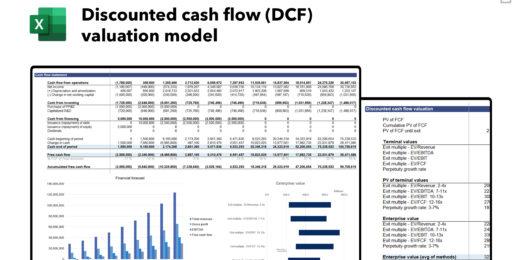
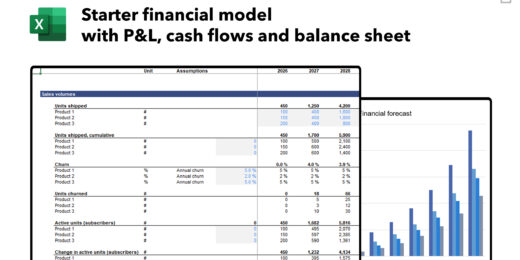

The quickest way to build a rock-solid financial model for…
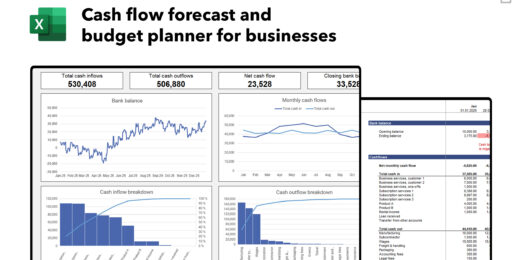
The simplest way to plan and understand your company’s cash…


This fully unlocked 5 Year, 12-tab institutional-grade Excel template is…

A professional Excel financial model suite for neo bank and…


This Excel template is an effective tool for monitoring, evaluating,…


The Rental Property Financial Model template helps evaluate rental property…
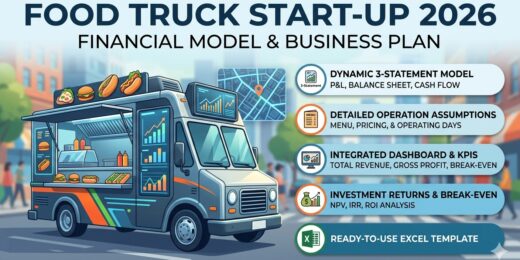
A dynamic, Excel model designed for food truck founders, investors,…

Professional Clinic / Healthcare Business Financial Model Template in Excel…



A bottom‑up, operator-focused projection model that turns warehouse sizing +…

A dynamic, ready-to-use Excel template designed for AI, GenAI, and…
Effective Financial Planning for Ensuring Cost Calculation Success

In the realm of business management, understanding and managing costs are crucial to ensuring the financial health of an organization. Cost calculation, a fundamental process embedded in various industries, serves as a backbone for budget management, pricing strategies, and profit maximization. Without accurate cost calculation, businesses risk misallocating resources, setting unrealistic budgets, and ultimately facing financial underperformance. This article explores the pivotal role of financial planning in enhancing cost calculation practices, offering insights into the essential components and tools that drive success in this domain. Financial planning, in its essence, is about laying out a strategic course of action to manage an organization's resources effectively. When applied to cost management, this process involves meticulous budget preparation, forecasting expenses, and establishing benchmarks that ensure expenditures align with business objectives. Effective financial planning mitigates risks, promotes operational efficiency, and enhances cost accuracy. By integrating robust financial models and leveraging advanced tools like Excel templates, businesses can streamline cost calculation processes, making them more precise and adaptable to fluctuating market conditions.
Understanding the Critical Role of Financial Planning in Cost Calculation
In this section, we will delve into the essential components of cost calculation and highlight how financial planning facilitates this key process. At its core, cost calculation involves identifying, measuring, and assigning costs to a specific activity or product. This process is vital across industries, from manufacturing to service delivery, offering crucial insights into pricing, budgeting, and profitability. For instance, a manufacturer needs to calculate the cost per unit to determine its pricing strategy, while a service provider might analyze project costs to optimize service delivery.Financial planning in the context of cost management serves several key objectives. It helps businesses anticipate expenses, allocate resources efficiently, and set realistic financial goals. With a well-crafted financial plan, organizations can improve budget accuracy and forecast future costs with greater precision. This proactive approach minimizes financial risks, ensuring that businesses can sustain operations even amidst economic uncertainties.
Effective financial planning also enhances cost accuracy by encouraging a detailed review of all cost components, from direct labor and materials to overhead expenses. This meticulous analysis results in more realistic budgeting, aligning forecasted expenses with actual performance. In turn, businesses can make informed decisions based on reliable data, reducing the likelihood of budget overruns and financial setbacks.
Use of Key Performance Indicators for Cost Calculation Success
This section discusses the importance of key performance indicators (KPIs) in achieving cost calculation success. To achieve success in cost calculation, businesses must focus on identifying and monitoring KPIs that provide actionable insights into cost management. Monitoring these KPIs helps organizations pinpoint inefficiencies, streamline operations, and align their strategies with financial goals. Relevant KPIs specific to cost calculation include cost per unit, which measures the cost incurred to produce a single unit of product or service. Variance analysis compares actual costs to budgeted figures, highlighting discrepancies that require attention. Cost structure ratios offer insights into the proportion of fixed and variable costs, aiding in resource allocation decisions. Additionally, the contribution margin evaluates the profitability of specific products, guiding pricing strategies.Using the right tools to monitor KPIs is vital for effective cost calculation. Dashboard tools and Excel templates provide visual representations of KPIs, making it easier for managers to interpret data and identify areas for improvement. These tools allow businesses to set targets and benchmarks using historical data and industry standards, fostering a culture of continuous improvement.
Developing a Robust Financial Model for Accurate Cost Calculation
This section outlines the significance of creating strong financial models for effective cost calculation. A strong financial model is foundational to effective cost calculation, guiding businesses in resource allocation, scenario analysis, and decision-making. A comprehensive financial model encompasses several components essential for accurate cost assessment.A solid financial model differentiates between fixed and variable costs, offering a clear picture of how costs behave in relation to business activity levels. Scenario modeling, another crucial component, allows businesses to evaluate best-case, worst-case, and base-case scenarios, ensuring preparedness for various market conditions. In addition, capital expenditure planning and cash flow forecasting are integral to long-term financial sustainability, aiding businesses in managing investments and liquidity effectively.
To build an effective financial model, businesses should focus on structure and user-friendliness. This involves organizing data logically, using clear assumptions, and documenting methodologies comprehensively. Maintaining transparency and consistency in modeling practices enhances model accuracy and reliability. Furthermore, regularly updating and validating financial models ensures that they remain relevant and reflective of current market dynamics, aiding in strategic decision-making.
Advantages of Using MS Excel Templates in Financial Planning
This section highlights the numerous advantages of utilizing Excel templates for financial planning, especially in cost calculation. Excel templates offer user-friendly interfaces and customizable features, making them a go-to choice for businesses seeking efficiency and accuracy in financial modeling.Excel’s flexibility empowers users to tailor templates to their specific needs, accommodating unique business requirements and cost structures. Pre-designed templates streamline the modeling process, saving time and boosting productivity. This adaptability allows businesses to focus on strategic initiatives rather than getting bogged down by complex manual calculations.
Excel's robust data management and analysis capabilities support accurate decision-making. Features like pivot tables, dynamic charts, and advanced formulas enable businesses to transform raw data into actionable insights. Data integrity is upheld through Excel's built-in validation tools, ensuring the accuracy and reliability of financial analyses.
Numerous companies have successfully leveraged Excel templates from platforms like eFinancialModels to enhance their cost calculation processes. For example, a manufacturing firm utilizing a customized cost calculation template significantly improved its budget accuracy, reducing variances and aligning costs with financial objectives. Testimonials from such companies highlight the efficiency and effectiveness gained through structured and easy-to-use Excel templates.
Conclusion and Taking Action for Enhanced Financial Planning
In conclusion, effective financial planning for cost calculation is indispensable for achieving financial stability and competitive advantage. Utilizing key performance indicators, developing robust financial models, and leveraging Excel templates are crucial steps in enhancing cost management practices. These strategies empower businesses to adapt to changing market dynamics, make informed decisions, and optimize resource allocation.As you strive to refine your financial planning approach, explore eFinancialModels' comprehensive selection of Excel spreadsheet templates designed for the cost calculation industry. These templates offer ease of use, adaptability, and the capacity to elevate your financial planning efforts, steering your business toward success.
Frequently Asked Questions About Financial Planning and Cost Calculation
- What is cost calculation in business management? Cost calculation involves identifying, measuring, and assigning costs to a specific activity or product, which is crucial for budgeting, pricing strategies, and profit maximization across industries.
- How does financial planning improve cost calculation? Financial planning improves cost calculation by providing strategic resource management, precise budget preparation, and expense forecasting, minimizing financial risks and enhancing operational efficiency.
- What are the key performance indicators (KPIs) relevant to cost calculation? Relevant KPIs for cost calculation include cost per unit, variance analysis, cost structure ratios, and contribution margin, each providing insights into cost management efficiency and profitability.
- Why are Excel templates advantageous for financial planning? Excel templates offer user-friendly, flexible, and customizable features, enabling efficient data management, analysis, and visualization, essential for accurate financial decision-making.
- How can businesses leverage Excel for improved cost calculation? Businesses can use Excel’s advanced features, like pivot tables and charts, to analyze data, track KPIs, and make strategic financial decisions based on reliable insights.
- What are the best practices for building financial models? Best practices include organizing data clearly, maintaining model transparency, consistency, and regularly updating models to reflect current market dynamics for enhanced decision-making.
You might also like: