
0 ITEMS

The Potential of Carbon Capture and Sequestration

The demand for carbon capture and sequestration (CCS) is growing as industries seek ways to reduce greenhouse gas emissions and meet climate goals.
- CCS technology captures CO2 from industrial sources and power plants to prevent its release into the atmosphere.
- Financial modeling with specialized Excel templates helps assess the profitability, risks, and investment opportunities of CCS projects.
- Challenges include high upfront costs, energy consumption, potential leakage from underground storage, and uncertainties in storage capacity.
- Companies can develop strategies like forming partnerships, improving capture efficiency, diversifying revenue streams, and engaging with policy to enhance sustainability.
- Continuous analysis and adaptation are essential for long-term success in the evolving CCS industry.
Read on for insights into how financial planning and innovative strategies support growth in this vital sector.
What Is Carbon Capture and Sequestration Technology?
Carbon capture and sequestration technology aims to reduce atmospheric carbon dioxide (CO2) emissions, a principal greenhouse gas contributing to global warming and climate change. What is carbon capture and sequestration involves capturing CO2 produced by industrial processes and power generation, transporting it to storage, and depositing it underground to remain permanently isolated from the atmosphere. By preventing the release of CO2 into the atmosphere, carbon capture and sequestration technology aims to mitigate the environmental impact of fossil fuel use and industrial emissions, playing a critical role in global efforts to combat climate change.
Furthermore, we need to understand carbon capture and sequestration companies to understand what is carbon capture and sequestration technology. Carbon capture and sequestration companies specialize in developing, implementing, and managing technologies and processes designed to capture carbon dioxide (CO2) emissions. These companies operate in a relatively new but rapidly evolving sector crucial in global efforts to mitigate climate change by reducing atmospheric CO2 levels.
How Does Carbon Capture and Sequestration Work
Carbon capture and sequestration technology aimed to mitigate the impact of carbon dioxide (CO2) emissions from industrial processes and power generation on global warming and climate change. Carbon capture and sequestration technology involves three main steps:
Step 1 – Carbon Capture
This first step on how does carbon capture and sequestration work involves capturing flue gas or CO2 emissions at their source, such as power plants or industrial facilities. It can be achieved through various methods, including post-combustion (capturing CO2 from power plant exhausts), pre-combustion (removing CO2 before combustion occurs), and oxy-fuel combustion (burning fuel in oxygen instead of air to produce a CO2-rich exhaust). Cooling and compressing the captured CO2 to liquid comes next for more accessible transportation and storage. It can either be through air, electricity, gas, or water. The cooling reduces the volume of the gas, making it more manageable and cost-effective to transport and store
Step 2 – Transport
Liquified CO2 can then be transported, often by pipeline or tanker, to a designated site for underground sequestration in geological formations or utilized in various industrial applications, such as enhanced oil recovery or as a feedstock for producing chemicals and fuels. Sometimes, liquified CO2 is transported by trucks and ships if the storage site is far from the capture site.
Step 3 – Sequestration
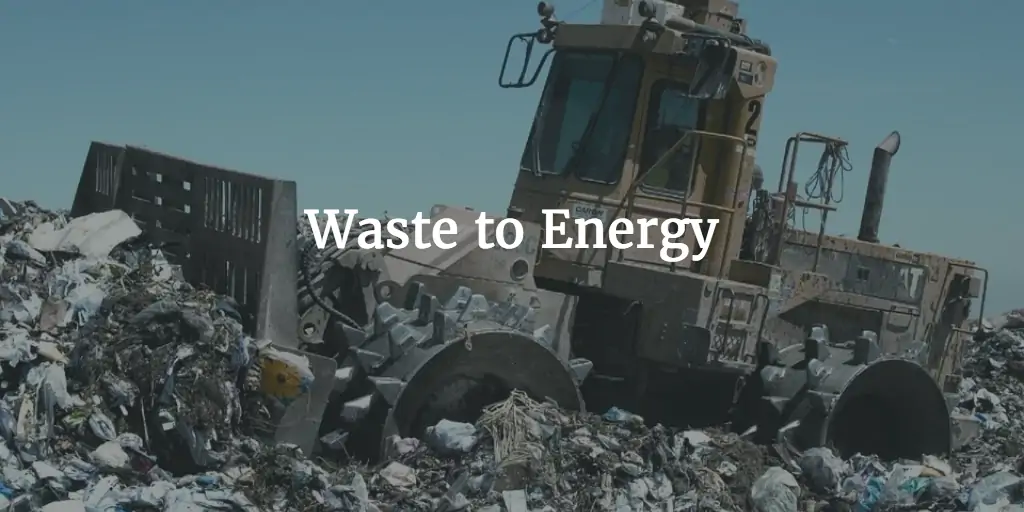
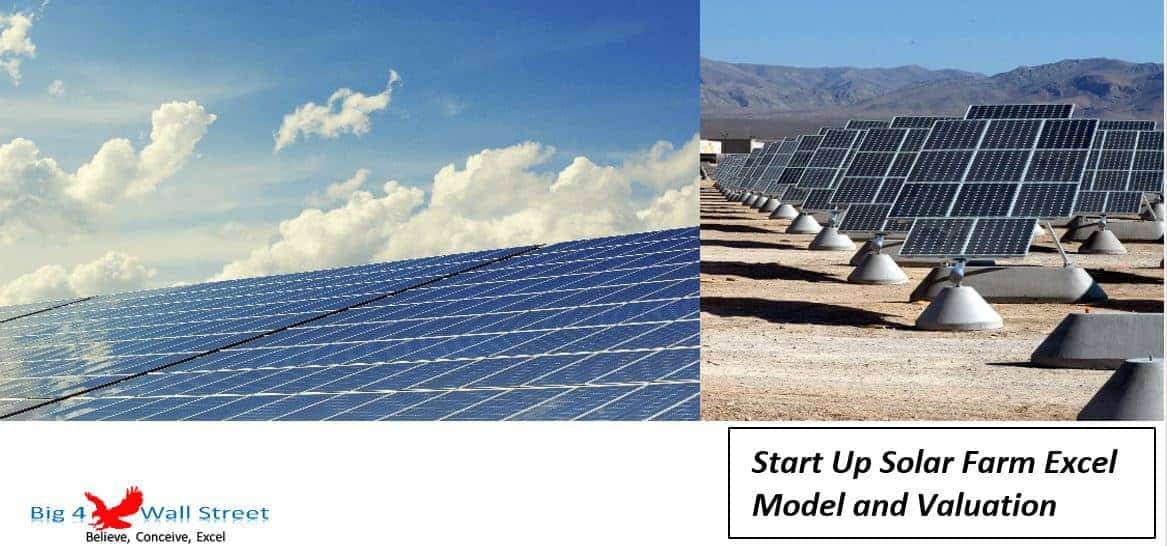
The final step on how does carbon capture and sequestration work is using or storing the captured CO2. Captured CO2 can be mineralized into carbonate minerals such as calcium carbonate or magnesium carbonate. These stable forms of carbon can be used to produce cement and other building materials, effectively sequestering the carbon for long periods. It can be directly used or transformed into different materials for the construction industry. It includes aggregates for concrete, insulation materials, and even as a feedstock for producing carbon fibers, which are used in high-strength, lightweight materials. Captured CO2 can also be converted into liquid fuels such as methanol and ethanol through chemical reactions involving hydrogen. It can be used as a raw material for producing plastics, replacing petroleum-based feedstocks. Lastly, it is used in carbonating beverages, including soft drinks and beer. While this use does not sequester CO2 permanently, it represents a way to recycle captured carbon into consumer products.
The storage of captured carbon is crucial to mitigating climate change. Two primary methods for storing CO2 are saline aquifers and enhanced oil recovery (EOR). Saline Aquifer involves injecting CO2 deep underground into porous rock formations filled with saline water, often thousands of feet below the surface. The CO2 gets trapped by the caprock above these formations, preventing it from escaping back into the atmosphere. Enhanced Oil Recovery (EOR) injects captured CO2 into oil fields to increase the pressure and reduce the oil’s viscosity, making it easier to extract.

















































The effectiveness of carbon capture and sequestration technology in reducing greenhouse gas emissions depends on the scale of its deployment, the available storage capacity, and the lifecycle emissions of
how carbon capture and sequestration work. While carbon capture and sequestration technologies have the potential to reduce emissions from the fossil fuel sector significantly, they are also subject to debates regarding their cost, energy requirements, and the long-term security of CO2 storage. Moreover, CCS does not address emissions from other sources, such as transportation and agriculture, and is considered by some as a transitional solution. At the same time, renewable energy technologies are being scaled up.
Challenges of Carbon Capture and Sequestration Companies
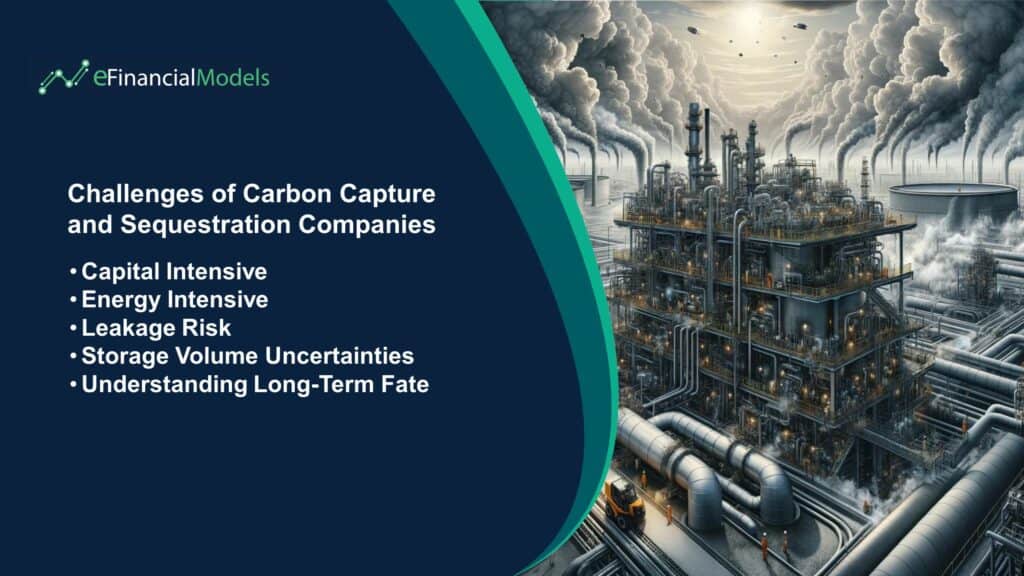
Carbon capture and sequestration companies are leading efforts to mitigate climate change by capturing carbon dioxide emissions from sources like power plants and industrial facilities and storing them underground to prevent them from entering the atmosphere. While carbon capture and sequestration technologies hold significant promise for reducing greenhouse gas emissions, the sector faces a myriad of challenges that can hinder progress and scalability.
Carbon Capture and Sequestration Technologies Requires Significant Investments
One of the primary hurdles for carbon capture and sequestration companies is the need for significant investments. Developing and deploying carbon capture and sequestration technologies require substantial upfront research, development, and infrastructure costs. This financial barrier can deter funding sources in a market still developing regulatory frameworks and financial incentives to support such initiatives.
Energy Intensity of Carbon Capture and Sequestration Technology
The energy intensity of carbon capture and sequestration technology also poses a significant challenge. Capturing CO2, compressing it for transportation, and injecting it into underground formations for storage consumes a considerable amount of energy, which can offset some of the process’s benefits. This requirement for high energy input raises operational costs and can lead to increased emissions elsewhere, necessitating advances in technology to improve efficiency and reduce energy consumption.
Leakage Risk in Underground Storage
Leakage risk in underground storage is another concern for carbon capture and sequestration companies. The integrity of geological formations used for CO2 storage must be guaranteed to ensure that the sequestered carbon does not escape back into the atmosphere, which would nullify the benefits of capture and storage. This risk requires comprehensive monitoring and management strategies to detect and address any potential leaks, adding complexity and cost to CCS projects.
Uncertainties in the Available Volume for Storage
Uncertainties in the available volume for storage also challenge carbon capture and sequestration companies. Estimating the capacity of geological formations to store CO2 safely involves complex assessments of their physical and chemical properties. These estimates can be uncertain, and actual storage capacities may vary, potentially limiting the scalability of carbon capture and sequestration technologies. Understanding these limitations is crucial for financial planning and optimizing carbon storage strategies.
Understanding the Long-Term Fate of Carbon Capture and Sequestration Companies
Lastly, uncertainties are fraught with understanding the long-term fate of carbon capture and sequestration companies. These include technological advancements, policy and regulatory developments, market dynamics, and environmental impacts over the decades that stored CO2 must remain sequestered. Carbon capture and sequestration companies must navigate these uncertainties, requiring adaptability, ongoing research and development, and robust regulatory frameworks to ensure long-term viability and environmental integrity.
Innovative Strategies for a Greener Future with Carbon Capture and Sequestration Companies
Carbon capture and sequestration companies must adopt multifaceted strategies to achieve sustainability, both in environmental and economic terms. Excel financial model templates can play a pivotal role in the planning, executing, and monitoring of such strategies.
- Build Strategic Partnerships: Collaborate with high-emission industries (like power generation, cement, steel, and chemical manufacturing) to integrate CCS solutions and reduce industrial carbon footprints. Work with academic institutions and research organizations to innovate and refine carbon capture and sequestration technologies. Identify and quantify the financial resources needed to forge these partnerships and realize strategic objectives by modeling financial outcomes.
- Develop Efficient Capture Technology: Create scalable, modular carbon capture units that can be easily deployed or expanded according to demand. Invest in research and development to create or improve more efficient and cost-effective carbon capture and sequestration technologies. Financial modeling can help assess the economic implications of investing in research and development for new capture technologies, comparing costs against potential efficiency gains and market competitiveness.
- Diversify Revenue Streams: In addition to storage, convert captured carbon into valuable products, such as building materials, chemicals, or synthetic fuels. It not only provides an additional revenue stream but also helps to reduce the carbon footprint. Engage in carbon trading schemes and sell carbon credits to businesses seeking to offset their emissions, leveraging the captured and securely stored carbon. Excel templates can help estimate production costs, market prices, and profit margins for products derived from captured carbon.
- Engage with Policy and Regulation: Actively engage with policymakers to advocate for supportive policies, incentives, and subsidies that favor carbon capture and sequestration projects. Monitor and adapt to changing environmental regulations to ensure compliance and take advantage of governmental support for carbon capture and sequestration technology. Use Excel to estimate future costs associated with compliance with environmental regulations, ensuring these are factored into overall financial planning.
- Scenario Analysis: Stay adaptable and continually assess and improve operations based on the latest research, technological advancements, and stakeholder feedback. Conduct scenario analysis to understand the financial implications of various strategic decisions under different market conditions, helping to ensure resilience and adaptability.
By employing Excel financial model templates in these ways, carbon capture and sequestration companies can make informed, data-driven decisions that enhance their sustainability, operational efficiency, and financial viability.

eFinancialModels.com serves as a pivotal online marketplace, offering an extensive array of industry-specific financial model templates, with a particular focus on the burgeoning field of carbon capture and sequestration technology. This platform caters to the nuanced financial planning and analysis needs of businesses operating within this specialized sector, providing them with customizable Excel templates designed to streamline the process of forecasting, budgeting, and strategizing. Unlock the sustainability of carbon capture and sequestration technology now!
You might also like:
- How to Profit from Carbon Capture Technology
- 10-Step Financial Planning Checklist for Smart Executives
- Understanding the Levelized Cost of Energy Formula
- Investing in Carbon Capture: A Comprehensive Guide
- Carbon Capture Industry Overview
- Scenario Analysis
- Financial Modeling for Startups and Small Businesses
- How to Use Inflation Projection to Your Advantage
- Financial Planning Retirement Tips
- Top 5 Tips For a Good Financial Due Diligence
- Cash Flow Analysis in Excel
- Financial Modeling with Excel: Fundraising Plan Tactics
- How to raise Series A funding?
- Importance of Financial Projections in Carbon Capture Projects
- Financial Model Templates Easy to Use
- Financial Ratios Analysis and Its Importance
- Financial Statements – Definition, Uses, Contents and Templates
- WACC Calculator | Discount Rate Estimation
- Renewable Energy Financial Model Bundle
- Why Financial Forecasting Models Are Vital for Your Business