
0 ITEMS

Setting Sail: Strategies for Starting a Boat Rental Business

A sailboat rental business taps into the growing water leisure industry with a range of opportunities for growth.
- The global boat rental market is projected to reach nearly $30 billion by 2029, reflecting increasing demand for recreational sailing.
- Success depends on choosing the right location, with access to scenic waters and tourist hotspots.
- Building a strong fleet requires careful sourcing, safety compliance, and offering diverse boat options to attract different customer segments.
- Effective marketing and a user-friendly booking system drive customer acquisition and repeat business.
- Robust safety protocols and regular maintenance are vital to protect clients and extend the life of your fleet.
Continuing, this article covers essential strategies, from planning your business foundation to expanding services, to help your boat rental venture sail smoothly.
Why People Love Sailing
A Boat Rental Business has limitless opportunities for growth. People love to sail for a variety of reasons that go beyond simply spending time on the water. Here’s why sailing remains a beloved activity:
Connection with Nature: Sailing provides an opportunity to disconnect from the digital world and reconnect with nature. The experience of being out on the open water, with the wind propelling the boat, offers a profound sense of freedom and tranquility.
Adventure and Exploration: Sailing allows individuals to explore new coastlines, visit remote locations that are often inaccessible by land, and experience the thrill of discovery.
Physical Activity and Skill: Sailing requires a combination of physical effort and technical skill. People enjoy the challenge of navigating and controlling the vessel, and it can be a rewarding way to stay active.
Relaxation and Stress Relief: The rhythmic motion of the water and the sound of the wind can be incredibly soothing. Sailing can serve as a form of stress relief and relaxation for many individuals.
Social Interaction: Sailing is often a social activity that can be enjoyed with family and friends, providing quality time to bond and create lasting memories.
Unique Experiences: Whether it’s watching the sunset from the deck of a sailboat or spotting marine wildlife, sailing go beyond simply spending time on the water.

Navigating the Market: The Profitability of Sailboat Rental
Seizing the wind of opportunity in sailboat rental can lead to a lucrative venture. The key is understanding the market and its potential growth. As a forthcoming boat rental company, you can tap into this market and ride the crest of this wave, leveraging your knowledge and enthusiasm for boating to offer customers high-quality experiences without the burdens of ownership. The boat rental industry, now more accessible thanks to technology that runs most boat rental companies, flaunts a projected value of $29.67 billion by 2029. This uptrend heralds a rising demand for water-based leisure activities. To navigate these waters successfully and stand out among other boat rental companies, you’ll need to weigh anchor with a clear strategy, weeding out competitors and efficiently meeting market needs with a fleet that’s both diverse and well-maintained. It’s essential to ensure that your team is well-trained in office procedures and the safety measures that come with running a successful rental service.
Vital Considerations Before Setting Sail
Before you hoist the mainsail on your new business, it’s crucial to consider several factors to ensure smooth sailing.
Laying the Keel: Establishing Your Foundation
Drafting a winning business plan is like plotting a course for a successful voyage. Your plan should serve as a lighthouse, guiding your sailboat rental business through foggy and uncertain times. Besides setting your course straight, the business plan is key to securing rental income and ensuring the sustainability of your yacht charter business. Here are the essential components:
- Executive Summary: Craft a compelling introduction to your business. Your mission, services, leadership team, and location are integral to setting the scene, along with emphasizing the uniqueness and potential of your boat charter business.
- Company Description: Cast a spotlight on what sets your charter company apart. Describe the problems you aim to solve, and outline your target consumers and businesses.
- Market Analysis: Inspect your market closely. Your competitors, industry trends, the demand for your service, and future renter demographics form a crucial part of your strategic map.
- Organization and Management: Your crew is key. Detail the structure of your company and the roles that comprise your team. This segment is especially crucial, as the execution of your vision largely depends on their skills and coordination.
- Operations Plan: Describe the day-to-day running of your rental service, from booking to docking. Highlight operational strategies that can increase efficiency and reduce startup costs.
- Marketing Strategy: How will you reel in clients? Plan your branding, promotional activities, and customer outreach. Consider cross-selling as an effective method to bolster your yacht charter business revenue.
- Funding Requirements: All ships need a stocked galley. Outline the capital you’ll need to start and run your operations smoothly. Reflect on the startup costs and discuss potential funding sources.
- Financial Projections: Set realistic goals for income, considering all streams and expenses, to predict when you might expect profits to start rolling in.
Remember, your business plan is a living document. Be prepared to adjust your sails as your business and the market evolve.
Before you hoist the mainsail on your new boat rental business, it’s crucial to chart a detailed business plan and consider several factors to ensure smooth sailing. First, assess the sailing route meticulously. When pinpointing the perfect location for your boat rental operations, you must consider tides, local sailing regulations, and avoid pitfalls like shallow water and high-traffic areas. Potential boat charter companies should note that safety and legal compliance are paramount, alongside creating an unforgettable experience for guests. Choose routes that showcase breathtaking views and guarantee serene sailing. Moreover, align your boat rental business ideas with the activities your guests will engage in and the time they have on board to tailor routes that maximize their enjoyment and your profitability.




















































The Nuts and Bolts of Starting Your Boat Rental Business
Location, Location, Location: Finding Your Maritime Niche! When it comes to starting your sailboat rental business, one mantra should echo in your decision-making: location, location, location. Finding the ideal maritime niche is about more than a beautiful waterfront; it’s about positioning yourself where the market is buoyant and the competition is yet to anchor.
A prime location can serve as a beacon to passersby, sparking the idea of a sailing adventure. It’s not just about the views but the flow of potential customers, its access to open waters, and proximity to tourist hotspots. When considering a location, leverage the local knowledge of real estate professionals and city planners to understand areas ripe for development – these often come with a more attractive price tag. Keep an eye out for mooring rights; they can be hidden gems not priced in line with their true value, giving you a competitive edge.
Licenses and Permits: Keeping Your Business Afloat Legally
To ensure that your sailboat rental business isn’t docked before its maiden voyage, steer your attention towards obtaining the proper licenses and permits—it’s the keel that keeps your business afloat legally. Begin by registering your business and deciding on a structure. Whether you opt for an LLC, corporation, or sole proprietorship will affect taxes, liability, and more.
Once you’re registered, dive into local government guidelines for specialized maritime permits such as a watercraft license. Some places may also require renters to have a boating license; verify this beforehand to avoid choppy legal waters. Additionally, explore the requirements for boat rental insurance to protect your fleet and your customers. This is especially crucial if you’re operating in states like Florida, where specific insurance coverage limits are mandated.
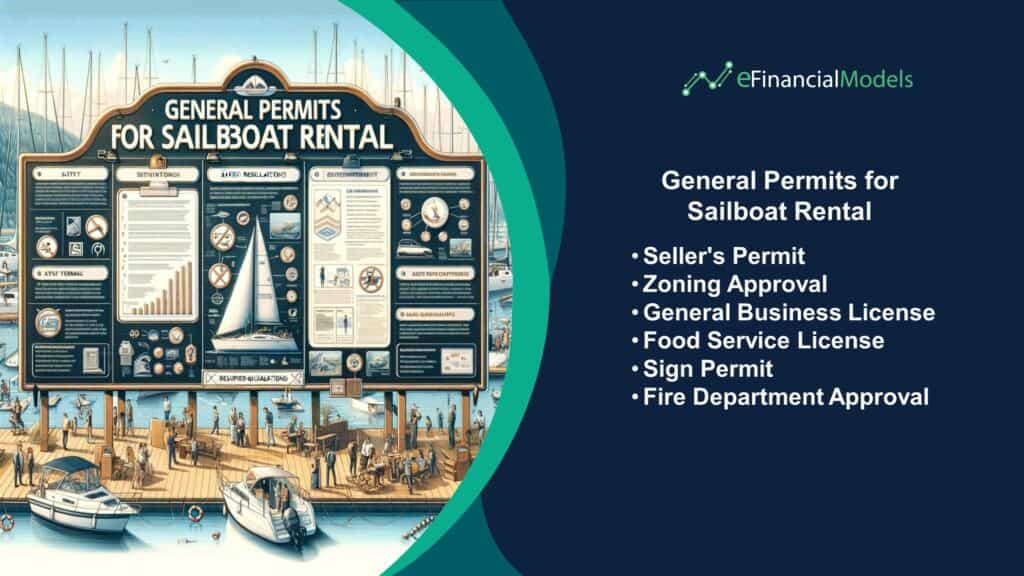
Always remember the general permits most businesses need to operate:
- Seller’s Permit: To legally collect sales tax from patrons.
- Zoning Approval: To use specific buildings for your rental operations.
- General Business License: Required for any commercial activity.
- Food Service License: If you provide snacks or meals on board.
- Sign Permit: For advertising your business ashore.
- Fire Department Approval: To ensure your on-land office meets safety standards.
Seek out a maritime law expert to navigate this sea of regulations, including boat rental insurance policies, and keep your business above board.
Sourcing Sailboats and Necessary Equipment
When it comes to casting off into the sailboat rental industry, sourcing the right vessels and equipment isn’t just about aesthetics; it’s about suitability and safety. Here’s how you can ensure you’re well-equipped for success in not only providing recreational opportunities but also in meeting the demands of inventory management in the charter rentals niche:
- Type of Sailboats: Choose between catamarans, monohulls, or even luxury motor yacht boats based on your target market and local water conditions, ensuring your inventory meets diverse customer preferences including those looking for a yacht charter experience.
- Condition: Inspect pre-owned vessels thoroughly to keep initial costs down without compromising safety or comfort. Efficient inventory management can help in maintaining the quality and serviceability of your fleet.
- Quantity and Variety: Cater to different group sizes and preferences by having a diverse fleet, but start within your means. Proper inventory practices guarantee you have the right amount of boats available for various charter rentals, including fishing charters for those interested in marine adventures.
- Navigation: GPS systems, compasses, and charts are crucial for staying on course during a yacht charter or fishing charter.
- Communication: Onboard radios and potentially satellite phones keep you connected even on open water.
- Safety: Invest in life vests, flares, fire extinguishers, and first-aid kits for each sailboat to ensure compliance and reassure customers.
- Maintenance Tools: Durability keeps your fleet afloat. Stock up on necessary tools for regular maintenance tasks, a key element of inventory management.
- Activity Gear: Offer snorkels, fishing rods, or even paddle boards to enrich the rental experience, potentially expanding into the fishing charter market.
Remember, a customer who feels safe and catered for is likely to return and recommend your services.
Raising the Sails: Operational Strategies
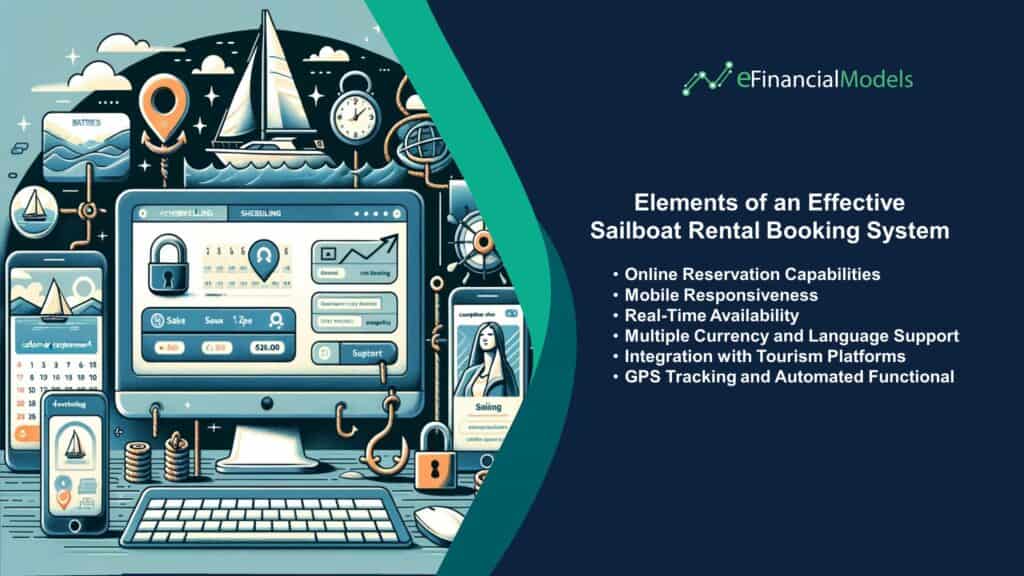
Creating an Effective Booking System. Launching an effective booking system is like setting your compass for smooth navigation through customer interactions. Launching an effective booking system is like setting your compass for smooth navigation through customer interactions. You’ll want to utilize technology that’s user-friendly and comprehensive enough to cover the tides of your growing business, ensuring you maintain a solid booking flow. Here are the key points to consider:
- Online Reservation Capabilities: Since most consumers prefer booking online, ensure your system is intuitive and secure. With the assistance of modern boat rental software, accept multiple payment methods and automatically reserve time slots once booked, reducing the need for manual inventory management.
- Mobile Responsiveness: With a significant portion of online traffic coming from smartphones, your booking system must function seamlessly on mobile devices, enhancing your web presence through optimal user experience.
- Real-Time Availability Updates: Avoid double bookings and scheduling conflicts with a system that updates in real-time, which is a crucial feature of any sophisticated inventory management software.
- Multiple Currency and Language Support: Cater to international guests by supporting different currencies and languages, which can be a boon in managing global bookings and reducing cancellations due to miscommunication.
- Integration with Tourism Platforms: Make sure your software can easily sync with platforms like Airbnb and TripAdvisor to broaden your market reach. Integration with popular services like Boatsetter can also enhance your visibility and streamline your booking process.
- GPS Tracking and Automated Functions: For operational efficiency, include tracking and features like automatic shut-off and turn-on for better boat management.
A reliable booking system can streamline your business, keep customers returning, and help steer you clear of potentially choppy administrative waters.
Implementing Safety Protocols and Maintenance Routines
When running a sailboat rental business, implementing robust safety protocols and maintenance routines is like setting a sturdy hull to weather the seas. Here’s how you can ensure the well-being of your clients and the longevity of your fleet:
- Conduct mandatory safety briefings before every rental, covering basic operation, emergency procedures, and local boating regulations, which is an essential aspect of boat rental operations.
- Provide high-quality life jackets and insist on their use at all times on the water, complementing your commitment to customer safety.
- Equip each sailboat with first aid kits, fire extinguishers, and emergency flares.
- Develop a regular maintenance schedule, considering the frequency of rentals and seasonal changes, which is a fundamental aspect of inventory management for your fleet.
- Perform thorough checks before and after each rental, looking for hull damage, sail wear, or mechanical issues, to ensure seamless boat rental operations.
- Keep a detailed log of all maintenance activities to track the health of your fleet and anticipate repairs. This inventory management practice is essential for efficient operations.
- Regularly training your staff on both safety and maintenance ensures that your team is prepared to handle any situation, keeping your sailboats in shipshape.
Navigating the Financial Currents: Budgeting for Success in the Boat Rental Business
Navigating financial currents requires a captain’s foresight—planning and budgeting. For your sailboat rental business, compiling a budget is setting a course towards fiscal health and away from the storms of monetary mishaps. Effective budgeting leads to significant cost savings and provides a basis for solid financial planning. Here’s how to build a budget for success:
- Fixed Costs: Dock these expenses into your budget first. These include slip fees, insurances, loan repayments, salaries, and any costs associated with the stake of ownership in boats or equipment.
- Variable Costs: Account for fluctuating expenses such as fuel, maintenance, and marketing activities. Considering these will help manage the company’s inflows and outflows, maintaining a stable cash flow that is crucial for the longevity of your business.
- Emergency Fund: Set aside reserves for unexpected repairs or downturns—a financial life jacket, if you will. Preparation for these can act as a buffer, offering savings in the instance of unplanned occurrences.
- Profit Margin: After tabulating expenses, set realistic rental rates to ensure healthy margins. Taking into account the right pricing strategy will help meet the profit expectations of all stakeholders involved.
- Cash Flow Management: Use tools or financial model to keep an eagle eye on your cash flow, ensuring liquidity and operational stability. A proactive approach to cash management can reinforce investor confidence and promote a sense of shared ownership in your company’s success.
With a budget in place, you can better forecast revenue, plan for expansion, and navigate your sailboat rental business towards profitable shores. Involve your stakeholders—including employees, customers, and the community—in the budgeting process to foster a sense of ownership and ensure responsiveness to their needs and suggestions.
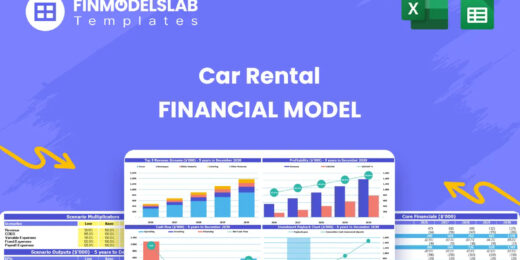
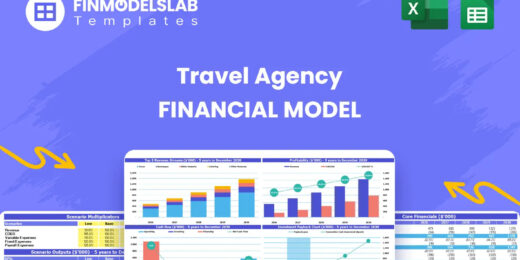
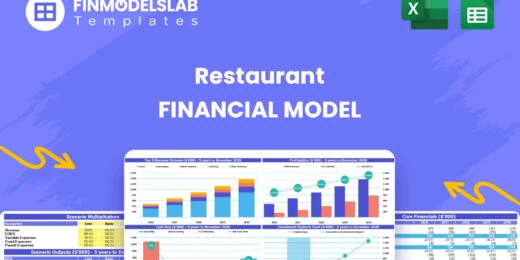
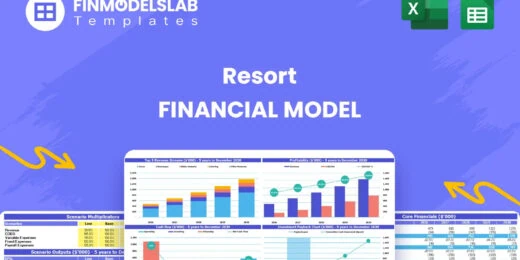
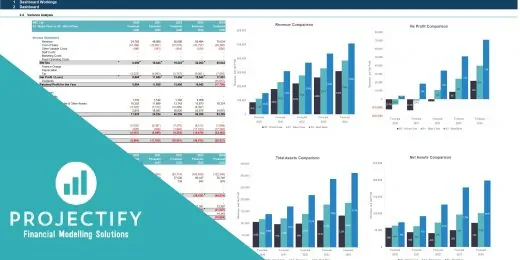
A Sailboat Rental Business Financial Model is crucial in navigating financial success by providing a comprehensive framework for forecasting, planning, and managing the business’s financial aspects. This model typically includes detailed projections of revenue and expenses, accounting for factors unique to sailboat rentals, such as maintenance costs, seasonality, and occupancy rates. By analyzing these projections, business owners can make informed pricing strategies, fleet expansion, and cost management decisions. Additionally, the model assists in securing funding from investors or loans from banks by presenting a clear and realistic financial picture of the business. It acts as a navigational tool, helping the company to steer clear of financial pitfalls, adapt to market changes, and capitalize on profitable opportunities, ensuring a sustainable and profitable venture in the competitive world of sailboat rentals.



































Understanding Costs and Revenue Streams
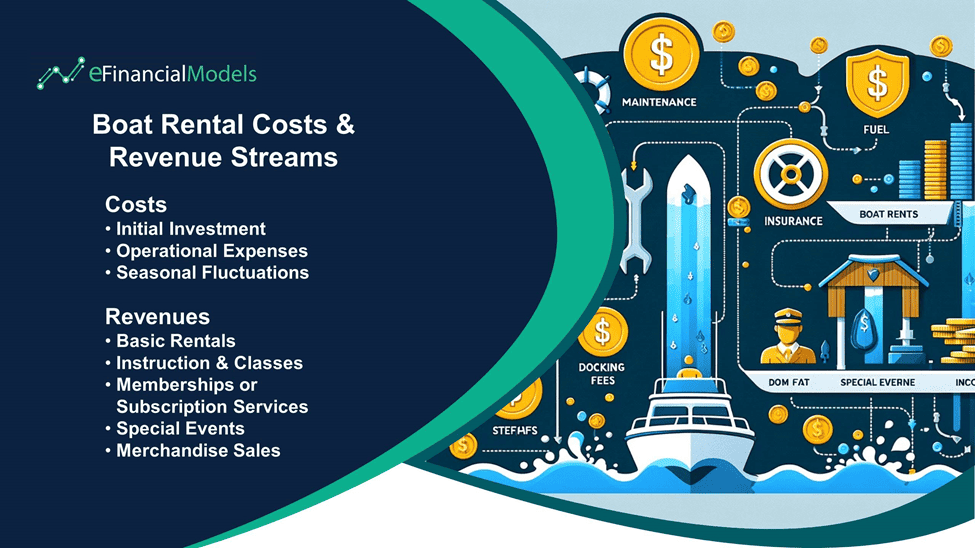
To keep your sailboat rental business buoyant, you’ll want to have a keen understanding of both the costs of running your fleet and the revenue streams that will keep you afloat. Navigating the waters of mooring pricing and terms is essential for any sailing venture; it’s an important business factor that can determine your success in the competitive maritime market. Let’s break it down:
Costs
- Initial Investment: The purchase of sailboats and docking facilities can be a significant up-front cost.
- Operational Expenses: Fuel, staff wages, insurance, maintenance, and marketing are ongoing costs that need close monitoring. At a minimum, you’ll also need liability insurance to protect against potential risks.
- Seasonal Fluctuations: Be aware of high and low seasons which can impact cash flow and necessitate a flexible pricing strategy.
- Unexpected Repairs: Emergencies happen, and having a rainy-day fund for repairs is a must.
Revenues
- Basic Rentals: The core of your business, these are the standard rental fees you charge. Optimizing your pricing here is key.
- Instruction and Classes: Sailboat handling and safety courses can engage another clientele and potentially allow for minimum age or licensing requirement changes.
- Memberships or Subscription Services: Regular customers may appreciate a subscription model for a set number of rental days per month.
- Special Events: Consider partnering up for regattas or special holiday outings as part of differentiated pricing strategies to enhance value.
- Merchandise Sales: Branded items can supplement income and serve as free marketing.
With a clear understanding of what you’re spending and how you’re earning, you can steer your business toward more strategic and profitable decisions.
Promotion and Growth Tactics: Marketing Approaches to Fill Your Sales Funnel
Ahoy there! Don’t let your sailboat rental business drift unnoticed in a sea of competition. To fill your sales funnel, you’ll want to navigate through various marketing approaches, making sure that customers are lured by your siren call. Enhance your web presence to cast a wider net. Here’s how you can effectively market your venture:
- Utilize Social Media Platforms: Showcase the allure of sailing through stunning visuals and user-generated content on Instagram, Facebook, and TikTok. Engage with your audience through interactive content like polls and stories. Don’t forget to amplify your brand on Twitter, where timely updates and trending hashtags can boost visibility.
- Leverage Search Engine Optimization (SEO): Tailor your website content to rank higher in search results for sailboat rentals in your area. Use targeted keywords that potential customers might search for, solidifying your online presence and making sure you’re discovered by enthusiastic sailors searching online.
- Develop Partnerships with Local Businesses: Hotels, travel agencies, and tour operators can become referral sources, so network with them to offer exclusive packages or discounts. Establishing profiles on professional networks like LinkedIn could enhance B2B relationships and referrals.
- Run Promotions and Special Offers: Incentivize first-time renters or reward loyal customers with discounts, upgrade options, or free additional hours of rental time. Keep a loop of communication through Twitter, posting about real-time deals to spur immediate action.
- Email Marketing Campaigns: Collect email addresses to keep customers informed about upcoming deals, events, and offerings, encouraging repeat business and referrals. A consistent and personalized approach could transform a one-time renter into a brand ambassador.
- Host Events and Open Houses: Generating buzz with public events can attract attention and get people talking about your rental service. Extend the invitation via LinkedIn to engage a professional crowd that might be looking for corporate event ideas.
Blend these marketing tactics to find what best captures your audience, and remember, a personalized touch often leaves the strongest impression.
Expanding Your Fleet and Services
As the wind picks up and your business begins to surge, expanding your fleet and services could be the next horizon to explore. Increasing your offerings not only accommodates more guests but can also carve out new revenue streams. Here’s how to consider broadening your boat rental business:
- Assess Market Demand: Regularly gauge customer feedback and market trends to identify what types of boats or additional services are in demand.
- Invest in Diverse Vessels: Add variety to your fleet, such as smaller dinghies or luxury yachts, to cater to a broader range of clients and occasions.
- Offer Additional Rental Options: Including fishing gear or water sports equipment can attract a new clientele and encourage current customers to try new experiences.
- Consider Partnership Opportunities: Collaborate with instructors for sailing lessons or local tour guides for unique on-water experiences.
- Introduce Seasonal Services: Use off-peak seasons to host events or offer educational courses about sailing and marine conservation.
Before expanding, ensure that your business’s foundation is solid, with a sustainable customer base and financial stability. Growth is exciting, but it should be executed with caution to maintain your fleet’s integrity and your business’s reputation.




































FAQ
How Much Does It Cost to Start a Sailboat Rental Business?
Starting a sailboat rental business involves a significant upfront investment. Costs can range drastically depending on various factors such as location, fleet size, type of sailboats, and initial condition (new or used). For instance, a new small sailboat starts at around $10,000, while larger, more luxurious models can exceed $100,000. Additional expenses include certifications, insurance, employee wages, dock fees, and equipment. All told, you could be looking at an initial cost of anywhere from $50,000 to several hundred thousand dollars. Keep in mind, ongoing expenses for maintenance and operations will also factor into the overall budget.
What Are the Key Factors for a Successful Sailboat Rental Business?
The key factors for a successful sailboat rental business revolve around strategic planning and exceptional customer service. Firstly, a prime location that attracts ample foot traffic and offers beautiful sailing routes is essential. High-quality, well-maintained boats ensure safety and customer satisfaction. Additionally, a strong online presence with an easy booking system boosts visibility and convenience. Tailoring services to meet customer demands and seasonal changes keeps the business adaptable. Lastly, effective marketing strategies and partnerships can significantly increase reach. Above all, prioritizing safety with proper equipment and training can set a sailboat rental business apart.
You might also like:
- How to Start a Car Rental Business: A Roadmap to Success
- Renting vs. Buying: Key Considerations for Your Boat Rental Business
- Top 10 Tips for Starting Your Own Boat Rental Company
- Financial Modeling for Startups and Small Businesses
- 10 Step Financial Planning Checklist for Smart Executives
- Houseboat Rental Business Financial Model
- Sailboat Rental Business Financial Model
- 10 Main Elements of a Business Plan
- 5 Practical Tips to Help Raise Funds For Startups
- Financial Model Templates Easy to Use
- Funding Sources for Businesses and Startups
- Steps to Building Financial Models in Excel
- Cash Flow Analysis in Excel
- Marginal Cost of Rental Business Operations
- Calculating Net Present Value (NPV): A Key Metric
- Boost Your Business’s Financial Management with this Excel Budget Template
- How to Write a Business Plan Step-by-Step
- Understanding Insurance Policies: A Beginner’s Guide
- Investment Proposal Template in Excel
- Houseboat Rental Business Model Template
- How to Optimize the Average Selling Price: Strategies for Higher Profits