
0 ITEMS

Private Aircraft Rental 101: How to Charter Your Perfect Jet

Private aircraft rental offers a luxurious alternative to commercial flying, focusing on privacy, flexibility, and personalized service.
- The industry appeals to business travelers, celebrities, and families seeking exclusive travel experiences.
- Costs include hourly rental rates, fuel, crew, handling fees, and additional amenities.
- Different aircraft types, from turboprops to ultra-long-range jets, suit varying distances and passenger needs.
- International flights require permits, visas, and compliance with multiple safety and regulatory standards.
- Efficient fleet management and dynamic pricing are key to maximizing profitability in private aviation.
Understanding these core aspects helps clients make informed decisions and operators optimize their business strategies.
Decoding the World of Private Aircraft Rental
Regarding the epitome of travel services in luxury and convenience, nothing quite matches the allure of private jet charters. They allow for the combination of flexibility, privacy, efficiency, and comfort that commercial flights are hard-pressed to match. But if you’re new to the scene, dipping your toes into the world of private aviation might seem overwhelming. Fear not! We’re here to simplify the process for you. Renting a private aircraft is no longer an exclusive privilege of the ultra-wealthy or corporate giants. More and more people are discovering the unmatched convenience and comfort it offers. But before you take to the skies in style, let’s run through the essentials.
Firstly, think about why people prefer flying private. Looking for hassle-free travel to a business meeting or perhaps starting a luxurious vacation without the stress of commercial airports? This purpose will guide the jet selection and amenities you may need. Get familiar with the different types of private aircraft charter options available, including booking by seat, one-time charters, private jet cards, and fractional ownership. Understand that while convenience is a given, there are costs to consider. These don’t just include the hourly rental rate but also fees for fuel, crew, airport handling, and sometimes catering or additional services. Finally, safety is paramount. Ensure you adhere to strict safety standards and can provide a spotless track record. They should handle all the intricacies of flight planning, including necessary documentation and adherence to regulations.
Now let’s delve deeper into the various types of planes you could choose from and how to tailor your choices to your travel needs.
Understanding the Types of Aircraft Available for Charter
From Turboprops to Ultra Long-Range Jets
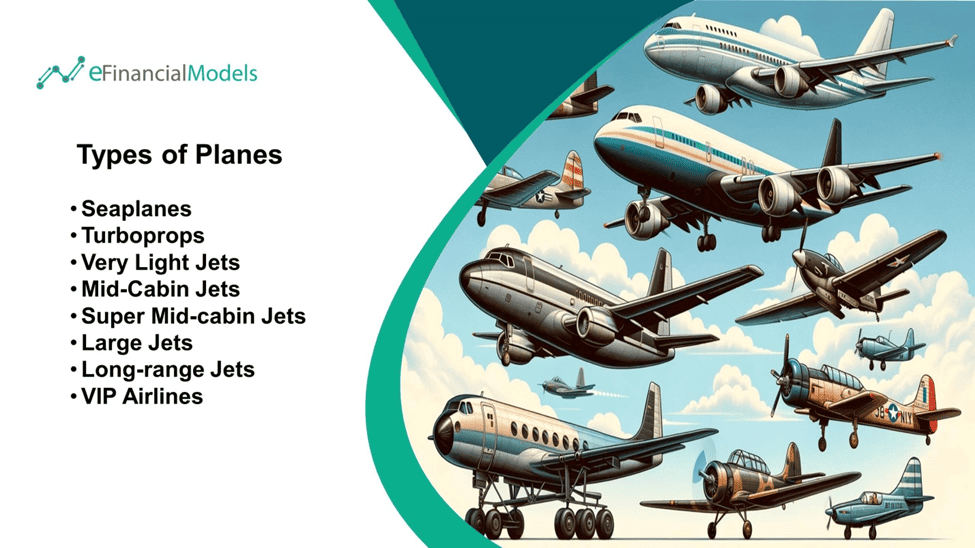
When scanning the sky-high menu of private aircraft, you’ll find a hearty range of options to satisfy every travel appetite. At the entry-level, you might encounter seaplanes and turboprops. Seaplanes for rent are aircraft equipped with floats or hulls for taking off and landing on water, available for hire by individuals or groups for personal or commercial use. Turboprops like the trusty King Air series are an excellent choice for short-haul flights less than 500 miles and can often reach those out-of-the-way places with shorter runways that jets can’t. Plus, they’re usually more budget-friendly.
Climbing up the private aviation ladder, you’ll find very light jets (VLJs) such as the Cessna Citation M2 and Embraer Phenom 100. These compact jets are comfy for quick hops of 1,000 miles or so. They’re akin to flying limousines—intimate and opulent, albeit with limited passenger and luggage capacity. Step it up to light jets for a tad more legroom and expanded range. Aircraft like the Bombardier Learjet 35 and Cessna Citation II can comfortably ferry up to eight passengers around 2,000 miles with amenities such as onboard lavatories—a significant leap from VLJs.
You may also opt for the middleweight champions of the skies— mid-cabin jets like the super comfy Hawker 900XP and the sleek Cessna Citation Excel. They offer a fine balance between comfort and range, seating up to eleven passengers and flying as far as 5,000 miles. And for those who aim to traverse continents like hopping across town, long-range jets are at your service. The Bombardier Global 5000 and Gulfstream V exemplify flying palaces, whisking up to nineteen passengers over 6,000 miles in sumptuous comfort—perfect for those who refuse to compromise on space and luxury.
Last, VIP Airlines offers luxurious cabins for high-speed travel tailored for exclusive, comfortable, and efficient transportation for small groups of elite passengers.
Selecting the Right Jet for Your Needs
Choosing the perfect jet for your travels boils down to matching needs with the aircraft’s capabilities. Here’s a roadmap to help you select the right jet:
- Assess Party Size: A very light jet might suffice if traveling solo or with a small group. For larger groups, consider mid-size to heavy jets.
- Determine the Range: Look at the distance to the destination. Turboprops are efficient for short regional trips, but a long-range jet is best for cross-country or international flights.
- Consider the Budget: Turboprops and smaller jets are more cost-effective for shorter distances. However, while larger jets come with a heftier price tag, they provide additional amenities that might be worth the extra cost.
- Evaluate Luggage Needs: Small jets have limited baggage capacity. Sizable luggage or carrying equipment ensures the type of aircraft that can accommodate.
- Examine the Airports: Some airports can’t accommodate large jets, or some destinations may only be accessible via smaller aircraft.
- Distinguish Comfort Level: If looking to work or relax comfortably, there must be a cabin space that suits activities – for this, cabin height, seating comfort, and onboard facilities come into play.
A dedicated account manager will always help navigate these considerations and choose the best jet for specific needs, ensuring a harmonious blend of functionality, convenience, and luxury in your private aircraft rental company.
Steps to Charter Your Perfect Private Jet
How to Choose Your Aircraft and Operator
Taking that first step towards private aircraft rental comes with several decisions. You want to ensure that your choice of aircraft and operator aligns with travel requirements, preferences, and peace of mind. Here’s how to make an informed choice:
- Identify Your Requirements: Pinpoint the key factors of most trips, such as the number of passengers, destination, range, budget, and specific amenities of target clients.
- Research Operators: Look for reputable aircraft operators or pilots and flight crew with a robust safety record, excellent customer service, and a wide selection of aircraft.
- Get Expert Advice: A dedicated account manager can be an invaluable resource in helping you assist customers and suggest options.
- Review Safety Standards: Ensure you adhere to stringent safety standards and have certifications from third-party auditors like ARGUS or Wyvern.
Consider your choice of staff as a partnership — one where they provide a service and an experience tailored to your needs. A good operator will ensure your customers’ journey is as seamless on the ground as it is in the air, handling all the logistical details for you.
The Cost Factors in Maintaining an Aircraft Fleet
Maintaining a private aircraft fleet comes with a matrix of costs that many clients may not see on the surface. Understanding capital expenditures and operating expenses can help in appreciating the value offered by charter services. Here’s a breakdown of the major factors:
Fixed Costs
- Crew Salaries: Qualified pilots and cabin crew must be compensated for their expertise.
- Benefits and Training: Continuous training ensures the crew stays updated on safety protocols and service excellence.
- Aircraft and Operating Insurance: Insurance are necessity to protect against liabilities and unforeseen events.
- Aircraft Storage: Hangar fees protect the aircraft from the elements when not in use.
- Aircraft Refurbishment: Regular refurbishing keeps the fleet fresh and appealing.
Variable Costs
- Fuel: The most variable and significant expense fluctuates between market prices and aircraft usage.
- Maintenance: Regular maintenance is critical to safety and includes both scheduled and unscheduled repairs.
Navigating International Fees and Regulations
Venturing into international skies with a private jet isn’t as straightforward as booking a ticket and showing up at the airport. You must navigate several additional fees and regulations, which, if not handled properly, can cause unexpected headaches and costs.
- Overflight Permissions: Fees paid to fly over certain countries, even if you don’t land there.
- Landing Permits: Necessary for each international location you plan to visit and vary in cost and processing time.
- Handling Fees: The package can include charges for ground services at international airports.
- Customs and Immigration Fees: Required for entering and exiting countries can vary widely.
Additionally, visa regulations and travel documentation will depend on the country visited. Certain destinations might require visas arranged beforehand; sometimes, landing permits can take weeks to secure. Remember to factor these costs into the budget when setting prices for an international trip.























































Ensuring Safety and Compliance Abroad
Flying privately abroad demands strict adherence to many safety and compliance regulations. To ensure a safe and seamless trip, here’s what you need to look out for:
- Adherence to International Safety Standards: Always confirm compliance with internationally recognized safety standards and hold certifications such as the International Standard for Business Aircraft Operations (IS-BAO).
- Aircraft Maintenance Records: Maintain detailed logs of aircraft maintenance and operate well-maintained, regularly inspected aircraft.
- Crew Qualifications and Training: Ensure that the crew is licensed and has ample experience with international flights, including training in handling various airspace regulations and emergency scenarios.
- Local Aviation Regulations: Each country has its own set of aviation rules. Your private aircraft rental company should be versed in these and capable of managing all the local compliance issues.
When properly handled, these factors should be invisible to you, the traveler, with the charter company providing a seamless experience regardless of the complexities behind the scenes.
Maximizing Profits for Your Private Aircraft Rental Company
Running a successful private aircraft rental company isn’t just about possessing a fleet of the finest jets but strategic financial and operational management. Here’s how to ensure profitability while maintaining high-quality service:
- Optimize Fleet Utilization: Maximize flight hours for each aircraft to spread the fixed costs over more flight hours, improving cost-efficiency.
- Dynamic Pricing Models: Implement flexible pricing models that adjust with demand, season, and flight routes to remain competitive and maximize revenue.
- Ancillary Services: Offer value-added services like in-flight catering, ground transportation, or concierge services for an additional fee to enhance customer experience and profit margins.
- Maintenance Efficiency: Keep a stringent schedule and system for maintenance to prevent costly unexpected repairs and ensure aircraft are in service as much as possible.
- Fuel Management: Monitor fuel consumption and consider opportune purchasing strategies to mitigate the most significant variable cost.
- Client Retention: Focus on building long-term relationships with clients through loyalty programs, exceptional service, and personalized experiences, which can lead to repeat business.
Profitability lies in the details. By keeping operational costs in check without compromising on safety or service quality, your rental company can thrive and become a preferred choice in the private aviation market.
A Private Aircraft Rental Company Financial Model is essential for anyone looking to start and grow a private aircraft rental business. It helps accurately forecast revenues, expenses, and profitability, providing a clear financial roadmap for the company. By incorporating variables specific to the aviation industry, such as fuel costs, maintenance, hangar fees, and fluctuating demand, the model allows for realistic and adaptable planning. This level of detail is crucial in making informed decisions about fleet expansion, pricing strategies, and market targeting. Furthermore, it aids in securing financing by presenting potential investors with a thorough and professional analysis of the business’s financial prospects. Overall, this financial model is a critical asset in strategically navigating the complexities of the private aircraft rental market, ensuring you can charter the perfect jet for your clients while maintaining a sustainable and profitable business.
FAQs About Chartering a Private Aircraft
How Much Does It Typically Cost to Rent a Private Jet?
The cost to rent a private jet typically ranges between $2,000 and $14,000 per billable flight hour, depending on the aircraft type. The most economical options, like turboprops and very light jets, start at around $2,600 to $3,500 per hour. Midsize jets average between $4,000 and $8,000 per hour, while large and ultra-long-range jets can cost between $8,000 and $14,000 per hour. For ultra-luxury VIP airliners, hourly rates can soar from $16,000 to $23,000. The total price may include fuel, crew, airport handling, and more fees.
Can I Fly Internationally with a Chartered Private Jet?
Absolutely! You can fly internationally with a chartered private jet, providing unrivaled convenience and access to more airports than commercial flights. Do remember that international flights require specific paperwork, including passports, visas, and sometimes permits or declarations, which your charter company can assist you with. Be aware of differing arrival times for securing landing permits, as they can vary based on the destination.
What is the Process of Chartering a Jet, and What Documentation Is Needed?
Identify your travel needs, including destinations, number of passengers, dates, and any specific requirements such as catering or ground transportation. You’ll need to give details about all passengers flying. This typically includes full names, dates of birth, and possibly other identification information. Passengers must usually provide a valid passport for international flights or a government-issued photo ID for domestic flights.
Are There Options for Renting a Jet for Group Travel or Shared Flights?
Yes, options are tailored specifically for group travel or shared flights in private aviation. You can charter a larger aircraft capable of accommodating your group comfortably or opt for a shared flight service, also known as ‘by-the-seat’ charters, where you book individual seats on a private plane, offering a middle ground between commercial flying and exclusive private charter. Both solutions allow for cost-sharing and are ideal for corporate outings, sports teams, or large family vacations.
You might also like:
- 10 Tips to Develop a First Class Business Valuation Report
- How to Use Excel for Financial Analysis?
- How to Start a Distillery Business: What You Need to Know?
- Financial Modeling for Startups and Small Businesses
- How to Charter a Jet: A Step-by-Step Guide
- Understanding What is Yield to Maturity and Why It Matters
- How to Build a Capitalization Table
- Private Aircraft Rental Company Financial Model
- 10 Main Elements of a Business Plan
- Financial Planning for Small Business Owners – Taking an SBA Loan
- How to Set up a Car Rental Business: A Roadmap to Success
- Financial Modelling PDF Examples
- Rental Income
- Car Rental Business
- Business Valuation Methods
- Creating a Budget Plan – Using the Best Excel Budget Template
- Key Financial Ratios
- Why Do You Need a Financial Model?
- Top 5 Principles of Corporate Finance
- Coalition of Rental Operators