
0 ITEMS

How Much Does It Cost To Start An Arcade?
Starting a gutter cleaning business involves understanding the demand for essential home maintenance services that prevent water damage and pests.
- The industry experiences seasonal peaks in autumn and spring when debris and leaves increase.
- Competition includes local handymen, landscapers, and professional gutter cleaners, making differentiation important.
- Key skills include ladder safety, debris removal techniques, and customer communication for repeat business.
- Startup costs primarily cover ladders, safety gear, a service vehicle, and marketing efforts.
- Legal requirements involve business registration, insurance, and adherence to safety and employment regulations.
This article covers the core steps to launch and grow a profitable gutter cleaning business, from market insights to operational essentials.
Starting an Arcade
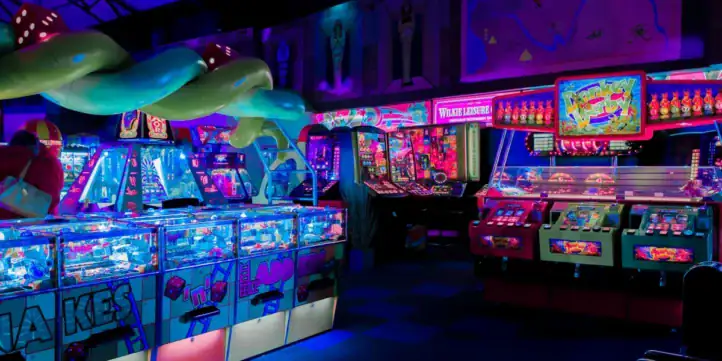
Starting an arcade can be an exciting venture but requires careful financial planning. Initial costs vary widely, typically ranging from $50,000 to $150,000. This range depends on factors like location, size, and the types of games offered. Urban locations and larger spaces will push costs higher. Conversely, smaller setups in suburban areas might be more affordable.
Key expenses include renting or buying a suitable space. Monthly rents can differ significantly based on the city or neighborhood. Renovation and interior design also add to costs, creating an engaging environment for customers. The layout and decor need to capture the essence of an exciting arcade. This part requires creativity and investment.
Another major expense is purchasing arcade machines. New machines can cost anywhere from $2,000 to $10,000 each. Popular games and vintage classics might be more expensive. Used machines can be cheaper but may need repairs. Maintaining a mix of new and classic games can attract diverse customers.
Finally, you’ll need to consider regulations and license fees. Licensing requirements vary by location and can impact your budget. Make sure to research and comply with local laws. These steps ensure your business runs smoothly and avoids legal issues. Proper planning can help manage these costs effectively.
Initial Investment and Financial Expectations
When planning your initial investment, it’s crucial to consider all potential costs. Renting or buying property is one of the largest expenses. Depending on location, this could range from $1,000 to over $10,000 per month. Renovations to create an inviting atmosphere can add another $20,000 to $50,000. These changes ensure the space looks attractive and functional.
Arcade machines represent a significant portion of the investment. New machines can cost between $2,000 and $10,000 each. Opting for used machines might lower costs but could include higher maintenance expenses. Creating a diverse selection of games is vital for attracting a wide audience. This variety can influence regular customer visits.
Other initial costs include marketing and advertising. An effective marketing campaign can cost from $5,000 to $20,000 initially. This helps draw attention and build a customer base. Signage, flyers, and online ads should reflect the arcade’s unique appeal. An engaging campaign attracts curious gamers.
It’s essential to have clear financial expectations. Many arcades see profits within the first year. Be prepared for slow periods, especially in the beginning. Regular events and promotions can help maintain steady income. Understanding your financial landscape helps ensure long-term success.
Factors Influencing the Startup Cost
Various factors can significantly impact the overall cost of starting an arcade. Location is one of the most critical elements. Renting or buying property in urban areas is much higher than in suburban or rural locations. High-traffic areas may offer more exposure but come with heftier rents. This trade-off needs careful consideration when budgeting.
The type of arcade games you choose also plays a major role. Modern machines with advanced graphics and features can be quite expensive. Conversely, vintage machines might cost less but incur more maintenance expenses. A combination of both types can appeal to a broader audience, diversifying the initial investment. Balancing these choices influences startup costs.
Renovation and decoration expenses can also vary widely. Custom designs and high-end finishes will drive up costs. Functional yet creative designs can offer significant savings. Furniture, lighting, and sound systems must align with the arcade’s theme. An inviting atmosphere can justify spending more on décor.
Regulatory fees and compliance costs can also add up. Business licenses, zoning permits, and health inspections are necessary for legality. Failure to comply may result in fines or shutdowns. Understanding local regulations beforehand is crucial. Budgeting for these expenses avoids unexpected challenges.
Estimation of the Space and Location Cost
Choosing the right space and location for your arcade is a critical decision that impacts costs significantly. Urban areas with high foot traffic can demand rent prices ranging from $3,000 to $15,000 per month. Comparatively, suburban or rural locations tend to be more affordable, with rents averaging between $1,000 and $5,000 per month. These rates fluctuate based on the city and neighborhood. Prime locations can attract more customers, justifying the higher rent.
The size of the space also influences the overall cost. A small venue of around 1,000 square feet might keep initial expenses lower. However, larger spaces of 2,500 square feet or more can host more games and attract bigger crowds. Each additional square foot of space increases both rental and maintenance costs. Finding the right balance between size and affordability is essential.
Renovation costs can vary depending on the changes you need to make. Basic renovations can start at $20,000, while extensive remodeling can exceed $50,000. These expenses include installing electrical systems, flooring, lighting, and thematic decorations. A well-designed space can enhance customer experience and justify the initial outlay. It’s important to budget for these costs early.
Potential hidden costs related to the location are worth mentioning. For instance, utility bills in highly populated areas can be higher. Security systems might also be necessary, adding to monthly expenses. Additional fees, such as parking, could also impact budgets. Accounting for these factors prevents unexpected financial strain.
A detailed budget can help in planning for these diverse costs. Break down the overall cost into categories like rent, utilities, and renovations. This structured approach provides clear financial insights and helps in managing expenses effectively. Understanding these cost elements is pivotal for a successful arcade business.
Cost Composition of Arcade Machines
Arcade machines are a major investment and come in various types and price ranges. New machines often feature the latest technology, offering advanced graphics and gameplay, which can make them appealing but costly. Prices for new arcade machines range between $2,000 and $10,000 each. Higher-end models with more complex features can even exceed this range. These machines offer reliability and fewer maintenance issues.
Used or refurbished machines present a more budget-friendly option. These can cost between $500 and $5,000, depending on the machine’s condition and rarity. While cheaper, they might require more frequent repairs. It’s crucial to inspect used machines carefully. Buying from reputable sellers can reduce risks.
Another consideration is the type of games offered. Classic video games like Pac-Man or Space Invaders are traditional crowd-pleasers. Conversely, modern interactive games like dance machines or virtual reality setups are trendy. These segments have different costs and maintenance needs. Balancing classic and modern can attract a diverse audience.
Machine upkeep is another essential expense to factor in. Regular maintenance can prevent breakdowns and extend the lifespan of your machines. Maintenance costs can range from $100 to $500 per machine annually. This preventive care ensures a smooth customer experience. Long-term planning for these expenses is wise.
Additional accessories and parts can also add to the overall cost. Items like replacement joysticks, buttons, and screens may be needed. These parts can cost between $20 and $200 each. Stocking up on essential parts can minimize downtime. Quick repairs keep machines running efficiently.
Creating a diverse and well-maintained arcade selection improves customer satisfaction. Adjusting the arcade’s offerings based on feedback ensures continued interest. Being prepared for various costs helps in long-term success. Proper management of machine costs keeps your arcade appealing and operational.
Regulations and License Fees
Starting an arcade involves navigating various regulations and obtaining necessary licenses. These requirements differ by location, so it’s essential to research local laws. Business licenses are usually the first step, costing anywhere from $50 to $400 annually. This fee varies depending on city or county regulations. Timely renewal is crucial to stay operational.
Health and safety standards also need to be met. Regular inspections ensure that your arcade complies with fire codes and sanitation rules. These inspections can result in additional costs if upgrades or adjustments are necessary. Maintaining a clean and safe environment helps avoid fines. Adequate preparation can streamline inspection processes.
Some areas require specific arcade licenses or permits. These can range between $100 and $500. Local governments often issue these permits to regulate gaming activities. Providing details like types of games and floor plans can be part of the application process. It’s important to thoroughly complete all paperwork.
Public entertainment permits might be required for arcades offering additional features, such as live events or food services. These permits are generally more expensive, ranging from $200 to $1,000. Including food services may require health department approvals. Understanding these requirements avoids potential legal issues.
Compliance with zoning laws is another consideration. Certain areas may have restrictions on where arcades can operate. It’s important to check zoning laws before leasing or purchasing property. Zoning violations can result in fines or forced relocation. Being proactive in understanding these laws is beneficial.
Here is a quick overview of potential fees:
| Fee Type | Cost Range |
|---|---|
| Business License | $50 – $400 |
| Arcade Permit | $100 – $500 |
| Public Entertainment Permit | $200 – $1,000 |
| Health Inspection Upgrades | $100 – $1,000 |
Potential Profits and Return on Investment
The potential profits of an arcade can be quite substantial, depending on various factors. An arcade with a good location, popular games, and effective marketing can earn $10,000 to $50,000 per month. Weekends and holidays often see increased foot traffic. Hosting special events can boost daily earnings significantly. Keeping the arcade fresh with new games attracts repeat customers.
Return on investment (ROI) is a crucial aspect of any business plan. Initial investments might seem high, but many arcades see notable returns within a year or two. Profits from machine rentals, snack sales, and entry fees all add up. Diversifying income streams helps stabilize earnings over time. Tracking these revenues informs future decisions.
Membership programs can enhance profitability. Offering monthly or yearly passes encourages frequent visits. These programs create a steady revenue stream and loyal customer base. Special perks for members like discounts or exclusive game nights improve retention rates. Monthly memberships could bring in additional income consistently.
| Revenue Source | Estimated Month Revenue |
|---|---|
| Machine Rentals | $5,000 – $20,000 |
| Snack Sales | $1,000 – $5,000 |
| Entry Fees | $4,000 – $15,000 |
| Membership Programs | $500 – $10,000 |
Sponsorships and partnerships offer additional profit avenues. Partnering with local businesses for promotions can draw more customers to the arcade. Sponsored events also generate extra income while providing mutual benefits to partners. Building these relationships enhances community presence further. Effective collaborations drive higher long-term profits.
Understanding peak operating times aids financial planning as well. School vacations and summer breaks generally increase visitor numbers for family-oriented venues like arcades. Marketing campaigns during these periods yield higher returns . Optimizing opening hours based on customer behavior maximizes revenue without unnecessarily increasing operating costs . Strategic timing ensures sustained profitability across seasons .
Frequently Asked Questions
Starting an arcade involves various factors, from financial planning to operational logistics. Below are some frequently asked questions to help you better understand the process and success strategies.
1. What types of games should I include in my arcade?
A diverse selection of games can attract a broad audience. It’s advisable to include classic video games like Pac-Man and modern interactive games such as dance machines or virtual reality setups. This variety ensures that different age groups and interests are covered.
Additionally, redemption games where players win tickets for prizes can be very popular with younger audiences. Regularly updating your game selection with trending titles keeps the experience fresh and exciting for repeat visitors.
2. How important is location for an arcade?
Location is crucial to the success of your arcade. High foot traffic areas like malls or busy downtown streets offer greater exposure and attract more customers, although they come with higher rent costs.
Conversely, a suburban area might have lower rental costs but requires more marketing efforts to draw in customers. Therefore, thoroughly researching potential locations is essential before making a decision.
3. Do I need special licenses to operate an arcade?
You will likely need several licenses and permits depending on local regulations. These often include a general business license, health inspections if selling food, and specific arcade permits or public entertainment licenses.
Consulting with local government offices can provide clarity on what specific documentation you need. Securing all necessary licenses ensures that your business operates legally and avoids possible fines or shutdowns.
4. How do I market my new arcade effectively?
An effective marketing strategy combines both online and offline methods. Utilizing social media platforms like Facebook and Instagram can help generate buzz before the grand opening while running targeted ads towards nearby residents increases awareness.
In addition, hosting grand opening events or offering special promotions such as discounted entry fees or free gameplay can attract initial crowds and create loyal customer bases from day one.
5. What are the ongoing costs of running an arcade?
The ongoing costs of running an arcade extend beyond initial setup expenses primarily including utilities maintenance employee salaries lease renewals marketing activities regular updates new machines replacements consumables prizes ticket rolls snacks drinks beverages among others
Conclusion
Starting an arcade involves a complex mix of costs, strategic planning, and regulatory compliance. From location selection to game variety, each element plays a crucial role in ensuring success. Proper budgeting and understanding ongoing expenses will help maintain a profitable venture.
By staying updated with trends and consistently offering a rewarding experience, your arcade can thrive. Combining effective marketing with solid financial management is key. Achieving a balance between innovation and timeless appeal can set your arcade up for long-term success.
































You might also like:
- 10 Tips to Develop a First Class Business Valuation Report
- 10 Main Elements of a Business Plan
- 5 Practical Tips to Help Raise Funds For Startups
- How to Write a Business Plan Step-by-Step
- How to Prepare a Financial Plan for a Chicken Egg Farm?
- Understanding What is Yield to Maturity and Why It Matters
- Financial Planning for Small Business Owners – Taking an SBA Loan
- How to Secure Seed Financing?
- Startup Financial Models
- Fundraising Project Plan Template in Excel
- Business Plan Models – Using Business Models as Examples
- Financial Statements – Definition, Uses, Contents and Templates
- Financial Modeling for Startups and Small Businesses
- 12 Funding Sources for Businesses and Startups
- Scenario Analysis
- Understanding the Debt Service Coverage Ratio: An Essential Metric for Financial Analysis
- Business Valuation Service
- Financial Modeling using Excel
- Investment
- Game Centers & Arcades


