
0 ITEMS

Game Centers & Arcades
Games centers & arcades are where people play games such as video games, electro-mechanical games, pinball games, claw cranes, or coin-operated billiards and air hockey tables. Though online games are now garnering more market shares, games centers & arcades are still in place as other people want to experience fun in a more friendly environment with other players around. For those interested in businesses related to game centers & arcades, you can access financial model templates here.


10-year financial model for a game streaming platform providing forecasts,…


Elevate your mobile game development success with our Excel-based Financial…

The Video Streaming Financial Model Template is a comprehensive tool…


Highly versatile iGaming 5-Year financial projection model offering a range…


This Student Bundle includes financial model templates from various industries…
This Vending Machines Financial Model Template has been built for…

This Bakery Financial Model Template has been built for use…


Financial Model providing an advanced 5-year financial plan for a…
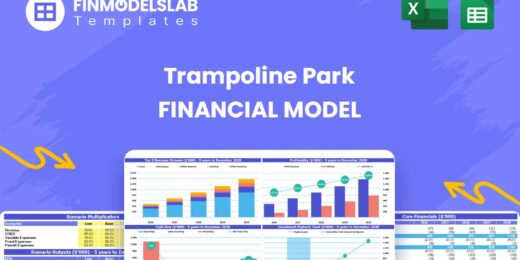

The Trampoline Park Financial Model helps entrepreneurs, founders, consultants, analysts,…

Financial Model providing an advanced 5-year financial plan for a…



Financial Model providing an advanced 5-year financial plan for a…

Financial Model providing a dynamic up to 10-year financial forecast…

The Game Center Financial Model Financial Model Template helps entrepreneurs,…
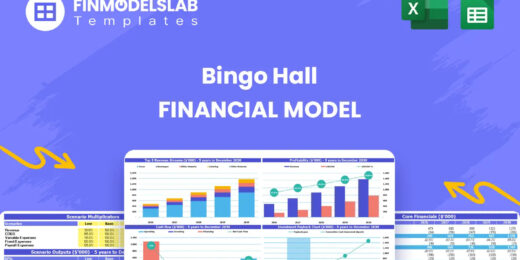
The Bingo Hall Financial Model helps users turn a bingo…

The Arcade Financial Model helps users turn an arcade, game…

User-friendly 3 statement 5 year rolling financial projection Excel model…

The Paintball Financial Model helps entrepreneurs, founders, consultants, analysts, and…
Financial Planning Insights for Game Centers & Arcades Success

In an era where digital entertainment avenues are rapidly evolving, game centers and arcades have experienced a revival, becoming hotspots for social interaction and immersive gaming experiences. The appeal of these entertainment venues lies in their ability to offer not just games, but themed environments and social settings where people of all ages can engage with their peers. This article aims to uncover the financial planning strategies essential for the success of game centers and arcades, exploring the industry's landscape, vital performance metrics, unique financial elements, and the importance of Excel templates in crafting effective financial plans.
Understanding the Market Landscape of Game Centers and Arcades
The global gaming and entertainment industry has seen a remarkable uptick in popularity, fueled by technological advancements and a growing appetite for interactive experiences. Game centers and arcades have capitalized on this trend, offering an array of attractions—from traditional pinball machines to cutting-edge virtual reality simulators. The increasing integration of social gaming and advances in immersive technology have significantly influenced customer behavior. Visitors today expect a fusion of gaming and entertainment that makes the playing experience more communal and competitive, often choosing establishments that offer collaborative or interactive games.
Understanding the target demographics is crucial for positioning game centers and arcades successfully. These venues typically cater to two main segments: families seeking a wholesome, engaging outing for all age groups and adults looking for nostalgic games or modern, immersive experiences. Family-friendly environments often incorporate games that appeal to children and teens, while adult-focused experiences might include bars and gaming events targeting a mature audience. Recognizing the nuances in customer preferences enables operators to tailor their offerings to meet distinct needs, enhancing customer satisfaction and retention, which can be supported by effective financial forecasting.
Tracking Key Performance Indicators for Success
To thrive in the competitive arcade business landscape, it’s essential to track specific KPIs that reflect operational efficiency and customer engagement. One of the primary indicators is customer footfall, which measures the number of visitors entering the establishment. This KPI helps identify peak periods, guiding staffing and operational decisions. Meanwhile, the average spend per visitor provides insight into the revenue generated per customer, allowing operators to optimize pricing strategies and product offerings.
The redemption rate is another significant KPI, evaluating the popularity and effectiveness of prize-winning games. High redemption rates suggest successful engagement, potentially prompting an increase in prize-related purchases. Equally important is the game utilization rate, which tracks how frequently each game is played. Understanding which games attract the most attention can inform future investments in gaming equipment. Consider utilizing dedicated financial modeling services to enhance your analytics capabilities.
Finally, membership growth serves as a barometer for the success of loyalty programs. Tracking the increase in registered members not only indicates customer satisfaction but also showcases the effectiveness of marketing tactics. Monitoring these KPIs enables informed decision-making that leverages real-time data for strategic improvements. Successful arcades often cite case studies where adaptations based on KPI insights have led to increased profitability and renewed customer interest.
Exploring Unique Financial Planning Elements
Careful financial planning is indispensable for any arcade business seeking longevity and prosperity. Initial capital expenditures are inevitably a significant portion of any plan, often involving substantial costs for leasing or purchasing premises and investing in state-of-the-art gaming equipment and technology. Integrating startup financial model templates can help streamline this process.
A diversified revenue stream beyond gaming is essential for financial stability, with many game centers generating income through food and beverage sales, hosting events and parties, and merchandising exclusive items. This diversification not only pads the bottom line but transforms the arcade into a versatile venue capable of drawing varied clientele.
Operational costs specific to game centers are another crucial consideration. These include staff wages and training, maintenance of gaming equipment and facilities, and ongoing marketing and promotional efforts to keep attracting customers. A strategic approach to these expenses ensures that the business remains viable even during challenging periods, especially when leveraging targeted industry-specific models.
Seasonal revenue planning involves capitalizing on peak periods like holidays and weekends while preparing for slower months. Offering themed events, exclusive promotions, or innovative experiences during downtimes can keep footfall steady, ensuring a consistent revenue stream year-round.
Excel Templates: A Tool for Financial Planning Efficiency
Excel templates serve as a powerful tool for financial modeling in game centers and arcades, providing a framework to manage and forecast complex financial data. The flexibility of Excel allows operators to modify parameters and run various scenarios, facilitating dynamic and responsive planning. Being user-friendly and widely adopted, Excel ensures that even those with basic spreadsheet skills can engage in sophisticated financial analysis.
Specific templates customized for the game center industry offer immense value, enabling operators to address unique metrics such as game profitability and customer retention. These templates can seamlessly integrate with other business tools, streamlining reporting and offering a comprehensive view of the business’s financial health. Operators can benefit from custom cash flow projection templates to help manage their finances more effectively.
The advantage of structured financial planning using pre-built Excel templates is the speed and efficiency it brings to the planning process. Templates equipped with break-even analysis and profitability assessments empower operators to make informed decisions quickly, pivot strategies effectively, and ultimately achieve their financial goals.
Conclusion: Strategic Financial Planning for Game Center Success
In conclusion, the vibrant and ever-evolving landscape of the game center and arcade industry presents both exciting opportunities and formidable challenges. Tailored financial plans are not mere formalities but strategic tools that underscore the unique aspects of running a successful game center or arcade. By focusing on customer preferences, measuring critical performance indicators, managing specialized financial elements, and utilizing sophisticated Excel templates, operators can ensure their businesses are not only sustainable but thrive in the competitive market.
Frequently Asked Questions about Financial Planning for Game Centers & Arcades
- What are some key demographics to target for a game center? Understanding your target market is essential. Game centers often cater to families seeking wholesome entertainment and adults searching for nostalgic or immersive experiences. Tailor your offerings to these specific groups.
- Why is it important to track customer footfall? Customer footfall measures the number of visitors to your venue, helping you identify peak periods and make informed staffing and operational decisions. It is a vital KPI for ensuring proper resource allocation.
- How can Excel templates aid financial management? Excel templates provide a structured approach to financial modeling, enabling dynamic scenario analysis and strategic planning. They help manage and forecast financial data efficiently.
- What is the importance of a diversified revenue stream? Diversifying income streams stabilizes finances and attracts diverse clientele. Generate revenue through not just gaming but also food and beverage sales, events, and merchandising.
- How can game centers plan for seasonal revenue fluctuations? By capitalizing on peak periods with themed events or promotions, game centers can maintain steady footfall. Planning for off-peak times ensures consistent revenue throughout the year.
You might also like: