
0 ITEMS

Simple Solar / Energy Model Template
The model is designed to evaluate a simple solar or energy project without the overwhelming project finance details.


General considerations for the model:
• All blue elements are inputs you need to adjust according to your assessment.
• Blue elements with a yellow fill identify critical drivers for the model.
• Green elements, signal values referencing other tabs of the model.
• Forecast feeds from all your inputs.
What is the model for?
The model is designed to evaluate a simple solar or energy project without the overwhelming project finance details. It is intended to be straightforward, so you can make an informed decision in a more comprehensive way.
The template is divided into three elements, the main model, the operative tab, and the sources and uses with the debt control tab.
What is included in the template?
Along the three sections, you will find all the required elements to make your assessment as described:
On the first tab, the model tab, you will see a summary of the operative assumptions, such as energy production, plant factor (how efficient is the plant factor), and market pricing leading up to the P&L statement.
You will then have the Cash Flow summary, where working capital and CAPEX assumptions can be included in a very simple way by just adding the desired or expected values.
Next, the balance sheet will come using a cash plug to plug the balance sheet. Here on the equity portion of the balance sheet, you will be able to model the dividend payout ratio according to the available cash flow for distribution. This led us to the last part of the model, the credit and profitability section.
On the first one, you will be able to assess the credit quality of the project according to the detailed covenants, and on the profitability section, you will be able to assess the discounted cash flows to derive the internal rate of return, the net present value of cash flows and the multiple on the invested capital.
The profitability section allows a feature uncommonly used on project assessment which is the assets sale, which is more common than accustomed at the time of project exit. On this plug, you can sell the assets for a percentage of book value.
On the operational tab, you will have all the production assumptions controlled where you can fix the price for energy sold, levels of production and energy bought for sale, and expenses that can be arranged on the desired lines.
Lastly, on the sources and uses and debt control tab, you will first be able to align the sources of the investments and the uses to make the project happen. The debt will have the option to either make fixed payments, mortgage style, or sculpted amortization, depending on your needs. Checks for the debt are included on the spreadsheet.
For any inquiries on the model or specific modifications and advisory, please feel free to reach out to the support team: [email protected].
Happy modeling!
Similar ProductsOther customers were also interested in...


 eFinancialModels
Solar Energy Financial Model
The Solar Energy Financial Model Spreadsheet Template in Excel assists you in preparing a sophistica... Read more
 Pushkar
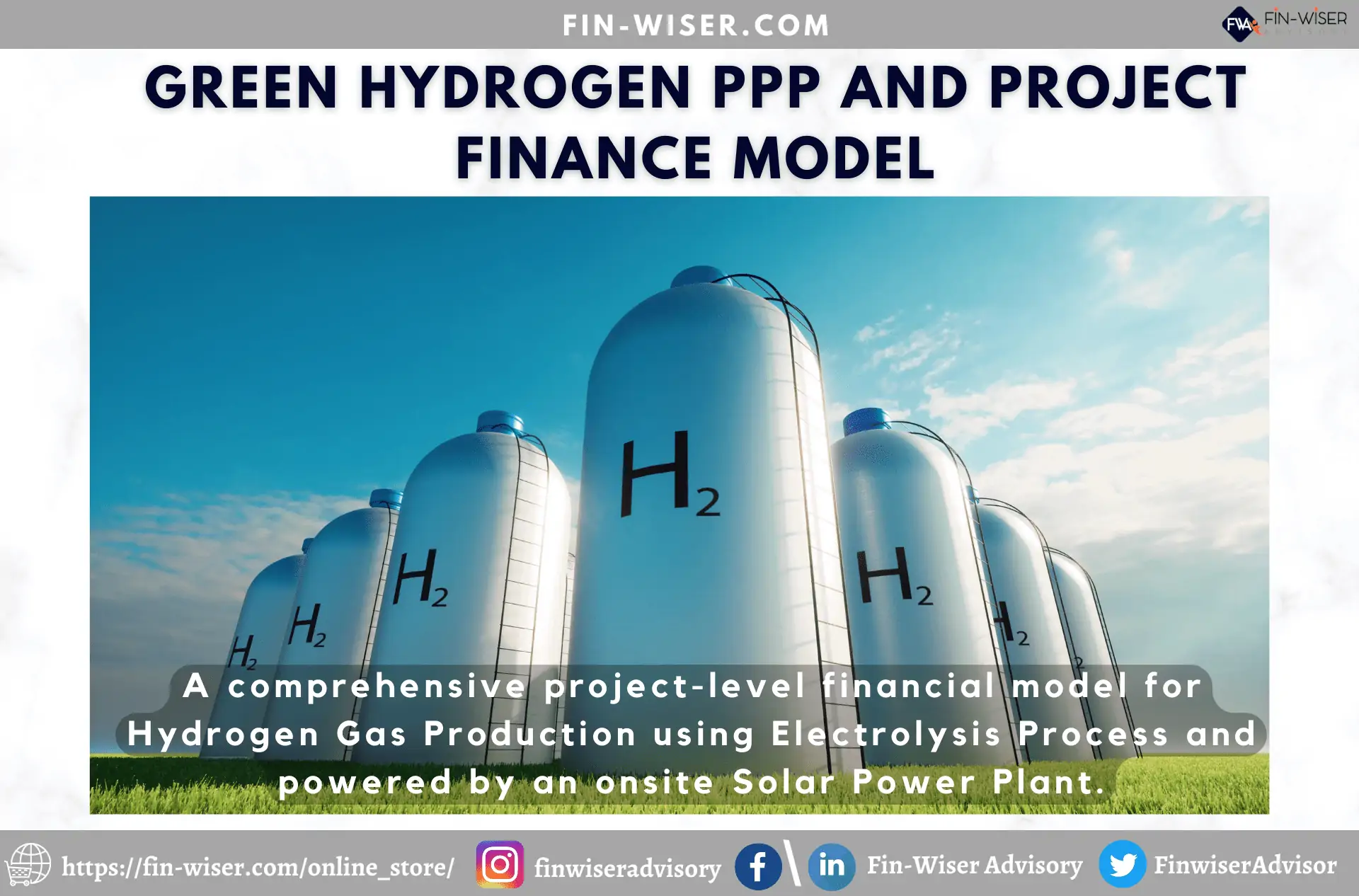
Green Hydrogen Project Financial Model (Electrolys...
A Project-Level Financial Model to assess the financial feasibility of setting up and operating a Gr... Read more
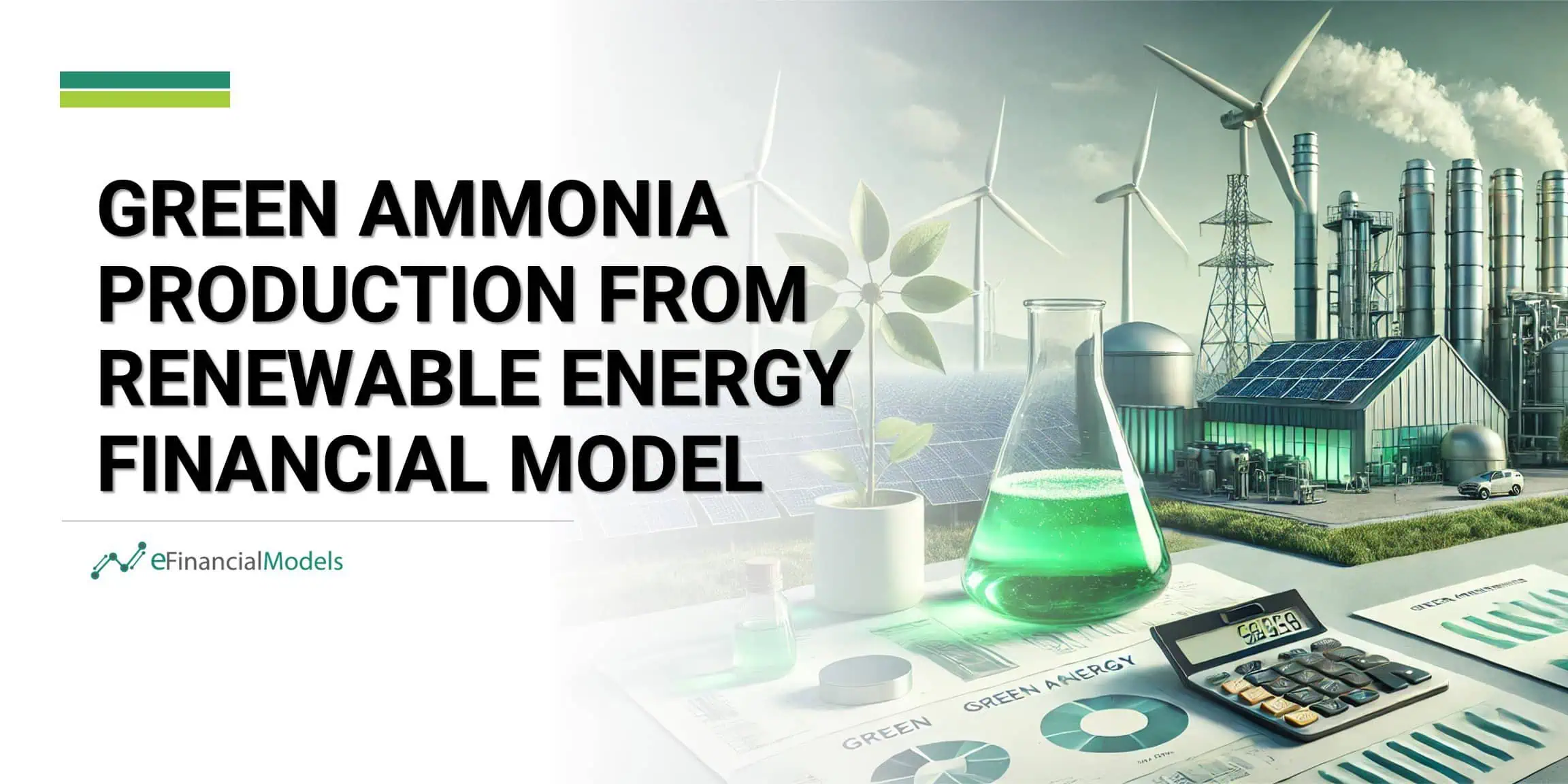
Green Ammonia from Renewable Energy Financial Mode...
This comprehensive 40-year tool aid investors in evaluating potential risks and returns and assess t... Read more
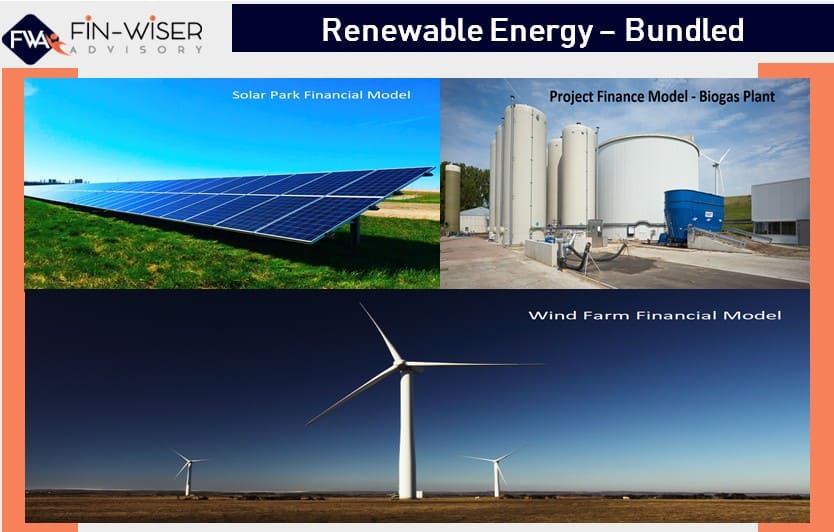
Renewable Energy Financial Model Template Bundle
Take this opportunity and get a discount by getting the Renewable Energy Bundle where you get Solar,... Read more
Solar Farm Development Model
Solar Farm Excel Model Template is an excellent tool to assess the financial feasibility of a propos... Read more
 Giorgos
Solar (PV) Power Plant – Project Finance Mod...
Project Finance Model for a Solar (PV) Power Plant projecting revenue, operating costs, and cash flo... Read more
Solar PV Plant 3 Statements Financial Model Templa...
Solar PV Plant 3 Statements Financial Model with Flexible Timeline, NPV, IRR, Debt Covenan... Read more
Renewable Energy Financial Models Bundle
A collection of user-friendly Project Finance Models in the Renewable Energy Sector offered at a dis... Read more

Green Hydrogen (Electrolysis) Production Financial...
This green hydrogen financial model template builds a multi-year financial plan to analyze the finan... Read more

Project Feasibility Template – Solar Rooftop
Fin-wiser’s Solar Rooftop FM helps the user to assess the financial viability of a solar... Read more
You must log in to submit a review.