0 ITEMS

Germany Beverage Manufacturing: Beer Falls, RTD Doubles

Germany’s beverage manufacturing sector enters the 2026–2031 period as three industries on three very different trajectories, all sharing one regulatory and cost framework.
Key Takeaways
- German beer sales fell 6.0% in 2025 to 78 million hectolitres, the lowest figure in the Destatis series since 1993, signalling structural—not cyclical—decline.
- Alcohol-free (NA) beer now holds 10% of German beer volume and is projected to reach 14% by 2031, making Germany the world’s number-one NA beer market.
- Bottled water sits at a steady 12 billion liters per year with retail value of €15–19 billion; sparkling and premium segments are the only volume growth pockets.
- RTD (ready-to-drink) retail value grew from roughly €0.5 billion in 2020 to €1.0–1.3 billion in 2025 and is projected to reach €2.0–2.3 billion by 2031 in the Base Case.
- EU Regulation 2025/40 (PPWR) applies from 12 August 2026, mandating 25% recycled-content PET now and 30% by 2030—adding an estimated €0.01–0.03 per liter to operating costs.
- The top 4 German grocery retailers (Edeka, Rewe, Schwarz, Aldi) control roughly 78% of off-trade FMCG share, giving them enormous pricing power over branded manufacturers.
- Mid-sized brewer consolidation, rPET supply-chain investment, and RTD brand acquisitions are the three highest-conviction investor themes through 2031.
Germany’s Beverage Manufacturing Sector: Three Industries, One Framework
Germany’s beverage manufacturing sector spans beer, bottled water, and RTD—three categories that share input costs, retail channels, and the same regulatory environment but follow entirely different demand curves. Beer is in structural decline. Bottled water is at a volume plateau. RTD is the only category growing fast enough to offset losses elsewhere.
The Germany Beverage Manufacturing Market Study 2026–2031 from eFinancialModels provides the primary data underpinning this analysis, drawing on Destatis production statistics, Deutscher Brauer-Bund (DBB) reporting, Verband Deutscher Mineralbrunnen (VDM) volume data, and IWSR market intelligence.
Understanding the divergence between these three sub-segments is the starting point for any credible investment or operating decision in German beverages between now and 2031.
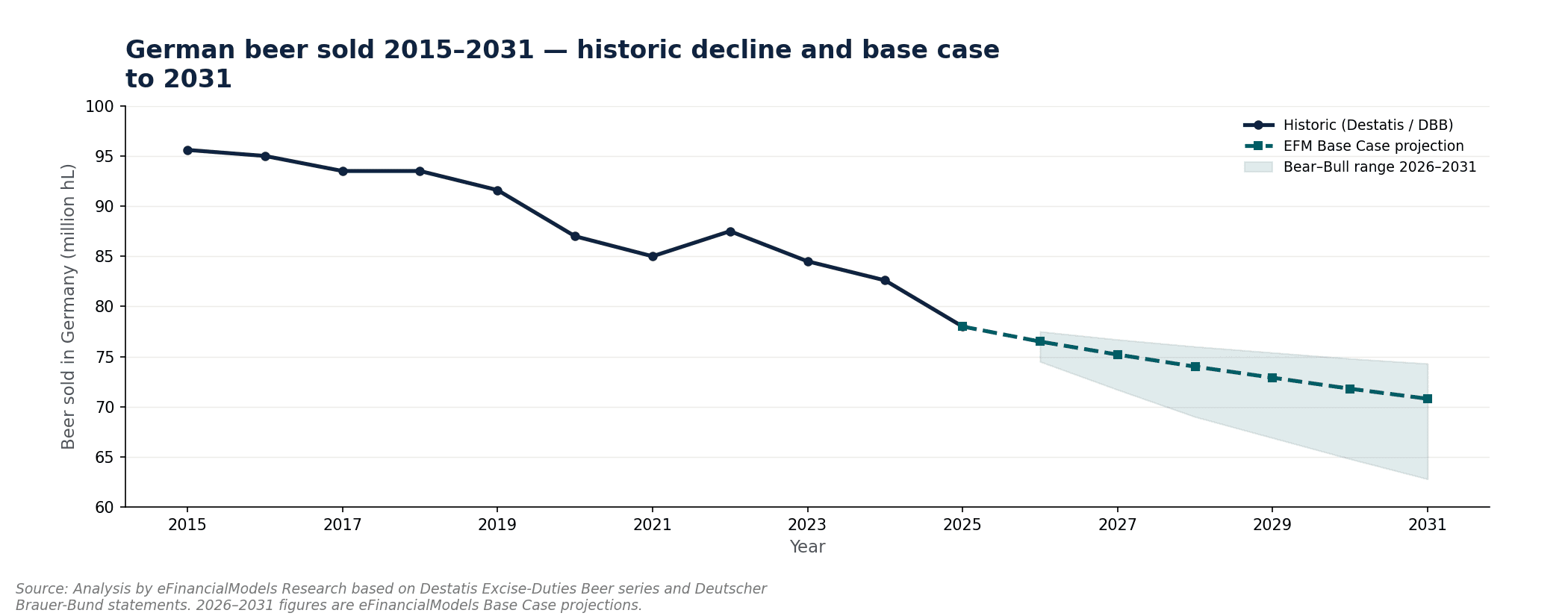
Beer, water, and RTD follow three distinct demand curves—the key analytical insight for any 2026–2031 investment thesis in German beverages.
Beer: Structural Decline, Not a Cyclical Dip
German beer sales fell 6.0% in 2025 to 78 million hectolitres (hL)—one hectolitre equals 100 liters—the lowest figure in the Destatis series since records began in 1993, according to the Deutscher Brauer-Bund. The Deutscher Brauer-Bund linked the contraction to weak consumer sentiment and a decade-long demographic shift away from beer consumption.
Adult per-capita beer consumption has fallen from approximately 105 liters per year in 2015 to approximately 85 liters in 2025—a 19% decline in ten years. Among 16–24-year-olds, per-capita consumption has roughly halved over the same period, driven by the health-and-moderation trend and substitution into water, sparkling soft drinks, and RTD.
Brewery capacity utilisation has dropped from approximately 85% in 2015 to approximately 75% in 2025, against a total installed capacity of roughly 100–105 million hL per year. Brewers have responded with line consolidation rather than full mothballing: Oettinger closed its Mönchengladbach site in 2024, and several mid-sized regional brewers have consolidated bottling onto shared lines.
The Alcohol-Free Offset
NA beer—defined in German law as beer at or below 0.5% ABV, including the increasingly visible 0.0% ABV sub-segment—is the one meaningful volume-growth pocket inside the wider beer category. Germany is the world’s number-one alcohol-free beer market by volume and per-capita consumption. The NA share rose from approximately 5% of total German beer in 2015 to approximately 10% in 2025, according to analysis based on Deutscher Brauer-Bund reporting and Mintel Germany Beer Market Report 2025.
Every top-eight German brewery now produces at least one NA flagship: Bitburger 0,0%, Krombacher Alkoholfrei, Erdinger Alkoholfrei, Paulaner Weissbier Alkoholfrei, Warsteiner Alkoholfrei, Beck’s Blue, Heineken 0.0, and Carlsberg 0.0. Bitburger Braugruppe reported a 1.5% volume gain in 2024, partly on NA-beer strength, while most group competitors declined.
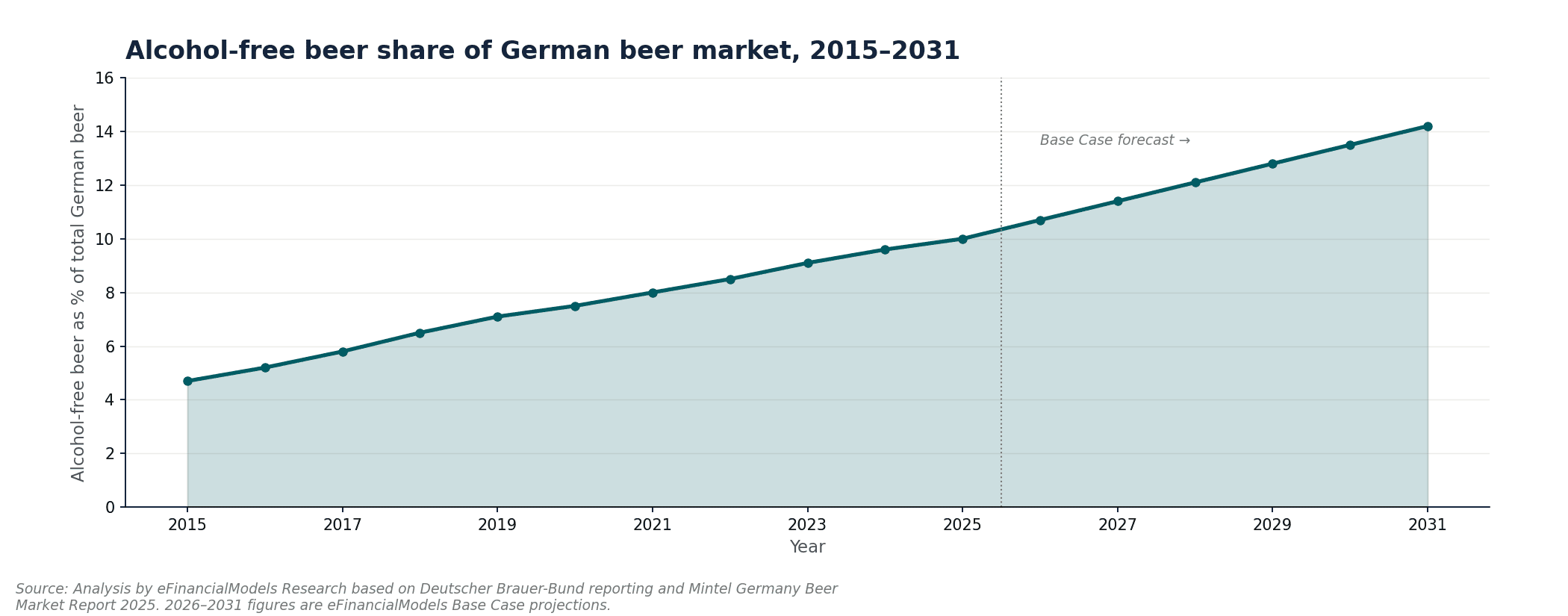
NA beer share of German beer volume has doubled in a decade and is on track to reach 14% by 2031—the only structural growth pocket inside the wider beer category.
Bottled Water: A Flat Volume Plateau with a Premium Opportunity
German bottled water volume sat at approximately 12 billion liters in 2025, with retail value ranging from approximately €15 billion (Grand View Research, in-store only) to approximately €19 billion (Statista Outlook, including out-of-home). Volume growth is essentially flat: Statista projects approximately zero percent volume CAGR through 2026, with retail value growth driven entirely by category mix shift toward premium and sparkling segments.
Category mix in 2025 breaks down as approximately 38% still mineral water, 32% sparkling mineral water, 17% medium sparkling, and 13% flavoured and functional waters. Private label—Aldi’s Mineralwasser, Lidl’s Saskia and Kirchberg, Edeka’s Gut & Günstig, Rewe’s ja!—accounts for approximately 35–40% of bottled water volume.
The branded category is structurally protected at the source. German mineral water (Mineralwasser) must by law be bottled at the spring from which it is drawn, with the source certified under the Mineral- und Tafelwasserverordnung (Mineral and Table Water Ordinance). Approximately 200 registered mineral springs supply the German market. Source-protection rules limit annual extraction to a fraction of natural recharge, making mineral water producers structurally difficult for new entrants to displace. Gerolsteiner Brunnen (Vulkaneifel source, approximately 11.5% branded share), Hassia Mineralquellen (approximately 8%), Adelholzener Alpenquellen (approximately 6.5%), and Apollinaris (now owned by Coca-Cola Europacific Partners, approximately 5.8%) anchor the branded tier.
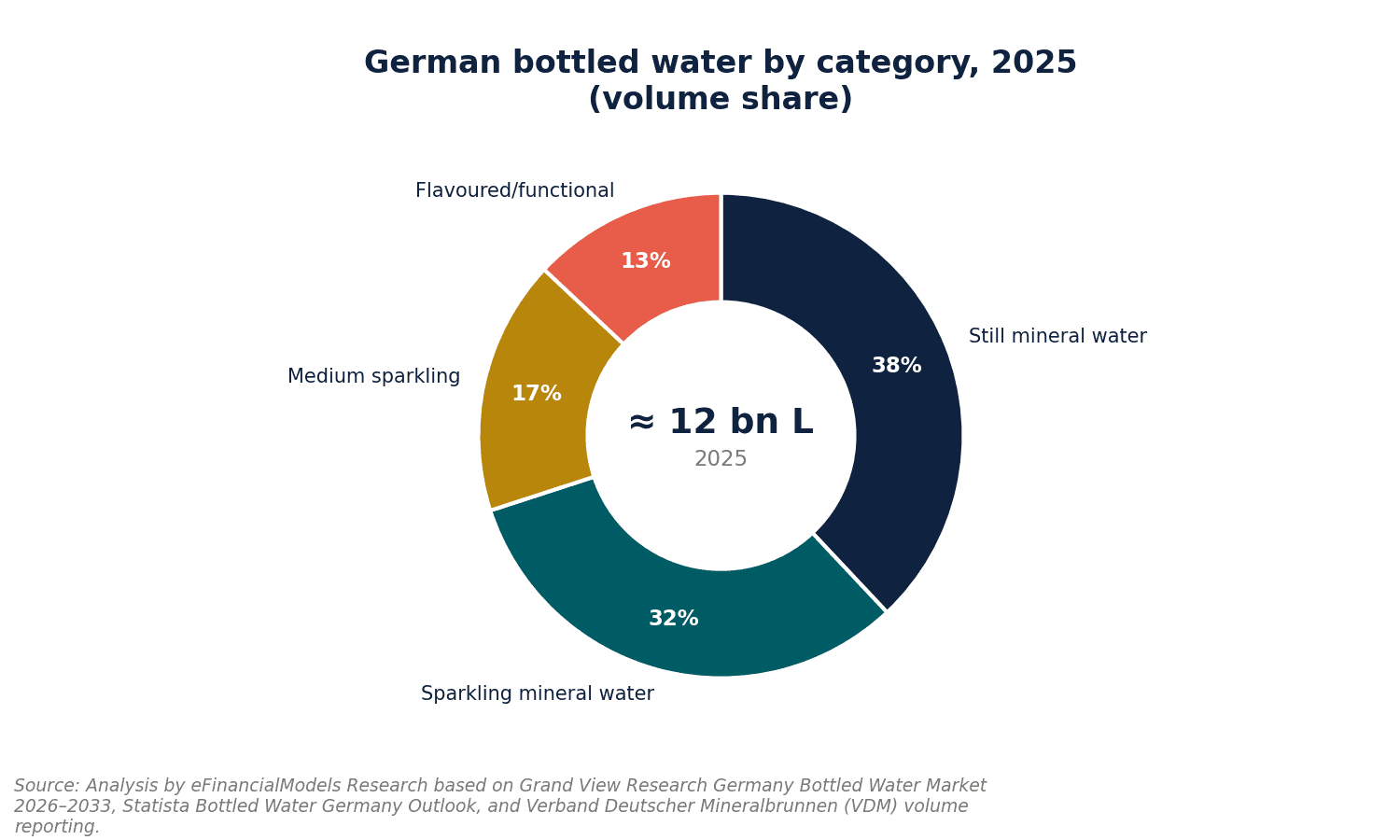
Sparkling and flavoured functional waters are the growth pockets within a flat overall bottled water volume of 12 billion liters per year.
RTD: The Only Structural Growth Pocket
Ready-to-drink (RTD) beverages—a category covering hard seltzers, RTD cocktails, and malt-based mixed drinks—represent the only sub-segment in German beverages with genuine structural volume growth. RTD retail value grew from approximately €0.5 billion in 2020 to approximately €1.0–1.3 billion in 2025, according to analysis based on MarketResearchFuture, Statista RTD Cocktails Germany Outlook, and IWSR World Spirits Report 2025. MarketResearchFuture projects a 6.5% CAGR through 2035 for the German RTD alcoholic beverages market.
The category has three sub-pockets. RTD cocktails are the largest at approximately €0.5–0.6 billion in 2025 retail value, led by Captain Morgan & Cola, Bacardi Mojito, and Smirnoff Ice. Hard seltzers are the fastest-growing, valued at approximately USD 0.65 billion in 2024, dominated by White Claw (distributed in Germany by Krombacher’s Drinks and More subsidiary), AB InBev’s Mike’s Hard Seltzer, and Coca-Cola’s Topo Chico Hard Seltzer. Malt-based RTDs are the legacy pocket, anchored by Schöfferhofer Grapefruit, which launched in 2007.
German RTD per-capita consumption reached approximately 5 liters per adult per year in 2025—substantial growth from approximately 1.5 liters in 2015, but still far below the United States (approximately 14 liters) and the United Kingdom (approximately 9 liters). The cultural prevalence of Radler (beer mixed with lemonade) competes directly with RTD for the same drinking occasion, which partly explains the lag.
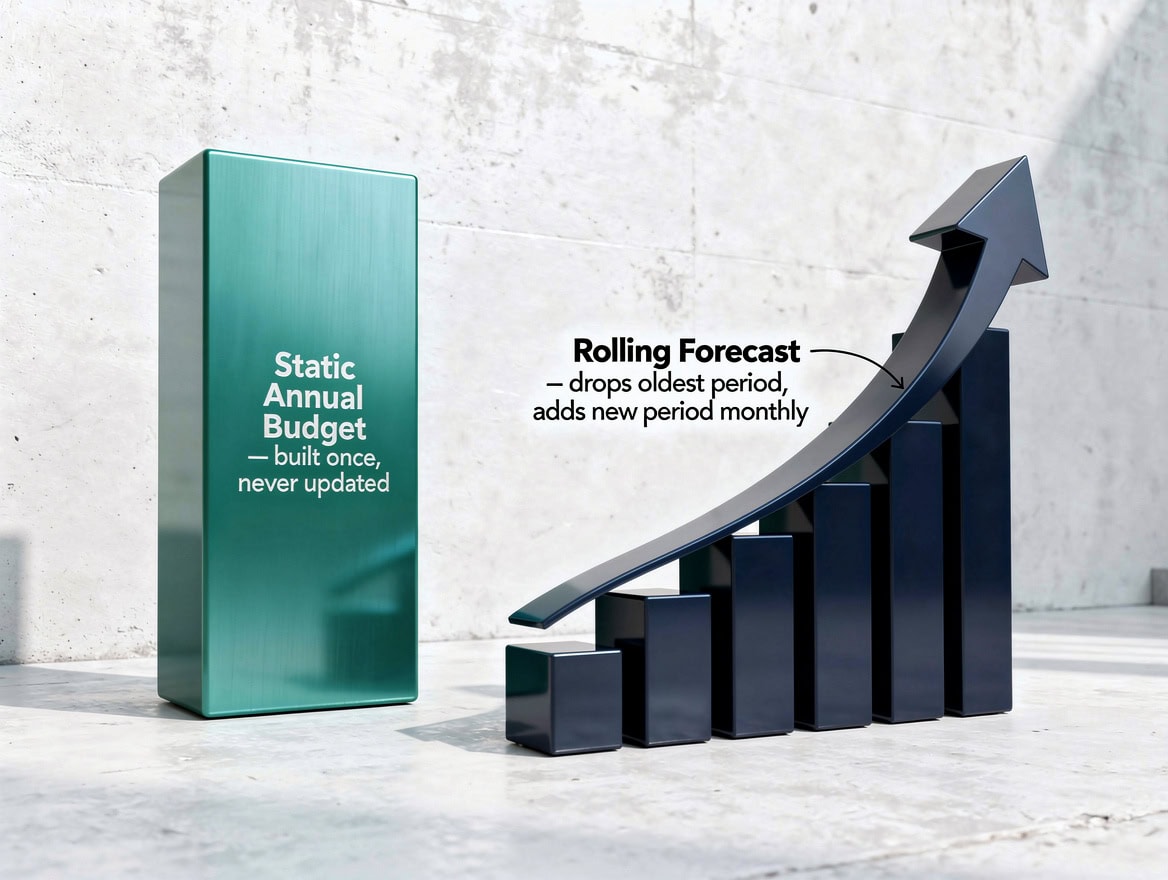
RTD retail value is projected to more than double from €1.13 billion in 2025 to €2.24 billion by 2031 under the Base Case, driven by hard seltzers and RTD cocktails.
Three Scenarios: Bear, Base, and Bull Through 2031
The 2026–2031 outlook depends heavily on consumer sentiment, regulatory pace, and category adoption rates. Here are the three scenarios with their probability weights and key outputs.
| Scenario | Probability | 2031 Beer (M hL) | 2031 RTD (€ bn) | 2031 Water (bn L) |
|---|---|---|---|---|
| Bear | 25% | 66.0 | ~1.5 | ~12.0 |
| Base | 55% | 70.8 | 2.0–2.3 | ~12.5 |
| Bull | 20% | 76.0 | ~3.0 | ~12.5 |
The Base Case (55% probability) projects mild beer decline at roughly 1.5% per year, landing at approximately 70.8 million hL by 2031. Water stays flat at approximately 12.5 billion liters. RTD reaches €2.0–2.3 billion.
The Bear Case (25% probability) assumes persistent consumer-sentiment weakness deepens beer decline to approximately 66 million hL, private label squeezes branded water margins below sustainable levels, and RTD growth slows due to potential alcohol-marketing restrictions under the EU Beating Cancer Plan.
The Bull Case (20% probability) assumes NA beer drives consumer re-engagement, stabilising beer at approximately 76 million hL. PPWR-driven premium-PET differentiation lifts water value. RTD compounds at high-single-digit volume growth to nearly €3 billion.
Worked Example: Base Case Beer Revenue Sensitivity
Here’s the math for a mid-sized brewer producing 3 million hL per year in 2025, using Base Case assumptions:
- 2025 output: 3.0 million hL at an average net revenue of €55 per hL = €165 million revenue
- Base Case 2031 output: 3.0 million hL × (1 – 0.092) = 2.724 million hL (applying the -9.2% volume decline)
- 2031 revenue at same net price: 2.724 million hL × €55 = €149.8 million
- Revenue loss: €165 million – €149.8 million = €15.2 million, or -9.2% over six years
- If the brewer grows NA beer share from 10% to 14% of volume (Base Case), and NA commands a 10% net price premium, the NA uplift partially offsets: 0.04 × 2.724 million hL × €55 × 1.10 = approximately €6.6 million additional revenue
- Net revenue impact: -€15.2 million + €6.6 million = -€8.6 million, or -5.2% vs. a no-NA-investment scenario
This calculation shows why NA-beer investment is not optional for mid-sized German brewers—it materially cushions the revenue decline.
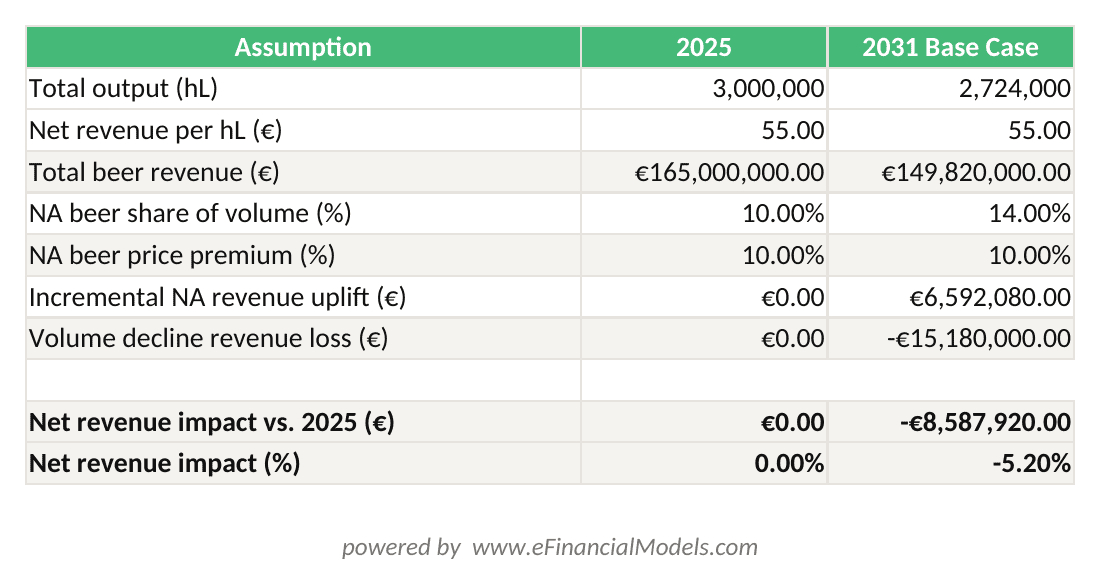
Base Case: a 3M hL brewer loses €15.2M in revenue from volume decline but recovers €6.6M through NA beer mix shift—net impact -5.2% vs. no NA investment.
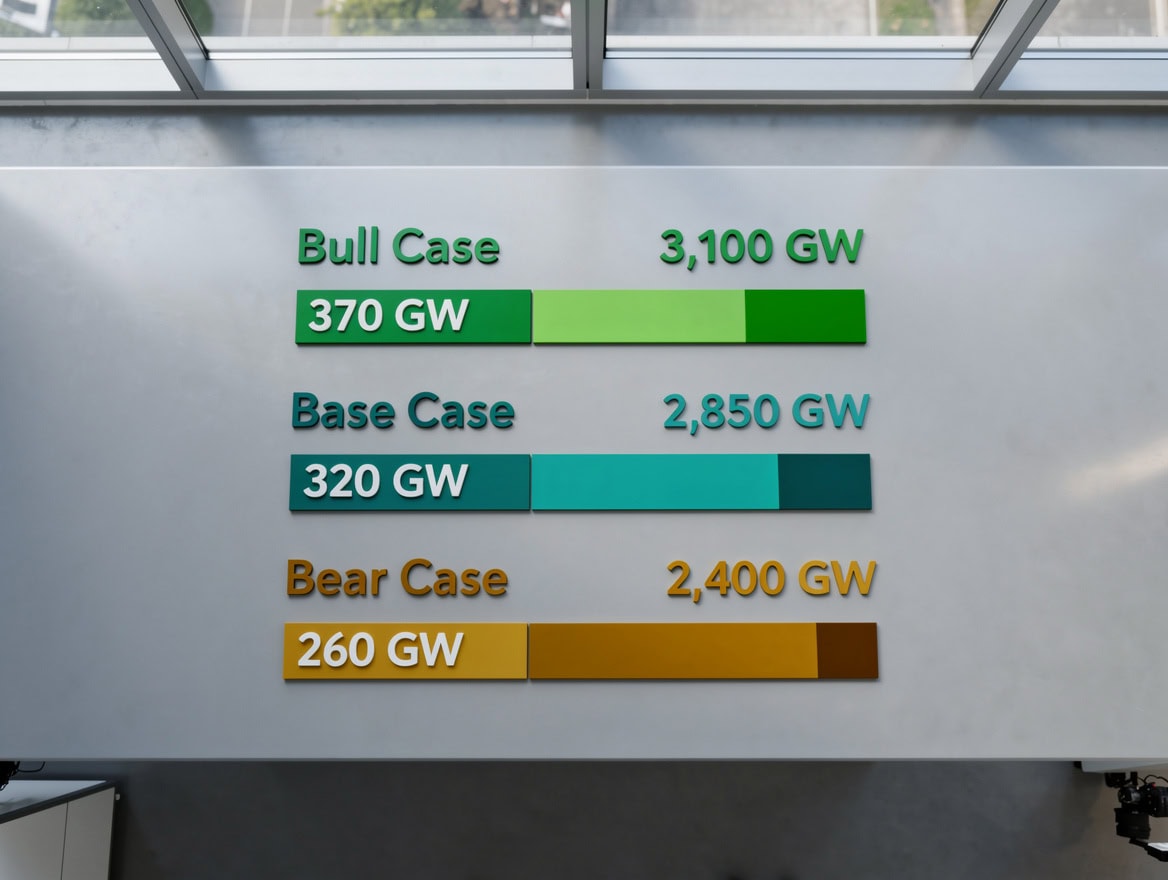
The Base Case (55% probability) projects beer at 70.8 million hL and RTD at €2.0–2.3 billion by 2031; the Bear Case assumes persistent consumer-sentiment weakness.
Regulatory Framework: PPWR Is the Dominant Force
The 2026–2031 regulatory environment is shaped by eight material instruments, but EU Regulation 2025/40—the Packaging and Packaging Waste Regulation (PPWR)—is by far the most consequential. PPWR entered into force on 11 February 2025 and applies from 12 August 2026. It mandates 25% recycled-content PET (rPET) from 2025 and 30% from 2030, requires deposit return schemes (DRS) for all single-use plastic and metal beverage containers up to 3 liters by 1 January 2029, and sets reuse and refill targets.
rPET refers to post-consumer recycled PET plastic. The PPWR-driven push to rPET is concentrating new capex into bottling and packaging: the average bottling-line capex for a PPWR-compliant brewery is roughly 15% higher than a 2020 equivalent, and the operating-cost increment for PPWR-compliant lines runs €0.01–0.03 per liter.
Germany’s national implementing law, the draft Verpackungsrecht-Durchführungsgesetz (VerpackDG), was published in November 2025 with a Bundestag vote scheduled for the first half of 2026. Germany’s existing Pfand (one-way deposit) system—€0.25 for single-use PET bottles 0.1–3.0 liters, €0.15 for cans—already achieves a return rate exceeding 97% (Umweltbundesamt), the highest-performing deposit return scheme in the world.
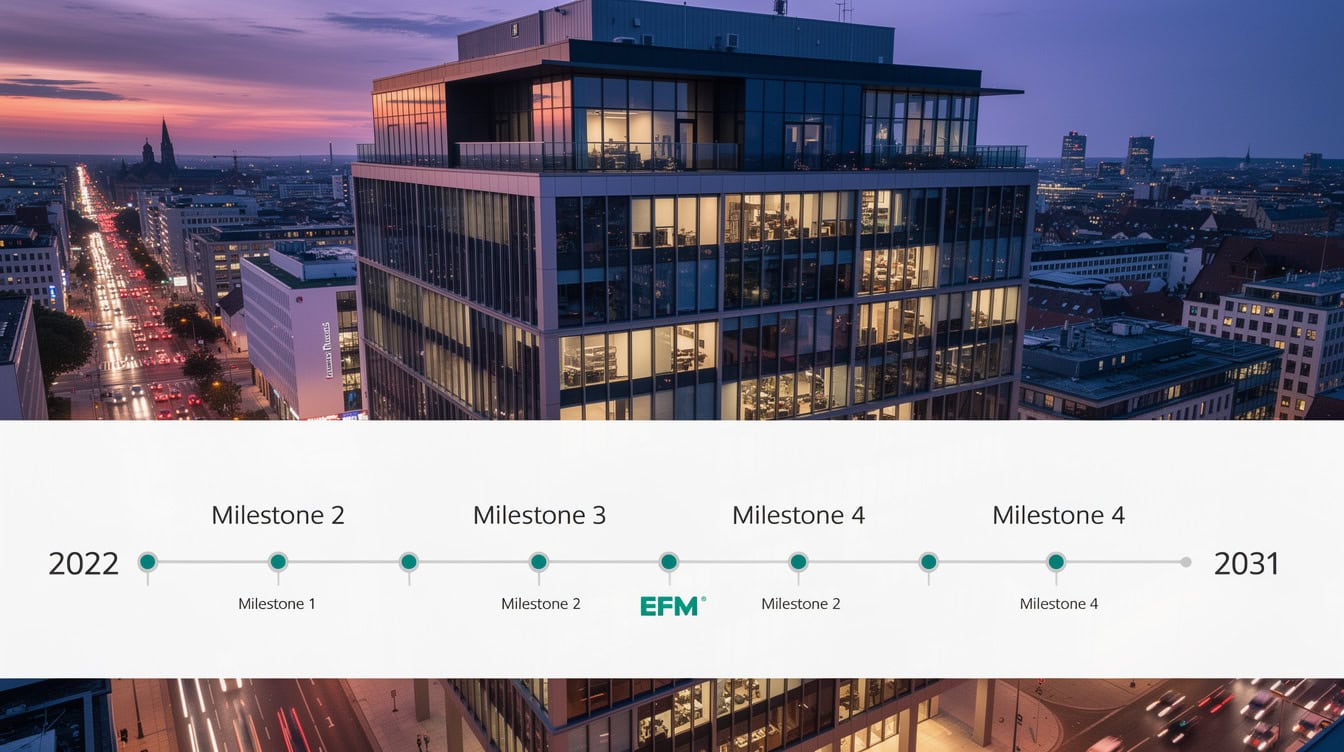
PPWR applies from August 2026 and reshapes capex and operating costs across all three beverage sub-segments through 2031.
Competitive Landscape: Who Holds the Market
The German beverage manufacturing competitive landscape is dominated by family-owned and cooperative structures in beer, source-protected branded players in water, and a fragmented mix of international entrants and brewer extensions in RTD.
| Operator | Sub-segment | 2024 Output / Share | Key Move |
|---|---|---|---|
| Radeberger Gruppe (Oetker) | Beer | 13.0 M hL | Sales +3.6%; volume -1.4% |
| Bitburger Braugruppe | Beer | 8.7 M hL | Volume +1.5%; NA-led |
| Krombacher | Beer + RTD | 7.4 M hL | White Claw distribution |
| Oettinger Gruppe | Beer | 6.2 M hL | Volume -12%; site closure |
| Paulaner Brauerei Gruppe | Beer | 6.0 M hL | Export-led growth |
| Gerolsteiner Brunnen | Water | ~11.5% share | PPWR-compliant bottling |
| Hassia Mineralquellen | Water | ~8% share | Flavoured water expansion |
| Adelholzener Alpenquellen | Water | ~6.5% share | Premium Alps provenance |
| Apollinaris (CCEP) | Water | ~5.8% share | On-trade focus |
RTD remains the most contested arena. White Claw’s German launch runs through Krombacher’s Drinks and More subsidiary—a structure that gives Krombacher fast hard-seltzer entry without brand-building expense, and gives White Claw access to established retail relationships. AB InBev co-packs Mike’s Hard Seltzer at the Beck’s Bremen site. Refresco Germany invested in multi-pack line flexibility, enabling changeovers between hard seltzer, RTD cocktail, and energy drink production in under 90 minutes.
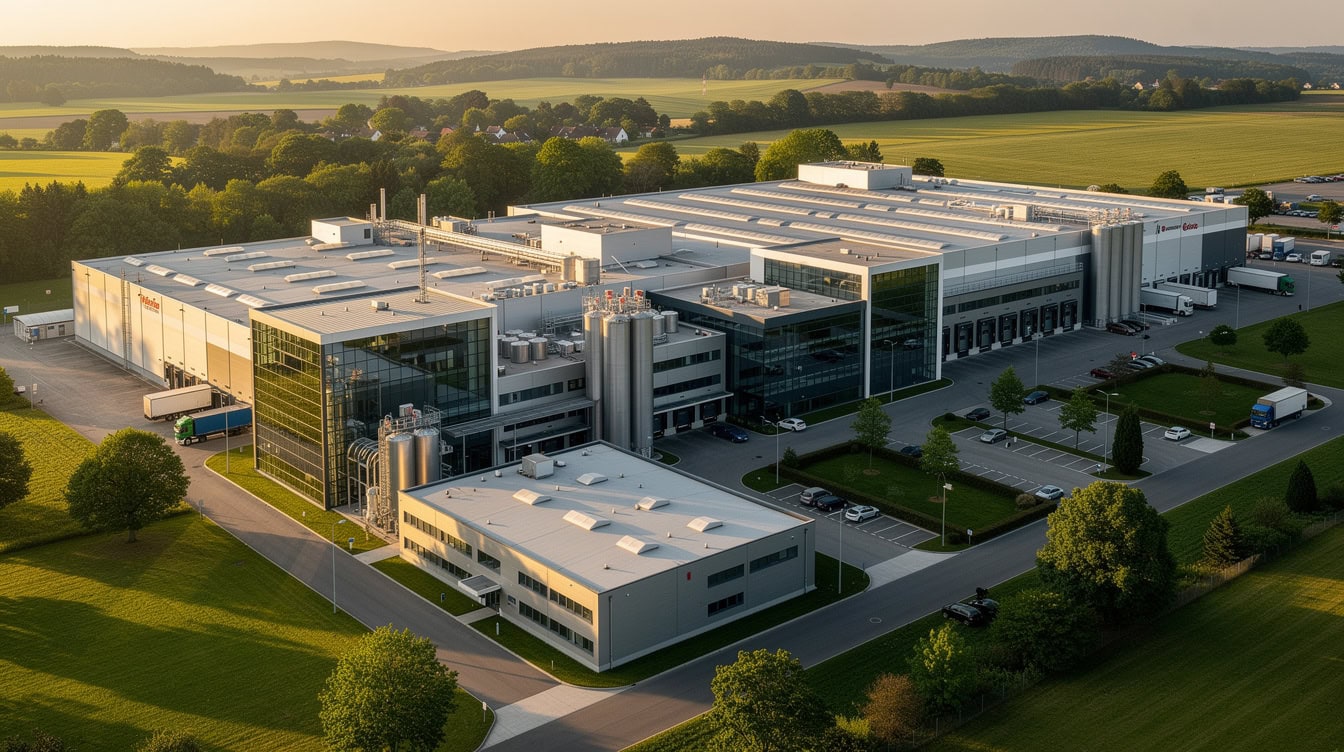
Germany’s beverage competitive landscape is dominated by family-owned brewers in beer, source-protected branded players in water, and international entrants in RTD.
Common Mistakes Investors and Operators Make in This Market
Five specific analytical errors recur in German beverage manufacturing assessments.
Mistake 1: Treating 2025 beer decline as cyclical. The 6.0% drop in 2025 followed a decade of structural per-capita decline. Modeling a mean-reversion to 2022 volumes ignores the demographic and cultural drivers. Fix: anchor forecasts to the DBB per-capita series, not headline volume.
Mistake 2: Ignoring Biersteuer small-brewery relief. The Vorläufiges Biersteuergesetz (Provisional Beer Tax Act) provides a sliding-scale relief of up to 50% off the standard €0.787/hL/°Plato rate for breweries producing below 200,000 hL per year (Bundeszollverwaltung). Operators routinely under-calibrate this in unit-economics models. Fix: apply the relief table explicitly for any sub-200,000 hL operator.
Mistake 3: Underestimating PPWR cost layers. The €0.01–0.03 per liter operating-cost increment for PPWR-compliant bottling lines is material at scale. A 1 million hL brewery bottling 100 million liters per year faces €1–3 million in additional annual operating costs. Fix: model PPWR cost layers as a separate line item from 2026.
Mistake 4: Conflating branded and private-label water economics. Branded mineral water nets approximately €0.18–0.22 per liter at retail; private-label nets approximately €0.09–0.11 per liter. Blending these into a single average distorts margin analysis. Fix: model branded and private-label water as separate revenue streams.
Mistake 5: Spreading RTD investment across all four sub-pockets. Hard seltzers, RTD cocktails, malt-based RTDs, and wine-based RTDs each require different production setups, brand positioning, and retail relationships. Operators who spread thinly across all four consistently underperform those who commit to one position. Fix: choose one RTD category position and invest behind it.
Tools and Templates for Financial Modeling
Translating the market study findings into project-level financial analysis requires purpose-built models. The Beverage Manufacturing Start-Up Financial Model on eFinancialModels covers startup capex, operating cost build-up, and revenue projections for new entrants. For established operators, the Manufacturing Cost and Profit per Unit template provides the unit-economics framework needed to model PPWR cost layers and Biersteuer relief explicitly.
For food and beverage sector analysis more broadly, the Food and Beverages financial model category on eFinancialModels includes brewery, bottling plant, and RTD-specific templates. The Manufacturing 5-Year Template with Customer Repurchase Rate Logic is particularly useful for modeling the branded water premium-vs-private-label scenario described in Section 12 of the study.
Frequently Asked Questions
Why did German beer sales fall so sharply in 2025?
German beer sales fell 6.0% in 2025 to 78 million hectolitres, the lowest figure in the Destatis series since 1993. The Deutscher Brauer-Bund attributed the decline to weak consumer sentiment and structural demographic shifts. Adult per-capita beer consumption has fallen from approximately 105 liters per year in 2015 to approximately 85 liters in 2025—a 19% decline over ten years. Among 16–24-year-olds, per-capita consumption has roughly halved over the same period. The decline reflects a long-term cultural shift toward moderation, substitution into RTD and water, and an ageing population cohort that historically consumed more beer but is now shrinking. This is not a cyclical dip: the Base Case projects a further 9.2% volume decline to approximately 70.8 million hL by 2031.
What is NA beer and why does it matter for German brewers?
NA beer (non-alcoholic or alcohol-free beer) is defined in German law as beer at or below 0.5% ABV, including the 0.0% ABV sub-segment. Germany is the world’s number-one NA beer market by volume and per-capita consumption. The NA share of total German beer rose from approximately 5% in 2015 to approximately 10% in 2025 and is projected to reach approximately 14% by 2031 under the Base Case. For brewers, NA beer is the only meaningful volume-growth pocket inside the wider beer category. Bitburger Braugruppe reported a 1.5% volume gain in 2024 partly on NA-beer strength, while most competitors declined. Every top-eight German brewery now produces at least one NA flagship, including Bitburger 0,0%, Krombacher Alkoholfrei, Erdinger Alkoholfrei, and Heineken 0.0.
What does PPWR mean for beverage manufacturers in Germany?
PPWR stands for EU Packaging and Packaging Waste Regulation (EU Regulation 2025/40). It entered into force on 11 February 2025 and applies from 12 August 2026. For beverage manufacturers, the key requirements are: 25% recycled-content PET (rPET) from 2025, rising to 30% from 2030; deposit return schemes for all single-use plastic and metal beverage containers up to 3 liters by 1 January 2029; and reuse and refill targets. The operational cost impact is estimated at €0.01–0.03 per liter for PPWR-compliant bottling lines. A brewery bottling 100 million liters per year faces €1–3 million in additional annual operating costs. Capex for a PPWR-compliant bottling line is roughly 15% higher than a 2020 equivalent. Germany’s national implementing law, the draft VerpackDG, was published in November 2025 with a Bundestag vote scheduled for the first half of 2026.
How concentrated is the German grocery retail market and what does it mean for beverage brands?
The German grocery retail market is highly concentrated. The top four retailers—Edeka, Rewe, Schwarz Group (Lidl and Kaufland), and Aldi—together hold approximately 78% of off-trade FMCG share, according to Lebensmittel Zeitung’s Top 30 Lebensmittelhandel 2024 ranking. This concentration gives retailers enormous pricing power over branded manufacturers. Private label captures approximately 35–40% of bottled water volume, approximately 15–20% of beer volume (Oettinger and Sternburg dominate the discounter beer aisle), and a rising share of RTD. For branded manufacturers, the defensible positions are above the private-label price point with credible source provenance (water) or strong brand equity (beer). The Base Case projects the top-4 retailer FMCG share rising from 78% in 2025 to 81% by 2031, increasing the pressure on mid-tier branded players.
What is the German Pfand system and how does it affect RTD manufacturers?
Pfand is Germany’s one-way deposit system. Single-use PET bottles between 0.1 and 3.0 liters carry a €0.25 deposit; cans carry €0.15. Germany’s Pfand system achieves a return rate exceeding 97% (Umweltbundesamt)—the highest-performing deposit return scheme in the world. The Pfand was expanded in January 2022 to include juices, nectars, alcoholic mixed drinks, and cans, and again in January 2024 to include milk and milk-based drinks. For RTD manufacturers, Pfand compliance is a baseline operational requirement: every single-use PET or can SKU up to 3 liters must be registered with the DPG Pfandsystem. The PPWR-driven DRS expansion to all single-use plastic and metal beverage containers by 1 January 2029 will extend this framework further, adding administrative and logistics costs for RTD producers who currently use non-Pfand packaging formats.
Which RTD sub-segment offers the best growth opportunity in Germany?
Hard seltzers are the fastest-growing RTD sub-segment in Germany, valued at approximately USD 0.65 billion in 2024 and growing, though they start from a smaller base than RTD cocktails. RTD cocktails remain the largest sub-segment at approximately €0.5–0.6 billion in 2025 retail value. MarketResearchFuture projects 6.5% CAGR for the overall German RTD alcoholic beverages market through 2035. The hard-seltzer opportunity is real but culturally challenging: German per-capita RTD consumption at approximately 5 liters in 2025 trails the US at approximately 14 liters and the UK at approximately 9 liters. The cultural prevalence of Radler (beer mixed with lemonade) competes directly for the same occasion. Operators who commit to one RTD position—zero-sugar functional, malt-based comfort, or premium-spirits-based—consistently outperform those who spread investment thinly across all sub-pockets.
What are the best investment themes in German beverage manufacturing through 2031?
Three themes stand out. First, mid-sized brewer consolidation: the top-4 retailers’ pricing power compresses branded manufacturer margins, and volume decline forces capacity rationalisation choices that family-owned brewers have historically resisted. Combinations among mid-sized regional brewers such as Veltins, Warsteiner, König, and Diebels become economically compelling at current trading multiples. Second, rPET supply-chain exposure: PPWR-driven recycled-content demand is structural and underserved through at least 2028, making equipment suppliers (Krones, Sidel) and feedstock processors (Veolia, Suez recycling) attractive. Third, early-stage RTD brand acquisitions: hard-seltzer category-build is multi-year, and acquiring brand platforms before category-leader pricing is established offers better entry multiples than buying market leaders later.
Conclusion
Germany’s beverage manufacturing sector through 2031 rewards precision over generalisation. Beer is declining structurally—but NA beer is growing fast enough to matter. Bottled water is flat by volume but offers margin upside through premiumisation. RTD is the only category with genuine structural volume growth, though it starts from a small base and faces real cultural headwinds. PPWR is the single most material regulatory change, adding €0.01–0.03 per liter to operating costs and reshaping capex priorities across all three sub-segments.
I recommend starting with the Germany Beverage Manufacturing Market Study 2026–2031 to get the full scenario analysis, competitive landscape, and Base Case financial assumptions before building any operator-level or investment model for this market.