
0 ITEMS

Coffee Shop Financial Statements Explained: What You Need to Know

Understanding your coffee shop’s financial statements is essential for managing profitability and planning growth.
- Financial statements like the income statement, balance sheet, and cash flow statement reveal revenue streams, expenses, and cash movement.
- Proper analysis helps identify cost-saving opportunities and optimize pricing strategies.
- Regular monitoring of ratios such as profit margins, liquidity, and debt levels ensures long-term stability.
- Accurate bookkeeping and preparation improve readiness for financial audits and attract investor confidence.
- Industry benchmarks and case studies provide practical insights into improving financial performance.
Keeping these core concepts in mind will help you make informed decisions and sustain your coffee shop’s success.
Coffee Shop Financial Basics
Understanding the financial side of owning a coffee shop is key to brewing success. Every café owner should grasp the essentials of financial statements. They help you track your shop’s money matters. This glance at the core financial reports and concepts will set you on the path to fiscal wisdom.
Essential Financial Documents
Three main documents paint a full financial picture of your coffee haven. These are:
- The Balance Sheet: This shows assets, liabilities, and equity at a point in time.
- The Income Statement: Also called the profit and loss statement, it reveals revenue, expenses, and profit over a period.
- The Cash Flow Statement: Understand where your cash comes from and where it goes.
Profit, Revenue, And Cost Concepts
| Term | Definition |
|---|---|
| Revenue | Total money earned from coffee sales. |
| Cost of Goods Sold (COGS) | Cost to make that delicious coffee. |
| Gross Profit | Sales revenue minus COGS. |
| Operating Expenses | Costs to run your shop daily, like rent and salaries. |
| Net Profit | What’s left after all expenses are paid. |
Dive into these basics to keep your shop’s cash flow as steady as the pour of a perfect espresso. Knowing where your money comes from and where it goes is the first step to success.
Income Statement Breakdown
To master your coffee shop’s finances, you need a solid grasp of the income statement. This document helps track profits and losses. Think of it as a financial report card for your coffee shop’s operations over a specific period. Below, we dissect the main components making up an income statement.
Revenue Streams
Multiple sources contribute to a coffee shop’s income. Here’s a quick look at potential revenue streams:
- Coffee and beverage sales: The primary income for most shops.
- Food and merchandise: These include snacks and branded items.
- Catering services: Events and offices offer additional income.
- Loyalty programs: Prepaid cards and deals can boost sales.
Cost Of Goods Sold Explained
Cost of Goods Sold (COGS) captures the direct costs of producing the items sold. For coffee shops, this usually includes:
- Coffee beans: From various suppliers or farms.
- Dairy and alternatives: Milk, cream, and non-dairy options.
- Disposable items: Cups, lids, and stirrers for serving.
- Bakery items: Bought or made on-site.
Calculating COGS is necessary to determine gross profit, which is revenue minus COGS.
Operating Expenses
Separate from COGS are operating expenses. These are the costs to run your coffee shop day-to-day. Notable expenses include:
| Type of Expense | Description |
|---|---|
| Rent or mortgage | The cost for your shop’s location. |
| Utilities | Electricity, water, and internet bills. |
| Salaries and wages | Payments to your employees. |
| Marketing | Promoting your shop to attract more customers. |
| Maintenance | Equipment upkeep and repairs. |
Subtract operating expenses from gross profit to see your coffee shop’s net income before taxes.
Balance Sheet Insights
Understanding the Balance Sheet is crucial for any coffee shop owner looking to brew success in their business financials. This statement provides a snapshot of your coffee shop’s financial health. It shows what you own, what you owe, and what’s left over for you, the owner. Let’s decode this financial espresso shot.
Asset Management For Coffee Shops
Assets are what your coffee shop owns. They can be split into two types: current assets, like cash and inventory, and non-current assets, such as equipment or furniture. Keeping a close eye on these can help ensure your shop has the right resources to operate smoothly and effectively.
- Cash and equivalents: Money in the bank plus petty cash.
- Inventory: Beans, milk, cups, and pastries.
- Equipment: Coffee machines, grinders, and ovens.
- Furniture and fixtures: Tables, chairs, and decor.
Understanding Liabilities
Liabilities are what your shop owes to others. Like assets, these are split into current liabilities, such as accounts payable or wages, and long-term liabilities, including loans for your shop’s space or expensive equipment.
| Type | Examples |
|---|---|
| Current Liabilities | Accounts payable Accrued expenses Short-term loans |
| Long-term Liabilities | Mortgage Bank loans |
Equity Matters
The last part of the balance sheet is owner’s equity. This figure tells you the net worth of your coffee shop. It’s what’s left when you subtract liabilities from assets. Positive equity means your coffee shop is financially healthy. Negative equity is a sign to brew up some changes.
Remember, a balanced sheet serves as a compass for your financial journey, guiding you through the numbers to a prosperous destination. By regularly monitoring your assets, liabilities, and equity, you keep your finger on the pulse of your coffee shop’s financial well-being.
Cash Flow Statement
Understanding the Cash Flow Statement is vital for any coffee shop owner. It tracks the money flowing in and out. A healthy cash flow means your shop can pay expenses, reinvest, and grow. Unlike profit, cash flow reflects actual money movement, crucial for day-to-day operations.
Operational Cash Movements
Operational cash movements are the lifeblood of your coffee shop. This segment shows money made from selling coffee and pastries. It also includes money spent on supplies and employees. Key figures here include:
- Revenue from coffee and food sales
- Cost of Goods Sold (COGS), which are the costs to make what you sell
- Cash paid for wages, rent, and utilities
- Payments from customers versus payments to suppliers
This section clarifies if your shop’s core activities generate enough cash to stay afloat.
Investment And Financing Activities
The Investment and Financing Activities section reflects long-term financial health. Investment activities include purchasing new espresso machines or renovating the space. Financing activities involve getting a loan or issuing shares, if applicable. Look for:
- Money spent on fixed assets, like coffee machines or furniture
- Funds received from bank loans or other financing sources
- Repayment of debt principal
This part of the statement showcases your shop’s future readiness and financial strategy.
Key Financial Ratios
Understanding the health of a coffee shop involves more than just counting cash at the end of the day. Key financial ratios are essential tools. They provide insights into profitability, liquidity, and solvency. These metrics are crucial for decision-making and strategic planning. Let’s delve into each of these vital ratios.
Profitability Ratios
Profitability ratios measure how effectively a coffee shop turns sales into profits. Coupled with cost control, these ratios highlight financial success. Common examples include:
- Gross Profit Margin: Sales minus the cost of goods sold.
- Net Profit Margin: Indicates overall profitability after all expenses.
- Return on Assets (ROA): Shows how well assets generate profit.
Analyze these ratios to understand income streams and adjust strategies.
Liquidity Ratios
Liquidity ratios reveal a coffee shop’s ability to cover short-term obligations. They ensure operations run smoothly. Key liquidity ratios include:
- Current Ratio: Compares current assets to current liabilities.
- Quick Ratio: Assesses ability to meet short-term liabilities, minus inventory.
Effective management of these ratios helps maintain daily operations and financial commitments.
Solvency Ratios
Solvency ratios gauge long-term financial stability and the capacity to meet debt obligations. They reflect the coffee shop’s leverage and long-term health. Important solvency ratios are:
| Ratio | Definition |
|---|---|
| Debt to Equity Ratio | Total liabilities divided by shareholders’ equity. |
| Interest Coverage Ratio | Earnings before interest and taxes over interest expense. |
Monitoring solvency ratios ensures the coffee shop can endure financially over time.
Budgeting For A Coffee Shop
Budgeting for a Coffee Shop is a critical aspect of running a successful business. Owners must understand where every dollar is coming from and going to. A well-planned budget helps to monitor finances, forecast future income, and keep expenses under control. It’s not just about tracking every coffee sold or bag of beans purchased; it’s about having complete control over the financial health of the coffee shop.
Setting Up A Budget
Creating a budget for a coffee shop begins with understanding all potential costs and revenue sources. Focus on:
- Initial costs: Lease, renovations, equipment.
- Recurring costs: Utilities, supplies, salaries.
- Emergency funds: Unforeseen expenses.
- Sales projections: Analyze past trends and set realistic targets.
Adapting Budget To Seasonality
Coffee shop sales often ebb and flow with the seasons. Plan ahead with:
| Season | Expense Adjustment | Revenue Projection |
|---|---|---|
| Spring | Stock up on cold brew supplies | Higher sales expected |
| Summer | Increase staffing for peak hours | Maintain promotion for iced drinks |
| Fall | Introduce seasonal flavors | Sales spike with school season |
| Winter | Consider holiday decor costs | Boost gift card sales |
Effective budgeting demands flexibility and foresight. Stay prepared and adjust as needed to maximize profits all year round.
Handling Taxation
Tax handling is crucial for coffee shop success. Understand sales tax, deductions, and credits. This section simplifies complex tax concepts. Stay informed and compliant with tax rules. Ensure your coffee shop thrives financially by mastering taxation.
Sales Tax Implications
Sales tax affects pricing and profits. It’s critical to apply the correct sales tax rates. Most states require coffee shops to collect sales tax. This tax must be sent to the state government. Here’s what you need to know:
- Know your tax rate.
- Factor in the tax to menu prices.
- Separately state sales tax on receipts.
- Prepare for regular sales tax remittance.
- Keep accurate records for tax audits.
Tax Deductions And Credits
Lower taxes with deductions and credits. Save money by knowing what’s deductible. Business expenses often qualify. These reduce taxable income. Credits, on the other hand, reduce tax owed. Examples include:
| Deductions | Credits |
|---|---|
| Equipment Costs | Employment Credits |
| Ingredient Expenses | Investment in Energy Efficiency |
| Rent for Shop Space | Small Business Health Care Tax Credit |
Record all deductions accurately. Look out for yearly changes in tax laws. Maximize credits by staying informed. Consult with a tax professional. This ensures your coffee shop uses all available tax advantages.
Financial Challenges In The Coffee Industry
Understanding the finances of a coffee shop involves more than just counting daily sales. Coffee shop owners face unique financial challenges. These can impact the bottom line significantly. Knowing these challenges is key to running a successful business.
Commodity Price Fluctuations
Coffee beans are commodities. Their prices change often. These changes can hurt a coffee shop’s profits. Several factors cause this:
- Weather: Poor conditions can reduce coffee bean supply.
- Demand: As more people drink coffee, prices can rise.
- Politics: Events in coffee-producing countries can affect cost.
To cope, shops often adjust prices or switch bean suppliers. Some even buy futures contracts. This means they agree on a price now for beans they will buy later. It can help control costs.
Labor Cost Concerns
Hiring skilled baristas is important. But labor is also one of the biggest expenses in the coffee industry. Several issues contribute to this:
- Minimum wage increases: This can squeeze a shop’s budget.
- Training and turnover: Training new staff costs money.
- Health benefits: Offering health care can be costly.
Successful shops often find a balance. They provide good pay to keep staff. They also control hours and manage labor efficiently. This helps to provide great customer service without overspending on labor.
Increasing Profitability
Running a coffee shop can be thrilling. Yet, tracking the financial health is crucial. Profit growth tops the goal list. Let’s dive deep into financial strategies. Smart moves boost bottom lines. This section covers solid tips for better margins.
Cost Cutting Strategies
Reducing costs raises profits without extra sales. Tactics vary, but results count. Observe these steps:
- Negotiate with suppliers for better deals.
- Smarten up inventory to dodge waste.
- Trim energy bills with efficient gadgets.
- Streamline staff schedules for lean operation.
Review expenses often. Spot trends. Take action. Small changes bring big savings over time.
Exploring Alternative Revenue Streams
New revenue paths promise growth. Consider these:
- Sell branded merchandise like mugs or t-shirts.
- Offer coffee classes for budding enthusiasts.
- Host events to pull crowds.
Don’t limit the menu. Add new, trendy drinks. Pair food items. Create combo deals. Listen to customers. Serve what they love.
Software Tools For Financial Management
Software tools for financial management serve as the backbone of a coffee shop’s financial health. They track every penny, manage inventory, and provide invaluable insights. Let’s delve into the best digital aides your café can employ.
Accounting Software Options
Selecting the right accounting software is pivotal. Here are some top choices:
- QuickBooks: Ideal for small to medium-sized shops. It simplifies bookkeeping and tax filing.
- Xero: Offers real-time financial data. It’s user-friendly for beginners.
- FreshBooks: Known for excellent customer service. Great for invoicing and expenses.
- Wave: A free option perfect for startups. It covers basic accounting needs.
Inventory Management Solutions
Efficient inventory management avoids waste and saves money:
| Software | Features | Best For |
|---|---|---|
| ShopKeep | User-friendly interface, Stock tracking | Quick service coffee shops |
| Square for Retail | Integrated payments, Inventory alerts | Shops with heavy transaction volumes |
| Lightspeed | Analytics, Supplier management | Shops with multiple suppliers |
| Toast POS | Customizable, Loyalty programs | Shops seeking customer retention |
Preparing For Audits
Preparing for audits is crucial for any coffee shop owner. It ensures your financial house is in order. During audits, scrutiny is high. A well-prepared coffee shop eases the process. Here’s how to get ready:
Organizing Financial Records
Keep all records tidy and accessible. This simplifies the audit process. You’ll need several documents. They include:
- Bank statements: Show all cash movements.
- Purchase invoices: Reflect your expenses.
- Sales receipts: Prove income.
- Payroll records: Track employee payments.
- Inventory counts: Record stock levels.
Digitize records when possible. Use software like QuickBooks for easy access. Label folders accurately. Sort documents by date and type.
Common Audit Issues For Coffee Shops
Auditors look for specific issues. Common problems include:
| Issue | Description | Solution |
|---|---|---|
| Discrepancies in Sales | Numbers don’t match. | Check registers daily. |
| Misreported Tips | Tips not recorded right. | Have a tip reporting system. |
| Unjustified Deductions | Claims without backup. | Keep receipts for expenses. |
| Inventory Mismatch | Stock numbers are off. | Do regular inventory checks. |
Audit preparation prevents surprises. Keep records consistent. Correct issues early. This ensures a smooth audit process for your coffee shop.
Learning From Industry Leaders
Learning from industry leaders in the coffee shop business can provide invaluable insights.
Successful coffee shop owners understand their financial statements. They use them to make wise decisions. By examining case studies and best practices, you can discover how to steer your coffee business towards profitability.
Case Studies
Looking at real-life examples helps identify strategies that work.
- Study the financial paths of top coffee shops.
- Analyze their successes and mistakes.
- Learn how they navigated financial challenges.
- Understand how they maximize their profits.
Such case studies shine a light on practical applications of financial management in the coffee shop industry.
Best Practices In Financial Management
Adopting best practices is key to financial success. Industry leaders emphasize:
| Practice | Description |
|---|---|
| Regular Reviews | Weekly check-ins on financial statements |
| Cost Control | Keeping a tight rein on expenses |
| Budgeting | Planning for future costs and profits |
| Revenue Analysis | Understanding different income sources |
Following these steps can lead to smarter, more effective financial handling.
By engaging with these financial best practices, coffee shop owners can truly optimize their operations for lasting success.
Frequently Asked Questions
What Are The 5 Types Of Financial Statements?
The five types of financial statements are balance sheets, income statements, cash flow statements, statements of shareholders’ equity, and notes to financial statements.
How To Write An Executive Summary For A Coffee Shop Business Plan?
Start with a compelling opening sentence summarizing your coffee shop’s unique value proposition. Highlight key aspects like location, target market, and competitive advantages. Outline financial projections and funding needs succinctly. Conclude with your vision for the shop’s impact and growth.
What Is The Profit Margin In Coffee Shop?
The profit margin for a coffee shop typically ranges from 7% to 25%, depending on costs and pricing strategies.
How Do You Analyse Financial Statements?
To analyze financial statements, begin with comparing consecutive years’ data. Examine key indicators like liquidity ratios, profit margins, and return on equity. Review trends in income statements, balance sheets, and cash flows. Factor in industry benchmarks and external economic factors for context.
Conclusion
Understanding your coffee shop’s financial statements is crucial for success. It’s the roadmap to your business’s health. Grasping the basics of profit and loss, balance sheets, and cash flow can empower you. Harness this financial know-how to brew a prospering business future.
Keep learning, keep analyzing, and watch your coffee shop thrive.






































You might also like:
- 10 Main Elements of a Business Plan
- 50 Tips to Start a Coffee Shop
- 5 Smart Ways To Manage Personal Finances In A Pandemic
- 5 Ways COVID-19 Impacts Financial Plans For Retirement & What To Do About It
- Financial Statements – Definition, Uses, Contents and Templates
- Understanding the Levelized Cost of Energy Formula
- How to Prepare a Financial Feasibility Study for Coffee Farming?
- How to Write a Killer Mobile App Business Plan
- Coffee Farming
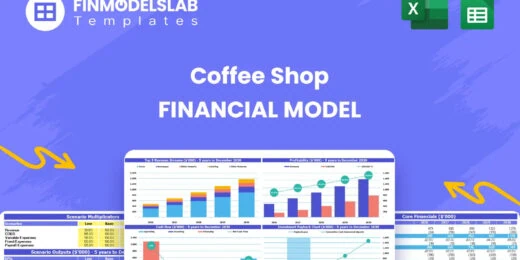
- Coffee Shop Financial Model
- Creating a Business Plan for your Food Truck Business
- Coffee Shop Budget Plan
- Starting or Buying a Coffee Farm – Financial Model
- Coffee Shop Financial Statements Explained: What You Need to Know
- Financial Modeling for Startups and Small Businesses
- Business Valuation Methodologies
- Business Valuation
- Agriculture
- Market Research for Coffee Shop
- Financial Planning for Small Business Owners – Taking an SBA Loan
- Understanding the Debt Service Coverage Ratio: An Essential Metric for Financial Analysis


