
0 ITEMS

SDE, EBITDA, DCF Business Valuation Matrix Template
Includes all helper calculations and a sensitivity table for up to 24 valuations of a given business. Formatted and ready to print.


This template comes in a printable Excel and Google sheet version. It is a simple way to generate a range of potential business valuations (up to 24). The general methodologies used included the most recent 12-month SDE (Seller’s Discretionary Income), EBITDA (earnings before interest, taxes, depreciation, amortization), Revenue, and DCF (discounted cash flow).
For each methodology, I built in all the required inputs that need to be entered to come up with the base valuation factor. You can then enter the valuation multiple of each (up to 6 multiples each), and the resulting value will populate. For the discounted cash flow method, you will be entering various discount rates that apply to a defined future expected cash flow generated (up to 50 years).
I thought it was important to make the output results and chart visualizations formatted in a way that is easily printable on 8.5 x 11 in.
Note, these are just rules of thumb valuation methods and are strictly quantitative.
Why is it good to have multiple valuations using different methods?
1. Negotiation power: A range of valuations provides you with leverage during negotiations with potential investors or buyers. It allows you to have more flexibility in reaching a mutually agreeable valuation for your business, increasing the chances of closing a favorable deal.
2. Realistic expectations: Different investors or buyers may have varying perspectives on the value of your business. By having a range of potential valuations, you can set more realistic expectations and avoid overvaluing or undervaluing your company. This helps establish trust and credibility during negotiations.
3. Investment opportunities: A range of valuations attracts a broader pool of potential investors. Some investors may have strict investment criteria, and a range allows for different entry points, accommodating investors with varying risk appetites and investment strategies. This increases the likelihood of finding the right investor who aligns with your business goals.
4. Risk management: Valuations can fluctuate based on market conditions, industry trends, or business performance. Having a range of valuations helps you mitigate risk by considering different scenarios and assessing the potential impact on your business. It allows you to prepare for both optimistic and conservative outcomes.
5. Strategic decision-making: A range of valuations provides insights into the factors that affect your business’s value. By understanding the drivers behind different valuations, you can make informed strategic decisions to enhance your business’s worth. This includes focusing on areas that increase value, addressing weaknesses, and maximizing growth potential.
In summary, a range of potential valuations for your small business enhances negotiation power, manages expectations, attracts diverse investors, mitigates risks, and facilitates strategic decision-making.
Similar ProductsOther customers were also interested in...



 Jason Varner
All My Financial Models, Spreadsheets, Templates, ...
Lifetime access to all future templates as well! Here is a set of spreadsheets that have some of the... Read more

Franchisor Licensing: Financial Model with Cap Tab...
Build up to a 10 year financial forecast with assumptions directly related to the startup and operat... Read more
Joint Venture and Fund Cash Flow Waterfall Templat...
Here are all the spreadsheets I've built that involve cash flow distributions between GP/LP. Include... Read more

Small Business Playbook (Financial / Tracking Temp...
About the Template Bundle: https://youtu.be/FPj9x-Ahajs These templates were built with the ... Read more
Top 16 Google Sheet Templates
This is a bundle of all the most useful and efficient google sheet templates I have built over the y... Read more

Preferred Equity Cash Distribution Model – 2...
A 10-year joint venture model to plan out various scenarios for the way cash is shared between a GP ... Read more

Cumulative LP Distribution Joint Venture Waterfall...
A 6 Tier cash flow waterfall template. Plug in the distributable cash flow (+/-) and set the hurdle ... Read more
Inventory Valuation Using FIFO – Automatical...
Any accountant that needs to comply with IFRS will have to use the FIFO valuation method for calcula... Read more

 Anuj
Anuj
Private Equity Fund Model (Investor Cashflows)
The Private Equity Fund Cashflows Model helps LPs and GPs analyze fund cash flows, returns, and dist... Read more
 Pierre-AlexandreHeur...
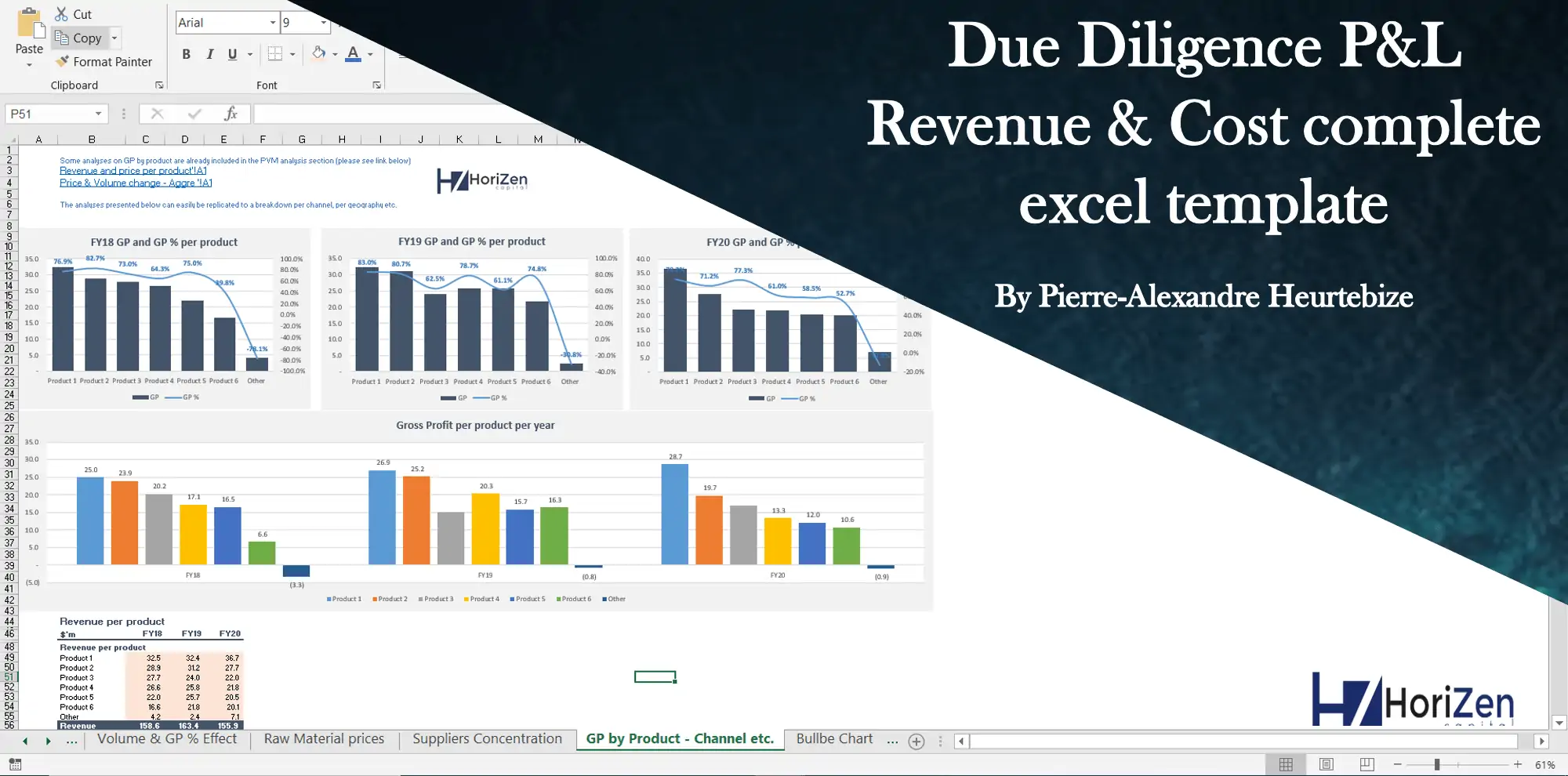
Due Diligence P&L – Exhaustive Revenue a...
Model for in depth understanding of high level profit and loss and revenue analysis. Big-4 like chec... Read more
You must log in to submit a review.