0 ITEMS

Ice Cream Shop Startup Costs: $20K to $500K Breakdown
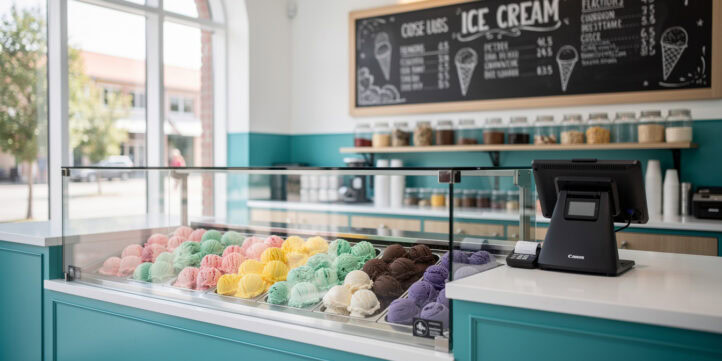
Opening an ice cream shop costs anywhere from $20,000 for a mobile cart to over $500,000 for a full franchise location, and knowing exactly where that money goes is the difference between a profitable scoop shop and a costly lesson.
Key Takeaways
- A mobile ice cream cart starts at roughly $20,000, a kiosk runs $25,000–$75,000, a full storefront costs $50,000–$300,000, and a franchise can require $200,000–$500,000 in total investment.
- Equipment is the single largest capital expenditure: commercial batch freezers alone cost $8,000–$40,000, and a full soft-serve machine from a major supplier runs $5,000–$18,000.
- Commercial retail lease rates in urban markets average $25–$50 per square foot annually, meaning a 600-square-foot shop can cost $15,000–$30,000 per year in rent alone.
- Licensing and permits typically add $750–$3,200 to startup costs, covering business licenses, food service permits, health inspections, and food handler certifications.
- Lenders expect 3–6 months of operating expenses held in reserve as working capital before opening, which for an ice cream shop translates to a $15,000–$45,000 cash reserve.
- Gross profit margins in ice cream retail can reach 60–70% on product, but net margins after rent, labor, and overhead typically land between 5–15%.
- A well-structured financial model with break-even analysis is essential before committing capital, especially given the industry’s strong seasonal revenue swings.
Total Startup Cost Overview: What to Expect by Business Model
Your total ice cream shop startup cost depends almost entirely on which business model you choose. The four main formats—mobile cart, kiosk, independent storefront, and franchise—carry dramatically different capital requirements and risk profiles.
| Business Model | Startup Cost Range | Footprint | Key Cost Driver |
|---|---|---|---|
| Mobile Cart | $20,000–$50,000 | N/A | Cart + permits |
| Kiosk | $25,000–$75,000 | 100–300 sq ft | Buildout + equipment |
| Independent Storefront | $50,000–$300,000 | 400–1,500 sq ft | Lease + renovation |
| Franchise (e.g., Baskin-Robbins) | $200,000–$500,000+ | 800–2,000 sq ft | Franchise fee + buildout |
Franchise fees alone account for a significant portion of that upper range. Baskin-Robbins’ 2025 Franchise Disclosure Document sets the initial franchise fee at $25,000 and total initial investment at $307,400–$622,600, while Cold Stone Creamery’s published investment breakdown puts total investment at $120,700–$655,275 on a $12,000–$27,000 franchise fee. An independent storefront gives you full creative control but requires you to build brand recognition from zero.
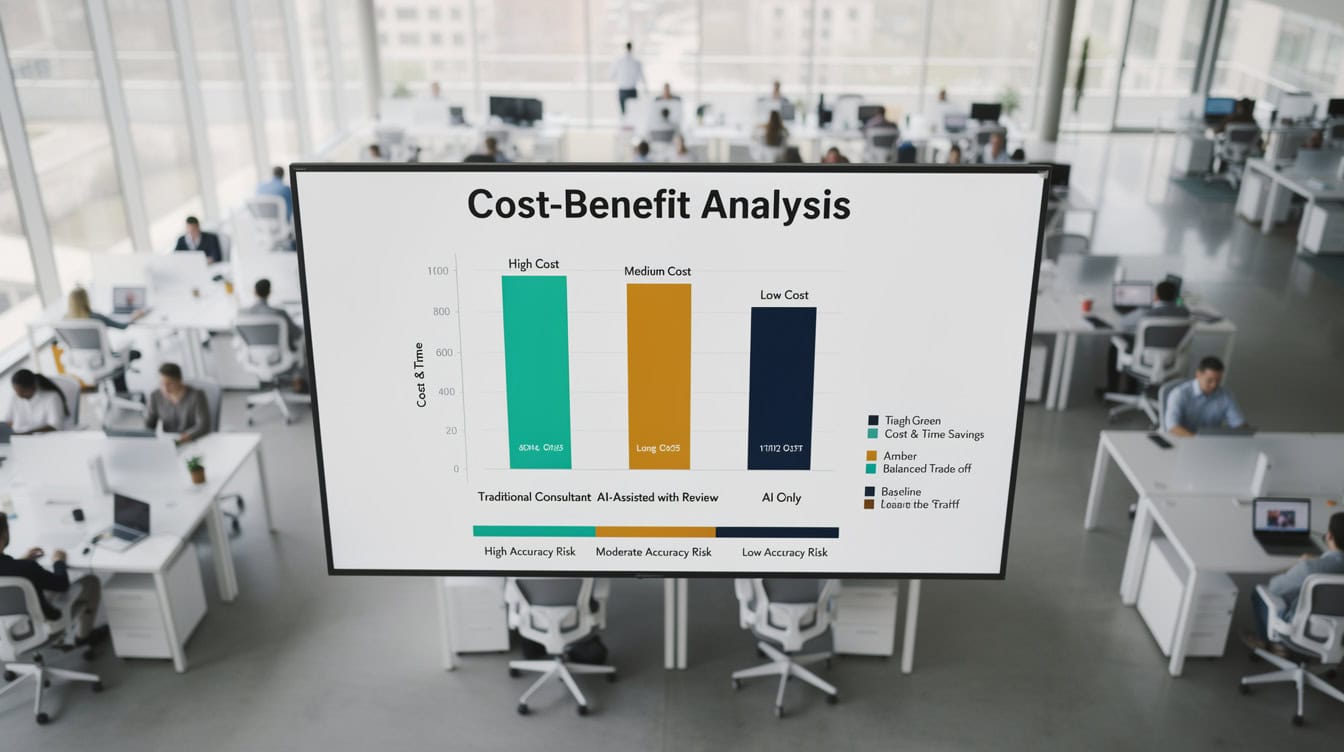
Choosing the right business model is the single biggest lever on your total startup cost, with a 25x difference between a mobile cart and a premium franchise.
Equipment and Machinery Costs: The Largest Capital Expenditure
Equipment is where most first-time ice cream shop owners underestimate their budget. A realistic equipment list for a mid-size storefront runs $30,000–$80,000 before installation.
Here are the core line items with current market price ranges:
- Commercial batch freezer (hard ice cream production): $8,000–$40,000. Carpigiani and Electro Freeze are the dominant suppliers in this category.
- Soft-serve machine: $5,000–$18,000 new; Taylor Company’s C712 model, a foodservice industry standard, sits at the higher end of this range.
- Dipping cabinets (display freezers for pre-made tubs): $1,500–$6,000 per unit; most shops need 2–4 units.
- Reach-in storage freezers: $1,000–$4,000 each.
- POS system (point-of-sale terminal, software, and card reader): $1,000–$3,500 for setup, plus $50–$150/month in software fees. Square for Restaurants and Toast are common choices for dessert retail.
- Prep tables and sinks: $500–$3,000 depending on stainless-steel grade and size.
- Smallwares (scoops, spades, portion dishers, topping containers): $300–$800.
The SBA microloan program lends up to $50,000 — the average microloan is about $13,000 — and expressly allows the money to go toward machinery and equipment, which makes it the most accessible financing route for a first freezer package, with lenders often taking the equipment itself as collateral.
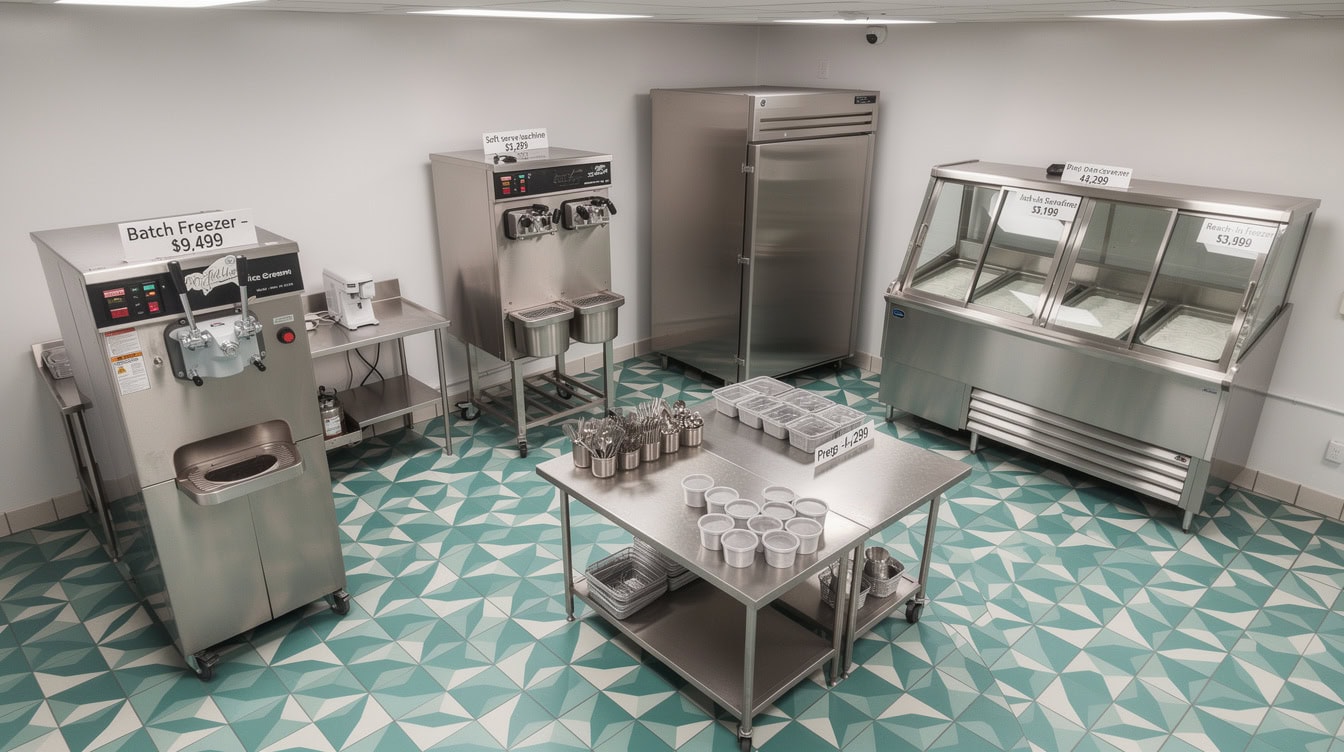
A fully equipped mid-size ice cream storefront requires $30,000–$80,000 in equipment before installation costs.
Location Costs: Lease, Buildout, and Real Estate Considerations
Location is the second-largest cost category and the one with the widest regional variation. Retail lease rates in the U.S. vary by market tier, and a national average obscures more than it reveals.
CBRE’s Q2 2026 U.S. retail figures put the national average retail asking rent at $24.79 per square foot with availability at just 4.9%, but what a scoop shop actually pays swings hard by location:
- Urban core markets (New York, San Francisco, Chicago): $40–$100+ per square foot annually
- Suburban markets: $20–$40 per square foot annually
- Rural or secondary markets: $10–$20 per square foot annually
For a 600-square-foot shop in a suburban market at $30/sq ft, annual rent equals $18,000, or $1,500/month. Most landlords require a security deposit of 2–3 months’ rent, adding $3,000–$4,500 to your upfront costs before you serve a single scoop.
Buildout and renovation costs add another significant layer. Converting a raw retail shell into a food-service-compliant ice cream shop typically costs $50–$150 per square foot, meaning a 600-square-foot space runs $30,000–$90,000 in renovation alone. Franchise disclosures put that in context: Cold Stone Creamery’s cost breakdown budgets $50,000–$292,000 for leasehold improvements on a single store. That figure covers plumbing for sinks and floor drains, electrical upgrades for high-draw freezer equipment, HVAC modifications, flooring, and interior finishes.

Retail lease rates vary by up to 10x between rural and urban core markets, making location the most regionally variable startup cost.
Initial Inventory and Supply Chain Investments
Your opening inventory needs to cover the first 2–4 weeks of operation without a reorder gap. For a mid-size storefront, that means stocking 12–24 flavors of ice cream base, plus toppings, cones, cups, spoons, and packaging.
Typical opening inventory costs:
- Ice cream base and mix-ins: $2,000–$6,000 (depending on whether you make in-house or purchase pre-made)
- Cones, cups, and lids: $300–$800
- Toppings (hot fudge, caramel, sprinkles, nuts, fresh fruit): $500–$1,500
- Packaging and branded materials: $400–$1,200
- Cleaning and sanitation supplies: $200–$500
Total opening inventory: roughly $3,400–$10,000.
Sourcing from a regional food service distributor like Sysco or US Foods typically yields better per-unit pricing than retail, especially once you establish a volume purchasing relationship. Negotiating net-30 payment terms with your primary supplier also preserves cash flow in your first month.
Opening inventory for a mid-size storefront runs $3,400–$10,000, covering 2–4 weeks of product before the first reorder.
Licensing, Permits, and Insurance: Regulatory Startup Expenses
Every ice cream shop must clear a regulatory checklist before opening. These costs are non-negotiable and vary by state and municipality.
| Permit or License | Typical Cost | Issuing Authority |
|---|---|---|
| Business License | $50–$700/year | City or County Clerk |
| Food Service License | $100–$1,000/year | State Health Dept. |
| Health Inspection Fee | $100–$500 per inspection | Local Health Dept. |
| Food Handler Certification | $15–$50 per employee | State-approved provider |
| Seller’s Permit (sales tax) | Free–$100 | State Revenue Dept. |
| Signage Permit | $20–$200 | City Planning Dept. |
| Commercial Liability Insurance | $500–$2,000/year | Private insurer |
Commercial general liability insurance, which the Insurance Information Institute defines as cover for third-party bodily injury and property damage, is the policy that answers a slip-and-fall on your shop floor. Insureon’s food and beverage premium data puts the average at $44 a month, or roughly $525 a year, on a $1 million per-occurrence limit, with 57% of food businesses paying under $50 a month; budget $500–$2,000 annually once traffic, revenue, and location are priced in. If you add product liability coverage, which protects against claims related to foodborne illness, expect premiums to increase by $200–$600 per year.
Total regulatory startup budget: $750–$3,200 in year one, not counting ongoing annual renewals.
Regulatory compliance adds $750–$3,200 to first-year startup costs, with health inspection fees and food service licenses as the largest line items.
Staffing Costs: Hiring and Training Your Launch Team
Labor is your largest ongoing operating cost and a meaningful startup expense. You’ll need to budget for pre-opening training, payroll setup, and the first month of wages before revenue stabilizes.
A typical small storefront operates with 3–6 employees (a mix of full-time and part-time). The federal minimum wage published by the U.S. Department of Labor has stood at $7.25 per hour since July 2009. Many states set higher floors: the California Department of Industrial Relations puts the state minimum at $16.90 per hour as of 1 January 2026. A team of 4 part-time employees working 25 hours/week costs roughly $2,900–$6,400/month in gross wages depending on your state.
Pre-opening staffing costs to budget:
- Recruitment and job posting fees: $0–$500 (many platforms are free)
- Pre-opening training (1–2 weeks paid): $1,500–$4,000
- Payroll setup and HR software: $100–$300 one-time
- First-month payroll reserve: $3,000–$8,000
Total staffing startup budget: $4,600–$12,800.
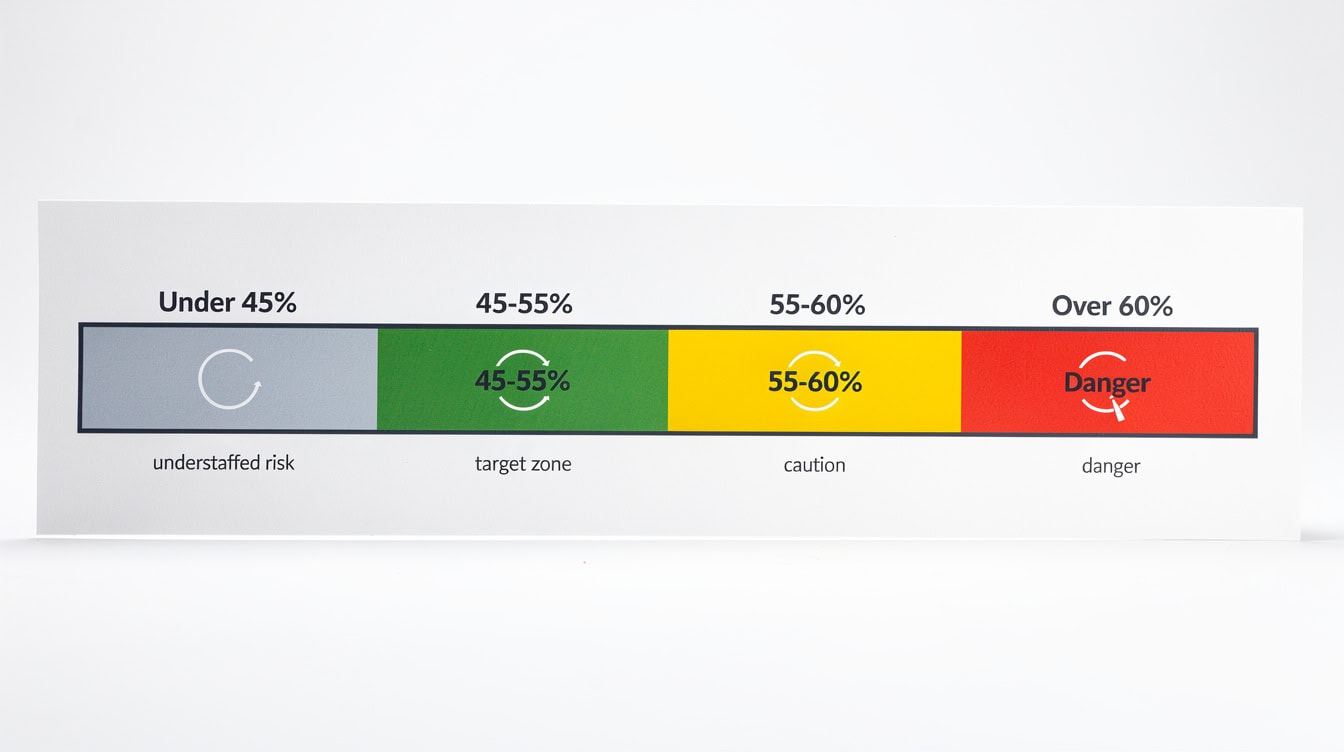
Pre-opening training for a 4-person team costs $1,500–$4,000 in wages before a single dollar of revenue is earned.
Marketing and Branding: Launch Budget Essentials
A grand opening without a marketing budget is a missed opportunity. Your launch marketing spend should cover both physical and digital channels.
Core launch marketing expenses:
- Logo and brand identity design: $500–$3,000 (freelancer) or $3,000–$10,000 (agency)
- Exterior signage: $1,000–$5,000 depending on size and illumination
- Website design and hosting: $500–$2,500 setup, plus $100–$300/year hosting
- Social media setup and initial content: $200–$1,000
- Grand opening promotion (flyers, local ads, free samples): $500–$2,000
- Google Business Profile and local SEO setup: $0–$500
Total launch marketing budget: $2,700–$13,800. Most independent shops allocate 3–5% of projected first-year revenue to marketing, which on $150,000 in annual sales equals $4,500–$7,500.
Hidden Costs and Contingency Planning
Several cost categories consistently catch first-time ice cream shop owners off guard. Budget for these before you sign a lease.
- Utility deposits: Commercial landlords and utility companies often require deposits of $500–$2,000 per utility (electric, gas, water) before service activation.
- Waste management contract: Commercial trash and grease disposal runs $100–$400/month; setup fees add $100–$300.
- Professional services: An accountant to set up your books and file your first-year taxes costs $1,000–$3,000. An attorney to review your lease adds $500–$1,500.
- Equipment installation and commissioning: Electricians and plumbers to install commercial freezers and sinks often charge $1,500–$5,000 on top of equipment purchase prices.
- Contingency reserve: Budget 10–15% of your total startup cost as a contingency. On a $100,000 project, that’s $10,000–$15,000 held in reserve for cost overruns.
The SBA’s own guidance on calculating your startup costs tells founders to count at least a full year of monthly expenses, and food service lenders typically want to see a further 3–6 months of operating expenses held back as working capital. For a shop with $8,000/month in fixed costs, that means keeping $24,000–$48,000 accessible at all times.
Worked Example: Break-Even Calculation for a Storefront Shop
Here’s the math for a 600-square-foot suburban ice cream shop with a $120,000 total startup investment.
Assumptions:
- Average selling price per transaction: $6.50
- Variable cost per transaction (ingredients, packaging, labor per unit): $2.60
- Contribution margin per transaction: $6.50 – $2.60 = $3.90
- Monthly fixed costs: rent $1,800 + utilities $600 + insurance $150 + base payroll $4,500 + misc $450 = $7,500/month
Break-Even Formula:
Break-Even Transactions = Fixed Costs / Contribution Margin per Transaction
Break-Even Transactions = $7,500 / $3.90 = 1,923 transactions per month
That equals roughly 64 transactions per day over a 30-day month. For a shop open 10 hours/day, you need 6–7 paying customers per hour to cover costs. In a moderate foot-traffic suburban location, this is achievable during peak season (May–September) but requires active marketing and diversified offerings (beverages, sundaes, catering) to sustain in slower months.
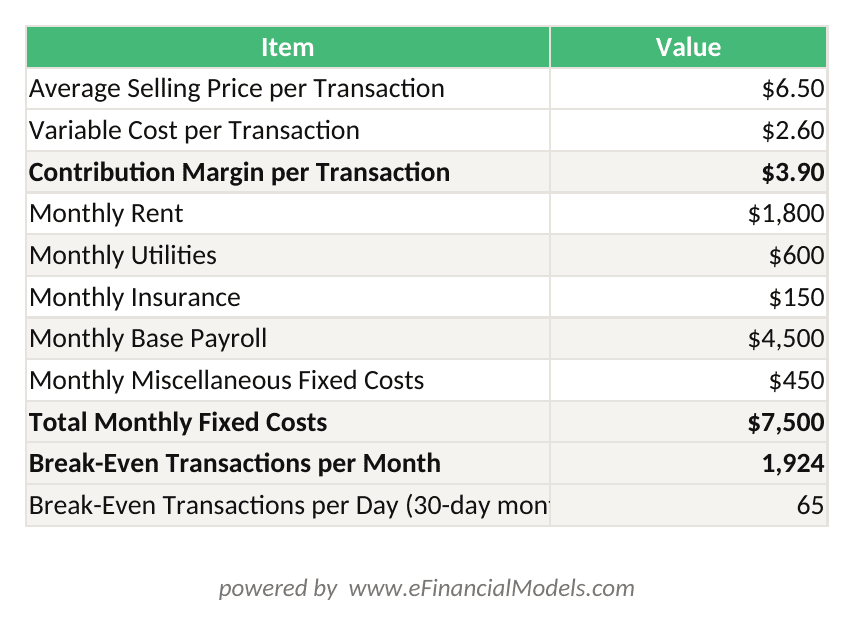
Break-Even Transactions = Fixed Costs / Contribution Margin per Transaction = $7,500 / $3.90 = 1,923 transactions/month (64/day over 30 days).
Financing Options for Ice Cream Shop Startups
Most ice cream shop founders combine 2–3 funding sources rather than relying on a single channel. The right mix depends on your credit profile, collateral, and how much equity you’re willing to give up.
| Financing Source | Typical Amount | Key Requirement | Equity Given Up? |
|---|---|---|---|
| SBA 7(a) Loan | $50,000–$500,000 | 2+ years in business (or strong plan) | No |
| SBA Microloan | Up to $50,000 | Startup-friendly | No |
| Equipment Financing | Up to equipment value | Equipment as collateral | No |
| Personal Savings | Varies | None | No |
| Angel Investor | $25,000–$250,000 | Equity stake required | Yes |
| Crowdfunding | $5,000–$100,000 | Strong community/brand story | No |
SBA microloans, administered through nonprofit intermediaries and capped at $50,000, suit ice cream cart and kiosk operators who need $10,000–$50,000 and may not qualify for a traditional bank loan.
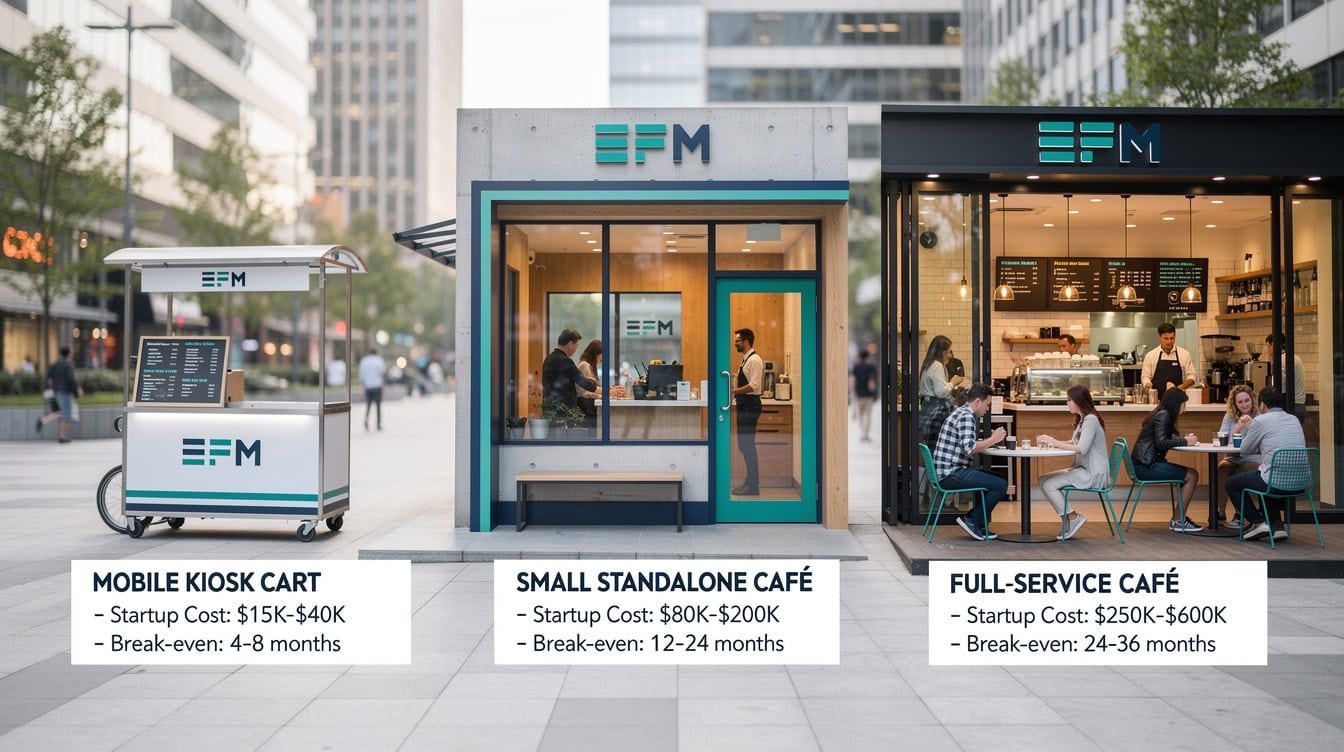
Most ice cream shop founders combine 2–3 funding sources; SBA microloans up to $50,000 are particularly accessible for cart and kiosk operators.
Cost Reduction Strategies Without Compromising Quality
Cutting costs intelligently at startup preserves capital for the months when revenue is still building. These five strategies work without degrading the customer experience.
- Buy used commercial equipment: A refurbished Taylor soft-serve machine or Carpigiani batch freezer can cost 40–60% less than new. Verify service history and warranty availability before purchasing.
- Start with a smaller menu: 12 core flavors require less inventory investment and less freezer space than 24. Add flavors as revenue grows.
- Negotiate a tenant improvement allowance: Many landlords offer $10–$30 per square foot in TI allowance to attract quality tenants. On 600 square feet, that’s $6,000–$18,000 toward your buildout.
- Use a shared commercial kitchen for production: If you’re making ice cream in-house, renting a licensed commercial kitchen for production (rather than building one) can save $20,000–$50,000 in buildout costs.
- Hire part-time staff first: Start with 2–3 part-time employees and scale hours as customer volume justifies it. Avoid committing to full-time salaries before you know your peak-hour patterns.
Buying refurbished commercial equipment and negotiating a tenant improvement allowance can reduce startup costs by $20,000–$60,000 without affecting product quality.
Frequently Asked Questions
<script type=”application/ld+json”>
{
“@context”: “https://schema.org”,
“@type”: “FAQPage”,
“mainEntity”: [
{
“@type”: “Question”,
“name”: “How much does it cost to start an ice cream shop from scratch?”,
“acceptedAnswer”: {
“@type”: “Answer”,
“text”: “Starting an ice cream shop from scratch costs between $50,000 and $300,000 for a full storefront, depending on location, size, and equipment choices. A 600-square-foot suburban shop with used equipment, a modest buildout, and 3 months of working capital typically lands around $80,000–$120,000 in total startup costs. The biggest variables are your lease market (urban vs. suburban), whether you buy new or used equipment, and how much renovation the space requires. A mobile cart or kiosk format can get you started for $20,000–$75,000 if you want to test the market before committing to a full storefront.”
}
},
{
“@type”: “Question”,
“name”: “What is the profit margin on an ice cream shop?”,
“acceptedAnswer”: {
“@type”: “Answer”,
“text”: “Ice cream retail carries a gross margin of 60–70% on product, meaning a $3.00 scoop costs roughly $0.90–$1.20 in ingredients and packaging. However, net profit margins after rent, labor, utilities, and insurance typically fall between 5–15% of revenue. A shop generating $200,000 in annual revenue might net $10,000–$30,000 after all expenses. Seasonal fluctuations matter significantly: many shops earn 60–70% of their annual revenue between May and September, so cash reserves are essential to cover fixed costs in slower months.”
}
},
{
“@type”: “Question”,
“name”: “Do I need a special license to sell ice cream?”,
“acceptedAnswer”: {
“@type”: “Answer”,
“text”: “Yes. You’ll need at minimum a business license, a food service license from your state health department, and a passing health inspection before opening. Most states also require food handler certifications for all employees who handle food directly. If you manufacture ice cream on-site (rather than reselling pre-made product), you may need a dairy processing permit or cottage food license depending on your state’s regulations. Total licensing costs typically run $750–$3,200 in year one. Check with your local health department early in the planning process, as permit timelines can run 4–12 weeks.”
}
},
{
“@type”: “Question”,
“name”: “How long does it take to break even on an ice cream shop?”,
“acceptedAnswer”: {
“@type”: “Answer”,
“text”: “Most ice cream shops reach their monthly break-even point within the first 3–6 months if they open during peak season (spring or early summer). Recovering the full initial investment (reaching total break-even on startup capital) typically takes 2–4 years for an independent storefront. Using the worked example above, a shop with $7,500/month in fixed costs and a $3.90 contribution margin per transaction needs 1,923 transactions per month to cover operating costs. Recovering a $120,000 startup investment at a net profit of $2,000/month takes 60 months (5 years), so pricing, volume, and cost control all matter enormously.”
}
},
{
“@type”: “Question”,
“name”: “What are the biggest hidden costs in opening an ice cream shop?”,
“acceptedAnswer”: {
“@type”: “Answer”,
“text”: “The 5 most commonly overlooked costs are: utility deposits ($500–$2,000 per utility), equipment installation labor ($1,500–$5,000), professional services like accounting and legal review ($1,500–$4,500), waste management setup fees ($100–$300 plus ongoing monthly costs), and the contingency reserve (10–15% of total startup budget). Many first-time owners also underestimate the cost of pre-opening payroll: training your team for 1–2 weeks before you open costs $1,500–$4,000 in wages with zero revenue coming in. Budget for all of these explicitly rather than hoping they fit within a vague ‘miscellaneous’ line.”
}
},
{
“@type”: “Question”,
“name”: “Is a franchise or independent ice cream shop a better investment?”,
“acceptedAnswer”: {
“@type”: “Answer”,
“text”: “A franchise offers brand recognition, a proven operating system, and supplier relationships, but it costs significantly more upfront and limits your creative control. Cold Stone Creamery’s published franchise investment breakdown puts total initial investment at $120,700–$655,275, and you’ll pay ongoing royalties of 6% of gross sales plus a marketing fund contribution. An independent shop costs less to open ($50,000–$300,000) and keeps all profits, but you bear the full burden of brand building. For first-time food service entrepreneurs, a franchise reduces operational risk. For experienced operators with a strong local brand concept, independent ownership typically delivers better long-term returns.”
}
},
{
“@type”: “Question”,
“name”: “How much working capital do I need before opening?”,
“acceptedAnswer”: {
“@type”: “Answer”,
“text”: “Plan on 3–6 months of operating expenses as working capital before opening any food service business, on top of the SBA’s advice to count at least a full year of monthly expenses when you size the startup budget. For an ice cream shop with $7,500/month in fixed costs, that means holding $22,500–$45,000 in accessible cash beyond your startup investment. This reserve covers rent, payroll, and utilities during the ramp-up period before customer volume stabilizes. Shops that open without adequate working capital are the most vulnerable to closure in their first year: Bureau of Labor Statistics establishment survival data shows about 78% of new private-sector establishments make it past year one, so roughly one in five closes inside twelve months, and undercapitalization is a leading cause.”
}
}
]
}
</script>
How much does it cost to start an ice cream shop from scratch?
Starting an ice cream shop from scratch costs between $50,000 and $300,000 for a full storefront, depending on location, size, and equipment choices. A 600-square-foot suburban shop with used equipment, a modest buildout, and 3 months of working capital typically lands around $80,000–$120,000 in total startup costs. The biggest variables are your lease market (urban vs. suburban), whether you buy new or used equipment, and how much renovation the space requires. A mobile cart or kiosk format can get you started for $20,000–$75,000 if you want to test the market before committing to a full storefront.
What is the profit margin on an ice cream shop?
Ice cream retail carries a gross margin of 60–70% on product, meaning a $3.00 scoop costs roughly $0.90–$1.20 in ingredients and packaging. However, net profit margins after rent, labor, utilities, and insurance typically fall between 5–15% of revenue. A shop generating $200,000 in annual revenue might net $10,000–$30,000 after all expenses. Seasonal fluctuations matter significantly: many shops earn 60–70% of their annual revenue between May and September, so cash reserves are essential to cover fixed costs in slower months.
Do I need a special license to sell ice cream?
Yes. You’ll need at minimum a business license, a food service license from your state health department, and a passing health inspection before opening. Most states also require food handler certifications for all employees who handle food directly. If you manufacture ice cream on-site (rather than reselling pre-made product), you may need a dairy processing permit or cottage food license depending on your state’s regulations. Total licensing costs typically run $750–$3,200 in year one. Check with your local health department early in the planning process, as permit timelines can run 4–12 weeks.
How long does it take to break even on an ice cream shop?
Most ice cream shops reach their monthly break-even point within the first 3–6 months if they open during peak season (spring or early summer). Recovering the full initial investment (reaching total break-even on startup capital) typically takes 2–4 years for an independent storefront. Using the worked example above, a shop with $7,500/month in fixed costs and a $3.90 contribution margin per transaction needs 1,923 transactions per month to cover operating costs. Recovering a $120,000 startup investment at a net profit of $2,000/month takes 60 months (5 years), so pricing, volume, and cost control all matter enormously.
What are the biggest hidden costs in opening an ice cream shop?
The 5 most commonly overlooked costs are: utility deposits ($500–$2,000 per utility), equipment installation labor ($1,500–$5,000), professional services like accounting and legal review ($1,500–$4,500), waste management setup fees ($100–$300 plus ongoing monthly costs), and the contingency reserve (10–15% of total startup budget). Many first-time owners also underestimate the cost of pre-opening payroll: training your team for 1–2 weeks before you open costs $1,500–$4,000 in wages with zero revenue coming in. Budget for all of these explicitly rather than hoping they fit within a vague “miscellaneous” line.
Is a franchise or independent ice cream shop a better investment?
A franchise offers brand recognition, a proven operating system, and supplier relationships, but it costs significantly more upfront and limits your creative control. Cold Stone Creamery’s published franchise investment breakdown puts total initial investment at $120,700–$655,275, and you’ll pay ongoing royalties of 6% of gross sales plus a marketing fund contribution. An independent shop costs less to open ($50,000–$300,000) and keeps all profits, but you bear the full burden of brand building. For first-time food service entrepreneurs, a franchise reduces operational risk. For experienced operators with a strong local brand concept, independent ownership typically delivers better long-term returns.
How much working capital do I need before opening?
Plan on 3–6 months of operating expenses as working capital before opening any food service business, on top of the SBA’s advice to count at least a full year of monthly expenses when you size the startup budget. For an ice cream shop with $7,500/month in fixed costs, that means holding $22,500–$45,000 in accessible cash beyond your startup investment. This reserve covers rent, payroll, and utilities during the ramp-up period before customer volume stabilizes. Shops that open without adequate working capital are the most vulnerable to closure in their first year, and establishment survival data from the Bureau of Labor Statistics shows why that matters: about 78% of new private-sector establishments survive year one, so roughly one in five is gone inside twelve months, with undercapitalization a leading cause.
Conclusion
Ice cream shop startup costs range from $20,000 for a lean mobile cart to over $500,000 for a premium franchise location. The category-by-category breakdown shows that equipment ($30,000–$80,000), location ($15,000–$90,000 in buildout plus deposits), and working capital ($22,500–$45,000) are the three largest budget items for a full storefront. Getting these numbers right before you sign a lease is the most important financial decision you’ll make.
I recommend downloading the Ice Cream Shop – 5 Year Financial Model to project your specific startup costs, build a five-year revenue forecast, and calculate your break-even point with pre-built financial statements. It’s the fastest way to stress-test your numbers before committing capital.
For broader startup planning resources, the EFM Startup Financial Models library and Financial Projections templates are strong complements to your ice cream shop model.