
0 ITEMS

The Art of Managing Liquidation Preference Waterfall
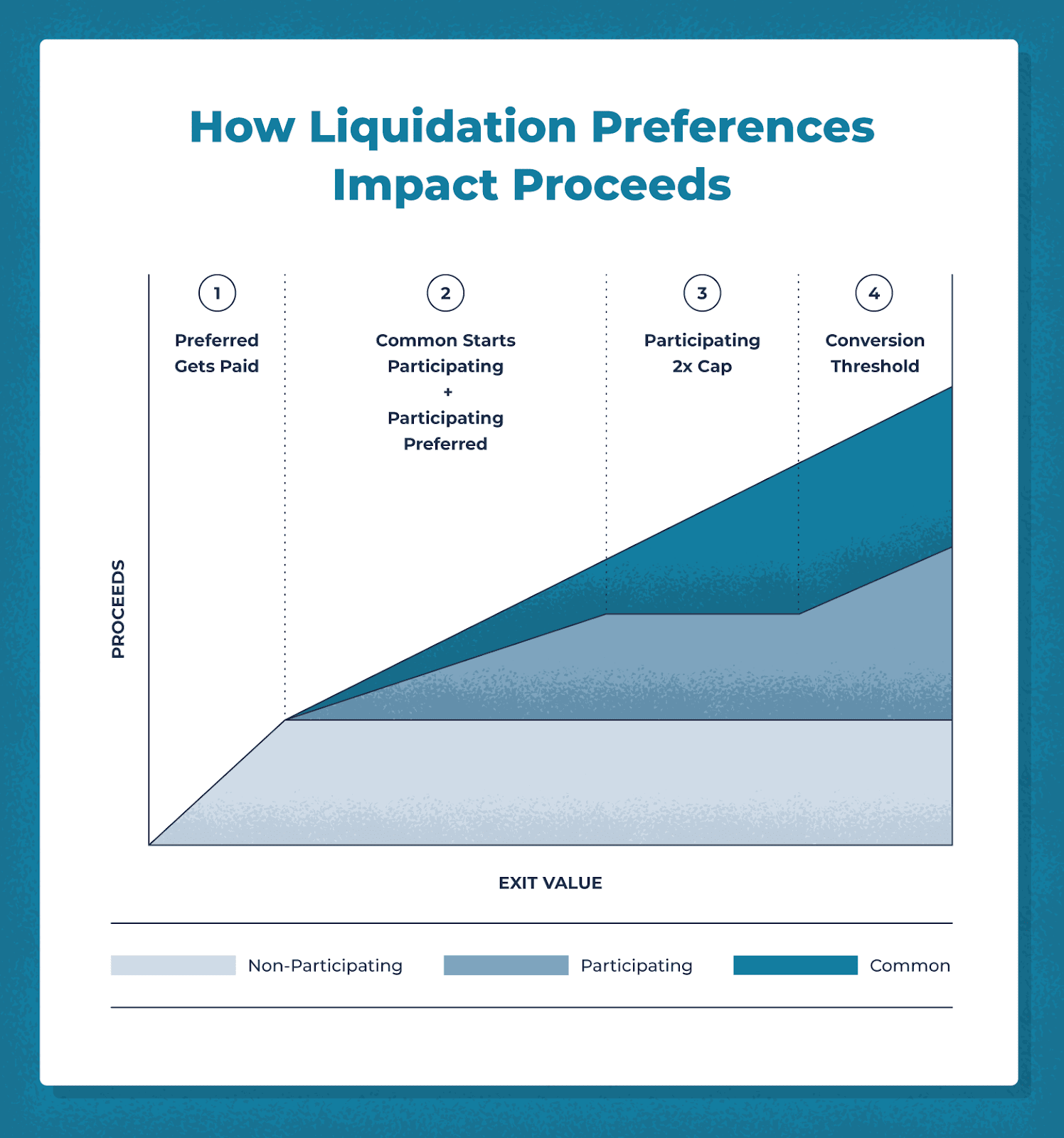
Understanding liquidation preference waterfalls is essential for navigating startup exits and investor returns.
- The waterfall determines the payout order during a company sale or liquidation, prioritizing preferred stockholders before common shareholders.
- Different types of preferences, like participating or non-participating, affect how proceeds are distributed and can impact final payouts.
- Structuring negotiations around valuation, deal terms, and tiered preferences helps create fair and transparent outcomes.
- Knowledge of payout sequences influences decisions in mergers, acquisitions, and IPOs, shaping investor and founder outcomes.
- Proper management of liquidation preferences reduces disputes and supports long-term investment strategies.
Keeping these points in mind guides smarter decision-making during critical financial events.
Liquidation Preference Waterfall Revealed
Entrepreneurs and investors often talk about Liquidation Preference Waterfall. It sounds complex, but it’s crucial for business finances. Imagine a big pie on a table. This pie represents the money a company gets when it sells or shuts down. The Waterfall is about who gets the pie slices first, and how big each slice is. Let’s uncover this step-by-step.
Breaking Down The Basics
The Liquidation Preference Waterfall decides who gets their money back first when a company is sold. It’s like a line at a store. People with VIP passes get to be at the front. In business, these VIP passes are called liquidation preferences. They are rules in a contract. These rules say which investors get paid first. The people without VIP passes might get less money or none at all. Let’s see how this line forms.
- First Position: Investors with Series A shares may stand here.
- Second Position: Next could be Series B investors.
- Common Shareholders: Employees holding common stock may stand last.
Variations Of Liquidation Preferences
Not all VIP passes are the same. Some have extra perks. In the Waterfall world, these are the different types of liquidation preferences.
| Type | Meaning |
|---|---|
| Participating | Investors get their money back, plus more as the pie gets cut up. |
| Non-Participating | Investors choose either to get their money back or their share of the pie, not both. |
| Cap | Sets a limit on how big an investor’s slice can be, no matter how big the pie is. |
Understanding these terms helps you know what slice you or others might get. Companies and investors must agree on these rules early. This way, everyone knows their place in line at the pie table.
Behind The Scenes Of Startup Financing
Peek into startup financing, and you’ll find a complex dance of dollars and deals. Each move is critical, setting the stage for success or setback. A key player in this ballet is the liquidation preference waterfall. It dictates who gets paid first if things don’t go as planned. Let’s unveil the roles and stages that shape the destiny of startup funding.
Role Of Equity In Fundraising
Equity is the golden ticket in startup financing. It’s ownership of a slice of the future pie. Founders trade it for funds to fuel their dreams. Let’s break down its importance:
- Attracts investors: Equity offers a share of future profits.
- Aligns interests: Investors become partners in growth.
- Enables scaling: Funds are vital for expansion efforts.
In the liquidation preference scene, equity outlines the payout queue. Those with preferred shares usually stand at the front.
Investment Stages And Their Impact
Different funding rounds bring different stakes to the table.
| Stage | Impact |
|---|---|
| Seed | Ground floor entry, higher risk but potentially greater reward. |
| Series A/B/C | Progressive valuation hikes, increased investor protection. |
| IPO | Public leap, highest scrutiny but amplified potential for returns. |
Each investment stage can shift the liquidation waterfall. Early investors might slide down as new players pour in. Dilution and preference terms sculpt the final financial cascade.
Navigating The Waters Of Preferred Stocks
Preferred stocks are unique investment tools. They blend features of both stocks and bonds. Smart investors understand that mastering preferred stocks is crucial. Knowing how to manage them is key. It starts with a thorough grasp of their features and benefits.
Features Of Preferred Share Ownership
Preferred stock ownership comes with distinct characteristics. Unlike common stock, preferred shares offer more predictability.
- Fixed Dividends: Preferred stocks usually have set dividend rates.
- Payment Priority: In the event of bankruptcy, preferred shareholders get paid before common shareholders.
- Convertible Options: Some preferred stocks can be converted into common stock.
- Voting Rights: Generally, preferred shareholders have limited or no voting rights.
Benefits To Investors
Investors favor preferred stocks for several reasons.
| Benefit | Description |
|---|---|
| Income Stability | Regular dividends provide reliable income. |
| Safety Net in Bankruptcy | Preferred status offers better security on investments. |
| Potential for Growth | Convertible features allow for participation in stock gains. |
| Tax Benefits | Some preferred dividends receive favorable tax treatment. |
Understanding these elements is critical. It helps investors create a smart investment strategy. Are you ready to dive into the world of preferred stocks?
Calculating Payouts During Exit Events
When a company is sold or goes public, investors and employees watch closely. They want to know how much money they will get. This is called Calculating Payouts During Exit Events.
Determining The Liquidation Stack
To understand who gets paid first, we create a list. This list is called the liquidation stack. It shows the order of payments to investors. There are different kinds of shares. Some shares have special rights. Those with special rights get money back first. We look at the company’s history to make this stack.
- Common shares: Often for founders and employees; usually paid last.
- Preferred shares: For investors; often get paid before common shares.
- Participating preferred: May get their investment back and share remaining money.
- Non-participating preferred: Choose between investment return or shared money, not both.
Sequence Of Payments
Once we know the stack, we look at how much money the company made from the sale or going public. We call this the exit proceeds. We then follow the liquidation stack to give out this money.
We pay each group one by one. If there’s not enough money, some might not get fully paid. It’s like filling cups with water. Top cups must be full before filling the next.
| Investor Type | Money Owed | Gets Paid? |
|---|---|---|
| First Priority | $5 million | Yes |
| Second Priority | $3 million | Maybe |
| Last Priority | $2 million | Not if money runs out |
We use a special equation to figure out these payouts. Each share type has a different value and rights. The company and investor agreements say how to do the math.
Understanding The Exit Scenarios
A key part of any investment strategy involves knowing how and when an exit can occur. In venture capital, this often revolves around liquidation preference waterfalls. These can be complex. Yet, they guide the distribution of payouts among shareholders during a company sale or public listing. Let’s delve into these critical exit scenarios.
Impact Of Mergers And Acquisitions
In a merger or acquisition, shareholder payouts vary. Each deal’s structure affects distributions. Liquidation preferences define the order and amount shareholders receive. Early investors often negotiate for a higher preference. This ensures they get paid before others. But this can muddy the waters during an exit.
- Common stockholders usually get paid last
- Preferred stockholders may receive fixed multiples of their investment
- Participating preferred stockholders might get their investment back plus a share of remaining funds
The specifics of each merger or acquisition matter. Understanding these specifics is vital for estimating returns on investment.
Effects Of Initial Public Offerings
An IPO offers another exit route. The liquidation preference waterfall still applies. It influences who gets what as the company goes public. Here are some key considerations:
- IPOs can convert preferred stocks into common stocks.
- Preferences might include a conversion option for investors.
- Some terms allow for preferred stock to maintain priority in payouts.
IPO outcomes hinge on valuation and share prices. These determine the extent to which preferences are applied or waived. Wise investors scrutinize the potential lift from public markets. They pair this with their negotiated terms to forecast final gains.
| Scenario | Impact on Common Stockholders | Impact on Preferred Stockholders |
|---|---|---|
| Mergers and Acquisitions | Get paid after preferred stockholders | May receive multiples of initial investment |
| Initial Public Offerings | Potential conversion to common stock | Choice to convert or maintain preference |
Strategizing The Negotiation Of Terms
Navigating a liquidation preference waterfall requires careful planning. Effective strategizing during the negotiation of terms can lay a strong foundation for a company’s financial future. This entails meticulous discussions about valuation and aligning the interests of founders and investors.
Leveraging Company Valuation
Understanding a company’s worth is critical in negotiations. A strong valuation presents an opportunity to minimize investor preference. This can lead to favorable terms for both parties.
- Conduct thorough market analysis to determine competitive standing.
- Gather financial projections to forecast future growth.
- Use valuation as a bargaining chip in liquidation conversations.
Aligning Interests Between Founders And Investors
Ensuring mutual goals between founders and investors is vital. It reduces conflict and encourages collaboration. Balance is key to a successful outcome.
- Present a unified vision of the company’s prospects.
- Discuss varying scenarios to prepare for diverse outcomes.
- Prioritize open communication to maintain trust.
By diligently navigating valuation and alliance, businesses can optimize their liquidation preference waterfall for success.
Consequences For Entrepreneurs And Employees
Understanding the consequences for entrepreneurs and employees is key in managing liquidation preference waterfall. It can shape the future of both a company and its people.
Impact On Founders’ Share Value
Liquidation preferences directly affect founders’ share value. Founders must negotiate wisely. High liquidation multiples can erode their proceeds in a sale. Consider these points:
- Preferred shares take precedence over common shares.
- Founders often hold common shares, which may get less on exit.
- A waterfall structure determines payout order.
- Liquidation multiples impact how much money goes to different share classes.
Employee Stock Options And Waterfall
Employees with stock options should understand the waterfall effect too. When a company is sold, here’s what happens:
- Preferred stockholders are paid first.
- Employees with options in common stock might get less.
- The impact varies based on the sale price and preferences.
Always review how liquidation preferences affect your options. Employee morale and retention can hinge on clear communication about these terms.
Ensuring Equity And Fairness
Discovering balance in liquidation events ensures that all investors get a fair share. In the startup ecosystem, equity and fairness are key. This means crafting liquidation preference waterfalls that respect each party’s investment. The goal is a transparent and equitable outcome for founders and investors alike.
Dealing With Multiple Liquidation Preference Tiers
In complex investment scenarios, businesses may face multiple tiers of liquidation preferences. This stratification can lead to confusion and unfair distributions if not managed properly.
- Understand each tier. Know the specifics of each investor’s terms.
- Communicate. Keep all parties informed during the process.
- Calculate carefully. Use precise figures to ensure accuracy.
Seniority plays a big role in these tiers. Higher tiers typically get paid out first. Alignment of interests is crucial for smooth liquidation events.
Best Practices For Equitable Outcomes
Attaining fairness involves following certain best practices. These create an environment where every investor feels respected and adequately compensated.
- Transparent models. Use clear models to show potential payouts.
- Flexibility. Be ready to adjust for new variables.
- Legal expertise. Involve lawyers to avoid disputes.
Audit the waterfall regularly. This ensures that the model remains current and fair. It’s about finding the right balance so that when the time comes, everybody wins.
Waterfall Models In Action
Understanding the Waterfall Model in a liquidation event is crucial. This model details how funds get distributed when a company is sold or liquidated. It defines who gets paid first and how much. Investors, founders, and employees all have stakes. A well-crafted Waterfall Model ensures fairness and clarity in these high-stake situations.
Case Studies Of Successful Liquidation Events
Let’s dive into real-world success stories to understand the Waterfall Model’s impact:
- Acquisition Ace: A tech startup sold for $500 million. Preferred stockholders had a 2x liquidation preference. They got paid first. Remaining proceeds went to common stockholders. Everyone was pleased.
- IPO Victory: A company went public. Its value skyrocketed. Thanks to the Waterfall Model, early investors recouped their investments. Employees with stock options also benefitted greatly.
Learning From Failures And Disputes
Not all liquidation events have happy endings. Some provide lessons:
- Unmet Expectations: A startup’s sale fell short of predictions. Common stockholders were left with little. This showcased the need for clear liquidation terms upfront.
- Legal Battles: When a failing company couldn’t pay everyone, disputes arose. A clear Waterfall Model would have prevented this.
Looking To The Future
Investors and entrepreneurs alike need to keep their eyes on the horizon. The landscape of startup financing is ever-changing. Forefront strategies, like managing liquidation preference waterfalls, become vital. They are the key to a sustainable financial future. Therefore, preparing today for tomorrow’s shifts guarantees a head start in the evolving world of investment.
Emerging Trends In Startup Financing
Startups need to stay agile with their financial strategies. Emerging trends reflect the dynamic nature of investment. Notable shifts include:
- Equity crowdfunding: growing in popularity, allowing broader investor involvement.
- Revenue-based financing: gaining traction, offering alternatives to traditional equity models.
- Tokenized securities: leveraging blockchain technology, presenting innovative ownership options.
These trends indicate a move towards more inclusive and flexible financing mechanisms. Awareness and adaptation to these changes are crucial for success.
Preparing For Unpredictable Markets
Market unpredictability is a given. Yet, steps exist to brace for this reality:
- Diversifying investments: spreading resources to minimize risks.
- Stress-testing financial models: ensuring they withstand market fluctuations.
- Regularly reviewing term sheets: staying current with the latest terms.
True preparedness means expecting the unexpected. Solid strategies today pave the way for a secure tomorrow.
Frequently Asked Questions
What Is Liquidation Preference Waterfall?
Liquidation preference waterfall is a method used in venture capital transactions. It dictates the payout order to shareholders upon a liquidity event, such as a sale. Preference shareholders get paid before common holders.
Why Does Liquidation Preference Matter In Investments?
Liquidation preference protects investors in a sale or liquidation event. It ensures that they recover their initial investment before common shareholders. This can be crucial for venture capital and private equity investors.
How Do Liquidation Events Affect Startup Shareholders?
In a liquidation event, the distribution of funds follows a set order. Preference shareholders typically receive payouts first. This often leaves less or no funds for common shareholders like startup employees.
Can Liquidation Preferences Be Negotiated?
Yes, liquidation preferences can be negotiated between investors and company founders. Terms, like multiples and participation rights, are key components of these negotiations. They influence the final outcomes in liquidation scenarios.
Conclusion
Navigating the complexities of liquidation preference waterfalls proves crucial for investors and founders alike. Mastering this financial art enhances returns and fosters trust. Embrace transparency and clear agreements to pave the way for successful exits. Stay informed and consult experts to optimize your strategy.
Together, we can turn the tide of liquidation outcomes.
















































You might also like:
- 10 Tips to Develop a First Class Business Valuation Report
- 10 Main Elements of a Business Plan
- 12 Funding Sources for Businesses and Startups
- How to Value a Business Using a Discounted Cash Flow Model
- Understanding the Debt Service Coverage Ratio: An Essential Metric for Financial Analysis
- Financial Projections Templates – The Easy Way
- How to Prepare a Financial Feasibility Study?
- Financial Modeling for Startups and Small Businesses
- Financial Statements – Definition, Uses, Contents and Templates
- Top 10 Mistakes in DCF Valuation Models
- How to Build a Capitalization Table
- How to Secure Seed Financing?
- Navigating the Liquidation Value of Assets
- Private Equity vs. Venture Capital: Which is Right for You
- Balancing Balance Sheet and Income Statement: A Comprehensive Guide
- Debt Amortization Table
- 10-Step Financial Planning Checklist for Smart Executives
- Steps to Securing Series C Financing
- Mastering the Art of IRR Calculation: A Comprehensive Guide for Investors
- How Contribution Margin Analysis Can Drive Your Business to Financial Success


