0 ITEMS

Starting A Junk Removal Business Your Path To Profit And Simplicity
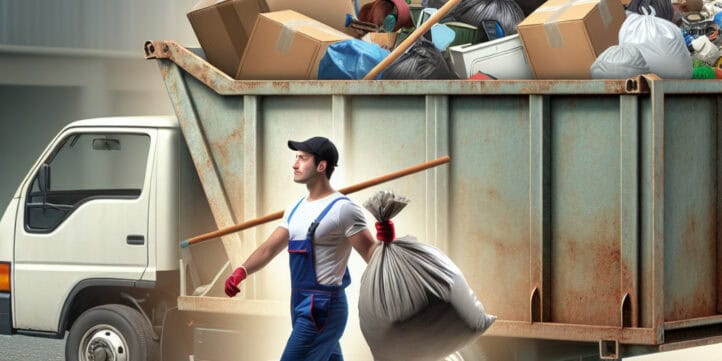
The junk removal industry is growing rapidly, driven by increasing demand for decluttering and eco-friendly disposal services.
- Startup costs typically range from $2,000 to $100,000, mainly for vehicles, insurance, and marketing.
- Licenses and permits vary by location but often include business licenses and waste removal permits.
- Client sources include online marketing, local partnerships, and word-of-mouth referrals.
- Items commonly removed range from household furniture and appliances to yard waste and construction debris.
- Seasonal peaks in spring and summer demand should influence your marketing and scheduling efforts.
Understanding these key factors helps ensure your junk removal business can operate efficiently and grow sustainably.
What This Article Covers
To provide a comprehensive understanding of the junk removal industry, this article will cover the following key topics:
- Overview of the junk removal market and industry trends
- Operational logistics and essential tools needed
- Tips for effective marketing and customer acquisition
- Strategies for scaling your business
- Common pitfalls and how to avoid them
Starting a junk removal business is remarkably straightforward, often requiring minimal initial investment while allowing for substantial returns. The industry’s simplicity enables motivated individuals to dive in and start making a difference in their communities, all while building a successful business. The following sections will delve deeper into the essential components of this industry, offering insights and practical tips to kickstart your entrepreneurial journey.
Understanding the Market and Trends
The first step toward establishing a successful junk removal business is understanding the market landscape. The demand for junk removal services is influenced by a range of factors, including:
- Increased consumer awareness of decluttering and organizing
- A rise in property renovations and real estate sales
- The growth of environmental consciousness, leading to more recycling and donation efforts
With these factors driving the industry, entrepreneurs entering this space can enjoy a wealth of opportunities. The growth in demand not only opens doors for new businesses but also highlights the need for quality service and customer satisfaction in order to differentiate from competitors. Understanding these trends is crucial for maintaining a competitive edge.
Operational Logistics
Creating an effective operational framework is fundamental to the success of a junk removal business. Consider the following logistical factors:
| Aspect | Details |
|---|---|
| Equipment | Essential tools include trucks for transportation, safety gear, and tools for lifting and dismantling. Consider purchasing equipment that can handle larger jobs to expand your service offerings. |
| Pricing Strategy | Develop a competitive pricing model based on regional rates, service complexity, and disposal costs. Consider offering package deals for repeat customers. |
| Permits and Regulations | Ensure compliance with local regulations regarding waste disposal and transportation. Some areas may require permits for commercial vehicle use. |
| Insurance | Investing in liability insurance protects your business against potential accidents and damages that may occur during operations. |
By thoughtfully addressing these operational logistics, you can lay a solid foundation for your junk removal business. Each logistical aspect not only influences your day-to-day operations but also impacts your customers’ experiences and satisfaction levels. When executed effectively, these components can contribute to the overall growth and sustainability of your venture.
In conclusion, the junk removal business presents an inviting and lucrative opportunity for entrepreneurs looking to make an impact while generating income. By understanding the market trends, operational logistics, and effective strategies for customer acquisition, you can transform your ambition into a successful business venture. The following sections will provide even more insights into marketing strategies and vital business tips to help you flourish in this ever-growing industry.
The Growing Junk Removal Industry: Understanding Your Target Market
The junk removal industry is experiencing significant growth, primarily fueled by an increasing consumer demand for decluttering services. Properly identifying and understanding your target market is critical for the success of your junk removal business. This includes recognizing the diverse range of potential clients who might require your services. Potential clients can vary widely, from individual homeowners seeking to clear out old furnishings, to businesses that need to dispose of outdated equipment.
Furthermore, there are specific demographic characteristics that can help shape your marketing strategy:
Demographic Insights on Potential Clients
When considering whom to target, it is useful to examine the demographic profiles of potential clients. Here are some important characteristics:
- Homeowners: Ages 30-65, typically with an annual income ranging from $50,000 to $150,000.
- Renters: Ages 20-35, often in transitional living situations, income levels vary widely.
- Small Businesses: Owners and managers looking for commercial clean-out services; often aged 30-55.
- Real Estate Agents: Working in property management and requiring junk removal before selling homes, generally 35-60 years old.
- Property Managers and Construction Companies: Typically older, with established businesses needing services year-round.
Identifying and categorizing these demographics will enable you to tailor your marketing efforts and service offerings appropriately. Understanding these characteristics will help position your business to meet the needs of your target clients more effectively.
Seasonal Trends in Demand
Recognizing seasonal peaks in demand for junk removal can greatly enhance your business strategy. Understanding when consumers are most likely to need your services allows for more strategically timed marketing campaigns and resource allocation. The following table illustrates key periods during the year when demand for junk removal services typically surges:
| Season | Key Periods | Reason for Increased Demand |
|---|---|---|
| Spring | March – May | Spring cleaning and home refurbishments. |
| Summer | June – August | General clean-outs, moving season. |
| Fall | September – November | Pre-holiday clean-outs; preparing homes for guests. |
| Winter | December – February | Post-holiday disposals, New Year decluttering. |
By recognizing these seasonal trends, business owners can anticipate demand surges and adapt their marketing strategies accordingly. Effective planning around these peak periods can lead to increased business opportunities and revenue. For instance, ramping up advertising efforts before the spring cleaning season and coordinating promotional events in the weeks leading to major holidays can yield significant results.
In conclusion, the junk removal industry is poised for continued growth, with a diverse target market and clear seasonal patterns that present exceptional business opportunities. By fully understanding and actively engaging with your client demographics, and by strategically timing your services to meet seasonal demands, your business can thrive in this ever-expanding industry. Continuous engagement through targeted marketing and offering services tailored to client needs will enable your junk removal enterprise to stand out in a competitive landscape.
Differentiate Your Business Through Unique Value Propositions
To effectively set your business apart from competitors, it is crucial to focus on the unique ways you can serve your clients. Distinguishing your offerings not only attracts customers but also builds a memorable brand presence in a saturated marketplace. Here, we explore some valuable propositions that can carve out your niche and enhance the customer experience, turning casual shoppers into loyal clients.
Examples of Unique Value Propositions
Below are several unique value propositions that can significantly impact your business strategies:
- Eco-Friendly Disposal Methods: Implementing green practices can appeal to environmentally conscious consumers.
- Transparent Pricing: Providing clarity in your pricing structure builds trust and can set you apart.
- Exceptional Customer Service: Prioritizing customer experience fosters loyalty and encourages word-of-mouth referrals.
- Personalized Services: Tailoring your services to meet individual needs can enhance customer satisfaction.
- Subscription-Based Models: Offering subscription services can create a steady revenue stream and deepen customer relationships.
Let us dive deeper into one of these propositions — eco-friendly disposal methods. Recent trends indicate that consumers are increasingly seeking companies that prioritize sustainability. A case study on Green Solutions, a waste management company, illustrates how switching to eco-friendly disposal methods led to:
- Increased customer loyalty by 30%
- A 20% rise in new customer referrals
- A 15% improvement in overall profit margins within six months
Green Solutions successfully showcased their commitment to environmental preservation, which resonated well with their target audience. By offering eco-friendly disposal methods, they not only differentiated themselves but also attracted a broader client base that values sustainability. This example underscores the potential benefits of integrating a unique value proposition into your business strategy.
In summary, tailoring your offerings with unique value propositions can create a competitive advantage. Whether it is embracing eco-friendly practices or enhancing customer interactions, focusing on what you can do differently will contribute significantly to your overall success in the market.
Starting a Junk Removal Business: Key Steps to Success
Starting a junk removal business requires careful planning and execution. It is crucial to establish a well-structured framework to ensure your business operates smoothly and legally while being competitive in the market. Below are fundamental steps you should follow to set your business on the right path:
Business Licensing
Understanding the legal framework surrounding your junk removal business is paramount. The licensing requirements can vary significantly based on your location and the scope of your services. Begin by checking with your local government office or online portals that provide information about business licenses in your area. Common types of licenses you may need include:
- Business operation license
- Waste removal permit
- Vehicle registration if you are using commercial vehicles
- Federal Employer Identification Number (EIN) if you plan to hire employees
Ensuring compliance with local regulations will help establish your credibility with clients and avoid potential legal issues down the road. It is advisable to maintain all documentation in an organized manner for easy access and reference.
Insurance Considerations
Investing in adequate insurance coverage is a foundational step for protecting your business against unforeseen events. Various types of insurance can cover different aspects of your operations. Here is a brief comparison of commonly required insurance types:
| Type of Insurance | Coverage | Average Cost per Year |
|---|---|---|
| General Liability Insurance | Covers third-party bodily injury and property damage claims | $400 – $1,500 |
| Commercial Auto Insurance | Covers vehicles used for business purposes | $1,200 – $2,500 |
| Workers’ Compensation Insurance | Covers medical costs for employees injured on the job | $1,200 – $3,500 |
Selecting the right type of insurance will depend largely on your specific business operations, employee count, and the risks involved in junk removal. It is always a good practice to consult with insurance professionals to tailor a policy that fits your exact needs, thereby safeguarding your assets and operations effectively.
Conducting a Cost Analysis
A thorough cost analysis is essential to gauge the financial feasibility of starting your junk removal business. It is critical to calculate all potential startup costs, as well as recurring operational expenses. Major factors to consider include:
- Purchase of or leasing vehicles
- Labor costs, including salaries and benefits
- Purchasing or renting necessary equipment and storage space
- Marketing and advertising expenses
- Operational costs such as fuel, maintenance, and disposal fees
Creating a comprehensive budget based on these factors will enable you to set realistic financial goals for your business. Additionally, staying within your budget will help prevent overspending and ensure the sustainability of your venture through challenging periods.
Developing a Marketing Strategy
Attracting clients is vital for the growth of your junk removal business. A well-rounded marketing strategy that targets both online and local communities can significantly enhance customer engagement. Here are key components to consider:
- Establish a robust online presence through a user-friendly website
- Engage with potential customers on social media platforms
- Network with local businesses for partnerships and referrals
- Utilize digital marketing strategies such as Search Engine Optimization (SEO) and Pay-Per-Click (PPC) advertising
- Create promotional offers to encourage first-time customers
By leveraging both online platforms and local networks, you can effectively broaden your customer base and introduce your services to a wider audience. Consistency in your marketing efforts is key to building a recognizable brand image and sustaining growth. Always evaluate the performance of your strategies and adjust as necessary to maximize your reach and engagement.
In summary, starting a junk removal business requires thorough planning in licensing, insurance, cost analysis, and marketing strategies. By laying a solid foundation in these areas, you position your business for long-term success and growth in a competitive market. The initial steps may seem overwhelming, but with diligence and commitment, success can be well within your reach.
Streamlining Operational Logistics for Maximum Efficiency
Once your business is set up, focusing on enhancing operational logistics is crucial for maximizing efficiency and ensuring long-term success. Streamlining processes can lead to reduced costs, improved customer satisfaction, and a strong competitive edge in the market. This effort involves a combination of strategic vehicle selection, thorough staff training, and the use of advanced scheduling tools to architect an efficient operational framework.
Vehicle Choice
The selection of appropriate vehicles is fundamental in handling various types of junk. Choosing the right vehicle allows your business to accommodate different job sizes and types of junk effectively. Here are some types of vehicles typically used in junk removal, along with their key benefits:
- Small Vans: Ideal for residential cleanouts and small-scale jobs, providing agility and ease of access in urban areas.
- Box Trucks: Suitable for larger jobs, such as commercial cleanouts or estate cleanups, offering increased payload capacity.
- Dump Trucks: Best for construction debris and heavy material transport, allowing for quick unloading and increased efficiency in disposal.
When choosing vehicles, consider the following checklist to guide your decision:
- Capacity: Ensure the vehicle can handle the largest load you expect to transport.
- Fuel efficiency: Opt for vehicles that offer good mileage to reduce ongoing operating costs.
- Durability: Choose models known for reliability and lower maintenance costs to enhance longevity.
Effective vehicle selection not only supports operational efficiency but also enhances service delivery and customer satisfaction. It is vital to analyze the specific needs of your business and create a fleet that can effectively meet those demands. By optimizing vehicle choice, you can maximize routes, minimize delays, and better serve your customers.
Staff Training
Comprehensive staff training ensures that your team is well-prepared to deliver high-quality service while adhering to safety protocols. Investing time and resources into training can significantly improve operational efficiency. Here is a checklist of critical training topics that should be covered:
- Safety protocols: Understanding safe junk handling procedures and compliance with local regulations.
- Effective customer interaction: Training on communication techniques to enhance customer satisfaction.
- Junk handling techniques: Learning how to utilize equipment safely and efficiently for loading and unloading.
- Time management: Implementing strategies to improve time efficiency on jobs.
- Problem-solving skills: Developing the ability to address unexpected issues that may arise during operations.
By ensuring your staff is thoroughly trained on these critical aspects, you will likely see enhanced performance, increased efficiency, and better service quality. Staff members who are confident in their skills and fully understand their responsibilities can help drive greater productivity and contribute to the success of your business.
Scheduling Software
The implementation of scheduling software can revolutionize your appointment management and employee allocation processes. These tools help streamline operations and maintain effective communication with clients. Here are some benefits of using scheduling software:
- Improved appointment management: Easily organize and adjust bookings to accommodate changes in customer needs or unexpected delays.
- Resource allocation: Optimize staff allocation based on job requirements and availability, reducing downtime and improving efficiency.
- Customer communication: Automate reminders and updates, ensuring clients are informed and engaged throughout the junk removal process.
Utilizing scheduling software effectively not only boosts operational efficiency but also enhances customer satisfaction by providing transparent communication and timely service. With the right tools in place, your business can handle a higher volume of jobs with precision and care, ensuring that both customers and employees have a positive experience.
By paying close attention to these key areas—vehicle selection, thorough staff training, and the implementation of advanced scheduling tools—you can significantly streamline your operational logistics. Over time, these practices will lead to increased efficiency, reduced operational costs, and improved service delivery, which are essential for the long-term success of your junk removal business.
Managing Finances in Your Junk Removal Business
Starting a junk removal business undoubtedly requires a strategic approach to finances. To ensure your venture remains profitable, you must prioritize diverse revenue streams and effective budgeting. Below, we dive deeper into these aspects and present practical examples and key metrics to monitor.
Revenue Streams
When establishing your junk removal business, consider diversifying your revenue streams beyond just removal services. This can significantly enhance your profit margins and provide stability during slower seasons. Below are several potential revenue streams to explore:
- Recycling Programs: Establish partnerships with local recycling centers. For instance, you can create a workflow where you separate recyclable materials from regular junk during your removal process. By directing these materials to recycling centers, you can earn a fee or receive discounts on disposal costs. This not only generates revenue but also positions your business as environmentally friendly, attracting eco-conscious customers.
- Donation Collaborations: Collaborate with local charities to donate usable items. This strategy can enhance your brand reputation, create a positive image, and may lead to tax deductions. Customers appreciate working with businesses that support local communities and sustainability.
- Packing and Moving Services: Expand your offerings to include packing and moving services. This can be particularly lucrative for customers who require more comprehensive assistance during a move or clean-out. Providing this service can ensure you have a well-rounded business model that meets various customer needs.
Diversifying your revenue streams reinforces your business’s resilience. By not relying solely on junk removal, you stand to attract a broader customer base and generate additional income through related services. Each revenue stream can serve as a bridge leading to increased customer engagement and satisfaction.
Budgeting and Financial Forecasting
Incorporate financial modeling to project your income and expenses, which is critical for managing cash flow and anticipating future growth accurately. By using tools and templates available at eFinancialModels.com, you can create reliable financial forecasts tailored to your business needs.
Key financial metrics to track include:
| Financial Metric | Description |
|---|---|
| Cash Flow | Measures the net amount of cash being transferred into and out of your business. |
| Monthly Expenses | Tracks all costs incurred during a month, including fixed and variable expenses. |
| Revenue Growth Rate | Indicates the percentage increase in revenue over a specific period. |
| Customer Acquisition Cost | Calculates the total cost of acquiring a new customer, essential for understand profitability |
| Break-Even Point | Identifies when your total revenue equals your total expenses, indicating no profit or loss. |
Effectively tracking these metrics will provide you clarity regarding your business’s financial health. By understanding where your cash is coming from and where it is going, you can make more informed, strategic decisions. Utilizing advanced financial modeling tools and templates can simplify this process, allowing you to focus on growing your junk removal business.
Eco Junk Removal: A Case Study in Sustainable Business Growth
Let’s examine the notable success of “Eco Junk Removal,” a startup founded by two environmentally-conscious entrepreneurs determined to promote sustainability. This innovative business began with just a single truck, but its unique selling proposition focused on eco-friendly disposal methods, setting it apart from traditional junk removal services. They strategically built partnerships with various recycling centers and committed to donating reusable items, which not only attracted a loyal customer base but also significantly increased their profitability over time.
Growth Milestones and Financial Performance
In just two years, Eco Junk Removal achieved impressive operational growth and financial success. Below, we outline their key milestones:
| Year | Number of Trucks | Revenue Growth (%) | Employees |
|---|---|---|---|
| Year 1 | 1 | — | 2 |
| Year 2 | 3 | 150% | 6 |
These figures clearly illustrate the business’s rapid expansion, with a remarkable 150% revenue growth from year one to year two. The increase in the fleet size from one to three trucks enabled them to serve a larger customer base and cover more areas, amplifying their market reach.
Key Strategies and Decisions
The success of Eco Junk Removal can be attributed to a series of strategic decisions aimed at fostering business growth and sustainability. The following points highlight their core strategies:
- Focused on eco-friendly practices that resonate with environmentally-conscious consumers.
- Developed partnerships with local recycling centers to enhance their waste management efficiency.
- Implemented a robust marketing campaign that emphasized their unique selling proposition.
- Actively engaged in community service by donating usable items, fostering goodwill.
- Invested in employee training programs to improve service quality and customer satisfaction.
By consistently making sustainable choices and prioritizing customer engagement, Eco Junk Removal successfully carved out a niche in the junk removal market. Their commitment to environmental stewardship, coupled with aggressive marketing and community initiatives, resulted in a sustainable business model capable of supporting rapid growth. As similar businesses look to innovate, Eco Junk Removal serves as a compelling example of how social responsibility can positively impact a company’s financial performance.
Starting a Junk Removal Business: Your Path to Success
Embarking on the journey of starting a junk removal business is an exciting venture that combines both simplicity and profitability. For budding entrepreneurs, this industry stands out due to its relatively low barriers to entry. As you venture into this domain, it is crucial to immerse yourself in understanding the market landscape, optimizing your operational processes, and effectively managing your finances. By doing so, you position yourself for success in an industry that allows you to contribute significantly to your community while earning a viable income.
When pursuing this entrepreneurial path, it is vital to stay focused on your motivations—whether it is the zeal to help others declutter their spaces or the allure of financial gain. Your dedication and clear planning can transform your junk removal business into a sustainable source of income. Additionally, this business model fosters environmental responsibility by promoting recycling and proper waste disposal practices. Below are a few key takeaways to consider as you embark on this rewarding venture:
- Market Understanding: Learn about your target audience and assess the demand for junk removal services in your area.
- Streamlined Operations: Develop efficient processes for collecting, sorting, and disposing of junk to maximize productivity.
- Financial Management: Ensure that you have robust financial practices in place to track expenses, revenue, and profits.
- Customer Engagement: Build strong relationships with your clients to foster repeat business and referrals.
- Build a Strong Brand: Establish a brand that embodies your values and the quality of your services, making it easily recognizable to potential clients.
By honing in on these aspects, you can ensure a solid foundation for your junk removal business. It is not merely about removing unwanted items; it is about creating solutions and offering value to individuals and businesses alike. With the right planning and execution, you can set your business apart in a competitive marketplace.
Now is the perfect time to take a leap of faith towards your entrepreneurial dreams. Starting your junk removal business not only is a potentially lucrative enterprise but can also be immensely fulfilling as you help your community declutter and promote environmentally friendly practices. The journey begins with a single step—commit to doing just that today. Are you ready to make your entrepreneurial aspirations a reality? Dive in and watch your junk removal business flourish!
For a deeper understanding of financial planning, consider exploring our various financial models that cater specifically to service-based businesses, which can offer further guidance as you scale your operations.
1. What is the startup cost for a junk removal business?
The startup cost of a junk removal business can vary significantly depending on various factors. To give potential entrepreneurs a more comprehensive view, let us delve deeper into the components that contribute to the total startup investment. Generally, the startup costs can range from $2,000 to $100,000. Below is a breakdown of typical expenses in different categories:
| Expense Category | Estimated Cost Range |
|---|---|
| Vehicle Purchase or Lease | $1,000 – $50,000 |
| Insurance (Liability, Vehicle, etc.) | $500 – $5,000 |
| Licenses and Permits | $100 – $1,500 |
| Marketing and Advertising | $300 – $10,000 |
| Equipment (e.g., tools, safety gear) | $200 – $5,000 |
| Fuel and Maintenance Expenses | $100 – $3,000 |
| Office Supplies (e.g., paperwork, computers) | $100 – $2,000 |
| Miscellaneous Expenses | $200 – $5,000 |
This breakdown indicates that the primary costs stem from purchasing or leasing a reliable vehicle, which is essential for transporting junk. Additionally, insurance is crucial for protecting your assets and reducing financial risk. Marketing is also vital for establishing your brand and attracting customers. It is important for business owners to thoroughly plan out these expenses and adjust them according to their business projections for an effective startup strategy.
2. Do I need special licenses or permits?
Yes, obtaining the necessary licenses and permits is crucial when starting a junk removal business. The specific requirements can vary considerably depending on your location and the scope of services you wish to offer. Here are some key considerations regarding this aspect:
- Local Business License: Required by many municipalities to legally operate.
- Trash Hauling or Waste Management Permit: Often required for companies involved in debris removal and disposal.
- Environmental Permits: Necessary if you are handling specific types of waste, such as hazardous materials.
- Vehicle Registration: Ensure your business vehicle is registered for commercial use and adheres to local regulations.
- Insurance Certificates: Proof of liability insurance may be required by local authorities.
Before beginning operations, always check with your local government or regulatory body to ensure compliance with local laws and regulations. Neglecting this critical step can lead to fines or disruptions in your operations, posing a significant risk to your business model. Therefore, taking the time to thoroughly understand the licensing requirements can save you from future hurdles.
3. How do I find clients for my junk removal service?
Attracting clients for your junk removal service requires a blend of strategic marketing and community engagement. You need to create a comprehensive plan that leverages various channels to reach potential customers. Here are some effective methods to generate leads for your business:
- Online Marketing: Develop a website and implement search engine optimization (SEO) strategies to increase your visibility online.
- Social Media: Use platforms like Facebook, Instagram, and Twitter to promote your services, share customer testimonials, and post before-and-after photos of removal jobs.
- Local Partnerships: Partner with local businesses such as real estate agents, contractors, or property managers who can refer clients to your service.
- Word-of-Mouth: Ask satisfied customers for referrals and encourage them to share their experiences on social media.
- Advertising: Consider using local newspapers, community bulletin boards, and online advertising to get the word out about your services.
Utilizing these strategies can effectively broaden your reach and secure a steady flow of clients. Building a good reputation through quality service and excellent customer relations will also lead to the best kind of advertisement: word-of-mouth referrals. Over time, as your brand grows, you can establish a loyal customer base that will contribute to your business’s long-term sustainability.
4. What types of items can I remove?
As a junk removal business, you can provide a broad range of services, allowing you to accommodate various customer needs. However, it is crucial to be aware of local regulations regarding what can and cannot be disposed of. Below is a summary of common items that you may typically remove:
- Household Items: Furniture, appliances, and electronic devices (e.g., televisions, computers).
- Yard Waste: Branches, grass clippings, leaves, and other garden debris.
- Construction Debris: Materials such as drywall, roofing, and remodeling waste.
- Office Equipment: Desks, chairs, and outdated electronics from businesses.
- Special Items: Hot tubs, mattresses, and appliances that require specific handling.
While offering a wide range of services can appeal to more clients, it is essential to familiarize yourself with your local disposal laws, especially regarding hazardous materials. Items such as chemicals, batteries, and electronics may require special handling or may not be allowed in normal waste streams. Understanding these guidelines not only protects your business but also helps in promoting responsible disposal practices to your clients.