
0 ITEMS

Mastering the Art of How to Sell a Hotel Successfully

Optimizing hotel valuation and preparing for sale involve understanding key financial and operational factors.
- Location and market demand significantly influence hotel value, with prime areas commanding higher prices.
- Financial performance metrics like occupancy rates, profit margins, and cash flow are essential for accurate valuation.
- Different valuation methods, such as income approach, sales comparison, and discounted cash flow analysis, help determine a hotel’s market worth.
- Proper hotel preparation includes financial review, property upgrades, and gathering essential documentation to attract buyers.
Working with experienced professionals can streamline the sales process and maximize sale price.
Key Features of Financial Models
Developing an effective financial model requires specific features that enhance its utility. Here are several critical attributes to consider:
- Ease of Use: A well-designed model ensures that users can navigate through it effortlessly, irrespective of their Excel proficiency.
- Flexibility: It should be adaptable to varying business scenarios and market conditions, allowing users to tweak assumptions without overhauling the entire structure.
- Comprehensive Inputs: The model should provide input sections for key driving variables that affect financial performance, such as sales growth rates, costs, and funding requirements.
- Output Clarity: Clear, concise displays of financial metrics, including income statements, balance sheets, and cash flow statements, are essential for intuitive comprehension.
- Scenario Analysis Capability: The ability to conduct ‘what-if’ analyses helps users understand potential outcomes based on different assumptions and scenarios.
- Documentation and Support: Well-documented models come with instructions and support resources to guide users through setup and modifications.
Incorporating these features into a financial model not only streamlines the planning process but also enhances decision-making capabilities, allowing businesses to analyze various outcomes effectively. A comprehensive understanding of these attributes is crucial for anyone looking to dive into financial modeling.
Benefits of Using eFinancialModels.com
Utilizing financial model templates from eFinancialModels can yield numerous benefits for your business:
- Time-Saving: Save considerable time that would otherwise be spent creating financial models from scratch.
- Cost-Efficiency: Accessing ready-made templates and models can reduce development costs compared to hiring bespoke financial modeling services.
- Expert Insights: With models created by seasoned financial professionals, users gain access to industry best practices and insights.
- Continuous Updates: Models are periodically updated to reflect current market trends, ensuring users have the latest information at their fingertips.
The advantages of leveraging financial model templates from eFinancialModels.com extend beyond time and cost savings. By having an array of industry-specific templates readily available, businesses can refine their financial strategies and improve overall financial literacy within the organization.
Explore Our Offerings
To gain a better understanding of the diverse templates available on eFinancialModels.com, consider exploring different categories tailored to specific industries. From real estate to manufacturing, our comprehensive offerings ensure that businesses can find a financial model that best suits their needs. You can visit our [financial model templates](https://www.efinancialmodels.com/downloads/category/financial-model/) to explore the vast selection.
By incorporating the essential features and leveraging the advantages of tailor-made templates, businesses can navigate financial complexities with much greater confidence. Financial models are a cornerstone of strategic planning and decision-making, and the right tools can make all the difference.
Understanding Your Hotel’s Value
Evaluating the value of your hotel is a multifaceted process that encompasses various financial, operational, and market factors. Determining the right valuation approach is essential for making informed decisions, whether you are looking to sell, invest, or optimize operations. Below, we will discuss the important aspects to consider when assessing the value of your hotel, along with methodologies commonly employed in the industry.
Key Factors Influencing Hotel Valuation
When assessing your hotel’s value, numerous components come into play. Here are some of the primary factors to consider:
- Location: The geographical area and its proximity to tourist attractions, business centers, and transport infrastructure significantly impact hotel valuation. A prime location can drive higher rates and occupancy levels.
- Financial Performance: Revenue, profit margins, occupancy rates, and historical financial performance are crucial indicators of your hotel’s health and profitability. These metrics should be thoroughly analyzed to present clear financial trends.
- Market Conditions: Understanding the local economy, market demand, and competition helps in setting realistic valuation benchmarks. Economic shifts can have significant effects on hotel performance and valuation.
- Property Condition: The state of the property, including renovations, maintenance, and upgrades, influences the overall valuation. A well-maintained property can command higher prices.
- Brand Reputation: Established and respected brands often fetch higher valuations due to customer trust and loyalty. Brand equity must be quantified when assessing overall value.
The factors above provide a holistic view of your hotel’s market position. It is essential to gather data and analyze these parameters effectively. By focusing on these areas, you can gain insights into your hotel’s value and how it aligns with market trends and demand.
Valuation Methods for Hotels
There are several valuation methods to consider when determining your hotel’s worth. The choice of method often depends on the specific details of your hotel and the purpose of the valuation. The following methods are widely used in the hospitality industry:
| Valuation Method | Description |
|---|---|
| Income Approach | This method calculates the property’s value based on the income it generates. It considers cash flows, net operating income, and capitalization rates to arrive at a value. |
| Cost Approach | This approach estimates value based on the cost of replacing the property, focusing on land value and the cost of construction for improvements. |
| Sales Comparison Approach | By comparing your hotel to similar properties that have recently sold, this method assesses value based on market data from comparable sales. |
| Discounted Cash Flow Analysis | This method forecasts future cash flows for the hotel and discounts them back to present value, factoring in growth rates, and considering risk factors. |
Selecting the most appropriate valuation method depends on the context and needs of your analysis. Sometimes, a combination of these methods yields the best insight into your hotel’s market position. For example, using the Income Approach along with the Sales Comparison Approach can enhance reliability in your valuation estimates.
Conclusion
Understanding the various factors that influence your hotel’s value and the corresponding methodologies is crucial for effective decision-making. Whether analyzing financial performance, assessing location advantages, or recognizing brand strength, all these aspects contribute to a comprehensive valuation. Utilizing different valuation techniques allows you to reflect on performance, market positioning, and future potential. Consider exploring additional resources for hotel financial models that can assist in your analysis, such as the [Hotel Valuation Financial Model](https://www.efinancialmodels.com/downloads/hotel-valuation-financial-model-1035/). This tool can help streamline the process and provide a clearer picture of your investment’s worth.
Preparing Your Hotel for Sale
When it comes to selling a hotel, preparation is essential to maximize its value and attract potential buyers. The hotel market can be highly competitive, and ensuring your property is market-ready can make a significant difference in the sale price. This section outlines key steps to prepare your hotel for sale and positions it favorably in the market.
Conduct a Comprehensive Financial Review
The first step in preparing your hotel for sale is to conduct a thorough financial review. This process involves analyzing your hotel’s financial performance over the past several years, which helps potential buyers understand the business’s profitability and future potential. Here are essential components to consider during your financial review:
- Revenue growth trends
- Operating expenses and cost management
- Occupancy rates and average daily rates
- Profit margins and cash flow analysis
- Debt obligations and financing arrangements
Conducting a robust financial review not only strengthens your position in negotiations but also builds trust with potential buyers by demonstrating transparency. Buyers are typically attracted to investment opportunities with clear, well-documented financial histories. If your financial analysis reveals areas for improvement, addressing these aspects beforehand can enhance your hotel’s attractiveness in a competitive marketplace.
Enhance Property Condition and Aesthetic Appeal
Having a well-maintained and aesthetically appealing hotel is crucial for attracting buyers. The condition of your property can greatly influence its market value. Consider focusing on the following areas to boost your hotel’s appeal:
- Exterior maintenance: Ensuring the facade, roof, and landscaping are in pristine condition.
- Interior updates: Modernizing rooms, lobbies, and common areas to give a fresh look.
- Functional enhancements: Upgrading amenities such as heating, cooling, and bathroom fixtures.
- Brand identity: Reflecting your hotel’s unique brand through design and decor.
- Guest experience: Improving visitor comfort and satisfaction through services.
Investing in property updates enhances its aesthetic appeal and increases the hotel’s marketability. A well-presented hotel communicates to potential buyers that the property has been cared for and maintained. Consider the expenses involved in these improvements as investments in increasing your sale price.
Gather All Necessary Documentation
To facilitate a smooth sale process, prepare all critical documentation that potential buyers may request, including but not limited to:
- Current operating agreements
- Tax returns for at least the last three years
- Billing invoices and accounts receivable statements
- Maintenance logs and utility bills
- Occupancy and revenue reports
Ensuring all documentation is up to date not only expedites the sales process but also instills confidence in potential buyers. Proper documentation highlights your professionalism, making buyers more inclined to engage seriously. This transparency can also reduce potential issues that may arise during the due diligence phase of the sale.
Engage Professional Assistance
Finally, navigating the complexities of a hotel sale is often best accomplished with professional support. Engaging a real estate broker or consultant who specializes in hotel transactions can provide valuable insights and guidance throughout the sales process. Their expertise can help you:
- Set a competitive price based on market analysis.
- Market your property effectively to the right audience.
- Negotiate terms and conditions favorable to you.
- Manage legal and financial paperwork efficiently.
- Facilitate communication between all parties involved.
Investing in professional assistance not only alleviates some of the burdens but also ensures that every aspect of your hotel’s sale is handled with expertise. The goal is to achieve the best possible outcome while minimizing stress during the process.
In conclusion, preparing your hotel for sale involves a combination of financial assessment, property enhancement, thorough documentation, and engaging professional services. By following these steps, you can effectively increase your hotel’s attractiveness to buyers and potentially achieve a higher sale price. Taking the time to prepare adequately will ultimately make your hotel stand out in a competitive market.
Effective Marketing Strategies for Selling Your Hotel
In the highly competitive hotel industry, effective marketing strategies are crucial for attracting guests and maximizing occupancy rates. A strategic marketing approach encompasses various channels and techniques, allowing a hotel to position itself favorably within its target market. Whether you operate a small boutique hotel or a large chain, implementing the right marketing strategies can lead to increased visibility and higher revenue.
1. Develop a Strong Online Presence
Creating a robust online presence is non-negotiable. Your hotel needs to be easily discoverable on various platforms, from search engines to social media. Here are some key components to consider:
- Website Optimization: Ensure your website is user-friendly, mobile-optimized, and showcases high-quality images and virtual tours of your hotel.
- Search Engine Optimization (SEO): Utilize SEO techniques to improve your website’s visibility on search engines. This involves keyword research, creating quality content, and proper technical implementation.
- Social Media Engagement: Actively engage potential guests on platforms like Instagram, Facebook, and Twitter. Share captivating posts, behind-the-scenes content, and customer testimonials.
- Online Booking Integration: Facilitate easy online bookings through your website. Utilize a reliable booking engine that offers real-time availability and pricing.
Investing in these online strategies will position your hotel as a preferred choice for travelers. Remember, more than half of all travelers begin their journey online, making it vital to capture their attention through appealing content and seamless user experience.
2. Leverage Online Travel Agencies (OTAs)
Online Travel Agencies play a significant role in the hotel booking process and can drive substantial traffic to your property. Partnering with OTAs like Booking.com, Expedia, and Agoda can enhance your hotel’s visibility in various markets. Here’s how to effectively leverage OTAs:
- Competitive Pricing Strategies: Optimize your pricing strategy by analyzing your competition within the OTA platform.
- High-quality Content: Use stunning visuals and engaging descriptions to showcase your hotel’s amenities and unique offerings on the OTA listings.
- Guest Reviews Management: Respond to reviews and maintain a positive reputation within the OTA platforms. Encourage satisfied guests to leave feedback, enhancing your online credibility.
Working with OTAs can significantly increase your hotel bookings, especially during peak travel seasons. While it is important to maintain a competitive edge, creating compelling listings that reflect your hotel’s unique value propositions will set you apart from the crowd.
3. Implement Targeted Email Marketing Campaigns
Email marketing remains one of the most effective methods of reaching out to past and potential guests. By collecting email addresses ethically through your website and bookings, you can craft personalized communication that engages your audience. Consider the following strategies:
- Newsletter Subscriptions: Offer a newsletter subscription on your website that provides updates on promotions, events, and hotel news.
- Segmentation: Segment your email list based on guest preferences and behaviors for more targeted communication.
- Special Promotions: Send personalized offers and promotions to encourage repeat bookings, especially during low seasons.
Utilizing tailored email marketing not only helps build relationships with past guests but also encourages loyalty and repeat visits. Consistent communication establishes your hotel as a top-of-mind choice, ensuring you remain relevant in the minds of your audience.
4. Engage in Pay-Per-Click Advertising
Investing in Pay-Per-Click (PPC) advertising allows your hotel to appear prominently in search engine results, driving immediate traffic. However, a strategic approach is necessary to maximize return on investment. Here are some effective techniques for your PPC campaigns:
- Targeted Keywords: Use targeted keywords related to your hotel and location to reach potential guests during their search.
- Ad Copy and Landing Pages: Create compelling ad copy that aligns with user search intent and leads to optimized landing pages for better conversion rates.
- Retargeting Campaigns: Implement retargeting ads to reach users who previously visited your website, reminding them of your offerings.
PPC advertising can yield quick results, but it requires continuous monitoring and optimization. By thoroughly understanding your audience and adjusting your campaigns, you can maximize exposure and attract guests who are ready to book.
In conclusion, the effectiveness of these marketing strategies hinges on a well-planned and executed approach. By enhancing your online presence, leveraging strategic partnerships, utilizing targeted email campaigns, and implementing effective advertising techniques, your hotel can stand out in a bustling marketplace. These efforts will not only lead to increased bookings but also foster long-term relationships with guests, ultimately driving growth in your hospitality business.
For more tailored financial insights specifically for hotels, consider exploring our [Hotel Valuation Financial Model](https://www.efinancialmodels.com/downloads/hotel-valuation-financial-model-1035/) to understand and manage your financial forecasts better.
Navigating the Negotiation Process
Negotiation is a crucial aspect of any business endeavor, and mastering this skill can significantly impact the outcome of your projects. Whether you are negotiating a contract, a partnership, or a financial deal, understanding the process is essential. This section aims to guide you through the various stages of negotiation, providing practical tips that will help you navigate this complex arena effectively.
Understanding the Stages of Negotiation
Negotiation generally consists of several distinct stages. A clear understanding of these stages can help you prepare and strategize effectively. Here are the key stages:
| Stage | Description |
|---|---|
| Preparation | Research and devise strategies based on the interests and goals of all parties involved. |
| Opening | State your position and present initial proposals or expectations. |
| Exploration | Discuss and explore options, seeking common ground and understanding each other’s needs. |
| Negotiation | Work through differences and begin to reach an agreement on key issues. |
| Closure | Finalizing details and confirming agreement, outlining the next steps. |
Each stage of negotiation plays a vital role in ensuring successful outcomes. Starting with adequate preparation can significantly enhance your confidence and negotiation skills. Understanding the opposing party’s needs during the exploration phase will help you to craft solutions that are beneficial for both sides. Finally, closing the deal clearly and succinctly ensures that all parties are on the same page regarding the agreement reached.
Key Strategies for Successful Negotiation
To excel in negotiation, various strategies and skills are essential. Implementing effective techniques can lead to more favorable agreements. Below are some key strategies to consider during your negotiation:
- Active Listening: Pay close attention to the other party’s needs and emotions. This not only builds rapport but can also reveal valuable insights.
- Remain Calm: Keeping your cool throughout the negotiation process fosters a conducive atmosphere for discussion.
- Be Flexible: While it is crucial to know your objectives, being open to alternative options can lead to unexpected solutions.
- Focus on Interests, Not Positions: Understand the underlying motivations behind positions — this allows for more creative problem-solving.
- Use Clear Communication: Both verbal and non-verbal communication should be clear to prevent misunderstandings.
These strategies are aimed at fostering a collaborative negotiation atmosphere. In many cases, negotiations are less about winning or losing and more about finding mutually beneficial outcomes. By focusing on active listening and being open to flexible solutions, you can often find common ground even when initial positions seem opposing.
Conclusion
Navigating through the negotiation process involves understanding its stages and employing effective strategies to achieve successful outcomes. Preparation, awareness of each stage, and maintaining a calm demeanor are instrumental. Every negotiation is unique, and the ability to adapt while remaining focused on objectives can make all the difference. Continuous practice of these strategies not only improves your negotiation skills but can also enhance your professional relationships. For more insights on financial negotiations and strategic planning, consider exploring our range of financial modeling templates that can support your negotiations effectively.
Closing the Sale
Closing the sale is a critical phase in the sales process, serving as the final step to convert potential leads into committed customers. An effective closing strategy requires not only strong communication skills but also a deep understanding of the customer’s needs and concerns. This section will delve into essential techniques for successfully closing sales, while also offering insights into how to optimize this process for better results.
Essential Techniques for Closing Sales
To close sales effectively, sales professionals can utilize several tried-and-true techniques. These methods help in creating urgency, reinforcing value, and addressing potential objections. Here are some of the key techniques to consider:
- The Assumptive Close: This technique involves assuming the customer is ready to make a purchase. For instance, asking, “Which delivery date works for you?” can effectively stimulate the final decision.
- The Urgency Close: Creating a sense of urgency can motivate prospects to make a quicker decision. Phrases like “This offer is only available until the end of the month” can nudge hesitant buyers towards a commitment.
- The Summary Close: Summarizing the key benefits of the product or service, along with the addressed objections, can reinforce the buyer’s decision to proceed. This method reminds them of the value they will receive.
- The Direct Close: Sometimes, being straightforward and simply asking for the sale can be the most effective method, especially if the buyer shows signs of readiness.
Selecting the appropriate technique can significantly enhance the likelihood of closing the sale. It is essential to adapt these strategies based on the customer’s responses and the context of the interaction. Recognizing cues from the customer can lead to a more personalized approach that feels comfortable for both parties.
Understanding Customer Needs
Part of effectively closing a sale lies in a comprehensive understanding of customer needs. Sales professionals should engage in dialogues that uncover motivations behind a prospect’s interest. Establishing this kind of rapport helps in building trust, which can be instrumental in leading the customer to a final decision.
To gauge customer needs, consider employing the following strategies:
- Active Listening: Focus attentively on what the customer is saying, acknowledging their concerns, and asking clarifying questions.
- Open-Ended Questions: Use questions that encourage detailed responses to better understand customer motivations and preferences. For example, “What are the most important features you are looking for?”
- Empathy: Show genuine concern for the customer’s challenges and demonstrate how your solution can address those challenges.
Nurturing a strong relationship with customers not only paves the way for closing a sale but also encourages future engagements. By being genuinely invested in their needs, sales professionals elevate the selling experience beyond mere transactions, building long-term customer loyalty.
Overcoming Objections
Objections can arise at various stages of the sales process and must be handled with care and skill. Effectively managing these objections can mean the difference between losing a sale and closing it successfully. Below are some common objections and how to address them:
| Objection | Technique for Overcoming |
|———–|————————–|
| “It is too expensive.” | Highlight the value and ROI (Return on Investment) to justify the cost. |
| “I need more time to think.” | Suggest setting a follow-up meeting to discuss further, reinforcing key benefits before that meeting. |
| “I have to consult with someone else.” | Encourage a joint discussion or offer to provide additional information for their consideration. |
| “I am happy with my current provider.” | Identify areas where your product is superior and how it can better serve their needs. |
Navigating objections effectively not only builds credibility but can also strengthen client relationships. When objections are approached as opportunities for dialogue, the sales representative can not only address specific concerns but also uncover additional needs or wants that were not initially considered.
In conclusion, closing the sale is both an art and a science. By employing effective techniques, deeply understanding customer needs, and skillfully addressing objections, sales professionals can significantly enhance their success in closing deals. Continuous practice and adaptation will refine these strategies, ultimately leading to increased sales performance and customer satisfaction. For more insights into financial modeling that can support your sales strategies, consider exploring our extensive range of financial model templates and resources.
Conclusion: Successfully Selling Your Hotel
Selling a hotel is a multifaceted process that necessitates careful planning, strategic marketing, and thorough financial analysis. To maximize the value of your property and attract the right buyers, there are several critical steps to follow. These steps can help ensure that your hotel sells efficiently and profitably. Below, you will find key considerations and strategies to implement throughout the selling process.
Key Considerations for Selling Your Hotel
When preparing to sell your hotel, consider the following important factors that can significantly influence its marketability and overall sale price:
- Market Research: Understanding the current market conditions is essential. Research similar hotel sales in your area to set a competitive price.
- Property Valuation: Engage a professional to conduct a thorough valuation of your hotel to establish a realistic asking price.
- Financial Documentation: Ensure that all financial records, including profit and loss statements, balance sheets, and tax returns, are up-to-date and readily accessible.
- Marketing Strategy: Develop a comprehensive marketing strategy that highlights the unique features and benefits of your hotel, utilizing both online and offline platforms.
- Enhancements and Upgrades: Consider making strategic upgrades or renovations to increase the appeal of your hotel to potential buyers.
- Legal Compliance: Check that all legal compliance and regulatory issues are addressed, which will build trust with potential buyers.
By focusing on these factors, you can create a solid foundation for a successful sale. Proper planning and execution will not only enhance your hotel’s value but also streamline interactions with prospective buyers.
Steps to Successfully Sell Your Hotel
To facilitate a smoother sales process, adhere to the following structured steps:
| Step | Description |
|---|---|
| 1. Prepare Your Hotel for Sale | Make necessary repairs, enhancements, and upgrades to improve the property’s market appeal. |
| 2. Conduct Valuation | Hire a professional appraiser to assess the current market value of your hotel. |
| 3. Gather Documentation | Compile all relevant financial and legal documents required for a seamless transaction. |
| 4. Develop a Marketing Plan | Create a strategic marketing plan to showcase your hotel effectively to potential buyers. |
| 5. Collaborate with Professionals | Engage a real estate agent with expertise in hotel transactions for guidance and support. |
| 6. Negotiate and Close | Be prepared for negotiations and ensure that all agreements are finalized legally. |
Each step outlined above plays a pivotal role in facilitating a successful hotel sale. By adhering to this structured approach, you not only increase the likelihood of finalizing a sale but also enhancing the financial return on your investment.
Final Thoughts
Selling your hotel can be a complex journey, but with the right preparation and strategies, you can navigate the process with greater ease. Focus on conducting exhaustive market research, enhancing your property’s appeal, and compiling necessary documentation to attract serious buyers. Collaborating with experienced professionals, such as real estate agents who specialize in hospitality, can also provide invaluable insights and assistance. Ultimately, your attention to detail and proactive approach will greatly influence the success of your hotel sale, ensuring that you secure the best possible outcome.
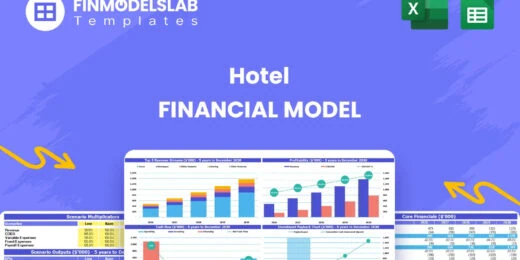
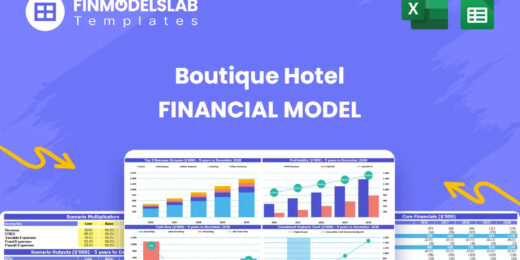
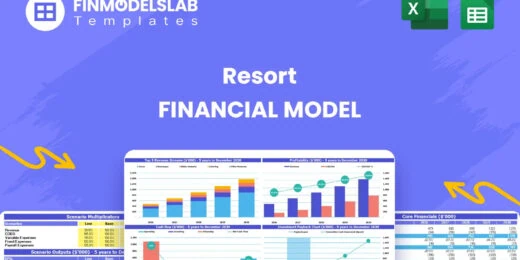
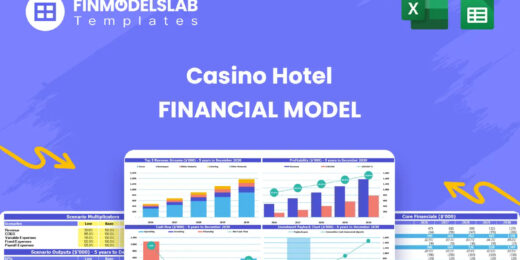
For those in need of sophisticated financial models to assist in evaluating the price and profitability of their hotel sale, consider exploring our extensive range of [Hotel Financial Model templates](https://www.efinancialmodels.com/downloads/category/financial-model/hospitality/hotel/) tailored for the hospitality industry. These models can help provide clarity and enhance decision-making throughout your sale process.
Frequently Asked Questions
At eFinancialModels, we recognize that our users frequently seek clarity on various aspects of financial modeling, our services, and the templates we offer. This section is designed to address some of the most common inquiries we have received. We aim to provide comprehensive and insightful answers to enhance your experience and understanding of our platform. Moreover, we encourage our users to explore additional resources that may be beneficial.
General Inquiries
Many questions arise regarding the basic functionalities and offerings on eFinancialModels. Below, you will find key inquiries related to our services, templates, and user guidelines:
- What types of financial models are available?
Our marketplace hosts a diverse range of financial models across various industries including Real Estate, Agriculture, Renewable Energy, and more. Each model is tailored to meet the specific needs of its industry. - How can I download a financial model template?
Simply navigate to your desired financial model category, select the template you are interested in, and follow the prompts for purchase and download. - Are your financial models compatible with Google Sheets?
Yes, most of our Excel templates can be easily uploaded to Google Sheets, allowing users to utilize their models on any platform they prefer. - Can I customize the financial model templates?
Absolutely! All templates are designed for customization to meet specific user requirements, giving you flexibility in financial planning and analysis.
These general inquiries cover essential aspects of our platform. Understanding these points can help you navigate our services more effectively, ensuring that you maximize the potential of our financial modeling solutions. For further assistance, do not hesitate to check our knowledge base which offers articles, guides, and additional resources.
Specific Questions about Financial Modeling
As users delve deeper into financial modeling, they commonly have specific technical questions and considerations. Here are some critical inquiries that address more sophisticated aspects of financial modeling:
- What is the importance of financial projections?
Financial projections are crucial in assessing the viability and growth potential of a business or project. They provide insights into future revenues, expenses, and cash flows which are vital for strategic planning. - How does eFinancialModels ensure the quality of its templates?
Each template undergoes rigorous testing and validation by financial experts before being listed, ensuring robust functionality and accuracy. - What support does eFinancialModels offer for template users?
We provide comprehensive user support, including documentation, FAQs, and customer service to assist with any questions or challenges you may encounter. - Can I receive training on financial modeling?
Yes, we offer various courses and training options designed to enhance your skills in financial modeling. Our resources are structured to cater to both beginners and advanced users.
These specific questions focus on the intricacies of financial modeling. By addressing them, we strive to equip users with the knowledge they need to effectively utilize our templates. Users are encouraged to explore our offerings further by visiting the Financial Models by Use Case page, which categorizes models according to various business scenarios.
Conclusion
Understanding the frequently asked questions can significantly enhance your experience with eFinancialModels. Whether you are a beginner or an experienced user, having clarity on these topics allows for more effective financial planning and analysis. Should you have any further inquiries or require personalized assistance, do not hesitate to contact our support team. We are committed to aiding you in your financial modeling journey.











































You might also like:
- 10 Tips to Develop a First Class Business Valuation Report
- 12 Funding Sources for Businesses and Startups
- 5 Practical Tips to Help Raise Funds For Startups
- Financial Planning for Gym Startups
- Financial Modeling for Startups and Small Businesses
- Sell Smart: Strategic Financial Plan for Selling Your Business
- Understanding the Debt Service Coverage Ratio: An Essential Metric for Financial Analysis
- How to Prepare a Financial Feasibility Study?
- Financial Ratios Analysis and Its Importance
- Hotel Investment Financial Model
- Financial Model for Property Valuation
- Commercial Real Estate Valuation Methods: Helping Investors in Taking Informed Decisions
- Mastering Hotel Development: Unlocking the Power of Financial Planning
- Project Finance: A Guide to Securing Funding for Hotel Development
- How to Write a Business Plan for Your Hotel
- Hotel Market Analysis Template
- Financial Planning for New Restaurant Ventures
- Key Financial Ratios for Hospitality Industry
- Revenue Model Templates and their Characteristics
- Purchasing a New Hotel: Financial Planning Strategies


