
0 ITEMS

Navigating The Complexities of Landscaping Budget Template: A Step-By-Step Guide

Creating a realistic landscaping budget involves understanding the key cost factors and planning accordingly.
- Labor costs typically account for the largest share, varying by project scope and regional rates.
- Material expenses, such as hardscaping and plants, differ greatly depending on quality and design choices.
- Additional costs like permits, irrigation, lighting, and unforeseen issues should be estimated and included.
- Prioritizing must-have features and phasing projects can help manage expenses.
Proper research and cost tracking are essential to staying within budget and achieving a beautiful outdoor space.
Key Factors That Impact Your Landscaping Budget
When creating a landscaping budget, there are several key factors to consider that will significantly impact your costs.
- Labor Expenses: The bulk of your budget will go towards staffing – paying professional landscapers and any additional staff required for your specific project. Rates can vary greatly depending on the scope and complexity of work, as well as regional costs of living. It is best to get multiple estimates from reputable companies to determine accurate labor costs for your needs.
- Hardscaping Materials: Elements like patios, walkways, retaining walls, and driveways are referred to as “hardscaping.” The materials you choose, whether stone, concrete, or brick, will greatly affect your budget. Compare material costs and durability to find options that fit both your budget and needs. Reusing existing materials or opting for more affordable stones and aggregates can help reduce costs.
- Plants and Planting: The plants, trees, and planting materials you select can make up 15-25% of your total budget. Decide how much you want to allocate for plants, then choose options suitable for your climate and space that fit within your budget. Buy smaller plants, focus on foliage instead of blooms, use garden centers instead of nurseries, and take advantage of sales to get the best deals.
- Irrigation and Lighting: Well-designed irrigation and lighting systems add value, ambiance, and functionality to any landscape. However, they do require an initial investment that can increase your budget by 10% or more depending on the scale and components. Look for water-efficient irrigation options and solar lighting alternatives to save on costs.
Creating a comprehensive and accurate budget for your landscaping project requires evaluating all potential costs and determining ways to maximize value while staying within budget. Careful planning and cost-saving strategies can help make your dream landscape a reality.
Creating a Landscaping Project Wishlist
Once you have an estimated budget for your landscaping project, it’s time to create a wishlist of items you would like to include. This helps ensure you stay within budget and get the most value from your investment.
- Hardscape vs. Softscape: Determine how much of your budget will go towards hardscape elements like patios, walkways, retaining walls, etc. versus softscape like plants, trees, mulch, and lawns. As a general rule of thumb, aim for a 60/40 split between hardscape and softscape. Hardscape elements tend to cost more upfront but last longer, while softscape requires ongoing maintenance and replacement.
- Must-Haves vs. Nice-to-Haves: Categorize your wishlist items into “must-haves” and “nice-to-haves.” Must-haves include things that are necessary for function or structure, such as a patio, walkway, irrigation system or privacy trees. Nice-to-haves are decorative items that can be added over time as your budget allows, e.g. flower beds, accent lighting, garden art, etc. Focus first on must-haves before spending money on nice-to-haves.
- Get Multiple Bids: Once you have a detailed wishlist, get estimates from several landscapers or contractors for the work. Make sure bids include the specifics of your wishlist so you can properly compare. Look for bids that provide the best value by balancing experience, quality of materials and affordability. You may need to reprioritize or remove some nice-to-have items to stay within budget.
- Leave Room for the Unexpected: Even with proper planning, landscaping projects often involve unforeseen costs. It’s a good idea to allocate an additional 10-15% of your budget for contingencies like needing extra materials, plants or addressing issues that arise. If additional costs do come up, you can revisit your wishlist and trim some nice-to-have items. With prudent planning and budgeting, you can achieve an attractive, functional landscape design without straining your budget. Staying within budget requires making difficult choices, but with a well-designed wishlist you can feel confident you’re investing in what matters most for your home.
Researching Material and Labor Costs
To develop an accurate budget for your landscaping project, you must determine the costs of materials and labor. This involves researching prices from local suppliers and contractors in your area. The specific costs will depend on the scope and features of your unique project. However, there are some general guidelines to keep in mind.
For materials like plants, mulch, rocks, lighting, irrigation equipment and more, obtain price quotes from at least three reputable suppliers in your region. Compare the quotes based on the quality, amount needed and any available bulk discounts or coupons. Visit the suppliers’ websites and stores to view the products in person. This allows you to assess the quality and determine if the quoted prices seem reasonable.
For labor including design, installation and maintenance, get estimates from multiple landscaping contractors. Ask for references from previous clients and check reviews online. Meet with contractors to discuss the details of your project and request a written estimate of the total cost as well as a breakdown of fees for the initial design and installation versus ongoing maintenance. Compare the contractors based on experience, services offered, responsiveness and price.
The costs of certain “hardscape” materials like pavers, retaining walls, walkways, patios and driveways can vary greatly depending on the type of material and complexity of the design and installation. Do thorough research on your options to determine realistic budget amounts for these features. You may also want to budget extra for unexpected costs like permits, removal of existing elements, grading, drainage, lighting, irrigation and amendments to soil.
Creating a comprehensive and accurate budget for your landscaping project requires diligent research into the specific costs of high-quality materials and skilled labor in your local market. While it may require an initial investment of time, it will give you a realistic financial framework to guide your plans and help avoid unexpected expenses down the road. You can design a landscape within your budget with some patience and planning.
Developing a Landscaping Project Timeline
Developing a realistic timeline for your landscaping project is crucial to staying on budget. As you plan the phases of your project, keep the following guidelines in mind:
- Determine priorities: First decide which aspects of your landscaping are most important and focus on high-priority items first. For example, you may want to start with hardscaping like pathways, patios, and retaining walls before moving on to planting. Or you may choose to prioritize the front yard before the backyard. Ranking priorities will help you allocate time and money efficiently.
- Break the project into phases: Dividing a large landscaping project into smaller phases will make it more manageable and budget-friendly. You may choose to focus on one section of the yard at a time, starting with the front yard for curb appeal. Or separate the project by types of work, such as hardscaping in one phase, lawn installation in another, and planting beds in a third phase. Phasing the work will avoid becoming overwhelmed and allow you to pay for sections over time as your budget allows.
- Develop a realistic timeline: Once you determine priorities and phases, create a timeline for completing the work. Factor in time for designing, sourcing materials, installation, and maintenance. Many homeowners underestimate the time required, so build in buffer periods for potential delays. For larger projects, you may need 6-12 months or longer to complete all phases. Break each phase into weekly or monthly milestones to keep the project moving ahead steadily.
- Plan for ongoing costs: Don’t forget that landscaping requires ongoing investment after the initial installation. New plants and turf need frequent watering and fertilizing, and hardscapes require periodic repairs and maintenance. Be sure to budget for yard care tools, supplies, water bills, and professional services to keep your landscaping looking its best for years to come. With proper planning and budgeting, you can create an outdoor oasis without breaking the bank. Staying on schedule and within budget simply requires realistic expectations, phasing work, and budgeting for ongoing costs in addition to upfront investments. Careful planning will help you navigate the complexities of any landscaping project.
Building Your Landscaping Budget Spreadsheet
Building a comprehensive landscaping budget spreadsheet is essential to keep your project on track. Follow these steps to create a detailed budget template:
- Determine Your Scope of Work: The first step is defining the scope of your landscaping project. Do you want to focus on planting beds, hardscaping, lighting, or irrigation? Maybe you want to do a complete redesign. Outline the specific areas you want to improve to determine how much you need to budget.
- Research Costs of Materials and Services: Research the average costs of plants, mulch, stones, lighting fixtures, and any hardscaping materials needed for walkways, patios, retaining walls. Get multiple estimates from landscaping services for things like lawn mowing, pruning, and irrigation installation. Factor in additional costs like permits or professional design fees. Record all costs in your spreadsheet, including high and low estimates for each item.
- Set Your Total Budget: Determine how much you can afford to spend on your landscaping project. As a rule of thumb, aim for no more than 5 to 10 percent of your home’s value. Your total budget will guide how you allocate funds for different areas. It’s best to set a maximum budget to avoid going overboard with extras. You can always expand in phases over time.
- Allocate Funds for Each Area: Decide how much of your total budget to allocate for planting beds, hardscaping, lighting, irrigation, and any other focal areas. Factor in the costs for materials and professional services needed in each area. Distribute your funds appropriately based on the scope and priorities of your project. Leave some room in your budget for unexpected expenses.
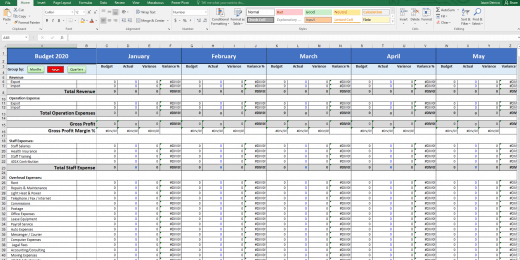
- Track Expenses: Keep receipts for all purchases related to your landscaping project. Record the costs in your budget spreadsheet under the appropriate categories and areas. Compare the actual amounts spent versus your budget allocations to ensure you remain on budget. Make adjustments as needed to avoid overspending. Your comprehensive landscaping budget spreadsheet will serve as an ongoing reference to keep costs in check.
Following these steps will help you build a detailed landscaping budget template to navigate the financial complexities of your project. With careful planning and expense tracking, you can achieve an beautiful outdoor space without breaking the bank.
- Tips for Sticking to Your Landscape Budget
To stay within budget for your landscaping project, consider these helpful tips:
- Create a Detailed Plan: A well-thought-out financial plan is essential to keeping costs in check. Map out your yard and determine how much of your budget will go toward “hardscaping” elements like patios or retaining walls versus “softscaping” like plants and mulch. Get specific by choosing types of plants and materials. The more details in your plan, the fewer surprises you’ll encounter.
- Shop Around: Don’t just go with the first bid or buy from the most convenient store. Compare at least three contractors’ estimates and check prices at different nurseries or home improvement stores. You can often save 10-30% by choosing a lesser-known nursery over a major retailer. Buying in bulk or at the end of the season also typically yields lower prices.
- DIY What You Can: If you have the skills, do some of the work yourself to cut costs. Things like installing edging, raking and mulching, or planting are often easy to DIY. Have contractors handle more complex jobs like tree removal, grading, or building structures. DIYing selective parts of the project and hiring pros for the rest can save you a bundle.
- Choose Low-Maintenance Plants: Opt for native plants and shrubs that don’t require much pruning or fertilizing which will save on yard work costs down the road. Group plants with similar light and water needs together for easier care. A low-maintenance yard is much more budget-friendly long-term.
- Leave Room in Your Budget: No matter how much you plan, unforeseen expenses will arise. Leave at least 10-15% of your total budget unallocated to cover additional costs like replacing plants that don’t make it or fixing irrigation issues. Having some wiggle room will help ensure you stay within budget overall.
Keeping a close eye on expenses, doing thorough research, and choosing budget-friendly options for your yard will make it much easier to navigate the complex process of landscaping without going over budget. With some strategic moves, you can have the gorgeous yard of your dreams for the price you want.
Managing Changes and Contingencies
Managing changes and unforeseen circumstances is crucial when developing a landscaping budget. Several factors may arise that alter your initial cost estimates and timelines. It is important to build contingencies into your budget to account for these variables.
- Review and revise the budget regularly. Go over the budget at least once a month to ensure actual costs and timeframes align with estimates. Make adjustments as needed to account for any changes, and note the reasons for revisions. For example, if certain plant materials were more expensive than anticipated, update the budget and include an explanation. Tracking changes will help in developing accurate budgets for future projects.
- Allocate a line item for contingencies. Add a contingency fund of at least 10 to 15 percent of the total budget to cover unanticipated costs. This could include expenses related to weather delays, plant disease or pest issues, or hardscape material price fluctuations. The contingency fund ensures you have financial flexibility should any unforeseen circumstances emerge.
- Plan for seasonal cost variations. Costs for plants, hardscape materials, and labor may vary throughout the year. Budget higher amounts during peak seasons like spring and summer when demand is greater. Buy plants and materials during off-season months when costs are lower if possible. Factor in additional labor expenses when more landscapers and contractors are in high demand.
- Secure permits and licenses in advance. Obtain any required permits, licenses, or HOA approvals before starting the project. Fees for these items should be included in the original budget. Failure to acquire necessary permits and licenses can result in fines and penalties that could significantly impact your budget.
- Consider an escalation clause for large projects. For substantial, long-term landscaping projects, include an escalation clause in contracts with vendors and service providers. This clause specifies that costs may increase incrementally over the lifetime of the project due to inflation and market changes. The escalation clause helps ensure the budget remains realistic and sufficient over an extended time period.
Building in safeguards for changes and contingencies when developing your landscaping budget will help keep the project on schedule and within financial constraints. With regular monitoring and adjustment, you can navigate challenges and stay on budget. Thinking ahead about potential variables that could affect costs and timeframes will result in a comprehensive budget that mitigates risks.
Landscaping Budget FAQs: Answering Common Questions
Landscaping projects can be expensive, so creating a comprehensive budget is essential before breaking ground. Here are some frequently asked questions about landscaping budgets to help you navigate the complex process.
How do I determine a realistic budget?
The first step is to decide on the scope of your project. Do you want a simple lawn and garden or an elaborate outdoor living space? Next, get multiple estimates from landscapers based on your vision. They can determine costs for essentials like plants, hardscaping materials, irrigation, lighting, and labor. Add a 10-20% contingency fund for unforeseen expenses.
Should I do parts of the work myself to save money?
DIY landscaping can save money but also requires time, skills, and proper tools. Focus on tasks within your expertise like planting flowers or spreading mulch. Leave hardscaping, tree work, and lawn installation to professionals. Their experience will ensure high quality results and safety.
How can I cut costs?
Consider phasing the project over several years. Start with essential elements like lawn, trees or patios, then add extras when budget allows. Buy plants, materials, and supplies in bulk. Choose low-maintenance, drought-resistant plants suitable for your climate. Repurpose or salvage materials from other projects. Compare prices at different vendors for the best deals.
What ongoing costs should I budget for?
Landscapes require ongoing investment to remain attractive and functional. Budget for annual maintenance like lawn mowing, fertilizing, pruning, and pest control. Set aside funds for repairs to hardscaping and irrigation over time. Consider the lifetime cost of elements like plants which may need replacing every 3-5 years on average. Budgeting for ongoing expenses will avoid surprise costs down the road.
With some forethought and planning, you can craft a comprehensive budget for your dream landscape. Determine your priorities, get estimates, cut costs where possible, and budget for long term maintenance needs. Answering common questions about the complex landscaping budget process will set your outdoor project up for financial success.
Conclusion
With a comprehensive budget in hand for your landscaping project, you now have a roadmap to keep costs in check and ensure your vision comes to life. While creating the budget requires time and patience, the rewards of your well-planned landscape will make the effort worthwhile. Staying disciplined and adhering closely to the budget will allow you to complete your project without unwanted surprises or going over budget. With careful monitoring and a willingness to make adjustments as needed, your budget can guide you to landscaping success. Though the process seems complex, by following the steps outlined you have the tools and knowledge to craft a budget that will turn your landscaping dreams into a reality.





























You might also like:
- 10-Step Financial Planning Checklist for Smart Executives
- 10 Ideas to Increase Average Revenue Per User
- Budget
- Building a Monthly Budget – Using Monthly Budget Templates
- Creating a Budget Plan – Using the Best Excel Budget Template
- How to Build a Capitalization Table
- 10 Tips to Develop a First Class Business Valuation Report
- EPC Model for Builders and JV Partners
- Growing Your Landscaping Business: Financial Planning Strategies
- Real Estate Financial Modeling in Excel
- Mastering Business Finance: The Three-Statement Financial Model
- How to Forecast the Balance Sheet?
- Achieve Financial Success By Knowing Your Business Plan Model
- How to Use Excel for Financial Analysis?
- Financial Modeling for Startups and Small Businesses
- Financial Planning for Small Business Owners – Taking an SBA Loan
- Financial Projections Templates – The Easy Way
- Construction
- Financial Planning for Gym Startups
- Agriculture