0 ITEMS

How Much Does A Paper Bag Cost Unveiling The True Price Behind Sustainability
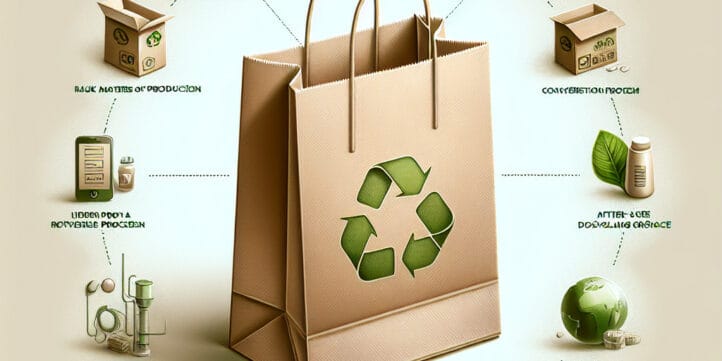
Switching from plastic to paper bags impacts both costs and sustainability for businesses and consumers.
- Paper bags generally range from $0.10 to $0.50 each, depending on size and design.
- Initial investments in paper bags may be higher, but long-term savings come from lower disposal costs and brand loyalty.
- Many regions are banning single-use plastics, making paper bags a more compliant and eco-friendly choice.
- Choosing paper over plastic reduces landfill waste and supports recycling efforts.
Understanding these factors helps businesses make informed decisions aligned with environmental goals.
Factors Influencing the Cost of Paper Bags
The cost of paper bags can fluctuate based on various important factors. Understanding these factors is crucial for manufacturers, suppliers, and customers alike as they can significantly influence the price of paper bags in the market. Below, we outline the key factors that determine the cost of paper bags, supported by a detailed table that illustrates their influence on pricing.
| Factor | Description | Potential Cost Impact |
|---|---|---|
| Material Quality | The type of paper used in manufacturing, such as kraft, recycled, or specialty paper, heavily affects the overall cost. Higher quality materials, such as bleached or specialized papers, generally result in higher prices. | Costs can range from $0.10 to $0.40 per bag, depending on the quality. |
| Bag Size and Design | Custom designs or larger sizes require more materials and labor, leading to increased production costs. Standard sizes may incur lower costs compared to larger or intricate designs. | Custom sizes can add $0.05 to $0.20 more per bag. |
| Production Volume | Ordering in bulk often provides cost benefits, as larger volumes can dictate lower per-bag prices due to economies of scale. Conversely, smaller orders can lead to higher per-bag costs. | Bulk orders can reduce costs by up to 20% compared to smaller orders. |
| Printing Options | The complexity of printing techniques, such as one-color versus multi-color logos, can significantly influence costs. More elaborate printing processes generally demand higher expenses. | Printing costs can add between $0.02 to $0.30 per bag, depending on complexity. |
| Supplier and Location | Prices can vary based on the supplier’s pricing strategies and the geographical location of production due to shipping and logistical factors. Suppliers in different regions may have varying material costs and labor expenses. | Regional effects can influence bag prices by 10% to 25%, depending on location. |
Evaluating these factors can assist stakeholders in making informed decisions whether they are buying paper bags for retail use or sourcing materials in bulk for manufacturing purposes. Each element, from the type of material chosen to the complexity of design and order volume, holds relevance in shaping the final cost of paper bags. By understanding these details, buyers can better negotiate prices and manufacturers can optimize production processes.
Comparative Analysis: Paper vs. Plastic Bags
The Importance of Comparing Paper and Plastic Bags
In today’s world, the choice between paper and plastic bags extends beyond mere convenience; it plays a significant role in environmental sustainability and cost-effectiveness. Understanding the financial viability of each option, alongside their environmental impacts, can substantially influence consumer preferences and business practices. Both paper and plastic bags have their unique lifecycle profiles, which can affect not just the immediate costs but also long-term expenses associated with waste management and environmental damage.
To facilitate a thorough comparison, we have compiled a detailed table that outlines the average costs, environmental impacts, and life cycles of both bag types.
Cost Comparison Table
| Bag Type | Average Cost per Bag | Environmental Impact | Lifecycle Analysis (Years) |
|---|---|---|---|
| Paper Bag | $0.10 – $0.30 | Biodegradable; recyclable; low carbon footprint in production. | 2-4 years (Biodegradation in natural conditions) |
| Plastic Bag | $0.05 – $0.15 | Non-biodegradable; contributes to pollution; high carbon footprint in production and disposal. | 100-300 years (Remains in the environment) |
The comparison table illustrates several key factors between paper and plastic bags. While paper bags may have a slightly higher initial cost, they provide long-term environmental benefits, particularly because they are biodegradable and recyclable. On the other hand, plastic bags present a lower upfront cost but come with a significant long-term environmental burden due to their non-biodegradable nature and extended lifespan in landfills and ecosystems.
Implications of Choosing Paper Over Plastic
Making a choice between paper and plastic bags carries several considerations that companies and consumers should keep in mind. Here are some of the implications to consider when favoring paper bags:
- Environmental Savings: By choosing paper bags, you contribute to reduced landfill waste and minimize the ecological footprint associated with plastic production and disposal.
- Consumer Preference: Many consumers now favor businesses that employ sustainable practices, which can enhance brand reputation and customer loyalty.
- Compliance with Legislation: Various regions are implementing stricter regulations against single-use plastic, which could influence operational costs and long-term viability.
- Recycling Benefits: Paper bags can be recycled and repurposed, supporting a circular economy that reduces resource consumption.
In conclusion, although paper bags may require a higher initial investment, their long-term environmental and financial advantages can ultimately lead to cost savings and improved brand reputation. In contrast, while plastic bags appear cheaper and more convenient up front, their negative environmental impact and longer lifecycle should not be underestimated. As consumers and businesses are increasingly prioritizing sustainability, this comparative analysis underscores the need for informed decision-making surrounding bag choices.
Real-World Example: Retailers Transitioning to Paper Bags
Transitioning from plastic to paper bags has become a pressing issue for many retailers, driven by growing environmental concerns and consumer preferences. A compelling case study to consider is that of a local grocery store, “Green Grocer,” which embarked on this environmentally-friendly shift to enhance its corporate responsibility and brand image.
Initially, Green Grocer faced an increase in expenses, as switching to paper bags raised their costs by approximately $0.20 per bag. Despite this, the long-term benefits soon became apparent. With their commitment to sustainability, they attracted eco-conscious shoppers, leading to increased customer loyalty and retention.
### The Financial Journey of Green Grocer
Green Grocer’s journey reflects a thoughtful approach to environmental responsibility that not only elevated its brand perception but also generated considerable financial returns. Here are key financial aspects and impacts derived from their transition:
| Initial Costs | Benefits |
|---|---|
| Increased cost per bag: $0.20 | Savings on waste disposal costs |
| Cost of switching operational systems | Tax rebates for sustainability practices |
| Investment in employee training | Enhanced brand image leading to increased sales |
This table illustrates the trade-offs Green Grocer faced in adopting paper bags alongside the benefits that followed.
Moreover, several studies have shown that retailers who adopt environmentally-friendly practices can witness a notable improvement in customer perception and sales. According to a survey by Nielsen, 66% of global consumers are willing to pay more for sustainable brands. As Green Grocer implemented its new bagging strategy, they reported an increase in foot traffic and a 15% surge in sales over the following quarter, attributed directly to their enhanced eco-friendly image.
### Key Takeaways
The experience of Green Grocer offers valuable insights into the potential financial implications of adopting sustainable practices. The key takeaways from their transition to paper bags include:
- Initial cost increase compensated by subsequent customer loyalty.
- Reduction in waste disposal costs, improving profitability.
- Tax incentives available for eco-conscious operational changes.
- Fortified brand image resulting in increased sales and repeat customers.
The shift to sustainable practices can be challenging in the beginning, but Green Grocer’s case highlights how overcoming these barriers can yield substantial rewards, not just in revenue but also in customer relationships and brand prestige. By investing in the future and prioritizing sustainability, retailers can unlock new opportunities that resonate with today’s environmentally-aware consumers.
In conclusion, investing in eco-friendly practices can transform a retailer’s business model positively. The case of Green Grocer exemplifies that the initial investments will often lead to substantial longer-term savings and growth in customer engagement, reflecting a successful transition on both environmental and financial fronts. The journey toward sustainability is indeed laden with challenges, but the rewards can far outweigh the costs.
Conclusion: The True Cost of Sustainable Packaging
When considering the cost of utilizing paper bags versus traditional plastic options, it is essential to recognize that the decision encompasses much more than mere monetary expense. Investing in sustainable packaging solutions like paper bags not only reflects a commitment to environmental responsibility but also unveils a plethora of long-term advantages. While the upfront costs associated with paper bags may be higher, the resulting benefits often far exceed these initial expenditures. In the grand scheme, embracing sustainability can enhance public perception, bolster compliance with evolving regulations, and contribute positively to the environment.
Understanding the Upfront vs. Long-Term Costs
When evaluating packaging options, businesses must weigh immediate costs against the potential long-term gains. Here is a deeper look into this balance:
| Aspect | Paper Bags | Plastic Bags |
|---|---|---|
| Initial Cost | Higher | Lower |
| Environmental Impact | Lower – Biodegradable and recyclable | Higher – Contributes to pollution |
| Consumer Preference | Increased favor due to sustainability | Declining preference as consumers seek greener options |
| Regulatory Compliance | More favorable as regulations tighten | Less favorable, facing potential bans |
The comparison highlights that while paper bags may entail higher initial costs, their benefits such as reduced environmental footprint, compliance with regulations, and better public image can deliver substantial returns over time. Shifting to sustainable packaging does not merely address a cost issue; it positions a business at the forefront of responsible corporate practices.
Key Benefits of Switching to Paper Bags
Transitioning to paper bags can yield numerous valuable benefits for businesses and the environment. Below are some key advantages associated with this shift:
- **Enhanced Brand Image**: Companies adopting sustainable practices boost their reputation and attract eco-conscious consumers.
- **Regulatory Compliance**: By utilizing eco-friendly packaging, businesses ensure compliance with increasing environmental regulations.
- **Increased Customer Loyalty**: Consumers are more likely to remain loyal to brands that prioritize sustainability in their operations.
- **Waste Reduction**: Paper bags can be recycled, contributing to lower landfill waste compared to their plastic counterparts.
- **Long-Term Cost Savings**: Though initially higher, sustainable options often lead to long-term savings via reduced regulatory fees and potential customer attractivity.
These benefits combine to create a compelling case for businesses to invest in sustainable packaging. Switching to paper bags can enhance a brand’s image, foster customer loyalty, and yield financial advantages over time. Companies investing in sustainability not only contribute positively to the planet but can also solidify their position in the market as leaders in responsible business practices.
Call to Action
As businesses and consumers alike navigate the ever-changing landscape of environmental responsibility, it is essential to reassess packaging choices with sustainability in mind. By transitioning to paper bags, you are not only investing in a superior product but also championing a movement toward a greener planet. Now is the time for businesses to take a stand, rethink their strategies, and engage in practices that benefit both their bottom line and the environment.
Let us pave the way for a sustainable future together—choose paper bags for your packaging needs today!
Frequently Asked Questions
What is the average cost of a paper bag?
The average cost of a paper bag typically ranges from $0.10 to $0.30 per unit. However, several factors can impact this cost significantly. These factors include:
- Size: Smaller bags generally cost less than larger ones.
- Material: The quality and type of paper used can affect the price.
- Custom Printing: If you choose to have logos or designs printed on your bags, this will increase the overall cost.
Understanding these factors allows businesses to budget appropriately when considering paper bags as a packaging option. While the initial investment can vary, many companies find the long-term benefits outweigh these upfront costs.
Are paper bags more eco-friendly than plastic bags?
Yes, paper bags are regarded as more environmentally friendly compared to traditional plastic bags. This is due to their biodegradable properties and recyclability. Below are some key reasons that support this assertion:
- Biodegradability: Paper bags decompose naturally within a few months when disposed of properly.
- Recyclability: They can be recycled and reused, reducing waste.
- Production Impact: Although paper production has environmental impacts, it is still deemed less harmful than the long lifecycle of plastic waste.
It is essential for consumers to choose alternatives that support sustainability. By opting for paper over plastic, individuals can take a proactive stance in reducing environmental pollution and promoting eco-friendly practices.
Do paper bags save money in the long run?
Indeed, while the initial cost of paper bags may be higher than plastic, they often yield financial savings in the long term for businesses making the switch. Here are a few reasons why:
- Reduced Waste Management Costs: Paper bags can minimize the expenses associated with disposing of refuse, especially in areas with strict regulations on single-use plastics.
- Enhanced Customer Loyalty: Increasing numbers of consumers are prioritizing sustainability. Offering eco-friendly packaging can increase customer satisfaction and loyalty, potentially leading to repeat business.
- Less Environmental Fees: Some local jurisdictions impose fines for using plastic bags. Switching to paper can help businesses avoid these penalties.
In summary, although the transition to paper bags may require a significant investment at the outset, businesses can ultimately find themselves saving money over time through a series of direct and indirect financial benefits. Investing in sustainable practices not only cultivates customer goodwill but can also reinforce a positive brand image.
Can I customize my paper bags?
Absolutely! Many suppliers offer a range of customization options tailored to your business needs. Here are some popular features you can consider:
- Size Variations: Choose from various sizes to match your specific products.
- Color Options: Select colors that align with your branding or marketing strategies.
- Designs and Logos: Add your company logo or design, enhancing brand recognition.
- Material Types: Options may include recycled paper or other sustainable materials.
Customization not only helps businesses reinforce brand identity but also appeals to customers seeking personalized shopping experiences. By providing unique and branded packaging, you can enhance your product’s attractiveness on the shelves and build stronger customer relationships.
What are some common misconceptions about paper and plastic bags?
There are several myths surrounding the use of paper versus plastic bags. The following misconceptions are often discussed:
| Misconception | Truth |
|---|---|
| Paper bags are always better for the environment. | While paper bags are generally more biodegradable and recyclable, their production can consume more resources and energy, sometimes even more than plastic. |
| Plastic bags are not recyclable at all. | While many single-use plastics are not recycled, some facilities do recycle plastic bags. However, it depends on local regulations and available services. |
| Using reusable bags eliminates all waste. | Reusable bags still require proper care and eventual disposal which can generate waste over time. |
It is crucial to analyze these misconceptions because they can inform better decisions regarding packaging choices. Understanding the facts surrounding both paper and plastic bags can help consumers make more rational and environmentally responsible choices.
Where can I find more information about paper bag sustainability?
To deepen your understanding of paper bag sustainability and its impact, consider exploring research studies and articles on the subject. Reputable sources such as environmental organizations and government publications provide in-depth analyses. You can also find financial models related to sustainability at eFinancialModels, which can aid in understanding the economic aspects of making sustainable choices.
Decisions on packaging are essential not only for a business’s bottom line but also for the wider environmental implications. It is beneficial to stay informed about the impacts of your choices to contribute positively to the planet’s future.