0 ITEMS

Is Buying a Car Wash a Good Investment for Your Future

Investing in a car wash can be a profitable venture if you understand industry trends and market dynamics.
- The car wash industry is growing steadily, driven by increasing vehicle ownership and consumer demand for convenience and eco-friendly options.
- Different models, from full-service to self-service, offer varying investment costs, operational complexity, and profit margins.
- Location, competition, and equipment quality are key factors influencing the success and profitability of a car wash.
- Initial costs can range from $100,000 to over $1 million, with profitability typically achieved within 2 to 5 years.
- Managing seasonal demand, environmental regulations, and operational challenges are crucial for long-term success.
Continue reading to get a clearer picture of making smart investment choices in the car wash industry.
1. Understanding the Car Wash Industry: Market Trends and Growth
The car wash industry has experienced steady growth over the past decade. One of the primary drivers behind this trend is the increasing number of vehicles on the road. As more people opt to own cars, the demand for cleaning and maintenance services continues to rise. Additionally, changing consumer preferences and the growing awareness of environmental conservation have led to a shift towards more sustainable and automated car wash solutions.
Many investors are drawn to the sector due to its recurring revenue model and relatively low entry barriers. Unlike many service industries, car washes often enjoy consistent demand regardless of economic conditions, making them a resilient investment option. As technology advances and more efficient systems are introduced, the industry is poised for further expansion.
1.2 Current Market Trends
The car wash market is rapidly evolving, with new technologies and business models emerging. Automated and touchless systems have gained popularity due to their efficiency and reduced environmental impact. Furthermore, subscription-based services are becoming a dominant trend, providing predictable revenue streams for operators.
In response to the increasing emphasis on sustainability, many car wash operators are implementing water recycling systems and using eco-friendly detergents. These practices not only reduce operational costs but also align businesses with consumer expectations for environmental responsibility. Investors considering a car wash should assess how these trends may impact the local market and competitive landscape.
1.3 Projected Growth and Future Prospects
The future of the car wash industry appears bright, with experts forecasting significant growth over the next few years. According to industry reports, the global car wash services market is expected to reach approximately $41 billion by 2025. This growth is fueled by rising disposable incomes, increased vehicle ownership, and the convenience of professional car wash services.
For prospective investors, this upward trajectory signals potential for strong returns. However, capturing a share of this growth requires strategic planning, effective marketing, and the ability to adapt to technological advancements. Understanding local market dynamics and customer preferences will be crucial in leveraging these opportunities.
2. Types of Car Wash Investments: Choosing the Right Model
2.1 Full-Service Car Wash
Full-service car washes offer a comprehensive range of services, including interior and exterior cleaning, waxing, and detailing. These facilities typically require higher initial investment and operating costs due to the need for specialized equipment and skilled labor. However, they often generate higher revenue per customer and can cultivate a loyal clientele seeking premium services.
Investors interested in full-service car washes must be prepared for more complex management, as these businesses are labor-intensive and require meticulous attention to quality control. Despite these challenges, a well-operated full-service car wash can yield substantial profits and build a strong brand reputation.
2.2 Express or Tunnel Car Wash
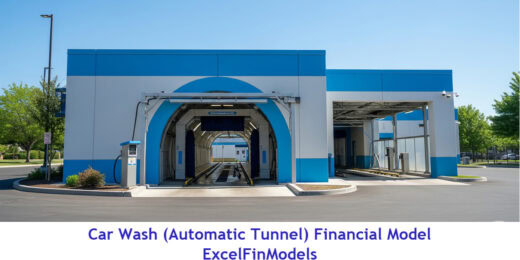
Express or tunnel car washes are characterized by their speed and convenience. Customers drive their vehicles onto a conveyor belt that pulls the car through a series of automated cleaning stations. This model is highly efficient, requiring minimal labor while accommodating a high volume of customers. The relatively low operating costs and quick service times make it a popular choice among busy consumers.
Investors looking for a scalable and automated business model may find express car washes appealing. However, the location is critical to success, as these facilities rely on high traffic and visibility. Additionally, operators must stay abreast of maintenance needs to ensure smooth operation and avoid costly downtime.
2.3 Self-Service Car Wash
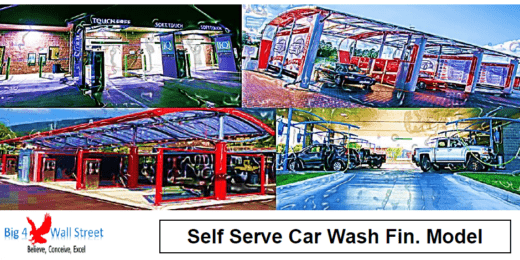
Self-service car washes provide customers with the tools and equipment to clean their vehicles themselves. These facilities typically offer lower overhead costs and reduced staffing requirements, making them an attractive option for budget-conscious investors. However, revenue potential can be lower compared to full-service or express models.
For investors, self-service car washes can be a low-maintenance and passive income stream. The primary challenge is ensuring a clean, functional facility that meets customer expectations. Additionally, marketing efforts should emphasize convenience and affordability to attract a consistent customer base.
3. Initial Investment Costs and Financial Considerations
3.1 Startup Costs and Financing Options
Purchasing or starting a car wash requires a substantial initial investment. Key expenses include land acquisition, construction or renovation of the facility, equipment installation, and permits. Depending on the size and type of the car wash, startup costs can range from $100,000 to over $1 million.
Investors should explore various financing options, including traditional bank loans, Small Business Administration (SBA) loans, or private investors. Developing a comprehensive business plan is essential to secure funding and project future profitability. It’s also crucial to factor in working capital to cover operating expenses during the first few months.
3.2 Operating Expenses
In addition to the initial setup costs, investors must consider ongoing expenses such as utilities, maintenance, labor, and marketing. Water and electricity usage can be significant, particularly for full-service or tunnel car washes. Implementing energy-efficient systems can help reduce costs over time.
Labor is another major expense, especially for full-service car washes that require skilled personnel. To maintain profitability, operators must balance staffing needs with service demand. Automated car washes, on the other hand, require minimal staffing, resulting in lower labor costs but higher maintenance expenditures.
3.3 Profit Margins and ROI Expectations
Profit margins in the car wash industry can vary widely depending on the business model and operational efficiency. Full-service car washes typically see margins between 15% and 25%, while express and self-service models can achieve margins of 50% or more. Location, competition, and customer volume all play a significant role in determining profitability.
For investors, a realistic understanding of the expected return on investment (ROI) is essential. Most car washes take between 2 to 5 years to recoup initial costs, depending on the market and business model. Conducting a thorough financial analysis and considering potential risks will help ensure a sound investment decision.
4. Key Factors Influencing Car Wash Success
4.1 Location and Demographics
The location of a car wash is one of the most critical factors for success. High-traffic areas with visibility and accessibility are ideal. Proximity to residential neighborhoods, shopping centers, and main roads can drive more customers to the business. Understanding local demographics, such as average income and vehicle ownership rates, will further inform site selection.
4.2 Competition and Market Saturation
Assessing the competitive landscape is crucial before investing. A thorough market analysis should identify existing car washes in the area, their service offerings, and pricing structures. If the market is saturated, differentiating the business through superior service, unique offerings, or loyalty programs becomes essential.
4.3 Quality of Equipment and Maintenance
The quality of equipment significantly impacts operational efficiency and customer satisfaction. Investing in durable, high-quality machinery reduces the likelihood of breakdowns and costly repairs. Routine maintenance and timely upgrades are essential to ensure a smooth operation and to meet evolving consumer expectations.
5. Potential Risks and Challenges
5.1 Seasonal Variations in Demand
Car wash businesses often experience seasonal fluctuations, with demand peaking in spring and summer and declining in winter months. Investors should plan for these variations by building a financial buffer to manage lower revenues during off-peak seasons.
5.2 Environmental Regulations
Car wash operations are subject to various environmental regulations, particularly concerning water usage and waste disposal. Non-compliance can result in hefty fines and reputational damage. Implementing eco-friendly practices and staying informed about regulatory changes will mitigate these risks.
5.3 Operational and Management Challenges
Managing a car wash requires a range of skills, from equipment maintenance to customer service and staff management. For absentee owners, hiring a reliable management team is crucial to ensure smooth operations. Developing standardized procedures and training programs will enhance efficiency and consistency.
FAQs
1. How much does it cost to start a car wash?
The cost to start a car wash varies widely depending on the type and scale of the operation. Small self-service setups can start at around $100,000, while large, automated car washes can exceed $1 million. Key factors influencing cost include land, equipment, permits, and construction.
2. What is the typical return on investment for a car wash?
ROI varies based on the business model and location. Full-service car washes often see returns within 3 to 5 years, while express and self-service models can achieve ROI in 2 to 3 years. Profit margins also differ, with self-service typically higher due to lower operating costs.
3. Is owning a car wash a passive investment?
Car washes can be semi-passive if automated systems are in place and a reliable management team is hired. However, regular oversight is still needed to ensure quality control, address equipment issues, and maintain customer satisfaction.
4. How do I choose the right location for a car wash?
Selecting the right location involves analyzing traffic patterns, visibility, accessibility, and proximity to high-density residential or commercial areas. Understanding local demographics, including vehicle ownership and income levels, is also crucial.
5. What are the most common challenges of owning a car wash?
Common challenges include managing seasonal demand fluctuations, maintaining equipment, complying with environmental regulations, and ensuring a high level of customer service. Effective management and strategic planning are key to overcoming these hurdles.