0 ITEMS

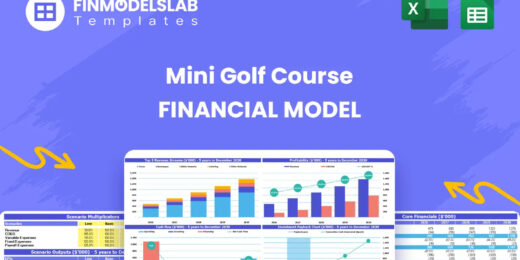
What Is The Cost To Build Mini Golf Course And How To Maximize Your Investment

Building a car wash business involves significant planning and investment, but understanding the key cost factors can help set realistic expectations.
- The type of car wash—self-service, in-bay automatic, or express exterior—dictates the initial construction costs, ranging from $100,000 to over $700,000.
- Land acquisition and site preparation can make up 20-30% of total expenses, depending on location and zoning requirements.
- Equipment costs vary widely, with high-end automatic systems costing over $100,000, but they offer faster processing and a better customer experience.
- Operating expenses such as utilities, maintenance, and staffing significantly impact profitability, making resource management essential.
- Effective marketing and diversifying revenue streams like detailing or memberships are crucial to increasing revenue and ensuring business resilience.
This overview highlights the key financial considerations to help guide your car wash project from planning to operation.
Understanding Cost Categories in Budgeting
In developing a detailed financial budget, it is crucial to recognize the various cost categories that can significantly impact your overall expenditures. Each cost category is integral to the budgeting process, helping to pinpoint areas where you may be overspending and identify opportunities for savings. By closely monitoring these distinct expense categories, you can optimize your budget and reduce unnecessary costs. Below is a structured table detailing the primary cost categories relevant to budgeting, along with descriptions and estimated cost ranges for each.
| Cost Category | Description | Estimated Cost Range |
|---|---|---|
| Personnel Costs | Expenses related to employee salaries, wages, benefits, and training. | $30,000 – $150,000 |
| Operating Expenses | Costs incurred through normal business operations, including utilities and office supplies. | $5,000 – $50,000 |
| Marketing Expenses | Funds allocated for promotional activities, advertisements, and market research. | $2,000 – $100,000 |
| Capital Expenditures | Long-term investments in fixed assets such as equipment, property, and technology. | $10,000 – $500,000 |
| Research and Development | Expenditures incurred for developing new products or services and enhancing existing ones. | $1,000 – $250,000 |
Understanding these cost categories provides a comprehensive overview of where your money is going and how you can manage it effectively. For instance, personnel costs typically encompass the largest portion of a budget in many organizations, making it essential to evaluate staffing levels, employee productivity, and potential areas for cost-cutting, such as streamlining benefits. Similarly, keeping operating expenses in check requires constant vigilance, ensuring you are not overspending on utilities or supplies.
Marketing expenses present another area where careful planning can lead to significant savings. Consider reallocating budget segments to initiatives with a higher return on investment rather than traditional advertising channels. The same principles apply to capital expenditures—prioritize investments that drive growth and revenue while being mindful of cash flow constraints.
In summary, each cost category plays a vital role in forming an effective budgeting strategy. By closely monitoring your expenses within these areas, you can identify patterns, reduce costs, and enhance your overall financial health. For further insights into developing financial models optimized for budgeting, consider exploring our financial model templates to assist you in creating an efficient and personalized budget plan.
Ongoing Costs and Revenue Streams
In the realm of business operations, understanding ongoing costs is crucial for sustainability and growth. Properly managing these costs enables organizations to streamline expenses while exploring various methods to enhance revenue streams. Tackling ongoing costs effectively not only improves profit margins but also facilitates long-term strategic planning. Businesses can achieve this by keeping a vigilant eye on both their costs and their potential revenue-generating activities. Below, we explore key ongoing costs and potential revenue streams that businesses may encounter, alongside their estimated annual financial impact.
| Ongoing Costs/Revenue Streams | Estimated Annual Cost / Revenue Potential |
|---|---|
| Operational Salaries | $300,000 |
| Utilities (Electricity, Water, Gas) | $50,000 |
| Office Rent | $120,000 |
| Event Hosting | $80,000 |
| Merchandise Sales | $200,000 |
| Advertising and Marketing | $70,000 |
Ongoing costs can vary significantly depending on the industry and specific business model. From salaries and utilities to office rent, operational expenses add up and must be carefully monitored to ensure profitability. On the revenue generation side, hosting events and merchandising can represent lucrative opportunities for businesses to enhance income. By investing in marketing strategies and advertising, companies can promote these initiatives more effectively, increasing their public presence and customer engagement.
In summary, a comprehensive understanding of ongoing costs paired with strategic revenue-generating activities is vital for businesses aiming for growth and stability. By keeping track of these elements, businesses can make informed decisions, enhancing their financial health and operational efficiency in a competitive marketplace.
Dynamic Pricing and Promotions
Dynamic pricing and promotions play a crucial role in maximizing revenue in today’s competitive market landscape. By adopting these strategies, businesses can adapt their pricing to meet demand fluctuations, capitalize on customer behavior, and ultimately enhance profitability. This section will explore how dynamic pricing and promotional tactics can be effectively integrated, offering actionable insights that businesses can leverage to optimize their pricing models.
Understanding Dynamic Pricing
Dynamic pricing refers to the flexible pricing strategy where prices are adjusted in response to real-time market demands, customer preferences, and competitive pressures. This approach allows businesses to maximize revenue by targeting different customer segments with tailored pricing. Key aspects of dynamic pricing include:
- Real-Time Data Analysis: Using data analytics to monitor demand, competitor pricing, and customer behavior ensures timely adjustments to prices.
- Segmentation: Pricing can be customized based on customer segments, ensuring that different consumer needs and willingness to pay are addressed.
- Automation: Leveraging technology to automate pricing changes reduces the need for manual interventions and enhances responsiveness.
Integrating these principles can not only enhance overall sales but also improve customer satisfaction by offering fair value propositions.
Promotional Strategies Supporting Dynamic Pricing
To complement dynamic pricing, promotional strategies such as seasonal promotions, discounts, and limited-time offers can be utilized. These promotional tactics create urgency and incentivize customers to make purchases. Here are some effective promotional strategies that can work alongside dynamic pricing:
- Seasonal Promotions: Aligning promotions with seasonal trends to attract customers during peak periods. This boosts sales and customer engagement.
- Flash Sales: Offering significant discounts within a limited time creates urgency, encouraging quick purchasing decisions.
- Loyalty Programs: Providing benefits or exclusive offers to frequent purchasers reinforces brand loyalty and encourages repeat business.
- Bundling Offers: Combining products at a discounted price can enhance perceived value and increase average order value.
By implementing these promotional strategies, businesses can effectively drive customer traffic and enhance the impact of their dynamic pricing initiatives.
Case Studies and Examples
Several companies have successfully implemented dynamic pricing and promotions to great effect. For instance:
– **Airlines:** Airlines frequently adjust ticket prices based on demand, time until departure, and seat availability. This allows them to fill flights while maximizing revenue per seat.
– **E-commerce Platforms:** Major online retailers utilize algorithms to change prices dynamically in real-time based on competitors’ pricing, inventory levels, and consumer behavior, providing competitive advantages.
– **Hospitality Industry:** Hotels apply dynamic pricing for room rates, often adjusting based on local events, seasonality, and booking trends. Integrating promotions like “book now” discounts can further boost bookings.
These case studies underscore the effectiveness of combining dynamic pricing with complementary promotional strategies in driving business success.
In conclusion, the integration of dynamic pricing with promotional tactics enhances a company’s ability to respond to market conditions and maximize revenue. Businesses should actively consider adopting these strategies, employing data analytics, and aligning promotional efforts with pricing changes to achieve sustainable growth. By leveraging this dynamism, companies can foster stronger customer relationships while ensuring profitability in a competitive marketplace.
For further insights into planning effective pricing strategies, explore our range of financial model templates designed particularly for various industries, including [E-Commerce](https://www.efinancialmodels.com/downloads/category/financial-model/information-technology/ecommerce/).
Key Considerations for Launching a Mini Golf Course
Starting a mini golf course can be an exciting venture, but it requires a thorough understanding of various crucial factors to ensure success. One of the most important aspects to consider is comprehending the costs associated with this business. Below, we will explore key cost factors essential for efficiently managing your future mini golf course. Additionally, we will provide effective strategies to maximize your return on investment (ROI).
Importance of Understanding Costs
Understanding costs is critical when embarking on any business venture, especially in the leisure and entertainment industry. Awareness of the various costs can guide you in making informed decisions, allowing for budget optimization and increased profitability. Here are some reasons why understanding costs is essential:
- Helps in accurate pricing strategies that reflect operational expenses.
- Facilitates the identification of potential areas for cost-cutting and efficiency improvements.
- Allows for accurate financial forecasting and planning.
- Assists in securing funding from investors by presenting a well-structured financial outlook.
By thoroughly examining these cost factors, you will set a solid foundation for your mini golf course’s financial health and operational success.
Key Cost Factors
In managing a mini golf course, several pivotal cost factors should be closely monitored. Below is a comprehensive list of these critical expenses:
| Cost Factor | Description |
|---|---|
| Initial Setup Costs | Includes land acquisition, construction, landscape design, and equipment purchases. |
| Operating Expenses | Ongoing costs such as personnel salaries, maintenance, utilities, and supplies. |
| Marketing and Advertising | Promotional costs to attract customers, including online marketing and local advertising. |
| Insurance | Protecting your business and property against potential liabilities. |
| Regulatory Costs | Expenses related to licenses and permits required to operate legally. |
Understanding these cost factors is essential for creating a detailed budget for your mini golf course. Each cost category must be carefully managed to ensure overall financial stability. Moreover, accurate budgeting will enable you to anticipate potential challenges and address them proactively.
Ongoing Operational Expenses
When operating a mini golf course, continuous monitoring of ongoing operational expenses is vital to maintaining profitability. Below are some common ongoing expenses that need to be accounted for:
- Staff wages for course attendants, maintenance personnel, and management staff.
- Utility bills, including electricity, water, and waste management.
- Routine maintenance to keep the course in excellent condition.
- Supplies for course decoration, game equipment, and seasonal additions.
- Insurance premiums that safeguard against various potential risks.
Keeping a close eye on these recurring expenses can help you manage cash flow effectively. Additionally, it allows for the identification of trends that may lead to unexpected expenditures, giving you the opportunity to adjust your budget accordingly.
Strategies for Maximizing Return on Investment (ROI)
Maximizing your return on investment is crucial for the long-term success of your mini golf course. Below are strategic approaches to enhance your ROI:
- Implement dynamic pricing strategies to increase revenue during peak times.
- Engage in community events and promotions to foster customer loyalty.
- Utilize social media and digital marketing to attract a broader audience.
- Consider bundling services like food and beverage sales with mini golf for an additional revenue stream.
- Regularly assess the competition and adapt your offerings accordingly.
Implementing these strategies can significantly impact your profitability, making it vital to leverage various techniques for maximizing your returns. The more value you provide to customers, paired with effective marketing, the better your chances for high ROI.
Conduct Thorough Market Research
Before embarking on your mini golf venture, conducting comprehensive market research is vital. Understanding your potential customer base, their preferences, and local competitors will inform your decisions regarding location, pricing, and offerings.
Ultimately, the success of your mini golf course will not only depend on effective budgeting and cost management but also on how well you adapt to market demands. Every decision should pave the pathway toward a highly engaging and profitable experience for your customers.
As you move forward in your planning, let your passion for this venture drive you toward success. Start today by gathering insights and resources, and take the next step in making your vision a reality!
Frequently Asked Questions about Building a Mini Golf Course
When considering the development of a mini golf course, potential owners often have numerous questions. This Frequently Asked Questions (FAQ) section aims to clarify common concerns and misconceptions regarding the planning, development, and operation of mini golf facilities. The information provided here can assist aspiring mini golf operators in making informed decisions. If you have further inquiries, we encourage you to reach out or consider what other questions you might have regarding starting this exciting venture.
What are the key steps involved in building a mini golf course?
Building a mini golf course requires careful planning and execution. Below are the essential steps that any aspiring mini golf entrepreneur should keep in mind:
- Conduct a market analysis to assess demand and competition.
- Choose an appropriate location with high foot traffic and visibility.
- Develop a comprehensive business plan that outlines the course design and financing options.
- Seek necessary permits and adhere to local regulations.
- Select a qualified contractor with experience in designing and building mini golf courses.
- Design and construct the course, ensuring it is engaging and appealing.
- Implement effective marketing strategies to attract visitors.
- Train staff adequately for efficient operations.
These steps are vital for the successful establishment of a mini golf course. Each stage contributes to creating a thriving business that can offer a fun and memorable experience for guests. Thorough research and planning can mitigate potential pitfalls as you embark on this entrepreneurial journey.
What are the most common challenges in operating a mini golf course?
Operating a mini golf course presents its unique challenges. Understanding these can help prospective owners prepare better and foster a sustainable business model. Here are some common challenges faced in this industry:
- Seasonality: Many mini golf courses experience fluctuations in attendance due to weather changes.
- Maintenance: Ongoing upkeep of the course and facilities is essential to ensure customer satisfaction.
- Competition: The presence of other entertainment options can impact your business.
- Staffing: Hiring seasonal workers and maintaining high service standards can be challenging.
- Marketing: Implementing effective promotional campaigns to draw visitors is crucial.
These challenges, while significant, can be managed with strategic planning and adaptability. Proactive measures such as regular maintenance and keen marketing initiatives can help mitigate potential risks, ensuring the establishment operates smoothly throughout its business cycle.
What are the financing options for building a mini golf course?
Understanding the financing landscape is critical for turning your mini golf course dreams into reality. Below are some financing options available for prospective mini golf operators:
- Personal savings: Using personal funds can minimize debt but involves higher personal risk.
- Bank loans: Traditional loans can provide significant amounts but may require collateral and a solid business plan.
- Investors: Bringing on investors can offer capital without burdening your personal finances, but may involve giving up some control of the business.
- Crowdfunding: Online campaigns can engage the community, allowing you to gather funds while simultaneously marketing your future course.
- Grants: Some local governments or agencies may offer grants to promote tourism or small businesses, depending on your area.
Choosing the right financing option is vital to your project’s viability. Each option comes with its benefits and drawbacks, so careful consideration and planning are essential. Exploring multiple avenues and possibly combining financing options can better position you for success.
How do you determine the ideal location for a mini golf course?
The location of your mini golf course significantly impacts its success. Here are some critical factors to consider when selecting the right site:
- Accessibility: Ensure the location is easy to reach and has ample parking.
- Visibility: High visibility from main roads and foot traffic areas can attract more visitors.
- Demographics: Understanding the local population’s preferences and income levels can guide your designs and offerings.
- Competition: Analyzing nearby entertainment options can help you identify niches or gaps in the market.
- Foot Traffic: Locations near schools, shopping centers, or tourist attractions can maintain a steady influx of visitors.
Selecting an ideal location requires adequate research and analysis, considering the elements listed above can help forecast potential traffic and engagement. Remember that the right location not only draws patrons but also sets the tone for the overall experience at your mini golf course.
If you still have questions or need detailed financial models tailored for your business plan, consider checking our tailored financial models at eFinancialModels.