
0 ITEMS

Create Your Success Story With This Simple Business Plan Sample

A solid business plan provides a clear roadmap for entrepreneurs seeking success in a competitive market.
- It helps align your vision, strategy, and financial goals in one concise document.
- A well-structured plan improves chances of attracting investors and securing funding.
- Using a simple business plan sample reduces time spent on formatting and ensures all critical topics are covered.
- Key components include market analysis, financial projections, and a marketing strategy that guide decision-making.
- Regular revisions and detailed projections increase confidence among stakeholders and prepare you for future growth.
Continuing with practical tips, this article highlights how to leverage templates and outline core sections for a compelling business plan.
Understanding the Significance of a Business Plan
A well-thought-out business plan is vital in today’s corporate landscape for multiple reasons:
- Vision and Strategy Alignment: It aligns the strategic initiatives of your business with your long-term vision, ensuring that every action taken is purposeful.
- Financial Planning: It aids in meticulous financial planning, helping to forecast revenues, manage expenses, and understand the financial needs at different business stages.
- Risk Management: It anticipates potential risks and formulates strategies to mitigate them, enhancing the resilience of your business.
- Investor Attraction: A comprehensive business plan attracts potential investors by showcasing the feasibility and profitability of your business model.
- Progress Tracking: It allows you to set benchmarks and measure your progress over time, aiding in continuous improvement and adaptation.
Creating a business plan not only sets the tone for your business journey but also instills confidence among stakeholders. By understanding these key benefits, you can approach your business planning process with a more informed perspective.
Addressing Entrepreneurial Challenges
Entrepreneurs often face numerous challenges when starting or expanding a business. These issues can range from financial constraints and market competition to operational inefficiencies and resource limitations. A well-crafted business plan sample can alleviate several of these challenges by offering a clear and structured framework.
- Simplified Process: A business plan sample simplifies the process, breaking down complex components into manageable sections.
- Comprehensive Coverage: It ensures that all essential elements such as market analysis, financial projections, and operational strategies are included.
- Time Efficiency: Using a sample saves time that would otherwise be spent on initial structuring and formatting, allowing you to focus on content and strategy.
- Guided Writing: It provides a guided approach to writing, ensuring that your business plan is coherent, comprehensive, and persuasive.
- Minimized Mistakes: Following a vetted template reduces the likelihood of missing critical information or making structural errors.
By addressing these common problems, a business plan sample empowers entrepreneurs to confidently present their vision and strategies to stakeholders.
Benefits of Using a Simple Business Plan Sample
Utilizing a simple business plan sample offers several distinct advantages, making the business planning process considerably more approachable and efficient. Here are some key benefits:
- Ease of Use: The sample provides a user-friendly format that is easy to follow and understand.
- Structure and Clarity: It brings structure and clarity to your business concepts, making it easier to communicate your ideas effectively.
- Focus on Essentials: It ensures that you concentrate on all critical aspects needed for a robust business plan without getting bogged down by extraneous details.
- Customization Flexibility: The sample allows for customization, enabling you to tailor the business plan according to your specific needs and industry requirements.
- Professional Presentation: It helps create a polished and professional-looking document that can be readily shared with investors, partners, and other stakeholders.
By leveraging a simple business plan sample, entrepreneurs and finance professionals can significantly enhance the quality and effectiveness of their business plans. This ensures a more strategic approach to business planning, paving the way for successful execution and growth.
Core Components of a Simple Business Plan
Before diving into your simple business plan sample, it is essential to understand the core components that make up a business plan. Each section plays a crucial role in providing a comprehensive picture of your business and its potential for success. Below, we will dive deeper into the details of each component, offering practical advice on what to include as well as common pitfalls to avoid.
Executive Summary
The Executive Summary is the first section of your business plan and should provide a high-level overview of your business strategy and objectives. It should be concise yet compelling, capturing the essence of your entire plan.
- Key Elements:
- Business Name and Location
- Business Mission and Vision Statements
- Brief Description of Products or Services
- Highlight of Business Objectives
- Summary of Financial Projections
- Practical Advice:
- Keep it brief, ideally one to two pages.
- Use clear and concise language to maintain interest.
- Include notable achievements to grab attention.
- Common Pitfalls:
- Being too vague or too detailed.
- Failing to capture the reader’s interest early on.
- Including irrelevant information.
A well-crafted Executive Summary sets the tone for the rest of your business plan. It should motivate potential investors, partners, and other stakeholders to continue reading.
Company Description
The Company Description should provide more detailed information about your business, including its mission, vision, goals, and the products or services it offers. It positions your company within its market and describes what sets it apart.
- Key Elements:
- History of Business
- Mission and Vision Statements
- Business Goals and Objectives
- Products or Services Overview
- Market Needs the Business Addresses
- Practical Advice:
- Explain why your business was founded.
- Clearly articulate the mission and vision statements.
- Highlight what separates your business from competitors.
- Common Pitfalls:
- Being too generic.
- Using industry jargon that may not be widely understood.
- Neglecting to mention key differentiators.
Your Company Description should make it clear what your business is all about and why it is worth investing in. It should provide enough detail to give a full picture, but remain focused and concise.
Market Analysis
Market Analysis involves researching the industry and market to understand the landscape your business operates in. This section should demonstrate a thorough understanding of market trends, customer needs, and competitive dynamics.
- Key Elements:
- Industry Description and Outlook
- Target Market Demographics
- Market Size and Growth Projections
- Competitive Landscape
- Regulatory Environment
- Practical Advice:
- Utilize recent and relevant data sources.
- Incorporate both qualitative and quantitative analysis.
- Identify and analyze key competitors.
- Common Pitfalls:
- Overlooking competitors.
- Ignoring negative market trends.
- Using outdated or unreliable data sources.
A comprehensive Market Analysis demonstrates that you have done your homework and understand the environment in which your business operates. It helps build credibility with potential investors and stakeholders.
Organization & Management
The Organization & Management section should provide details about your business’s structure and the people behind it. Highlight the experience and roles of your team members to showcase the strength and expertise that drives your business.
- Key Elements:
- Business Structure (e.g., LLC, Corporation)
- Ownership Information
- Management Team Profiles
- Organizational Chart
- Practical Advice:
- Include brief biographies highlighting relevant experience.
- Clarify roles and responsibilities within the team.
- Mention advisors or board members if applicable.
- Common Pitfalls:
- Omitting key team members or significant contributors.
- Failing to demonstrate relevant expertise.
- Providing incomplete or outdated information.
This section should clearly illustrate how your team’s skills and experiences are aligned with your business’s objectives. It builds trust in your management team’s ability to execute the business plan successfully.
Products or Services
This section should offer a detailed description of the products or services your business provides, emphasizing what makes them unique or superior to competitors. It is your opportunity to highlight what you bring to the market.
- Key Elements:
- Product or Service Description
- Unique Selling Proposition
- Current Development Stage
- Intellectual Property (if applicable)
- Future Product or Service Plans
- Practical Advice:
- Focus on benefits and solutions provided by the product or service.
- Identify and highlight unique features.
- Provide visual aids such as images or diagrams if necessary.
- Common Pitfalls:
- Providing insufficient detail on the product or service.
- Failing to emphasize unique aspects or competitive advantages.
- Neglecting to discuss future plans or developments.
Describing your products or services in detail allows investors or readers to understand what you are offering to the market fully. Make sure to highlight any unique features or competitive advantages that set you apart.
Marketing & Sales Strategy
The Marketing & Sales Strategy section should outline how you plan to attract and retain customers. This includes your strategies for pricing, promotion, sales processes, and channel distribution.
- Key Elements:
- Target Market Segments
- Value Proposition
- Pricing Strategy
- Sales and Distribution Channels
- Promotional Strategy
- Practical Advice:
- Be clear about your target market and segmentation.
- Use a mix of marketing channels to reach your audience.
- Continuously evaluate and adapt your strategies based on market feedback.
- Common Pitfalls:
- Overlooking online marketing opportunities.
- Setting unrealistic sales targets.
- Ignoring customer feedback.
A robust Marketing & Sales Strategy demonstrates your understanding of how to reach and sell to your target customer base. It should include measurable goals and the means to achieve them, providing confidence to stakeholders in your go-to-market approach.
Funding Request
If you are seeking investment, the Funding Request section is where you detail your financing needs. You should explain exactly how much funding is required, where the money will be used, and what the potential return on investment could be.
- Key Elements:
- Amount of Funding Needed
- Planned Use of Funds
- Funding Milestones
- Potential Return on Investment
- Future Funding Requirements (if applicable)
- Practical Advice:
- Be specific about the amount and allocation of funds.
- Provide a timeline for when and how the funds will be used.
- Include sensitivity analysis to showcase multiple scenarios.
- Common Pitfalls:
- Requesting vague amounts.
- Failing to justify the need for funds.
- Overlooking potential risks and mitigations.
Clearly stating your funding needs and usage plans conveys transparency and preparedness. It helps potential investors understand the level of risk and the expected return on their investment.
Financial Projections
The Financial Projections section provides a forecast of your business’s financial performance, including revenue, expenses, and profitability. This section is critical for demonstrating the financial viability and future growth potential of your business.
- Key Elements:
- Income Statement
- Cash Flow Statement
- Balance Sheet
- Break-Even Analysis
- Financial Assumptions
- Practical Advice:
- Use realistic and defendable assumptions.
- Provide monthly financial projections for the first year, and quarterly for the next 2-3 years.
- Compare projections to industry benchmarks.
- Common Pitfalls:
- Overly optimistic revenue projections.
- Neglecting to include all expenses.
- Failing to account for seasonal variations or market changes.
Comprehensive and realistic financial projections provide a roadmap for your business’s financial health. They offer actionable insights and metrics that can alert you to potential financial challenges before they become critical.
Appendix
The Appendix is an optional section where you can include additional information that supports your business plan. This can include resumes, permits, legal documents, or other materials that might be relevant.
- Key Elements:
- Resumes of Key Team Members
- Permits and Licenses
- Legal Agreements
- Market Research Data
- Additional Financial Charts or Tables
- Practical Advice:
- Ensure all documents are up-to-date and relevant.
- Clearly label and organize documents for easy navigation.
- Consider the appendix as supplementary and not essential reading.
- Common Pitfalls:
- Including unnecessary or irrelevant documents.
- Failing to organize the appendix effectively.
- Overloading the appendix with too much information.
The Appendix should be a well-organized repository of supplementary information that strengthens your business plan. It can provide additional context and details to specific points made in the main sections of your plan.
Using a Simple Business Plan Sample
By employing a simple business plan sample, you can methodically address each core component without feeling overwhelmed. Utilizing a structured approach ensures that you cover all necessary aspects of your business plan while keeping the process manageable. Here is a detailed guide on how to leverage a business plan template effectively:
1. Download a Template
The first step is to find a business plan sample template that aligns with your industry and business model. Here is how you can go about this:
- Identify Your Industry: Search for templates specific to your industry, whether it is technology, retail, healthcare, or another sector.
- Consider the Business Model: Look for templates that cater to your unique business model, such as subscription-based, direct-to-consumer, or B2B models.
- Check for Features: Ensure the template includes essential sections like executive summary, market analysis, financial projections, and marketing strategy.
- Reputable Sources: Download templates from reputable sources or financial modeling platforms like eFinancialModels to ensure their quality and relevance.
Choosing the right template is crucial as it sets the foundation for your entire business plan. Take your time to review several options before making a decision. Ensuring your template is industry-specific and detailed will save you time and effort in customizing it later.
2. Modify the Template
Once you have downloaded a suitable template, the next step is to customize it to reflect the unique aspects of your business. Follow these actionable steps to effectively modify your template:
- Adjust Section Titles: Rename and reposition sections to fit the flow of your business plan.
- Customize Content: Replace generic content with details specific to your business operations, goals, and market.
- Add Missing Sections: If the template does not cover a particular area crucial to your business, do not hesitate to add new sections.
- Update Formatting: Adjust the formatting to ensure consistency and readability throughout the document.
Customizing the template allows you to create a business plan that genuinely reflects your vision and business strategies. It helps in making the document more personalized and aligned with your specific business needs.
3. Fill in the Details
Now that your template is customized, it is time to dive into the specifics. Use your knowledge and research to fill in each section comprehensively:
- Executive Summary: Summarize key points of your business plan, including business objectives, products or services offered, and a brief overview of financial health.
- Market Analysis: Provide detailed research on your target market, industry trends, competitive landscape, and customer demographics.
- Financial Projections: Include projected income statements, cash flow statements, and balance sheets to demonstrate financial viability.
- Marketing Strategy: Outline your plans for product promotion, pricing, distribution channels, and sales strategies.
Ensuring each section is detailed and backed by research enhances the credibility of your business plan. Comprehensive and well-thought-out content will make your plan more compelling to potential investors and stakeholders.
4. Review and Revise
The final step involves reviewing your completed business plan to ensure it is coherent, concise, and compelling. Here is a checklist to guide your revisions:
- Proofread: Check for grammatical errors, typos, and formatting inconsistencies.
- Consistency: Ensure the narrative and data are consistent throughout the document.
- Seek Feedback: Share your plan with trusted advisors or mentors for constructive feedback and insights.
- Revisions: Based on feedback, make necessary revisions to clarify points and improve the overall quality of the document.
Reviewing and revising your business plan is a critical step that ensures the document effectively communicates your business vision and strategies. Attention to detail at this stage can make a significant difference in how your plan is perceived by investors and stakeholders.
Comparison of Business Plan Templates
To help you choose the right business plan template, here is a table comparing different templates based on key criteria such as industry, complexity, and customization options:
| Template Name | Industry | Complexity | Customization Options |
|---|---|---|---|
| Basic Startup Plan | General | Low | Basic customization of text sections |
| Retail Business Plan | Retail | Medium | Custom sections, detailed financials |
| Technology Startup Plan | Technology | High | Advanced customization options, comprehensive financials |
| Healthcare Business Plan | Healthcare | Medium | Industry-specific sections, moderate financial details |
This table provides a clear comparison of various business plan templates, highlighting their differences in industry suitability, complexity levels, and customization options. Choosing the right template based on these criteria can simplify the process and make your business plan more tailored to your specific needs.
By systematically following these detailed steps and utilizing the comparison table, you can effectively create a comprehensive and customized business plan. This methodical approach ensures that your plan is well-structured, thoroughly researched, and presents a compelling case to investors and stakeholders.
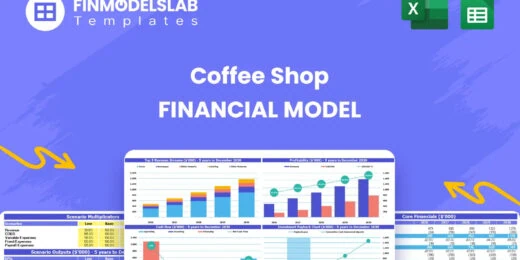
Hypothetical Example: Starting a Coffee Shop
Let’s consider a hypothetical example where you are planning to start a coffee shop. Using a simple business plan sample, your plan might look like this:
Executive Summary
The Executive Summary provides a snapshot of your coffee shop, highlighting its unique selling points and summarizing its financial requirements.
- An introduction to the coffee shop concept.
- Unique selling propositions, such as specialty beverages or a cozy atmosphere.
- A brief summary outlining the estimated financial needs for startup and operation.
This section gives potential investors a quick overview of your business idea, making it easier for them to understand the core vision and financial goals of your coffee shop.
Company Description
The Company Description details specific information about your coffee shop. Here are the elements to include:
- The mission statement of the coffee shop, such as providing a warm and inviting environment.
- Details about the location, size, and layout.
- Overview of the target market and business objectives.
Providing a thorough description of your coffee shop helps set the stage for the more detailed sections that follow, illustrating the foundation of your business plan.
Market Analysis
The Market Analysis involves a thorough examination of the local coffee shop market, including customer demographics and competitor analysis.
- Detailed study of local coffee shop trends and market demand.
- Demographic analysis of your target customers, including age, income, and preferences.
- Competitive analysis identifying key competitors and their strengths/weaknesses.
Understanding the market conditions helps you to gauge potential challenges and opportunities, enabling you to position your coffee shop effectively in the marketplace.
Organization & Management
This section outlines the organizational structure and management team of the coffee shop. Key elements include:
- Background and experience of the owner(s).
- Details about key team members and their roles.
- Organizational chart showing the hierarchy and reporting structure.
Emphasizing the skills and experience of your team helps demonstrate credibility and capability to potential investors and stakeholders.
Products or Services
This section describes the menu offerings and any unique features, showcasing what sets your coffee shop apart:
- Description of beverages and food items offered.
- Details on unique aspects, such as locally sourced ingredients or specialty drinks.
- Potential for seasonal or thematic menu changes.
Highlighting your products or services helps to differentiate your coffee shop from competitors and attract a loyal customer base.
Marketing & Sales Strategy
The Marketing & Sales Strategy outlines how you plan to attract and retain customers. Key components include:
- Plans for social media marketing and online presence.
- Loyalty programs to encourage repeat customers.
- Partnerships with local businesses or community events.
Effective marketing and sales strategies are crucial for building brand awareness, driving foot traffic, and boosting sales, ultimately contributing to the success of your coffee shop.
Funding Request
The Funding Request section clearly details the financial requirements and how the capital will be utilized:
- Amount of funding needed for startup costs and initial operations.
- Breakdown of expenses, including equipment, renovations, and marketing.
- Repayment plan and potential return on investment for investors.
This section convinces potential investors of the financial viability of your coffee shop, providing a clear rationale for the funding required.
Financial Projections
The Financial Projections offer an estimate of your coffee shop’s financial performance over the next five years. Below is a table summarizing projected revenue, expenses, and profit.
| Year | Revenue | Expenses | Profit |
|---|---|---|---|
| Year 1 | $300,000 | $250,000 | $50,000 |
| Year 2 | $330,000 | $260,000 | $70,000 |
| Year 3 | $360,000 | $270,000 | $90,000 |
| Year 4 | $390,000 | $280,000 | $110,000 |
| Year 5 | $420,000 | $290,000 | $130,000 |
The financial projections provide a detailed outlook of the expected financial performance, helping investors understand the potential profitability and sustainability of your coffee shop. These projections also guide your strategic planning and financial management, ensuring that your business remains on the path to success.
Creating an Effective Business Plan
Creating a business plan does not have to be an overwhelming task. By starting with a prepared business plan sample, you can ensure that you cover all necessary elements both efficiently and effectively. This streamlined approach allows you to focus on the unique aspects of your business and strategically plan your path to success. Whether you are an entrepreneur setting up a new venture or an investor evaluating opportunities, a well-prepared business plan serves as your blueprint for building a thriving enterprise. Explore the available resources and take the first step towards transforming your business idea into a success story.
Key Points to Consider
It is essential to highlight and summarize the main components discussed throughout the article. Recognizing the importance of a business plan sample and the major steps involved can significantly enhance your planning process. Here are the key points to keep in mind:
- Identify Your Goals: Clearly outline your business objectives and what you aim to achieve.
- Research Your Market: Conduct thorough market research to understand your industry, competitors, and audience.
- Define Your Strategy: Develop a concise strategy to differentiate your business from competitors.
- Financial Planning: Prepare detailed financial projections, including income statements, cash flow, and balance sheets.
- Execution Plan: Create a step-by-step plan to achieve your business goals, including timelines and milestones.
Each of the steps outlined above plays a crucial role in the creation of a robust business plan. Identifying your goals enables you to stay focused on your mission, while researching your market helps understand the competitive landscape. Defining your strategy ensures that you have a clear differentiator. Comprehensive financial planning provides insight into the economic feasibility and necessary resources. Lastly, the execution plan serves as a roadmap for achieving your objectives, ensuring you can systematically follow through with your plans.
The Importance of Using a Business Plan Sample
Utilizing a business plan sample can greatly simplify the planning process. By referencing a detailed template, you can ensure that important elements are not overlooked. This helps maintain structure and provides guidance throughout the development of your business plan. Here is why using a business plan sample is beneficial:
- Comprehensive Coverage: A sample ensures all critical sections are included, offering a well-rounded plan.
- Time Efficiency: Templates save you time by providing a ready-made layout that requires customization instead of creation from scratch.
- Structured Approach: Helps maintain a logical structure, ensuring that the plan flows coherently and professionally.
- Customization Potential: Samples can be tailored to fit your specific business requirements and industry standards.
- Professional Appearance: Using a structured template leads to a more polished and professional final document.
By taking advantage of a business plan sample, you can enhance the quality and effectiveness of your business plan. These samples provide a comprehensive framework, ensuring no essential component is missed. They save you time and effort, allowing you to focus on the customization of your plan according to your business needs. Furthermore, they help in maintaining a structured and professional appearance, which can significantly impact your credibility with investors and stakeholders.
Embarking on the journey of creating a business plan might seem daunting, but with the right tools and resources, it becomes a manageable and rewarding process. Use these steps and utilize a business plan sample to transform your innovative business idea into a successful enterprise. Take the first step today, and pave the way toward your business’s bright and prosperous future.
Frequently Asked Questions: Business Plans
As you navigate the creation of your business plan, you might have several questions. Below, we provide answers to some common queries in a detailed and structured format. This section aims to offer deeper insights and actionable advice to help you develop a comprehensive and effective business plan.
What is the main purpose of a business plan?
The main purpose of a business plan is to serve multiple strategic and operational functions for your business. These include:
- Setting Goals: Clearly outlining your business objectives and the milestones you aim to achieve.
- Devising a Strategy: Developing a well-thought-out plan for achieving your goals, including marketing, operations, and financial strategies.
- Securing Funding: Providing potential investors and lenders with a detailed roadmap to demonstrate that your business is a viable investment.
- Guiding Direction: Serving as a reference guide to ensure your business remains on track with its strategic plan.
The importance of a well-crafted business plan cannot be overstated. It acts as the blueprint for your business, ensuring alignment and providing insights that drive informed decision-making.
How detailed should a business plan be?
Your business plan should strike a balance between providing comprehensive details and remaining concise and focused. Key considerations include:
- Clear Roadmap: Ensure that your plan clearly outlines the path your business will take to achieve its objectives.
- Engaging Content: Avoid overly complicated language and jargon. Write in a manner that is accessible and engaging to a broad audience.
- Essential Information: Include all necessary sections such as an executive summary, market analysis, organizational structure, product line, marketing strategies, funding requirements, and financial projections.
- Flexibility: Make sure your business plan is adaptable to changes and updates as your business grows and evolves.
A detailed yet concise business plan ensures that stakeholders clearly understand your vision and approach. Striking the right balance will make your plan more effective and less overwhelming for readers.
Can I use a simple business plan sample for any type of business?
While a simple business plan sample can serve as a useful starting point, adaptation is key. Consider the following when customizing your business plan:
- Industry Specificity: Tailor your plan to address the unique aspects and requirements of your industry.
- Business Model: Ensure the sample business plan aligns with your specific business model and operational framework.
- Target Audience: Adapt sections to better communicate with potential investors, partners, or customers relevant to your field.
- Regulatory Compliance: Ensure that your plan meets any regulatory or legal requirements specific to your industry.
Customizing a simple business plan sample enables you to create a document that truly reflects your business’s strengths, opportunities, and market positioning. This approach not only adds credibility but also significantly enhances the plan’s effectiveness.
Each section of your business plan should be crafted with care, catering to the specific nuances of your business and industry. By following these guidelines, you will be better equipped to create a plan that meets the demands of stakeholders and effectively guides your strategic direction. Understanding the foundational aspects covered in the FAQs can greatly enhance the planning process and contribute to your business’s success.


































You might also like:
- 10 Main Elements of a Business Plan
- How to Write a Business Plan Step-by-Step
- Creating a Business Plan for your Food Truck Business
- Financial Planning for Small Business Owners – Taking an SBA Loan
- How to Create a Garment Cost Sheet
- Business Plans
- Financial Planning
- Scenario Analysis
- Agriculture
- Food Truck
- Restaurant Business
- Financial Modeling for Startups and Small Businesses
- Steps to Building Financial Models in Excel
- Top 5 Principles of Corporate Finance
- Mastering Business Finance: The Three-Statement Financial Model
- 10-Step Financial Planning Pocket Guide
- Simple Budget Planner Template
- Financial Model Templates Easy to Use
- Cash Flow Analysis: A Comprehensive Guide
- Why Financial Forecasting Models Are Vital for Your Business


