0 ITEMS

Hookah Lounge Startup Costs: $50K to $250K Breakdown

Opening a hookah lounge costs between $50,000 and $250,000 depending on location, size, and concept tier — and the gap between those numbers comes down to five specific decisions you’ll make in the first 90 days.
Key Takeaways
- A hookah lounge startup costs $50,000 to $75,000 at the economy tier, $100,000 to $150,000 at the standard tier, and $175,000 to $250,000 at the premium tier.
- Ventilation and HVAC upgrades alone run $15,000 to $40,000 and are non-negotiable for code compliance in most states.
- Tobacco retail licenses cost $50 to $2,500 per year depending on state, with California, New York, and Illinois imposing the strictest regulatory requirements.
- A 1,500-square-foot lounge needs 15 to 20 hookahs at $80 to $300 per unit, putting equipment inventory at $1,200 to $6,000 before accessories.
- Break-even typically occurs between month 12 and month 24, assuming 60% to 70% weekend seat occupancy and an average session revenue of $25 to $45 per person.
- Working capital for the first 6 months should equal 3 to 4 months of fixed costs, typically $18,000 to $45,000 for a standard-tier lounge.
- The SBA 7(a) loan program covers up to $5 million for eligible small businesses, making it the most accessible institutional funding path for hookah lounge operators according to the U.S. Small Business Administration.
How Much Does It Cost to Open a Hookah Lounge?
The total hookah lounge startup cost depends on four primary variables: square footage, city tier, build-out condition of the space, and your equipment quality choices. Most first-time operators underestimate by 20% to 35% because they miss ventilation, insurance, and pre-opening payroll.
Here is the full line-item breakdown for a standard 1,500-square-foot hookah lounge in a mid-sized U.S. city:
| Cost Category | Economy | Standard | Premium |
|---|---|---|---|
| Lease deposit (2-3 months) | $4,500 | $9,000 | $18,000 |
| Build-out / renovation | $15,000 | $35,000 | $80,000 |
| HVAC / ventilation system | $15,000 | $25,000 | $40,000 |
| Hookah equipment (20 units) | $1,600 | $3,500 | $6,000 |
| Furnishings and décor | $5,000 | $15,000 | $40,000 |
| Initial tobacco inventory | $2,000 | $4,500 | $8,000 |
| Licenses and permits | $1,500 | $3,500 | $6,000 |
| Insurance (first year) | $3,500 | $6,000 | $10,000 |
| POS and tech systems | $1,500 | $3,500 | $6,000 |
| Marketing (pre-opening) | $1,500 | $3,500 | $7,000 |
| Working capital (6 months) | $18,000 | $30,000 | $45,000 |
| Total | $69,600 | $139,000 | $266,000 |
These figures align with hospitality industry benchmarks published by the National Restaurant Association, which reports that full-service social entertainment venues average $150 to $450 per square foot in total startup investment.
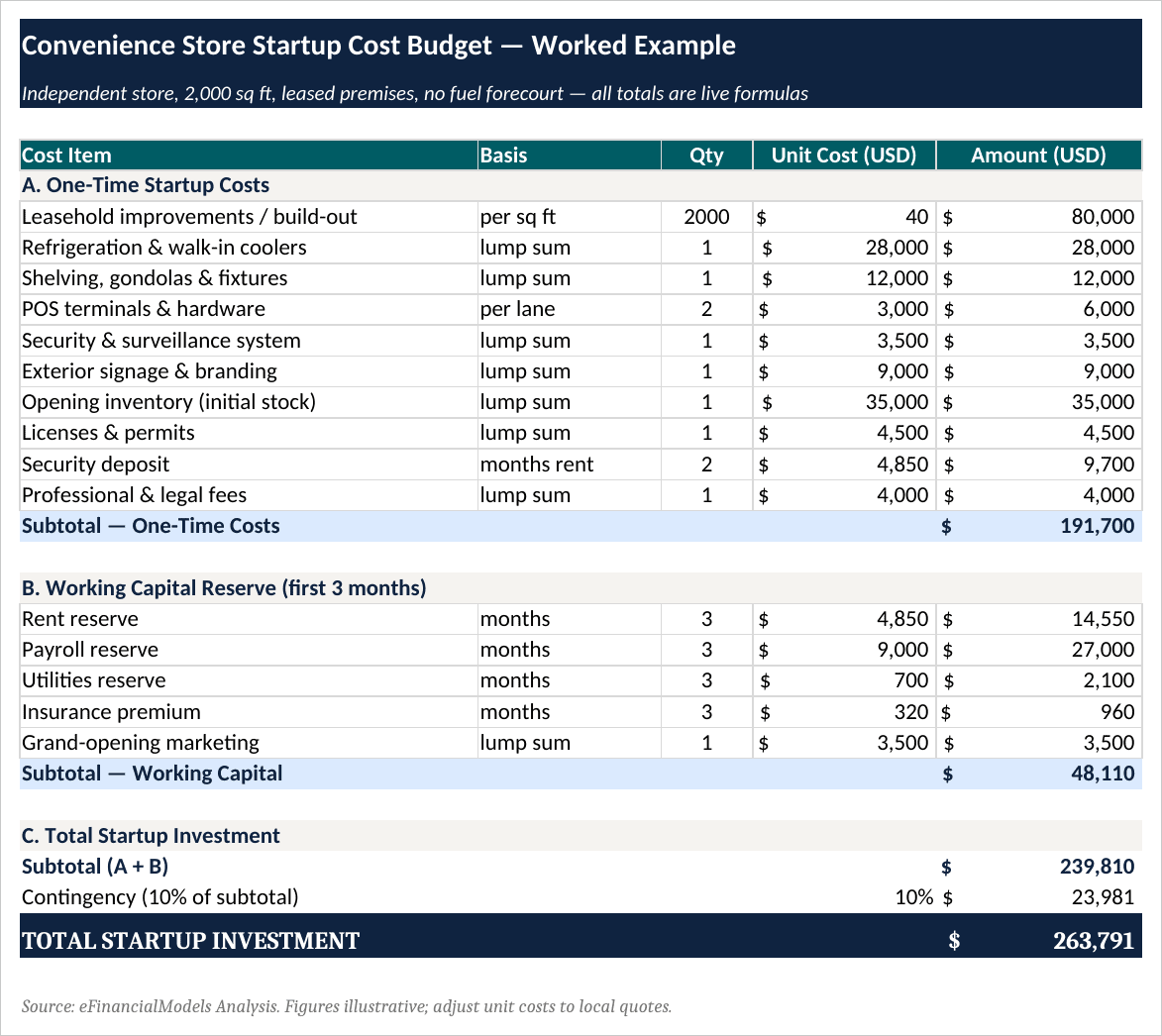
Premium lounges spend 3.8x more than economy concepts, with build-out and ventilation driving the widest cost gap between tiers.
Real Estate Costs: Location and Lease Strategy
Lease cost is the single largest recurring expense, and your deposit commitment locks in 2 to 3 months of rent before you serve a single customer. In major metros like New York, Los Angeles, and Chicago, commercial retail space runs $40 to $80 per square foot annually. Secondary markets like Nashville, Austin, and Denver average $22 to $38 per square foot. Suburban locations in smaller cities typically fall between $14 and $22 per square foot according to data from the U.S. Bureau of Labor Statistics Occupational Outlook and commercial real estate surveys.
For a 1,500-square-foot space, that translates to:
- Major metro: $5,000 to $10,000 per month
- Secondary market: $2,750 to $4,750 per month
- Suburban: $1,750 to $2,750 per month
Negotiate a tenant improvement (TI) allowance into your lease. Landlords in soft markets often contribute $15 to $30 per square foot toward build-out costs, which can offset $22,500 to $45,000 of your renovation budget on a 1,500-square-foot space. Always verify zoning permits tobacco retail and late-night operations before signing.
Major metro lease costs ($40-80/sqft) can be 3-4x higher than suburban markets, adding $38,000+ per year to a 1,500-sqft lounge’s fixed costs.
Build-Out and Renovation: Atmosphere and Code Compliance
Build-out costs for a hookah lounge split into two categories: aesthetic renovation and mandatory code compliance. You can cut aesthetic costs, but you cannot cut compliance costs.
Code compliance items include:
- Ventilation and air exchange systems: Required in virtually every state that permits indoor hookah smoking. A commercial HVAC upgrade with dedicated exhaust runs $15,000 to $40,000 depending on existing infrastructure.
- Electrical upgrades: Dedicated circuits for ventilation, lighting, and sound systems add $3,000 to $8,000.
- Fire suppression and sprinkler compliance: $2,500 to $6,000 for modifications.
- ADA accessibility: Ramp, restroom, and doorway compliance averages $3,000 to $7,000 if not already present.
Aesthetic renovation — flooring, wall treatments, lighting, and custom millwork — runs $8 to $25 per square foot depending on finish quality. A 1,500-square-foot lounge at mid-range finishes costs approximately $18,750 to $37,500 for aesthetics alone.
The U.S. Environmental Protection Agency classifies secondhand smoke as a Group A carcinogen, which is why local health departments scrutinize ventilation plans closely. According to the Centers for Disease Control and Prevention, hookah smoke contains carbon monoxide, heavy metals, and other toxic compounds; in a single hookah session, a smoker may inhale as much smoke as from more than 100 cigarettes.
Budget for a mechanical engineer review ($1,500 to $3,500) before submitting permits.
Hookah lounges require 15-20 air changes per hour — 3x the standard for restaurants — making HVAC the most expensive compliance cost at $15,000 to $40,000.
Equipment Investment: Hookahs, Ventilation, and Furnishings
Hookah equipment is a recurring capital expense, not a one-time purchase. Pipes break, hoses crack, and bowls chip — plan for 15% annual replacement costs on your initial equipment investment.
Hookah Units by Quality Tier
A standard lounge needs one hookah per 75 to 100 square feet of seating area. For 1,500 square feet with 60% seating allocation, that means 9 to 12 hookahs in active use, with 20 to 25 total units to allow for cleaning rotation and peak demand.
| Hookah Tier | Unit Cost | 20-Unit Total | Annual Replacement (15%) |
|---|---|---|---|
| Economy (Egyptian brass) | $80 | $1,600 | $240 |
| Standard (stainless/glass) | $175 | $3,500 | $525 |
| Premium (designer/branded) | $300 | $6,000 | $900 |
Accessories per unit add $25 to $60: hoses, mouthpieces, bowls, grommets, tongs, and foil. Budget $500 to $1,200 for a full accessory kit across 20 units.
Coal and Consumables
Natural coconut coals are the industry standard. A 1-kilogram box of 96 pieces costs $8 to $14 wholesale. A busy lounge burns 3 to 5 boxes per night. Monthly coal costs for a 6-night-per-week operation run $144 to $420. Store coals in a dry, ventilated area away from flammable materials — improper storage is a common fire code violation.
Choosing standard-tier hookahs over premium saves $2,500 on a 20-unit purchase but requires the same 15% annual replacement budget regardless of tier.
Licensing, Permits, and Insurance: Tobacco Regulations by State
Licensing is the most variable cost category and the one most likely to delay your opening. Tobacco retail licenses (the permit that allows you to sell or serve tobacco products to customers) vary dramatically by state.
According to the U.S. Food and Drug Administration’s tobacco retailer guidance, all businesses that sell tobacco products must register with the FDA and comply with federal minimum age requirements. The federal minimum legal sales age for all tobacco products is 21 years (FDA), a requirement that took effect in December 2019 under the Tobacco 21 law.
State-level costs and complexity:
| State | Tobacco License Fee | Complexity | Notes |
|---|---|---|---|
| Texas | $180/year | Low | Straightforward retail permit |
| Florida | $50/year | Low | County-level health permits required |
| Georgia | $10/year | Low | Local zoning often the bigger hurdle |
| Illinois | $750/year | High | Chicago adds $2,500 city license |
| California | $265/year | Very High | Prop 56 taxes add $0.27/gram on shisha |
| New York | $1,500/year | Very High | NYC requires separate premises license |
| Washington | $166/year | Medium | Vapor product rules may apply |
Insurance for a hookah lounge requires specialized coverage beyond standard general liability. Expect:
- General liability (tobacco endorsement): $3,500 to $6,000/year
- Liquor liability (if serving alcohol): $2,000 to $4,500/year
- Property insurance: $1,200 to $2,500/year
- Workers’ compensation: $1,800 to $3,500/year
Total first-year insurance budget: $8,500 to $16,500 for a standard lounge.
New York and California impose the highest tobacco licensing burdens, with combined city and state fees reaching $4,000 per year before excise taxes.
Initial Inventory: Tobacco, Coals, and Consumables
Your opening inventory order sets the tone for customer experience and determines your first-month cash flow. Order too little and you run out of popular flavors on opening weekend. Order too much and you tie up capital in perishable product.
Shisha tobacco (the flavored tobacco mixture smoked in a hookah) has a shelf life of 12 to 24 months when sealed, but opens to 2 to 4 weeks before quality degrades. Plan your initial order around 60 days of projected demand, not 6 months.
A standard opening inventory for a 1,500-square-foot lounge:
- Shisha tobacco: 30 to 50 flavors, 500g to 1kg per flavor = $800 to $2,000
- Coals: 20 to 30 boxes of 1kg = $160 to $420
- Disposable mouthpieces (bulk): 500 units = $25 to $50
- Foil and heat management devices: $100 to $200
- Cleaning supplies: $150 to $300
Total opening inventory: $1,235 to $2,970. Budget $2,000 to $4,500 with buffer for popular flavor overstock.
Staffing and Pre-Opening Operational Costs
Pre-opening payroll is a hidden cost that surprises most first-time operators. You’ll need staff for training, soft opening events, and the 2 to 4 weeks of setup before your public launch.
Typical staffing structure for a 1,500-square-foot lounge:
- Manager (1): $3,500 to $5,500/month
- Hookah technicians / servers (3 to 4): $12 to $16/hour plus tips
- Cashier / host (1 to 2): $11 to $15/hour
- Security (1, weekends): $18 to $25/hour
Pre-opening payroll for 4 weeks of training and setup: $8,000 to $14,000. Add this to your startup budget, not your operating budget.
According to the U.S. Bureau of Labor Statistics, the median hourly wage for food and beverage serving workers was $14.12 in May 2023.
Hookah technicians with specialized skills typically command a premium above that baseline.
Pre-opening payroll for 4 weeks of staff training adds $8,000 to $14,000 to startup costs — a line item most first-time operators forget to budget.
Three Budget Models: Economy, Standard, and Premium
Three realistic scenarios cover the range of hookah lounge concepts most operators pursue. Each assumes a 1,500-square-foot space with a 6-night operating week.
Worked Example: Standard-Tier Lounge Break-Even Calculation
Here’s the math for a standard-tier lounge in a secondary market:
Monthly Revenue Assumptions:
- Seating capacity: 40 guests
- Average occupancy: 65% on weekends (Friday/Saturday), 35% weekdays
- Weekend sessions: 40 seats × 65% × 2 nights × 4 weekends = 208 guest-sessions
- Weekday sessions: 40 seats × 35% × 4 nights × 4 weekends = 224 guest-sessions
- Total monthly sessions: 432
- Average spend per session (hookah + beverages + food): $38
- Monthly gross revenue: 432 × $38 = $16,416
Monthly Fixed Costs:
- Rent: $3,200
- Staff wages: $9,500
- Insurance: $625
- Utilities: $1,200
- Loan repayment (on $139,000 at 7% over 7 years): $2,070
- Total fixed costs: $16,595
Break-even point: Month 14 to 18, once occupancy climbs to 70% and average spend reaches $42 through upselling food and premium tobacco options.
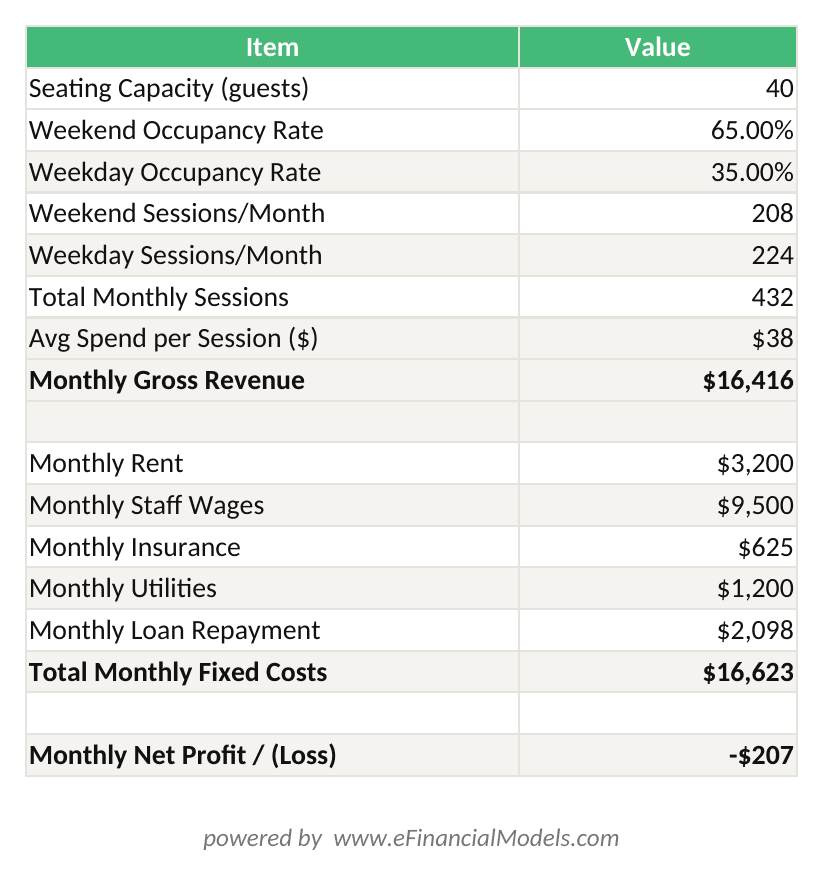
Break-even occurs when monthly revenue ($16,416) exceeds total fixed costs ($16,595) — achievable at 70% occupancy and $42 average spend by month 14-18.
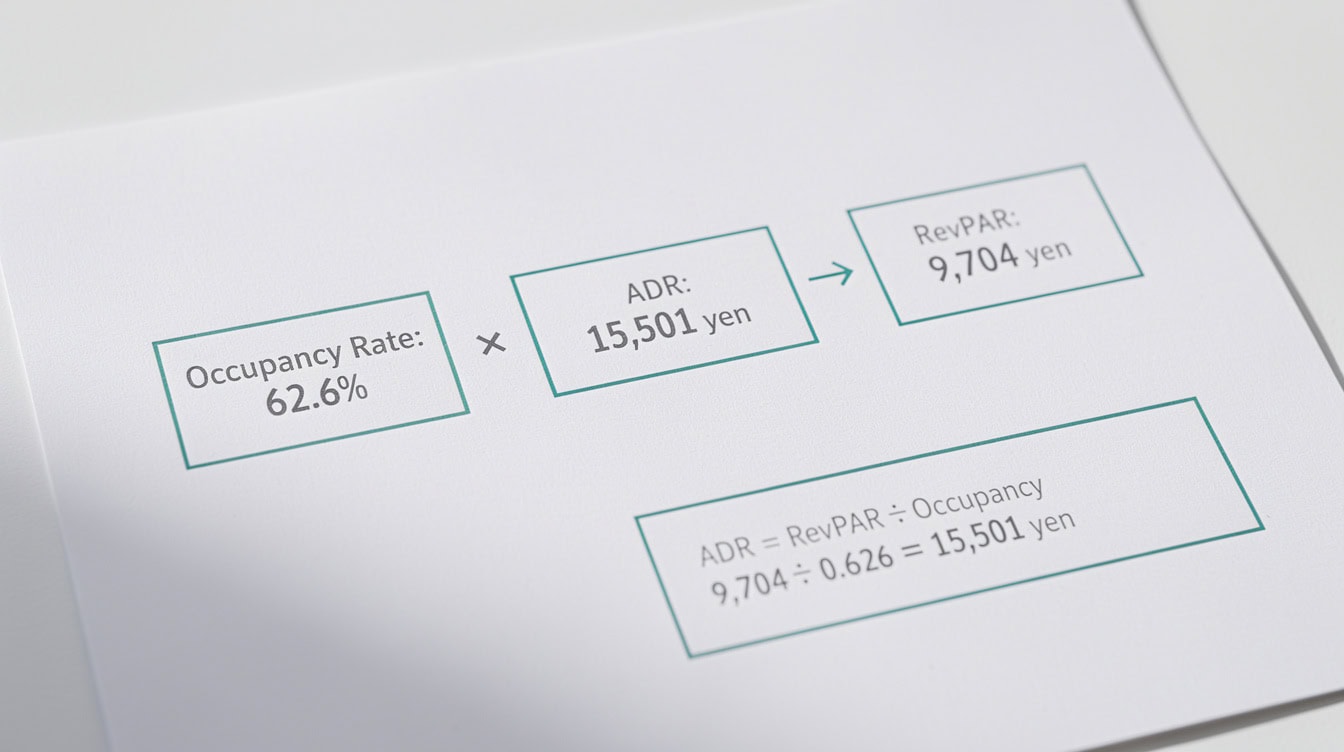
A standard-tier lounge breaks even between month 14 and 18 when occupancy reaches 70% and average spend climbs to $42 per session.
Funding Your Hookah Lounge: Capital Sources
Most hookah lounge operators fund their startup through a combination of personal savings and debt financing. Pure equity funding from angel investors is rare for single-location concepts below $500,000 in projected annual revenue.
| Funding Source | Amount Range | Cost of Capital | Best For |
|---|---|---|---|
| Personal savings | $20K to $75K | 0% | Economy tier, low-debt preference |
| SBA 7(a) loan | Up to $5M | Prime + 2.25% to 4.75% | Standard/premium, strong credit |
| SBA Microloan | Up to $50K | 8% to 13% | Economy tier, newer operators |
| CDFI / community lender | $25K to $250K | 6% to 14% | Underserved markets, flexible terms |
| Angel investor | $50K to $200K | 20% to 35% equity | Premium concepts with growth story |
| Friends and family | Variable | Negotiated | Early-stage gap funding |
The SBA 7(a) program requires a minimum 10% owner equity injection, a business plan with financial projections, and typically 2 years of personal tax returns. The SBA Microloan program provides loans of up to $50,000.
It is administered through nonprofit community-based lenders, making it a strong fit for economy-tier hookah lounge operators with limited collateral. Processing takes 30 to 90 days, so apply before you sign a lease.
For startup financial models that include SBA-ready financial projections, pre-built revenue assumptions, and break-even analysis, EFM’s hospitality templates give you a significant head start on the application process.
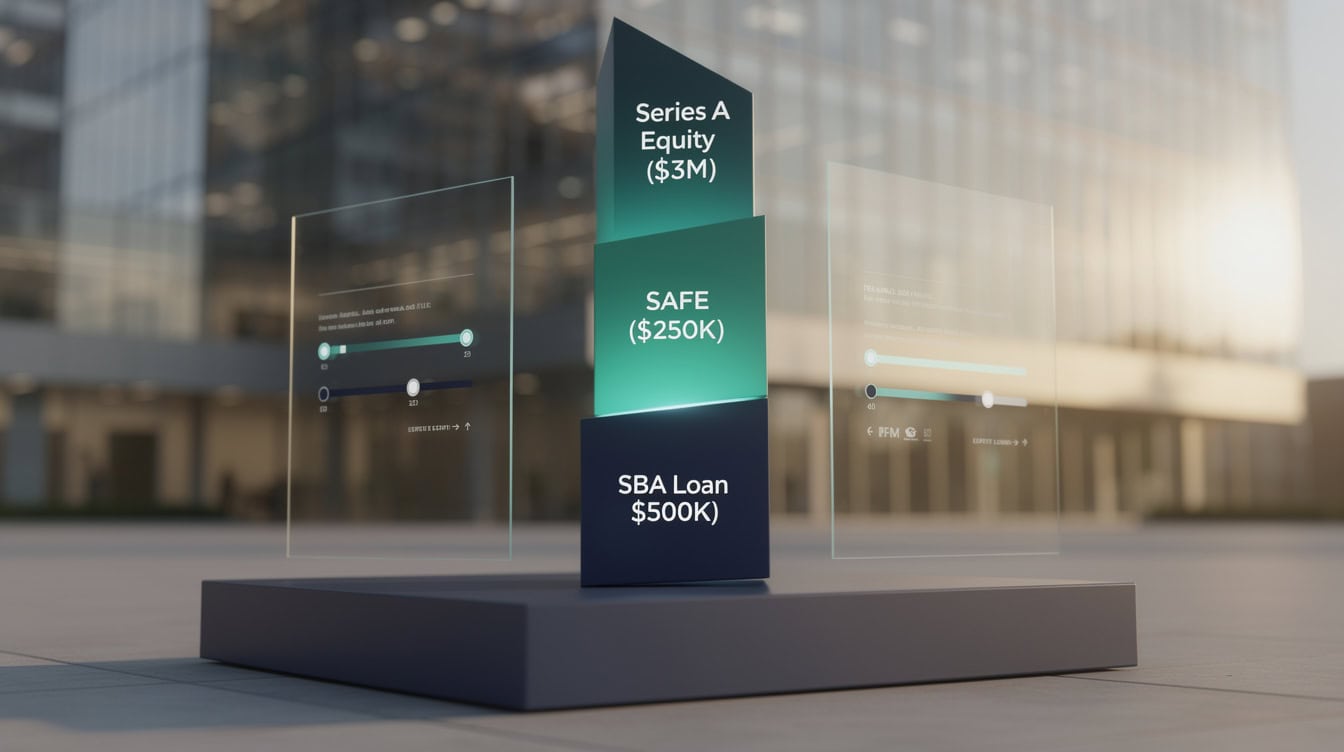
SBA 7(a) loans offer the lowest cost of capital for hookah lounge operators, but require 10% owner equity injection and 30-90 days processing time.
Hidden Costs and Common Budget Mistakes
First-time hookah lounge operators consistently miss the same five cost categories. Each one can derail your opening timeline or your first-year cash flow.
Mistake 1: Underbudgeting ventilation. Many operators price a standard restaurant HVAC upgrade ($5,000 to $8,000) and discover mid-build that hookah smoke requires dedicated exhaust with 15 to 20 air changes per hour, tripling the cost. Get a mechanical engineer quote before finalizing your budget.
Mistake 2: Ignoring tobacco excise taxes. States like California, Minnesota, and Massachusetts tax shisha by weight or wholesale value. California’s Proposition 56 added a $0.27-per-gram tax on tobacco products, which on a 250g bowl of shisha adds $6.75 in tax cost per session. Model this into your pricing before you open.
Mistake 3: Skipping the working capital buffer. A 3-month working capital reserve sounds conservative until your opening month generates 40% of projected revenue. Budget 4 to 6 months of fixed costs as a cash reserve, not 2 to 3.
Mistake 4: Underestimating coal storage compliance. Natural coconut coals are a combustible material. Many fire marshals require dedicated, ventilated storage separate from the main lounge. A compliant coal storage solution adds $500 to $2,500 to your build-out.
Mistake 5: Missing the tobacco retail bond requirement. Several states require a surety bond (a financial guarantee that you’ll pay tobacco taxes) ranging from $1,000 to $10,000 before issuing a tobacco retail license. This is separate from your license fee and often appears only in the fine print of state revenue department guidance.
For cost calculation tools and cost projections templates built for hospitality startups, EFM’s model library includes pre-built line items for all five of these categories.
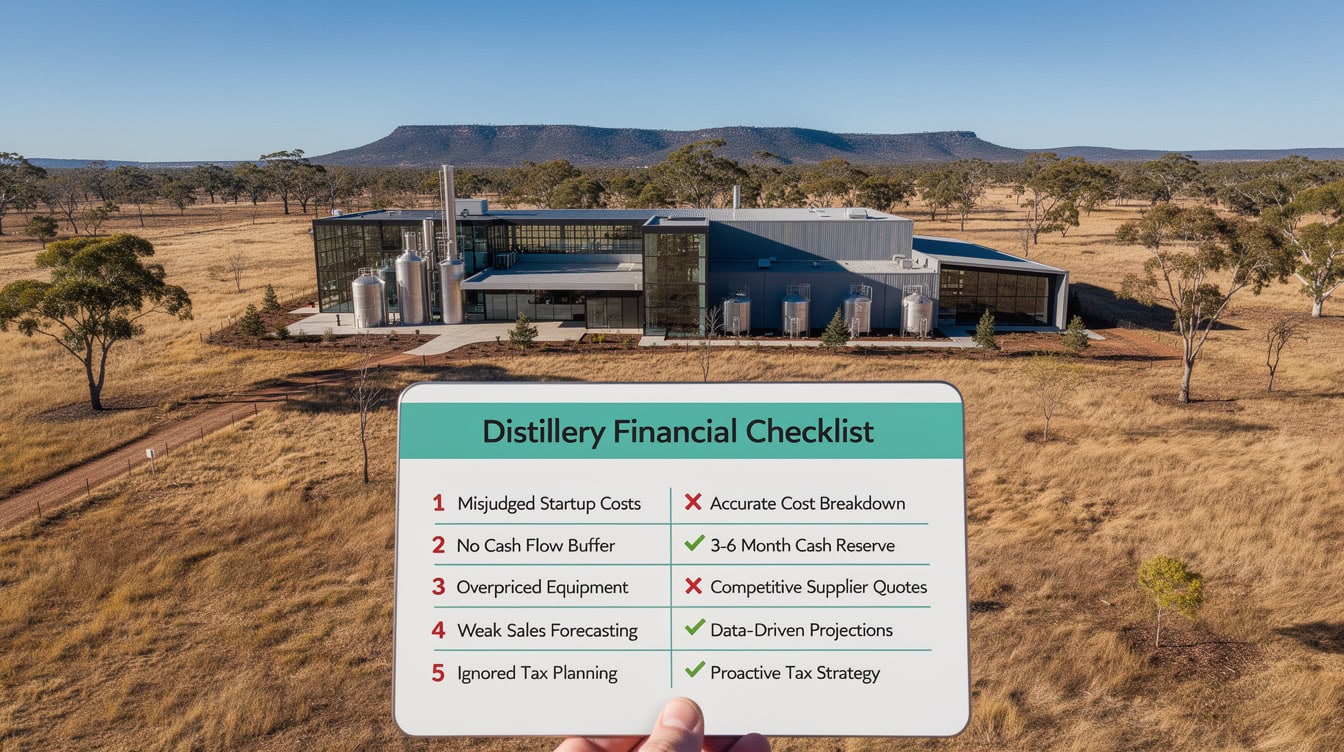
The five most-missed cost categories add $32,500 to $80,500 to a hookah lounge budget — enough to turn a viable plan into an undercapitalized failure.
Frequently Asked Questions
How much does it cost to open a hookah lounge?
Opening a hookah lounge costs between $50,000 and $266,000 depending on your concept tier, city, and space condition. An economy-tier lounge in a secondary market with an existing build-out can open for $50,000 to $75,000. A premium lounge in a major metro with full custom renovation, designer hookahs, and a full bar program will approach $200,000 to $266,000. The single biggest variable is ventilation: a compliant HVAC system runs $15,000 to $40,000 and is required before any health department will issue an operating permit. Always get three contractor bids before finalizing your budget.
How profitable is a hookah lounge?
A well-run hookah lounge generates net profit margins of 15% to 25% once it reaches stable occupancy, typically in year 2. A 1,500-square-foot standard lounge generating $16,000 to $20,000 per month in gross revenue can produce $2,400 to $5,000 in monthly net profit after rent, wages, inventory, and debt service. Profitability depends heavily on session pricing ($25 to $45 per person), table turnover (1.5 to 2.5 sessions per table per night), and food and beverage attachment rates. Lounges that add a food menu typically see 20% to 30% higher revenue per visit than hookah-only concepts.
What licenses do I need to open a hookah lounge?
You need at minimum: a business entity registration, a local business operating license, a tobacco retail license (state-issued), a health department permit, a fire marshal inspection certificate, and a building occupancy permit. If you serve alcohol, add a liquor license, which costs $300 to $14,000 depending on state and license type. Some states, including California and New York, require a separate tobacco specialty retail license on top of the standard tobacco retail permit. Budget $1,500 to $6,000 for the full licensing stack and 60 to 120 days for processing time.
How many hookahs do I need to open a hookah lounge?
Plan for one hookah per 75 to 100 square feet of seating area, plus a 25% to 30% rotation buffer for cleaning and maintenance. A 1,500-square-foot lounge with 900 square feet of seating needs 9 to 12 active hookahs and 15 to 20 total units. At $80 to $300 per unit depending on quality tier, your hookah equipment budget runs $1,200 to $6,000 before accessories. Replace approximately 15% of your inventory annually due to breakage and wear. Buying in bulk from a wholesale supplier typically saves 20% to 30% versus retail pricing.
What is the NAICS code for a hookah lounge?
The standard NAICS code for a hookah lounge is 722410, which covers bars, taverns, and nightclubs. Some operators also use 453991 (tobacco stores) if their primary revenue comes from tobacco product sales rather than on-premises consumption. The correct code affects your SBA loan eligibility, insurance classification, and state tobacco licensing category. Confirm the appropriate code with your state’s department of revenue before filing your business registration, as misclassification can delay your tobacco license application by 30 to 60 days.
Can I get an SBA loan to open a hookah lounge?
Yes, hookah lounges qualify for SBA 7(a) loans as long as the business is for-profit, operates in the U.S., and meets the SBA’s size standards for small businesses. The SBA 7(a) program offers loans up to $5 million with repayment terms of 7 to 10 years for working capital and up to 25 years for real estate. You’ll need a minimum 10% equity injection, a complete business plan with 3-year financial projections, personal credit above 650, and 2 years of personal tax returns. The SBA Microloan program (up to $50,000) is a better fit for economy-tier startups with limited collateral.
What are the biggest hidden costs in a hookah lounge startup?
The five most commonly missed costs are: specialized ventilation systems ($15,000 to $40,000), tobacco excise taxes that vary by state and erode margins, pre-opening payroll for 4 weeks of staff training ($8,000 to $14,000), surety bonds required by some states for tobacco retail licenses ($1,000 to $10,000), and annual insurance premiums that include tobacco endorsements ($8,500 to $16,500 total). Together, these five categories add $32,500 to $80,500 to a budget that most first-time operators build without them. A detailed cost calculation template that includes these line items prevents the most common budget shortfalls.
Conclusion
Opening a hookah lounge is financially viable at every tier from $70,000 to $266,000, but only if you build your budget around the real numbers: compliant ventilation, tobacco licensing complexity, and 4 to 6 months of working capital reserves. The operators who fail in year one almost always underestimated one of those three categories.
I recommend downloading the Bar & Lounge Financial Model from EFM to build your hookah lounge startup budget with pre-built line items for ventilation, tobacco inventory, licensing, and break-even analysis. The template includes three scenario tabs (economy, standard, premium) so you can stress-test your numbers before you sign a lease.