
0 ITEMS

Online Businesses
The demand for Online & IT Businesses has surged significantly in recent years, driven by the rapid advancement of technology and the growing preference for digital solutions. The industry includes a wide array of business models. Consumers and businesses are increasingly turning to online platforms for convenience, accessibility, and efficiency. The proliferation of internet access fuels this trend, the rise of mobile devices, and the ongoing digital transformation across industries. As a result, entrepreneurs and established companies are capitalizing on these opportunities, leading to a robust and dynamic market landscape.
We house Excel templates expertly crafted to support Online & IT Businesses' unique needs. These templates cater to various business models, including blogs, coupon and affiliate sites, eCommerce and web shops, Fulfillment by Amazon (FBA), IT maintenance and services, mobile app businesses, online marketplaces, and Software as a Service (SaaS). Each template provides comprehensive financial projections, detailed revenue models, and key performance metrics, enabling businesses to plan strategically, optimize operations, and drive growth. Designed for clarity and ease of use, these templates empower entrepreneurs and managers to make informed, data-driven decisions confidently.
All
Blogs, Coupon, & Affiliate Sites
E-Commerce & Web Shops
Fulfillment by Amazon (FBA)
Marketplaces
Mobile Apps
SaaS
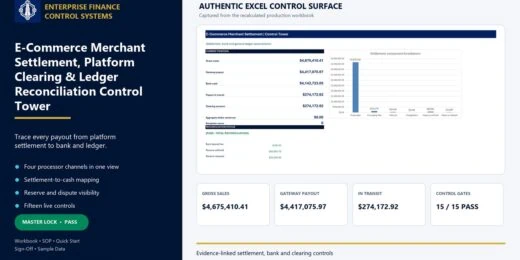

Export-based Excel merchant settlement, payment clearing and GL reconciliation control…


AI Data Center Power Procurement & Behind-the-Meter Generation Model ⚡…

IFRS Group Consolidation & Consolidated Financial Statements Model 🧾 Turn…
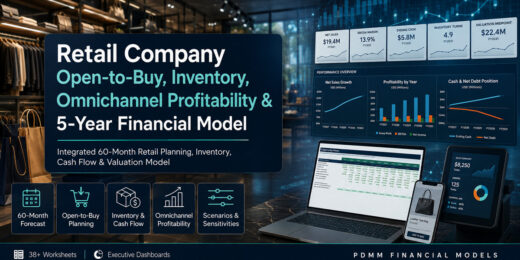
Turn retail planning into one connected operating and financial decision…
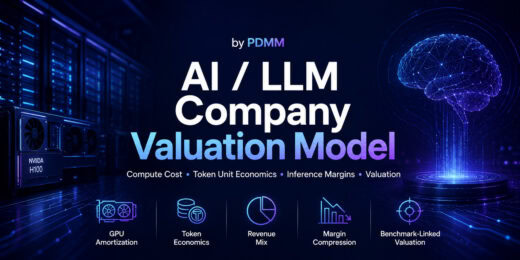
🔥 Premium AI / LLM Company Valuation Financial Model A…
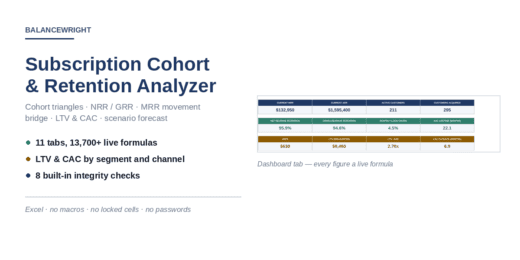

Give this workbook one row per customer per month and…
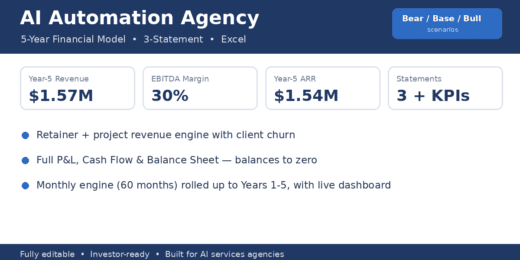

A 5-year, fully editable Excel model built specifically for AI…
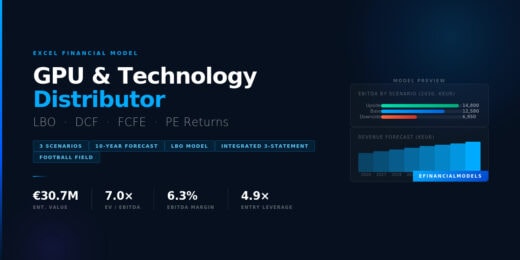

A comprehensive M&A and private equity financial model for a…


The UK is Europe's AI leader. The question for modelers…

Why this study US enterprises spent roughly US$37 billion on…

🔥 Premium Tokenomics & Web3 Token Launch Financial Model A…

🚘 Premium Autonomous Vehicle / Robotaxi Fleet Operations Financial Model…

Evaluate a Buy Now Pay Later platform from transaction growth…

The Data Center Development Financial Model by PDMM is a…

A 36-page, data-rich outlook on India's software-as-a-service market for financial…

A 37-page, data-rich outlook on Israel-origin cybersecurity and developer-tools SaaS…

A 36-page, data-rich outlook on the United Kingdom fintech and…

A 34-page, data-rich outlook on the United States vertical B2B…

A 37-page, data-rich outlook on the German industrial and B2B…

A 38-page, data-rich outlook on the Canadian HRTech and workflow…

🚀 Premium Creator Economy Multi-Platform Revenue Financial Model, A professional…

🚀 AI GPU-as-a-Service / AI Compute Data Center Financial Model…
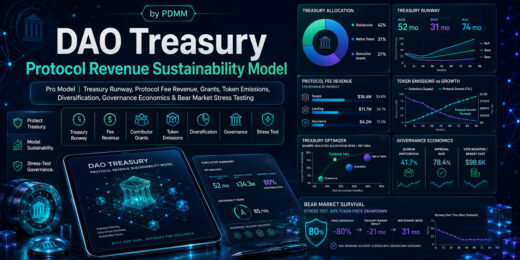
🚀 Premium DAO Treasury & Protocol Revenue Sustainability Financial Model.…
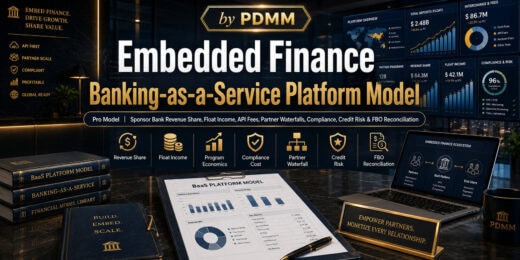
🚀 Premium Embedded Finance / Banking-as-a-Service Platform Financial Model. A…


Institutional-grade multi-tranche debt schedule in Excel: Revolver, Term Loan A/B,…
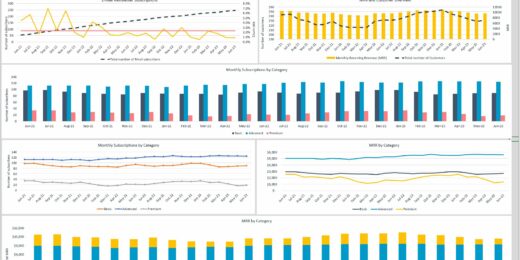

SaaS Metrics Dashboard Excel Template is designed to facilitate the…


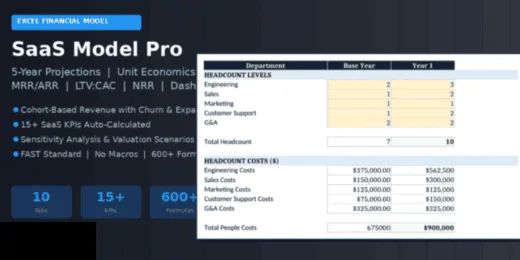

Professional 10-tab Excel SaaS financial model with 547 formulas, covering…


This fully unlocked 5 Year, 12-tab institutional-grade Excel template is…

A professional Excel financial model suite for neo bank and…


The ultimate 5-year ecommerce financial model for startups. Build a…
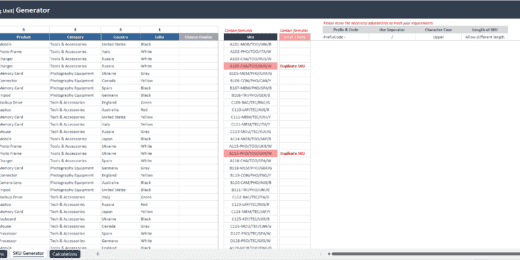
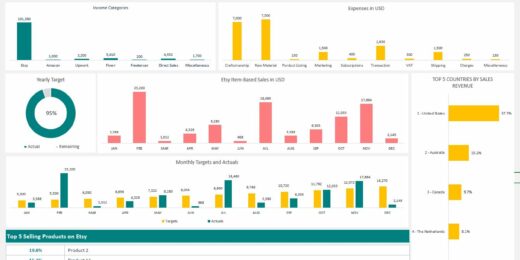
Excel Bookkeeping Template for Etsy Shop Owners: Efficiently Monitor and…

Professional Vertical AI SaaS Financial Model Template for B2B businesses…


E-Commerce Unit Economics & CAC/LTV Calculator Understand your customer acquisition…

The model is designed to provide SaaS founders, finance teams,…



This SaaS Financial Model is a professionally structured, fully integrated…


A dynamic, ready-to-use Excel template designed for AI, GenAI, and…


Highly versatile Excel model for building 5-year, monthly RaaS financials…


10-year financial model for a family office platform providing forecasts,…


Provides a comprehensive framework for valuing a SaaS business based…

10-year financial model for a ride-hailing marketplace providing forecasts, unit…

A premium, investor-ready SaaS Financial Model (Excel) built for founders,…


This NVIDIA Financial Model Template in Excel has been built…

A polished, investor-ready E-commerce Financial Model for DTC and marketplace…
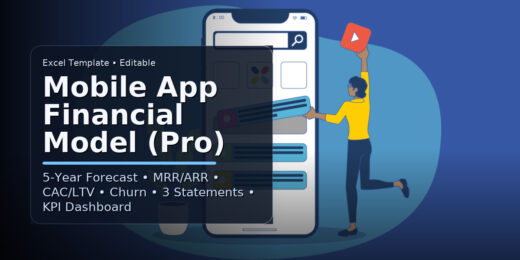
A professional, investor-ready Mobile App Financial Model with monthly-to-annual projections…


AI SaaS companies represent the future of scalable software –…

The ultimate 5-year SaaS financial model for startups. Build a…
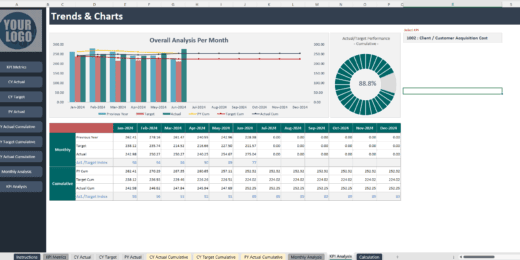
Unlock financial clarity with our customizable 3-Statement Excel Template, designed…


5-year (60-month) forecast model with monthly projections and annual summaries…


A comprehensive editable, 5-year 3 statement MS Excel spreadsheet for…

Partner with IT Cloud Companies today – and unlock the…


A simple startup model for agent-based SaaS businesses. Includes fundraising…

Financial Model providing a dynamic up to 10-year financial forecast…
This dynamic Early Stage Startup SaaS Financial Model, built by…

This Crypto Trading Platform - App Financial Model is designed…

The Software Development Business Financial Model is a robust Excel…
Highly versatile Software development 5-Year financial projection model offering ongoing,…
Essential Steps to Successfully Start Online & IT Businesses
An Overview of Online & IT Businesses
Online businesses operate primarily online, leveraging digital platforms to offer goods, services, and content to a global audience. Different types of online businesses range from e-commerce stores selling physical and digital products to service-based companies providing online consultations, educational courses, and virtual assistance. The primary advantage of online companies is their ability to reach a broad customer base with relatively low overhead costs compared to traditional brick-and-mortar stores. They rely heavily on digital marketing strategies, including social media, search engine optimization (SEO), and email marketing, to attract and retain customers. Additionally, online businesses often use data analytics to understand customer behavior and tailor their offerings to meet market demands effectively. IT businesses provide information technology services focusing on developing, implementing, and maintaining technology systems and solutions. These companies offer various services, including software development, cybersecurity, IT consulting, cloud computing, and managed IT services. Information technology services are integral to the digital transformation of multiple industries, helping organizations improve efficiency, productivity, and security through technology. They play a crucial role in innovation, driving advancements in artificial intelligence, machine learning, and data analytics. The history of online and IT businesses dates back to the mid-20th century, with the advent of computers and the internet. In the 1960s and 70s, the development of mainframe computers and early networking technologies laid the groundwork for the IT industry. The 1980s saw the rise of personal computers, making technology more accessible to businesses and individuals. The commercialization of the internet in the early 1990s revolutionized communication and commerce, giving birth to online companies. The launch of web browsers like Netscape Navigator and, later, the emergence of search engines like Google transformed how information was accessed and shared. E-commerce pioneers like Amazon and eBay began to emerge, showcasing the potential of online marketplaces. Over the decades, both online and IT businesses have evolved rapidly, driven by advancements in technology, the proliferation of mobile devices, and the increasing digitization of everyday life.Top Players in the Online & IT Businesses Today
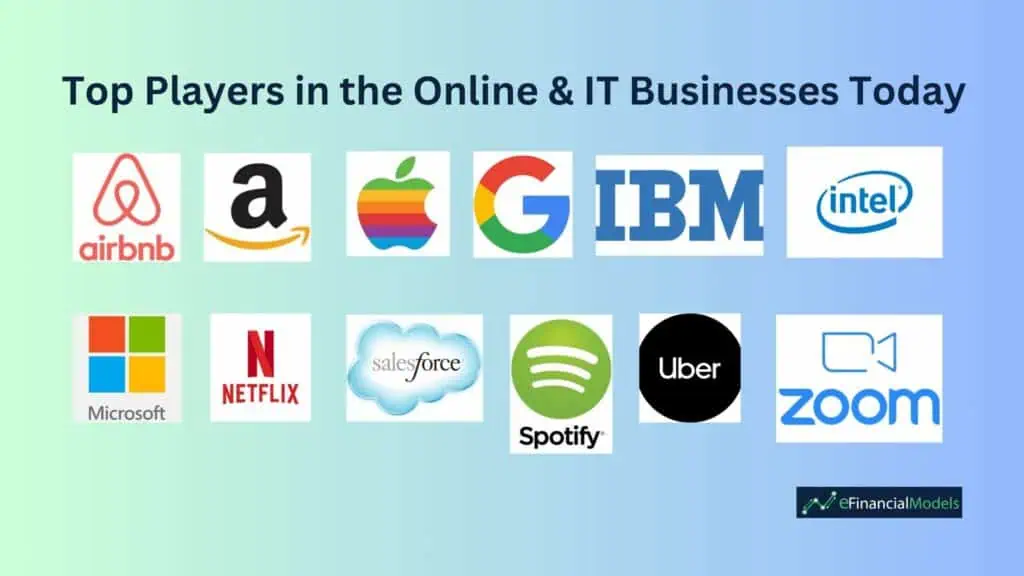
Here are some of the top players in the online & IT businesses today:- Airbnb: Platform for booking short-term accommodations and experiences.
- Amazon: An E-commerce giant known for its vast selection of goods and services.
- Apple: Leading technology company known for its hardware, software, and services.
- eBay: An Online marketplace for buying and selling various products.
- Google (Alphabet Inc.): Tech giant specializing in internet-related services and products, including search, advertising, and cloud computing.
- IBM: Multinational IT company offering hardware, software, and consulting services.
- Intel: Semiconductor company known for its processors and other computing technology.
- Microsoft: Global software company providing operating systems, cloud services, and enterprise solutions.
- Netflix: Streaming service providing movies, TV shows, and original content.
- Salesforce: Leading CRM software provider with a focus on cloud-based solutions.
- Spotify: Music streaming service offering a vast library of songs and podcasts.
- Uber: Ride-hailing and food delivery service operating globally.
- Zoom: Video conferencing platform widely used for remote communication.
Various Types of Online and IT Businesses
Millions of people are earning money online today. However, many others are waiting because they think there are only a few ways to make money on the Internet. Here's some good news: There are many different types of online businesses and information technology services.Different Types of Online Businesses
Blogs, Coupons, & Affiliate Sites
Blogs are websites where individuals or groups regularly post written content on various topics. These blogs can generate revenue through advertisements, sponsored posts, and affiliate marketing. Coupons and affiliate sites are closely related. They focus on promoting third-party products or services and earning a commission for each sale or lead generated through their referral links. These sites often provide discount codes or special deals to attract visitors who purchase and click on affiliate links.eCommerce & Web Shops
eCommerce sites and webshops are online platforms where businesses sell products or services directly to consumers. These can range from small, niche stores to large retailers. eCommerce websites typically include product listings, shopping carts, and payment gateways to facilitate transactions. They offer the convenience of shopping from anywhere and often provide various products. Successful eCommerce businesses often invest in digital marketing, SEO, and user experience design to attract and retain customers.Fulfillment by Amazon (FBA)
Fulfillment by Amazon (FBA) is a service that Amazon provides. Sellers can store their products in Amazon's fulfillment centers, and Amazon then handles the storage, packing, shipping, and customer service of these products. FBA allows sellers to reach a vast audience on Amazon's marketplace while leveraging Amazon's logistics network. FBA can help small businesses scale quickly without the need to manage warehousing and shipping logistics themselves, making it an attractive option for online entrepreneurs.Online Marketplaces
Online marketplaces are platforms where multiple sellers can list and sell their products. Examples include eBay, Etsy, and Amazon Marketplace. These platforms provide a ready-made audience and the tools needed to list and sell products, including payment processing and customer service features. Sellers benefit from the marketplace's traffic and infrastructure, while buyers enjoy a wide selection of products from various vendors in one place. Marketplaces often charge fees or commissions on sales, which is how they generate revenue. This support and resources available in online marketplaces can give you the confidence to start your online business.Common Types of Information Technology Services
IT Maintenance & Services
IT Maintenance and services involve supporting and managing an organization's IT infrastructure. This includes regular updates, patches, and fixes to hardware and software systems to ensure they operate efficiently and securely. IT maintenance services also cover troubleshooting and resolving IT-related issues, minimizing downtime, and ensuring business operations continue smoothly. These services are essential for preventing data loss, protecting against cyber threats, and maintaining optimal performance of IT assets.Mobile App Businesses
Mobile App Businesses focus on developing, distributing, and monetizing mobile applications. These businesses create apps for platforms such as iOS and Android, catering to different user needs ranging from entertainment and social networking to productivity and business management. Mobile app companies often offer additional services such as app marketing, user acquisition strategies, and analytics to track app performance. They may also provide updates and new features to enhance user experience and stay competitive.Software as a Service (SaaS)
Software as a Service (SaaS) is a cloud-based service model that offers convenience and cost-efficiency. It delivers software applications over the Internet, eliminating the need for local installation or maintenance. SaaS providers handle the underlying infrastructure, security, and updates, freeing businesses to focus on their core activities. This model's subscription-based payment system ensures flexibility and scalability, making it a popular choice for a wide range of applications, including customer relationship management (CRM), enterprise resource planning (ERP), and collaboration tools.
Steps on How to Start an Online Business
If you’re thinking of starting something in the Online & IT business sector, there are certain things that you need to do beforehand. A successful Information Technology company requires you to look for an underserved market or create a new technology product that could be helpful to users. It is a fact that the competition is very high, so it is critical that you have a sturdy foundation built, such as credentials, a sound business plan, enough funding, and an innovative or valuable product and services. Of course, the deciding factor is your passion for achieving your goals. The following are some basic steps on how to start an online business:1. Research and Analyze the Market
It is very important that you conduct research about the available online and IT businesses and which ones have more demand and less supply. Also, ensure that you include the online ones as part of the range in your analysis. You want to be as accurate as possible to plan a more definite answer. You don’t want to lose the opportunity to grab potential leads, especially in the online community. To research and analyze the online & IT businesses market:- Start by identifying key trends and drivers, such as emerging technologies, market demand, and competitive landscape.
- Utilize various sources, including industry reports, market research firms, and financial statements of leading companies.
- Conduct a SWOT (Strengths, Weaknesses, Opportunities, Threats) analysis and examine macroeconomic factors impacting the market.
- Collect data on market size, growth rates, and segmentation.
- Stay updated with technological advancements, regulatory changes, and consumer preferences through news articles, journals, and expert opinions.
- Use quantitative and qualitative methods to interpret the data and identify market opportunities and risks.
2. Build a Business Plan
The most critical of all the steps on how to start an online business is to build a business plan. With a business plan to back you up in managing your business, you’ll be in a better position as you start your business. The business plan will serve as your guide and preparation for different circumstances that are either good or bad for the business. Aside from managing the business in a structured way, the business plan will also serve as a tool to get an overview of how your business will do in the future, what you can do to improve areas that need improvement and quit those that need to be stopped. Building a business plan is the most essential step in starting an online business. It involves several critical steps to ensure a clear roadmap for success.- First, start with an executive summary that outlines your mission, vision, and objectives. This section should concisely explain the core concept of your IT company, including the products or services you plan to offer, your target market, and what sets your business apart from competitors. Delve into the specifics of your products or services, detailing their features, benefits, and how they meet market needs.
- Follow this with a detailed company description, which provides more context about the business, its structure, and the problems your IT solutions aim to solve. Include an industry analysis and current market trends to clearly show where your company stands and what it seeks to achieve.
- Financial projections are crucial; they provide detailed forecasts of your expected revenue, expenses, and profitability over the next three to five years. Start with revenue models that forecast sales based on market analysis, pricing strategies, and customer acquisition plans. It includes estimating the number of clients, average revenue per user (ARPU), and growth rates.
- Next, develop detailed expense models for fixed and variable costs, including salaries, technology infrastructure, marketing, and operational expenses. Incorporate capital expenditure plans for investments in hardware, software, and other necessary assets.
- Prepare financial statements such as projected income statements, cash flow statements, and balance sheets over a three-to-five-year period.
- Conduct scenario analysis to assess how changes in key assumptions (like market growth rates or cost fluctuations) impact profitability and cash flow.
- Finally, key financial metrics such as break-even points, return on investment (ROI), and internal rate of return (IRR) are calculated to evaluate financial health and attractiveness to potential investors.
3. Get Funding
To secure funding for online businesses and information technology services, begin by crafting a comprehensive business plan that outlines your unique value proposition, target market, competitive analysis, revenue model, and growth strategy. Networking, a crucial step in this process, should be approached enthusiastically. Attend industry events, join startup incubators or accelerators, and leverage online platforms like LinkedIn to connect with potential investors. Additionally, prepare a compelling pitch deck and practice presenting it confidently to convey your vision, expertise, and the potential for high returns on investment. The best funding sources for online businesses and information technology companies typically include personal savings, angel investors, venture capital (VC) firms, and crowdfunding platforms.- Personal savings provide initial capital without the need to relinquish equity.
- Angel investors, often experienced entrepreneurs, can offer funding and valuable mentorship.
- Venture capital firms are suitable for high-growth startups. They offer substantial investment in exchange for equity and often provide strategic guidance.
- Crowdfunding platforms like Kickstarter or Indiegogo allow you to raise smaller amounts from many people, validating your product idea while building a community of early adopters and supporters.
4. Form the Legal Foundation of Your Online & IT Startup
Forming the legal foundation of online & IT businesses involves several vital steps to ensure compliance and protection of your business.- Firstly, choose a business structure, such as a sole proprietorship, partnership, limited liability company (LLC), or corporation. Each structure has distinct legal and tax implications. An LLC or corporation is advisable for most IT startups due to the liability protection they offer.
- Register your business name with the appropriate government entity to secure your brand identity.
- Additionally, obtain the necessary federal, state, and local licenses and permits to operate legally.
- Consult with a business attorney to draft foundational documents, such as operating agreements or bylaws, which outline the founders' roles and responsibilities and the company's operational procedures.
- Next, focus on protecting your intellectual property (IP), which is often the most valuable asset for an online or IT startup. File for patents, trademarks, and copyrights as necessary to safeguard your innovations, brand, and proprietary content.
- Implement robust contracts for employees and contractors, including non-disclosure agreements (NDAs) and non-compete clauses, to protect sensitive information and maintain a competitive edge.
- Develop a comprehensive privacy policy and terms of service to ensure compliance with data protection and privacy laws, mainly if you handle user data.
- Finally, secure adequate insurance to protect against potential liabilities and risks specific to your industry. By establishing a solid legal foundation, you can focus on growing your IT startup with confidence and security.
5. Recruit & Train Talents
Recruiting and training IT talent is critical for the success of online & IT businesses. Start by defining the specific skills and roles needed for your information technology services. These may include software developers, network engineers, data analysts, and customer support. Create detailed job descriptions outlining the required qualifications, responsibilities, and expectations. Use multiple recruitment channels, including online job boards, social media, industry forums, and professional networks like LinkedIn, to reach a broad pool of candidates. Attending tech conferences, hackathons, and university career fairs can help you connect with potential hires. Offering competitive salaries, benefits, and growth opportunities can make your startup more attractive to top talent. Once you have recruited suitable candidates, focus on training and onboarding to integrate them into your team effectively. Develop a comprehensive onboarding program introducing new hires to your company's culture, values, and goals. Provide them with the necessary tools and resources to perform their job, such as software, hardware, and documentation access. Implement a mentorship system where experienced employees can guide recruits and help them navigate their roles. Offer ongoing training opportunities, such as workshops, online courses, and certifications, to keep your team updated with industry trends and technologies. Regular performance reviews and feedback sessions help identify areas for improvement and foster continuous development. By investing in the recruitment and training of IT talent, you can build a skilled and motivated team that drives the success of your startup.6. Spread the Word in Online & Information Technology Services
To effectively spread the word in the information technology industry, leverage a multi-faceted approach that combines digital marketing, industry engagement, and strategic partnerships. Start by building a solid online presence through a professional website, active social media profiles, and engaging content marketing, such as blogs, whitepapers, and case studies that showcase your expertise and solutions. Utilize search engine optimization (SEO) and pay-per-click (PPC) advertising to increase your visibility and attract targeted traffic. Participate in industry events, webinars, and conferences to network with peers, potential clients, and influencers. Form strategic partnerships with complementary businesses and leverage their networks for mutual benefit. Additionally, I seek media coverage and contribute articles to industry publications to establish thought leadership. By combining these strategies, you can effectively raise awareness and build a strong reputation in the IT industry.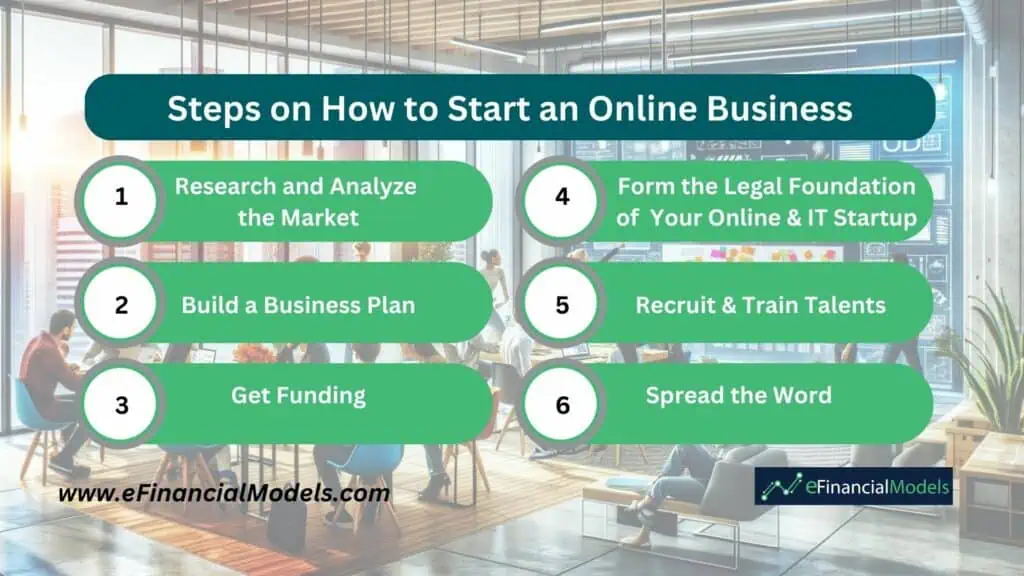
Revolutionize Financial Planning Among Online & IT businesses
Just like in any business, online and information technology companies need a proper business plan and financial planning to foresee and ensure their financial feasibility. Creating from scratch would take a lot of time. Hence, the convenience of financial modeling software and financial model templates for businesses in the information technology sector is a more efficient and preferable choice nowadays. Staying ahead of the competition requires innovative tools and strategies in the fast-paced information technology industry. Excel templates are not just tools but potent assets that can revolutionize financial planning within online & IT businesses. They provide a versatile and accessible means of organizing and analyzing financial information, making complex calculations manageable and understandable. This versatility empowers IT professionals to take control of their financial planning, making it more efficient and effective. With customizable templates tailored to specific needs, online & IT companies can streamline their financial processes, improve accuracy, and reduce time spent on repetitive tasks. This enhances productivity and ensures that financial planning is aligned with the company’s strategic goals. By incorporating Excel templates into their financial toolkit, IT professionals can drive innovation, achieve better financial outcomes, and stay competitive in a rapidly evolving market.You might also like: