
0 ITEMS

Distribution
The demand for distribution companies is surging, driven by the expanding e-commerce sector, globalization of supply chains, and evolving consumer preferences for fast, reliable delivery. Businesses across various industries rely on efficient distribution networks to ensure timely and cost-effective product availability from manufacturers to end consumers. As the market grows, distribution companies play a pivotal role in meeting consumer expectations and sustaining economic flow.
Financial model templates for distribution companies offer a versatile toolkit to streamline operations and enhance decision-making. These templates cater to various distribution models, such as wholesale, retail, and e-commerce, providing tailored budgeting, forecasting, and performance analysis frameworks. By incorporating critical metrics like inventory turnover, sales trends, and operating costs, these templates enable companies to optimize their supply chain, manage cash flow effectively, and achieve strategic goals.

The Multi-Entity Treasury Liquidity & 13-Week Rolling Cash Flow Control…

A 32-sheet editable Excel decision model for EU CBAM importers…

Build a smarter trucking business with this ready to use…

🚀 Premium eVTOL / Urban Air Mobility Financial Model A…

🚘 Premium Autonomous Vehicle / Robotaxi Fleet Operations Financial Model…

10-year financial model for a Water-as-a-Service project providing forecasts, valuation,…

A professional 8-12 MTPA Liquefied Natural Gas (LNG) Financial and…


Purpose-built Excel model to evaluate any hardware or physical product…



10-year financial model for an Air Freight Company providing forecasts,…


Institutional-quality analysis for your single-asset and SPV (Special Purpose Vehicle)…

Dynamic and investor-focused 10-year financial model, designed to evaluate the…
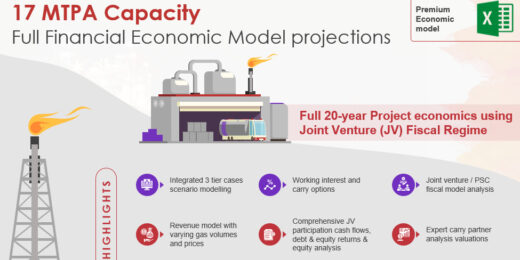

This LNG distribution economics tool presents full economics valuation modelling…

The Data Center Financial Model with a 10-Year DCF (Discounted…

Very comprehensive editable, 5-year 3 statement MS Excel spreadsheets for…
A comprehensive editable, 5-year 3 statement MS Excel spreadsheet for…
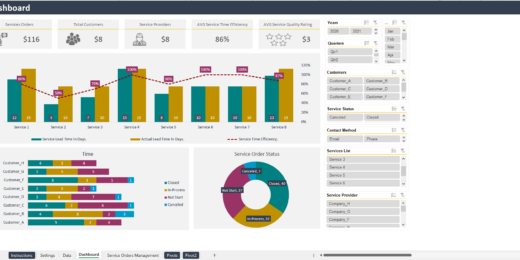

Efficiently Manage Service Orders and Enhance Customer Satisfaction

Financial model providing a dynamic 10-Year Financial Plan for a…


This Dropshipping Financial Model Template has been built for use…

The EV Charging Network Business Financial Model with a 10+…
A comprehensive editable, MS Excel spreadsheet for tracking Air Conditioning…

The Drone Delivery Services Financial Model with a 10+ Years…
The Subscription Box Business Financial Model with 10+ Years DCF…
The Parcel Locker Network Business Financial Model is a comprehensive…

Our Supply Chain Management Dashboard is a comprehensive tool that…
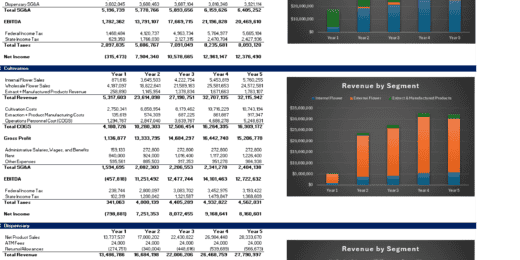

The Cannabis Grow, Manufacturing and Dispensary Pro-Forma Model is a…
The Freight Management Worksheet is a comprehensive tool for efficiently…
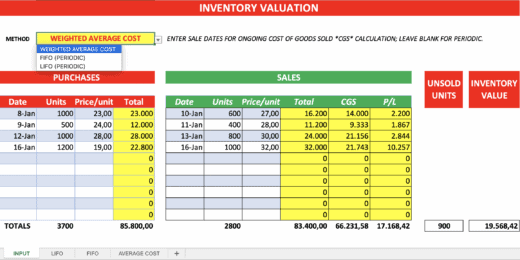

Calculate the value of your inventory (physical items or financial…


10 year rolling financial projection Excel model for a startup…


This model is adaptable and useful for a Gas Station,…
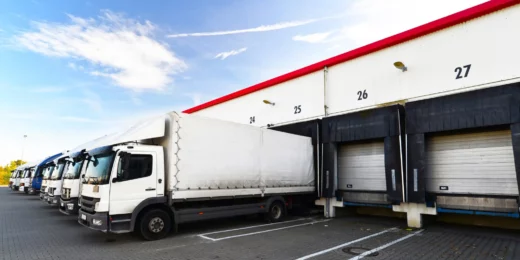

Discover the Comprehensive Logistics Company Financial Model and Valuation, an…


Financial Model of Amazon (Ticker: AMZN) with forecasting and valuations.…

Financial Model providing an advanced 5-year financial plan for a…

A detailed and user friend financial model that captures 5…


User friendly template including Distributions Waterfall Model for Private Equity,…
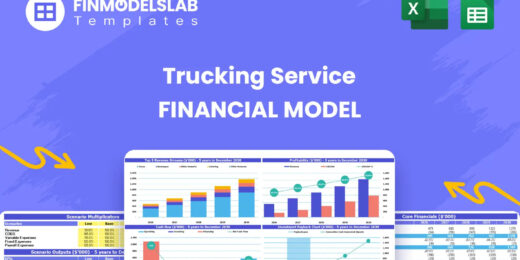

The Trucking Service Financial Model helps entrepreneurs, fleet owners, consultants,…
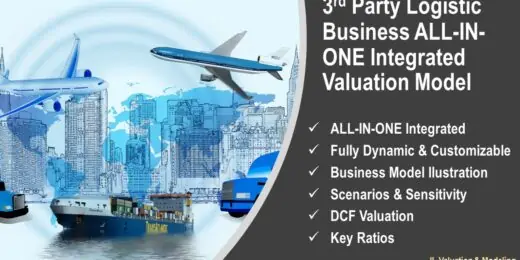

This model provides an ALL-IN-ONE Integrated 5-year valuation model for…
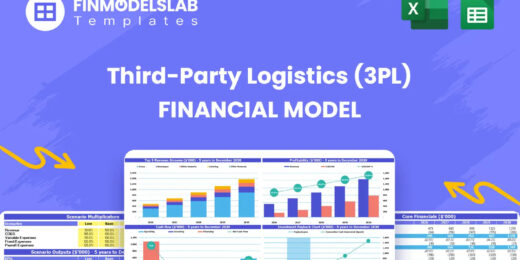
The Third-Party Logistics (3PL) Financial Model helps users turn a…


This model can be used to analyze the financial return…
This is a dynamic and advanced DCF valuation model of…


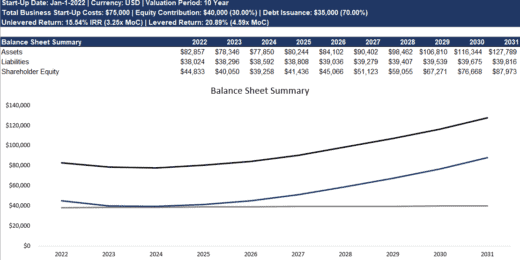
This model can be used to analyze the financial return…

Financial Model providing a dynamic up to 10-year financial forecast…

With this financial model, you can create a financial plan…
User-friendly 3 statement 5 year rolling financial projection Excel model…
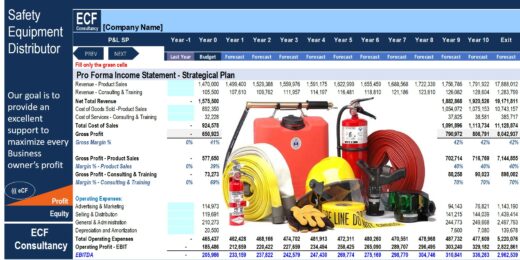

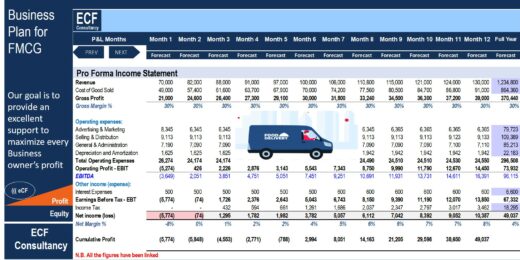

Advanced Financial Model presenting a 5 Year Business Plan for…
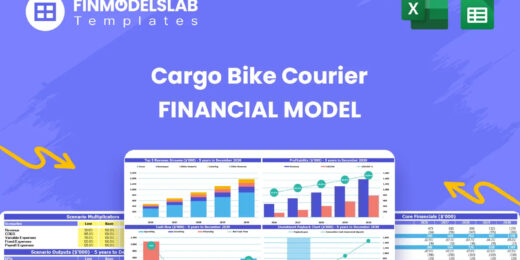
The Cargo Bike Courier Financial Model helps users turn a…
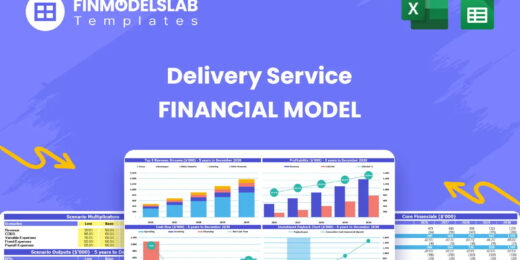
The Delivery Service Financial Model Financial Model Template helps founders,…
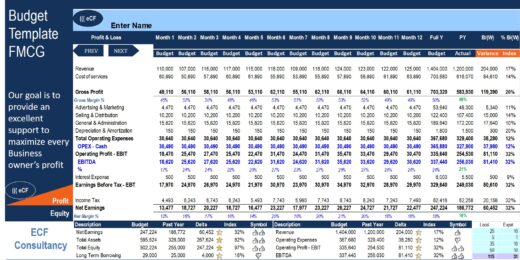
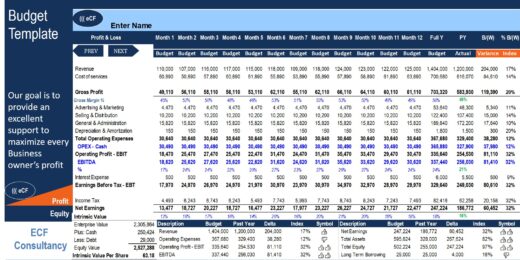
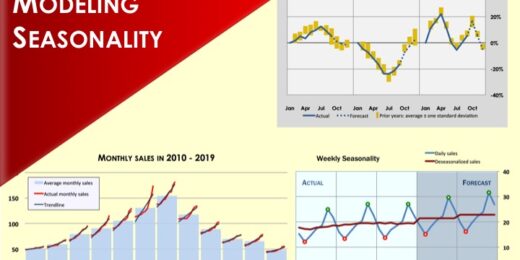

Many businesses are affected by seasonal demand changes. They cause…

3 statement 5 year rolling financial projection Excel model for…
The Packaging Design Agency Financial Model Financial Model Template helps…

The Clothing Store Financial Model helps turn a retail apparel…


What is a Distribution Business?

Imagine a world where the latest technology, the freshest groceries, or the hottest fashion trends are readily available to people everywhere, regardless of location. This accessibility is made possible by a distribution business, which bridges the gap between manufacturers and consumers. A prime example is Amazon Logistics, a titan in the distribution industry. Its unparalleled efficiency and vast network revolutionized the market, enabling same-day delivery to millions of customers worldwide.
Step inside the fast-moving world of distribution businesses and see why they power our modern economy. Our article unpacks what is a distribution business — and its role in the economy. We spotlight the top 10 giants redefining global trade and dive into the different types of distribution models, from direct links to reverse flows. You'll also get a clear view of the biggest hurdles these companies battle daily, from keeping inventory in check to taming transportation costs in a shifting world.
What Is a Distribution Business?
The story of what is a distribution business is a tale of logistics mastery, where every link in the supply chain is a testament to human ingenuity and enterprise. The distribution business began with simple trade routes connecting producers to buyers. Over time, merchants built systems to move goods faster and farther. The Industrial Revolution sparked major growth, as factories needed ways to ship products to growing markets. By the 20th century, warehouses, trucks, and logistics companies reshaped the industry. Today, tech-driven platforms like Amazon and Alibaba use data and automation to deliver faster than ever. What started as manual trade is now a global speed, scale, and precision engine.
So, what is a distribution business? It moves products from makers to buyers. It handles storage, packaging, and delivery. The goal is simple—move items fast and safely. Whether electronics or groceries, distribution fills the gap between creation and purchase. What is a distribution business connects manufacturers with retailers or customers. They work with manufacturers to get goods and then pass them on to stores or direct buyers. This setup saves time, reduces hassle, and ensures smooth transactions. Lastly, what is a distribution business means keeping the supply chain running. It manages inventory, coordinates transport, and avoids delays. Staying organized and responsive helps products move steadily from factory to shelf. They don’t usually make or sell products—they focus on getting the right items to the right place on time.

The Role of Distribution Companies in the Economy
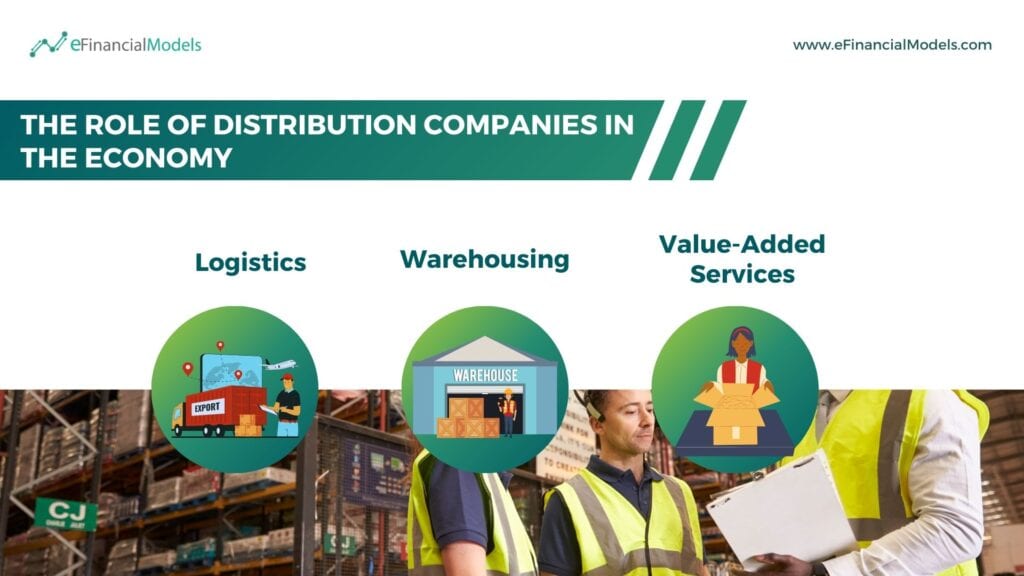
Distribution companies keep the economy moving by connecting manufacturers to consumers. They ensure products get to the right place at the right time, helping businesses grow and stocking shelves. Without them, goods would sit in warehouses, and companies would struggle to reach customers. By bridging this gap, distribution companies create jobs, drive trade, and boost economic industries.
- Logistics handles the flow of goods from one point to another. It covers planning, transportation, and delivery to ensure products move smoothly and quickly. Good logistics save time and cut costs, helping businesses serve customers better. By coordinating every step, logistics keeps supply chains strong and reliable.
- Warehousing gives businesses a safe space to store goods before they reach customers. It helps companies manage inventory, handle large orders, and ship products faster. A well-run warehouse reduces waste, protects products, and keeps operations flexible. Without warehousing, businesses would face delays and rising costs.
- Value-added services give extra benefits beyond basic storage and shipping. These include packaging, labeling, quality checks, and assembly. They help businesses deliver ready-to-use products faster and meet customer demands. By offering these services, distribution companies make operations more efficient and products more competitive.
Top 10 Largest Distribution Companies
Meet the giants moving the world. Different types of distribution companies power global trade. A&A’s 2023 list of the Top 50 Global Third-Party Logistics Providers highlights the biggest names driving that momentum. The top 10 largest distribution companies below lead in scale, reach, and reliability. From warehouses to final delivery, these firms handle goods with precision and speed across continents.
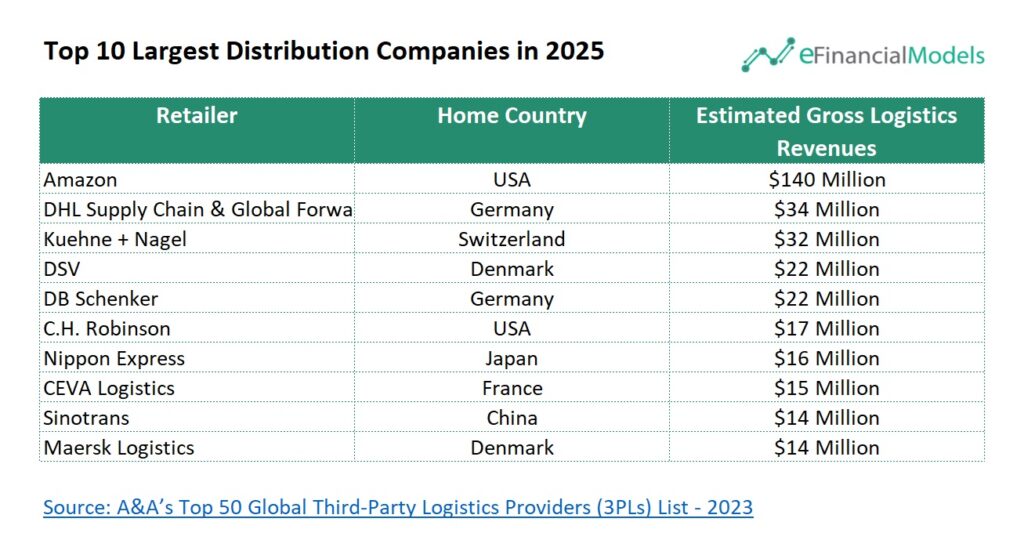
The top 10 largest distribution companies listed above clearly reflect regional dominance and strategic market leverage. Amazon leads with an outsized $140 million in logistics revenue, far outpacing its peers—a sign of vertically integrated operations and unmatched fulfillment capabilities. The rest of the list is tightly packed, with Germany, Denmark, and the USA anchoring multiple players, like DHL, DB Schenker, and C.H. Robinson. These firms operate globally but maintain strong local bases, showcasing how diversified networks and efficient asset use drive revenue.
The Different Types of Distribution Companies
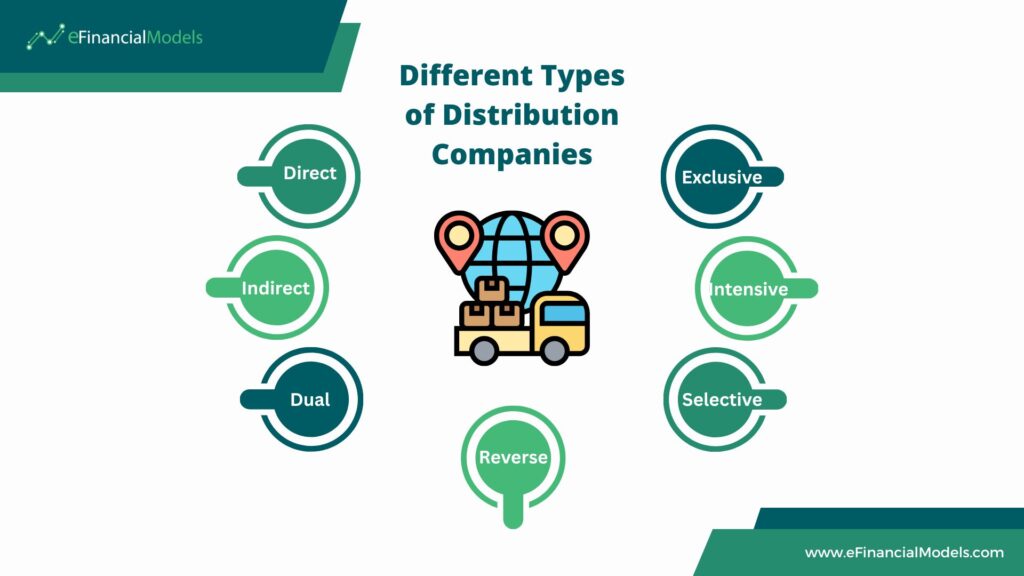
Different types of distribution companies are constantly innovating, embracing technologies like artificial intelligence and blockchain to streamline operations, reduce costs, and enhance customer satisfaction.The distribution industry encompasses various models tailored to different market needs and product types, each offering unique advantages and challenges. Understanding the different types of distribution companies can help businesses optimize their supply chain strategies and enhance market reach.
- Direct distribution companies manage the entire supply chain from the manufacturer to the end consumer without intermediaries. They typically handle their logistics, sales, and customer service, allowing them to maintain complete control over the customer experience and product quality. This model is often used by companies selling high-value or specialized products that require direct customer interaction or customizations, such as luxury goods, high-tech equipment, or personalized services. The most prominent example of a direct distribution company is Amazon.
- Indirect distribution companies use intermediaries like wholesalers, distributors, or retailers to get their products to the end consumer. This model allows manufacturers to leverage these intermediaries' established networks and expertise, reducing their own logistical and operational burdens. Indirect distribution is standard in industries where comprehensive market coverage and cost efficiencies are crucial, such as consumer packaged goods, electronics, and apparel. Walmart is an indirect distribution company because most of itsproducts come from retail supply chains.
- Dual distribution companies use direct and indirect distribution channels to reach their customers. This approach allows them to leverage the strengths of both models, providing direct interaction and control in some markets while benefiting from the broader reach and efficiencies of intermediaries in others. Dual distribution is standard in industries where different market segments like Nike, Samsung, and Sony have distinct purchasing behaviors.
- Exclusive distribution companies partner with a limited number of intermediaries to sell their products within a specific geographic area or market segment. This model ensures high control over brand representation and customer experience, often fostering more robust relationships with select retailers or distributors. Exclusive distribution is frequently used for high-end, luxury, or specialized products where maintaining brand prestige and service quality is essential. Examples are Rolex and Lamborghini.
- Intensive distribution companies aim to place their products in as many outlets as possible to maximize market penetration and consumer convenience. This approach is typically used for everyday consumer goods with high purchase frequency and low customer involvement, such as food, beverages, and household items. By ensuring widespread availability, intensive distribution helps drive high sales volumes and brand visibility. Examples are Coca-Cola and Pepsi.
- Selective distribution companies choose a few intermediaries to sell their products based on specific criteria such as market reach, service quality, or brand alignment. This strategy balances the benefits of exclusive and intensive distribution by ensuring adequate market coverage while maintaining control over how the product is marketed and sold. Selective distribution is often used for products requiring consumer education or support, such as electronics or high-end fashion. Canon distributes higher-end cameras and accessories through selected specialty retailers.
- Reverse distribution companies specialize in the logistics and processes involved in returning products from the consumer back to the manufacturer or a designated disposal or recycling facility. This model is crucial for managing returns, warranties, recycling, and disposal of products, ensuring sustainability and regulatory compliance. Reverse distribution is essential in electronics, pharmaceuticals, and automotive industries, where product returns and environmentally responsible disposal are significant concerns. HP and Zappos specialized in reverse distribution.
Top 5 Challenges Faced by Distribution Companies
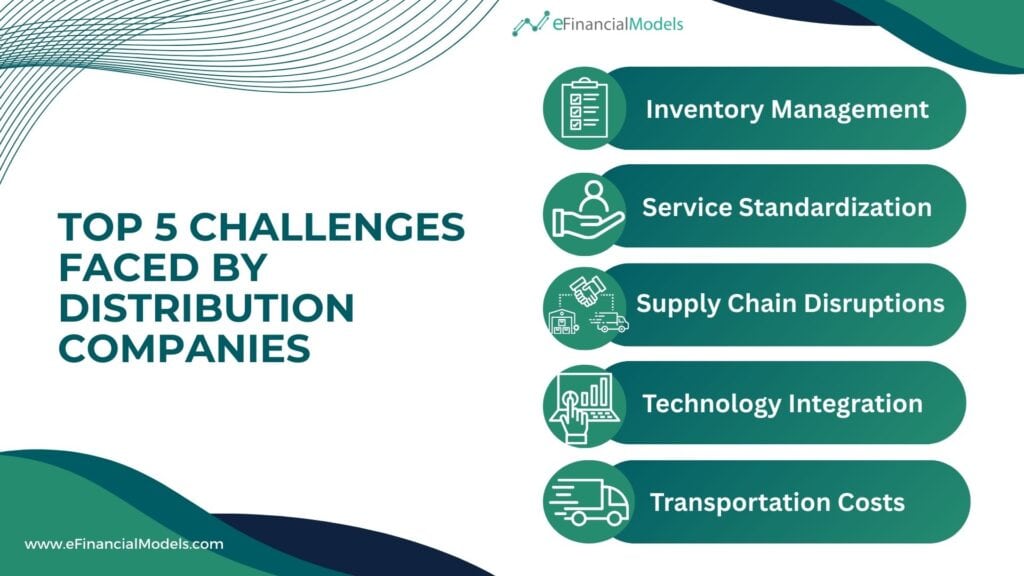
Distribution companies operate in a fast-paced, competitive world where even small mistakes can lead to big losses. Every day, they must juggle complex demands like managing inventory, delivering consistent service, staying ahead of supply chain disruptions, adopting new technologies, and controlling rising transportation costs. These challenges are tightly connected to the financial health of the business. Without clear financial planning and insight, companies risk draining their cash flow, missing growth opportunities, or losing customers. That’s why smart financial modeling is no longer optional — it’s essential for staying resilient and profitable.
Inventory Management
Distribution companies often struggle with balancing stock levels. Too much inventory ties up cash; too little leads to missed sales. Without clear insights, businesses risk major losses. This is why financial modeling is essential. It helps track patterns, forecast needs, and protect cash flow. With the right inventory management financial models, companies make smarter inventory decisions and boost profitability.
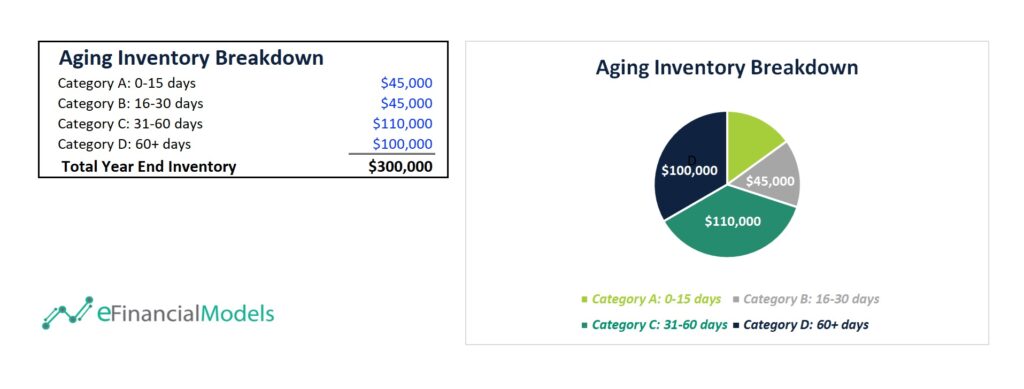
The aging inventory table clearly shows how much inventory falls into different aging categories, making it easier for distribution companies to spot slow-moving or old stock. By breaking inventory into 0–15, 16–30, 31–60, and 60+ day groups, managers can quickly identify where cash is tied up and take action—like discounting older items or adjusting orders—to keep inventory fresh. This focused view helps improve cash flow, reduce storage costs, and avoid obsolescence, supporting smarter, faster inventory decisions.
Service Standardization Customers expect the same level of service every time. However, different warehouses, suppliers, or teams can create big service gaps. Inconsistent handling, packaging, or delivery can quickly hurt a company’s brand. Standardizing service across all operations is critical to keeping customers happy and loyal. Strong processes backed by data make delivering consistency at every touchpoint easier. Financial modeling helps map out the costs of standardizing processes. It also shows the return on investing in training and systems that deliver consistent customer experiences.
Financial modeling helps distribution companies overcome service standardization challenges by creating clear, data-driven plans. It maps out costs, delivery times, and resource needs so companies can spot gaps and fix them fast. Companies learn how small changes affect service quality and customer satisfaction by simulating different scenarios. Models also set clear performance benchmarks, making it easier for teams to stick to consistent standards. With these insights, distribution companies can deliver reliable, high-quality service across all locations without guesswork.
Supply Chain Disruptions One broken link can stall the entire operation. Unexpected delays, shortages, and price hikes are constant threats. Unplanned events—like supplier issues or shipping hold-ups—happen often. Companies need flexible strategies and real-time visibility to stay ahead and recover quickly when problems hit. Without good forecasting, companies react too slowly and lose profits. Financial modeling helps prepare for these shocks by simulating different scenarios. It guides smarter decisions on sourcing, inventory levels, and risk management.
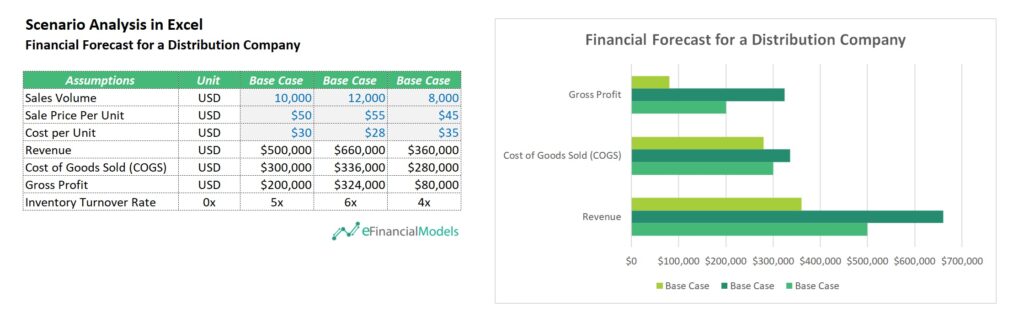
Distribution companies can use ther above scenario analysis to combat supply chain disruptions by adjusting strategies based on clear numbers. For example, if sales drop to 8,000 units and costs rise to $35 per unit, gross profit shrinks sharply to $80,000. But if they boost sales to 12,000 units at $55 each and cut costs to $28, gross profit rises strongly to $324,000. Revenue swings from $360,000 to $660,000 across the scenarios, showing the major impact of quick changes. Tracking key figures like inventory turnover (ranging from 4x to 6x) also helps companies stay efficient even when supply chains are unstable.
Technology Integration
Old systems slow businesses down. Poor integration creates errors, delays, and missed opportunities. New tech tools promise better tracking, faster orders, and smoother operations. They speed up workflows, improve tracking, and open the door to smarter business decisions. However, adopting technology can be expensive and risky. Financial modeling shows the real costs and benefits before a company invests. It helps leaders plan upgrades wisely and avoid overspending on the wrong tools.
Financial modeling helps distribution companies face technology integration by giving them a clear, data-driven plan. It shows how new systems impact costs, profits, and efficiency before making big investments. With smart forecasts, companies can test different tech options, spot risks early, and adjust their strategies fast. This way, they make better decisions, stay competitive, and grow without wasting resources.
Transportation Costs
Fuel prices, shipping fees, and regulatory charges rise constantly. They can quickly erode profits among distribution companies. Transportation costs can quickly eat into profits if left unchecked. Companies must optimize routes, choose the right carriers, and manage delivery schedules tightly. Small savings here can make a big impact on the bottom line. Financial modeling breaks down transportation expenses and forecasts their impact. It also identifies areas where savings and improvements can happen.
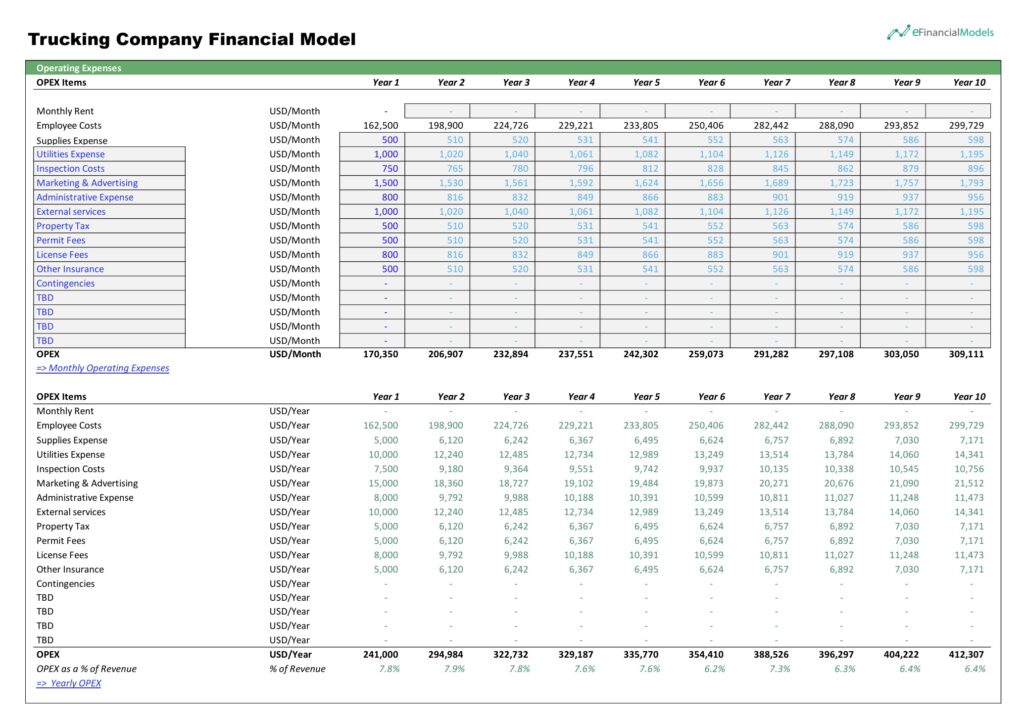
The OPEX table above is from our Trucking Company Financial Model. It helps distribution companies manage transportation costs by mapping every expense. It shows how fuel, repairs, insurance, and driver wages increase over time. By running different scenarios, companies can see the best ways to save money by upgrading trucks, adjusting routes, or outsourcing services. This sharp visibility helps them control spending, improve profits, and plan smarter growth.
Financial Modeling: The Strategic Advantage Every Distribution Company Needs
A distribution business moves products from makers to buyers quickly and safely. It manages storage, packaging, and delivery, keeping supply chains smooth and customers happy. These companies don't create products—they specialize in getting the right goods to the right place at the right time. From simple trade routes to today's tech-driven logistics, distribution businesses have evolved into essential engines of global commerce, making modern life possible.
Financial modeling gives distribution companies the power to stay strong, smart, and profitable. It turns complex decisions into clear strategies, helping leaders manage inventory, control costs, standardize service, and prepare for disruptions. With sharp financial insights, companies can plan better, react faster, and invest more wisely. In a fast-moving world, financial modeling isn't just helpful—it's the competitive edge every distribution business must have.
You might also like:
- 10 Tips to Develop a First Class Business Valuation Report
- 10 Main Elements of a Business Plan
- How to Raise Series A Funding?
- Achieve Financial Success By Knowing Your Business Plan Model
- Cash Flow Statement: Streamline Financial Success
- How to Optimize the Average Selling Price: Strategies for Higher Profits
- How to Calculate Net Present Value (NPV)?
- 5 Best Practices for Managing Days Receivables
- Top 5 Tips For a Good Financial Due Diligence
- Business Valuation
- Valuation Services
- Financial Planning
- Financial Forecasting Models by eFinancialModels
- How to Make Smart Decisions with 6 Key Financial Metrics?
- 10-Step Financial Planning Checklist for Smart Executives
- Improving Days Payable Outstanding for Better Cash Flow
- How to Secure Seed Financing?
- Financial Modeling for Startups and Small Businesses
- Financial Ratios Analysis and Its Importance
- A Step-By-Step Guide to Economic Profit Calculation
- Monthly Google Sheets Budget (with Financial Statements)