0 ITEMS

Acquisition Financial Model: Buy vs. Build in 5 Steps
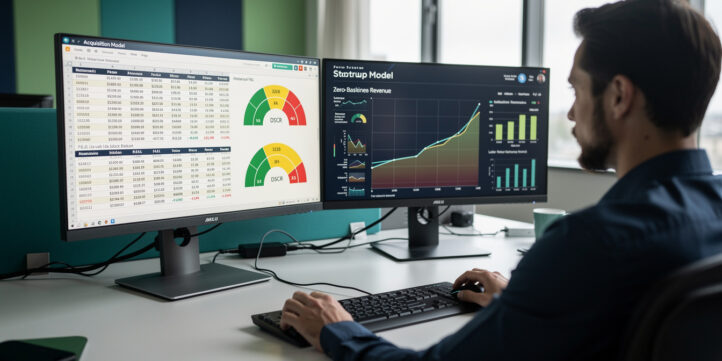
Buying an existing business cuts your time-to-revenue dramatically, but only if your financial model captures the right inputs from day one.
Key Takeaways
- Acquisition models require at least 5 distinct inputs that startup models skip entirely: historical EBITDA, purchase price allocation, goodwill amortization, debt service coverage ratio (DSCR), and earnout milestones.
- The SBA 7(a) loan program finances up to $5 million for business acquisitions, and lenders require a minimum DSCR of 1.25x before approving any deal according to the U.S. Small Business Administration.
- Earnout structures, where part of the purchase price is paid only if the acquired business hits future targets, appear in roughly 30% of small-to-mid-market deals and require a separate projection tab in your model.
- A well-built acquisition model runs 3 scenarios: base case, downside (revenue -20%), and upside (revenue +15%), so you can stress-test debt service before signing.
- Buyers who skip a standalone acquisition financial model and adapt a startup template instead routinely underestimate working capital needs by 15-25% because they ignore the seller’s existing receivables cycle.
- The independent retail pharmacy sector is one of the most SBA-active acquisition categories, with SBA 7(a) loans funding over 60% of independent pharmacy purchases according to the National Community Pharmacists Association.
- A purpose-built acquisition model saves 20-40 hours of analyst time compared to building from a blank spreadsheet.
What Is an Acquisition Financial Model?
An acquisition financial model is a structured spreadsheet that projects the financial performance of a target business after purchase, incorporating the deal structure, financing terms, and integration costs. Unlike a startup model, which builds revenue from zero, an acquisition model anchors every projection to the target’s historical financials.
The model answers three core buyer questions: Can I afford this deal? Will the business generate enough cash to service the debt? And what is my return on equity over a 5-to-10-year hold period?
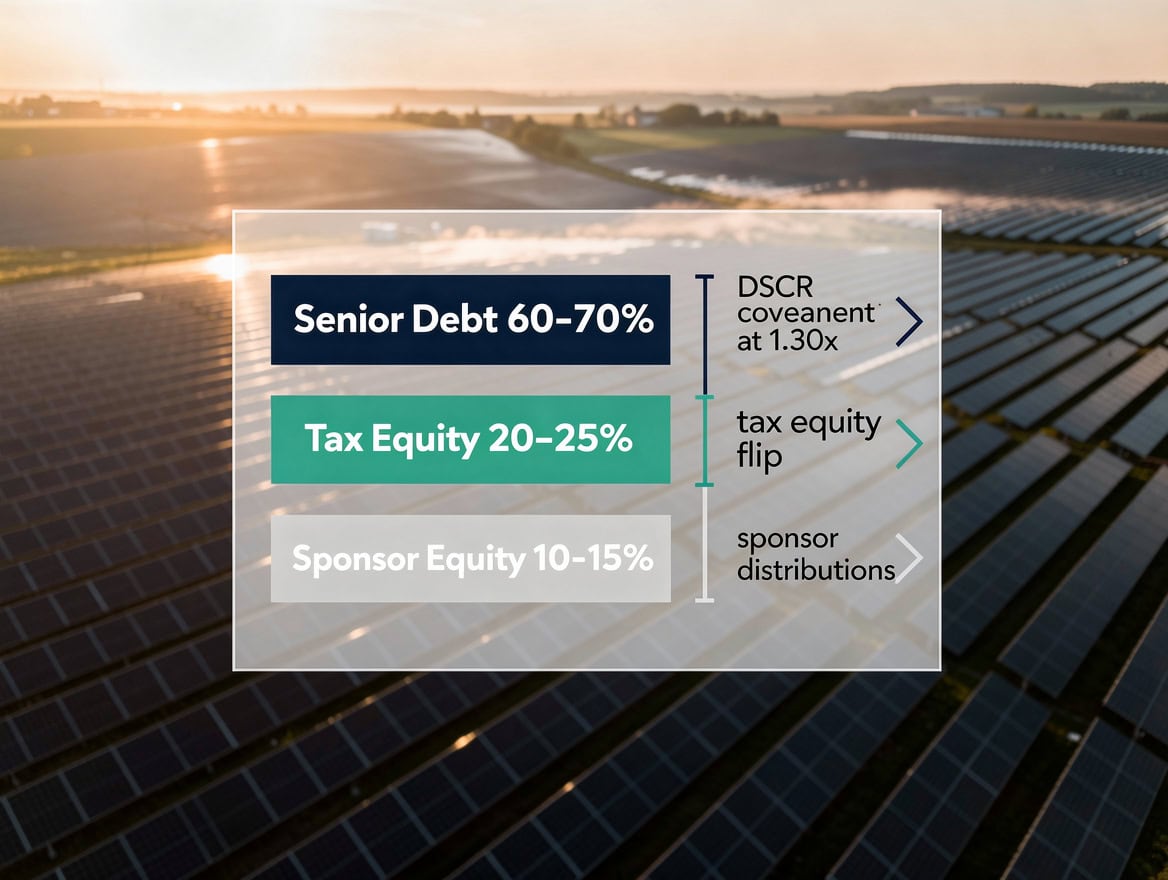
Every acquisition model must answer affordability, debt coverage, and return on equity — in that order.
Acquisition Model vs. Startup Model: Key Differences
The two model types share the same output structure (income statement, balance sheet, cash flow statement) but diverge sharply on inputs and logic. Choosing the wrong template is the single most common mistake first-time buyers make.
| Feature | Acquisition Model | Startup Model |
|---|---|---|
| Revenue baseline | Historical actuals | Zero / assumptions |
| Purchase price | Yes (goodwill, PPA) | N/A |
| Debt structure | SBA / seller note / senior | Equity / convertible |
| DSCR calculation | Required (min 1.25x) | Not applicable |
| Earnout tab | Often required | Rare |
| Working capital | Existing A/R, A/P cycle | Build from scratch |
| Key risk | Overpaying / integration | Customer acquisition |
| Typical hold period | 3-10 years | 5-7 years to exit |
The most critical structural difference is the debt service coverage ratio (DSCR). DSCR measures whether the business generates enough net operating income to cover its annual loan payments. A DSCR below 1.0x means the business cannot pay its own debt, and SBA lenders will not approve the loan.
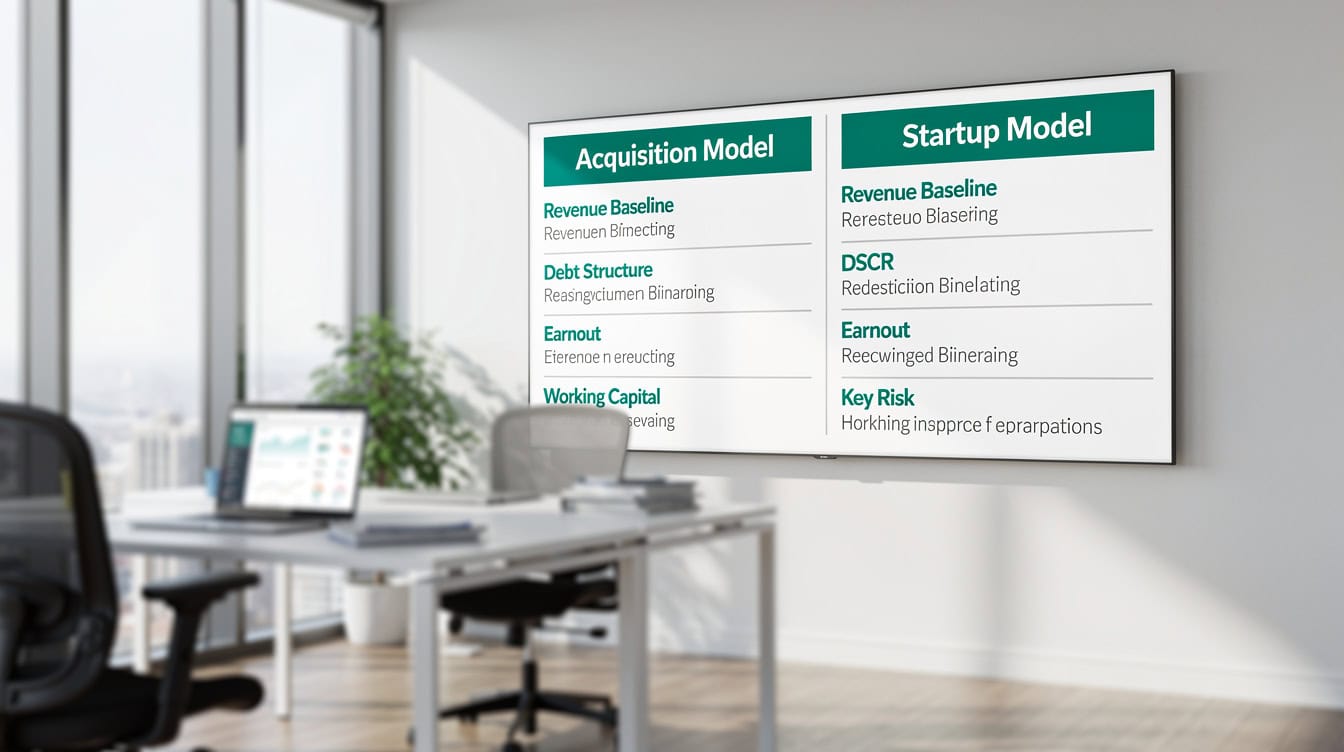
The DSCR requirement is the sharpest dividing line: SBA lenders require 1.25x minimum, a metric that simply does not exist in startup modeling.
Step-by-Step: Building an Acquisition Financial Model
You can build a complete acquisition model in five structured steps. Each step feeds the next, so sequence matters.
Step 1: Normalize the Seller’s Historical Financials
Start with 3 years of the seller’s profit and loss statements. Add back one-time expenses (legal fees, owner salary above market rate, personal vehicle costs) to arrive at Seller’s Discretionary Earnings (SDE) or EBITDA (Earnings Before Interest, Taxes, Depreciation, and Amortization). This normalized EBITDA becomes your baseline for projections and for valuation.
Step 2: Set the Purchase Price and Allocation
Most small business acquisitions price at 2.5x to 4.5x normalized EBITDA, though pharmacy acquisitions often trade at 0.3x to 0.6x annual revenue due to prescription file value. Purchase Price Allocation (PPA) splits the total price across tangible assets, customer lists, non-compete agreements, and goodwill. Goodwill is amortized over 15 years for tax purposes under U.S. tax code Section 197 (IRS), which creates a real annual tax shield your model must capture.
Step 3: Structure the Financing
A typical SBA 7(a) acquisition deal uses three layers of capital: an SBA loan covering 70-80% of the purchase price, a seller note covering 5-10%, and buyer equity covering 10-15%. The SBA requires the buyer to inject at least 10% equity for most acquisition loans according to the U.S. Small Business Administration. Model each tranche separately with its own interest rate, term, and amortization schedule.
Step 4: Build the DSCR Calculation
DSCR = Net Operating Income / Total Annual Debt Service. SBA lenders require a global DSCR of at least 1.25x, meaning the business must generate $1.25 in operating income for every $1.00 of debt payment. Model this monthly for the first 24 months, then annually. Flag any period where DSCR drops below 1.25x in red so you can adjust the deal structure before closing.
Step 5: Model the Earnout (If Applicable)
An earnout is a contractual clause where the seller receives additional payment only if the business hits agreed revenue or EBITDA targets after closing. Build a separate tab with the earnout trigger levels, payment amounts, and timing. Then link those payments back to the cash flow statement so your DSCR calculation reflects the worst-case scenario where all earnout payments are due simultaneously.
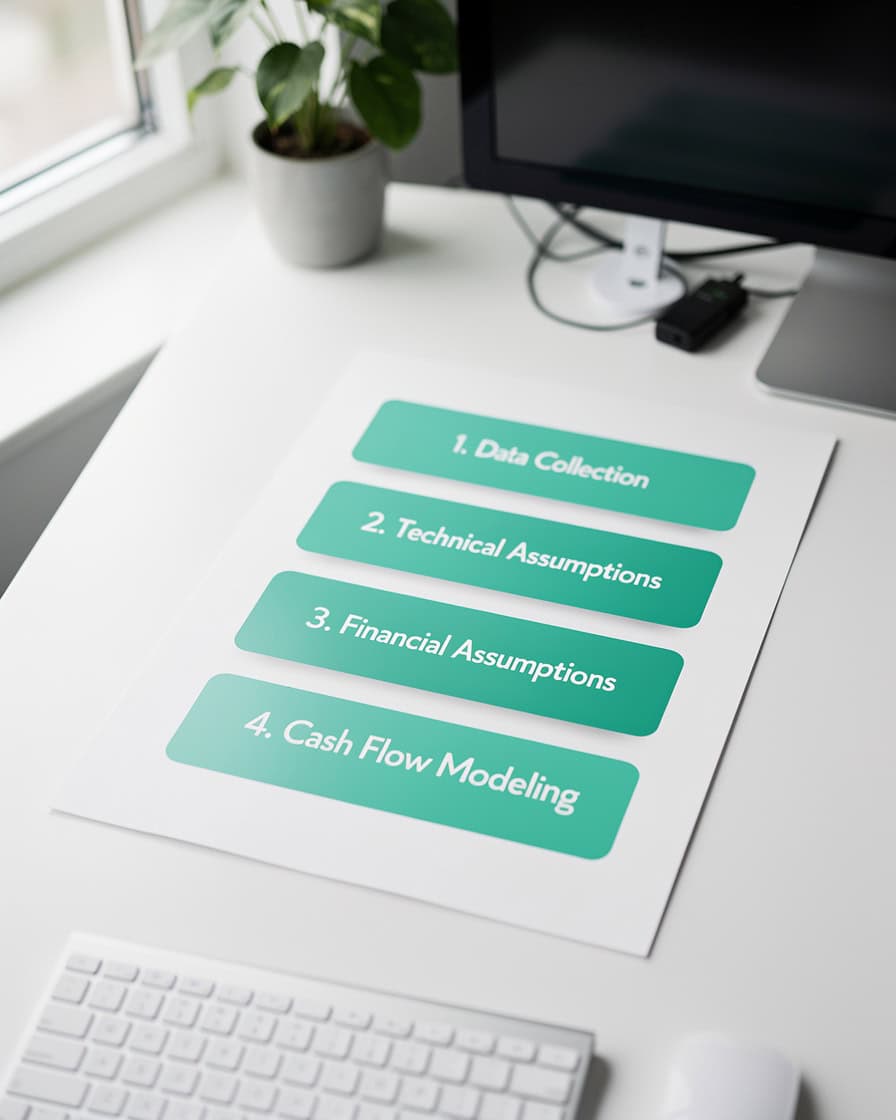
Each step feeds the next: normalized EBITDA drives valuation, valuation drives financing, financing drives DSCR, and DSCR determines whether the deal is bankable.
Worked Example: Pharmacy Acquisition DSCR Calculation
Here’s the math for a straightforward independent pharmacy acquisition:
- Purchase price: $1,200,000
- Normalized EBITDA: $320,000
- SBA 7(a) loan: $960,000 at 7.5% over 10 years
- Seller note: $120,000 at 5% over 5 years
- Buyer equity injection: $120,000 (10%)
Annual SBA debt service: approximately $115,200 (using standard amortization)
Annual seller note payment: approximately $27,240
Total annual debt service: $142,440
DSCR = $320,000 / $142,440 = 2.25x
This deal clears the 1.25x SBA threshold with significant headroom. If EBITDA dropped 30% to $224,000, DSCR would fall to 1.57x, still above the minimum. That stress test tells you the deal has a reasonable margin of safety.
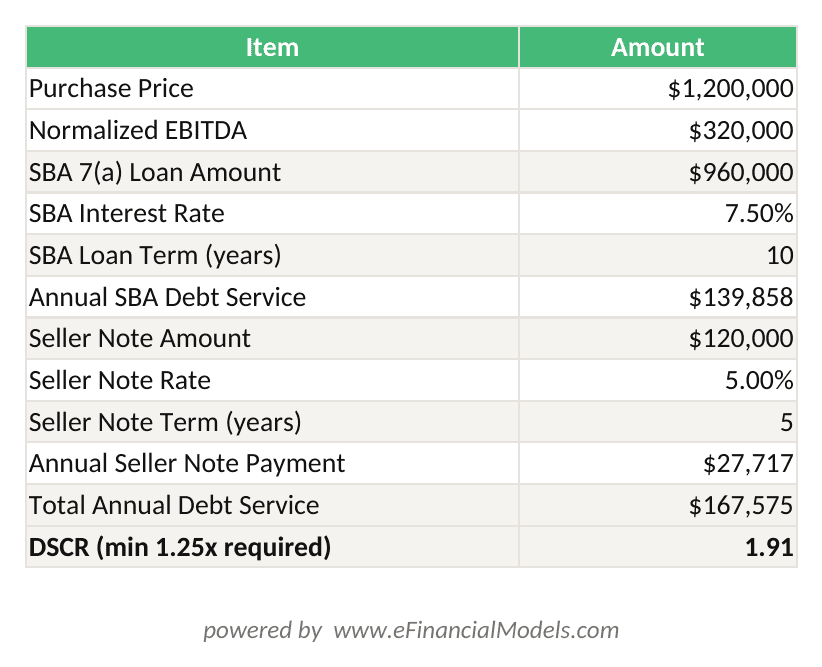
DSCR = Net Operating Income / Total Annual Debt Service. This $1.2M pharmacy acquisition achieves 2.25x, clearing the SBA 1.25x minimum with significant headroom.
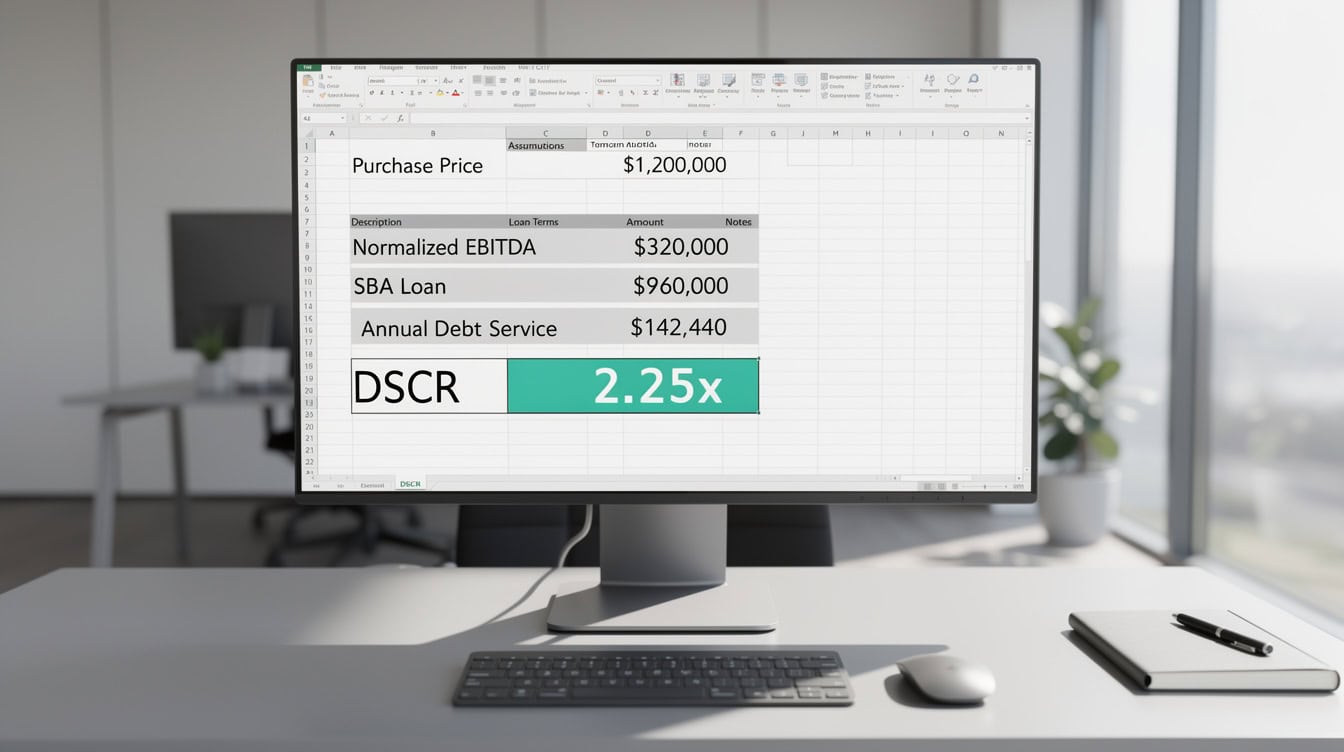
A 2.25x DSCR on this $1.2M pharmacy acquisition provides a 30% revenue cushion before breaching the SBA’s 1.25x minimum threshold.
SBA Underwriting: What Lenders Actually Check
SBA lenders run their own underwriting model in parallel with yours, and knowing what they check helps you structure a deal that gets approved. The SBA 7(a) program, the most common acquisition financing vehicle, approved 57,362 loans totaling $27.5 billion in fiscal year 2023 according to the U.S. Small Business Administration.
Lenders focus on four areas: global cash flow (your personal income plus business income minus all personal and business debt payments), collateral (business assets plus personal assets if the loan exceeds $500,000 (SBA)), management experience (industry-specific background matters), and the quality of the historical financials. Lenders discount any year where revenue was unusually high or low and often average 3 years of EBITDA rather than using the most recent year alone.
For pharmacy acquisitions specifically, lenders also review prescription file retention rates, third-party payer contracts, and DIR (Direct and Indirect Remuneration) fee exposure, which can reduce net reimbursement by 2-5% annually and must appear as a line item in your model.
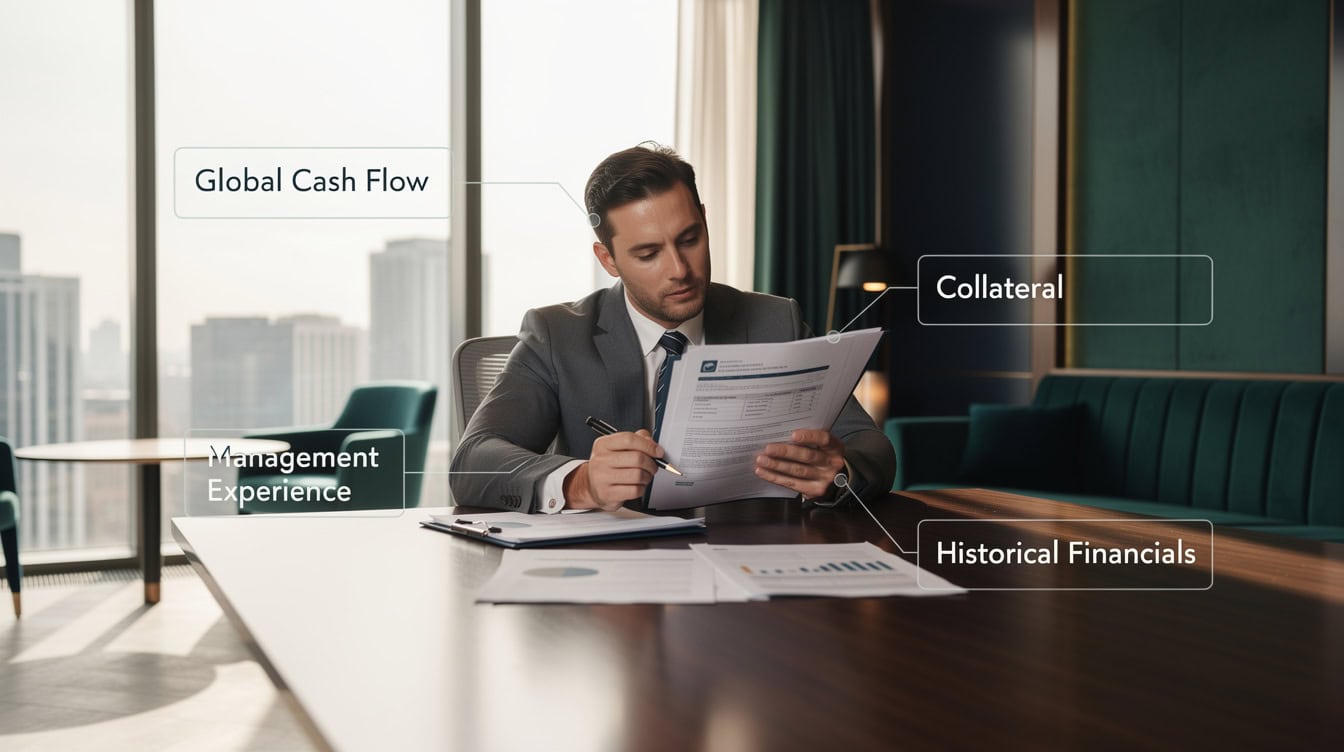
SBA lenders average 3 years of EBITDA rather than relying on the seller’s most recent year — your model should do the same.
Earnout Structures: Modeling Contingent Payments
Earnouts protect buyers when the seller’s projections look optimistic. They also help bridge valuation gaps when buyer and seller disagree on future performance. A well-modeled earnout has three components: the trigger metric (revenue, EBITDA, or prescription count), the payment formula (fixed dollar amount or percentage of excess), and the measurement period (typically 12-24 months post-close).
In your model, build two earnout scenarios: one where the business hits every target (maximum earnout paid) and one where it misses every target (zero earnout paid). Run your DSCR calculation under both scenarios. If DSCR stays above 1.25x even when the maximum earnout is paid, the deal structure is sound.
Model both earnout scenarios — maximum payment and zero payment — and verify DSCR stays above 1.25x in the worst case.
Common Mistakes in Acquisition Financial Models
Even experienced buyers make these five errors. Each one can turn a good deal into a cash flow crisis.
1. Using a startup template instead of an acquisition model. Startup models assume zero opening working capital. Acquired businesses have existing receivables, payables, and inventory that require a working capital adjustment at closing. Skipping this can cost you $50,000-$200,000 in unexpected cash needs in the first 90 days.
2. Ignoring the seller’s add-backs. Sellers often add back expenses that will recur under new ownership (like a family member’s salary you’ll need to replace). Scrutinize every add-back and only include those that genuinely won’t recur.
3. Modeling only one scenario. A single-scenario model gives you false confidence. Always run a downside case with revenue 15-20% below the seller’s trailing twelve months.
4. Forgetting integration costs. Rebranding, system migrations, staff retention bonuses, and professional fees can add 3-8% of purchase price in year-one costs. Build a dedicated integration cost tab.
5. Miscalculating the SBA guarantee fee. The SBA charges an upfront guarantee fee of 0.25% to 3.5% of the guaranteed portion of the loan depending on loan size (SBA). This fee is often financed into the loan but must appear in your model’s sources and uses table.

Skipping a working capital adjustment at closing is the most expensive mistake — it can create a $50,000-$200,000 cash shortfall in the first 90 days.
Tools and Templates for Acquisition Modeling
You have three practical options for building your acquisition model: build from scratch in Excel (20-40 hours for a competent analyst), adapt a general financial model template (10-20 hours), or use a purpose-built acquisition template (2-5 hours to customize).
For buyers evaluating an independent retail pharmacy, the Independent Retail Pharmacy Acquisition SBA Underwriting Financial Model includes pre-built SBA underwriting tabs, DSCR calculations, earnout modeling, and a purchase price allocation schedule. It’s designed specifically for the buyer workflow described in this article.
If you’re modeling a non-pharmacy acquisition, the 5-year financial projections and DCF model templates on EFM provide a strong foundation that you can extend with the acquisition-specific tabs described above.
For deals involving seller financing or complex debt structures, the financial debt models category includes amortization schedules and debt waterfall tools that plug directly into your acquisition model.

A purpose-built acquisition template reduces modeling time from 40 hours to under 5 hours while ensuring SBA underwriting tabs are correctly structured.
Frequently Asked Questions
Is there a template specifically for buying an existing business?
Yes. A purpose-built acquisition financial model differs from a startup template in several important ways. It includes a historical financial normalization tab (where you adjust the seller’s reported earnings for one-time items), a purchase price allocation schedule, a sources and uses table showing how the deal is funded, an SBA underwriting tab with DSCR calculation, and an earnout modeling section. The EFM Independent Retail Pharmacy Acquisition SBA Underwriting Financial Model covers all of these for pharmacy buyers. For other industries, start with a general acquisition template and add the SBA tab manually using the DSCR formula: Net Operating Income divided by Total Annual Debt Service, with a minimum threshold of 1.25x.
How do I calculate DSCR for an SBA acquisition loan?
DSCR stands for Debt Service Coverage Ratio, and it measures whether the business generates enough cash to pay its debts. The formula is: DSCR = Net Operating Income / Total Annual Debt Service. For example, if the business generates $300,000 in net operating income and your total annual loan payments (SBA loan plus seller note) are $180,000, your DSCR is 1.67x. SBA lenders require a minimum global DSCR of 1.25x, meaning you need at least $1.25 of income for every $1.00 of debt. Model this for each of the first 5 years because DSCR can drop in year 2-3 as revenue normalizes post-acquisition.
What is an earnout and how do I model it?
An earnout is a deferred payment to the seller that only triggers if the business hits agreed performance targets after closing. For example, a seller might receive an additional $150,000 if year-one revenue exceeds $2,000,000. In your model, build a dedicated earnout tab with three columns: the target metric, the payment amount, and the payment date. Then link the payment amounts to your cash flow statement as a financing outflow. Run two scenarios: one where all earnout targets are hit (maximum cash outflow) and one where none are hit (zero additional payment). Check that your DSCR stays above 1.25x in the maximum earnout scenario.
What multiple should I pay for a small business acquisition?
Valuation multiples vary significantly by industry, business size, and growth rate. Most main-street small businesses (under $1M in EBITDA) sell at 2.5x to 4.5x normalized EBITDA according to data from the International Business Brokers Association. Pharmacies are typically valued at 0.3x to 0.6x annual revenue because prescription files have a predictable recurring value. SaaS businesses can trade at 4x to 8x revenue. Your acquisition model should back-solve the implied multiple from your purchase price and then stress-test whether the deal still works at a 20% lower EBITDA than the seller claims. Never pay a multiple that requires the seller’s most optimistic projections to justify.
How much equity do I need to inject for an SBA acquisition loan?
The SBA requires a minimum equity injection of 10% of the total project cost for most business acquisition loans. On a $1,200,000 acquisition, that means at least $120,000 in buyer equity. However, lenders often require 15-20% equity for deals with limited collateral or where the buyer has no industry experience. Your model’s sources and uses table should show the equity injection as a separate line item, and your personal financial statement must demonstrate you have liquid assets to cover it. Some buyers use a seller note to partially satisfy the equity requirement, but SBA rules limit this and require the seller note to be on full standby for 24 months.
What is purchase price allocation and why does it matter for my model?
Purchase Price Allocation (PPA) is the process of assigning the total acquisition price across specific asset categories: tangible assets (equipment, inventory), identifiable intangible assets (customer lists, non-compete agreements, trade names), and goodwill (the residual amount). PPA matters for your model because different asset categories have different tax depreciation schedules. Goodwill and most intangibles amortize over 15 years under IRS Section 197, creating an annual tax deduction that reduces your effective tax rate. Equipment depreciates faster, sometimes in year one under Section 179 expensing. A correct PPA can improve your after-tax cash flow by $10,000-$40,000 per year on a typical small business acquisition.
Can I use a startup financial model for an acquisition?
Technically yes, but it will require significant modification and you’ll likely miss critical inputs. Startup models assume you’re building revenue from zero, so they lack historical normalization tabs, purchase price allocation schedules, DSCR calculations, and earnout structures. If you adapt a startup model, you’ll need to add at minimum: a 3-year historical P&L normalization tab, a sources and uses table, an amortization schedule for each debt tranche, a DSCR calculation (NOI / Total Debt Service, minimum 1.25x for SBA), and a working capital adjustment at closing. Most buyers find it faster and more reliable to start with a purpose-built acquisition template and customize it for their specific deal.

Sign the letter of intent only after your model shows DSCR above 1.25x in the downside scenario — not just the base case.
Build the Right Model Before You Sign
Acquisition modeling is not a formality. It’s the analytical foundation that tells you whether a deal creates or destroys value, whether your lender will approve the financing, and whether you can survive a 20% revenue miss in year one.
The five-step process in this article, normalizing historical earnings, allocating the purchase price, structuring the financing, calculating DSCR, and modeling earnouts, covers every major variable a buyer and their SBA lender will scrutinize. Run all three scenarios (base, downside, upside) before you submit a letter of intent.
I recommend starting with the Independent Retail Pharmacy Acquisition SBA Underwriting Financial Model if you’re evaluating a pharmacy deal, or browsing the full acquisition and financial model library to find the template closest to your target industry. Either path gets you to a lender-ready model in hours, not weeks.