0 ITEMS

Opening A Staffing Company Your Path To Success Starts Here

Building a successful staffing agency requires understanding industry dynamics and strategic planning for growth.
- Staffing industry revenue can reach hundreds of billions, with sectors like healthcare and IT experiencing strong growth.
- Choosing a niche, such as healthcare or technology, helps target your marketing efforts and build specialized expertise.
- A comprehensive business plan covers market analysis, operational strategies, and financial projections to guide growth.
- Legal compliance, including licensing and employment laws, is essential to avoid penalties and build trust.
- Effective recruitment combines traditional methods like networking with digital channels like social media to attract top talent.
Continuing with practical insights, this article highlights key considerations for launching and scaling a staffing company.
Key Topics Covered in This Guide
This guide will delve into the following key areas critical for setting up and running a successful staffing company:
- Identifying Your Niche
- Building a Comprehensive Business Plan
- Understanding Legal Considerations and Requirements
- Establishing a Robust Marketing Strategy
- Developing a Competitive Pricing Model
- Creating Client and Candidate Acquisition Strategies
- Leveraging Technology for Operational Efficiency
- Implementing Effective Financial Management Practices
Understanding and focusing on these elements will provide a solid foundation for your staffing agency, ensuring that you are well-equipped to meet the distinct needs of both clients and candidates. Each topic outlined above plays a crucial role in determining your operational effectiveness and market positioning. By addressing these core components thoughtfully and strategically, you will not only improve your chances of success but also foster sustainable growth in this dynamic industry.
Identifying Your Niche
One of the most crucial steps in launching your staffing agency is selecting your niche. This involves understanding the specific sectors you want to serve and the unique needs within those sectors. The following points can help guide your decision:
- Assess market demand in various sectors such as healthcare, technology, administrative services, etc.
- Evaluate your personal expertise and experience in specific fields.
- Analyze local competitors and their areas of specialization to identify gaps and opportunities.
- Consider trending industries such as renewable energy or eCommerce where there is increasing demand for staffing solutions.
By clearly defining and understanding your niche, you can tailor your services to meet the unique demands of your chosen market segment. This strategic focus will not only position your agency as a specialist provider but will also enhance your credibility among clients and candidates alike.
Building a Comprehensive Business Plan
A well-crafted business plan serves as your roadmap, outlining your business goals and the strategies to achieve them. A robust plan should include:
| Section | Description |
|---|---|
| Executive Summary | A brief overview of your business concept, vision, and mission statement. |
| Market Analysis | In-depth research on your target niche, including trends and potential challenges. |
| Marketing Plan | Detailed strategies for attracting clients and candidates. |
| Operations Plan | Identification of operational processes, team structure, and technology requirements. |
| Financial Projections | Revenue forecasts, funding requirements, and budgeting insights. |
This structured approach to your business plan allows for comprehensive planning, ensuring that you have thought through all necessary components that contribute to operational success. Furthermore, a detailed business plan is invaluable when seeking potential investors or partners, as it demonstrates your preparedness and commitment to your staffing agency’s goals.
Understanding Legal Considerations and Requirements
Establishing a staffing agency involves navigating a myriad of legal considerations. Critical aspects include:
- Acquiring necessary licenses and permits specific to your location.
- Understanding employment laws and regulations to ensure compliance.
- Setting up appropriate contracts and agreements with clients and candidates.
- Protecting sensitive data through robust privacy policies and security measures.
Addressing these legal requirements proactively not only mitigates risk but also builds trust with your clients and candidates. It is essential to stay updated on laws and regulations to ensure your staffing agency operates within legal boundaries and maintains its reputation in the market.
Conclusion
Embarking on the journey to open a staffing company is indeed an exciting venture filled with considerable potential for success. By focusing on identifying your niche, crafting a comprehensive business plan, and ensuring legal compliance, you position yourself favorably in the competitive staffing landscape. Keep in mind that the staffing industry thrives on relationships; thus, building a network of clients and candidates should be at the forefront of your strategy. With determination, insight, and a well-devised plan, you are well on your way to realizing your vision of a successful staffing agency.
Identifying Your Niche Market
Before diving into the logistics of opening a staffing company, identifying your niche market is critical. Specializing in specific industries such as Information Technology, healthcare, or finance enhances your credibility. It also allows your staffing agency to tailor services based on the precise needs of targeted clients. By thoroughly researching industry trends and understanding the challenges employers face, you can effectively position your staffing agency and enhance the services you offer.
Market Research Basics
Effective market research is a cornerstone of identifying your niche. Below is a brief overview of how to conduct effective market research:
- Analyze competitors within your chosen niche to evaluate their services, strengths, and weaknesses.
- Understand the skill sets and qualifications that are currently in demand within that niche.
- Identify potential client companies and assess how your services can meet their needs.
By focusing on these three areas, you can gain valuable insights that will shape your staffing agency’s strategy and offering.
Conducting Effective Market Research
Market research can be extensive, but certain key actions can ensure its effectiveness. Here are several strategies to consider:
- Surveys: Utilize online platforms to gather feedback from potential clients and candidates regarding their needs and preferences.
- Industry Reports: Consult industry reports for current data on trends, salary expectations, and growth areas.
- Networking: Attend industry events and conferences to engage with other professionals and gain insights into the latest challenges and opportunities in your niche.
These strategies not only help in data collection but also create opportunities for forging relationships that can be beneficial for your agency’s growth.
Key Market Data
Utilizing industry reports can provide critical insights into market trends. Below is a summary of key growth statistics within select staffing sectors, sourced from industry analysts:
| Industry | Growth Rate (2021-2026) | Market Size (2021) |
|---|---|---|
| Information Technology | 11% | $500 billion |
| Healthcare | 7% | $380 billion |
| Finance | 6% | $320 billion |
This data highlights substantial growth in industries like Information Technology, healthcare, and finance, indicating promising areas for new staffing services. By focusing on these sectors, you not only cater to existing demands but also position your staffing agency for future growth and sustainability in a competitive landscape.
Tools and Resources for Niche Identification
Several tools and resources can facilitate the identification of a niche market effectively:
- Google Trends: Monitor the latest trends and search behaviors related to your chosen niche.
- LinkedIn: Leverage LinkedIn to see job postings and company needs within specific sectors.
- Statista: Use data from Statista for reliable statistics and reported trends in various industries.
These tools can provide estimable insights that not only assist in identifying a suitable niche but also help validate your business idea against current market demands.
In conclusion, identifying your niche market is a strategic step in establishing a successful staffing agency. By investing time and resources in market research, understanding industry trends, and utilizing useful tools, you can ensure that your services not only meet the needs of your clients but also position you strongly against competitors. This foundational work sets the stage for a thriving business that caters to the evolving requirements of your chosen industry.
Building Your Business Plan
After successfully identifying your niche within the staffing industry, the next pivotal step is to craft a comprehensive business plan. This document is not merely a formality; it serves as a crucial guide for your staffing agency’s journey, helping you articulate your vision, mission, and long-term objectives while outlining your financial projections. A robust business plan will provide clarity in decision-making processes, particularly in areas such as marketing, operations, and sales strategies. In this section, we will dissect the fundamental components that constitute an effective business plan, including actionable insights on how to approach each section.
Key Components of a Business Plan
Understanding the essential components of a business plan is crucial for creating a document that not only reflects your business intents but also serves as a strategic tool. Below is a table that offers a brief description of each key component along with actionable tips for writing them effectively.
| Component | Description |
|---|---|
| Executive Summary | A concise overview of the business concept that summarizes the key points of the entire plan. |
| Market Analysis | An in-depth examination of industry trends, target demographics, and competitive landscape. |
| Marketing and Sales Strategy | A detailed plan of action for attracting and retaining clients, complemented by specific marketing initiatives. |
| Financial Projections | A comprehensive look at expected revenue, expenses, and profitability over a certain period, usually with benchmarks for the industry. |
These components are indispensable for a successful business plan. The executive summary is your chance to make a compelling first impression. It should be engaging and clearly articulate your business’s potential. For the market analysis, conducting thorough research is vital; consider using industry reports or studies to support your findings. In the marketing and sales strategy section, detail how you plan to capture market share and maintain customer loyalty, which could include tactics like social media marketing or partnerships. Lastly, never underestimate the significance of the financial projections. This is where you showcase your business acumen; precise financial forecasts, ideally depicting realistic growth paths, can bolster your credibility with investors. Sources such as SCORE can provide valuable benchmarks for industry standards to help you craft realistic expectations.
Actionable Tips on Writing Each Section
As you move forward, here are some actionable tips to keep in mind when writing each section of your business plan:
- Executive Summary: Start with a strong hook that illustrates the unique aspects of your staffing business. Keep it concise, ideally no longer than one page, and mention key figures and facts that stand out.
- Market Analysis: Use data-driven insights. Provide statistics on market size, growth rates, and trends. Competitor analysis is also crucial—identify who your competitors are and their strengths and weaknesses.
- Marketing and Sales Strategy: Specify your unique selling proposition (USP) and outline your marketing channels. Include digital strategies that leverage social media and online advertising.
- Financial Projections: Use realistic figures that reflect thorough research. Provide a five to ten-year projection, showcasing how you plan to scale operations and profitability. Compare these figures with industry benchmarks for added credibility.
In summary, each component of your business plan serves a purpose that together creates a comprehensive roadmap for your staffing agency. By incorporating detailed insights, thorough research, and industry benchmarks, you can develop a plan that not only serves internal purposes but also attracts potential investors. An effective business plan is a living document that should evolve as your business grows and the industry changes. It is essential to revisit and update your plan regularly to reflect your business’s progress and adapt to new challenges and opportunities.
Legal Considerations and Licenses
Establishing a staffing company demands a solid legal foundation to ensure both compliance and ethical operations. Understanding and adhering to labor laws is not just necessary; it is critical for the longevity and success of your agency. Non-compliance can lead to costly penalties, damage your reputation, and hinder business growth. For instance, in 2016, a staffing agency in California faced severe fines exceeding $500,000 due to labor law violations related to worker misclassification. Such instances highlight the importance of conducting thorough research on local licensing requirements, which can vary significantly by state or country.
Importance of Legal Compliance
Legal compliance is not merely an administrative task; it establishes your agency’s credibility and fosters trust among clients and employees. Here are some potential implications of failing to adhere to legal standards:
- Financial penalties: Non-compliance may result in substantial fines that can financially cripple a startup.
- Operational disruptions: Legal disputes can divert attention and resources, hampering day-to-day operations.
- Reputation damage: Negative publicity can deter potential clients and reduce business opportunities.
- Loss of contracts: Many companies require proof of compliance before entering into staffing agreements.
Clearly, the risks associated with non-compliance far outweigh the costs involved in establishing a legal framework that ensures adherence to regulations. Choosing to prioritize legal considerations in the initial stages of setting up your staffing agency is not merely strategic; it is essential for sustainable growth.
Steps to Ensure Compliance
Here are structured steps for ensuring your staffing agency operates within the legal boundaries:
- Choose a suitable business structure (Limited Liability Company, Corporation, etc.) according to the specific needs of your agency.
- Obtain any necessary licenses and registrations required in your state or locality.
- Set up appropriate insurance coverage to protect your agency against potential liabilities.
Each of these steps carries its own nuances, which makes it vital to consult with legal professionals or governmental agencies. For instance, an LLC may offer limited liability protection for personal assets, while a Corporation better suits companies planning to issue stocks.
Licensing Requirements By State
The necessary licenses for staffing agencies can vary significantly by state. The following table summarizes typical license types and their associated regulatory frameworks:
| State | Required License |
|---|---|
| California | Staffing Agency License |
| Texas | No state-specific license but must register as a business |
| Florida | Employers must register with the Department of Revenue |
| New York | Staffing Agency License |
Understanding the specific licensing requirements in your state is crucial. Failure to secure the necessary licenses can result in restrictions on your business operations and possible legal action. Additionally, consider maintaining ongoing communication with local regulatory agencies to stay updated on any changes to licensing laws.
Legal considerations and compliance with licensing requirements are foundational to establishing a successful staffing agency. By understanding the complexities and ensuring adherence to regulations, you not only safeguard your business but also enhance its reputation and growth potential. Prioritize these legal aspects from the outset, and you will set a firm path towards ethical and successful operations in the staffing industry.
Establishing Your Brand
Branding plays a crucial role in the establishment and growth of any staffing company. Your brand is a reflection of your agency’s values, mission, and the trust you cultivate with clients. A well-defined brand enhances recognition and fosters a positive first impression, which is essential in a competitive market. Key elements to focus on when building your brand identity include creating a professional website, establishing a presence on social media platforms, and designing impactful marketing materials.
Why Branding Matters
The impact of your branding can significantly influence how potential clients perceive your staffing agency. In the staffing industry, where trust and reliability are paramount, a solid brand identity can set you apart from the competition. Not only does your brand create first impressions, but it also shapes ongoing relationships with clients and candidates. Branding encompasses various elements, such as logo design, color scheme, and messaging. Below are examples of successful staffing brands and an analysis of what makes them effective:
Successful Staffing Brands
Several staffing companies have established themselves through effective branding strategies. Some of these exemplary brands include:
- Robert Half: Known for its focus on professional staffing in finance and accounting, their branding emphasizes expertise and reliability. The clean aesthetic of their website aligns perfectly with their professional image.
- Adecco: With a vast global presence, Adecco’s strong branding revolves around human connections and flexibility, which resonates with both clients and job seekers.
- Randstad: Randstad’s branding emphasizes innovation and technology, showcasing how they leverage data to find the best talent for their clients.
Branding Tips
Creating a memorable and impactful brand requires strategic planning. Incorporating these tips can enhance your branding efforts:
- Choose a memorable name that encapsulates your mission and values.
- Design a professional logo that is consistent across all branding materials.
- Develop a compelling value proposition that highlights what sets you apart from competitors.
Comparative Analysis of Branding Success
To illustrate the effectiveness of various branding elements, the table below compares successful and unsuccessful branding strategies in the staffing industry:
| Branding Element | Successful Examples | Unsuccessful Examples |
|---|---|---|
| Professional Website | Utilizes clean design, easy navigation, and clear messaging | Cluttered design, slow load times, and lack of mobile optimization |
| Social Media Engagement | Maintains active, engaging profiles with regular updates | Infrequent posts or poor engagement with the audience |
| Brand Consistency | Consistent messaging and visuals across all platforms | Inconsistent branding leads to confusion and mistrust |
As highlighted in the table, successful branding elements such as a professional website, active social media engagement, and brand consistency are fundamental in building a solid brand identity. On the contrary, neglecting these elements can lead to confusion and a lack of trust among potential clients. It is essential to regularly evaluate and refine your branding strategies to ensure they remain effective and aligned with your business goals.
In conclusion, establishing a recognizable brand in the staffing industry is essential for attracting and retaining clients. By focusing on consistent branding elements and clear messaging, your agency can cultivate trust and recognition in a competitive market. Continuous improvement in your branding strategies will not only enhance client relationships but also promote sustainability and growth in your business.
Effective Recruitment Strategies
Recruitment strategies are fundamental to the success of any staffing agency. To thrive in this highly competitive landscape, agencies must adopt a multifaceted approach that combines traditional and modern techniques tailored to attract and engage qualified candidates. By strategically utilizing various platforms and methods, staffing agencies can build a solid talent pool that meets the diverse needs of their clients.
Traditional Recruitment Techniques
While modern methods are gaining popularity, traditional recruitment approaches still hold significant value in certain contexts. These strategies focus on in-person interactions and established channels that can foster trust and relationship-building.
- Networking: Building a strong network through industry events and local business communities helps staffing agencies to connect with potential candidates personally.
- Job Boards: Posting on niche job boards relevant to specific industries can effectively target candidates with the desired skill sets.
- Referral Programs: Encouraging current employees to refer candidates can lead to high-quality applications, as existing staff can advocate for both the company and the potential hires.
Traditional techniques, such as networking and referrals, provide a human element to recruitment and often result in building long-lasting relationships. The trust and rapport developed through these interactions enhance the quality of recruitment and increase the likelihood of finding candidates who are a perfect fit for the organization.
Modern Recruitment Techniques
Modern recruitment methods leverage technology and social media to reach potential candidates quickly and efficiently. Employing these techniques can significantly broaden the talent pool and attract candidates that fit the company’s culture and objectives.
- Social Media Engagement: Platforms like LinkedIn, Facebook, and Twitter allow agencies to share job postings and engage with candidates, showcasing the organization’s culture.
- Targeted Advertising: Utilizing advertisements on social networks and job platforms can help target specific demographics, ensuring that the right candidates see the postings.
- Recruitment Software: Tools that streamline the recruitment process can automate various tasks, making it easier to manage candidates and track applications.
- Virtual Recruitment Events: Hosting webinars or virtual job fairs can attract candidates nationwide, offering flexibility for both candidates and recruiters.
By integrating modern recruitment methods, staffing agencies can significantly enhance their outreach and efficiency. This tech-enabled approach not only streamlines the recruitment process but also ensures that the organization is visible in the evolving job market landscape.
Finding the Right Candidates
Regardless of the method used, the goal remains the same: to identify and attract the right candidates. Focusing on the qualities that matter most for the role and the company’s culture can streamline this process. Below are critical attributes and strategies staffing agencies should consider in their search for top talent.
Key Candidate Qualities
| Quality | Description |
|---|---|
| Experience | The depth of candidates’ relevant professional history and skills that suit the job description. |
| Cultural Fit | A candidate’s alignment with the organization’s values and work environment, which is essential for long-term success. |
| Soft Skills | Interpersonal abilities such as communication, teamwork, and problem-solving that are crucial for effective collaboration. |
| Adaptability | The willingness and capability of candidates to adjust to new technologies, processes, and organizational changes. |
Identifying these qualities ensures that staffing agencies are not merely filling positions but are instead contributing to developing a capable and cohesive workforce. Taking the time to assess these attributes will save time and resources in the long run and lead to more successful placements.
Creating an Appealing Corporate Culture
To attract and retain the best talent, it is essential for staffing agencies to cultivate an appealing corporate culture. This fosters not only candidate interest but also ensures higher employee satisfaction and retention rates. Here are some strategies for creating an attractive corporate environment:
- Transparent Communication: Foster an open dialogue within the organization, encouraging feedback and discussions at all levels.
- Work-Life Balance: Offer flexible working arrangements and emphasize the importance of maintaining a healthy work-life balance.
- Continuous Learning Opportunities: Provide training, mentorship, and development programs to help employees grow within the organization.
- Recognition and Reward Systems: Acknowledge achievements and contributions to motivate employees to excel in their roles.
By emphasizing these aspects, staffing agencies can significantly enhance their appeal to candidates and retain top talent. A robust corporate culture not only improves employee satisfaction but also reflects positively on the agency’s reputation in the market, ultimately resulting in higher quality placements.
In conclusion, a comprehensive recruitment strategy that combines traditional and modern methods, while emphasizing candidate qualities and a positive corporate culture, is essential for staffing agencies. Continuously evaluating and adapting these approaches will ensure long-term success in attracting and retaining top talent in today’s competitive job market.
Financial Management and Funding Options
Opening a staffing company is not just an entrepreneurial journey; it is a commitment that requires you to build a robust financial foundation. A well-structured financial model is essential to managing expenses effectively while also forecasting revenue accurately. By laying out your financial strategy, you can ensure you are on track and prepared for the unpredictable nature of business. Different funding options are available to support your staffing agency’s vision, ranging from personal savings to various types of loans and investments. Understanding these options is critical to establishing a successful financial base.
Budgeting
Budgeting forms the foundation of financial management for your staffing agency. It enables you to plan and allocate resources efficiently, allowing you to control costs and maximize profits. The fundamental aspects of budgeting include:
- Identifying operational costs, including rent, utilities, and salaries.
- Setting reasonable financial targets for revenue based on past experiences and market research.
- Monitoring variances between planned and actual costs to adjust strategies accordingly.
By implementing a granular budgeting process, you can gain real-time insights into your financial health, which will help you make informed decisions and adjust your operations as needed.
Funding Options
When it comes to financing your staffing agency, various funding options are available, each with its own advantages and disadvantages. It is crucial to evaluate these options thoroughly to ensure they align with your business strategy and financial goals. Below is a comparative table of common funding options:
| Funding Option | Pros | Cons |
|---|---|---|
| Personal Savings |
|
|
| Bank Loans |
|
|
| Investors |
|
|
Evaluating your funding options in light of the unique needs of your staffing agency will provide you a clearer picture of how to secure the capital required to grow. Each funding option brings its own strengths and challenges, making it vital to choose wisely based on your long-term vision.
Financial Monitoring and Cash Flow Management
Monitoring your financial performance consistently is crucial for ensuring the sustainability of your staffing agency. This process encompasses a range of financial metrics, with cash flow analysis being paramount. Proper cash flow management helps in maintaining operations smoothly and avoiding potential cash shortages. Here are some key components of effective financial monitoring:
- Regularly updating financial statements to reflect accurate cash position.
- Using cash flow projections to forecast future cash flow needs.
- Implementing a rolling forecast to adapt to changes in the business environment.
A vigilant approach to financial monitoring can significantly enhance your agency’s resilience, allowing you to anticipate challenges and pivot quickly when required. Solid cash flow management is not just about tracking your inflows and outflows; it also involves careful planning and strategic forecasting to prepare for any financial uncertainties that may arise.
Marketing Your Staffing Company
Once your staffing agency is fully operational, the importance of proactive marketing cannot be overstated. A well-structured marketing plan is vital to effectively reach both potential clients and candidates. In the ever-evolving landscape of recruitment, investing in a multi-faceted marketing approach can significantly enhance visibility and attract business. By leveraging both digital strategies and traditional methods, you can establish your agency’s presence and credibility in the market.
Effective Marketing Channels
Below are some effective marketing channels that can be utilized to promote your staffing agency. Each channel has its unique strengths and can help you engage with diverse audiences. By applying the right strategies for each channel, you can create strong connections that fuel business growth.
1. Search Engine Optimization (SEO)
Optimizing your website for search engines is crucial for attracting organic traffic. By improving your website’s search rankings, you increase your agency’s visibility to potential clients and job seekers. Here are some strategies to consider:
- Conduct keyword research to identify relevant terms and phrases that your target audience is searching for.
- Create high-quality, informative content that addresses the questions and needs of both clients and candidates.
- Optimize on-page elements like title tags, meta descriptions, and headers to align with your chosen keywords.
- Build backlinks through guest blogging or partnerships with industry websites to enhance your website’s authority.
By focusing on these SEO strategies, you can enhance your online presence and make it easier for businesses and candidates to find your staffing services. As you invest in SEO, consider tracking your website’s performance using tools like Google Analytics to make data-informed decisions and adjustments.
2. Content Marketing
Content marketing is an essential channel for establishing your agency’s expertise and engaging with your audience. Producing valuable content not only showcases your knowledge but also helps in nurturing relationships. Here are some effective content marketing strategies:
- Develop a blog with articles that provide insights on industry trends, recruitment challenges, and candidate tips.
- Offer downloadable resources like whitepapers or eBooks that address prevalent issues in your industry.
- Utilize videos or webinars to share your expertise, and engage your audience interactively.
- Leverage case studies that highlight successful placements or partnerships to illustrate the value you bring.
By implementing content marketing strategies, you can build trust and authority in your niche, encouraging clients to turn to you for their staffing needs. This approach not only enhances your agency’s reputation but also allows for consistent engagement with potential clients and candidates, keeping your brand top of mind.
3. Email Campaigns
Email marketing is a powerful tool for keeping your audience informed and engaged. It allows you to maintain direct communication with clients and candidates. Here are some tips for effective email campaigns:
- Create value-driven newsletters that feature industry news, recruitment tips, and company updates.
- Segment your email lists to send targeted messages that cater to specific audience needs.
- Utilize automation tools to nurture leads and send personalized follow-ups.
- Include a clear call-to-action in your emails, encouraging recipients to explore your services further.
Effective email campaigns can significantly enhance your outreach efforts, fostering long-lasting relationships with both clients and candidates. Tracking key metrics such as open rates and click-through rates will help you refine your approaches and improve the effectiveness of your email communications over time.
Comparison of Online vs. Offline Marketing Efforts
When developing your marketing strategy, it is important to consider the effectiveness of both online and offline channels. The following table compares the two approaches according to various criteria, helping you determine the best mix for your staffing agency.
| Criteria | Online Marketing | Offline Marketing |
|---|---|---|
| Cost Efficiency | Generally lower costs, especially for digital ads and email marketing | Can be higher due to print materials and event participation |
| Reach | Global audience with targeted campaigns | Limited to local or regional scope |
| Analytics and Tracking | Real-time insights; detailed metrics available | More difficult to measure effectiveness |
| Engagement | Direct interaction through social media and email | Personal connections at events; face-to-face conversations |
Choosing the right marketing channels requires a balanced approach that incorporates both online and offline methods. While online marketing offers cost efficiency and extensive reach, offline marketing can create genuine personal connections that foster trust. Understanding the strengths and weaknesses of each method will allow you to tailor your strategies and maximize your agency’s impact in the market.
In summary, an effective marketing strategy for your staffing company should employ both online and offline channels. With the combination of SEO, content marketing, and email campaigns, you can effectively engage your audience while ensuring that you maintain a strong presence both digitally and in the real world. By continually monitoring and refining your marketing efforts, your agency will position itself as a leader in the staffing industry, equipped to attract the best talent and clients.
Conclusion: Your Success Awaits in Staffing
Embarking on the path of starting your own staffing agency can be one of the most fulfilling endeavors you undertake, especially when it is executed with thorough planning and strategic foresight. The staffing industry is not just a business; it is a gateway to transforming lives and careers. By carefully navigating the various stages of launching your enterprise, you can ensure that your agency stands out in a competitive marketplace.
Main Takeaways for Staffing Success
To streamline your journey toward establishing a thriving staffing agency, consider the following key points:
- Identify Your Niche: Focus on a specific industry or demographic where you can offer specialized services.
- Craft a Robust Business Plan: Develop a comprehensive blueprint outlining your goals, target market, and operational strategies.
- Ensure Legal Compliance: Familiarize yourself with all legal requirements pertaining to staffing agencies in your area.
- Build a Memorable Brand: Create a brand identity that resonates with clients and candidates alike to foster trust and loyalty.
- Execute Effective Recruitment Strategies: Utilize innovative methods to attract top talent and fulfill client needs.
- Implement Marketing Strategies: Employ various marketing channels to promote your services and expand your reach.
These bullet points encapsulate critical elements of building a successful staffing agency. Keep in mind that each point plays a pivotal role in your overall strategy, from the inception of your business idea through to operational execution and client engagement.
Take Action and Start Your Journey
With the potential for significant growth and meaningful impact, now is the perfect time to take action. The staffing industry offers numerous opportunities that, if harnessed correctly, could lead to extraordinary success. Equip yourself with the right tools and resources to navigate this journey confidently.
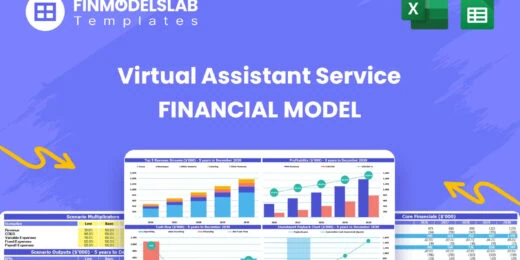
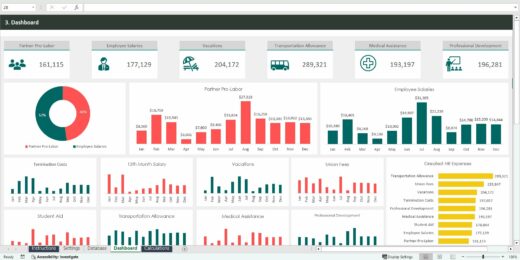
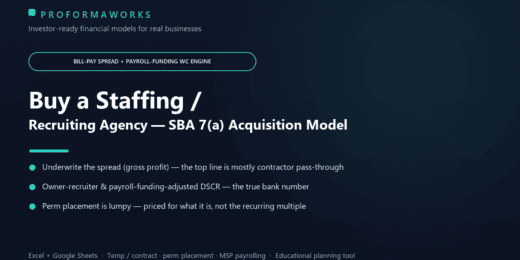
If you are looking for additional support as you start this journey, consider exploring resources such as specialized financial models for staffing agencies. These tools can help simplify your financial planning, allowing you to focus on building connections and providing exceptional staffing services.
In conclusion, whether you are a seasoned entrepreneur or taking your first steps into the business world, the staffing industry awaits your unique contribution. Begin today, and let the opportunities unfold before you!
Frequently Asked Questions (FAQs)
1. How much capital do I need to open a staffing agency?
Determining the capital necessary to launch a staffing agency is contingent on a variety of factors, including location and the specific niche you choose to target. As a general guideline, the startup costs usually fall within the range of $10,000 to $50,000. This figure encompasses essential expenses such as:
- Office space and equipment
- Permits and licenses
- Technology and software systems
- Marketing and advertising initiatives
- Operational expenses until revenue is generated
Understanding your financial model and accurately estimating initial costs is crucial before launching. An effective budget will not only help in securing necessary funding but will also guide financial decisions that could shape the success of your staffing agency.
2. What are the biggest challenges in opening a staffing company?
Starting a staffing agency presents its own unique set of challenges. Aspiring business owners should be aware of these potential hurdles, which can significantly impact the operations and growth of the company. Key challenges include:
- Heavy Competition: The staffing industry is highly competitive with numerous agencies vying for the same clients and candidates, making differentiation essential.
- Building Trust: Establishing and maintaining strong relationships with both clients and candidates is vital, requiring consistent communication and high standards of service.
- Legal Compliance: Navigating the regulatory landscape is complex, especially as laws vary across industries and states. Staying informed about labor laws, tax obligations, and workers’ rights is crucial.
- Candidate Retention: Retaining top talent can prove difficult in a market where candidates often have multiple options.
Recognizing and preparing for these challenges can position you to develop effective strategies that enhance your agency’s resilience. From leveraging technology that aids compliance to creating an engaging company culture to retain talent, thoughtful planning can mitigate many of these common issues.
3. How can I find clients for my staffing agency?
Securing a steady stream of clients is imperative to your agency’s sustainability and growth. The methods you select for building a client base can determine how quickly you find success. Effective client acquisition strategies include:
- Networking Events: Attend industry conferences and local business meetups to connect directly with potential clients.
- Online Presence: Invest in a professional website and utilize social media platforms for visibility. Engaging in online forums relevant to your niche can further enhance your reputation.
- Cold Outreach: Reach out to businesses directly through email or calls. Personalized communication can often lead to meaningful connections.
- Referral Programs: Encourage satisfied clients to refer others by establishing a referral program that rewards them for bringing in new business.
Client acquisition is an ongoing process that requires persistence and strategic planning. Utilizing a mix of these methods can diversify your approach, yielding better results over time as you cultivate your agency’s brand and reputation in the industry.
4. Is it necessary to specialize in a niche?
While specializing in a niche is not mandatory to run a successful staffing agency, doing so can greatly enhance your marketability, especially in a competitive environment. Benefits of niche specialization include:
- Expertise: Developing deeper knowledge of a particular industry or skill set can differentiate your agency from generalists.
- Enhanced Reputation: Specializing allows you to build a strong professional reputation within a specific field, making you the go-to resource for clients.
- Targeted Marketing: Niche agencies often benefit from more focused marketing efforts, as they can tailor campaigns to engage specific audience segments effectively.
- Client Loyalty: Businesses often prefer staffing partners who understand their specific needs, leading to higher levels of client loyalty and repeat business.
In summary, developing a specialization can set you apart in the staffing sector, allowing for more strategic marketing and deeper client relationships. Consider exploring various niches before committing to one that aligns with your interests and market demand.
5. How does technology impact staffing agencies?
Technology has transformed the staffing industry, fundamentally changing how agencies operate. Its integration can streamline processes and enhance overall effectiveness. Here are some notable areas where technology plays a pivotal role:
- Applicant Tracking Systems (ATS): These systems help manage job postings, applications, and candidate communications, vastly improving hiring efficiency.
- Artificial Intelligence: AI tools can enhance candidate sourcing and screening, allowing agencies to find suitable candidates more swiftly.
- Data Analytics: Analyzing performance metrics and trends can help identify which hiring strategies work best and areas that need improvement.
- Digital Marketing Tools: Utilizing SEO, paid advertising, and social media can reach a wider audience effectively, attracting both clients and candidates.
By leveraging technology, staffing agencies can not only increase operational efficiency but also improve their ability to attract and retain talent. This ensures that they remain competitive in a constantly evolving industry.
6. What candidate retention strategies should I implement?
Candidate retention is crucial for a staffing agency’s long-term success. High turnover can be costly and affect service quality. Here are some strategies that can help improve retention rates:
- Regular Check-ins: Schedule consistent follow-ups with placed candidates to address their concerns and ensure job satisfaction.
- Career Development: Offer opportunities for skill development through workshops, training, and mentorship programs to demonstrate investment in their career.
- Feedback Mechanisms: Implement surveys and informal feedback sessions to understand candidate experiences and areas for improvement.
- Work Environment Assessment: Focus on presenting candidates with work environments and company cultures that match their preferences.
By executing these strategies, staffing agencies can foster loyalty among candidates. Satisfied candidates are more likely to remain engaged, both with the agency and their employers, ultimately leading to higher success rates in placements and client satisfaction.
7. Are there ongoing education requirements in the staffing industry?
In the ever-evolving landscape of the staffing industry, ongoing education is vital for ensuring that staffing professionals remain knowledgeable and proficient in their roles. Here are some considerations regarding the importance of continuous education:
- Regulatory Changes: Changes in labor laws and employment regulations necessitate that staffing professionals stay informed to remain compliant.
- Technological Advancements: Continuous learning about new tools and technologies ensures your agency leverages the latest resources.
- Skill Development: Engaging in workshop training or certification programs enhances skill sets, allowing for better service offerings to clients and candidates.
- Networking Opportunities: Participating in educational programs often leads to valuable connections within the industry, promoting business growth.
Overall, investing in ongoing education can significantly contribute to the long-term success of a staffing agency. By being proactive in professional development, agency leaders can improve both their own capabilities and those of their team, leading to higher efficiency and enhanced client service.