
0 ITEMS

Unlocking Potential: How Much Does It Cost to Open a Dialysis Center

Starting a dialysis center involves significant costs, but understanding key financial components helps ensure long-term success.
- Facility costs include property purchase or lease, renovations, and utilities, with expenses varying based on location and standards.
- Equipment costs are substantial, covering dialysis machines, water treatment systems, and medical supplies, which require careful budgeting and possibly financing.
- Staffing expenses include salaries, benefits, and ongoing training for clinicians, technicians, and administrative staff, impacting operational costs.
- Operational costs encompass medical supplies, insurance, maintenance, and marketing, which fluctuate based on patient volume and regional factors.
- Regulatory fees for licenses, permits, and compliance can be significant and should be factored into detailed financial planning.
To gain a better insight into these costs, let us explore the key components that contribute to the initial investment required for opening a dialysis center:
1. Facility Costs
The facility costs include everything from purchasing or leasing the property to renovations and utilities. Here are some significant factors to consider:
- Real estate costs (purchase or lease)
- Renovation and design costs to suit dialysis needs
- Utility setup and ongoing bills (electricity, water, etc.)
These expenses can vary greatly depending on the location and existing conditions of the property. Regions with high real estate prices may lead to higher upfront costs. Additionally, facilities must meet specific regulatory standards, which could necessitate further renovation.
2. Equipment Costs
The cost of medical equipment is one of the most significant investments in opening a dialysis center. Some essentials include:
- Dialysis machines
- Water treatment systems
- Disposal supplies for medical waste
- Patient monitoring systems
Investing in high-quality equipment is necessary for both patient safety and operational efficiency. The initial outlay for equipment can be substantial, but it is critical to operate a successful and compliant dialysis center.
3. Staffing Costs
Staffing is another critical element that must be budgeted accordingly. It is essential to consider:
- Wages and salaries for healthcare professionals, including nephrologists, nurses, and technicians
- Administrative staff to manage day-to-day operations
- Staff training and development expenses
A well-trained and adequately staffed team is vital for providing quality care to patients. The expenses associated with recruiting and retaining skilled professionals should be factored into the financial plan thoroughly.
4. Operational Costs
Once the dialysis center is operational, several ongoing expenses will require budgeting. Key operational costs include:
- Medication and consumables for patient treatment
- Insurance (liability, malpractice, etc.)
- Marketing and community outreach expenses
Effective financial forecasting of operational costs is essential for maintaining profitability and ensuring sustainable operations. These expenses can fluctuate based on patient volume and treatment protocols.
5. Regulatory and Licensing Fees
Establishing a dialysis center involves navigating complex regulatory environments, which may incur additional costs:
- Obtaining necessary permits and licenses required by local health departments
- Costs associated with accreditation by relevant medical bodies
- Compliance with safety and health regulations
Understanding the regulatory landscape is crucial, as failure to comply can lead to costly fines or even the inability to operate.
Summary of Cost Considerations
The table below summarizes the primary cost components involved in opening a dialysis center:
| Cost Component | Estimated Cost Range |
|---|---|
| Facility Costs | $500,000 – $1,500,000 |
| Equipment Costs | $200,000 – $800,000 |
| Staffing Costs (Annual) | $400,000 – $1,000,000 |
| Operational Costs (Annual) | $100,000 – $250,000 |
| Regulatory and Licensing Fees | $25,000 – $75,000 |
In conclusion, while the costs of opening a dialysis center can be significant, understanding and preparing for these various financial components can lead to success in a critical healthcare market. Strategic planning and comprehensive financial modeling can pave the way for a thriving dialysis facility that not only meets community needs but also achieves long-term financial sustainability. To further assist in financial readiness, exploring industry-specific financial models can provide invaluable insights and guidance.
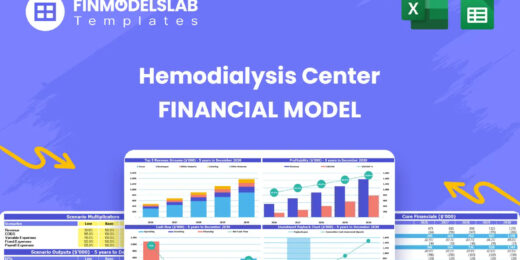
For resources and templates that can help you create effective financial models for your dialysis center, consider visiting the [Healthcare Financial Model Templates](https://www.efinancialmodels.com/downloads/category/financial-model/health-care/) page.
Understanding the Cost Breakdown
Understanding the cost breakdown is essential for effective financial management, especially for businesses looking to optimize their budgets and minimize waste. A detailed analysis of costs provides insights into where resources are allocated and where potential savings can be made. By breaking down costs into various components, stakeholders can identify both fixed and variable expenses, making it easier to strategize for profit maximization and sustainability.
Key Components of Cost Breakdown
A comprehensive cost breakdown typically involves categorizing expenses into specific groups to provide clarity and facilitate deeper analysis. Below are the primary categories to consider:
- Fixed Costs: These remain constant regardless of production levels, such as rent, salaries, and insurance.
- Variable Costs: These fluctuate with production levels, including raw materials, utilities, and direct labor costs.
- Operating Expenses: Related to the daily functioning of the business, these include administrative and marketing expenses.
- Indirect Costs: Expenses that cannot be directly attributed to a specific product or service, such as overhead costs.
- One-Time Costs: Expenses that occur only once, such as equipment purchases or setup costs for a new product line.
Each of these categories plays a crucial role in the overall financial health of a business. Understanding which costs are fixed and which are variable allows businesses to better plan their budgeting and forecasting. By analyzing operating and indirect costs, businesses can look for ways to improve efficiency and cut unnecessary expenses.
The Importance of Analyzing Costs
Analyzing costs is not just about keeping expenses low; it is about understanding how each expense impacts profitability. Here are some benefits of conducting a thorough cost analysis:
- Improved Budgeting: A clear understanding of costs helps in setting realistic budgets based on actual spending patterns.
- Enhanced Profitability: Identifying and eliminating wasteful spending can significantly increase profit margins.
- Better Decision Making: Detailed cost data provides a strong foundation for informed decision-making in pricing, product launches, and investments.
- Risk Mitigation: By recognizing potential cost overruns early, businesses can take proactive measures to mitigate risks.
- Strategic Planning: A detailed cost breakdown supports effective long-term strategic planning by identifying areas for growth.
The insights gleaned from a thorough cost analysis not only benefit immediate financial planning but also shape the long-term strategic direction of a business. Making informed decisions based on cost data lays the groundwork for sustainable growth and competitiveness in the market.
Conclusion
In conclusion, understanding the cost breakdown is an integral aspect of effective financial management. By categorizing and analyzing expenses, businesses can make informed decisions that enhance profitability and efficiency. With this knowledge, stakeholders are better equipped to manage resources strategically, ultimately leading to improved financial performance. As companies strive to navigate a competitive landscape, leveraging detailed cost insights will be a critical factor in driving success. For those looking to delve deeper into financial modeling, explore our dedicated resources on various industries at Financial Models by Industry.
1. Facility Costs
When planning for any facility, understanding and managing costs is crucial to ensure financial sustainability and operational efficacy. Facility costs encompass a variety of expenses that may vary widely depending on the type of facility, regional regulations, and operational requirements. A comprehensive analysis of these costs will help businesses prepare for expenditures that may arise during the lifecycle of the facility. Here, we will explore the common elements of facility costs and provide a structured approach to understanding them.
Components of Facility Costs
Facility costs can typically be divided into several key categories, each impacting the overall expenditure significantly. Below is a breakdown of these critical areas:
| Cost Category | Description |
|---|---|
| Construction Costs | Expenses related to building or renovating physical structures, including labor, materials, and permits. |
| Operational Costs | Ongoing expenses incurred through day-to-day operations, such as utilities, maintenance, and staffing. |
| Rent or Lease Payments | Costs associated with renting space, whether it is a short-term lease or a long-term rental agreement. |
| Insurance Costs | Premiums paid to protect the facility from various risks, including property damage and liability claims. |
| Equipment Costs | Investment in machinery or technology necessary for the operation of the facility. |
| Compliance Costs | Expenses related to meeting local, state, and federal regulations, which may include inspections and additional safety measures. |
Understanding these categories can provide a clearer picture of where funds are allocated and help in future financial planning. For example, construction costs are often substantially high during the initial phase but can be balanced by optimizing operational costs over time. Therefore, evaluating each category effectively allows for a more strategic allocation of resources.
Analyzing Facility Costs
To effectively manage and mitigate facility costs, it is important to conduct a thorough analysis of each cost category. This involves:
- Performing a detailed cost-benefit analysis to prioritize spending.
- Establishing a budget that includes projected increases in costs, especially for utilities and staffing.
- Monitoring spending patterns regularly to identify areas for potential savings.
- Utilizing technological solutions for smoother operations that can reduce operational costs.
- Consulting with financial experts or utilizing financial modeling services to refine projections.
By actively analyzing these factors regularity, companies can remain competitive and agile in adjusting to market variations. Moreover, staying informed about changes within each cost category can empower stakeholders to make well-informed decisions regarding facility management.
In summary, managing facility costs requires careful consideration of various factors, from initial construction to ongoing operational expenses. By being proactive and utilizing financial analysis strategies, businesses can effectively manage these costs, ensuring the long-term success of their facilities.
For those looking for additional resources to enhance their financial planning, eFinancialModels offers extensive templates and services tailored to specific industries, which can be invaluable in creating strategic financial models. Understanding the nuances of facility costs can create significant advantages, and proper modeling can aid in navigating these complexities.
2. Equipment and Supplies
When developing a financial model for a business, understanding the equipment and supplies required is crucial for accurately estimating costs and forecasting profitability. This section will outline the main categories of equipment and supplies needed for diverse industries, the potential costs associated with them, and the importance of considering the rate of depreciation.
Categories of Equipment and Supplies
The equipment and supplies needed for a business can vary greatly depending on the industry. Here are some common categories that need to be considered:
- Construction Equipment: Items such as bulldozers, cranes, and excavators are critical for project execution.
- Manufacturing Equipment: Machines, tools, and workstations used in the production process.
- Office Supplies: Materials such as computers, furniture, and stationery necessary for daily operations.
- Transportation: Vehicles like trucks and vans used for delivery or operation purposes.
- Retail Equipment: Point of Sale systems, shelving, and display units essential for retail settings.
In any business, the type of equipment and supplies can significantly influence operational efficiency and cost structure. Understanding the specific needs of the business allows for better planning and budgeting.
Cost Considerations
Below is a table illustrating common equipment categories, their possible costs, and considerations for those costs:
| Equipment Category | Estimated Cost Range (in USD) | Considerations |
|---|---|---|
| Construction Equipment | $10,000 – $500,000 | Dependent on type and size; leasing can reduce upfront costs. |
| Manufacturing Equipment | $5,000 – $200,000 | Efficiency and longevity are key; maintenance costs should be factored. |
| Office Supplies | $500 – $20,000 | Recurring costs; should account for equipment upgrades. |
| Transportation | $15,000 – $100,000 | Consider lease vs. purchase; fuel and maintenance should be included. |
| Retail Equipment | $1,000 – $50,000 | Varies greatly; point of sale systems may need regular updates. |
Each equipment category has unique cost implications that need to be well understood within a financial model. By estimating costs correctly, businesses can create more accurate forecasts and allocate budgets effectively to enhance productivity.
Depreciation and Its Impact
Depreciation is an important factor that impacts the financial modeling of equipment and supplies. It reflects the reduction in value of assets over time, which influences profit margins. Here are key points to consider regarding depreciation:
- Asset Lifespan: Different types of equipment and supplies will have varying lifespans, affecting depreciation rates.
- Accounting Methods: Businesses can choose different methods (straight-line vs. declining balance) for calculating depreciation, affecting financial statements.
- Tax Implications: Depreciation can lead to tax benefits; understanding this can impact financial modeling strategies.
Understanding how depreciation works will allow for more realistic projections in your financial model. Businesses should engage in thorough analysis and planning to incorporate depreciation accurately, as it can significantly influence cash flow and profitability over time.
This comprehensive approach to accounting for equipment and supplies ensures that businesses can maintain operational efficiency while keeping financial forecasts accurate and aligned with their strategic goals. For more insights and tools, including financing options for equipment expenses, consider exploring resources available in the financial model templates at eFinancialModels.com.
3. Staffing Expenses
Managing the staffing expenses of a business is a crucial aspect of financial management that can significantly impact profitability and overall business operations. These expenses encompass various components, including salaries, benefits, training costs, and additional employee-related expenses. Understanding and controlling these costs is essential for maintaining a healthy financial position and enabling strategic growth.
Key Components of Staffing Expenses
Staffing expenses consist of several key components, each contributing to the overall cost structure of a business. Below are the primary elements associated with staffing expenses:
- Salaries and Wages: The core component of staffing expenses includes the fixed compensation paid to employees for their work.
- Benefits: This encompasses health insurance, retirement plans, paid time off, and other fringe benefits that add significant value to employees and foster retention.
- Training and Development: Expenses related to employee training programs, workshops, and certification courses to enhance skills and productivity.
- Payroll Taxes: Employers are responsible for various payroll taxes, which include contributions to Social Security, Medicare, and unemployment insurance.
- Recruitment Costs: Costs associated with hiring new employees, which can include advertising job vacancies, interview expenses, and onboarding processes.
- Overtime Pay: Additional compensation for hours worked beyond the standard workweek, which can significantly raise staffing costs if not managed effectively.
Understanding these components helps businesses to not only forecast their staffing costs accurately but also identify potential areas for cost savings.
Strategies for Managing Staffing Expenses
Effectively managing staffing expenses requires careful planning and strategic decision-making. Here are several strategies that businesses can implement:
- Regular Review of Compensation Packages: Periodically assess and compare salary and benefits packages to ensure they are competitive yet sustainable.
- Utilizing Technology: Implementing Human Resource Management Systems (HRMS) can streamline payroll processes and reduce administrative costs associated with staffing management.
- Incentivizing Employee Performance: Adopting performance-based incentives can motivate employees to achieve higher productivity while aligning their goals with the overall business objectives.
- Cross-Training Employees: Providing employees with diverse skillsets allows for flexibility in staffing and helps reduce the need for temporary or contract staff during peak seasons.
- Outsourcing Non-Core Functions: Consider outsourcing tasks that do not require in-house expertise, thus allowing you to focus on your core business while potentially reducing salary and overhead expenses.
Implementing these strategies not only helps in keeping staffing costs within budget but also enhances operational efficiency. By actively managing staffing expenses, businesses can allocate financial resources more effectively, which promotes growth and sustainability.
Conclusion
In conclusion, staffing expenses play a vital role in a company’s overall financial health. By analyzing the various components of these costs and adopting strategic management practices, businesses can ensure they remain competitive and financially sound. Effective management of staffing expenses not only contributes to a positive corporate culture but also fosters business growth by allowing for more investments in operational improvements and innovations. Adopting a disciplined approach to staffing expenses helps to sustain long-term profitability and success.
For additional resources on staffing and financial modeling, consider exploring our comprehensive [staffing financial model templates](https://www.efinancialmodels.com/downloads/tag/staffing/).
4. Regulatory and Licensing Fees
Understanding regulatory and licensing fees is critical for any business, particularly those entering heavily regulated industries such as finance, healthcare, or environmental services. Regulating authorities impose these fees to ensure compliance with legal requirements, uphold safety standards, and maintain operational integrity. Therefore, it is essential for businesses to clearly outline these costs in their financial models to assess the overall feasibility and profitability of their operations.
Types of Regulatory and Licensing Fees
Regulatory and licensing fees can vary significantly based on the nature of the business and the specific regulations that apply to it. Below is an overview of common types of fees that businesses might encounter:
- License Application Fees: These fees are incurred when applying for various business licenses, such as operational, environmental, or professional licenses.
- Annual Renewal Fees: Most licenses require annual renewals to remain valid, which typically involves a recurring fee.
- Compliance Fees: Businesses may be subject to fees related to ensuring compliance with industry regulations, including audits and assessments.
- Permits: Fees for permits needed to operate legally, especially in industries like construction, transportation, and food services.
- Impact Fees: Imposed to mitigate the effects of a new development or business operation on the community and its infrastructure.
The diverse array of regulatory and licensing fees means that businesses must be proactive in understanding, budgeting, and planning for these costs. By doing so, they can prevent overspending in operational budgets and maintain compliance with local laws and regulations.
Budgeting for Regulatory and Licensing Fees
When budgeting for these fees, businesses should consider the following aspects to create a comprehensive financial model:
1. **Initial Costs:** Calculate the total cost of all initial application fees, including any associated legal or consulting fees that may be necessary to prepare the application.
2. **Recurring Expenses:** Identify ongoing fees, such as annual renewals and compliance monitoring costs, to understand the long-term financial commitments.
3. **Variable Costs:** Assess fees that may fluctuate, such as penalties for non-compliance or fees resulting from changes in regulations.
4. **Unforeseen Costs:** Allocate a portion of the budget for unexpected regulatory expenses that may arise throughout the operational year.
By effectively budgeting for these costs, businesses can ensure sustainable financial planning and avoid the unexpected financial strain that regulatory fees can impose.
Implications of Regulatory Compliance
Failing to budget adequately for regulatory and licensing fees can lead to severe repercussions, including financial penalties, impaired business operations, or even legal actions that could jeopardize the business’s longevity. Thus, businesses are encouraged to implement rigorous compliance programs and undertake regular reviews of associated costs to maintain an accurate understanding of the financial landscape.
In summary, understanding and planning for regulatory and licensing fees is essential for successful business operations, especially in regulated industries. By categorizing these fees, budgeting effectively, and prioritizing compliance, businesses can focus on their growth and strategic goals rather than becoming entangled in financial setbacks due to oversight or misjudgments regarding regulatory costs. For businesses seeking to develop robust financial models that account for various industry-specific factors, exploring our financial model templates at eFinancialModels can provide the necessary resources for informed financial planning.
5. Marketing and Insurance
Marketing and insurance play crucial roles in any business, especially in industries where risk management and customer outreach can dictate success. An effective marketing strategy helps businesses reach their target audience and establish a strong brand presence, while insurance functions as a safety net, providing protection against unforeseen events that could lead to financial setbacks. Let us delve deeper into the essential elements of both marketing and insurance, examining how they interact and contribute to overall business success.
Key Components of a Successful Marketing Strategy
A comprehensive marketing strategy encompasses various elements that work in harmony to attract and retain customers. Here is a breakdown of the crucial components to consider:
- Market Research: Understanding customer preferences, demographics, and market trends is vital. This enables businesses to tailor their offerings effectively.
- Brand Development: Creating a recognizable brand identity helps differentiate a company from its competitors and fosters customer loyalty.
- Digital Marketing: In today’s digital age, leveraging online marketing tactics such as social media, email campaigns, and search engine optimization is essential for reaching a wider audience.
- Content Marketing: Providing relevant and engaging content can help build authority in the industry and improve customer trust.
- Performance Analysis: Monitoring the effectiveness of marketing strategies through analytics tools allows businesses to adjust their approaches for optimal results.
Implementing these components effectively can lead to enhanced customer engagement and revenue growth. Businesses must assess each aspect carefully to align their marketing efforts with their goals and objectives. Regular evaluation ensures that they remain agile and can adapt to changing market conditions.
The Importance of Insurance in Business
Insurance is a foundational part of business risk management. It provides peace of mind by protecting assets against potential losses. Below are the key types of insurance that businesses should consider:
| Type of Insurance | Description |
|---|---|
| General Liability Insurance | Covers claims arising from injuries, accidents, and negligence related to business operations. |
| Property Insurance | Protects company property, including buildings, equipment, and inventory, from various hazards. |
| Workers’ Compensation Insurance | Provides benefits to employees injured on the job, covering medical expenses and lost wages. |
| Professional Liability Insurance | Protects against claims of negligence and malpractice, especially crucial for service-oriented businesses. |
| Commercial Auto Insurance | Covers vehicles used for business purposes, protecting against accidents and damage. |
Understanding and investing in the right insurance policies safeguard assets while supporting sustainable growth. Businesses often face risks that can jeopardize their financial stability, and having appropriate insurance coverage can mitigate these vulnerabilities.
In conclusion, the interplay between marketing and insurance is critical for business viability. While effective marketing strategies can drive customer acquisition and retention, robust insurance coverage provides the essential security needed to navigate risks. By focusing on both aspects, businesses can create a strong foundation for long-term success. For more insights on developing robust marketing strategies, consider exploring our [Marketing Agencies](https://www.efinancialmodels.com/downloads/category/financial-model/media/marketing-agencies/) section, where you’ll find various financial models relevant to the field.
Example of Costs for Opening a Dialysis Center
Opening a dialysis center is a significant endeavor that involves comprehensive planning and substantial investment. It is essential for prospective owners to understand the various costs associated with establishing such a facility. These costs can generally be categorized into several main areas, including construction, equipment, staffing, and ongoing operational expenses. Below, we will explore these costs in detail to assist you in making informed financial decisions during the planning phase.
1. Construction and Facility Costs
The construction of a dialysis center typically involves substantial costs, which include site preparation, building construction, and interior design for patient and staff areas. These initial investments are crucial as they set the foundation for a safe and inviting environment for both patients and healthcare professionals.
| Item | Estimated Cost (USD) |
|---|---|
| Site Preparation and Land Development | 100,000 – 200,000 |
| Building Construction | 500,000 – 1,500,000 |
| Interior Design and Furnishings | 150,000 – 300,000 |
| Utilities Installation | 50,000 – 100,000 |
The total construction and facility costs can range significantly, affected by location, building codes, and design preferences. It is important to consult with local architects and builders to obtain more accurate estimates tailored to your specific plans. Proper budgeting during this phase ensures that the facility aligns with regulatory requirements while providing a pleasant atmosphere for patient care.
2. Equipment Costs
The equipment required for a dialysis center is specialized and often costly. Investing in high-quality machines and related technologies is vital to provide effective patient treatment. Below are key equipment items along with their estimated costs:
| Equipment | Estimated Cost per Unit (USD) | Quantity | Total Estimated Cost (USD) |
|---|---|---|---|
| Dialysis Machines | 25,000 – 50,000 | 6-15 | 150,000 – 750,000 |
| Centrifuge | 3,000 – 10,000 | 1 | 3,000 – 10,000 |
| Water Treatment Systems | 50,000 – 100,000 | 1 | 50,000 – 100,000 |
| Medical Chairs and Equipment | 1,000 – 2,000 | 10 | 10,000 – 20,000 |
Equipping a dialysis center is a major financial commitment that directly impacts the quality of care provided to patients. Securing adequate funding and exploring potential financing options for these costs is advisable to avoid delays in operational readiness.
3. Staffing Costs
Employing qualified personnel is crucial for the successful operation of a dialysis center. Staffing costs can include salaries, benefits, and ongoing training for a variety of roles including nurses, technicians, administrative staff, and support personnel. Below are common roles in a dialysis center with their estimated annual salaries:
| Position | Estimated Annual Salary (USD) |
|---|---|
| Clinical Director | 80,000 – 120,000 |
| Registered Nurse | 60,000 – 85,000 |
| Dialysis Technician | 35,000 – 55,000 |
| Administrative Staff | 30,000 – 50,000 |
Assembling a staff of trained professionals is a significant ongoing expenditure, but it is essential for ensuring the quality and safety of patient care. Effective recruitment practices and continuous training programs can help maintain a competent workforce and reduce turnover costs over time.
4. Ongoing Operational Expenses
In addition to initial costs, it is essential to consider ongoing operational expenses that will sustain the dialysis center’s daily operations. These can include utilities, insurance, maintenance, and supplies such as dialysis solutions. A comprehensive understanding of these costs will help in developing a sustainable business model.
Some typical ongoing costs include:
- Utilities (Electricity, Water, and Natural Gas)
- Insurance (Liability & Property Insurance)
- Maintenance of Equipment
- Medical Supplies (Dialysis Solutions and Disposables)
- Miscellaneous Supplies (Office Supplies, Cleaning Supplies)
Anticipating these ongoing costs as part of your financial planning can help prevent financial strain once the center is operational. Regularly reviewing and adjusting budgets in response to any fluctuations in these expenses is also crucial.
In conclusion, opening a dialysis center involves considerable upfront and ongoing costs that must be carefully evaluated and planned for. Understanding the various categories of expenses—from construction and equipment procurement to staffing and operational costs—will provide a clearer picture of the financial investment required. Conducting thorough market research and perhaps consulting with financial advisors experienced in the healthcare industry can be extremely beneficial in ensuring a successful venture. For additional insights into financial modeling, consider exploring our financial model templates tailored for health care facilities.
Your Roadmap for Financial Planning
Effective financial planning is crucial for both individuals and businesses seeking to bolster their financial health and achieve long-term goals. A well-crafted financial plan serves as a structured guide that not only identifies current financial conditions but also sets targets for the future. In this section, we will provide a roadmap that outlines the essential steps necessary for creating a robust financial plan. This approach will allow you to navigate complexities with confidence and precision, increasing the likelihood of reaching your financial objectives.
Steps to Create a Comprehensive Financial Plan
To develop a financial plan that works for your unique circumstances, it is essential to follow a structured methodology. Below are the fundamental steps involved:
- Assess Your Current Financial Situation: Gather information about your income, expenses, assets, and liabilities. This will provide a clear picture of your financial status.
- Set Specific Financial Goals: Define short-term and long-term financial goals, such as saving for retirement, buying a home, or paying off debt. Ensure your goals are Specific, Measurable, Achievable, Relevant, and Time-bound (SMART).
- Develop a Budget: Create a budget that outlines your monthly income and expenses. This will help you manage your spending and allocate funds toward savings and investments effectively.
- Implement Savings Strategies: Explore various savings accounts and investment options to grow your wealth over time. Consider options like high-yield savings accounts, certificates of deposit, and retirement accounts.
- Monitor and Adjust Your Plan: Regularly review your financial plan to ensure you remain on track to meet your goals. Adjust your strategies as necessary based on changing circumstances or objectives.
Each step in this process plays a pivotal role in creating a financial plan that not only meets your current needs but is also adaptable to future challenges. By thoroughly assessing your financial situation and outlining clear goals, you set the stage for effective budget management and smart investment choices, crucial for long-term success.
Tools and Resources for Financial Planning
Utilizing the right tools and resources can enhance your financial planning process significantly. Here is a summary table showcasing some beneficial resources:
| Resource Type | Description | Example |
|---|---|---|
| Budgeting Software | Helps track income and expenses to maintain a balanced budget. | Mint, YNAB (You Need a Budget) |
| Financial Calculators | Calculates various financial metrics such as savings, mortgages, and retirement funds. | Bankrate Calculators |
| Investment Platforms | Facilitates investment in stocks, bonds, and mutual funds. | Robinhood, E*TRADE |
| Financial Advisory Services | Provides expert advice to optimize financial planning and investment strategies. | Fidelity, Charles Schwab |
Having access to the right resources not only streamlines the financial planning process but also empowers you to make informed decisions. By incorporating budgeting software, calculators, and investment platforms into your planning, you enhance your ability to track progress towards your financial goals. Additionally, engaging with financial advisors can provide personalized strategies that align with your long-term vision.
In conclusion, crafting a comprehensive financial plan involves assessing your current situation, setting specific goals, and utilizing effective tools and resources. By following this roadmap, you can create a financial framework that promotes growth, stability, and flexibility. Remember, financial planning is an ongoing process that requires regular evaluation and adjustments. Empower yourself by staying informed and proactive in optimizing your financial health. For further insights on effective financial planning, you can explore our [Financial Planning Resources](https://www.efinancialmodels.com/downloads/tag/financial-planning/).
The Bottom Line: Key Takeaways
In the world of financial modeling, it is crucial to grasp the essential elements that contribute to creating robust and comprehensive financial models. The takeaway from this discussion provides a structured summary of the pivotal points related to financial models and their importance in various industries. By focusing on these key takeaways, financial professionals, entrepreneurs, and analysts can better design their approaches to financial modeling, ensuring more informed decision-making and strategic planning.
Essential Points for Effective Financial Modeling
The following are key takeaways that outline the fundamental aspects of financial modeling. Understanding these points can enhance the accuracy and relevance of financial projections and valuations.
- Clarity and Structure: A well-structured financial model allows users to navigate easily, enhancing comprehension and usability.
- Data Integrity: Using accurate and up-to-date data is crucial for reliable financial projections, minimizing errors in analysis.
- Scenario Analysis: Incorporating various scenarios helps assess the potential impact of different business decisions and external factors.
- Flexibility: A good financial model should allow for amendments and adjustments to reflect real-time changes in the business environment.
- Documentation: Proper documentation of formulas and assumptions used in the model is essential for transparency and future reference.
- Industry-Specific Insights: Tailoring the financial model to the specific nuances of the industry can provide relevant insights and improve decision-making processes.
These essential points encapsulate the core principles of effective financial modeling. By prioritizing clarity, data integrity, and flexibility, financial professionals can create models that not only serve immediate analytical needs but also adapt to evolving scenarios. Additionally, emphasizing industry-specific insights allows for more targeted strategies, aligning financial planning with real-world conditions. Ultimately, these elements contribute significantly to enhancing the quality and utility of financial models, leading to better financial outcomes.
The Role of Financial Models Across Industries
Financial models play a vital role in various sectors, each requiring tailored approaches to maximize their effectiveness. The following table outlines specific industries and highlights key considerations for financial modeling in each respective field.
| Industry | Key Considerations |
|---|---|
| Agriculture | Forecasting yield, analyzing seasonal impacts, and understanding market dynamics. |
| Real Estate | Evaluating property values, cash flow projections, and investment returns. |
| Renewable Energy | Assessing project viability, capital expenditure analysis, and regulatory incentives. |
| Healthcare | Budgeting for operational costs, revenue cycle forecasting, and regulatory compliance. |
| Financial Services | Valuation modeling, portfolio analysis, and risk management assessments. |
In summary, the effectiveness of financial models is highly contextual, relying on the specific needs and characteristics of each industry. By focusing on tailored key considerations, stakeholders can harness the power of financial modeling to drive decision-making processes that lead to sustainable growth and profitability. No matter the industry, the implementation of robust financial models is essential for navigating complex financial landscapes and making informed decisions.
By integrating these key takeaways into your financial modeling practices, you will be better equipped to produce more accurate, actionable, and insightful financial analyses. Whether you are involved in agriculture, renewable energy, or any other sector, understanding the significance of financial models can significantly impact your strategic planning and operational success. For further resources tailored to specific industries, explore our range of templates and tools designed for finance professionals, available at [eFinancialModels](https://www.efinancialmodels.com/downloads/category/financial-model/).
Frequently Asked Questions
At eFinancialModels, we understand that navigating the world of financial modeling can raise many questions. Whether you are a seasoned professional or just starting, knowing where to find information can greatly enhance your experience. In this section, we compile answers to some of the most commonly asked questions regarding our financial model templates and services, aimed at providing clarity and convenience for our users.
General Questions
Many users are curious about the underlying processes that govern the functionality and suitability of financial models. Below are frequently asked questions regarding our templates:
- Can the financial model templates be customized? Yes, our financial models are designed to be adaptable to suit various business needs and frameworks.
- Is there a support system for users? Yes, we provide customer support to assist users with any issues they may encounter when using our templates.
- How are the templates updated? Our templates are regularly reviewed and updated to ensure they align with industry standards and best practices.
- Can I access tutorials for using the templates? Absolutely! We offer numerous resources, including tutorials and guides, to help you effectively utilize our models.
The above queries indicate a general emphasis on usability and flexibility, reflecting our commitment to customer satisfaction. Understanding these elements can help users make informed decisions and leverage the full potential of the financial models offered by eFinancialModels.
Technical Questions
Technical inquiries often arise, particularly concerning the functionality of our Excel templates. Below are some of the more detailed questions we frequently address:
- What Excel versions are compatible with your templates? Our templates are generally compatible with Excel 2010 and later versions, ensuring a broad range of accessibility.
- Do I need special software to use the templates? No, our financial models are designed to be used within standard versions of Microsoft Excel without additional software requirements.
- Are the templates suitable for different industries? Yes, our marketplace includes templates tailored for various sectors, including real estate, agriculture, and renewable energy.
- How secure are the downloadable templates? We prioritize security and ensure that all downloadable files are free from malware and viruses. Safety is of utmost importance to us.
Technical questions and their answers highlight the universal nature of our templates while also addressing specific user concerns. By ensuring compatibility with various Excel versions and maintaining stringent security measures, we cater to our diverse clientele, fostering trust and reliability.
Service and Support Questions
Lastly, it’s important to understand the services related to financial modeling we provide, as this can significantly impact your choice among available options. The following are popular queries regarding our services:
- What types of financial modeling services do you offer? We provide customized financial modeling services, valuation models, and strategic planning assistance.
- How can I obtain customer support for financial models? Customer support is accessible via email and live chat, ensuring prompt assistance.
- Is there a refund policy for model purchases? Yes, we have a refund policy that facilitates a hassle-free return process if the product does not meet user expectations.
- Can I request a specific type of financial model? Yes, users can request tailored financial models to address their specific business needs through our customization services.
Understanding the services we provide and ensuring that support is readily available reinforces our commitment to customer care. Our aim is not just to sell financial models but to provide comprehensive solutions that adapt to varying user requirements and business contexts.
As you can see, each question presents a critical aspect of what eFinancialModels represents. Whether your inquiry pertains to our templates, technical specifications, or support services, we strive to ensure that our users feel knowledgeable and empowered in their financial modeling endeavors.


























You might also like:
- 10 Main Elements of a Business Plan
- Guideline to Building Financial Models for Healthcare Startups
- Clinics
- How to Prepare a Financial Feasibility Study?
- Expert Financial Modeling Services
- Financial Planning for Small Business Owners – Taking an SBA Loan
- Health Care
- How to Start a Distillery Business: What You Need to Know?
- Financial Modeling for Startups and Small Businesses
- Clinical Trials
- How to Calculate Net Present Value (NPV)?
- How to Use Excel for Financial Analysis?
- Financial Model Templates Easy to Use
- Financial Ratios Cheat Sheet
- Healthcare Startup Valuation
- 10-Step Financial Planning Checklist for Smart Executives
- Budgeting
- Creation of Financing Models
- 10 Tips to Develop a First Class Business Valuation Report
- Funding Sources for Healthcare Startups


