
0 ITEMS

10 Components of a Business Plan You Can’t Ignore

Crafting a robust business plan is fundamental for any aspiring entrepreneur or established business owner aiming for sustained success. More than just a formality, a well-structured business plan acts as your strategic roadmap, guiding you through various stages of business development. By clearly defining your goals, strategies, and potential obstacles, you enhance your ability to articulate your vision to investors, partners, and other stakeholders, significantly boosting your chances of garnering support and investment.
- Clear financial projections help demonstrate your business’s potential profitability to investors.
- Well-organized key components like the executive summary and market analysis build credibility.
- Addressing potential risks and your management team’s expertise reassures stakeholders.
- Tailoring your business plan for different investors increases your chances of securing funding.
- Regular updates and strong communication keep your plan relevant and compelling.
Understanding the 10 components of a business plan is crucial for anyone looking to create an impactful and comprehensive document. Each component serves a specific purpose and collectively they provide a holistic view of your business idea, operational strategy, and financial projections. From the executive summary to the financial plan, mastering these elements ensures that your business plan is not only detailed and informative but also compelling and convincing to your audience.
Exploring the 10 Components of a Business Plan
A solid business plan can be the cornerstone of a successful enterprise, effectively guiding entrepreneurs as they navigate the complexities of the business world. This strategic document serves not only as a roadmap for the future, but also as a critical communication tool for potential investors and stakeholders. Understanding the essential components of a business plan is vital for anyone keen on starting or growing a business.
Executive Summary
The executive summary is the first section of your business plan but is often written last. It encapsulates the key points of your entire business plan in a concise manner. This vital component should include the business name, location, the products or services offered, and the mission statement. Essentially, it provides a snapshot of what your business is all about, drawing in readers and compelling them to delve deeper into your plan.
Company Description
In this section, detail who you are, what your business does, and how it stands out from the competition. Discuss your mission statement, the type of business structure (e.g. LLC, corporation), and the unique aspects that differentiate your business from others in your industry. This is your opportunity to highlight your goals, vision, and the specific needs your business seeks to fulfill.
Market Analysis
A thorough market analysis demonstrates your understanding of the industry landscape. Include information about your target market, including demographics, purchasing behaviors, and trends influencing consumer decisions. Dive into the competitive analysis, identifying key competitors in the marketplace, their strengths and weaknesses, and how your offerings can outshine theirs. Providing data to support your findings can significantly enhance this section.
Organization and Management
Describe your business’s organizational structure in this section. Who are the key members of your team, and what roles do they play? Create an organizational chart that outlines the hierarchy and specific responsibilities of each team member. Additionally, mention the expertise and experience of your management team, as well as any advisors or board members that lend credibility to your business.
Products and Services
Detail the products or services your business will offer. Explain how they meet the needs of your target audience and outline considerations such as pricing, lifecycle, and the benefits that set them apart from competitors. It’s helpful to describe any intellectual property you might have, such as patents or trademarks, that could give your business a competitive edge.
Marketing and Sales Strategy
Your marketing and sales strategy outlines how you plan to attract and retain customers. This section should include your pricing strategy, promotional tactics, and the sales process. Discuss the channels you’ll use to reach your target customers—whether it’s social media, email marketing, or in-person events. Clearly articulating this strategy will show investors how you intend to create a customer base and generate revenue.
Funding Request
If you seek funding, clearly define your financial requirements in this section. Specify how much capital you need over the next few years and explain how the funds will be used. Whether it’s for equipment, marketing, or payroll, being transparent about your funding needs demonstrates foresight and planning to potential investors.
Financial Projections
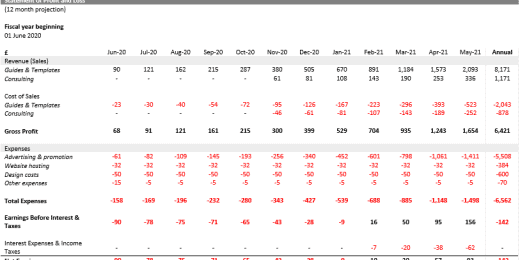
The financial projections section provides an outlook on your business’s revenue, expenses, and profitability over the next few years. Include detailed forecasts for income statements, cash flow statements, and balance sheets. This component should highlight your business’s potential for growth, ensuring investors understand the long-term viability and returns on their investment.
Appendix
The appendix serves as the supporting documentation for your business plan. Here, you can include resumes of key team members, legal agreements, product pictures, and any other pertinent documents that lend credibility to your claims. This section can help clarify assumptions made in other sections of the plan and serves as a useful reference for readers.
Crafting a comprehensive business plan involves understanding and integrating these ten essential components. Each part plays a pivotal role in delivering a well-rounded view of your business, ensuring that it resonates with stakeholders, investors, and partners alike. By focusing on clarity, structure, and detailed analysis, you will better position your enterprise for success in the competitive marketplace.
The Importance of Market Analysis in Business Planning
Market analysis plays a pivotal role in the business planning process, serving as a foundational component that can guide the overall strategy and direction of a company. A detailed understanding of the market helps entrepreneurs and business owners make informed decisions, ensuring their products or services align with consumer demands and market trends.
First and foremost, conducting market analysis allows businesses to identify and understand their target audience. This involves demographic research, which considers factors like age, income, and education level. By recognizing these attributes, businesses can tailor their offerings and marketing strategies effectively. For example, a company targeting millennials may use platforms like Instagram or TikTok to reach this demographic, rather than traditional advertising methods. This targeted approach maximizes resources and enhances engagement with potential customers.
Another crucial aspect of market analysis is assessing competitors. Understanding who the competitors are, what they offer, and their market share is essential. This insight allows businesses to identify their unique selling propositions (USPs), helping them differentiate themselves in a crowded marketplace. For instance, if a competitor offers similar services, a business might highlight its superior customer service or innovative product features to attract consumers. Staying aware of competitors’ strengths and weaknesses also assists in anticipating market shifts, enabling proactive adjustments in strategy.
Market trends give businesses valuable clues about where to focus their efforts. Analyzing trends can reveal emerging consumer preferences, technological advancements, or economic conditions that might affect business operations. For example, a surge in eco-conscious consumerism may prompt a company to incorporate sustainable practices into its business model, ultimately attracting a growing segment of environmentally-aware consumers.
Understanding economic indicators is another critical part of market analysis. Factors such as inflation rates, unemployment levels, and interest rates can significantly influence consumer spending patterns. Analyzing these indicators helps businesses make more precise projections about sales volumes and revenue opportunities. For instance, during economic downturns, consumers might prioritize essential goods over luxury items, leading businesses to adjust inventory and marketing campaigns accordingly.
Additionally, market analysis can uncover potential barriers to entry in specific sectors. Knowing the regulations, such as licensing requirements or compliance standards, helps businesses prepare for challenges that may arise when launching a new venture. This proactive approach can save time, resources, and reduce the likelihood of failure, mainly due to unforeseen regulatory issues.
Moreover, utilizing qualitative and quantitative research methods during market analysis can strengthen findings. Surveys, focus groups, and analysis of consumer behavior data can provide nuanced insights into customer preferences and motivations. These qualitative aspects often reveal emotional drivers behind purchasing decisions, enabling businesses to refine their messaging and appeal more effectively to their target audience.
Implementing these tactical insights from market analysis into business planning also fosters agility. The market landscape is dynamic, and a company that continuously monitors changes can quickly adapt its strategies. For example, if new technology disrupts an industry, businesses that have established mechanisms for ongoing analysis can pivot effectively, allowing them to seize new opportunities while mitigating risks.
Here are several key components of effective market analysis:
- Identify Target Market: Clearly define who your customers are and segment the market based on relevant demographics.
- Competitor Analysis: Research competitors to understand their strengths and weaknesses, preparing your business to stand out.
- Trend Analysis: Stay informed about market trends and consumer preferences, adjusting your strategy as necessary.
- Economic Indicators: Monitor relevant economic indicators to predict potential impacts on consumer spending behavior.
- Regulatory Environment: Understand the legal and regulatory landscape that affects your industry to anticipate barriers to entry.
- Research Methods: Employ both qualitative and quantitative research methods to gather comprehensive insights into consumer behavior.
- Ongoing Monitoring: Continually analyze the market to stay abreast of changes and maintain agility in your business strategies.
Thorough market analysis into business planning not only enhances strategic decisions but ultimately contributes to long-term success. Companies that prioritize understanding their market gain a competitive edge and position themselves for sustainable growth.
A comprehensive approach to market analysis equips businesses with the knowledge necessary to navigate the complexities of their respective industries. By focusing on the nuances of their target audience, competition, trends, and economic environments, companies can forge a solid path towards achieving their goals and thriving in an ever-evolving marketplace.
Crafting a Compelling Executive Summary
Creating a compelling executive summary is key to engaging stakeholders, potential investors, and team members right from the start. This part of your business plan serves as a snapshot of your overall strategy and vision, and its importance cannot be overstated. A well-crafted executive summary can often determine whether your audience is inclined to read further or dismiss your proposal entirely. To achieve this, consider the following essential components:
Understand Your Audience
Before you begin writing, take a moment to consider who will read the summary. Tailor your content to address the specific concerns and interests of your audience. For instance, an investor might focus on financial viability, while partners may be more interested in operational strategies. Knowing your audience will help you choose the right tone, language, and focal points.
Start with a Strong Hook
Engage your readers from the first line. Use a compelling fact, a thought-provoking question, or a brief anecdote that highlights the problem your business addresses. A strong opening will draw readers in and make them want to continue reading.
Define Your Mission and Vision
Clearly articulate your business’s mission and vision. This section should express what your business does and what you aim to achieve in both the short and long term. For example:
- Mission: Describe the purpose of your business and the value it brings to customers.
- Vision: Outline your long-term aspirations and where you see your business in the future.
Address the Market Opportunity
Provide a concise overview of the market landscape that your business intends to navigate. Include key insights about industry trends, target demographics, and market size. The market opportunity not only demonstrates your understanding of the industry but also highlights how your business stands to benefit from it. Use data and statistics to bolster your claims and provide credibility.
Outline Your Unique Value Proposition
Explain what sets your business apart from competitors. Highlight your unique selling points (USPs), whether they be innovative technologies, exceptional customer service, or niche expertise. This section should articulate why potential customers would choose your product or service over others.
Summarize Your Business Model
Give a brief explanation of how your business operates and generates revenue. This involves detailing your pricing strategy, sales channels, and customer acquisition methods. A clear business model not only shows viability but also enhances trust among stakeholders and potential investors.
Present Your Financial Projections
Financial data speaks volumes to investors. While an exhaustive analysis isn’t necessary in the executive summary, provide key highlights such as:
- Projected revenue
- Expected profit margins
- Break-even analysis
- Funding requirements, if any
These figures should be realistic and backed by credible research to instill confidence.
Identify the Team Behind the Business
Include a brief overview of your team’s background and expertise. Highlighting key team members and their qualifications can also add credibility. It’s essential to show that your team has the experience and skills necessary to execute the proposed plan successfully.
Incorporate a Call to Action
Conclude your executive summary with a strong call to action. Whether you want the reader to schedule a meeting, provide funding, or simply read the full business plan, make your expectations clear. A definitive call to action encourages engagement and can leave a lasting impression.
Keep it Concise and Clear
Remember that clarity is vital. Aim for a length of one to two pages and use straightforward language. Avoid jargon or overly complicated phrases that could confuse the reader. Ensure that the document is formatted well, with appropriate spacing and visual breaks to make it easy to read.
A compelling executive summary is an invaluable component of your business plan. By incorporating these elements, you will create a document that grabs attention, offers valuable insights, and lays the groundwork for further discussion. Take the time to refine your executive summary; it could be the key to unlocking your business’s potential.
Financial Projections: Estimating Future Profits and Losses
When embarking on a new business venture, one of the crucial elements to consider is how financial projections can serve as a roadmap for future profitability. Accurate estimates of future profits and losses not only guide business decisions but also play a pivotal role in attracting investors. Understanding how to effectively project your financial future can empower you to make sound decisions today.
Understanding Financial Projections
Financial projections involve estimating your business’s future financial performance. These estimates help gauge potential revenue, expenses, and net profit over a specific period, typically spanning three to five years. A well-formulated financial projection translates your business model into numbers, allowing you to visualize its growth and sustainability.
Key Components of Financial Projections
Creating reliable financial projections involves several key components:
- Revenue Forecast: This entails estimating the sales you expect to generate over time. Consider factors like market size, competition, and pricing strategy.
- Cost of Goods Sold (COGS): COGS represents the direct costs associated with producing your product or delivering your service. This figure is vital in determining gross profit margins.
- Operating Expenses: These are the costs incurred during regular business operations, such as rent, utilities, salaries, and marketing. Categorizing these expenses helps identify areas where savings can be made.
- Capital Expenditures: If your business requires significant investment in equipment or infrastructure, accurately predicting these outlays is critical for forecasting cash flows.
- Break-even Analysis: Understanding your break-even point—the level of sales at which total revenues equal total costs—is essential. This analysis helps in assessing when your business is likely to turn a profit.
- Cash Flow Projections: Cash flow is the lifeblood of any business. Projects estimating when money will come in and go out can prevent liquidity crises.
- Income Statement: An income statement projects revenue, expenses, and net profit over time. This document is essential for analyzing financial viability.
- Balance Sheet Projections: A balance sheet lays out your business’s financial health by detailing assets, liabilities, and equity at a specific point in time.
- Sensitivities and Scenarios: Analyzing various scenarios, including best-case, worst-case, and most-likely situations, allows you to prepare for uncertainties and adjust your strategy as needed.
- Assumptions and Justifications: Providing clear assumptions behind your projections will add credibility. Documenting research and data that support your estimates helps reviewers understand your rationale.
The Importance of Regular Review
Financial projections aren’t a one-and-done exercise. As your business grows and market conditions change, revisit your projections regularly to ensure they remain relevant. Keep track of performance against these estimates to refine your forecasting techniques. Adjustments may be necessary to reflect new data, shifting market demands, or changes in operational strategy. Regular review keeps your planning on point and agile.
Tools and Software for Financial Projections
Utilizing the right tools can streamline the process of creating financial projections.
- Spreadsheet Software: Programs like Microsoft Excel or Google Sheets provide customizable templates for tracking and calculating projections.
- Financial Modeling Tools: Dedicated software like QuickBooks and LivePlan can offer specialized features designed for financial forecasting.
- Accounting Software: Many accounting platforms now integrate forecasting tools to optimize ease of use and accuracy.
Final Thoughts
Accurate financial projections can dramatically influence your business’s success trajectory. By systematically estimating profits and losses and using a structured approach to project their variations over time, you effectively create a financial roadmap. Making informed financial decisions today will guide your business toward sustainable growth, ultimately leading to enduring success.
Enhancing your understanding of financial forecasting gives you the advantage needed to measure your business performance accurately. Start implementing these projections today and watch as they transform your business insights into informed actions for tomorrow.
Identifying Target Customers and Segmenting the Market
Understanding your business landscape starts with identifying target customers and effectively segmenting the market. The process of pinpointing the right audience can dramatically enhance your marketing efforts, making them more efficient and impactful. It’s essential to recognize that not every potential customer fits your brand. Instead, a focused approach will yield better results.
First, you need to define who your ideal customer is. Consider factors such as demographics, psychographics, geographic location, and behavioral patterns. Analyzing these key components can provide deeper insights into your audience’s preferences and pain points. Here are the main factors to consider:
- Demographics: Age, gender, income level, education, and marital status help paint a picture of who your customers are.
- Psychographics: This includes lifestyle, values, interests, and attitudes. Understanding these elements can help you create tailored messages that resonate.
- Geographics: Knowing where your customers live allows you to localize your marketing efforts, which can be crucial for certain businesses.
- Behavior: Analyze how customers interact with your product or service. Consider their purchasing habits and brand loyalty. These insights can guide your strategies.
Once you’ve identified these aspects, the next step is to segment your market. Market segmentation involves categorizing customers based on shared characteristics. This technique permits more precise targeting of marketing efforts. Different types of market segmentation techniques include:
- Demographic Segmentation: Categorizing individuals by age, gender, income, and more.
- Geographic Segmentation: Grouping customers based on their physical location, which can affect buying habits.
- Psychographic Segmentation: Dividing the market based on personality traits, values, and lifestyles, offering a more nuanced understanding of your audience.
- Behavioral Segmentation: Focused on customer behavior such as buying patterns and product usage, helping in creating targeted marketing campaigns.
Segmenting your market can lead to numerous benefits. By specifically targeting segments, businesses can allocate resources more efficiently and create personalized marketing strategies. This tailored approach often results in higher conversion rates, as your message hits home with the audience it’s designed for.
However, successful market segmentation requires ongoing research and analysis. Consumer preferences can change, and staying updated with these shifts allows you to adjust your strategies as necessary. Employing tools such as surveys, focus groups, and customer feedback mechanisms can provide valuable insights into how your target segments evolve over time.
Moreover, utilizing data analytics can significantly enhance your ability to identify patterns and trends among customer segments. By analyzing historical purchasing data, you can spot opportunities and potential risks that may not be visible at first glance. This allows you to be proactive rather than reactive.
It’s also important to create customer personas as a part of your segmentation strategy. These semi-fictional characters represent different segments of your target market, helping to humanize the data. They can guide your marketing messaging and product development, ensuring you remain more aligned with consumer needs.
Keep in mind that segmentation is not a one-time task. Regularly revisiting and refining your customer segments is essential for maintaining relevancy in a fast-paced market. Trends can shift quickly, and being aware of these changes will put your business at an advantage.
Ensure your marketing team is well-versed in the importance of identifying target customers and market segmentation. Training and open communication about the significance of understanding customer needs will yield more coherent strategies, from product development to advertising campaigns. Remember, an investment in understanding your customers pays dividends.
In sum, identifying target customers and effectively segmenting the market is a foundational aspect of modern marketing. By focusing on your ideal customers and employing precise segmentation strategies, you create opportunities for deeper connections and more successful outcomes in your marketing efforts.
Setting Clear Business Goals and Objectives
Every successful business starts with well-defined goals and objectives. They serve as a roadmap, guiding decision-making and helping to prioritize resources. When you set clear business goals, you provide your team with a focus, fostering motivation and accountability.
Creating goals isn’t just about declaring what you want to achieve. It requires a thoughtful process that considers your vision, mission, resources, and market conditions. Different types of goals will shape different aspects of your business. Here are several essential elements to consider when setting your business goals:
Understand Your Vision
Your vision statement reflects where you want your business to be in the future. It’s the overarching aim that shapes your strategies and operational focus. When setting goals, ensure they align with your vision to maintain consistency and purpose across your organization.
Utilize the SMART Framework
Applying the SMART criteria is a widely recognized approach to goal-setting that provides a clear framework. Your goals should be:
- Specific: Define the goal clearly and unambiguously.
- Measurable: Establish criteria for monitoring progress and success.
- Achievable: Ensure the goal is realistic and attainable within your resources.
- Relevant: Align your goals with broader business objectives to ensure they matter.
- Time-bound: Set a deadline to create urgency and focus efforts.
Prioritize Your Objectives
Not all goals carry the same weight. Prioritize your objectives based on their potential impact. Consider factors like return on investment, customer satisfaction, and market demand. Having a clear order of importance helps in distributing resources efficiently and enables your team to concentrate on the most pressing goals.
Engage Your Team
The involvement of your team in the goal-setting process creates a sense of ownership and responsibility. Engage them in discussions to gather insights and suggestions. This inclusive approach not only fosters better communication but also enhances commitment among team members, making them more likely to strive toward achieving the goals set forth.
Monitor Progress
Set up systems to regularly monitor progress toward your goals. Tracking your performance helps identify what’s working and what needs adjustment. Use key performance indicators (KPIs) to evaluate success and inform future decisions. Regular reviews should be an integral part of your process, allowing for flexibility and adaptation when necessary.
Stay Flexible and Open to Change
The business landscape is ever-evolving. Changes in market conditions, competitive dynamics, or consumer behavior may require adjustments to your goals. Being flexible allows your organization to adapt swiftly and effectively, ensuring that you remain on a path to success, even amid uncertainty.
Communicate Goals Clearly
Once you’ve established your business goals, communicate them clearly throughout the organization. This communication should be consistent and ongoing, ensuring that every team member understands their role in achieving the overall objectives. Hosting regular meetings can be an efficient way to share updates and reinforce the importance of collective effort.
Celebrate Achievements
When you accomplish a goal, take time to recognize and celebrate that achievement. Acknowledging success boosts morale and motivates the team to pursue future goals. Celebrations can range from informal team shout-outs to more structured rewards, depending on the size of the achievement.
Setting clear business goals and objectives is crucial for organizational success. By aligning these goals with your vision, applying the SMART framework, and fostering team engagement, you pave the way for strategic growth. Leveraging effective communication, monitoring progress, and maintaining flexibility adds further strength to your goal-setting process, ensuring that your business remains resilient and prosperous, regardless of external challenges.
The Role of a Business Plan in Securing Funding and Investments
Creating a business plan is crucial for entrepreneurs looking to secure funding and investments. A well-crafted business plan serves not only as a roadmap for your business but also as a compelling document that communicates your vision to potential investors and lenders. Here’s a deeper look at how a business plan plays a pivotal role in attracting financial backing.
Importance of Clarity
One of the first things potential investors look for in a business plan is clarity. A detailed, well-organized business plan showcases your understanding of your market, your business model, and your financial projections. This clarity builds confidence among investors and demonstrates that you have thoroughly researched and planned your business strategy.
Key Elements to Highlight
To effectively secure funding, focus on the following components in your business plan:
- Executive Summary: Summarize your business concept, mission, and unique value proposition in a compelling manner.
- Market Analysis: Include data that supports the viability of your business. Show trends, target audience insights, and competitive landscape analysis.
- Business Model: Clearly outline how your business intends to make money. Explain pricing strategies, sales tactics, and distribution channels.
- Management Team: Highlight your team’s relevant experience and expertise. Investors often look for a strong, capable team ready to execute the plan.
- Marketing Strategy: Describe how you plan to attract and retain customers. A detailed marketing strategy reassures investors that you know how to grow your business.
- Funding Requirements: Specify how much funding you need and how these funds will be utilized. This section should align with your overall financial projections.
- Financial Projections: Present realistic forecasts regarding revenues, expenses, and profitability over the next three to five years.
- Exit Strategy: Outline how investors might recoup their investment, whether through an acquisition, public offering, or another exit method.
Creating Trust and Credibility
A comprehensive business plan not only provides critical information but also helps in building trust and credibility. Investors want to see that you take your business seriously. A professional, polished plan reflects your commitment and seriousness. Additionally, including testimonials or case studies can lend authenticity to your assertions.
Addressing Potential Risks
Every business venture has its risks. By addressing potential challenges directly in your business plan, you demonstrate foresight and analytical thinking. For example, discuss industry risks, market fluctuations, and potential regulatory hurdles. Presenting solutions or contingency plans for these risks can further enhance confidence from investors.
The Role of Financials
Financial projections are one of the most critical parts of a business plan. Investors need to understand the financial viability of your business. A strong financial section should include:
- Income statements
- Cash flow statements
- Balance sheets
- Break-even analysis
By clearly demonstrating expected revenue generation and managing expenses, you provide a realistic picture of what investors can expect in return for their investment.
Adjusting for Specific Investors
Tailoring your business plan for specific types of investors can significantly increase your chances of securing funding. For example, venture capitalists may focus more on rapid growth potential, while angel investors may be more interested in the social impact of your business. By adjusting your emphasis, you can better align your business plan with the interests of your potential investors.
Leveraging Networking Opportunities
Your business plan can also be a valuable tool for networking. Using it during discussions can help you articulate your vision and goals more effectively, potentially attracting the attention of key stakeholders, mentors, or influencers in your industry. This opportunities can often lead to crucial introductions and further investment opportunities.
A well-structured business plan is instrumental in securing funding and investments. By providing clarity, highlighting critical information, creating trust, addressing risks, presenting robust financial data, adapting your approach for different investors, and leveraging networking opportunities, you elevate your chances of financial backing significantly. Ultimately, this foundational document can be the key that unlocks the financial resources necessary to turn your business dreams into reality.
Conclusion
Developing a solid business plan is pivotal for any entrepreneur seeking to navigate the complex landscape of establishing a successful enterprise. By thoroughly exploring the ten essential components of a business plan, you equip yourself with the framework needed to articulate your vision, tackle challenges, and seize opportunities effectively.
Each of the components plays a critical role in shaping a comprehensive business strategy. The importance of market analysis can’t be overstated; it not only provides insights into industry trends and competitive landscapes but also equips businesses to make informed decisions. Understanding your market allows you to identify customer needs, preferences, and behaviors while positioning your offerings effectively. This process enables entrepreneurs to capitalize on gaps in the market and tailor their products or services to meet specific demands.
Crafting a compelling executive summary serves as a preliminary overview of your business plan. This section is crucial because it’s often the first piece potential investors will read. A well-written executive summary should encapsulate the essence of your business, highlighting your mission, vision, and value proposition. It should grab attention, compelling stakeholders to dive deeper into your proposal.
When it comes to financial projections, estimating future profits and losses is not merely a technical exercise—it’s a strategic endeavor. Your financial projections should reflect realistic expectations based on thorough research and careful analysis. They serve as vital indicators of your business’s viability, helping you gauge potential returns on investment. Investors will certainly scrutinize this section; a comprehensive understanding of your financial health builds credibility and can link to essential funding opportunities.
Identifying your target customers and segmenting the market is another pivotal element of a robust business plan. Understanding who your customers are—including their demographics, preferences, and buying behavior—can significantly improve your marketing strategies. This step allows you to create personalized interactions that resonate with different segments, ultimately fostering deeper connections and driving sales. The goal is to ensure that your offerings align with customer expectations, enhancing their overall experience with your brand.
Setting clear business goals and objectives is essential for any successful venture. Goals provide direction and focus, ensuring that every action taken aligns with the broader vision of the company. Whether you aim to increase revenue, expand market reach, or enhance customer satisfaction, your goals must be SMART—specific, measurable, achievable, relevant, and time-bound. By establishing these parameters, you create a roadmap toward your desired outcomes, while also providing a benchmark for measuring progress.
The role of a business plan extends beyond guiding internal strategies; it is also instrumental in securing funding and investments. Investors are more likely to support businesses that exhibit concrete plans backed by thorough research and clear financial forecasts. A well-structured business plan helps create a persuasive case for why an organization deserves financial backing. By presenting a detailed narrative that outlines the business model, market potential, and financial projections, entrepreneurs can instill confidence in potential stakeholders, making them more inclined to invest.
In the dynamic world of business, having a meticulously drafted business plan is not just a formality but a necessity. It can differentiate between a thriving enterprise and one that struggles to find its footing. Each component of the business plan collaborates to create a cohesive strategy that leads to informed decision-making and ultimately, success in the competitive marketplace.
The journey of creating a business plan might seem daunting, but each of these components provides invaluable insights that can empower you to chart a course for your entrepreneurial goals. By investing time and effort in developing a comprehensive plan, you’re not only setting yourself up for success but also arming yourself with the knowledge and foresight necessary to adapt to the inevitable changes that come in the business landscape. Ultimately, the insights gained from these ten components will serve you well, leading to smarter business practices and better outcomes. Whether you are a first-time entrepreneur or a seasoned business owner, revisiting and refining your business plan regularly remains a crucial aspect of navigating your path to success.





























You might also like:
- 10 Main Elements of a Business Plan
- 10 Tips to Develop a First Class Business Valuation Report
- 12 Funding Sources for Businesses and Startups
- Creating a Business Plan for your Food Truck Business
- How to Write a Business Plan Step-by-Step
- Financial Planning for Small Business Owners – Taking an SBA Loan
- Financial Projections Templates – The Easy Way
- Startup Model Templates in Excel that can help your Business Grow
- Business Valuation Service
- Financial Planning for Gym Startups
- Accounting
- Financial Modeling for Startups and Small Businesses
- How to Start a Distillery Business: What You Need to Know?
- Food & Beverages)
- Small Business Valuation Techniques
- Business Plans
- Commercial Real Estate Valuation Methods: Helping Investors in Taking Informed Decisions
- Creative Financing Options for Startups
- General Financial Model Bundle
- Valuation Services


