
0 ITEMS

How To Start A Dairy Farm
Starting a dairy farm requires careful planning, significant investment, and a deep understanding of both the agricultural and business aspects of farming. The first step is to develop a comprehensive business plan that outlines your goals, target market, and the resources you’ll need, such as land, livestock, and equipment. It’s crucial to research the dairy industry, including market trends, competition, and the specific requirements for running a dairy operation, such as milking systems, feed management, and animal health care. Additionally, understanding the legal and regulatory requirements, including permits, environmental regulations, and animal welfare standards, is essential for ensuring that your farm operates within the law and meets industry standards.
Once the foundational planning is complete, the next step is to focus on the practical aspects of running the farm. This includes selecting the right breed of dairy cattle, setting up proper housing and milking facilities, and establishing a feeding and nutrition plan that ensures the health and productivity of your herd. It’s also important to build a skilled team to help with daily operations, from milking to maintaining equipment and managing the farm’s finances. Regular monitoring and management of herd health, milk production, and farm finances are critical for long-term success. Additionally, staying updated with advancements in dairy farming technology and practices can help improve efficiency and profitability. With dedication and careful management, a dairy farm can become a sustainable and profitable business.
Essential Steps for Starting a Dairy Farm
Starting a dairy farm can be a rewarding venture, especially for those passionate about agriculture and animal husbandry. To successfully launch your dairy farming journey, you need to understand the essential steps that will pave the way for a thriving operation. Here’s a roadmap to guide you through the process.
Research the Dairy Industry
Before diving into dairy farming, take the time to conduct thorough research. Understand current market trends, explore various dairy farming models, and identify the types of milk production that suit your location and resources. Whether it’s organic, conventional, or pasture-based dairy farming, knowing the landscape will help you formulate a better business strategy. Additionally, networking with local dairy farmers can provide invaluable insights into challenges and opportunities in the industry.
Create a Business Plan
Once you have gathered sufficient information, the next step is to create a comprehensive business plan. Your plan should include:
- Executive Summary: A brief overview of your business model.
- Market Analysis: Information about target markets and competition.
- Financial Projections: Estimated startup costs, operational expenses, and income forecasts.
- Operational Plan: Details on how you will run the farm on a day-to-day basis.
- Marketing Strategy: Plans for promoting and selling your dairy products.
A well-structured business plan not only provides clarity but also serves as a roadmap to guide your decisions moving forward.
Select Appropriate Land
Choosing the right location is crucial for any dairy farm. Look for properties that offer ample space for grazing, access to water, and suitable soil conditions. The land should be able to support feed production, which is vital for a successful dairy operation. Check local zoning laws to ensure that dairy farming is permissible in your area.
Acquire Necessary Financial Backing
Starting a dairy farm typically requires significant capital investment. Explore various funding options, such as personal savings, bank loans, grants, or investment from family and friends. Ensure that you have enough working capital to cover initial setup costs, ongoing operational expenses, and unexpected contingencies.
Choose Your Dairy Breeds
Selecting the right dairy cow breed is vital to your farm’s productivity. Some popular options include Holstein, Jersey, and Guernsey. Each breed has unique characteristics, influencing milk production, butterfat content, and milk composition. Research the breeds that work best for your climate, objectives, and market demands to make an informed choice.
Establish a Milking Facility
A dedicated milking parlor is essential for efficient and hygienic milk collection. Design the facility according to the size of your herd and incorporate modern milking equipment to enhance productivity. Ensure that the milking area meets health and safety standards.
Plan for Herd Management
Herd management involves not only the health and nutrition of your cows but also breeding strategies and record-keeping. Prioritize veterinary care, feed quality, and regular health checks to keep your herd healthy and productive. Maintaining detailed records of milk production, breeding cycles, and health will help you manage your operations effectively.
Develop a Marketing Strategy
A strong marketing strategy is critical for selling your dairy products. Consider various channels such as farmers’ markets, local grocery stores, and online sales. Building relationships with local businesses can open doors to unique opportunities. Don’t forget to leverage social media to reach a broader audience and engage with your customers.
Focus on Sustainability Practices
Today, consumers are increasingly inclined towards sustainably sourced products. Implement eco-friendly practices like rotational grazing, composting, and water conservation techniques to reduce your environmental footprint. Not only does this appeal to a growing market, but it can also lead to cost savings in the long run.
Continually Educate Yourself
The dairy industry is constantly evolving with new technologies, practices, and regulations. Stay updated on industry trends through continuous education, attending workshops, and joining farming organizations. Investing in your knowledge can lead to innovations that set your dairy farm apart from the competition.
Starting a dairy farm involves careful planning, research, and commitment. By following these essential steps, you can lay a solid foundation for a successful dairy farming operation. Engage with your local agricultural community and continuously adapt your practices to meet both industry standards and consumer demand. The journey may be challenging, but with dedication, you can enjoy the fruits of your labor.
Key Considerations for Dairy Farm Location
When considering how to start a dairy farm, the location plays a crucial role in the overall success of the venture. The right site can significantly influence operational efficiency, profitability, and ultimately the sustainability of the farm. Here are some key factors to contemplate when choosing the perfect dairy farm location.
Accessibility to Markets
Location should prioritize closeness to markets. The further you are from your target consumers, the higher your transportation costs will be. Being near urban areas or processing plants can enhance supply chain efficiency. Factors to consider include:
- Distance to market: Shorter distances reduce transportation time and costs.
- Access to existing infrastructure: Look for locations near roads and highways to ease distribution.
Water Supply
A reliable and sufficient water supply is a cornerstone of any successful dairy operation. Dairy cows require a substantial amount of water daily for drinking and for other uses like washing and mixing feed. Geographic elements to evaluate include:
- Proximity to natural water sources: Streams, lakes, or aquifers can provide a continuous water supply.
- Soil type and drainage: Good drainage ensures that excess water doesn’t accumulate, maintaining quality and availability.
Soil Quality
The fertility of the soil directly impacts forage growth, which is vital for dairy cow feed. Assessing soil quality helps in decision-making about crop production and overall sustainability. Key factors include:
- Soil composition: Look for nutrient-rich soils that support the grow of quality pasture and fodder.
- Land slope: Flat or gently sloping land is easier for farming and machinery access.
Climate Considerations
The local climate significantly affects dairy operations. The right climate can enhance milk production, while adverse weather can hinder it. Important climate factors include:
- Temperature: Choose a location with moderate temperatures to avoid heat stress in cows.
- Rainfall patterns: Consistent rainfall helps maintain pasture health and reduces irrigation costs.
Regulatory Environment
Understanding the regulations governing dairy farming in your prospective location is essential. Each region has different laws regarding land use, wastewater management, and animal care that can influence operations. Consider the following:
- Zoning laws: Ensure the land is zoned for agricultural use to avoid future legal issues.
- Permits and inspections: Check local requirements for farming permits, health regulations, and inspections.
Local Resources and Support
Having access to local resources can make a significant difference in starting and running a dairy farm. Support from local organizations can be invaluable when it comes to networking and education. Assess the following:
- Veterinary services: Proximity to veterinarians who specialize in livestock can ensure animal health and welfare.
- Supply stores: Having easy access to feed, equipment, and other farm necessities is crucial.
Labor Availability
Your chosen location should also consider the availability of skilled labor. Dairy farming is labor-intensive, requiring skilled workers for milking, feeding, and animal care. Assess local labor markets for:
- Quality of available workforce: Investigate education and training programs related to agriculture in the area.
- Wage levels: Understand local wage standards to budget your labor costs effectively.
Community and Quality of Life
The community surrounding your farm can impact your quality of life and business longevity. A supportive community not only helps in day-to-day operations but also enhances your family’s well-being. Factors to think about include:
- Social network: Connections with other farmers can lead to shared resources and advice.
- Education and healthcare: Access to schools and healthcare facilities data can enhance community living.
Choosing the right location for your dairy farm entails comprehensive planning and consideration of various factors. By assessing accessibility to markets, water supply, soil quality, climate conditions, regulatory environment, local resources, labor availability, and community factors, you position yourself for a successful dairy farming venture. Ultimately, careful selection can lead to enhanced productivity and profitability in the long run.
Understanding Dairy Cow Breeds and Their Qualities
The world of dairy farming revolves around the breeds of cows, each contributing unique characteristics and benefits. Selecting the right breed for your operation is essential for optimizing production and enhancing welfare. This understanding starts with a look at several popular dairy cow breeds and their defining qualities.
Holstein
Known for their striking black and white markings, Holsteins are the most recognized dairy cow breed in the world. They are favored for their high milk production levels. On average, a Holstein produces between 22,000 to 25,000 pounds of milk per year. Here are some key attributes of Holsteins:
- Milk Fat: 3.5% average
- Weight: 1,500 pounds (female)
- Temperament: Generally calm and easy to handle
This breed is optimized for large-scale commercial production. Farmers appreciate their efficiency and the quantity of milk they produce, making them a staple in the dairy industry.
Jersey
Jerseys are known for their rich, buttery milk, which has a high cream content, often measuring around 4.7% fat. Their smaller size often makes them easier to manage. Here are their notable qualities:
- Milk Production: Approximately 10,000 to 15,000 pounds per year
- Weight: 900 pounds (female)
- Temperament: Friendly and inquisitive
The breed’s adaptability and high butterfat milk make them an attractive option, especially for farms focused on producing cheese or butter.
Guernsey
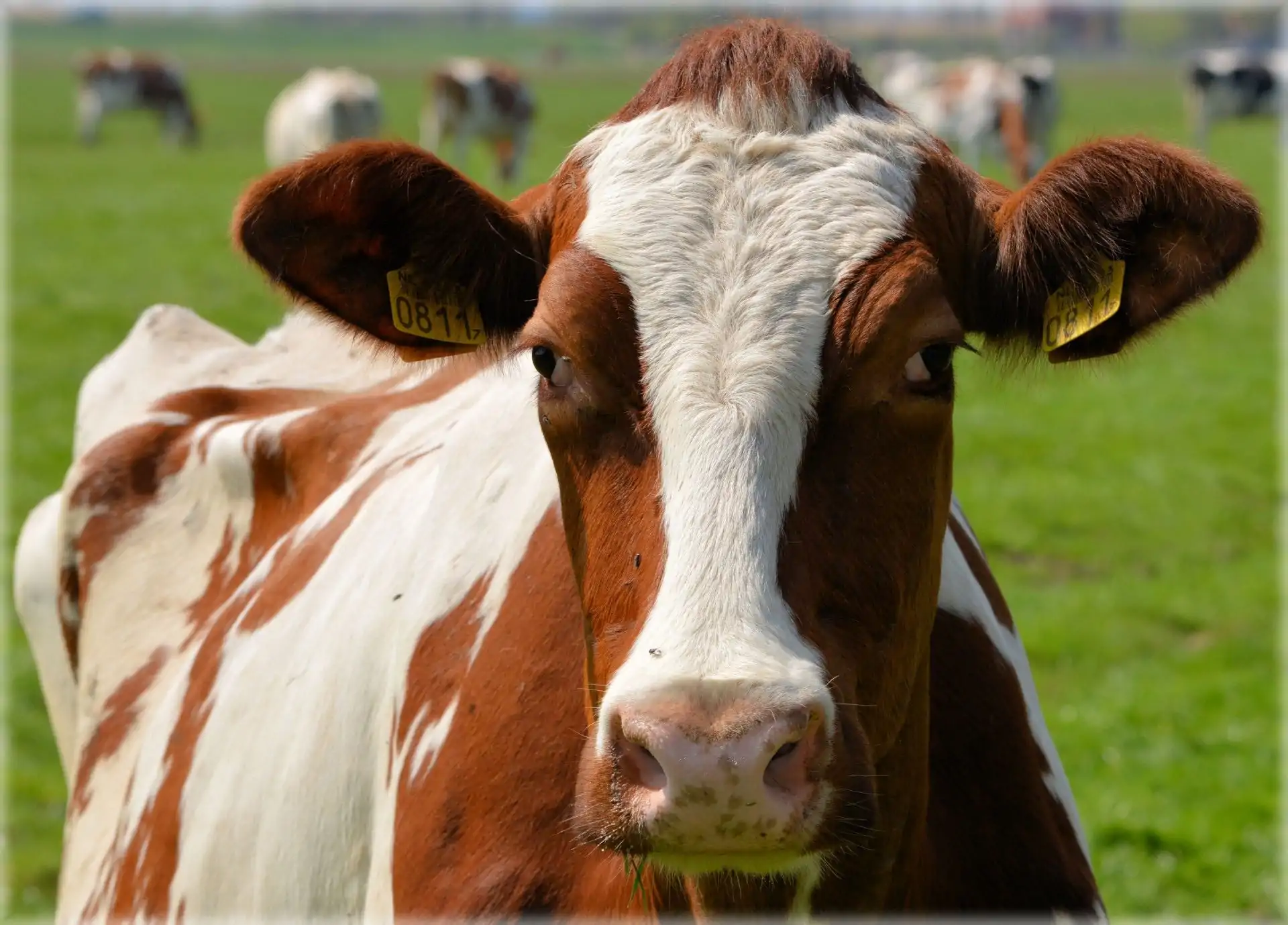
Guernsey cows are distinguished by their reddish-brown and white coats. They are regarded for their high butterfat and protein content, making their milk excellent for various dairy products.
- Milk Fat: 4.5%
- Weight: 1,200 pounds (female)
- Temperament: Gentle and docile
Additionally, Guernsey cows are known for their efficient feed-to-milk conversion, a quality that can be beneficial for a dairy farm’s bottom line.
Ayrshire
Ayrshire cows hail from Scotland and are prized for their high milk quality and quantity. They are medium-sized and have an elegant appearance with a reddish-brown and white coat.
- Milk Production: Around 12,000 to 16,000 pounds per year
- Milk Fat: 3.9%
- Weight: 1,200 pounds (female)
- Temperament: Calm and hardy
These cows are ideal for pasture-based systems thanks to their hardiness and ability to thrive in various climates.
Milking Shorthorn
This versatile breed is known for its dual-purpose capabilities, providing both meat and milk. Milking Shorthorns produce a respectable amount of milk, around 12,000 to 16,000 pounds per year.
- Milk Fat: 3.8%
- Weight: 1,300 pounds (female)
- Temperament: Friendly and easy to manage
This breed fits well into smaller operations, focusing on both dairy and beef production.
Brown Swiss
Brown Swiss cows, known for their brown and gray coloration, are another efficient dairy breed. They are well-regarded for their strength and longevity.
- Milk Production: 20,000 to 22,000 pounds per year
- Milk Fat: 4.0%
- Weight: 1,500 pounds (female)
- Temperament: Docile and easygoing
Brown Swiss milk is high in protein, making the breed a favorite among cheese producers.
Comparative Table of Dairy Cow Breeds
| Breed | Avg. Milk Production (lbs/year) | Milk Fat % | Weight (lbs) | Temperament |
|---|---|---|---|---|
| Holstein | 22,000 – 25,000 | 3.5% | 1,500 | Calm |
| Jersey | 10,000 – 15,000 | 4.7% | 900 | Friendly |
| Guernsey | 12,000 – 16,000 | 4.5% | 1,200 | Gentle |
| Ayrshire | 12,000 – 16,000 | 3.9% | 1,200 | Calm |
| Milking Shorthorn | 12,000 – 16,000 | 3.8% | 1,300 | Friendly |
| Brown Swiss | 20,000 – 22,000 | 4.0% | 1,500 | Docile |
Understanding dairy cow breeds and their qualities not only helps in making informed decisions for establishing a successful dairy farm but also enhances animal welfare and milk quality. Each breed has its own set of attributes that can cater to different farming goals, making it crucial to choose one that aligns with your farm’s vision and resources.
The Importance of Dairy Farm Infrastructure
Establishing a successful dairy farm requires more than just access to land and cows. The right infrastructure plays a vital role in enhancing productivity, efficiency, and overall farm management. Without a solid foundation of infrastructure, the farm can struggle to meet both production and animal welfare standards, which are critical in today’s competitive dairy market.
The importance of infrastructure on a dairy farm can be categorized into several key aspects: housing, milking facilities, storage units, waste management systems, and transportation routes. Each of these components contributes to operational success and ensures that both the animals and the farmers can perform at their best.
Housing Facilities
Quality housing for dairy cattle is essential not only for animal welfare but also for milk production. Adequate shelter protects cows from harsh weather conditions, which can affect their health and milk yield. Here are some key points related to housing:
- Proper ventilation helps in maintaining air quality, preventing respiratory diseases.
- Spacious barns allow for easier movement, reducing stress among the herd.
- Isolation areas for sick or newly introduced animals help manage health risks.
When planning housing facilities, consider the following factors:
| Factor | Considerations |
|---|---|
| Location | Proximity to feed supplies and water sources |
| Design | Open vs. closed structures based on climate |
| Materials | Durability and maintenance needs |
Milking Facilities
The milking parlor is where milk is collected, and its efficiency directly impacts profitability. Investing in high-quality milking equipment can streamline operations and improve milk quality. Consider these aspects:
- Automated milking systems can enhance efficiency and reduce labor costs.
- Regular maintenance of equipment ensures minimum downtime and optimal performance.
- Hygiene standards must be strictly adhered to, as they impact milk safety.
Storage Solutions
Storage facilities play a crucial role in managing feed and milk. Adequate storage prevents wastage and ensures that feed remains fresh. Important storage considerations include:
- Cows require a balanced diet, so store various feed types separately to maintain their quality.
- Milk storage tanks should be insulated to preserve quality and are required to meet safety standards.
- Space for tools and equipment is essential to facilitate daily operations smoothly.
Waste Management
Proper waste management is often overlooked but is vital for both environmental sustainability and farm efficiency. Ineffective waste disposal can lead to odor, attract pests, and even affect the surrounding ecosystem. Key waste management practices include:
- Regular removal of manure to prevent buildup.
- Composting as an eco-friendly method to recycle waste into usable fertilizer.
- Utilizing anaerobic digesters to convert waste into energy.
Transportation Infrastructure
Efficient transportation routes within the farm and to external markets are essential for the timely movement of goods. Here’s what to focus on:
- Design roadways that facilitate movement of machinery, feed, and livestock.
- Minimize travel time by positioning key facilities strategically around the farm.
- Consider accessibility for delivery trucks to ensure smooth interactions with suppliers and distributors.
The infrastructure of a dairy farm serves as the backbone of its operations. By prioritizing quality housing, efficient milking facilities, effective storage solutions, proper waste management practices, and suitable transportation routes, farmers can improve both productivity and animal welfare. In today’s dairy industry, having solid infrastructure is not just an option but a necessity for success.
Financial Planning and Budgeting for a Dairy Farm
Starting a dairy farm is a rewarding venture, but it requires careful financial planning and budgeting to ensure long-term sustainability and success. Without a solid grasp of your financial situation, the risks can be high. Here’s a comprehensive approach to navigating the financial landscape of dairy farming.
Understanding Costs
To create an effective budget, you first need to understand the costs associated with running a dairy farm. A range of expenses can affect your profitability:
- Fixed Costs: These are costs that do not change regardless of milk production, such as land payments, property taxes, and insurance.
- Variable Costs: These fluctuate with production levels. Examples include feed costs, labor, veterinary expenses, and utilities.
- Operating Costs: These daily expenses include maintenance, equipment, supplies, and transportation.
Assessing these costs can help you determine how much capital you need to start your dairy farm and manage ongoing operations effectively. Consider creating a detailed spreadsheet to track each category of expense and calculate total costs.
Creating a Budget
Once you have a clear picture of your costs, the next step is to create a budget. A well-structured budget serves as a roadmap for your financial operations. Here’s a simple budgeting framework:
| Category | Estimated Cost | Actual Cost | Variance |
|---|---|---|---|
| Feed | $XX,XXX | $XX,XXX | $XX,XXX |
| Labor | $XX,XXX | $XX,XXX | $XX,XXX |
| Utilities | $XX,XXX | $XX,XXX | $XX,XXX |
| Veterinary Costs | $XX,XXX | $XX,XXX | $XX,XXX |
| Maintenance | $XX,XXX | $XX,XXX | $XX,XXX |
| Total Expense | $XX,XXX | $XX,XXX | $XX,XXX |
Tracking your estimated and actual costs side by side helps identify areas where you may need to adjust your spending or explore ways to cut costs. Make sure to update your budget regularly to reflect real-time data.
Revenue Projections
In addition to tracking expenses, you should also project your potential revenue. This involves estimating how much milk you expect to produce and sell over a specific period. Consider these factors:
- Cows’ Productivity: The average milk yield per cow will vary based on breed, diet, and health.
- Market Prices: Research current market trends to estimate the price per gallon/liter of milk.
- Sales Channels: Consider different sales options like local markets, grocery stores, or direct-to-consumer sales.
Combining these aspects into a revenue model can help reinforce your financial plan. For example, if you have 50 cows producing an average of 7 gallons a day, that’s 350 gallons daily. Multiply that by your expected price to get a sense of your daily earnings.
Funding Your Dairy Farm
Financing is critical in the early stages of establishing your dairy farm. There are numerous options to consider:
- Personal Savings: Using your savings can help cover initial costs without incurring debt.
- Bank Loans: Traditional loans can provide the necessary capital but require a solid financial plan and collateral.
- Grants and Subsidies: Research opportunities from government programs specifically designed to support agriculture.
- Investors: Partnering with investors can offer funding in exchange for a share of future profits.
Choosing the right mix of funding sources depends on your specific situation and long-term goals. Make sure to evaluate the terms and implications of any funding you consider.
Regular Financial Review
A successful dairy farm demands ongoing attention to financial health. Regularly review your budget against your actual spending and revenue. This practice helps you identify trends, adjust your operational strategies, and plan for future growth. Consider setting aside time each month for this review, and adjust your budget based on any changes in the market or operation costs.
By following these strategic financial planning and budgeting practices, you can set the foundation for a prosperous dairy farm. Remember, your financial success is not just about tracking expenses; it’s also about making informed decisions that contribute to growth and sustainability.
Sustainable Practices in Dairy Farming
Dairy farming is a vital part of the agricultural sector, providing milk and other dairy products globally. However, increased awareness of environmental issues has led to a growing emphasis on sustainable practices within the industry. Implementing methods that minimize negative impacts on the environment, promote animal welfare, and ensure economic viability is essential for modern dairy operations.
Reducing Carbon Footprint
One of the primary focuses of sustainable dairy farming is to reduce the carbon footprint associated with milk production. This can be accomplished through several strategies:
- Efficient Feed Management: Providing high-quality, efficient feed can enhance milk production while reducing methane emissions. Formulating diets that include high-fiber ingredients such as alfalfa or silage can lead to better digestive processes.
- Renewable Energy Sources: Using solar panels or wind turbines for energy needs on dairy farms can significantly decrease reliance on non-renewable energy sources.
- Improved Manure Management: Proper handling of manure through composting or anaerobic digestion can limit greenhouse gas emissions and turn waste into valuable resources.
Water Conservation Techniques
Water is a critical resource in dairy farming. Employing sustainable practices to conserve water helps protect local ecosystems and maintains farm productivity:
- Efficient Irrigation Systems: Utilizing drip or sprinkler systems ensures that water is delivered directly to crops’ roots, minimizing waste.
- Rainwater Harvesting: Collecting and using rainwater for irrigation or livestock watering reduces reliance on groundwater and boosts water availability during dry periods.
- Regular Maintenance: Inspecting and maintaining pipelines and water troughs helps prevent leaks and ensures efficient water use.
Animal Welfare Practices
Maintaining high standards of animal welfare not only ensures ethical treatment but can also lead to better productivity:
- Comfortable Living Conditions: Providing adequate space, clean bedding, and appropriate ventilation is crucial for the well-being of dairy cows.
- Health Monitoring: Regular health checks and vaccinations help in identifying issues early, which can reduce the need for antibiotics and enhance herd longevity.
- Handling Techniques: Training personnel in low-stress handling methods ensures that cows remain calm during milking and transportation.
Soil Health and Crop Diversity
Improving soil health plays a fundamental role in sustainable dairy farming. Healthy soils can enhance crop yields and support diverse ecosystems:
- Cover Cropping: Planting cover crops during off-season periods can prevent soil erosion, improve organic matter, and enhance soil structure.
- Crop Rotation: Rotating dairy feed crops can help manage pests and diseases, reduce soil depletion, and improve nutrient availability.
- Organic Fertilizers: Utilizing compost or green manures enhances soil fertility naturally and reduces dependency on chemical fertilizers.
Community Engagement and Fair Trade Practices
An essential aspect of sustainable dairy farming involves engaging with local communities and adopting fair trade practices. Farmers can:
- Support Local Economies: By purchasing supplies and services locally, dairy farms can stimulate the local economy.
- Participate in Fair Trade Certification: This ensures that dairy products meet social and environmental standards, providing consumers with ethical choices.
- Community Education Programs: Implementing programs that educate the community about sustainable practices can foster goodwill and promote awareness
Benefits of Sustainable Dairy Farming
Adopting sustainable practices provides numerous benefits which contribute to a healthier environment and economy. Some of these include:
| Benefits | Description |
|---|---|
| Environmental Protection | Minimized pollution and conservation of natural resources. |
| Increased Profitability | Cost savings from reduced energy and waste management expenses. |
| Enhanced Product Quality | Higher quality milk resulting from improved animal welfare practices. |
| Stronger Community Relations | Building trust and support within the local community leads to better customer loyalties. |
In essence, incorporating sustainable practices into dairy farming is not just an option; it is a necessity. By focusing on efficient resource use, animal welfare, soil health, and community involvement, dairy farmers can ensure their operations thrive in the long term while contributing positively to the environment.
Marketing Your Dairy Products Effectively
When it comes to launching a successful dairy business, effective marketing strategies are vital. Without the right approach, even the highest quality dairy products can go unnoticed. So, how can you market your dairy products effectively, ensuring they reach the right audience and drive sales?
Understand Your Target Market
Identifying the right target market is the first step in effective marketing. Dairy consumers vary in demographics, preferences, and buying habits. Conduct thorough market research to understand your audience. Are they health-conscious individuals seeking organic options? Or families looking for affordable dairy staples? Knowing your audience will help tailor your marketing strategies to their needs.
Develop a Strong Brand Identity
Your brand identity should reflect the quality and values of your dairy products. This includes choosing a memorable name, designing eye-catching packaging, and crafting a unique selling proposition (USP). For example, if your dairy products are organic and locally sourced, highlight these aspects in your branding. A strong brand identity differentiates your products and fosters customer loyalty.
Utilize Digital Marketing Strategies
In today’s digital age, leveraging online marketing is crucial. Here are several effective digital marketing strategies for promoting your dairy products:
- Social Media Marketing: Create profiles on platforms like Instagram, Facebook, and Twitter to showcase your products. Engage with followers through posts, stories, and contests. Use visually appealing images of your dairy products to grab attention.
- Email Marketing: Build an email list of customers and potential buyers. Send newsletters featuring promotions, new product launches, and recipe ideas that incorporate your dairy products. Personalized emails can increase engagement and boost sales.
- Content Marketing: Start a blog sharing tips on dairy nutrition, recipes, and health benefits. Valuable content not only establishes your authority in the dairy industry but also draws potential customers to your website.
Leverage Local Markets and Events
Connecting with your local community can be incredibly beneficial. Participate in farmers’ markets, food festivals, and community events to showcase your dairy products. Offering samples allows consumers to taste the quality of your products firsthand, which can lead to increased sales.
Form partnerships with local restaurants and grocery stores. Provide them with promotional materials so they can help spread the word about your products. Offering specials or discounts for the first few months can create buzz and encourage businesses to stock your dairy items.
Implement Effective Pricing Strategies
Pricing plays a crucial role in consumer decisions. Conduct competitor analysis to set a price point that reflects the quality of your dairy products while remaining competitive. Don’t shy away from offering bundles or discounts for larger purchases; this not only increases average order value but also encourages customer loyalty.
Gather Customer Feedback and Adapt
Feedback is an invaluable tool for improving your marketing efforts. Encourage customers to leave reviews and testimonials. Use this feedback to refine your products and marketing strategies. Positive reviews can be featured in promotional materials, boosting credibility and attracting new customers.
Utilize SEO for Increased Visibility
Optimizing your online presence for search engines can significantly enhance visibility. Focus on relevant keywords, such as “fresh dairy products,” “organic milk,” or “local cheese,” in your website content and social media posts. This will help capture interest from customers searching for dairy options online.
Monitor Your Success
Regularly assess the effectiveness of your marketing strategies. Utilize tools like Google Analytics to track website traffic and social media metrics to gauge engagement. Adjust your tactics based on what works best for your audience, ensuring continuous improvement in your marketing efforts.
Marketing your dairy products effectively involves a multi-faceted approach. Concentrating on understanding your target market, developing a strong brand, adopting digital strategies, engaging with local communities, and constantly adapting based on feedback will lead to increased visibility and ultimately higher sales. As you implement these strategies, keep your customers at the forefront of all your efforts, ensuring they find value and quality in every interaction with your dairy brand.
Conclusion
Starting a dairy farm requires a thoughtful approach and coordinated execution across various aspects. It isn’t merely about purchasing land and animals; it’s about creating a sustainable and profitable enterprise. Looking back at the essential steps for starting a dairy farm, we can see that each stage plays a crucial role in establishing a solid foundation. From conducting thorough research to understanding the technicalities involved in dairy production, investing time and resources in planning sets the stage for long-term success.
Location is critical. The key considerations for dairy farm location encompass access to resources, pasture quality, and proximity to markets. A well-chosen site not only impacts operational efficiency but also affects livestock health and growth. Areas with access to ample water supply, fertile land, and favorable climate conditions enhance productivity. Moreover, strategically locating your farm near your target markets allows for fresher products and reduced transportation costs.
Understanding dairy cow breeds and their qualities cannot be overlooked. Each breed comes with its unique advantages and varying protocols for care. Selecting the right breed that aligns with your farming goals, whether for milk production or adaptability to the local climate, ensures your farm thrives. Whether choosing Holsteins for high milk yield or Jerseys for high butterfat content, your breed selection has profound implications for your overall dairy operation.
A well-structured dairy farm infrastructure is another cornerstone of success. This infrastructure encompasses milking parlors, barns, feed storage, and proper waste management systems. Investing in quality infrastructure not only enhances productivity but also ensures the health and well-being of your livestock. For instance, a properly designed barn with adequate ventilation can significantly reduce stress on cows, leading to better milk production. It’s vital to prioritize layouts that promote ease of movement and workflows so that both human and animal needs are met seamlessly.
Financial planning and budgeting for a dairy farm go hand in hand with successful implementation. Understanding the costs involved, from initial set-up fees to operational expenses, positions farmers for effective management. Creating a detailed budget assists in alleviating potential financial pitfalls down the road. This may involve estimating costs for feed, veterinary services, licenses, and building infrastructure. Financial planning also encompasses exploring funding options and subsidies available for new dairy farmers, which can substantially supplement start-up costs.
As we move towards a more environmentally conscious future, implementing sustainable practices in dairy farming is essential. Practices like rotational grazing, water management, and waste recycling promote not only ecological health but also improve the reputation of the farm in the eyes of consumers. Today’s consumers are more inclined to support farms that prioritize sustainable methods, as this has become an integral part of food sourcing. By integrating sustainable practices, farms can reduce their environmental footprint while maintaining productivity and profitability.
Marketing your dairy products effectively rounds out the operation. No matter how well a farm is run or how high the quality of its milk, without effective marketing strategies, the dairy may struggle to find consumers. Engaging with your community, utilizing social media platforms, and highlighting the unique selling points of your products – organic, local, or sustainable – can significantly boost visibility and sales. Creating narratives around the product can foster a sense of connection and loyalty amongst customers, thereby establishing a reputable brand.
Establishing a dairy farm is undeniably a multifaceted venture that demands utmost dedication to detail across various dimensions. The journey towards becoming a successful dairy farmer involves a blend of knowledge, practical skills, and a deep understanding of agricultural ecosystems. Engaging with fellow farmers, attending workshops, and staying informed on industry trends can help enhance your knowledge and adapt strategies accordingly.
The road to a flourishing dairy farm is paved with careful planning and action. By keeping these key considerations in mind, aspiring dairy farmers can navigate the initial hurdles while positioning their farms for ongoing success and growth. Each essential step, from choosing the right location to effective marketing of products, plays a significant role in crafting a sustainable and profitable dairy business that can withstand the test of time. With diligence, creativity, and informed decision-making, the dream of operating a successful dairy farm can indeed become a reality.







You might also like:
- 10 Main Elements of a Business Plan
- Agriculture
- 10 Tips to Develop a First Class Business Valuation Report
- How to Prepare a Financial Feasibility Study?
- Financial Modeling for Startups and Small Businesses
- 5 Practical Tips to Help Raise Funds For Startups
- Financial Ratios Analysis and Its Importance
- How to Valuate a Business Using a Discounted Cash Flow Model
- How to Secure Seed Financing?
- Financial Model Templates Easy to Use
- Dairy Farming
- Financial Feasibility Study: A Comprehensive Guide
- Financial Statements – Definition, Uses, Contents and Templates
- Startup Model Templates in Excel that can help your Business Grow
- 10 Ideas to Increase Average Revenue Per User
- Starting or Buying a Coffee Farm – Financial Model
- Free Budget Planner Template in Excel for Services Businesses
- How to Prepare a Financial Plan for a Chicken Egg Farm?
- Financial Reporting: A Key to Business Success
- Business Plans


