0 ITEMS

What Is My Business Worth? 5 Valuation Methods Explained

Your business is probably worth more than your bank account balance and less than your gut feeling — and the gap between those two numbers is where valuation methodology lives.
Key Takeaways
- Earnings-based methods (SDE and EBITDA multiples) are the most common approach for small businesses with $500K–$10M in revenue, typically producing values 2–6x normalized earnings.
- A single customer representing more than 30% of revenue can reduce your valuation by 15–25%, according to business appraisal practitioners.
- SaaS businesses typically sell for 3–6x annual recurring revenue; manufacturing businesses sell for 2–4x EBITDA; retail businesses sell for 1.5–3x SDE.
- DCF models for small businesses typically use a discount rate of 20–35% to reflect higher risk compared to large public companies, which use 8–12%.
- Certified business appraisers (CVA, ABV, ASA credentials) charge $3,000–$25,000 depending on business complexity and purpose of the valuation.
- Cleaning up financial records, reducing owner dependency, and diversifying your customer base 12 months before a sale can increase your final sale price by 10–30%.
- Valuation is a defensible range, not a single number — most professional appraisals present a low, mid, and high scenario based on different assumptions.
Why Business Valuation Matters
Business valuation is the process of determining the economic value of a company — and you need it for more situations than just selling. Exit planning, raising equity funding, buying out a partner, estate planning, divorce proceedings, and SBA loan applications all require a credible valuation. The U.S. Small Business Administration notes that business valuation is a required component of many SBA 7(a) loan transactions above $250,000 Source. Understanding your number before you need it gives you negotiating power and time to improve it.

Business valuation is required in at least 4 common situations beyond a simple sale — knowing your number before you need it gives you negotiating power.
The Three Core Valuation Methods: When to Use Each
Three primary frameworks dominate business valuation: earnings-based (income approach), market comparables (market approach), and asset-based (cost approach). Each produces a different number for the same business, and professional appraisers often use all three as a cross-check.
| Method | Best For | Complexity | Typical Variance vs. Earnings Method |
|---|---|---|---|
| Earnings-Based (SDE/EBITDA) | Profitable operating businesses | Medium | Baseline |
| DCF (Discounted Cash Flow) | High-growth or irregular cash flow businesses | High | +10% to +30% for growth cos. |
| Market Comparables | Businesses with clear industry peers | Medium | ±20% depending on data quality |
| Asset-Based (Book Value) | Asset-heavy or distressed businesses | Low | 20–40% below earnings method for profitable service firms |
| Adjusted Net Asset | Holding companies, real estate, liquidation | Medium | Varies widely |
The right method depends on your business type. A profitable consulting firm with minimal assets should use earnings-based methods. A manufacturing company with significant equipment should cross-check with asset-based. A fast-growing SaaS startup with negative EBITDA needs a DCF or revenue multiple approach.
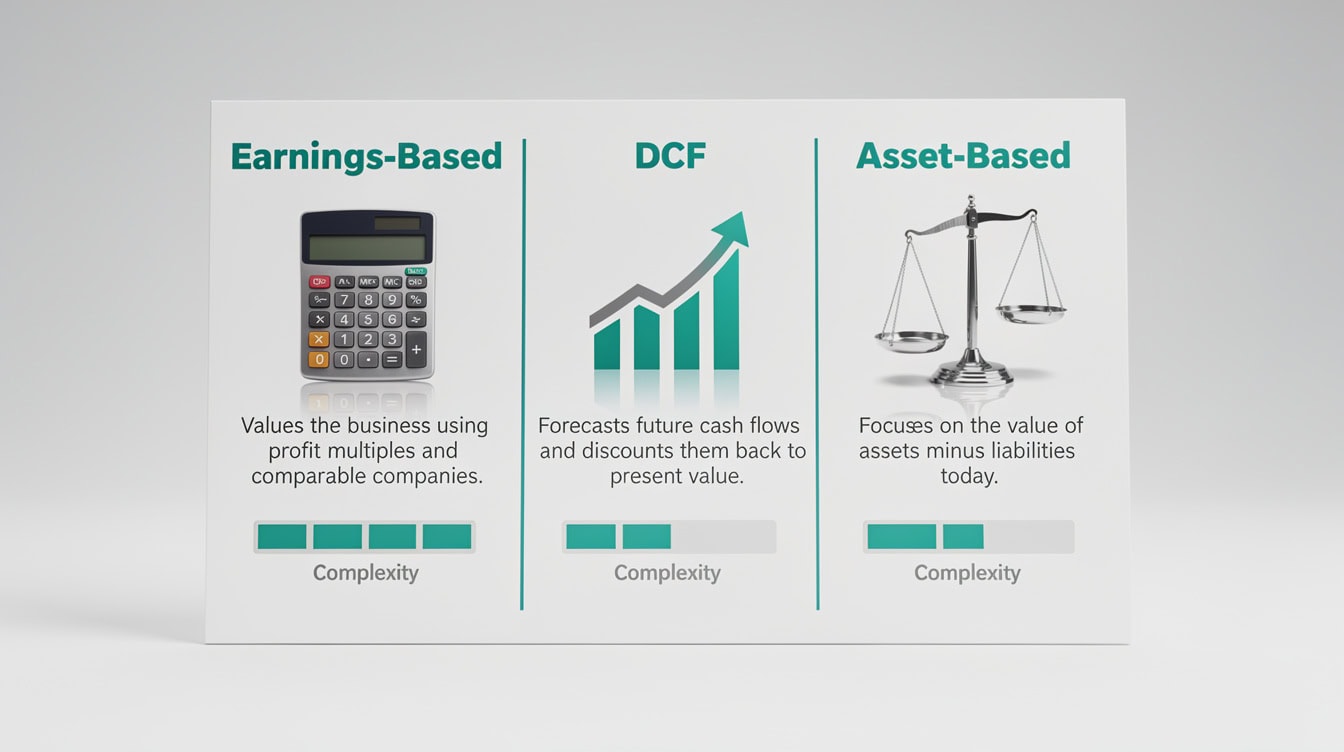
Each valuation method produces a different number for the same business — professional appraisers use all three as a cross-check.
Earnings-Based Valuation: SDE vs. EBITDA
For most small businesses, earnings-based valuation is the starting point — and the distinction between SDE and EBITDA determines which multiple applies.
SDE (Seller’s Discretionary Earnings) is the total financial benefit a full-time owner-operator receives from the business annually. It equals net profit plus owner’s salary, owner benefits, depreciation, amortization, interest, and one-time or non-recurring expenses. SDE is the standard metric for businesses under $2M in annual revenue where the owner works in the business.
EBITDA (Earnings Before Interest, Taxes, Depreciation, and Amortization) strips out financing and accounting decisions to show operating profitability. It’s the standard for businesses above $2M in revenue where a professional management team could replace the owner. Excel’s NPV function can handle up to 254 value arguments, which is more than sufficient for even the most detailed multi-year cash flow projections used in EBITDA-based models.
Common SDE Add-Backs Business Owners Miss
- Owner’s salary above market rate (normalize to what you’d pay a replacement manager)
- Personal vehicle expenses run through the business
- Personal health insurance premiums
- Family member salaries above market rate
- One-time legal fees or non-recurring repairs
- Excess rent paid to a related-party landlord
Worked Example: Calculating SDE
Here’s the math for a $3M revenue landscaping business:
- Net profit (from tax return): $180,000
- Owner’s salary: $120,000
- Owner’s personal vehicle (add back): $18,000
- Owner’s health insurance (add back): $12,000
- One-time equipment repair (add back): $25,000
- Depreciation (add back): $40,000
- Interest expense (add back): $15,000
- SDE = $410,000
At a 2.5x SDE multiple (typical for a landscaping business with moderate owner dependency), this business is worth approximately $1,025,000.
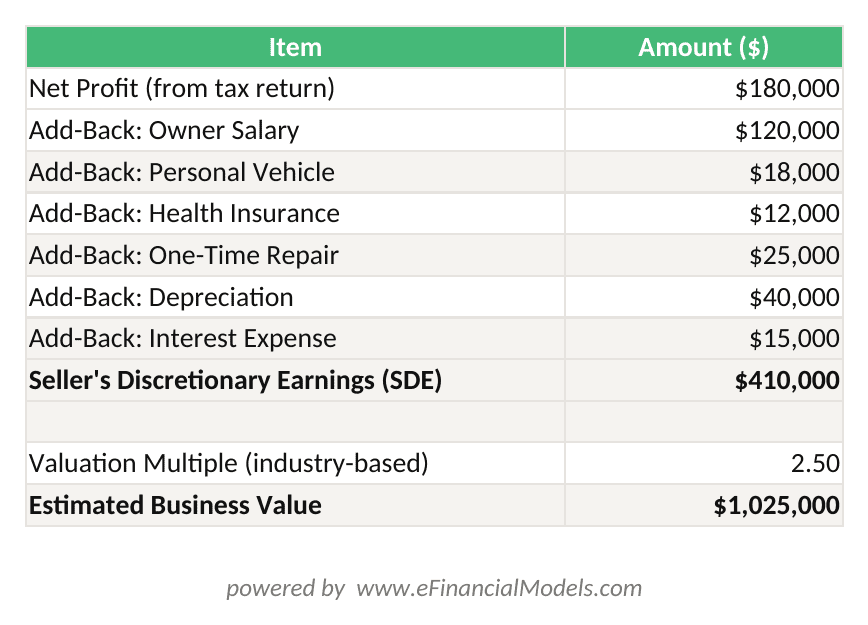
SDE = Net Profit + Owner Salary + Personal Benefits + Depreciation + Interest + One-Time Expenses. At 2.5x multiple, this landscaping business is worth $1,025,000.
Step-by-Step: Building a DCF Model
A DCF (Discounted Cash Flow) model values a business by projecting its future free cash flows and discounting them back to today’s dollars using a rate that reflects the risk of those cash flows. The core idea: a dollar received in five years is worth less than a dollar today.
Step 1: Project Free Cash Flow for 5 Years
Start with your most recent year’s EBITDA. Apply a realistic growth rate (use your 3-year historical average as a baseline). Subtract estimated capital expenditures and changes in working capital to get free cash flow.
Step 2: Select Your Discount Rate
For small private businesses, the discount rate (often called WACC, or Weighted Average Cost of Capital) typically ranges from 20–35%. This is much higher than the 8–12% used for large public companies because small businesses carry more risk: key-person dependency, limited access to capital, and less diversified revenue. Use 25% as a starting point for a stable small business, and adjust up for higher risk factors.
Step 3: Calculate Terminal Value
Terminal value captures the value of cash flows beyond your 5-year projection. Use the Gordon Growth Model: Terminal Value = (Final Year FCF × (1 + g)) / (Discount Rate – g), where g is the long-term growth rate. For mature small businesses, use g = 2–3%, consistent with long-run GDP growth expectations.
Step 4: Discount Everything Back to Present Value
Use Excel’s NPV function: =NPV(discount_rate, cash_flow_year1:cash_flow_year5) + Terminal_Value / (1 + discount_rate)^5. Excel’s XNPV function accepts up to 254 payments, making it well-suited for modeling irregular cash flow timing in small business DCF analyzes.
Step 5: Sum to Enterprise Value
Add the PV of projected cash flows plus the PV of terminal value. Subtract net debt (total debt minus cash) to get equity value.
DCF Worked Example
Assume a business with Year 1 FCF of $200,000, growing at 8% annually, a 25% discount rate, and a 3% terminal growth rate:
- Year 1 PV: $200,000 / 1.25 = $160,000
- Year 2 PV: $216,000 / 1.5625 = $138,240
- Year 3 PV: $233,280 / 1.953 = $119,446
- Year 4 PV: $251,942 / 2.441 = $103,213
- Year 5 PV: $272,097 / 3.052 = $89,154
- Terminal Value: ($272,097 × 1.03) / (0.25 – 0.03) = $1,274,818
- PV of Terminal Value: $1,274,818 / 3.052 = $417,700
- Enterprise Value: $1,027,753
Asset-Based Valuation: Book Value vs. Adjusted Net Asset Method
Asset-based valuation calculates what the business owns minus what it owes. It’s most relevant for asset-heavy businesses (manufacturing, real estate, equipment rental) or businesses being liquidated.
Book Value uses the balance sheet directly: total assets minus total liabilities. This rarely reflects true market value because assets are recorded at historical cost, not current market value.
Adjusted Net Asset Method restates each asset and liability at fair market value. Equipment gets appraised. Real estate gets appraised. Intangible assets (customer lists, patents, brand) get valued separately. This method is required for estate and gift tax valuations under IRS Revenue Ruling 59-60.
For profitable service businesses, asset-based methods typically produce values 20–40% below earnings-based methods because they ignore the going-concern premium — the extra value a buyer pays for an operating, profitable business versus a pile of assets.
Industry Valuation Multiples: What Businesses Like Yours Actually Sell For
Multiples vary significantly by industry, growth rate, and business quality. The ranges below reflect data from the Pepperdine Private Capital Markets Survey and BizBuySell transaction data.
| Industry | Metric | Low Multiple | High Multiple | Key Driver of Higher End |
|---|---|---|---|---|
| SaaS / Software | ARR | 3x | 6x | Net revenue retention >110% |
| Manufacturing | EBITDA | 2x | 4x | Proprietary process or IP |
| Retail (brick & mortar) | SDE | 1.5x | 3x | Multi-location, strong brand |
| Professional Services | SDE | 1x | 3x | Low owner dependency |
| Healthcare / Medical | EBITDA | 3x | 6x | Recurring patient base |
| Restaurants | SDE | 1x | 2.5x | Franchise vs. independent |
| E-commerce | EBITDA | 2x | 5x | Branded, defensible niche |
| Construction / Trades | SDE | 1.5x | 3x | Backlog, licensed team |
Businesses at the high end of their range share common traits: diversified customer base, documented processes, recurring revenue, strong management team, and clean financial records. Businesses at the low end typically have high owner dependency, customer concentration, or declining revenue trends.
For business valuation modeling templates that incorporate these multiples, EFM provides pre-built worksheets with adjustable inputs.
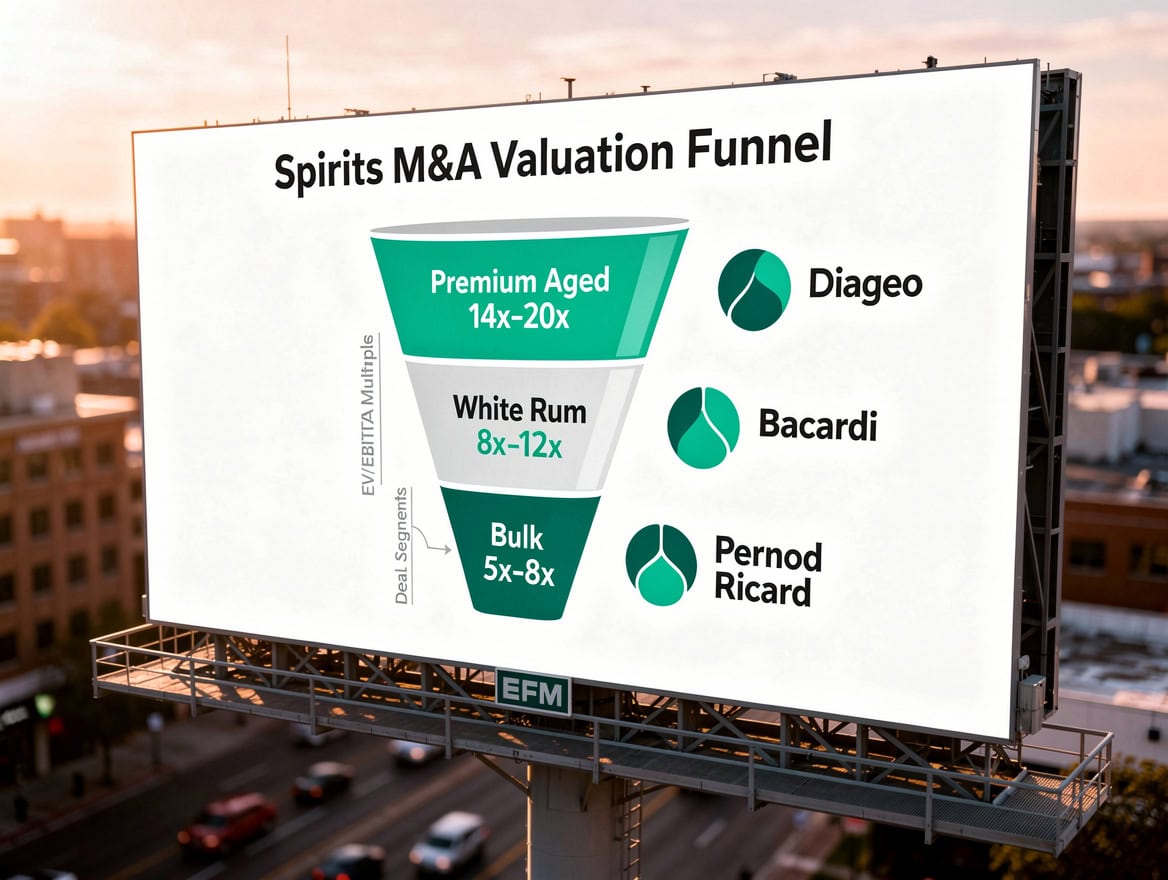
Industry multiples vary by 4x or more between sectors — a SaaS business with strong retention can be worth 6x what a comparable-revenue restaurant commands.
Critical Valuation Adjustments: Risk and Intangible Assets
Professional appraisers apply adjustments to the base multiple to reflect specific risk factors. Here’s how to quantify the most common ones:
Customer Concentration: A business where one customer represents more than 30% of revenue typically receives a 15–25% valuation discount. Two customers representing 50% of revenue triggers a similar adjustment. Fix this before selling by actively diversifying your customer base.
Owner Dependency: If the business cannot operate without you for 30 days, buyers will discount the price or require a long earnout. Businesses with documented SOPs, a trained management team, and systems that run independently command premium multiples.
Recurring Revenue: Subscription or contract revenue is worth more than project-based revenue. A business with 70% recurring revenue may command a 0.5–1x higher multiple than an identical business with purely transactional revenue.
Intellectual Property: Patents, proprietary software, and trade secrets add value but require separate appraisal. The income approach to IP valuation (relief-from-royalty method) estimates what you’d pay to license the IP if you didn’t own it.
Financial Record Quality: Businesses with reviewed or audited financials (versus tax-return-only records) command higher prices because buyers face less due diligence risk. The cost of a CPA review ($2,000–$8,000 annually) often returns 5–10x in sale price improvement. When building sensitivity tables in Excel, the IRR function can evaluate up to 29 iterations before returning a result, which is important to understand when stress-testing discount rate assumptions across multiple valuation scenarios.
For NPV and terminal value calculations that incorporate these risk adjustments, EFM’s valuation templates include pre-built sensitivity tables.
Common Valuation Mistakes That Cost Business Owners Six Figures
These five mistakes consistently reduce sale prices or derail transactions:
Mistake 1: Using Tax-Minimized Earnings as the Baseline
Many owners aggressively minimize taxable income. Buyers and appraisers will add back legitimate expenses, but if your books show $50,000 in profit on $2M in revenue, expect skepticism. Clean, normalized financials for the 3 years before a sale.
Mistake 2: Anchoring to a Single Method
Using only one valuation method ignores the full picture. A manufacturing business valued only on earnings may miss $400,000 in real estate appreciation. Always cross-check with at least two methods.
Mistake 3: Ignoring Working Capital Adjustments
Most business sales include a working capital peg — the buyer expects a normalized level of working capital at closing. Sellers who drain receivables before closing often face post-closing price adjustments. Understand your working capital cycle before negotiating.
Mistake 4: Confusing Enterprise Value with Equity Value
Enterprise value includes debt. If your business has a $500,000 SBA loan, your equity value is enterprise value minus $500,000. Many owners are surprised when the wire transfer at closing is lower than the headline sale price.
Mistake 5: Overvaluing Goodwill
Personal goodwill (relationships that leave when you do) is worth far less than enterprise goodwill (brand, systems, customer contracts). Buyers pay for transferable value. If your top 10 customers buy from you personally, not from your company, that’s personal goodwill — and it’s largely non-transferable.
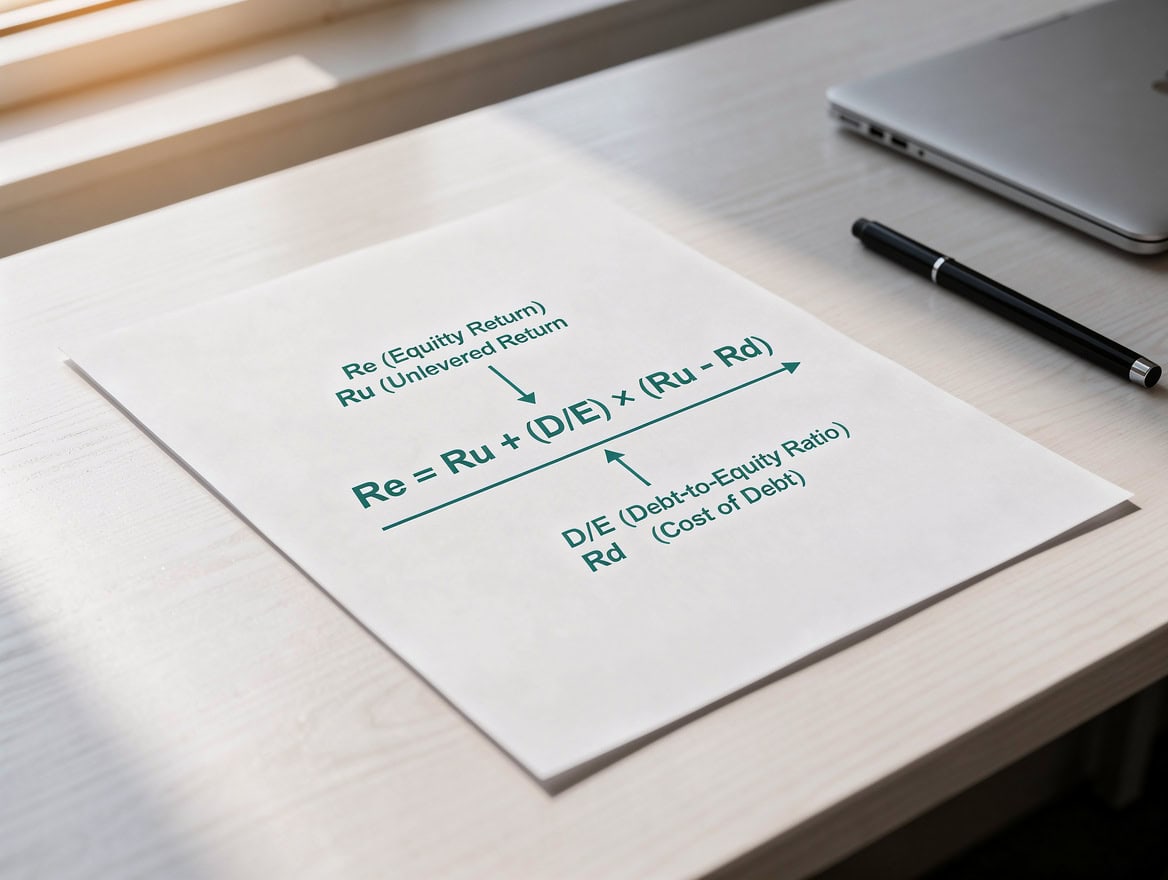
Confusing enterprise value with equity value is the most common closing-day surprise — always subtract net debt from the headline sale price.
DIY Valuation vs. Hiring a Certified Business Appraiser
A DIY valuation using the methods in this guide is sufficient for internal planning, partnership discussions, and preliminary exit planning. You need a certified appraiser when the valuation will be used in litigation, estate tax filings, SBA loan applications above $250,000, or formal M&A negotiations.
Three credentials dominate the field: CVA (Certified Valuation Analyst, issued by NACVA), ABV (Accredited in Business Valuation, issued by the AICPA), and ASA (Accredited Senior Appraiser, issued by the American Society of Appraisers). Each requires passing examinations and demonstrating professional experience.
Cost ranges by purpose:
- Internal planning / preliminary estimate: $3,000–$7,000
- SBA loan or bank financing: $5,000–$12,000
- M&A transaction support: $8,000–$25,000
- Litigation / divorce / estate: $15,000–$50,000+
The ROI calculation is straightforward: if a $10,000 appraisal helps you negotiate a $100,000 higher sale price, the return is 10x. For businesses above $2M in value, professional appraisal almost always pays for itself.
For business plans and financial models that support funding applications, EFM templates are designed to meet lender and investor documentation standards.
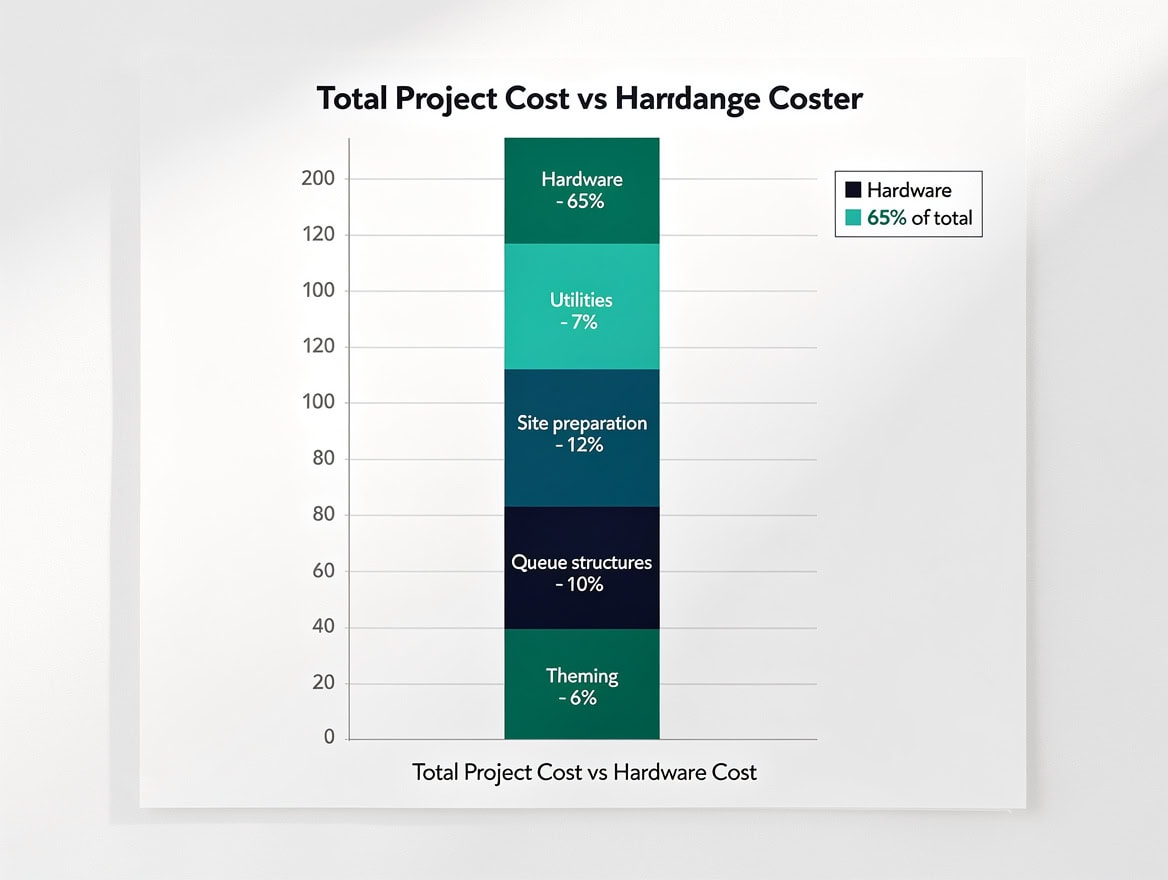
For businesses valued above $2M, a $10,000 professional appraisal that improves negotiating position by even 5% returns $100,000 — a 10x ROI.
Frequently Asked Questions
What is the most common way to value a small business?
The most common method for small businesses with under $5M in revenue is the SDE (Seller’s Discretionary Earnings) multiple. You calculate SDE by adding back the owner’s salary, personal benefits, depreciation, amortization, interest, and one-time expenses to net profit. Then you multiply SDE by an industry-appropriate multiple, typically 1.5x–3x for most Main Street businesses. For example, a landscaping business with $400,000 in SDE at a 2.5x multiple is worth $1,000,000. This method is preferred because it reflects the total economic benefit to an owner-operator, which is what most buyers are actually purchasing.
How do I calculate EBITDA for my business?
EBITDA equals net income plus interest expense, plus taxes, plus depreciation, plus amortization. Start with your income statement’s net income line. Add back any interest expense on loans. Add back income tax expense. Add back depreciation and amortization from your cash flow statement or notes. For example: Net income $200,000 + Interest $30,000 + Taxes $50,000 + Depreciation $40,000 + Amortization $10,000 = EBITDA of $330,000. EBITDA is the standard metric for businesses above $2M in revenue because it removes financing and accounting decisions, showing pure operating performance that a new owner could replicate regardless of their capital structure.
What discount rate should I use in a DCF model for a small business?
Small private businesses typically use discount rates of 20–35%, significantly higher than the 8–12% used for large public companies. The higher rate reflects the additional risks of small business ownership: key-person dependency, limited access to capital markets, less diversified revenue, and illiquidity (you can’t sell a private business in 30 seconds like a stock). A stable, profitable business with recurring revenue and a management team might use 20–22%. A business heavily dependent on the owner with lumpy project revenue might use 30–35%. The discount rate is the single biggest driver of DCF value, so sensitivity analysis across a range of rates is essential.
How does customer concentration affect my business valuation?
Customer concentration is one of the most significant valuation risk factors. Businesses where a single customer represents more than 30% of revenue typically receive a 15–25% valuation discount from buyers and appraisers. If two customers together represent 50% of revenue, expect similar scrutiny. The logic is straightforward: if that customer leaves after the sale, the buyer’s investment is severely impaired. To mitigate this, actively diversify your customer base 12–24 months before a planned sale. Reducing your top customer from 40% to 20% of revenue can meaningfully increase your final sale price. Document long-term contracts wherever possible, as contractual revenue is worth more than relationship-based revenue.
What is the difference between enterprise value and equity value?
Enterprise value is the total value of the business, including all debt. Equity value is what you actually receive as the seller after debt is repaid. The formula is: Equity Value = Enterprise Value minus Net Debt (total debt minus cash). For example, if your business has an enterprise value of $2,000,000 and an outstanding SBA loan of $400,000 with $50,000 cash in the bank, your equity value is $2,000,000 minus $350,000 net debt = $1,650,000. This is the amount that would be wired to you at closing. Many sellers are surprised by this distinction when they see the final settlement statement, so understanding it early prevents negotiating on the wrong number.
When should I hire a certified business appraiser instead of doing it myself?
Hire a certified appraiser (CVA, ABV, or ASA credential) when the valuation will be used in a formal legal or financial context: SBA loan applications above $250,000, estate tax filings with the IRS, divorce proceedings, shareholder disputes, or formal M&A negotiations with institutional buyers. For internal planning, preliminary exit discussions, or partnership conversations, a DIY valuation using the methods in this guide is sufficient. Certified appraisers charge $3,000–$25,000 depending on business complexity and purpose. For businesses valued above $2M, the cost of a professional appraisal is almost always recovered through better negotiating position and reduced buyer due diligence risk.
How can I increase my business value before selling?
The 6 highest-ROI improvements in the 12 months before a sale are: (1) clean up and normalize 3 years of financial statements with a CPA; (2) reduce owner dependency by documenting SOPs and promoting a management layer; (3) diversify your customer base to reduce concentration below 20% per customer; (4) convert project-based revenue to recurring contracts or retainers; (5) resolve any pending litigation or regulatory issues; and (6) eliminate personal expenses run through the business so your SDE is clearly documented. Businesses that complete these steps 12 months before going to market typically achieve 10–30% higher sale prices than businesses sold reactively. The time investment is significant, but the financial return is substantial.
Conclusion
Business valuation is not a single number — it’s a defensible range built on transparent assumptions, normalized financials, and the right method for your business type. The SDE multiple method gives you a fast, practical starting point. The DCF model gives you a forward-looking view of growth value. Asset-based methods provide a floor. Together, they give you the full picture.
I recommend downloading EFM’s Business Valuation Excel Template, which includes a pre-built DCF model, SDE and EBITDA adjustment calculator, and comparable company analysis worksheet — everything you need to build a credible valuation range for your business today.