0 ITEMS

Unlocking Success With Your Solar Farm Business

Renewable energy, especially solar power, is transforming how businesses plan for growth and sustainability.
- Solar farms offer environmental benefits like reducing carbon emissions and dependence on fossil fuels.
- They provide attractive financial returns through government incentives, stable energy sales, and tax credits.
- Market trends such as technological advancements and supportive policies are driving global growth, with the industry expected to surpass $223 billion by 2026.
- Financial modeling is essential for assessing project viability, calculating costs, and projecting revenues.
- Strategic partnerships and technological innovations can enhance efficiency and profitability.
This article covers the key factors for starting and expanding a solar farm, supported by real-world examples and market data.
Key Benefits of Investing in Solar Farms
Investing in solar farms is not just a commitment to sustainability; it is also a strategic financial decision. Here are some of the key benefits associated with solar farm investments:
- Environmental Sustainability: Solar farms produce clean, renewable energy that significantly reduces carbon emissions and dependence on fossil fuels.
- Attractive Financial Returns: Investors can benefit from various incentive programs, including tax credits and subsidies, coupled with stable cash flow generation from energy sales.
- Growth Opportunity: The renewable energy market, particularly solar, is witnessing rapid growth driven by technological advancements and increasing demand for clean energy solutions.
- Energy Independence: Investing in solar farms contributes to national energy security by reducing reliance on imported fuels.
- Job Creation: Solar farms not only generate energy but also create employment opportunities across various sectors, from construction to maintenance.
Understanding the multifaceted benefits of solar farm investments can inform a more strategic approach to entering this market. Investors can take pride in supporting sustainable practices while capitalizing on the growing demand for renewable energy. By evaluating the factors mentioned above, they can make more informed decisions that align with their financial goals.
Outlook on Solar Energy Market Trends
The solar energy sector is characterized by dynamic trends that can significantly influence investment decisions. As we look forward, several factors are expected to drive the demand for solar energy:
| Trend | Description |
|---|---|
| Technological Advancements | Innovations in solar technology, such as more efficient solar panels and energy storage solutions, are making solar installations more cost-effective and accessible. |
| Government Policies | Supportive legislation and financial incentives at both federal and state levels are increasing investment in solar energy projects. |
| Rising Consumer Demand | Consumers are more aware of their ecological footprint and are demanding sustainable energy options, pushing businesses to adopt solar solutions. |
| Corporate Sustainability Goals | Many corporations are committing to ambitious sustainability targets, often including investment in renewable energy sources like solar. |
This overview of market trends underscores the importance of staying informed and adaptable in the rapidly evolving solar energy landscape. Investors who remain vigilant and anticipate these shifts will be able to capitalize on the opportunities presented by the sun’s unlimited potential. Being proactive in understanding both the benefits and trends will aid in making strategic decisions conducive to long-term success in the renewable energy domain.
Understanding the Solar Market and Its Growth Potential
Understanding the solar market is fundamental to building a thriving solar energy business. Over the past decade, the demand for solar power has skyrocketed, fueled by various factors including government policy incentives, rapid technological advancements, and a notable increase in consumer awareness regarding sustainable energy options. As reported by industry analysts, the global solar power market is anticipated to surpass a remarkable value of $223 billion by 2026. This projection signifies a tremendous growth opportunity for businesses involved in the solar energy sector.
Key Market Drivers
Several key drivers are propelling the growth of the solar market. These factors not only influence the current landscape but also lay the groundwork for future developments in solar energy adoption. Below is an overview of the primary market drivers:
- Government Policies: Governments worldwide are implementing incentives such as tax credits, rebates, and feed-in tariffs that make solar investments more attractive. For instance, the United States offers an Investment Tax Credit (ITC) which allows businesses to reduce their federal income tax liability by up to 26% of the cost of installing solar systems. This kind of financial encouragement sees governments playing a critical role in supporting solar projects.
- Technological Innovations: Breakthroughs in solar technology are improving the efficiency of solar panels and energy storage systems. Advances such as bifacial solar panels, which capture sunlight on both sides, and enhanced lithium-ion batteries for storage increase the feasibility and attractiveness of solar projects. Reports suggest that organizations investing in solar technology are achieving significant cost reductions while improving energy output.
- Corporate Sustainability Initiatives: A growing number of corporations are committing to renewable energy as part of their sustainability strategies. Many major companies, including tech giants like Google and Apple, are moving towards 100% renewable energy use, thereby driving demand for solar energy solutions. This trend signals a paradigm shift where businesses are increasingly recognizing the value of integrating sustainability into their operational models.
These drivers collectively offer robust incentives for both investors and developers in the solar space, indicating a secure and advantageous horizon for growth. The convergence of favorable government policies, ongoing technological breakthroughs, and corporate commitment to sustainability underlines the momentum required for successful solar projects.
Market Statistics Overview
To further underscore the vitality of the solar industry, the following table encapsulates key statistics regarding market growth rates and leading countries in solar adoption:
| Country | Projected Market Growth Rate (2023-2026) | Market Value (Projected 2026) |
|---|---|---|
| United States | 20% CAGR | $82 Billion |
| China | 20% CAGR | $120 Billion |
| Germany | 15% CAGR | $30 Billion |
This table highlights select nations that are at the forefront of solar energy development, painting a clear picture of the market dynamics at play. The impressive compound annual growth rate (CAGR) projections for these countries indicate a sustained investment in solar infrastructure and innovation. It is evident that the global landscape for solar energy is not only primed for remarkable growth but also reflects a strategic commitment towards a sustainable energy future.
Importance of Financial Modeling for Solar Farm Businesses
After identifying attractive market opportunities in the solar energy sector, effective financial planning is crucial for the success of your solar farm business. A sophisticated financial model serves as a roadmap, directing your decisions at every stage of the project life cycle. This process involves analyzing and estimating key financial elements, such as initial capital requirements, operating costs, and various potential revenue streams. This structured approach not only aids in securing financing but also enhances operational efficiency and long-term sustainability.
Key Components of Financial Modeling
To build a comprehensive financial model for your solar farm, it is essential to consider several key components. Each of these elements will play a significant role in understanding the project’s financial viability and guiding strategic decisions.
- Capital Expenditure (CapEx): Accurately estimate costs related to land acquisition, equipment purchases, installation, and necessary permitting. These initial investments constitute the foundation upon which your entire project will be built.
- Operational Expenditure (OpEx): Identify and project recurring expenses associated with daily operations, including maintenance, insurance, and staffing costs. Understanding these expenses will help you maintain a sustainable operation over time.
- Revenue Streams: Analyze potential sources of income, such as the sale of generated electricity, Renewable Energy Certificates (RECs), and any applicable government subsidies. This variety can significantly impact your financial stability and growth potential.
Financial Model Example
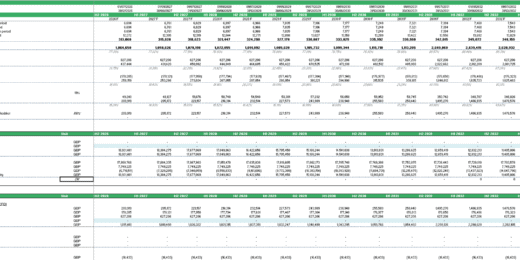
To illustrate the key components of financial modeling, let’s take a look at a hypothetical financial model for a small solar farm. This example outlines estimated capital expenditures, operational expenditures, and expected annual revenues in a structured format.
| Item | Estimated Cost / Revenue ($) |
|---|---|
| Capital Expenditure (CapEx) | 200,000 |
| Land Acquisition | 50,000 |
| Solar Panels | 100,000 |
| Installation Costs | 30,000 |
| Permitting Fees | 20,000 |
| Operational Expenditure (OpEx) | 30,000 |
| Maintenance Costs | 10,000 |
| Insurance | 5,000 |
| Staffing Costs | 15,000 |
| Expected Annual Revenue | 50,000 |
This sample financial model highlights the intricate balance between expenditures and revenues required for the success of a solar farm. By maintaining awareness of both capital and operational expenditures, along with projected income, you can establish a comprehensive understanding of the financial landscape. Such models are essential in identifying areas that need optimization and can ultimately lead to improved financial health and sustainability for your solar business.
In summary, mastering the components of financial modeling is imperative for prospective solar farm owners. A clear understanding of capital and operational expenditures, alongside potential revenue streams, will empower you to make informed decisions that enhance your investment’s viability and potential profitability. To learn more about financial modeling in the renewable energy sector, consider exploring our dedicated resources at Renewable Energy Financial Models.
Essential Technologies for Solar Farms
For investors looking to maximize the efficiency and profitability of a solar farm business, understanding the role of advanced technology is crucial. Innovations in the solar industry not only enhance energy output but also streamline operations, reduce costs, and provide a competitive advantage. This section will explore essential technologies that can significantly influence a solar farm’s success.
1. Solar Photovoltaic Systems
Solar photovoltaic (PV) systems are the heart of a solar farm, converting sunlight directly into electricity. Selecting high-efficiency solar panels optimized for the geographic location of the installation can lead to higher energy capture and output.
- Relevance: Solar PV systems are core to the functionality of any solar farm, determining its energy generation capabilities.
- Advantages: Increased energy output per panel, reduced land use, and better return on investment.
- Potential Costs: Usually ranges from $0.50 to $3.00 per watt, depending on the technology and scale of installation.
Investing in high-quality solar photovoltaic systems not only enhances energy efficiency but also offers long-term financial stability through sustainable energy production. With the decreasing costs of solar technology over recent years, investing in well-researched and geographically appropriate PV systems is a significant advantage.
2. Energy Storage Solutions
Energy storage systems are an integral part of modern solar farms, enabling the collection and storage of excess energy produced during peak sunlight hours for later use. This capability addresses power variability and ensures a steady energy supply.
- Relevance: Essential for optimizing energy usage and stabilizing power distribution, especially in regions with inconsistent sunlight.
- Advantages: Reduces reliance on grid electricity, enhances energy security, and can provide backup during outages.
- Potential Costs: Lithium-ion batteries generally cost between $300 to $600 per kilowatt-hour for residential systems, while larger scale solutions can vary significantly.
With increasing advancements in battery technology, the initial investment in energy storage can result in substantial savings and energy independence over time. Consequently, energy storage systems are vital for maximizing the potential of solar energy and ensuring a more robust energy output.
3. Monitoring Software
Advanced analytics tools and monitoring software play a significant role in operational efficiency. These systems provide real-time data on energy production, system performance, and maintenance requirements, allowing for proactive management of solar farms.
- Relevance: Essential for tracking energy production and identifying inefficiencies in real-time.
- Advantages: Improves operational efficiency, extends equipment lifespan, and minimizes downtime.
- Potential Costs: Ranges from $5,000 to $20,000 for installation, depending on the complexity and features included.
By implementing comprehensive monitoring software, solar farm operators can make informed decisions, improving both operational and financial performance. With accurate data at their fingertips, stakeholders can optimize processes, reflect on performance, and adjust strategies effectively.
Comparison of Technologies
The following table summarizes key information about the technologies discussed, allowing investors to understand the distinctions, costs, and advantages associated with each.
| Technology | Cost ($) | Efficiency Rate (%) | Advantages |
|---|---|---|---|
| Solar Photovoltaic Systems | 0.50 – 3.00 per watt | 15 – 22+ | High energy output, reduced land use |
| Energy Storage Solutions | 300 – 600 per kWh | N/A | Energy reliability, grid independence |
| Monitoring Software | 5,000 – 20,000 | N/A | Real-time tracking, efficiency optimization |
This comparison table illustrates the varying costs and benefits of each technology within a solar farming framework. By leveraging this information, investors can make informed decisions, leading to enhanced operational management and financial performance. Choosing the right combination of technologies can yield not only higher efficiency but also sustained profitability in the long run.
In conclusion, recognizing and adapting to the technological advancements within the solar industry is essential for the successful operation of a solar farm. Each technology discussed contributes uniquely to increased energy capture, reliability, and overall efficiency. As the solar sector continues to evolve, staying informed about emerging technologies will provide businesses with a clear competitive edge.
Harnessing Partnerships for Success in the Solar Industry
Partnerships can act as a significant driver of success within the solar industry, bringing together the strengths of various stakeholders to create impactful synergies. Collaborating with other businesses, governmental agencies, and non-profit organizations not only enhances project viability but also opens doors to numerous advantages such as access to funding, technical know-how, and broadened market reach. The value of these collaborations cannot be overstated, as they can lead to enhanced project performance and an accelerated pathway toward sustainability goals.
Case Study: Solar Partnership Success
To illustrate the power of partnerships in the solar sector, let’s consider the collaboration between a renewable energy company and a community organization focused on sustainable practices. This partnership was instrumental in securing grant funding to install solar panels on underprivileged community centers. The solar company provided its technical expertise in system design and installation, while the community organization leveraged its relationships with local government to facilitate bureaucratic hurdles. Together, they not only achieved their goal of renewable energy adoption but also created awareness and education around solar energy within the community.
Types of Valuable Partnerships
Understanding the various forms of partnerships that can be beneficial in the solar industry helps organizations strategically position themselves for success. Below are key types of partnerships worth pursuing:
- Financial Institutions: Financial entities such as banks, venture capital firms, and impact investors can play a crucial role in funding solar projects. By forming relationships with these institutions, solar companies can secure financing essential for project development and expansion.
- Technology Vendors: Collaborations with solar panel manufacturers and technology suppliers are vital to mitigate supply chain issues. These partnerships can ensure that solar companies have ready access to the latest innovations and materials, boosting project efficiency and reliability.
- Environmental Organizations: Partnering with non-profits and advocacy groups not only enhances credibility but also helps align projects with community sustainability goals. This collaboration may lead to joint initiatives that promote solar energy benefits, further enhancing public support and outreach.
These types of partnerships are crucial in leveraging resources and expertise, ultimately driving successful solar projects. When solar companies foster relationships with financial institutions, technology vendors, and environmental organizations, they pave the way for innovative solutions and reliable financing options. Each type of partnership brings unique value, contributing to a more resilient solar energy landscape.
The Synergy Diagram: Visualizing Partnership Benefits
To better understand how these partnerships come together to create value, we can visualize the synergies in the solar industry. Below is an illustrative diagram that highlights the interconnected nature of these partnerships and the benefits they provide:
| Partnership Type | Key Contributions | Potential Outcomes |
|---|---|---|
| Financial Institutions | Funding and investment strategies | Enhanced project viability |
| Technology Vendors | Latest technology and efficiency improvements | Lower costs and increased productivity |
| Environmental Organizations | Community engagement and credibility | Increased public support and awareness |
The synergy diagram illustrates that each partnership brings unique contributions that culminate in improved outcomes for solar energy projects. Organizations that strategically develop relationships across these sectors can unlock significant opportunities for rebates, increased community impact, and ultimately a successful transition to renewable energy sources. Investing time in building these partnerships enhances not only individual projects but also contributes positively to the solar industry’s growth as a whole.
Case Study: A Successful Solar Farm in California
To demonstrate the potential profitability of a solar farm business, let us explore the journey of a medium-sized solar farm located in California. This project is a prime example of how strategic planning and financial acumen can lead to success in the renewable energy sector. The owners embarked on their venture with a comprehensive market analysis and a meticulously structured financial model, ensuring they understood both the opportunities and challenges within the industry.
Initial Setup and Funding
The project kicked off with an estimated capital investment of $5 million for its setup. Key decisions made during this stage included:
- Technology Investment: The owners opted for advanced photovoltaic technology that provided higher efficiency and reliability.
- Funding Sources: They sought funding from various sources, including:
- *Local Grants:* Eligible for government grants designed to support solar energy projects, they secured funding that helped offset costs.
- *Tax Incentives:* Taking advantage of federal and state tax incentives significantly reduced their financial burden.
- *Private Investments:* The owners reached out to private investors interested in sustainable ventures, further supplementing their capital.
By leveraging these funding options, they reduced their initial investment requirements, allowing them to allocate resources to other critical areas such as marketing and operations. The strategic choice of technology combined with an innovative financing model set the foundation for success.
Operational Milestones Over Three Years
After the initial setup phase, the solar farm entered its operational phase, marked by several key milestones that contributed to its growth and sustainability:
| Year | Milestone | Outcome |
|---|---|---|
| Year 1 | Commencement of operations | Successfully connected to the grid and began producing energy. |
| Year 2 | Increased energy output | Achieved a 30% increase in energy production compared to Year 1. |
| Year 3 | Expanded client base | Secured contracts with local businesses and municipalities, generating $2 million in annual revenues. |
The milestones outlined not only reflect the operational achievements of the solar farm but also showcase the strategic planning required for each phase. As the farm ramped up production, it attracted more customers seeking sustainable energy solutions, confirming the growing demand for clean energy in the market.
Revenue Generation and Profitability
With a carefully crafted financial model, the business recorded significant revenue growth. By the third year, the solar farm was generating over $2 million annually. This revenue stream was pivotal in ensuring ongoing profitability and allowed the owners to consider future expansions. The following factors contributed to this successful financial performance:
- Growing Demand for Clean Energy: As public awareness of environmental issues increased, so did the demand for renewable energy sources.
- Efficient Operations: The utilization of high-efficiency solar panels resulted in reduced operational costs and maximized output.
- Strategic Partnerships: Collaborating with local governments and businesses strengthened market presence and broadened revenue opportunities.
- Reinvestment into the Business: Profits were strategically reinvested into upgrading technology and expanding facilities.
This case study illustrates that with clear planning, strategic investments, and diligent execution, solar farms can become not only sustainable businesses but also remarkably profitable ventures. The owners’ foresight and commitment to adapting to market needs played a critical role in their substantial success. To further explore essential financial models for sustainable businesses, consider visiting the Renewable Energy category on eFinancialModels.com.
Transformative Opportunities in the Solar Farm Business
The solar farm business offers a compelling and transformative opportunity for investors and entrepreneurs eager to leave a meaningful impact on the renewable energy sector. As the world shifts towards sustainable energy, investing in solar provides not only substantial financial prospects but also contributes significantly to environmental preservation.
To fully harness these opportunities, it is essential for prospective solar farm owners to engage in comprehensive market research and strategic planning. Crafting well-structured financial models is crucial, as these tools help forecast financial performance, manage risks, and attract potential investors. By incorporating advanced technologies and forming strategic partnerships, entrepreneurs can amplify their chances of success in this promising field.
Key Factors for Success in Solar Farming
Building a successful solar farm requires a multifaceted approach. Below are essential considerations for aspiring solar entrepreneurs:
- Market Research: Understanding local energy needs and regulatory frameworks can aid in identifying viable locations and investment opportunities.
- Effective Financial Modeling: Robust financial models help in projecting revenues, expenses, and overall profitability, making it easier to attract potential financing.
- Investment in Technology: Utilizing cutting-edge technology ensures efficient energy production and long-term sustainability.
- Strategic Partnerships: Collaborating with other businesses can enhance operational capabilities and expand market outreach.
In addition to these factors, the financial advantages of investing in solar farms are significant. With decreasing costs of solar technology, many investors find attractive rates of return on their investments. The growth in demand for clean energy solutions further amplifies the competitive edge of solar farms, making this business an appealing avenue for sustainable investments.
Environmental and Financial Benefits
The transition towards solar energy is not merely a trend but a vital shift towards sustainability. The benefits extend beyond just financial returns; they also encompass profound environmental impacts.
| Environmental Benefits | Financial Benefits |
|---|---|
| Reduces greenhouse gas emissions, contributing to climate change mitigation. | Potential for high return on investment through energy sales. |
| Promotes biodiversity and ecosystem preservation through sustainable land use practices. | Decreased operational costs over time due to lower energy prices. |
| Contributes to energy independence by harnessing local energy sources. | Access to various governmental incentives and subsidies to improve profitability. |
The dual advantages of ecological sustainability and financial viability make solar farm investments not just responsible but also rewarding. As more countries commit to renewable energy goals, the solar sector is poised for remarkable growth that investors cannot afford to overlook.
Begin Your Solar Journey Today
With the incredible potential of the solar energy market, now is the perfect time to explore this thriving sector. Whether you are ready to start your own solar project or seek expert assistance in financial modeling, eFinancialModels offers tailored resources and services designed specifically for the solar industry. Discover our comprehensive range of solar energy financial models that can pave the way for your successful venture into renewable energy. Start your journey today and be a part of a sustainable future!
What are the initial costs of starting a solar farm business?
Embarking on the journey of establishing a solar farm business necessitates an understanding of the various initial costs involved. These costs can vary significantly based on several critical factors, including the size of the project, chosen technology, land location, and regulatory requirements. Below is a breakdown of the key components that typically contribute to the initial costs:
- Land Acquisition: Acquiring suitable land for the solar farm is often one of the largest initial expenses. Costs can vary depending on location and zoning regulations.
- Solar Technology Installation: This includes the cost of purchasing photovoltaic panels, inverters, mounting systems, and other necessary components, alongside installation labor costs.
- Permitting and Regulatory Fees: Legal compliance is crucial, and obtaining the necessary permits can lead to additional expenses.
- Infrastructure Development: Costs associated with site preparation, access roads, and connecting the solar farm to the electrical grid.
- Insurance and Project Management: Ensuring the project is adequately insured and employing skilled project management can add to the overall cost.
On average, starting a small solar farm may range from $1 million to $5 million, but this can be substantially higher depending on the aforementioned factors. Potential investors are encouraged to conduct a detailed feasibility study, which will provide a clearer understanding of all financial commitments necessary to make the venture a success.
How can I secure financing for my solar farm?
Securing financing is a pivotal step for anyone looking to invest in a solar farm. The availability of various funding options, including grants, loans, and private investment, can support the ambitious financial requirements of establishing a solar facility. Below are some effective strategies to consider when exploring financing options:
- Research Grants and Subsidies: Various governmental and private organizations offer financial incentives for renewable energy projects.
- Green Energy Loans: Many banks and financial institutions have dedicated loan programs aimed at supporting renewable energy initiatives.
- Partnerships with Investors: Engaging with investors who are focused on sustainability can provide needed capital while sharing both risks and rewards.
- Crowdfunding Opportunities: Some entrepreneurs have found success in raising funds through green energy crowdfunding platforms.
- Tax Incentives: Familiarize yourself with local, state, and federal tax benefits that may be available to reduce initial investment costs.
In essence, identifying the correct blend of funding sources can be instrumental in propelling your solar farm business forward. A comprehensive business plan that outlines the specific funding requirements and anticipated financial returns will significantly enhance your chances of securing the necessary financing.
What kind of revenue can I expect from a solar farm?
The revenue generated from a solar farm can vary widely and is influenced by several factors. These include the efficiency of the solar technology installed, local utility’s willingness to purchase the generated power, and the availability of government incentives. Understanding these factors is critical for farmers to anticipate their income potential accurately. Here are some key components that can impact revenue:
- Energy Output: The amount of electricity your solar farm generates directly correlates with its revenue potential. Production depends on solar panel efficiency and sunlight exposure.
- Utility Purchase Agreements: Establishing a Power Purchase Agreement (PPA) with local utilities can secure a reliable income stream from generated electricity.
- Government Incentives: Various credits and subsidies can augment income, making the operation more financially viable.
- Decentralized Energy Sales: Operating your solar farm with the capacity to sell energy back to the grid can diversify income sources.
On average, well-planned solar farms can generate millions in revenue annually. As you finalize your solar farm’s design and operational plans, performing a financial analysis can help project revenue trajectories that take into account all these critical factors.
Is it necessary to have experience in renewable energy to start a solar farm business?
Entering the solar farm business may seem daunting, especially for those without prior experience in renewable energy. However, while having background knowledge can be beneficial, it is not strictly necessary. Below are attributes and actions that can foster success for newcomers:
- Passion for Renewable Energy: A genuine interest in sustainable solutions can drive perseverance and creativity in business strategies.
- Research and Education: Continuous learning about solar technologies, market trends, and regulatory frameworks is invaluable.
- Strong Business Model: Developing a robust business plan that accounts for financial, operational, and market factors is critical for success.
- Networking: Building relationships with industry professionals can provide you access to guidance, mentorship, and shared experiences.
In conclusion, while experience in renewable energy can provide advantages, passionate and dedicated individuals can carve a successful path in the solar farm business with a willingness to learn. Engaging with experts and industry resources can close the knowledge gap and promote informed decision-making.
Additional FAQs About Solar Farms
As you delve deeper into your solar farm endeavor, you may encounter other important considerations. The following questions address common concerns or misconceptions that may arise:
What is the environmental impact of solar farms?
Solar farms are generally associated with several environmental benefits, including reduced greenhouse gas emissions and decreased reliance on fossil fuels. Nonetheless, potential ecological impacts such as land use changes and effects on local wildlife should be assessed through proper environmental studies.
How do I maintain a solar farm?
Maintenance for solar farms is typically minimal due to the robustness of solar technology. Regular activities include cleaning solar panels, checking electrical systems, and monitoring performance metrics to ensure efficient operation.
By addressing these common questions, potential solar farm investors can gain insights into both the benefits and responsibilities of operating in the renewable energy sector. Gathering comprehensive information leads to better planning and execution of a successful solar farm project.