0 ITEMS

Unlocking Success With A Real Estate Project Feasibility Study

A real estate project feasibility study is a critical tool that determines the potential success of a proposed development. It is a structured analysis that assesses whether a project is viable from various perspectives, including financial, legal, technical, and market feasibility. Conducting a comprehensive feasibility study not only minimizes risks but also maximizes the chances of achieving strategic objectives. In this article, we will delve into the essential components of a real estate project feasibility study and outline its benefits, processes, and key considerations.
1. Understanding the Concept of a Real Estate Project Feasibility Study
1.1 What Is a Feasibility Study in Real Estate?
A feasibility study in real estate is a multifaceted evaluation that helps stakeholders decide whether to proceed with a particular property development project. It scrutinizes the practicality and profitability of a project by examining numerous factors such as the project scope, projected costs, potential income, and risk variables. Unlike a simple investment analysis, a feasibility study provides a holistic view, integrating diverse insights into one comprehensive document.
This study serves as a guide that informs developers, investors, and financial institutions, facilitating sound decision-making. It allows all parties to understand the anticipated outcomes and the required commitments. Additionally, it serves as a checkpoint to align the project with local regulations, environmental considerations, and market demand.
1.2 Importance of Conducting a Feasibility Study Before Development
The primary purpose of a feasibility study is to ascertain whether a real estate project is achievable and profitable. It acts as a preventative tool, shielding developers from unforeseen setbacks such as regulatory restrictions, cost overruns, and misjudged market demand. Conducting this assessment early in the planning phase ensures that resources are allocated efficiently and that every aspect of the project is thoroughly vetted.
For large-scale developments, the stakes are particularly high. Failing to perform a detailed feasibility study could lead to substantial financial losses, legal disputes, and reputational damage. Therefore, a feasibility study should be considered a non-negotiable step before committing to any real estate project.
1.3 Distinguishing a Feasibility Study from a Business Plan
While a business plan focuses on the operational and financial strategy of an entity, a feasibility study is primarily concerned with evaluating the potential success of a single project. In real estate, this means assessing the viability of a particular development rather than setting up an overarching strategic direction. The feasibility study is narrower in scope but deeper in analysis, addressing specific questions related to site suitability, construction challenges, and return on investment (ROI).
2. Core Components of a Real Estate Project Feasibility Study
2.1 Market Analysis: Gauging Demand and Competition
A thorough market analysis is the foundation of any feasibility study. This component investigates local and regional market trends, identifies target demographics, and analyzes the competitive landscape. Understanding demand and supply dynamics ensures that the project is positioned correctly to attract buyers or tenants.
Market analysis involves quantitative data, such as rental rates, vacancy statistics, and population growth, combined with qualitative insights into consumer preferences and emerging trends. By doing so, it offers a realistic view of whether the proposed development meets the current market needs.
2.2 Site Analysis: Evaluating Location Suitability
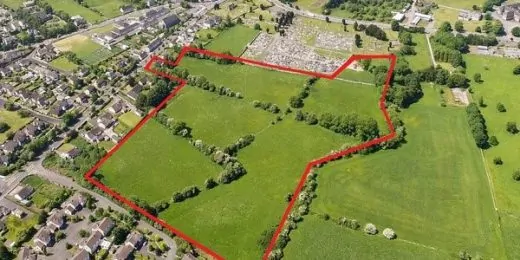
Site analysis delves into the physical and locational attributes of the proposed property. It assesses factors like proximity to essential services, accessibility, zoning regulations, and environmental conditions. The site’s topography, soil quality, and existing infrastructure are crucial determinants of construction feasibility and cost.
A well-executed site analysis identifies potential challenges that may not be immediately apparent, such as flood risks, legal encumbrances, or neighborhood opposition. Addressing these concerns early on helps in mitigating costly complications during the development phase.
2.3 Financial Analysis: Projecting Costs and Revenues
The financial analysis is a critical component that examines the project’s financial viability. It includes detailed projections of initial costs, ongoing expenses, potential revenue streams, and profitability metrics. This section should consider construction costs, financing options, operating expenses, and contingencies.
Sensitivity analysis, a technique used to predict how different variables impact profitability, is often integrated into the financial study. By analyzing best-case, worst-case, and most-likely scenarios, stakeholders can better understand the financial risks and returns associated with the project.
2.4 Legal and Regulatory Compliance
Navigating the legal landscape is a pivotal part of the feasibility study. This component reviews zoning laws, building codes, environmental regulations, and other legal requirements. Any non-compliance could lead to project delays, fines, or even the halting of the development altogether.
Securing permits and ensuring that the project adheres to all regulations is essential for maintaining a smooth workflow. A proactive approach to compliance can also prevent community opposition and build a positive relationship with local authorities.
2.5 Technical Feasibility: Assessing Construction and Design
Technical feasibility analyzes the construction requirements and design elements of the project. It involves evaluating the technical aspects, such as architectural design, engineering plans, and construction methods. The objective is to determine whether the project can be constructed as planned, within the set timeline, and budget constraints.
This part of the study might also address sustainability initiatives, modern building technologies, and innovative design features that could enhance the project’s value. Technical feasibility is not just about whether the project is buildable but whether it is constructible in an efficient and cost-effective manner.
3. The Feasibility Study Process: A Step-By-Step Approach
3.1 Defining the Scope and Objectives
The feasibility study begins with a clear definition of the project’s scope and objectives. This step establishes the study’s parameters, including the development’s size, type, and intended use. Setting precise goals enables the feasibility team to focus on key areas of evaluation and prioritize resources effectively.
3.2 Conducting Preliminary Research and Data Collection
Preliminary research includes gathering baseline data on market conditions, site characteristics, and regulatory requirements. This step is crucial for setting realistic assumptions and identifying early risks. Accurate data collection lays the groundwork for more detailed analysis in subsequent stages.
3.3 Performing Detailed Analysis of Key Components
The core of the feasibility study involves in-depth analysis across financial, market, site, and technical domains. Each component is scrutinized to identify strengths, weaknesses, opportunities, and threats. Interdependencies between components, such as how site conditions impact financial feasibility, are also explored.
3.4 Developing Recommendations and Contingency Plans
Based on the findings, the study should conclude with actionable recommendations. These may include adjustments to the project design, alternative financing strategies, or even a recommendation not to proceed. Contingency plans are also essential, outlining steps to mitigate identified risks.
3.5 Compiling the Final Feasibility Report
The final step is to compile all findings into a comprehensive report. This document should be clear, concise, and structured in a manner that facilitates informed decision-making. Visual aids such as graphs, maps, and financial models can enhance the report’s readability and effectiveness.
4. Benefits of Conducting a Real Estate Feasibility Study
4.1 Risk Mitigation
A feasibility study identifies potential risks before they become problematic, allowing for proactive measures. By uncovering hidden obstacles such as zoning issues or unanticipated costs, developers can avoid costly mistakes.
4.2 Enhanced Investor Confidence
Investors are more likely to back a project that has been thoroughly vetted. A feasibility study demonstrates due diligence, showcasing the project’s potential and outlining the strategies to achieve profitability. It serves as a cornerstone for securing funding.
4.3 Strategic Decision-Making
With a feasibility study, developers can make data-driven decisions that align with their strategic goals. It helps in fine-tuning the project plan, adjusting timelines, and setting realistic expectations for stakeholders.
5. Common Challenges and How to Overcome Them
5.1 Incomplete or Inaccurate Data
One of the biggest challenges is gathering reliable data. Incomplete or outdated information can skew the results, leading to flawed conclusions. Engaging experienced professionals and using reputable data sources can mitigate this issue.
5.2 Unforeseen Regulatory Hurdles
Regulatory hurdles can derail even the most well-planned projects. Conducting a thorough review of local laws and engaging with legal experts early on can prevent compliance-related delays and setbacks.
5.3 Financial Overruns and Underestimated Costs
Underestimating costs is a common pitfall in real estate projects. Using conservative estimates and building in a contingency budget can help manage financial risks. Regular monitoring of costs throughout the project’s lifecycle is also crucial.
FAQs: Real Estate Project Feasibility Study
1. What is the main purpose of a real estate feasibility study?
The primary purpose of a feasibility study is to determine whether a real estate project is viable from financial, technical, market, and regulatory perspectives. It helps stakeholders make informed decisions by evaluating risks, costs, and potential returns.
2. How long does a typical feasibility study take to complete?
The duration of a feasibility study depends on the complexity and scope of the project. Smaller projects may take a few weeks, while large-scale developments can require several months of detailed analysis and review.
3. Who should conduct a real estate feasibility study?
A feasibility study should be conducted by a team of experts, including real estate analysts, financial consultants, architects, and legal professionals. Engaging a multidisciplinary team ensures that all aspects of the project are thoroughly evaluated.
4. What happens if a feasibility study reveals that the project is not viable?
If the study shows that the project is not feasible, it may be advisable to either revise the project parameters or abandon it altogether. The study’s findings can guide stakeholders on possible adjustments to enhance viability or highlight red flags that warrant discontinuation.
5. Is a feasibility study mandatory for all real estate projects?
While not legally mandatory, a feasibility study is highly recommended for any project involving significant investment. It reduces uncertainty and increases the likelihood of project success, making it a best practice in real estate development.
By adhering to these guidelines, real estate developers can unlock success through meticulous planning and strategic foresight. A well-executed feasibility study is not just a preliminary step; it is the foundation of a successful real estate venture.