
0 ITEMS

Concerts & Music Festivals
Concerts and music festivals are vibrant celebrations of live music, bringing together diverse audiences to experience unforgettable performances by their favorite artists. These events create unique atmospheres filled with energy, excitement, and a sense of community. From intimate concerts in cozy venues to large-scale festivals spanning multiple days, each event offers a chance to discover new music, connect with fellow fans, and make lasting memories.
Our easy-to-use templates simplify budgeting, revenue forecasting, and expense tracking, helping you manage your events more efficiently. Whether you're organizing a small concert or a large festival, our templates provide the tools you need to achieve financial success and focus on delivering great music experiences.


The Events Company Financial Model with a 5-Year DCF (Discounted…
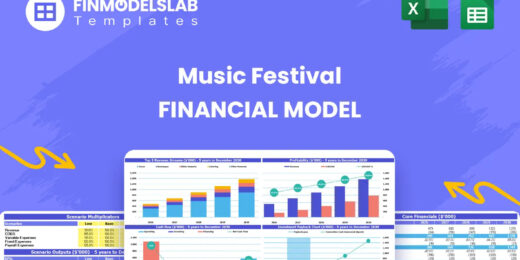

The Music Festival Financial Model helps founders, event producers, consultants,…

Financial Model providing an advanced 5-year financial plan for a…


User-friendly 3 statement 5 year rolling financial projection Excel model…
The Musical Instrument Store Financial Model helps users turn a…

A comprehensive LBO (Leveraged buyout) financial model to analyze investor…

The Event Planner Financial Model helps users turn an event…
Concerts & Music Festivals: The Basics

The Social Aspect of Concerts & Music Festivals
Concerts and music festivals share the commonality of being live music events where audiences gather to enjoy performances by musicians or bands. Both provide opportunities for artists to showcase their talents and for fans to experience live music in a communal setting. However, they differ significantly in scale and format. Concerts typically feature a single artist or band performing for a few hours in a venue, while music festivals span multiple days and feature a diverse lineup of artists across various stages. Festivals often include additional activities such as food vendors, art installations, and camping options, creating a more immersive and multifaceted experience than concerts' focused, singular nature. Concerts and music festivals are more than just live events. They draw attendees to foster a sense of community and shared experience. At concerts, the audience's collective energy and enthusiasm create an intimate atmosphere where fans connect over their mutual appreciation for the performing artist. In contrast, music festivals amplify this social dynamic by bringing together more significant, more diverse crowds over multiple days. They allow attendees to form deeper connections and create lasting memories with both old friends and new acquaintances.A Deep Dive at Concerts
Concerts are a cornerstone of the music industry, offering a dynamic platform where artists and audiences unite to celebrate live performance's power. Defined, a concert is a live music performance before an audience. However, its role extends far beyond just playing music live. Concerts serve as a critical revenue stream for artists and an essential avenue for fan engagement and brand building. Unlike other music events, concerts present a unique opportunity for artists to showcase their artistry in real-time, express their musical identity, and directly interact with fans, often resulting in a profoundly impactful experience for everyone involved. There are various types of concerts, each bringing its own distinct flavor to the live music scene.- Solo acts, where individual artists take the stage, offer an intimate experience that allows the performers to connect closely with their audience.
- On the other hand, band concerts introduce a collaborative energy that leverages the dynamics between multiple musicians.
- Orchestras, known for their structured and grand performances, deliver a refined presentation of classical music that highlights the synergy between diverse instruments and the meticulous direction of a conductor. Each type of concert delivers a different type of auditory and emotional experience, catering to various musical tastes.
How Much Do Concerts Cost?
How much do concerts cost varies widely depending on several factors. Here's a breakdown of the main cost components:- Artist Fees: The amount paid to the performers can range from a few thousand dollars for emerging artists to millions for top-tier acts. It comprises a large portion of how much do concert cost.
- Venue Costs: Rental fees for the venue, which can vary based on the size and prestige of the location.
- Production Costs: Expenses related to staging, sound, lighting, and special effects.
- Marketing and Promotion: Costs associated with advertising the event, including social media campaigns, posters, and other promotional activities.
- Staffing: Payments for security, ticketing staff, ushers, and other personnel required to run the event.
- Logistics: Transportation and accommodation for the artists and crew, as well as shipping costs for equipment.
- Insurance: Coverage for potential liabilities, such as injury to attendees or damage to the venue.

Financial Models for Concert Promoter Companies
Concert promoter companies organize and manage live concert events, from booking artists and securing venues to marketing and ticket sales. They aim to create profitable and successful shows. Concert promoter companies can use various financial models to maximize profitability.- Accurate budgeting and forecasting models allow promoters to plan for expenses and revenue, helping them make informed decisions about where to allocate resources for the best return on investment.
- Break-even analysis templates help determine the minimum number of tickets that must be sold at a given price to cover all costs. By understanding the break-even point, promoters can set realistic sales targets.
- Contribution margin analysis templates analyze the difference between ticket sales and variable costs to help concert promoter companies focus on events and artists with the highest profitability per ticket sold.
- Cost-volume-profit (CVP) analysis models help understand the relationship between cost, volume, and profit. They can guide decisions on pricing, selecting venues, and planning the scale of the event to ensure profitability.
- Dynamic pricing models can help refine pricing strategies, where ticket prices fluctuate based on demand and maximize revenue. High-demand periods can see higher prices, while low-demand periods can offer discounts to fill seats.
- Revenue management templates can help optimize the mix of ticket sales, merchandise, concessions, and sponsorships. They can help promoters find the best combination to maximize total revenue.
- Risk management models help assess potential risks (weather, cancellations, or lower-than-expected ticket sales) and plan for contingencies. They can include assumptions when purchasing insurance or setting aside reserve funds.

Music Festivals: Where Music and Community Blend
Music festivals are a testament to the vibrant intersection of rhythmic expression and social unity. At their core, music festivals are gatherings that bring together a multitude of live performances across various genres, sometimes concentrating on a particular theme or artist lineup, creating an immersive experience for attendees. Unlike traditional concerts that might feature a single artist or band, music festivals offer a carnival of sound, often spanning multiple days and stages, uniting fans from diverse backgrounds under a shared love for live music. They are culturally significant, serving as modern-day rituals where people can escape the mundanity of everyday life to engage in an amplified communal celebration of art. Music festivals come in various types, each focusing on different genres, themes, and experiences.- Cultural music festivals celebrate the music and traditions of a specific culture, often including performances, dances, and workshops that highlight cultural heritage. They aim to preserve and promote cultural diversity, bringing together people to experience and appreciate different artistic expressions.
- Genre-specific music festivals focus on a particular genre and attract fans and artists of that genre. They offer performances, workshops, and activities centered around the specific style. Examples include jazz, rock, and electronic music festivals, each catering to enthusiasts of their respective genres.
- Holiday music festivals are held in conjunction with holidays, celebrating with music and related festivities. They often include themed performances and events that align with the holiday spirit, such as Christmas music festivals or Halloween-themed music events.
- Local and community music festivals showcase local talent and foster community spirit. They often feature a mix of music genres and other activities, highlighting the community's unique cultural and artistic contributions.
- Seasonal music festivals are timed to celebrate a particular season, often featuring music that complements the seasonal theme. Examples include summer music festivals with outdoor concerts and winter music festivals with cozy indoor performances.
How Do Music Festivals Work for Music Festival Organizers
Organizing a music festival is a complex process that involves multiple stages. When producing such live events, music festival organizers engage in detailed planning and execution. Here's a breakdown of how do music festivals work for music festival organizers:- Music festival organizers start with concept and planning by defining the festival's genre of music, target audience, duration, and location. It involves developing a comprehensive plan, including vision, mission, SWOT analysis, and strategic goals.
- After concept and planning, music festival organizers budget. They estimate the costs, including venue rental, artist fees, marketing, security, staff, equipment, insurance, and permits. They also estimate the potential revenue from ticket sales, sponsorships, merchandise, and concessions. A detailed budget analysis and identification of funding sources are also essential in this step.
- Location and date selection come next. Music festival organizers will choose a location that fits the festival's size and logistical needs and pick a date that avoids clashes with other major events and is suitable for the target audience.
- Securing the necessary event permits is essential to the operation of music festivals. It ensures compliance with local laws and regulations regarding safety, accessibility, and health standards.
- Afterward, music festival organizers book artists that align with the festival's concept and can draw a crowd. They negotiate and sign contracts with artists and their management.
- Marketing and promotion will always be a part of how do music festivals work. A marketing plan includes social media, traditional media, partnerships, and influencer marketing. It also sets ticket pricing, launches ticket sales, and monitors sales progress.
- Logistics and operations involve planning the layout of stages, vendors, restrooms, security, and emergency services. They also include hiring and training staff for various event roles (production, security, hospitality).
- Music festival organizers ensure all teams are briefed on the event day and operations run smoothly. They also prepare backup plans for potential issues (weather, technical failures, emergencies).
- However, their role continues after the event's commencement. After the activities, they conduct a debrief to assess what went well and what can be improved. They finalize accounts, pay outstanding bills, and calculate profits. They also gather feedback from attendees, staff, and artists for future improvements.

Financial Models for Music Festival Organizers
Organizing a music festival involves significant financial planning and management. Several financial models can help music festival organizers ensure the event's financial success. Here are some recommended financial models:- Budgeting templates help organizers estimate a music festival's total costs and expected revenues. They provide a detailed breakdown of expense categories and revenue streams. These templates are typically created using spreadsheet software and include sections on artist fees, venue rental, marketing, and ticket sales.
- Break-even analysis determines the minimum revenue needed to cover all costs, helping organizers identify the number of tickets that must be sold to avoid a loss. This model distinguishes between fixed costs, which remain constant regardless of attendance, and variable costs, which fluctuate based on the number of attendees.
- Cash flow forecasting manages the timing of cash inflows and outflows to ensure the festival remains financially solvent. Organizers can maintain liquidity and avoid cash shortfalls by predicting when ticket sales, sponsorship payments, and expenses occur.
- Return on investment (ROI) analysis evaluates the profitability of the festival by comparing net profit to total investment. This model helps organizers assess the event's financial success and make informed decisions about future festivals.
- Revenue management models optimize ticket pricing and sales strategies to maximize overall revenue. Techniques such as dynamic pricing, early bird discounts, and VIP packages adjust prices based on demand and consumer behavior.
- Risk management models identify and mitigate financial risks associated with the festival, such as weather disruptions or lower-than-expected ticket sales. By assessing the likelihood and impact of risks and implementing strategies to minimize them, organizers can better protect their economic interests.
- Sensitivity analysis explores how changes in key variables, such as ticket prices or attendance numbers, impact the festival's financial outcomes. By creating best-case, worst-case, and most likely scenarios, organizers can better prepare for different economic situations.
- Sponsorship valuation models determine the value of sponsorship packages by assessing exposure metrics like attendee numbers and media coverage. These models help set appropriate sponsorship levels and pricing, ensuring sponsors receive fair value for their investment.

Striking a Chord: How Financial Modeling Orchestrates Success in Concerts & Music Festivals
Financial modeling plays a pivotal role in orchestrating the success of concerts & music festivals by enabling organizers to strategically plan, budget, and forecast their events. By meticulously analyzing how much do concerts cost, their revenues, and potential financial risks, financial modeling helps ensure that every aspect of an event is economically viable. It includes calculating ticket pricing, projecting attendance, and estimating operational expenses such as venue rental, artist fees, and marketing costs. With accurate financial models, organizers can make informed decisions that maximize profits while minimizing financial uncertainties. Furthermore, financial modeling aids in securing investments and sponsorships, providing a clear financial roadmap and demonstrating the potential return on investment. This transparency is crucial for attracting stakeholders and funding large-scale events. Additionally, financial models can be used to evaluate various scenarios and contingency plans, ensuring that events remain financially resilient in the face of unexpected challenges. Ultimately, by providing a comprehensive financial framework, financial modeling is instrumental in the successful execution and sustainability of concerts and music festivals, enabling organizers to deliver memorable experiences while achieving their financial goals.You might also like: