
0 ITEMS

Gambling
Listed here are financial model templates related to Gambling Establishments and Institutions such as a Casino, Gambling Center, and many more.


10-year financial model for a casino development providing forecasts, feasibility…


Elevate your mobile game development success with our Excel-based Financial…


Highly versatile iGaming 5-Year financial projection model offering a range…
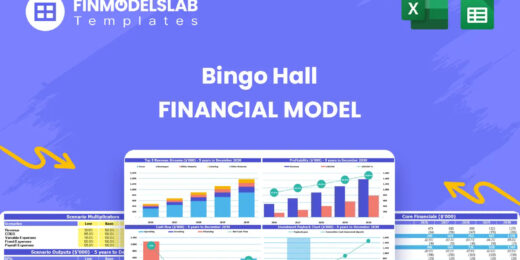

The Bingo Hall Financial Model helps users turn a bingo…
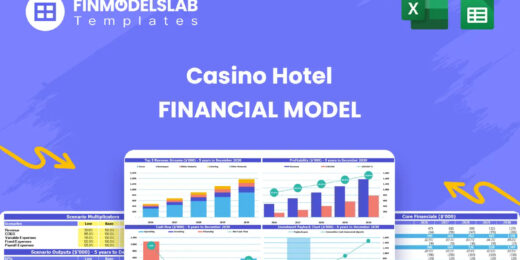
The Casino Hotel Financial Model helps users build a structured…
Maximizing ROI Through Data-Driven Financial Planning in Gambling

As the gambling industry continues to grow and evolve, operators face an increasingly complex landscape that requires strategic planning and precise execution. To stay competitive and maximize return on investment (ROI), businesses must leverage data-driven financial planning. This approach not only provides insights into the industry's dynamic nature but also helps in crafting innovative strategies to outperform competitors. Understanding the importance of data-driven financial planning in gambling is crucial for operators aiming to thrive in this fast-paced environment.
Gambling has transitioned significantly from traditional brick-and-mortar casinos to a multi-faceted industry encompassing both online and offline platforms. Current trends indicate a surge in online gambling, including sports betting and digital casinos, as technology advances and regulatory landscapes shift. However, operators face challenges such as stringent regulations, fluctuating customer preferences, and heightened competition. In this context, data-driven decision-making has emerged as essential for navigating the industry's complexities. By harnessing data analytics, gambling operators can make informed decisions that enhance operational efficiency, optimize marketing efforts, and ultimately increase ROI.
Understanding the Gambling Landscape
The gambling industry has experienced rapid transformation over the past decade, driven by technological advancements and changing consumer behaviors. With the proliferation of smartphones and internet accessibility, online gambling has become a dominant force in the market. Furthermore, shifts in legislation across various jurisdictions have opened new avenues for expansion, creating both opportunities and challenges for operators. These changes necessitate a thorough understanding of the current landscape and its evolving nature.
Amidst these trends, gambling operators encounter significant obstacles, including maintaining compliance with diverse legal frameworks and managing the impact of economic fluctuations on discretionary spending. Additionally, the rise of responsible gambling initiatives requires operators to balance profitability with ethical considerations. In this context, the importance of data-driven decision-making becomes evident. By analyzing customer behavior, market trends, and operational metrics, operators can proactively address challenges and leverage opportunities for growth.
Essential Key Performance Indicators (KPIs) in Gambling
In order to successfully navigate the gambling industry's complexities, operators must focus on key performance indicators (KPIs) that provide actionable insights into their operations. These KPIs play a crucial role in guiding data-driven financial planning efforts.
Player Acquisition Costs: Player acquisition costs (PAC) are a critical metric that measures the effectiveness of marketing strategies in attracting new players. By evaluating the costs associated with acquiring each new customer, operators can assess the efficiency of their marketing campaigns and identify areas for improvement. Effective strategies for reducing acquisition costs include targeted advertising, leveraging social media platforms, and optimizing search engine marketing efforts. By fine-tuning these approaches, operators can maximize their marketing spend and attract a steady stream of new players.
Player Retention Rates: While acquiring new customers is essential, retaining existing players is equally important for driving profitability. Repeat customers typically generate higher lifetime value, making player retention a key focus for operators. Implementing loyalty programs, personalized promotions, and engaging user experiences can significantly enhance retention rates. By fostering long-term relationships with players, operators can build brand loyalty and secure a stable revenue base.
Average Revenue Per User (ARPU): Average revenue per user (ARPU) is a vital metric that quantifies the revenue generated from each active customer. Increasing ARPU involves upselling additional services, cross-selling related products, and implementing personalized marketing approaches. By leveraging data analytics, operators can gain insights into customer preferences and tailor offerings accordingly. Enhancing ARPU not only boosts revenue but also strengthens customer engagement, contributing to sustainable growth.
Game Performance Metrics: Analyzing game-specific data allows operators to optimize their game offerings and enhance player engagement. Metrics such as win rates, player engagement levels, and time spent on games provide valuable insights into the appeal of different offerings. By leveraging performance analytics, operators can identify underperforming games and allocate resources towards more popular options. This data-driven approach ensures that operators provide a compelling gaming experience that keeps players coming back for more.
Building a Robust Financial Model for the Gambling Industry
To make informed financial decisions, gambling operators need to construct robust financial models that accurately reflect their revenue streams, costs, and market dynamics. A well-structured financial model serves as a roadmap for strategic planning and provides insights into various aspects of the business. Financial modeling services can greatly enhance the quality and accuracy of these models.
Modeling Revenue Streams: The gambling industry encompasses an array of revenue streams, including sports betting, casino games, and online platforms. It's essential for financial models to account for these diverse sources and adapt to market changes. As customer preferences evolve, operators must adjust their models to reflect shifting demands and capitalize on emerging opportunities. By accurately modeling revenue streams, operators can project future earnings and develop strategies to optimize revenue generation.
Cost Structuring and Management: Effective cost management is critical for maintaining profitability in the gambling industry. Operators must carefully analyze their operational expenses, which can include licensing fees, promotional costs, and technology investments. Implementing cost-control measures, such as streamlining processes and renegotiating supplier contracts, can help operators manage expenses while maintaining service quality. A well-structured cost model ensures that resources are allocated efficiently, enabling operators to sustain a competitive edge.
Scenario Analysis and Forecasting: Given the gambling industry's inherent volatility, scenario analysis and forecasting are essential components of financial modeling. By creating multiple scenarios that account for market fluctuations, operators can assess potential risks and opportunities. Sensitivity analysis allows operators to evaluate how changes in key variables impact financial outcomes. This proactive approach empowers operators to make data-driven decisions that mitigate risks and optimize profitability.
The Power of MS Excel Spreadsheet Templates in Financial Planning
Leveraging MS Excel spreadsheet templates provides gambling operators with powerful tools for data-driven financial planning. Excel's versatility and customization options make it an ideal platform for constructing tailored financial models that address industry-specific needs.
Flexibility and Customization: MS Excel allows operators to create customized financial models that reflect the unique characteristics of their business. Operators can tailor templates to incorporate specific KPIs and adjust formulas to align with their strategic objectives. Commonly used templates provide structured frameworks that guide operators in building comprehensive models, enabling them to streamline financial planning processes and make informed decisions.
Data Visualization and Reporting: Presenting complex financial data in a clear and understandable format is crucial for effective decision-making. Excel's data visualization features, including charts, graphs, and dashboards, enhance data interpretation and communication. These tools empower operators to identify trends, track performance, and communicate insights to stakeholders, facilitating informed decision-making at all levels of the organization.
Integrated Financial Modeling Capabilities: Excel's integrated financial modeling capabilities enable operators to consolidate various aspects of financial planning into a unified platform. By linking different data sets, operators can create a comprehensive financial picture that encompasses revenue projections, cost structures, and sensitivity analyses. This holistic approach ensures that all aspects of financial planning are aligned, allowing operators to optimize performance and drive profitability.
Conclusion and Call to Action
In the ever-evolving gambling industry, data-driven financial planning emerges as a strategic imperative for maximizing ROI. By understanding key performance indicators, building robust financial models, and leveraging the power of MS Excel spreadsheet templates, operators can make informed decisions that enhance operational efficiency and drive growth. To achieve success in this dynamic environment, it is crucial to embrace data-driven strategies that prioritize understanding customer behavior and market trends.
For gambling operators seeking to elevate their financial planning efforts, eFinancialModels offers a comprehensive range of sophisticated financial model spreadsheet templates tailored specifically for the gambling industry. These templates provide a structured framework that empowers operators to optimize their financial planning processes and achieve sustainable success. Explore our offerings today here and take the first step towards maximizing ROI in the gambling industry.
Frequently Asked Questions
- What is data-driven financial planning in gambling? Data-driven financial planning involves using data analytics to make informed financial decisions that increase ROI and operational efficiency in the gambling industry.
- Why is data-driven decision-making important for gambling operators? It enables operators to navigate complex regulatory landscapes, understand customer preferences, and respond to market changes effectively, thus gaining a competitive advantage.
- What are some key performance indicators (KPIs) for gambling operators? Essential KPIs include player acquisition costs, player retention rates, average revenue per user (ARPU), and game performance metrics.
- How does MS Excel assist in financial planning for gambling operators? MS Excel offers customizable spreadsheet templates and data visualization tools that help operators construct comprehensive financial models and make data-driven decisions. </ul Gambling is the betting of money or anything of value to an event with an uncertain outcome. The two main types of gambling are chance-based and skill-based. Chance-based gambling includes the lottery, roulette, and gaming machines. The result of these games is random and can't be influenced by the players. On the other hand, skill-based gambling, such as playing poker and blackjack, is controlled by the player's skills. However, the winning odds are not the same for all players, and having the skills does not guarantee a sure win.
You might also like: