0 ITEMS

Mexico Beverage Market: $45B Opportunity by 2031
Mexico’s beverage manufacturing sector is one of Latin America’s most compelling investment destinations, combining scale, demographic tailwinds, and structural barriers to entry that support durable returns across the 2026-2031 investment horizon.
Key Takeaways
- Mexico’s beverage manufacturing market is projected to reach approximately $45 billion by 2031, growing at a 5.2% CAGR across soft drinks, beer, and bottled water sub-segments.
- Beer exports alone contribute roughly 40% of total beer segment revenue, making Mexico the world’s largest beer exporter by volume and a uniquely export-leveraged asset class.
- EBITDA margins range from 18% to 28% depending on sub-segment, with beer commanding the highest margins due to excise tax pass-through and brand premiumization.
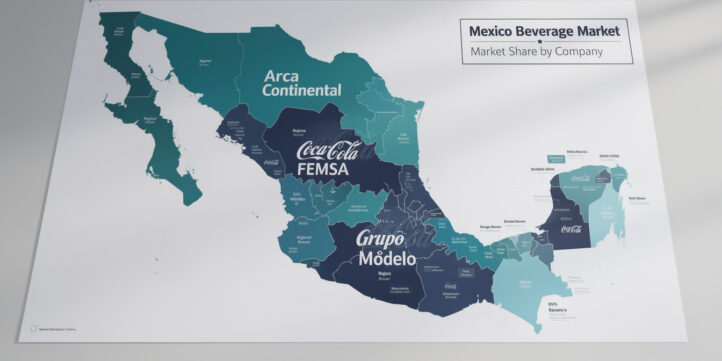
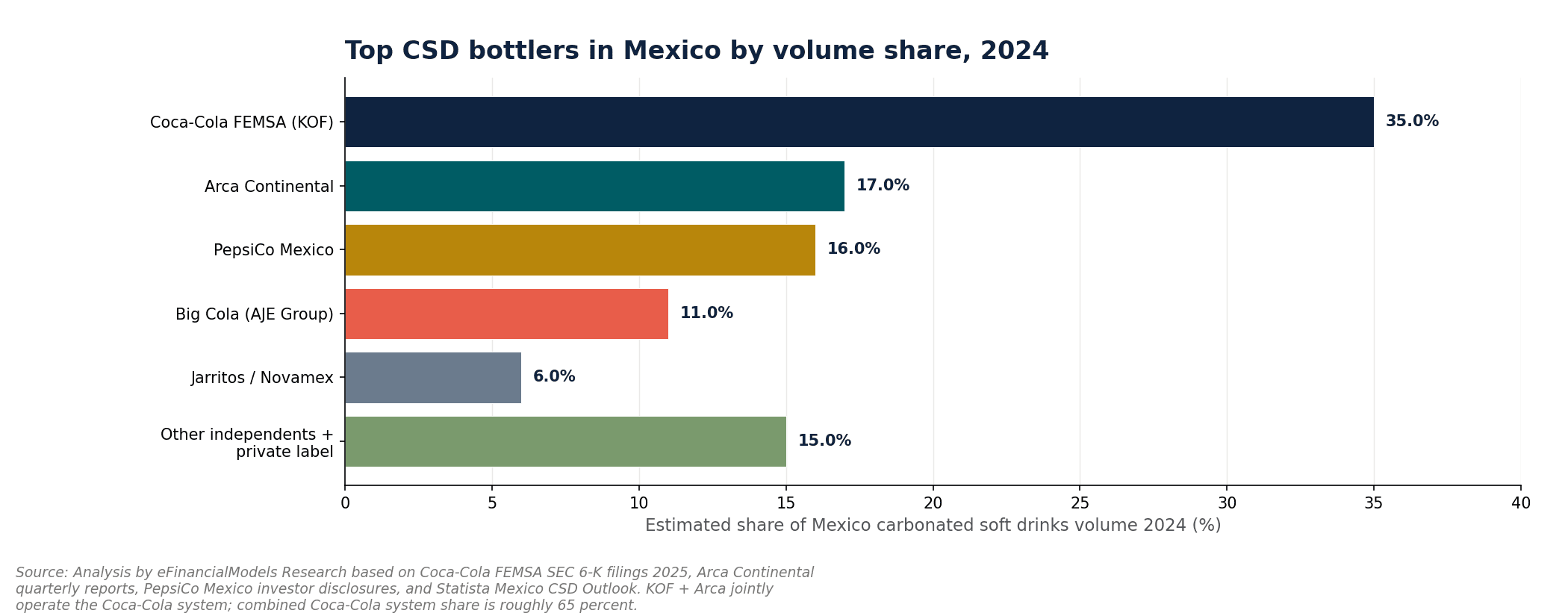
- The top 3 players (Arca Continental, Coca-Cola FEMSA, and Grupo Modelo/AB InBev) control an estimated 65% of combined soft drink and beer revenues, creating a highly concentrated competitive landscape.
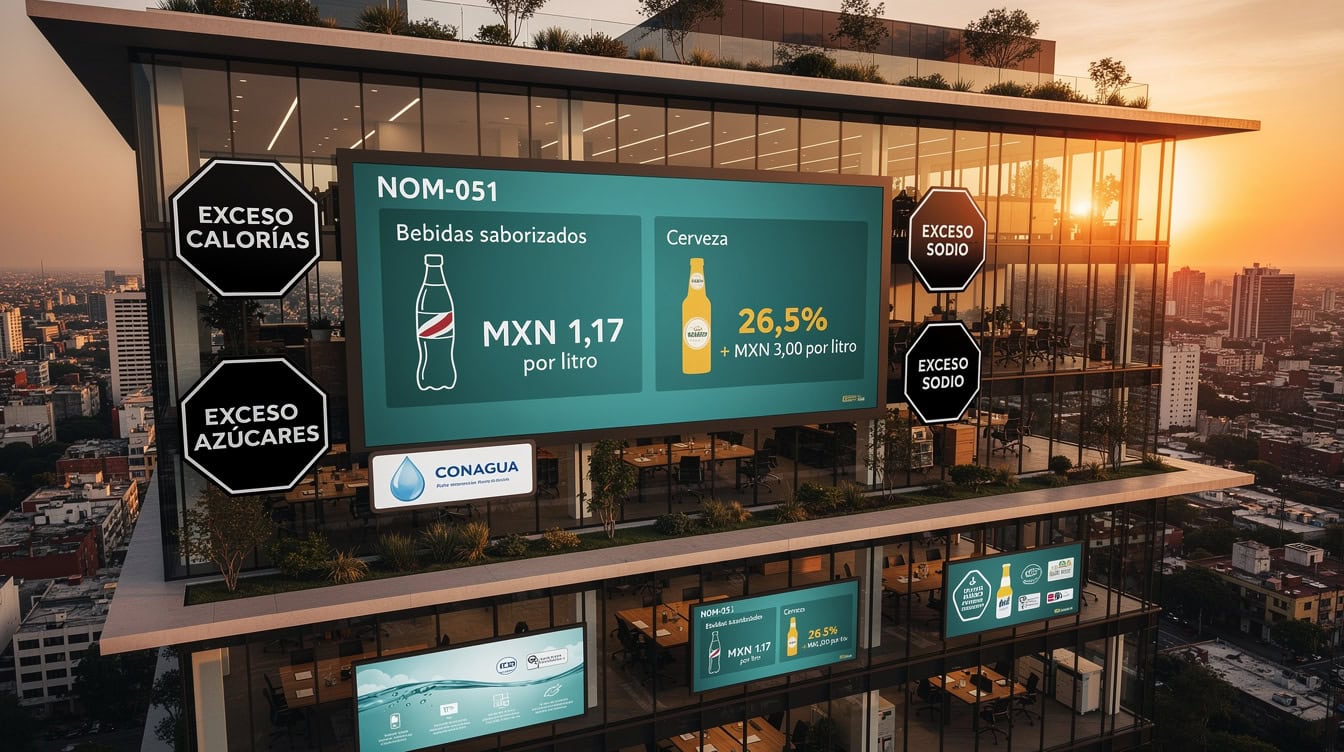
- IEPS (Impuesto Especial sobre Producción y Servicios), Mexico’s special production and services tax, adds MXN 1.17 per liter on sugar-sweetened beverages and MXN 3.00 per liter on beer, directly compressing unit economics for smaller operators.
- Recent comparable LatAm beverage M&A transactions have cleared EV/EBITDA multiples of 10x to 14x, with premium assets in the beer segment reaching 16x.
- Working capital as a percentage of revenue typically runs 8% to 12% for Mexican beverage manufacturers, with cash conversion cycles of 25 to 40 days depending on route-to-market structure.
Mexico Beverage Manufacturing Market Overview: 2026-2031 Opportunity Sizing
Mexico’s beverage manufacturing sector generates an estimated $34 billion in annual revenue at the start of the 2026 forecast period, with projections pointing to $45 billion by 2031 at a blended 5.2% CAGR. This growth reflects a combination of volume expansion in bottled water, premiumization in beer, and resilient per capita soft drink consumption that consistently ranks among the highest globally.
The sector divides into three primary investable sub-segments: carbonated soft drinks (CSDs) and non-alcoholic beverages, beer and malt beverages, and packaged/bottled water. Each sub-segment carries distinct margin profiles, capital intensity requirements, and regulatory cost structures that materially affect valuation and deal structuring.
Mexico’s population of approximately 130 million people, according to Instituto Nacional de Estadística y Geografía (INEGI), combined with a median age of 29 years, creates a consumption base that skews toward high-frequency, low-ticket beverage purchases. Urbanization is accelerating this trend: the United Nations projects that 84% of Mexico’s population will live in urban areas by 2030, concentrating purchasing power in distribution-efficient metropolitan corridors.
Segment Performance Analysis: Soft Drinks, Beer, and Bottled Water
Each sub-segment follows a distinct revenue trajectory, and investors should model them separately before applying a blended portfolio view.
Soft Drinks and Non-Alcoholic Beverages
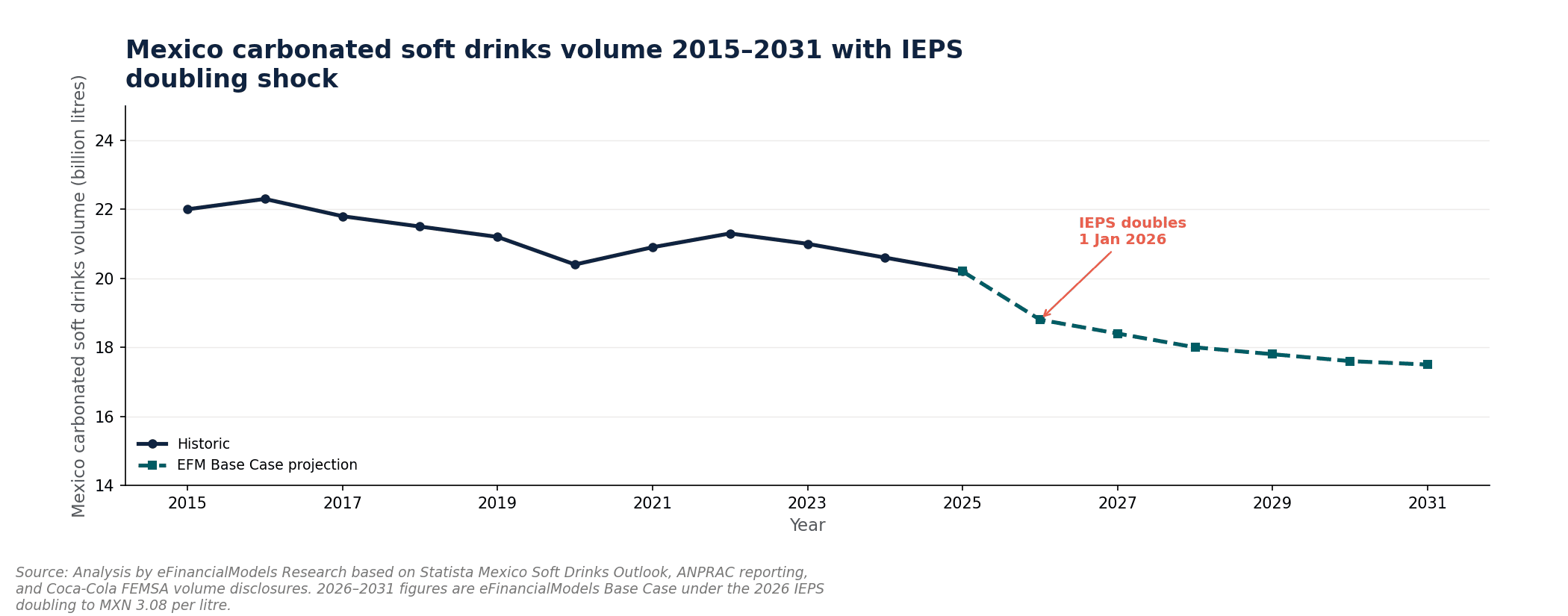
Mexico consistently ranks first or second globally in per capita CSD consumption. According to Euromonitor International, Mexican consumers drink approximately 163 liters of soft drinks per capita annually, compared to a global average closer to 40 liters. The soft drink sub-segment generates roughly $14 billion in annual revenue at the 2026 baseline, growing at an estimated 3.8% CAGR through 2031. Growth is constrained by IEPS tax headwinds and health-labeling regulations, but volume remains structurally supported by low-income household demand and distribution density in informal retail channels.
Beer and Malt Beverages
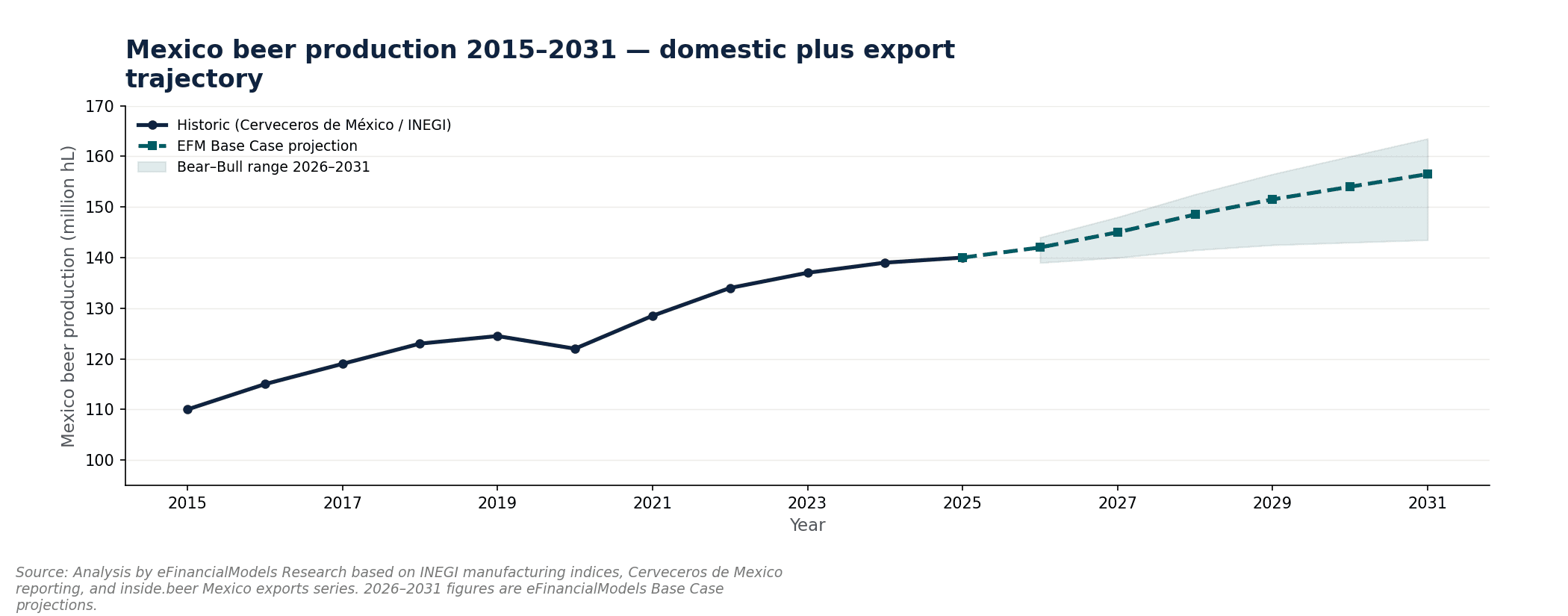
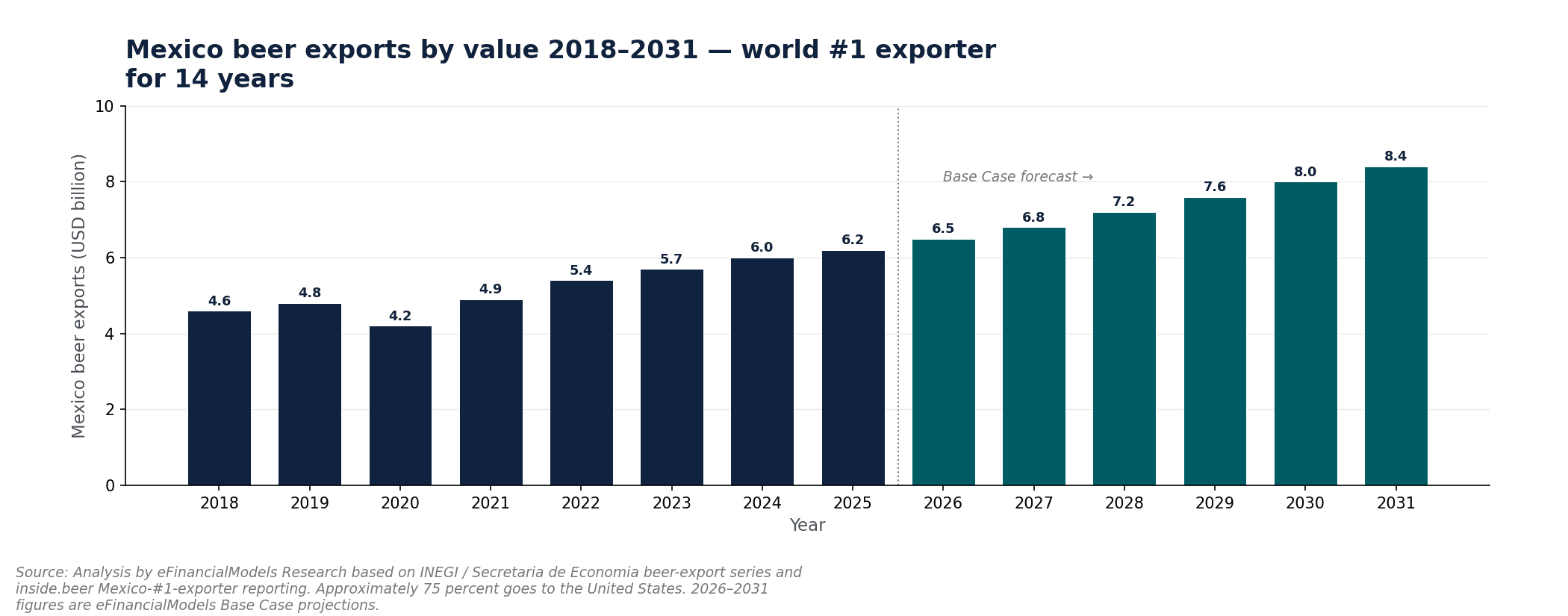
Beer is the highest-margin and most export-intensive sub-segment. Mexico exported approximately 5.1 billion liters of beer in 2023, according to the Cámara Nacional de la Industria Cervecera (CANICERV), generating over $6 billion in export revenue. Domestic consumption adds another $10 billion annually. The sub-segment is projected to grow at 6.1% CAGR through 2031, driven by craft beer premiumization, export volume growth to the United States and Europe, and favorable demographics in the 18-35 age cohort.
Bottled Water
Bottled water is the fastest-growing sub-segment at an estimated 7.4% CAGR, starting from a $6 billion base in 2026. Chronic concerns about tap water quality in Mexico drive structural demand that is largely insulated from health-wellness regulatory risk. Margins are thinner than beer (typically 14% to 18% EBITDA) but capex requirements are lower, making bottled water attractive for platform-building strategies that prioritize cash generation over margin maximization.
Financial Performance Benchmarks: Margins, Returns, and Capital Intensity
Mexican beverage manufacturers deliver EBITDA margins that compare favorably to global peers, though the range is wide depending on sub-segment and scale.
Here’s the math on a representative mid-market beer manufacturer with MXN 3 billion in annual revenue:
- Revenue: MXN 3,000M
- COGS (raw materials, packaging, labor): MXN 1,650M (55% of revenue)
- Gross Profit: MXN 1,350M (45% gross margin)
- SG&A and distribution: MXN 600M (20% of revenue)
- EBITDA: MXN 750M (25% EBITDA margin)
- Capex (maintenance + growth): MXN 180M to MXN 240M (6% to 8% of revenue)
- Free Cash Flow (pre-tax): approximately MXN 510M to MXN 570M
At a 12x EV/EBITDA acquisition multiple, this business would carry an enterprise value of MXN 9,000M, implying a free cash flow yield of roughly 5.7% to 6.3% before leverage. With 3x to 4x debt financing at Mexican peso-denominated rates, equity IRRs in the 18% to 24% range are achievable over a 5-year hold, assuming 2% to 3% annual EBITDA margin expansion through operational efficiency.
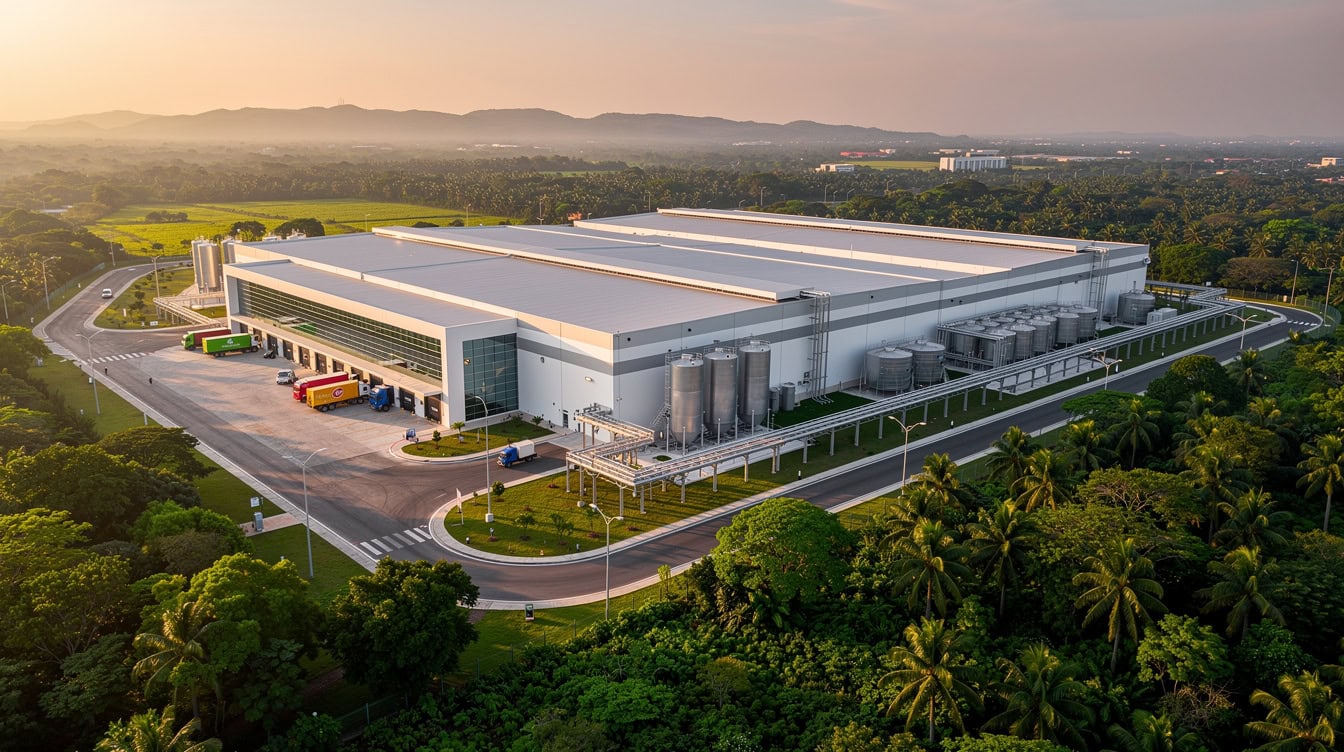
Capex intensity varies meaningfully by sub-segment. Beer manufacturing requires the heaviest capital investment: greenfield breweries typically cost $150 million to $400 million USD depending on capacity, while CSD bottling lines run $30 million to $80 million per line. Bottled water plants are the most capital-efficient, with full-scale operations achievable at $15 million to $40 million.
Working capital as a percentage of revenue runs 8% to 12% for most Mexican beverage manufacturers, with cash conversion cycles of 25 to 40 days. Distributors and informal retail channels (tienditas) typically require shorter credit terms than modern trade, which compresses receivables but increases route-to-market complexity.
Competitive Landscape and Market Concentration Dynamics
Mexico’s beverage manufacturing sector is highly concentrated at the top, with meaningful fragmentation in the mid-market and craft segments.
The three dominant players are Arca Continental (Coca-Cola bottler and snack manufacturer), Coca-Cola FEMSA (the world’s largest Coca-Cola bottler by volume), and Grupo Modelo (owned by AB InBev). Together, these three entities control an estimated 65% of combined soft drink and beer revenues. This concentration creates two distinct investment dynamics: acquiring a platform adjacent to these incumbents requires a differentiated route-to-market or geographic niche, while acquiring a regional bottler or craft brewer can generate returns through operational improvement and eventual strategic exit to a larger player.
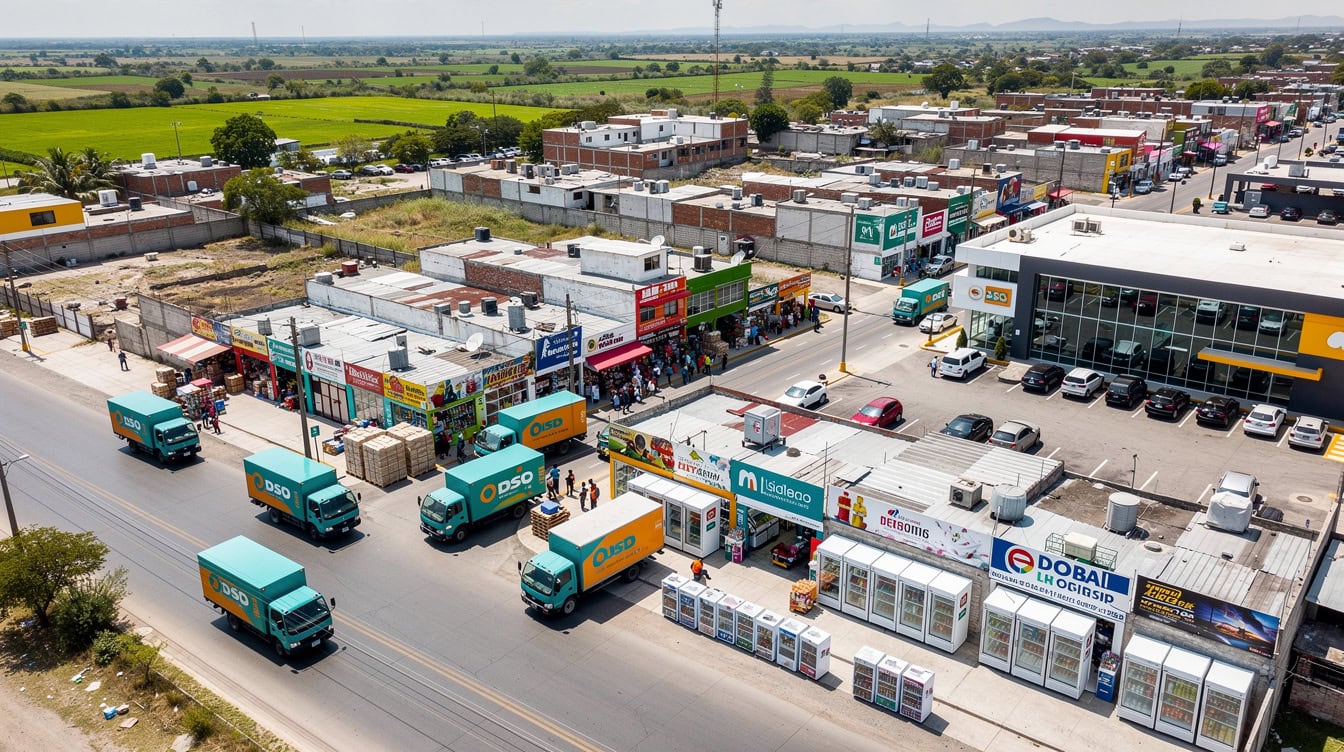
Barriers to entry are substantial. Distribution infrastructure, specifically the cold-chain logistics networks, direct-store-delivery (DSD) fleets, and retail cooler placements, represents a competitive moat that takes years and hundreds of millions of pesos to replicate. Coca-Cola FEMSA alone operates over 50 distribution centers across Mexico. New entrants in the CSD segment face near-impossible economics without a licensing agreement with a major brand.
The craft beer segment is the notable exception. Mexico had approximately 1,200 registered craft breweries as of 2024, according to CANICERV, with the segment growing at double-digit rates. Craft breweries typically operate at lower EBITDA margins (10% to 16%) but command premium pricing and provide acquisition targets for larger players seeking brand portfolio diversification.
Regulatory Environment and Compliance Cost Implications
Mexico’s regulatory framework for beverage manufacturing directly affects unit economics, and investors must model these costs explicitly.
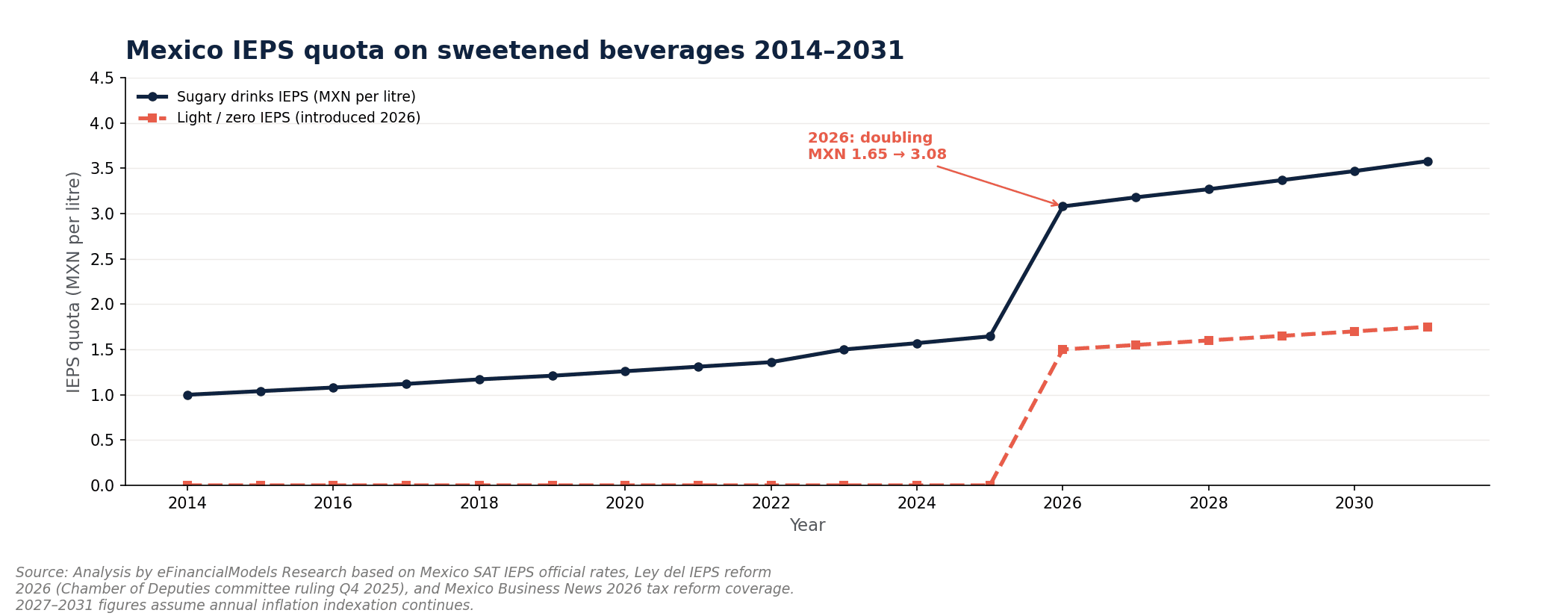
The IEPS tax (Impuesto Especial sobre Producción y Servicios) is the most significant regulatory cost driver. Sugar-sweetened beverages carry an IEPS rate of MXN 1.17 per liter, while beer is taxed at 26.5% of the sale price plus MXN 3.00 per liter for alcohol content above 6 degrees. According to Mexico’s Servicio de Administración Tributaria (SAT), IEPS collections from beverages exceeded MXN 50 billion annually in recent years. For a mid-market CSD manufacturer selling 500 million liters per year, IEPS liability alone reaches MXN 585 million, representing a material cash outflow that must be factored into working capital modeling.
NOM (Norma Oficial Mexicana) labeling requirements, specifically NOM-051, mandate front-of-pack warning labels (octagonal seals) on products exceeding defined thresholds for calories, sugar, sodium, saturated fat, and trans fat. Compliance costs include packaging redesign, inventory write-downs during transition periods, and ongoing label management. Industry estimates suggest NOM-051 compliance cost mid-market manufacturers MXN 15 million to MXN 40 million in one-time transition costs, with ongoing annual compliance running MXN 3 million to MXN 8 million.
Water usage regulations are tightening. CONAGUA (Comisión Nacional del Agua) has increased scrutiny on water concession renewals, particularly in water-stressed regions. Beverage manufacturers in northern Mexico face the highest regulatory risk on water access, which can affect plant siting decisions and long-term operational continuity.
Demand Drivers: Demographics, Consumption Patterns, and Growth Catalysts
Mexico’s demand fundamentals for beverages are structurally strong, though each sub-segment responds to different catalysts.
Per capita beer consumption in Mexico runs approximately 68 liters annually, according to Statista, compared to 75 liters in Brazil and 82 liters in Germany. This gap represents a volume growth opportunity, particularly as income levels rise in the emerging middle class. The 18-35 demographic cohort, which numbers approximately 35 million people in Mexico, drives both volume growth and premiumization trends in craft and imported beer.
Bottled water consumption has grown at 6% to 8% annually for the past decade, driven by persistent concerns about municipal water quality. Mexico ranks among the top 5 countries globally for bottled water consumption per capita, according to the International Bottled Water Association (IBWA). This demand is largely non-discretionary, making bottled water the most recession-resistant sub-segment in the portfolio.
Soft drink consumption faces headwinds from health awareness and IEPS tax pass-through to consumers, but volume remains resilient in lower-income segments where CSDs serve as an affordable caloric supplement. The premiumization trend in CSDs, specifically toward zero-sugar variants and functional beverages, is creating margin expansion opportunities for manufacturers who can reformulate without triggering IEPS liability.
Operational Infrastructure: Distribution Networks and Route-to-Market Economics
Distribution infrastructure is the primary operational moat in Mexican beverage manufacturing, and its economics directly determine acquisition value.
Mexico’s retail landscape splits roughly 55% informal trade (tienditas, mercados) and 45% modern trade (supermarkets, convenience stores, club stores), according to ANTAD (Asociación Nacional de Tiendas de Autoservicio y Departamentales). Serving informal trade requires direct-store-delivery (DSD) fleets, which are capital-intensive but generate higher per-unit margins than selling through distributors. A fully built-out DSD network covering a major metropolitan area requires 200 to 500 delivery vehicles and 15 to 30 distribution hubs, representing a capital investment of MXN 150 million to MXN 400 million.
For acquirers, the DSD network is often the most valuable asset on the balance sheet. Route density, measured as stops per route per day, directly correlates with operating leverage. Operators achieving 35 or more stops per route per day typically generate 300 to 500 basis points of additional EBITDA margin versus those running at 20 to 25 stops per route.
Cold-chain infrastructure is equally critical for beer and premium water. Refrigerated cooler placement at point-of-sale is a proven volume driver: industry data consistently shows that chilled beer at point-of-sale generates 2x to 3x the velocity of ambient-temperature product. Coca-Cola FEMSA reported serving more than 2.7 million points of sale (Coca-Cola FEMSA Investor Relations) across its territories, creating a distribution advantage that is extremely difficult for new entrants to replicate.
Investment Considerations: Valuation Multiples and Deal Structuring
Mexico’s beverage manufacturing sector supports premium valuations relative to other LatAm food and beverage categories, driven by margin quality, export optionality, and strategic buyer interest.
Recent comparable transactions in Mexico and comparable LatAm markets have cleared the following ranges:
| Sub-Segment | EV/Revenue | EV/EBITDA | Deal Size Range |
|---|---|---|---|
| Beer (regional) | 2.5x-3.5x | 10x-14x | $50M-$500M USD |
| Beer (craft/premium) | 3.0x-5.0x | 12x-16x | $10M-$80M USD |
| CSD Bottler | 1.5x-2.5x | 9x-12x | $100M-$1B USD |
| Bottled Water | 1.2x-2.0x | 8x-11x | $20M-$200M USD |
Deal structures in Mexico typically involve a combination of equity, peso-denominated senior debt, and seller financing. Currency risk is a key structuring consideration: USD-denominated acquisition financing against peso-denominated EBITDA creates FX exposure that must be hedged or mitigated through export revenue matching. Beer manufacturers with significant USD export revenues offer a natural hedge that CSD and water operators cannot replicate.
Value creation levers in portfolio companies include route optimization (typically 150 to 300 bps EBITDA improvement), SKU rationalization (50 to 100 bps), procurement consolidation for sugar and PET resin (100 to 200 bps), and geographic expansion into underserved secondary cities. A well-executed operational improvement program can add 3 to 5 EBITDA multiple turns of value over a 5-year hold.
Risk Assessment: Input Costs, Regulatory Headwinds, and Market Volatility
Investors must stress-test three primary risk categories before committing capital to Mexican beverage manufacturing.
Input Cost Volatility
Raw material costs represent 40% to 60% of COGS depending on sub-segment. Sugar is the largest single input for CSD manufacturers, and Mexico’s domestic sugar price is partially insulated from global markets by government price controls, but global sugar price spikes (as seen in 2022-2023 when ICE sugar futures reached 26 cents per pound) still transmit to Mexican manufacturers through import parity pricing. Aluminum can prices and PET resin costs (the primary packaging materials for beer and water, respectively) are USD-denominated and fully exposed to global commodity cycles. A 10% increase in combined packaging costs compresses EBITDA margins by approximately 150 to 250 basis points for a typical mid-market operator.
Regulatory Headwinds on Sugar-Sweetened Beverages
Mexico’s IEPS tax on sugar-sweetened beverages has been in place since 2014, and there is ongoing political discussion about rate increases. A 50% increase in the IEPS rate (from MXN 1.17 to MXN 1.75 per liter) would add approximately MXN 290 million in annual tax liability for a manufacturer selling 500 million liters, directly reducing free cash flow and compressing acquisition multiples.
Currency and Macro Exposure
The Mexican peso has shown significant volatility against the USD, with the MXN/USD rate ranging from 17 to 25 over the 2020-2024 period. For USD-denominated investors, peso depreciation erodes returns on peso-denominated EBITDA. Beer manufacturers with USD export revenues are partially hedged, but CSD and water operators carry full peso exposure. Investors should model a 15% to 20% peso depreciation scenario as a standard downside case.
Frequently Asked Questions
What EBITDA margins should I expect from a Mexican beverage manufacturer acquisition?
EBITDA margins vary significantly by sub-segment and scale. Beer manufacturers typically deliver 22% to 28% EBITDA margins, driven by brand premiumization, export pricing power, and excise tax pass-through to consumers. CSD bottlers run 18% to 24%, with margins compressed by IEPS tax liability and distribution costs in informal trade channels. Bottled water operators generate 14% to 18% EBITDA margins, reflecting lower pricing power but also lower capex intensity. A mid-market beer manufacturer with MXN 3 billion in revenue and a 25% EBITDA margin generates MXN 750 million in EBITDA annually, supporting an enterprise value of MXN 7.5 billion to MXN 10.5 billion at 10x to 14x multiples. Operational improvement programs targeting route optimization and procurement consolidation can add 300 to 500 basis points of EBITDA margin over a 5-year hold period.
How does the IEPS tax affect the investment case for sugar-sweetened beverage manufacturers?
The IEPS tax (Impuesto Especial sobre Producción y Servicios) is a direct cash cost that reduces free cash flow and must be modeled explicitly in any acquisition analysis. At MXN 1.17 per liter on sugar-sweetened beverages, a manufacturer selling 500 million liters annually faces MXN 585 million in IEPS liability, which represents roughly 4% to 6% of revenue for a typical mid-market operator. This tax is generally passed through to consumers, but price elasticity in lower-income segments limits full pass-through, compressing gross margins by 100 to 200 basis points. Investors should also model a regulatory scenario where the IEPS rate increases by 30% to 50%, as this has been discussed in Mexican legislative circles. The tax does not apply to zero-sugar reformulations, creating a strategic incentive for manufacturers to invest in product reformulation to reduce IEPS exposure.
What are the typical deal structures for acquiring a Mexican beverage manufacturer?
Most mid-market Mexican beverage acquisitions use a combination of 40% to 50% equity, 30% to 40% peso-denominated senior bank debt, and 10% to 20% seller financing or earnout structures. Peso-denominated debt from Mexican banks (BBVA Mexico, Banorte, Santander Mexico) typically prices at TIIE (the Mexican interbank rate) plus 200 to 350 basis points, which has translated to all-in rates of 13% to 16% in the 2024-2025 rate environment. USD-denominated financing is available for larger transactions but introduces FX risk on debt service. Earnout structures are common when the seller retains operational involvement post-close, typically tied to EBITDA or volume targets over 2 to 3 years. Strategic buyers (Arca Continental, FEMSA) typically pay 1 to 2 EBITDA multiple turns more than financial sponsors due to synergy capture.
How significant is beer export revenue to the overall investment thesis?
Beer exports are a defining feature of the Mexican beer investment thesis and a key differentiator from other LatAm beverage markets. Mexico exported approximately 5.1 billion liters of beer in 2023, generating over $6 billion in USD-denominated export revenue, according to CANICERV. For major exporters like Grupo Modelo (Corona, Modelo Especial) and Heineken Mexico (Tecate, Dos Equis), export revenue represents 35% to 45% of total beer segment revenue. This USD revenue stream provides a natural hedge against peso depreciation and supports higher acquisition multiples. Regional brewers with limited export exposure trade at a 2 to 3 EBITDA multiple discount to export-oriented peers. For private equity investors raising USD-denominated funds, acquiring a beer manufacturer with meaningful export revenue significantly reduces FX risk in the return model.
What due diligence items are most critical for a Mexican beverage manufacturing acquisition?
Five due diligence areas consistently determine deal outcomes in Mexican beverage manufacturing. First, water concession rights: verify CONAGUA concession validity, renewal risk, and volumetric limits, as water access is an existential operational dependency. Second, IEPS compliance history: any underpayment or classification disputes with SAT can result in material tax liabilities that survive closing. Third, DSD fleet condition and route economics: independently verify stops-per-route-per-day metrics and fleet maintenance capex requirements, as sellers frequently understate fleet replacement costs. Fourth, informal trade receivables quality: tiendita credit terms are often poorly documented, and bad debt rates of 2% to 5% of informal trade revenue are common. Fifth, NOM-051 labeling compliance: confirm all SKUs are fully compliant with current front-of-pack labeling requirements, as non-compliant inventory must be written down or destroyed at the acquirer’s cost.
How does bottled water compare to beer as an investment platform in Mexico?
Bottled water and beer represent opposite ends of the risk-return spectrum in Mexican beverage manufacturing. Beer offers higher EBITDA margins (22% to 28% versus 14% to 18% for water), stronger brand moats, and export optionality, but requires heavier capex investment and carries more regulatory risk from IEPS and alcohol regulations. Bottled water generates lower margins but benefits from non-discretionary demand, lower capex requirements, and minimal regulatory headwinds. A greenfield beer brewery costs $150 million to $400 million USD, while a comparable-capacity water plant runs $15 million to $40 million. For investors prioritizing cash generation and downside protection, bottled water platforms with strong regional distribution networks offer compelling risk-adjusted returns. For investors seeking higher absolute returns and strategic exit optionality to global beer majors, beer manufacturing is the preferred sub-segment.
What valuation multiples are realistic for a 2026-2031 exit from a Mexican beverage investment?
Exit multiples for Mexican beverage manufacturers in the 2026-2031 window will depend on sub-segment, scale, and strategic buyer appetite. Based on recent comparable LatAm transactions, realistic exit EV/EBITDA ranges are 10x to 14x for regional beer manufacturers, 9x to 12x for CSD bottlers, and 8x to 11x for bottled water platforms. Premium assets with strong export revenues, proprietary brands, or dominant regional distribution can achieve 14x to 16x from strategic buyers. The most likely exit paths are strategic sale to Arca Continental, FEMSA, AB InBev, or Heineken Mexico, secondary sale to another financial sponsor, or, for larger platforms exceeding MXN 10 billion in enterprise value, a public market listing on the Bolsa Mexicana de Valores (BMV). Investors should model a base case exit at 11x to 12x EBITDA and stress-test a downside at 8x to 9x to ensure the equity return profile remains acceptable under adverse conditions.
Conclusion
Mexico’s beverage manufacturing sector offers a rare combination of scale, structural demand, and margin quality that justifies serious capital allocation across the 2026-2031 investment horizon. Beer’s export leverage, bottled water’s recession resilience, and CSD’s volume density each serve different portfolio objectives, and the most sophisticated investors will build exposure across all three sub-segments to balance risk and return.
The critical success factors are clear: model IEPS tax scenarios explicitly, stress-test water concession risk, verify DSD route economics independently, and structure deals to mitigate peso/USD FX exposure. Operators who execute on route optimization and procurement consolidation can realistically add 3 to 5 EBITDA multiple turns of value over a 5-year hold.
I recommend downloading the Beverage Manufacturing Financial Model Template from eFinancialModels to build detailed revenue projections, EBITDA bridge analyzes, and valuation models tailored to Mexico’s regulatory and operational environment. The template includes pre-built IEPS tax logic, working capital schedules, and scenario analysis tools that will accelerate your deal underwriting process.