
0 ITEMS

Smart Financial Strategies for Your Equipment Rental Business Plan

Equipment rental revenue is expected to grow by 5.7 percent in 2025 to reach nearly $82.6 billion, according to the latest forecast released in early November by the American Rental Association (ARA). The equipment rental industry is a dynamic and growing market that plays a crucial role in various sectors, such as construction, landscaping, and special events. The growth of the equipment rental market is driven by increasing infrastructure investments and a rising trend toward resource efficiency. Understanding current trends and growth statistics is essential for entrepreneurs aiming to start an equipment rental business. With the help of an effective equipment rental business plan, you can succeed in this industry.
The variety of needs, from construction companies requiring heavy machinery to event planners needing specialized lighting and sound equipment, underscores the importance of customized services in the equipment rental market. Each segment has unique requirements that can influence rental pricing strategies, equipment selection, and marketing efforts. Consequently, a comprehensive analysis of customer needs within local markets can unveil niche opportunities for new entrants. Entrepreneurs can carve out a competitive advantage by focusing on specific sectors or creating specialized offerings, ensuring their equipment rental business is well-positioned to thrive amidst evolving market conditions.
In addition to identifying these opportunities, implementing smart financial strategies is crucial for the success of your equipment rental business. A well-crafted financial plan helps manage expenses, optimize cash flow, and enable entrepreneurs to invest wisely in growth and innovation. By aligning financial practices with market analysis, you can create a robust foundation supporting sustainability and resilience, ensuring your business survives and flourishes in a competitive landscape.
Identifying Niche Opportunities in the Equipment Rental Business
Aspiring business owners looking to enter the equipment rental market should start by conducting detailed market research to assess local needs, identify seasonal trends, and understand the competitive landscape. For example, areas with heavy construction may benefit from renting out excavators and dump trucks, while regions known for large events might need advanced lighting and staging equipment. It is crucial for entrepreneurs to engage directly with local businesses to understand their operational challenges and preferences, which can reveal profitable niche opportunities. A competitive analysis is essential to identify gaps in the market. This involves examining the strengths and weaknesses of existing competitors using tools such as SWOT analysis or competitive benchmarking. Insights gained from this analysis can help refine business strategies, ensuring long-term growth and enabling entrepreneurs to make informed decisions about pricing and services. In this dynamic market, it’s vital to stay adaptable, continuously update strategies based on market changes, and explore innovative rental solutions that differentiate your business from competitors.
Legal and Regulatory Considerations for Starting an Equipment Rental Business
Starting an equipment rental business requires meticulous attention to the legal and regulatory frameworks that govern operations. Initially, securing the necessary licenses and permits is paramount. This typically includes a general business license, sales tax permits, and specific industry-related licenses, particularly if you plan to rent out heavy machinery, which might require additional permits for operation within construction zones or other regulated areas. It’s crucial to thoroughly research and understand the local and state regulations applicable to your business location to ensure full compliance and avoid severe penalties such as fines or operational suspension.
Moreover, insurance is critical in mitigating potential liabilities associated with equipment rental. Securing comprehensive insurance coverage is essential. This should include general liability insurance to protect against third-party claims, equipment insurance for damage to the rented items, and workers’ compensation to cover employee injuries. Such coverage safeguards your assets and staff and enhances your business’s credibility with clients who value safety and compliance.
When developing your financial model, accurately account for the costs associated with these legal requirements and insurance policies. These expenses can significantly influence your bottom line and overall risk profile. Consulting with insurance agents specializing in business policies and seeking advice from legal experts in business law can provide tailored insights and help you navigate these complexities effectively.
Key Performance Indicators for Success in Equipment Rental
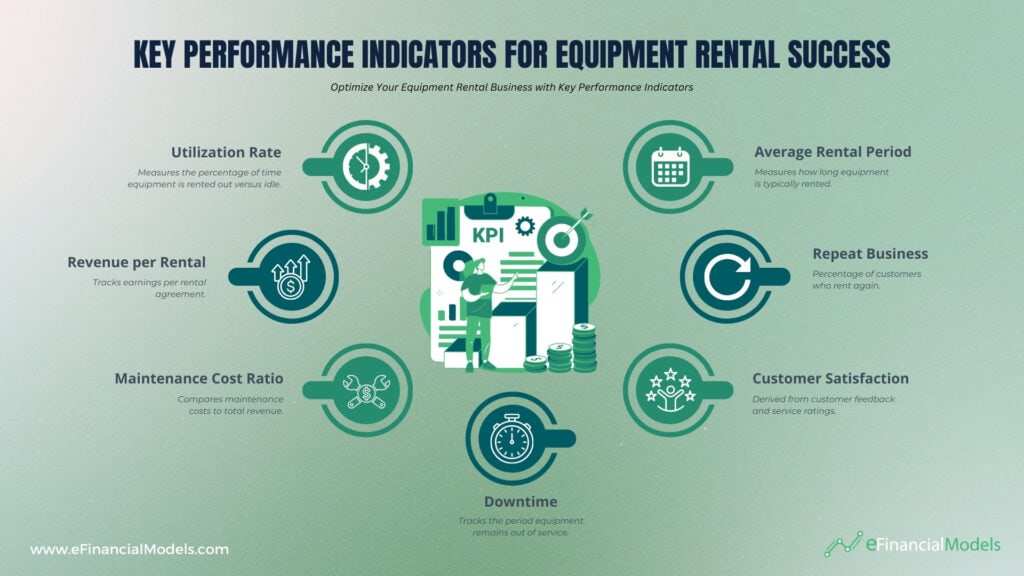
Understanding and meticulously tracking key performance indicators (KPIs) is crucial for measuring success and enhancing profitability in an equipment rental business. Key metrics such as the Utilization Rate, which measures the percentage of time equipment is rented versus idle, and Revenue per Rental are vital. Additionally, the Maintenance Cost Ratio, which compares maintenance costs to total revenue and Downtime, or the period equipment remains out of service, is critical for operational efficiency. Utilizing advanced rental management software or dedicated analytics dashboards allows businesses to collect real-time data on equipment usage, predict customer demand, and optimize their fleet composition effectively. Benchmarking these metrics against industry standards can help identify areas for improvement, such as upgrading frequently malfunctioning machinery or reallocating underutilized items to regions with higher demand.
Furthermore, KPIs like the Average Rental Period, Repeat Business, and Customer Satisfaction are integral for assessing customer retention and loyalty. Monitoring how long customers rent equipment and their likelihood of returning or recommending your services offers valuable insights. Implementing loyalty programs, tiered pricing models and preventive maintenance schedules can significantly enhance customer satisfaction and repeat business. For instance, if customer feedback highlights issues with equipment reliability, adopting a predictive maintenance schedule can substantially increase the equipment’s uptime. By systematically analyzing these metrics and implementing proactive strategies, businesses can continually refine their offerings, maximize fleet utilization, and sustain a competitive edge in the dynamic rental marketplace.
Developing a Financial Plan for Sustainability and Growth
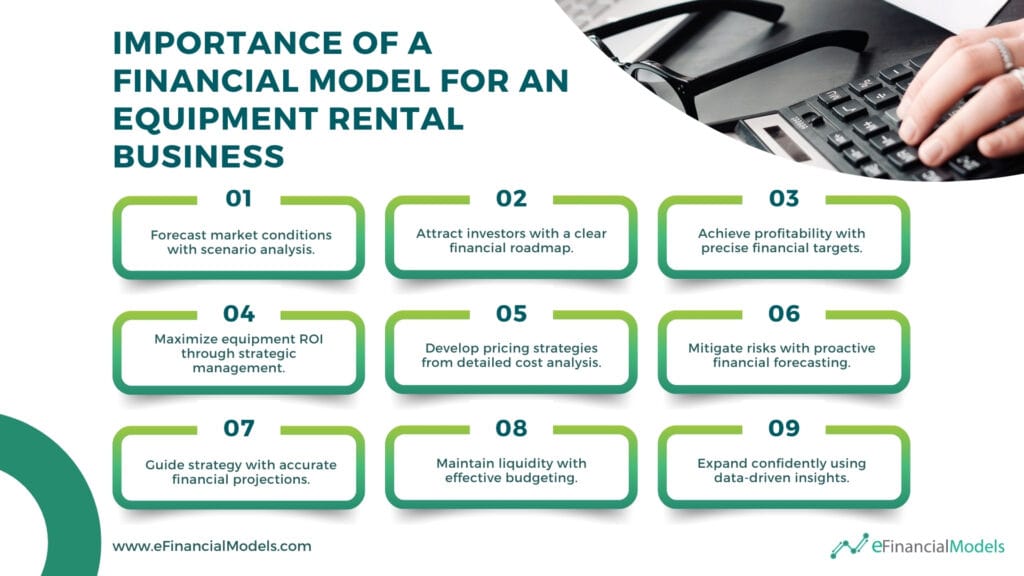
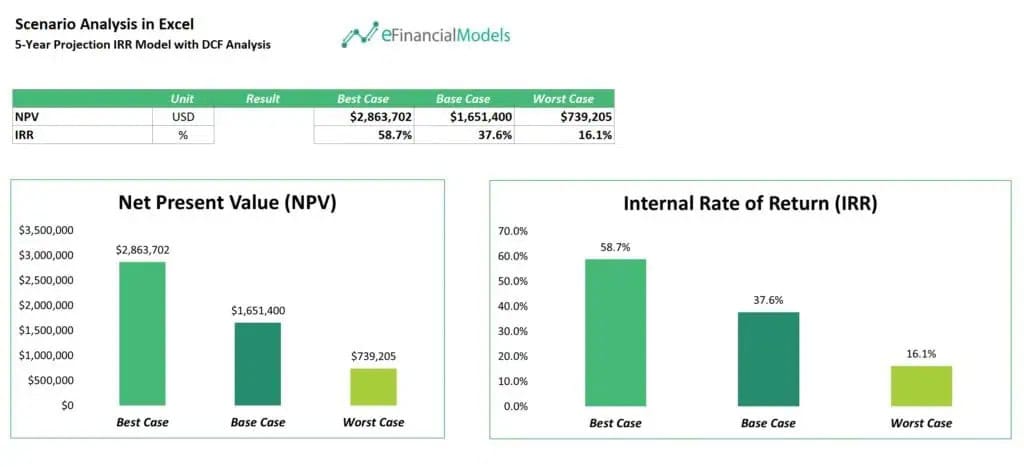
A robust financial plan is essential to ensure your equipment rental business’s long-term sustainability and growth. This plan begins with developing a comprehensive financial model for scenario analysis. Such analysis prepares your business to adapt to various market conditions, maintaining profitability and sustainability regardless of economic shifts.
A critical component of your financial strategy is setting clear, quantifiable objectives. For instance, you might aim to achieve a 20% net profit margin or target annual revenues of $500,000 within the first three years. Establishing these goals is foundational in outlining your approach to funding. Weigh the advantages of loans, which provide immediate liquidity without diluting ownership, against the benefits of leasing, which minimizes initial expenses but may incur higher costs over time.
The financial model also plays a pivotal role in fundraising, offering potential investors a transparent and detailed view of your business’s financial health and growth prospects. Demonstrating a well-considered approach to capital management and projections enhances investor confidence and facilitates the acquisition of necessary funds.
Further, the financial plan should include a well-structured budget encompassing equipment acquisition costs, routine maintenance, and reserves for unforeseen repairs. This ensures minimal operational downtime and consistent cash flow. It is crucial to base pricing forecasts and revenue projections on a thorough analysis of market demand and to incorporate scenario planning for potential economic downturns, such as a decline in the construction sector or fluctuations in interest rates.
Employ cash flow statements and sensitivity analysis tools to bolster strategic decision-making and enhance financial resilience. These practices help you assess the impact of seasonal demand variations and financial market changes on your profitability, ensuring your business remains robust in diverse conditions.
Conclusion: The Path to a Sustainable Equipment Rental Business
The evolving landscape of the equipment rental industry underscores the importance of sound financial strategies. By meticulously tracking metrics and leveraging the right tools, business owners can gain invaluable insights into operational efficiency, ensuring informed capital allocation decisions. To effectively navigate the complexities of starting and managing an equipment rental business, utilizing professional resources like eFinancialModels is vital, offering customized financial modeling templates designed to support entrepreneurs in streamlining their financial planning process.
Frequently Asked Questions
1. What key sections should an equipment rental business plan include?
An effective equipment rental business plan should include the following key sections:
First, start with an executive summary that overviews your business idea, its goals, and your target market. Next, include a detailed description of your equipment rental services, such as the types of equipment you’ll offer and any special features. A market analysis is also essential, outlining the demand for equipment rentals in your target area and industry. You should include a comprehensive marketing strategy to attract customers and stand out from competitors. Your financial projections, operational plans, and organizational structure should also be included to demonstrate the viability and sustainability of your business.
2. How do I determine the target market for my equipment rental business?
Identifying your target market is crucial for the success of your equipment rental business. To determine your target market, consider the type of equipment you’ll be renting and who would benefit the most from using it. Conduct market research to understand your area’s demand for equipment rentals and analyze your potential competitors. You can also gather feedback from potential customers and industry professionals to understand their needs and preferences. By understanding your target market’s demographics and pain points, you can tailor your marketing strategies and offer specialized services that cater to their needs.
3. How can I create a compelling marketing strategy for my equipment rental business?
To create a marketing strategy for your equipment rental business, define your unique selling proposition (USP). What sets you apart from other rental businesses? To reach potential customers, utilize digital marketing channels, such as social media, search engine optimization (SEO), and targeted online advertising. Utilize visually appealing content, such as high-quality photos and videos, to showcase your equipment and attract attention. Collaborate with local businesses and industry influencers to expand your reach. Engage with your customers through personalized experiences, exceptional customer service, and loyalty programs. Finally, monitor and analyze your marketing efforts to optimize your strategy and drive results.
4. How important is financial forecasting in an equipment rental business plan?
Financial forecasting is crucial in an equipment rental business plan as it demonstrates the financial viability of your venture. It includes projecting your revenue, expenses, and profits over a specific period. Accurate financial forecasting enables you to identify potential funding needs, plan for inventory purchases, and make informed business decisions. It also allows you to assess the profitability of your equipment rental business and analyze the return on investment (ROI) for expanding your fleet or introducing new services. Presenting well-researched financial projections will instill confidence in potential investors, lenders, and partners, increasing your chances of securing the necessary funding to launch and grow your business.
5. How can I ensure the long-term sustainability of my equipment rental business?
To ensure the long-term sustainability of your equipment rental business, focus on the following factors:
First, build strong relationships with your customers by providing exceptional service, maintaining your equipment in top condition, and offering competitive pricing. Regularly assess and upgrade your equipment to meet industry standards and customer expectations. Stay updated with technological advancements to offer innovative and efficient rental solutions—foster relationships with suppliers to secure reliable and cost-effective equipment for your inventory. Continuously monitor industry trends and adjust your services accordingly. Finally, invest in employee training and development to ensure a knowledgeable and skilled workforce. Your rental business can thrive and enjoy long-term success by prioritizing customer satisfaction, equipment quality, and adaptability.
You might also like:
- 10 Main Elements of a Business Plan
- Achieve Financial Success By Knowing Your Business Plan Model
- 5 Practical Tips to Help Raise Funds For Startups
- Financial Planning for Small Business Owners – Taking an SBA Loan
- How to Write a Business Plan Step-by-Step
- How to Successfully Plan a Hydrogen Energy Project
- How to Set up a Car Rental Business: A Roadmap to Success
- How to Start a Construction Machinery Rental
- Equipment Rental
- Fundraising
- Business Plans
- Financial Planning
- Financial Modeling for Startups and Small Businesses
- How to Raise Series A Funding?
- Mastering Business Finance: The Three-Statement Financial Model
- Navigating the Car Rental Business Landscape
- Car Rental Business
- Car Rental Business Financial Model
- Understanding the Debt Service Coverage Ratio: An Essential Metric for Financial Analysis
- Scenario Analysis
