
0 ITEMS

SWOT Analysis
SWOT analysis is a strategic planning tool used to identify and analyze a company's Strengths, Weaknesses, Opportunities, and Threats. Our financial model templates include SWOT analysis features, helping businesses understand their competitive position and develop effective strategies.


AI Data Center Power Procurement & Behind-the-Meter Generation Model ⚡…

Premium TCFD / ISSB Physical Climate Risk Financial Model designed…

A premium Excel financial model bundle created by PDMM for…

Plan, finance, and optimize an EV fleet depot charging project…

Direct Air Capture Financial Model – Carbon Removal Credits, MRV, Offtake, Storage & Project Finance
A professional Direct Air Capture financial model built for durable…


Strategic clarity meets financial precision with this ultimate business planning…

This ready-to-use Investor-Grade 10-Year Financial Model with DCF and SWOT…


The report is containing full set of financial feasibility study…

This model is Financial Feasibility Study for investment funds or…


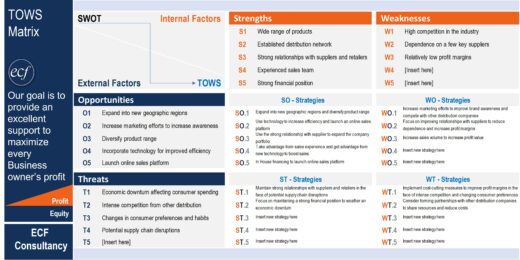

The toolkit is an essential resource for any organization, providing…


This Grocery Store 10-year Financial and Business Model also contains…
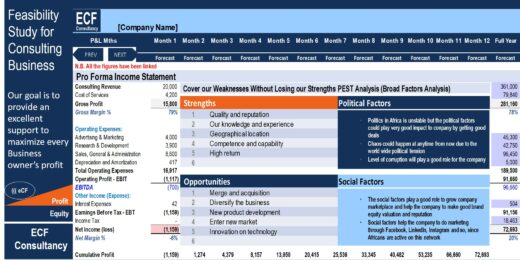
The report contains financial figures and essential literature modules such…
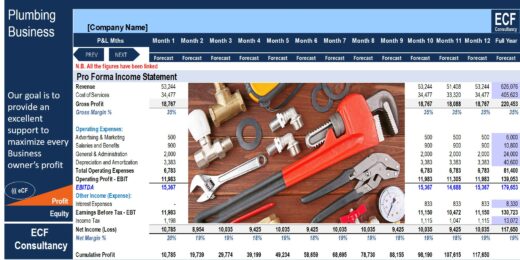
The report is containing full set of financial feasibility study…
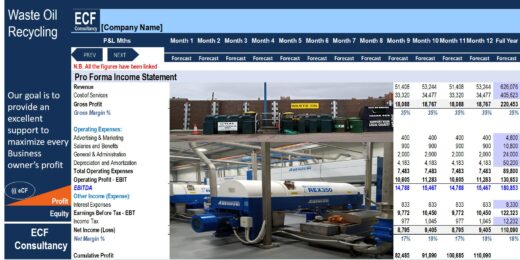
The report is containing full set of financial feasibility study…
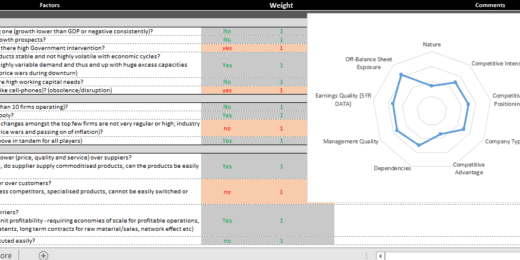

This scoring and valuation model will help investors or entrepreneurs…
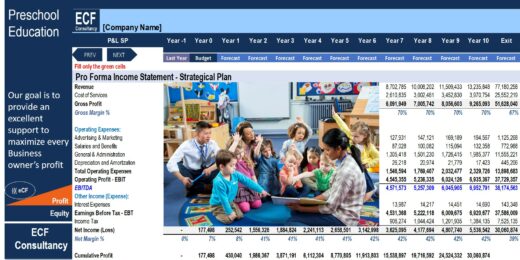
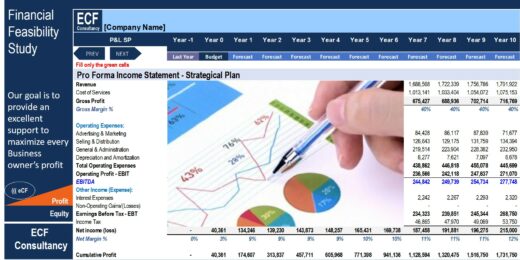
The report is containing full set of financial feasibility study…



Crafting Financial Plans with SWOT Analysis Insights

In the complex world of financial planning, creating a comprehensive plan that takes into account every variable can be overwhelming. This is where SWOT analysis—an examination of Strengths, Weaknesses, Opportunities, and Threats—comes into play. Often seen as a strategic planning tool, SWOT analysis can also provide significant insights when applied to financial planning. By systematically evaluating these elements, financial planners can craft robust strategies that cater to a company's specific needs and market realities.
Understanding how to operationalize SWOT insights into actionable financial plans not only helps in managing immediate financial challenges but also positions businesses to seize future opportunities with confidence.
SWOT Analysis: Enhancing Financial Clarity and Focus
SWOT analysis is fundamentally about situational analysis. It identifies internal factors (Strengths and Weaknesses) and external factors (Opportunities and Threats) that impact an organization. Strengths highlight what a company does well, like a strong brand or a loyal customer base. Weaknesses might include high debt levels or outdated technology. Opportunities are external situations a company can capitalize on, such as market growth or regulatory changes. Conversely, Threats involve external risks like new competitors or economic downturns.
Incorporating SWOT analysis into financial planning brings clarity and focus. This analytical approach helps decision-makers understand where to allocate resources for maximum impact, identify potential risks early, and leverage strengths to capitalize on opportunities. For instance, a tech company recognizing its software as a market leader (Strength) might invest in expansion strategies instead of diversifying into hardware—a potential Weakness. Meanwhile, a retail firm could pivot its strategies to embrace e-commerce growth (Opportunity), thereby safeguarding against declining foot traffic (Threat).
KPIs: Guiding SWOT-Driven Financial Strategy
Critical Performance Indicators (KPIs) serve as measurable metrics that inform financial planning within the SWOT framework. These indicators provide quantifiable data that align closely with SWOT components. Identifying and monitoring the right KPIs can significantly enhance decision-making during financial planning.
Key financial metrics relevant to SWOT analysis often include market share, return on investment (ROI), customer acquisition cost, and profit margins. Monitoring these indicators helps prioritize areas for investment, identify cost-saving opportunities, and evaluate risks. Aligning KPIs with SWOT insights ensures a balanced approach to financial planning and can be managed effectively using financial model templates.
Leveraging Financial Model Templates for Efficient Planning
Financial model templates, such as those offered by eFinancialModels, play a crucial role in streamlining the SWOT analysis and financial planning process. These templates provide structured frameworks that facilitate the organization of SWOT findings into actionable plans.
By utilizing structured financial model templates, businesses can efficiently transform SWOT analysis insights into comprehensive financial plans. These templates standardize the process, making it easier to compare different strategic scenarios and adapt to various financial planning challenges.
From SWOT Insights to Actionable Financial Plans
Once SWOT analysis provides a comprehensive view of a company's internal and external environment, the next step is translating these insights into effective financial plans. This involves developing actionable strategies, managing risks, and staying adaptable in a dynamic business landscape.
Financial plans must remain dynamic to effectively respond to changing business environments. Regularly revisiting SWOT analysis enables organizations to adjust strategies based on updated insights, ensuring continued alignment with market realities and business goals. Tools like financial forecasting models can further enhance this adaptability.
Conclusion: Elevate Your Financial Planning with eFinancialModels
Incorporating SWOT analysis into financial planning is crucial for creating agile and informed strategies. By understanding and applying SWOT insights, businesses can develop financial plans that are both comprehensive and resilient. eFinancialModels offers sophisticated templates that simplify and enhance this planning process, providing the tools needed to turn insights into actionable strategies effectively.
We encourage you to explore eFinancialModels' extensive template offerings to discover how they can streamline your financial planning. With the right tools and insights, you can transform strategic uncertainty into actionable business success.
FAQ
- What is the main purpose of a SWOT analysis in financial planning? The main purpose of a SWOT analysis in financial planning is to provide clarity and focus by evaluating internal strengths and weaknesses, along with external opportunities and threats, thereby helping businesses to align their strategies with market realities and future opportunities.
- How can KPIs enhance the financial planning process through SWOT analysis? KPIs enhance the financial planning process by offering measurable metrics that align with SWOT components—helping to prioritize investment, identify cost-saving opportunities, and assess risks, ensuring a balanced approach to planning.
- Why are financial model templates important in SWOT-driven planning? Financial model templates are important in SWOT-driven planning because they streamline the analysis process, allowing businesses to efficiently organize insights into comprehensive and actionable financial plans, and visualize data more effectively.
- How do companies translate SWOT insights into actionable strategies? Companies translate SWOT insights into actionable strategies by developing strategic budgeting, forecasting, and allocation of resources, focusing on strengths like brand loyalty, opportunities like new markets, and addressing threats through diversification and efficiency improvements.
- What role does risk management play in integrating SWOT analysis into financial planning? Risk management plays a critical role by using SWOT analysis to identify financial vulnerabilities, enabling businesses to strategize proactively—such as mitigating supply chain risks through multi-sourcing strategies—to safeguard financial health.