
0 ITEMS

Loans and Debt
In today's complex financial landscape, managing loans and debts is not just a task but a crucial strategy for ensuring financial health and stability. With the ebb and flow of economies, interest rates, and the unpredictable nature of life events, having a clear understanding and strategy for managing loans and debts becomes indispensable. It's about more than just making payments on time; it's about understanding how these financial obligations fit into one's financial goals and plans.
Enter the role of sophisticated financial model templates designed explicitly for loans and debts. These templates are invaluable tools for individuals and businesses, providing a structured and transparent framework to analyze, manage, and forecast the impact of various loan and debt scenarios. By incorporating variables such as interest rates, repayment schedules, and loan terms, these models offer insights into optimal payment strategies, refinancing opportunities, and the overall cost of borrowing.


Institutional-grade multi-tranche debt schedule in Excel: Revolver, Term Loan A/B,…


This fully unlocked 5 Year, 12-tab institutional-grade Excel template is…

A fully dynamic, granular banking 5 Years Quarterly financial model…


Take control of your finances with our all-in-one Personal Budget…



The Professional Services Financial Plan Excel Template is a comprehensive…

Introducing Seasoned Loan Acquisition Pricing Model—a fancy gadget that basically…


User-friendly Excel template to compare financial outcomes of buying versus…

Elevate your venture capital strategy with the VC Startup Portfolio…

User friendly template including Amortization Schedules for Loans, Mortgages, Operating…

Financial Model providing an advanced 5-year financial plan for a…


One Excel file for this bundle of Valuation and Financial…

Lifetime access to all future templates as well! Here is…

Financial Model presenting a business scenario of a corporation engaged…


Financial model presenting a development scenario for an Office Building…

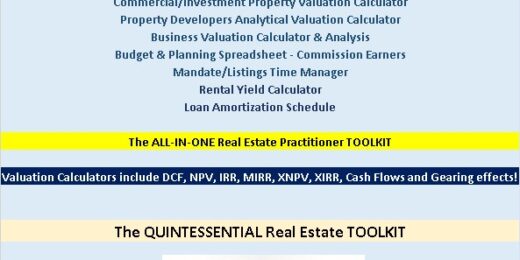
Professional Realtors need a professional Toolkit which allows them to…
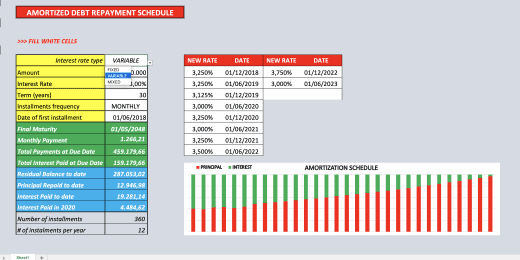

CALCULATE THE AMORTISATION SCHEDULE OF A MORTGAGE OR CONSUMER LOAN,…
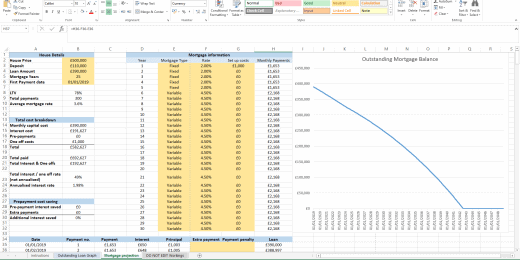

The mortgage calculator helps you understand your mortgage costs, different…
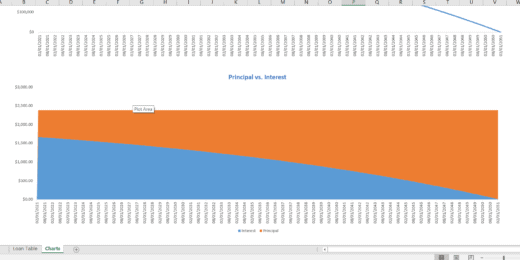


How to Manage Your Loans and Debts
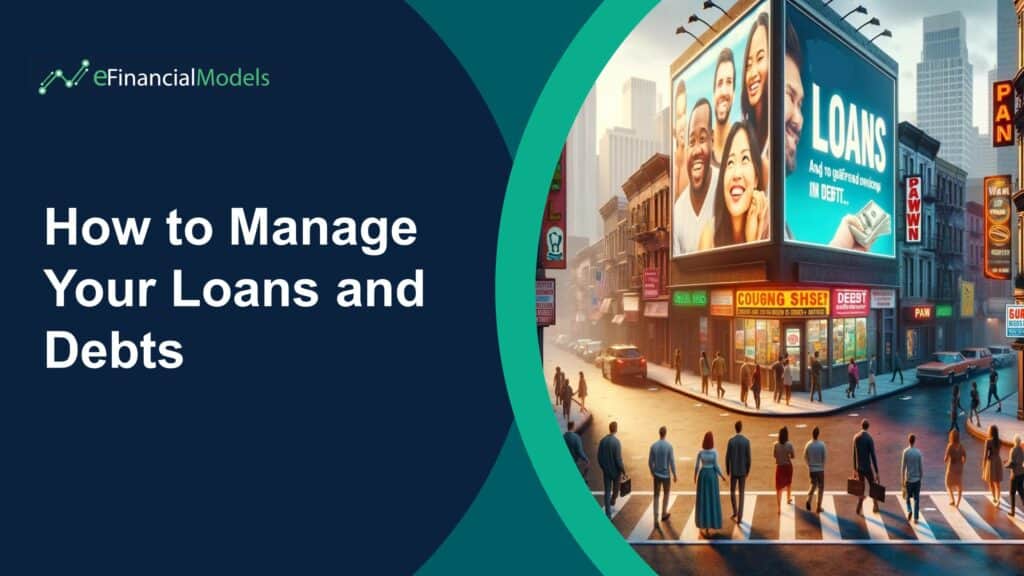
The Maze of Loans and Debts
Loans and debts are words that people often use to mean the same thing in money talk, but they have slight differences that matter to those who like to get into the details of words. While a loan refers to a specific amount of money borrowed from one entity by another under agreed conditions of repayment, debt encompasses the broader aggregation of all such loans or borrowed money that the borrower is obligated to repay. Initially, the distinction between the two seems minimal, as both entail borrowing money that must be repaid, often with interest. However, the terms can diverge based on the nature of the borrowing, the terms of repayment, and other conditions associated with the financial arrangement. While all loans constitute a debt, not all debts arise from a loan, highlighting a subtle yet significant differentiation in their use and understanding within financial contexts.Good Debt vs. Bad Debts
The key to managing debt is understanding the difference between good and bad debt, leveraging good debt for financial growth, and avoiding or minimizing bad debt. Good debt refers to borrowing that leads to an increase in value or generates sustained income over time. Some examples of good debts include business loans, educational loans, and mortgages. The opportunities provided by good debt include the potential for wealth generation, higher income, and improved financial stability. The key responsibility is to manage these debts wisely, ensuring that the return on investment outweighs the cost of borrowing, including interest and fees. Bad debt, on the other hand, is borrowing to purchase depreciating assets or services that don’t provide financial return. This type of debt typically offers no tax benefits, and the interest and fees can make the original purchase significantly more expensive. Examples include auto loans, credit card loans, and payday loans. The primary opportunity bad debt offers is immediate access to goods and services. However, the responsibilities include high repayment costs, potential financial strain, and negative impacts on your credit score. It may also result in financial stability if not appropriately managed. In summary, good debt can be a powerful tool for financial growth, while bad debt can undermine financial health. The challenge lies in making informed borrowing decisions, focusing on investments that will pay off over time, and avoiding excessive spending on depreciating assets.Top Reasons for Getting Loans and Debts
Loans and debts are financial tools that people use for various reasons, each serving different aspects of personal and financial growth or needs.- Emergency Expenses: Life is unpredictable, and emergency expenses can arise suddenly, such as unexpected home repairs, critical car breakdowns, or sudden travel needs due to family emergencies. Many people do not have enough savings to cover such expenses, making loans a necessary option to address urgent financial needs quickly.
- Home Improvement: Enhancing or repairing a home improves one's living situation and can increase the property's value. Home improvement projects can be expensive, involving materials, labor, and potential temporary accommodations. Loans designed for home improvement can provide the funds needed for such projects, enabling homeowners to invest in their properties over time.
- Large Purchases: Large purchases, such as appliances, furniture, or electronics, can require a significant amount of money upfront. Financing these purchases through loans or store credit allows consumers to spread the cost over time, making it more manageable within their budget.
- Medical Expenses: Healthcare can be costly, especially for procedures not covered by insurance or for individuals without medical insurance. Medical loans or personal loans can help cover these expenses, ensuring that individuals or their loved ones receive the necessary treatment without delay.
- Leveraging: In financial terms, leveraging involves using borrowed money to increase the potential return on investment. It can include taking out loans to invest in the stock market, real estate, or a business. While it comes with higher risk, leveraging can significantly increase potential earnings if the investments perform well.
- Vacation Costs: For many, vacations are a way to relax and recharge, but they can also be expensive, involving travel, accommodation, and activity costs. Some finance vacations through loans or credit cards to enjoy travel without waiting years to save the necessary funds.
- Vehicle Financing: Cars and other vehicles are essential for many people's daily lives but often come with a high purchase price. Vehicle financing options, including auto loans and leases, enable individuals to acquire a vehicle by spreading the cost over a period, making vehicle ownership more accessible.
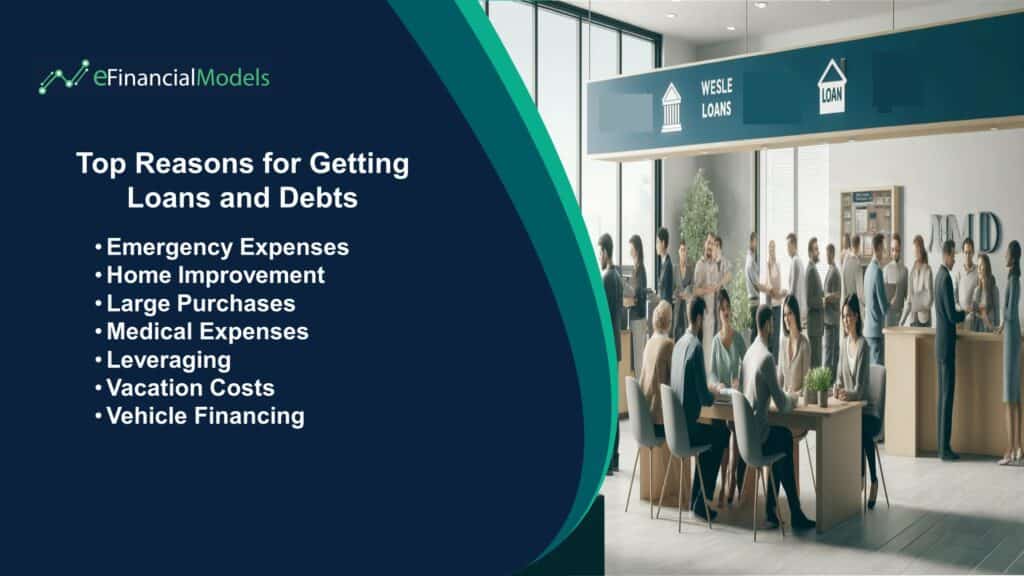
Types of Loans and Debts
Understanding the various types of loans and debts can help individuals and businesses make informed decisions about borrowing and managing finances. These include secured debt vs. unsecured debt, fixed interest rate loans, and variable interest rate loans.Secured Debt vs. Unsecured Debt
Secured debts are loans backed by collateral, meaning the borrower pledges an asset (like a house or car) as security for the loan. Should the borrower not repay the loan, the lender has the right to take possession of the asset as a means to recoup the loaned amount. This type of debt usually offers lower interest rates because it presents less risk to the lender. Examples include mortgages and auto loans. Unsecured debts are financial obligations that are not backed by collateral, meaning the lender does not have a claim on the borrower's assets in case of default. Lenders typically charge higher interest rates for unsecured loans to compensate for the higher risk. Common examples include credit cards, personal loans, and student loans.Fixed Interest Rate Loan vs. Variable Interest Rate Loan
A fixed-interest rate loan has an interest rate that remains unchanged for the entire loan term. This predictability makes it easier for borrowers to plan their finances, as their monthly payments remain consistent throughout the life of the loan. Fixed-rate loans are ideal for individuals who prefer stability and are concerned about rising interest rates in the future.Examples of a Fixed Interest Rate Loan
- Auto loans are used to finance the purchase of a vehicle, with an interest rate that remains constant over the life of the loan. This stability makes budgeting more accessible, as monthly payments don't change due to interest rate fluctuations.
- Business loans come with an interest rate that doesn't change over time. They predict repayment amounts, aiding in financial planning and budgeting for businesses.
- Federal student loans with fixed interest rates maintain the same rate throughout the loan's duration. This consistency ensures that borrowers' payments remain stable over time, making it easier to manage education financing.
- Fixed-rate mortgages are home loans with an interest rate that remains the same for the entire repayment term. They offer homeowners stability in their mortgage payments without worrying about interest rate increases affecting their monthly expenses.
- Personal loans with a fixed interest rate maintain the same rate throughout the loan term, ensuring that monthly payments remain unchanged. This predictability helps individuals plan their finances more effectively without concern for interest rate volatility.
Examples of a Variable Interest Rate Loan
- Adjustable-rate mortgages (ARMs) have interest rates that can adjust over time, typically in relation to an index, and therefore, monthly payments can increase or decrease. They often start with a lower interest rate than fixed-rate mortgages for a set period before adjusting.
- A bank line of credit offers a borrower access to a predetermined amount of funds from a financial institution to be drawn upon when needed. Its interest rate can change based on market conditions or an index rate.
- Credit card loans are revolving credit lines where the borrower can make purchases up to a specific limit and pay back the debt over time, with interest. The interest rates are typically higher than other types of loans and can vary with the borrower's creditworthiness and the market rates.
- Home Equity Lines of Credit (HELOCs) are secured loans where borrowers can draw against the equity in their home, typically at variable interest rates. They function similarly to a credit card, with a limit based on home equity and interest paid only on the amount drawn.
- Private Student Loans: These are loans offered by private entities instead of federal government loans intended to cover educational expenses and often have variable interest rates based on the borrower's credit score.
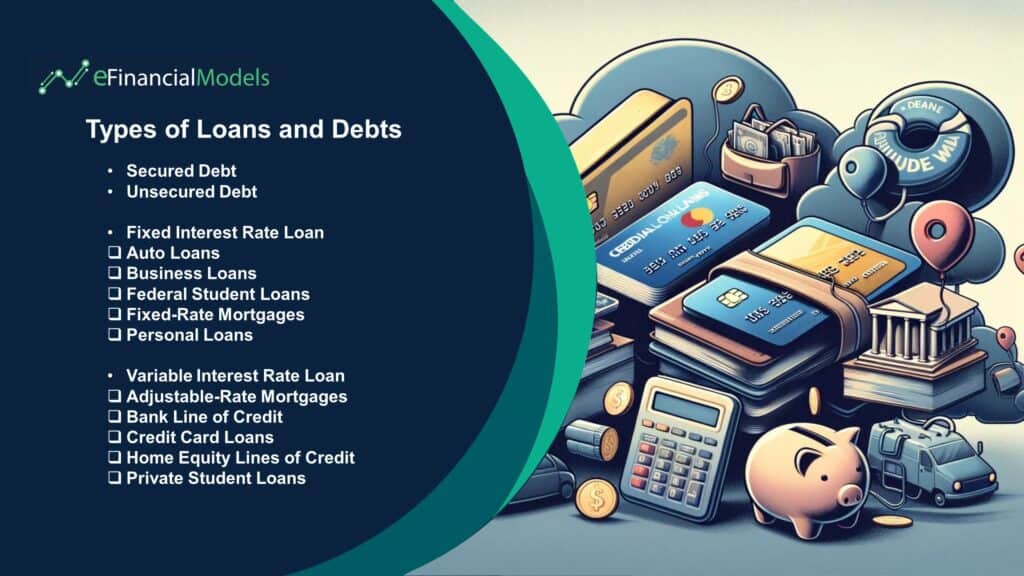
The Best Loan Repayment Strategies
Navigating through the maze of loan repayment can be daunting. However, best practices can simplify the process and lead to financial liberation. The best loan repayment strategies encompass everything from assessing your current debts to making informed decisions on payment methods, all aimed at reducing your financial burden and clearing your debts efficiently.Account Your Debts
The first among the best loan repayment strategies involves comprehensively accounting for all your debts. It means listing out every loan you have, including details such as the lender, the total amount owed, interest rates, and monthly minimum payments. Understanding the full scope of your debt is crucial because it provides a clear picture of what you're dealing with, allowing you to prioritize which loans to pay off first based on interest rates or balances.Be Mindful of Your Expenses
Mindful spending habits are essential to freeing up more money for debt repayment. This is one of the hardest but most effective loan repayment strategies. It involves tracking your monthly expenses and identifying areas to cut back. By reducing unnecessary costs, you can allocate more funds to pay your debts. Creating a budget and sticking to it is vital to this strategy, ensuring you live within your means while aggressively paying off loans.Check Credit Standing
Your credit score and credit report play a significant role in your ability to manage and repay debts efficiently - another one of the best loan repayment strategies. Checking your credit standing helps you understand how your debt management practices affect your credit score. A higher credit score can qualify you for lower interest rates on future loans or debt consolidation options. It also helps you identify any errors or issues on your credit report that could unfairly impact your credit score.Consider Loan Consolidation
Loan consolidation involves combining multiple debts into a single loan with a lower interest rate. This strategy can simplify your debt repayment process by giving you just one payment to manage each month. The lower interest rate can save you money over time and allow you to pay off your debt faster. However, it's essential to carefully consider the terms of any consolidation loan to ensure it's actually beneficial in your specific situation.Determine Your Payments
After accounting for your debts and creating a budget, the next step is determining how much you can realistically pay toward your monthly debts. Determining your debt schedule involves looking beyond the minimum payments and figuring out how much of your monthly budget can be allocated to debt repayment. Paying more than the minimum amount due can significantly reduce the total interest paid over the life of the loan and shorten the repayment period.Figure Out Extra Payment Amount
Identifying how much extra you can pay on your loans, beyond the minimum payments, is one of the best loan repayment strategies; it's a crucial step towards faster debt repayment. Even small additional payments can significantly impact reducing your debt over time. This strategy requires you to revisit your budget and expenses to find extra money for your debts. The goal is to accelerate the repayment process without compromising your financial stability.Pick a Debt Reduction Plan
Choosing a debt reduction plan that fits your financial situation is essential. Common strategies include the debt snowball method (paying off debts from smallest to largest to build momentum) and the debt avalanche method (focusing on debts with the highest interest rates first). Each strategy has benefits, and the choice depends on what motivates you more: quick wins or interest payment savings.Slash New Loans and Debts
Finally, an effective loan repayment strategy includes a commitment to not taking on new unnecessary debts. It means being cautious about incurring new loans or using credit cards for purchases you can't immediately pay off. Slashing the addition of new loans and debts helps ensure that all your financial efforts are directed toward clearing existing obligations rather than accumulating more. Implementing these best loan repayment strategies requires discipline, a good understanding of your financial situation, and a commitment to your long-term financial health. By carefully planning and executing these steps, you can work towards becoming debt-free more efficiently.
Slash Loans and Debts with Financial Modeling
Managing loans and debts is an inevitable aspect of modern financial life. Such financial instruments are often necessary for achieving personal and professional milestones, from purchasing a home to investing in education. However, if not managed effectively, debt accumulation can lead to financial strain, impacting one's ability to save, invest, and maintain a stable quality of life. Therefore, understanding and implementing strategies for effective debt management is crucial to ensure financial health and stability. One powerful strategy in the arsenal of debt management is using financial modeling to slash loans and debts. Financial modeling involves creating detailed representations of a borrower's financial situation to forecast future performance, enabling individuals to strategize repayment plans that minimize interest payments and shorten debt lifespans. By applying principles of financial modeling, individuals can identify the most efficient repayment strategies, such as the snowball or avalanche methods, and make informed decisions on consolidating debts or refinancing. This proactive approach allows for a structured and disciplined path toward becoming debt-free, highlighting the importance of strategic planning and smart financial practices in overcoming the burdens of loans and debts.
You might also like: