0 ITEMS

How to Start a Septic Tank Business and Thrive in the Market

A septic tank business plays a vital role in waste management and environmental sustainability, presenting steady opportunities for growth.
- Starting involves key steps like market research, licensing, and developing a detailed business plan.
- Effective operations require investing in quality equipment and hiring skilled staff.
- Navigating strict regulations and obtaining certifications are crucial for legal compliance.
- Competitive pricing depends on understanding costs, local rates, and job complexity.
- Addressing safety measures protects workers and maintains high service standards.
With proper planning and adherence to industry regulations, a septic tank business can build a strong foundation for long-term success.
Understanding the Septic Tank Business
Establishing a septic tank business involves several critical steps ranging from initial financial planning to execution and ongoing operations. Here are the main components that you should consider as you prepare to launch your business:
| Key Components | Description |
|---|---|
| Market Research | Understanding your target market, customer needs, and competitors in your area. |
| Licensing and Permitting | Obtaining the necessary licenses and permits to operate legally in your location. |
| Business Plan Development | Creating a comprehensive business plan that outlines your objectives, strategies, and financial projections. |
| Marketing Strategy | Developing a marketing plan to reach potential customers and establish your brand. |
| Financial Management | Planning your budget, managing expenses, and ensuring profitability. |
Understanding these key components will guide you in establishing a strong foundation for your septic tank business. From market research to financial management, each facet plays a crucial role in determining your success.
Essential Steps to Start Your Septic Tank Business
To successfully start your septic tank business, you will need to follow a series of essential steps. Here is a detailed approach to getting started:
- Conduct thorough market research to identify potential customers and assess the competition.
- Obtain all required licenses and permits. Regulations vary by region, so ensure you are compliant with local laws.
- Develop a detailed business plan covering your target market, pricing strategy, and financial forecasts.
- Create a marketing plan that includes online and offline strategies to attract customers, such as social media marketing, local advertising, and partnerships with real estate agencies.
- Invest in quality equipment and ensure you have trained staff to install and maintain septic systems.
- Establish a customer service strategy that prioritizes customer satisfaction and retention.
Each of these steps is critical to ensuring your septic tank business is positioned for success. By investing time and resources in these areas, you can create a reputable and profitable business that meets the needs of your customers while contributing positively to environmental health.
Challenges and Considerations
While there are many opportunities in the septic tank business, it is also essential to be aware of potential challenges including:
- Strict regulations governing waste management and environmental practices.
- The need for ongoing training and certification for personnel in an evolving legal landscape.
- Seasonal fluctuations in demand, influenced by various factors such as economic cycles and weather impacts.
- The importance of maintaining high-quality service in a field where reputation is critical.
Navigating these challenges requires a proactive approach and a dedicated commitment to quality and compliance. Successful septic tank businesses often differentiate themselves through superior service and attention to environmental responsibility.
In conclusion, a septic tank business presents both opportunities and challenges. With proper planning, adherence to regulations, and a commitment to quality service, entrepreneurs can establish a successful venture in this essential industry.
Understanding the Market and Regulations
The landscape of financial modeling is ever-evolving, heavily influenced by market dynamics and regulatory standards. Understanding the market and regulations is essential for businesses and investors alike, as these factors play a pivotal role in shaping business strategies and investment decisions. This section delves into the key elements of market understanding and the regulatory landscape that businesses must navigate.
Importance of Market Understanding
To effectively operate and achieve success in any industry, it is vital to grasp the nature of the market in which a business operates. Key components of market understanding include:
- Identifying target customers and understanding their needs.
- Analyzing market trends and the competitive landscape.
- Evaluating the demand and supply dynamics of the industry.
- Recognizing economic indicators that could affect market performance.
- Assessing potential barriers to entry in the market.
Grasping these elements allows businesses to formulate data-driven strategies that are responsive to shifts in consumer behavior, economic conditions, and competitive pressures. A deep understanding of the market can lead to enhanced decision-making, optimal resource allocation, and risk management.
Regulatory Landscape
Regulations exist to ensure fair practices, protect consumer rights, and maintain the integrity of financial markets. Navigating regulatory frameworks can be complex, but it is an essential aspect of doing business. Key regulatory considerations include:
- Compliance with local, regional, and international laws.
- Understanding taxation and reporting requirements.
- Staying updated on industry-specific regulations.
- Fulfilling labor laws and workplace safety standards.
- Adhering to environmental regulations where applicable.
Being aware of the regulatory environment allows businesses to avoid costly penalties and maintain a positive reputation. Proactive engagement with regulatory bodies can also provide valuable insights and opportunities to influence future policies.
Conclusion
The understanding of markets and their corresponding regulations forms the bedrock of business planning and financial modeling. Companies that proactively analyze market conditions and comply with regulatory demands position themselves for sustainability and growth. By integrating market insights and regulatory knowledge, businesses can craft strategies that are not only compliant but also responsive to change, ultimately enhancing their competitive edge in the marketplace.
Incorporating financial modeling helps in refining these strategies, allowing businesses to prepare for various scenarios, thus optimizing their operational and financial performance. For more resources on effective financial modeling tailored by industry, explore our collections of financial model templates at eFinancialModels.com.
Choosing the Right Business Structure and Developing a Solid Business Plan
Establishing a successful business requires careful consideration of your business structure and a well-articulated business plan. The business structure significantly impacts your taxes, liability, and operational flexibility. Therefore, it is critical to choose the right type to suit your business’s needs. Additionally, a comprehensive business plan acts as a roadmap for your venture, detailing your goals, strategies, and the methods you will implement to achieve your objectives.
Common Business Structures
There are several business structures to consider:
- Solitary Proprietorship: A business owned and operated by a single individual. The owner is personally responsible for liabilities, and income is taxed as personal income.
- Partnership: A business structure where two or more individuals share ownership. Partnerships usually divide profits and losses as per the partnership agreement.
- Corporation: A complex business structure that is its own legal entity. Corporations can protect owners’ personal assets from business liabilities.
- Limited Liability Company (LLC): This hybrid structure offers flexibility in management and limited liability for owners, protecting personal assets.
- S Corporation: A tax designation allowing profits to pass through to shareholders’ personal tax returns, thereby avoiding double taxation.
Understanding the variety of business structures available allows you to make an informed choice. Each structure has its own set of pros and cons revolving around liability, taxation, and regulatory obligations. It is often beneficial to consult with a legal or financial advisor to determine which structure aligns best with your business goals and needs.
Creating Your Business Plan
A well-developed business plan should encompass a variety of sections that collectively map out your business strategy. Below are crucial elements to include in your business plan:
- Executive Summary: A brief overview of your business, including the mission statement and vision.
- Company Description: Detailed information about what your business does and what differentiates it from competitors.
- Market Analysis: Examination of your industry, target market, and competition.
- Organization and Management: Outline your business structure, ownership, and information about management team members.
- Service or Product Line: Descriptions of your products or services, emphasizing unique selling points.
- Marketing and Sales Strategy: Plan for how you will attract and retain customers.
- Funding Requirement: Detailed account of the necessary funding to launch or grow your business.
- Financial Projections: Projections that include income statements, cash flow statements, and balance sheets for the next three-to-five years.
Crafting each of these sections in your business plan ensures that you cover all necessary aspects of your business strategy. The objective is to create a comprehensive document that not only guides your actions but also convinces stakeholders and potential investors of your business’s viability. This document serves as a blueprint that articulates your vision and illustrates how you plan to achieve your goals.
In summary, selecting an appropriate business structure lays the groundwork for your future, while an insightful business plan can be the defining factor in your success. Taking the time to carefully devise each facet of your plan will provide clarity and direction as you navigate the complexities of entrepreneurship.
Essential Equipment and Staffing Needs
In order to successfully launch and operate a business, whether in manufacturing, retail, or services, it is crucial to identify the necessary equipment and staffing requirements. These components play a pivotal role in determining the efficiency and productivity of your operations, and ultimately contribute to the success of your enterprise. Below, we break down the essential equipment and staffing needs into clear categories, offering insights into what you will need for your specific business type.
Essential Equipment
When considering equipment needs, it is important to tailor your approach based on the nature of your business. The required equipment can often be categorized by industry, and understanding these requirements can help you optimize your initial investment and operational efficiency. Here are the key categories of equipment typically needed:
- Manufacturing Equipment
- Machinery for production lines
- Quality control testing devices
- Assembly tools and fixtures
- Office Equipment
- Computers and software systems
- Printers and copiers
- Telecommunication systems
- Retail Equipment
- Point of sale systems
- Shelving and display units
- Inventory management tools
- Service Industry Equipment
- Specialized tools (e.g., kitchen appliances for restaurants)
- Service vehicles (if applicable)
- Software for appointment and customer management
Understanding the types of equipment needed across different industries allows for better budget allocation and resource planning. As your business expands, revisiting these categories periodically can help you identify any new equipment needs or upgrades required to maintain competitiveness.
Staffing Needs
Having an adequate staffing structure is as essential as ensuring the right equipment is in place. The human element of your business is critical for operations, customer service, and overall management. Here are some key staffing considerations to make as you plan your enterprise:
- Management Team
- Chief Executive Officer
- Chief Financial Officer
- Operations Manager
- Operational Staff
- Production workers
- Customer service representatives
- Maintenance personnel
- Sales and Marketing Team
- Sales representatives
- Marketing specialists
- Social media managers
- Support Staff
- Administrative assistants
- Human resources personnel
- Information technology specialists
The right staffing solutions not only enhance your operational functionality but also contribute significantly to customer satisfaction and business growth. Each role plays a vital part in the overall framework of your business, ensuring that all operations run smoothly and effectively.
By carefully selecting and integrating the right equipment and personnel, you are laying a strong foundation for your business. Regularly assessing your requirements as the company evolves will enable you to maintain efficiency and adapt to market changes.
For further insights on industry-specific financial models that can assist in planning and managing these essential needs, consider exploring our range of templates available for various sectors, including options for Manufacturing Financial Models and Retail Financial Models.
Marketing Strategies for Success
In today’s competitive business landscape, implementing effective marketing strategies is paramount for achieving success and driving growth. The right marketing approach not only enhances brand awareness but also establishes a strong connection with potential customers. Below are various marketing strategies categorized to boost your business’s influence and customer engagement.
Digital Marketing Approaches
Digital marketing encompasses a broad spectrum of techniques designed to reach and engage customers through online platforms. Here are some essential strategies within this category:
- Search Engine Optimization (SEO): Enhancing your website’s visibility on search engines to attract organic traffic.
- Content Marketing: Creating and sharing valuable content to attract and engage a specific audience.
- Social Media Marketing: Utilizing platforms like Facebook, Instagram, and LinkedIn to build brand presence and interact with customers.
- Email Marketing: Sending targeted emails to nurture leads and maintain customer relationships.
- Pay-Per-Click Advertising (PPC): Promoting your business through paid ads that generate immediate traffic and leads.
These digital marketing techniques provide businesses with a comprehensive toolkit for driving success in the online realm. Each method plays a unique role in helping companies increase their visibility and connect with their target audience.
Traditional Marketing Techniques
While digital marketing is vital, traditional marketing strategies continue to hold significance, especially for local businesses. Here are some traditional marketing techniques you may consider:
- Print Advertising: Using newspapers, magazines, and brochures to reach a broader audience.
- Direct Mail: Sending promotional materials to a targeted audience through postal service.
- Television and Radio Advertising: Leveraging audio-visual media to deliver messages to a mass audience.
- Networking Events: Participating in or hosting events to foster relationships with potential clients and industry peers.
- Sponsorships: Supporting local events or organizations to increase brand visibility and community goodwill.
The effectiveness of traditional marketing cannot be overlooked, particularly for businesses looking to reinforce their local presence. These methods can complement digital efforts, creating a more rounded marketing approach.
Integrated Marketing Strategies
Employing an integrated marketing strategy combines both online and offline methods for a cohesive brand experience. This approach ensures that your marketing messages and efforts are not only reaching diverse audiences but also reinforcing brand identity across different channels.
Here are key components of an integrated marketing strategy:
- Consistent Branding: Maintaining uniform messaging, identity, and visuals across all platforms.
- Cross-Promotion: Encouraging interactivity between different marketing channels, like linking social media promotions in emails.
- Customer Feedback Loop: Actively seeking and implementing customer input across all marketing platforms.
- Analytics and Measurement: Using data from both digital and traditional platforms to understand performance and refine strategies.
By integrating various marketing strategies, businesses can achieve a more comprehensive understanding of their market and better adapt to customer needs. This holistic approach often results in increased customer loyalty and higher conversion rates.
In summary, the combination of digital, traditional, and integrated marketing strategies is essential for businesses eager to thrive in a competitive landscape. Each strategy serves a vital purpose in reaching audiences and achieving business objectives. As you refine your marketing efforts, consider the specific needs of your target market, and do not hesitate to explore various avenues to connect with them effectively. It is this adaptability and commitment to understanding your customers that will ultimately drive your marketing success.
Operational Challenges and Solutions
In the dynamic landscape of business operations, organizations face an array of challenges that can significantly impact their efficiency and profitability. Identifying these challenges is crucial for implementing effective solutions tailored to address them. This section explores common operational challenges businesses encounter and presents potential solutions to facilitate smoother workflows and optimized performance.
Common Operational Challenges
Organizations frequently grapple with various operational challenges. Some of the primary challenges include:
- Inefficient Processes: Outdated or convoluted workflows can lead to delays and increased costs.
- Resource Management: Misallocation of resources can result in wasted materials and time.
- Technology Integration: Difficulty in integrating new technologies with existing systems can hinder progress.
- Staff Training: Lack of proper training can lead to employee underperformance and low morale.
- Compliance Issues: Navigating regulatory requirements can be complex and may lead to unintentional violations.
- Customer Satisfaction: Inability to meet customer expectations may result in lost business and reduced brand loyalty.
Understanding these challenges is the first step toward developing targeted strategies that address them effectively. By recognizing what hinders operational efficiency, businesses can implement improvements that will help streamline processes, maximize resource usage, and enhance overall productivity.
Solutions to Overcome Operational Challenges
Implementing specific solutions can help organizations effectively tackle operational challenges. Here are some key approaches:
- Process Optimization: Conduct regular reviews of existing workflows to identify bottlenecks and streamline processes. Techniques such as Lean management or Six Sigma can be beneficial.
- Resource Allocation Strategies: Utilize resource management tools to better visualize and allocate resources, ensuring they are used efficiently.
- Invest in Technology: Adopt new technologies that can integrate smoothly with existing systems, such as cloud-based software or automation tools.
- Training and Development: Offer ongoing training programs to enhance employee skillsets and adaptability to new technologies or processes.
- Regulatory Compliance Management: Establish a compliance framework that keeps businesses updated on relevant regulations and mitigates potential risks.
- Customer Feedback Loops: Implement systems for collecting and analyzing customer feedback to improve service delivery and product offerings.
These solutions not only address the specific challenges identified but also contribute to the overall health and effectiveness of organizational operations. Each solution provides a pathway for improvement that can lead to greater efficiency, reduced costs, and enhanced customer satisfaction.
Conclusion
Operational challenges are an inevitable aspect of running a business, but they do not have to define an organization’s success. By recognizing these common obstacles and employing strategic solutions, businesses can significantly improve their operational efficiency. Continuous improvement is vital, and organizations should regularly revisit their processes and solutions to adapt to new challenges as they arise. Embracing a proactive approach to operational challenges can lead to long-term success and sustainability in the competitive marketplace.
Conclusion: Building a Successful Septic Tank Business
In conclusion, establishing a successful septic tank business requires strategic planning, a solid operational framework, and a commitment to providing excellent service. The septic tank industry offers significant opportunities, especially as environmental regulations tighten and the demand for proper waste management solutions grows. Here, we outline the critical components needed for success in this competitive field.
Key Components for Success
To thrive in the septic tank business, you must focus on several key areas that influence operational efficiency and customer satisfaction. Below are the essential components that contribute to building a successful septic tank business:
- Comprehensive Market Research: Understand local demand, identify competitors, and gauge customer preferences.
- Licenses and Regulations: Acquire necessary permits and comply with local health and environmental regulations.
- Quality Service Offering: Provide a range of services, from septic tank installation to regular maintenance and emergency repairs.
- Effective Marketing Strategies: Utilize digital marketing, word-of-mouth referrals, and local advertising to attract clients.
- Investment in Equipment: Ensure that you purchase quality equipment that meets industry standards for efficiency and reliability.
- Skilled Workforce: Hire and train skilled technicians who understand the nuances of septic system installation and maintenance.
Focusing on these components will create a robust foundation for your business and ensure that you are well-prepared to meet the needs of your clientele. Furthermore, investing time and resources in market research allows you to tailor your service offering effectively, which can differentiate you from competitors.
The Role of Financial Modeling
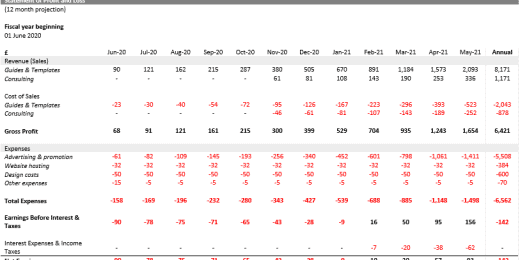
A solid financial model can significantly enhance your septic tank business planning. Creating a detailed financial model will help you:
– Assess startup costs, including equipment, labor, and marketing expenses
– Project future revenues based on service pricing and local demand
– Analyze cash flow to ensure sustainability during peak and off-peak seasons
– Evaluate the feasibility of expanding your services or entering new markets
To gain insights into how to construct effective financial models tailored to different industries, consider exploring financial modeling templates available on specialized marketplaces. These models can prove invaluable, particularly during the initial stages of your business. They assist in vital decision-making and help maximize your return on investment.
In summary, building a successful septic tank business demands thorough market understanding, strategic planning, and a commitment to quality service. By focusing on these areas and utilizing tools like financial modeling, you can strengthen your business’s potential and pave the way for long-term success.
FAQs about Starting a Septic Tank Business
Starting a septic tank business can be a rewarding venture, but it also comes with its own unique set of challenges and considerations. Below are some frequently asked questions that can clarify the operating environment, necessary steps, and common concerns for newcomers in this field.
What are the initial steps to start a septic tank business?
Starting a septic tank business involves several key steps which can help streamline the process. Here are some essential actions you should consider:
- Conduct thorough market research to understand your local competitors and demand.
- Develop a robust business plan outlining your business model, target market, and financial projections.
- Register your business and obtain the necessary permits and licenses. This may include environmental permits.
- Invest in quality equipment such as septic tank pumping trucks and tools for installation and maintenance.
- Establish a marketing strategy that includes online and offline channels to reach potential customers.
These initial steps are crucial for laying a strong foundation for your septic tank business. Market research helps identify opportunities while establishing your business plan forces you to define your goals clearly. Remember that navigating the regulatory requirements, which can vary significantly by location, is essential for staying compliant.
What kind of certification do I need to operate a septic tank business?
Operating a septic tank business typically requires specific certifications. The requirements can vary widely depending on local regulations and laws. However, here are common certifications that may be necessary:
| Certification | Description |
|---|---|
| Business License | A general license to legally operate your business. |
| Environmental Permits | Required to ensure compliance with local environmental regulations. |
| Contractor Licenses | May be necessary if your business involves physical construction or installation work. |
| Health Department Permit | Required in many jurisdictions to ensure sanitary operation. |
Acquiring proper certifications is vital for legal compliance and operational integrity. Ensure you consult with local authorities to determine the specific permits and licenses required for your city or state. Being diligent in this area can save you from legal headaches in the long run.
How do I determine pricing for septic tank services?
Establishing a competitive yet profitable pricing structure is essential for your septic tank business. Consider the following factors when determining your pricing:
- Costs of materials and equipment: Assess the costs involved in delivering your services to set realistic prices.
- Local market rates: Research competitors’ pricing in your area to ensure your rates are competitive.
- Service complexity: Factor in the complexity of the job; more complicated installations may warrant a higher fee.
- Travel and labor costs: Ensure to account for the time spent traveling to job sites and the labor involved.
These factors are crucial in crafting a pricing model that reflects the value of your services while being mindful of local market conditions. Regular reviews of pricing based on operational costs and competitive analysis will help keep your business profitable.
What safety measures should I take in a septic tank business?
Safety should always be a priority when dealing with septic tanks, as they involve exposure to hazardous materials. To maintain safety, consider implementing the following measures:
- Provide health and safety training for all employees.
- Use personal protective equipment, including gloves, masks, and safety goggles.
- Ensure proper disposal methods for waste materials to prevent environmental contamination.
- Conduct regular maintenance on equipment to avoid accidents.
Safety protocols are essential not only for legal compliance but also for ensuring the well-being of your team and clients. By taking proactive measures, you can minimize risks and establish a reputation as a responsible and safe service provider in the septic industry.
Preparing for a septic tank business covers various aspects from initial planning, required certifications, effective pricing strategies, to stringent safety measures. Addressing these frequently asked questions will empower you with the knowledge needed to navigate the complexities of this industry with greater confidence.
Each of these steps plays a significant role in ensuring the success and sustainability of your business. By being well-informed and prepared, you can focus on providing quality services to your clients.