
0 ITEMS

How to Start a Solar Panel Business: A Step-by-Step Guide
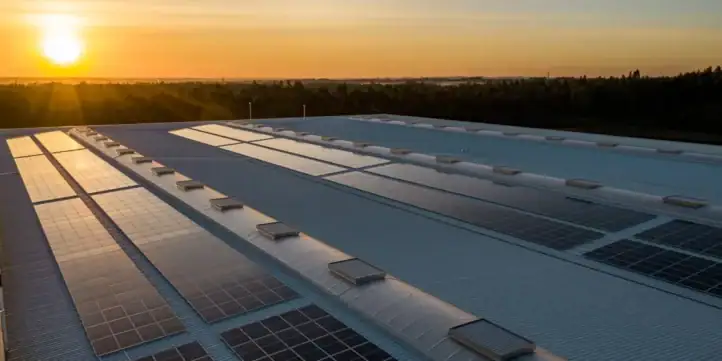
Starting a solar panel business can be a lucrative and fulfilling venture, especially given the increasing global emphasis on renewable energy and sustainability. The first step in establishing your business involves thorough research and planning. Begin by understanding the market dynamics, including the demand for solar energy solutions in your target area, and identifying your potential customers—be it residential, commercial, or industrial sectors. It’s crucial to familiarize yourself with the local regulations, incentives, and subsidies related to solar energy. Developing a comprehensive business plan that outlines your goals, target market, pricing strategy, and financial projections is essential. Additionally, securing the necessary licenses and permits, as well as establishing partnerships with suppliers and manufacturers, will lay a solid foundation for your business.
Starting a solar panel business requires understanding market trends, regulatory requirements, and key operational strategies.
- The solar market is growing rapidly due to increased government incentives and consumer demand for renewable energy.
- Navigating local, state, and federal permits is essential for legal operation and involves understanding zoning laws and building codes.
- Investing in quality equipment like solar panels, inverters, and monitoring tools ensures efficient and reliable installations.
- Effective marketing channels, including a strong website, SEO, social media, and local partnerships, attract solar customers.
- Building supplier and installer partnerships helps streamline operations and improve customer satisfaction.
Once the groundwork is in place, the focus should shift to building a strong brand and effective marketing strategies. Investing in a skilled team of professionals, including engineers, installers, and sales personnel, will ensure the delivery of high-quality services. Offering competitive pricing, excellent customer service, and maintenance packages can help differentiate your business from competitors. Utilize digital marketing, social media, and local advertising to raise awareness about your services and attract potential customers. Networking with industry stakeholders and participating in renewable energy forums and exhibitions can also enhance your visibility and credibility in the market. By prioritizing customer satisfaction and staying updated with technological advancements, your solar panel business can thrive in the growing renewable energy sector.
How to Start a Solar Panel Business: Key Steps for Success
Starting a solar panel business can be a rewarding venture, especially given the growing demand for renewable energy solutions. With more homeowners and businesses looking to reduce their carbon footprint and energy costs, getting into the solar industry offers significant potential. Here’s a roadmap to help you launch your solar panel business effectively.
Research and Understand the Market
Before diving into the solar business, it’s essential to conduct thorough market research. Understand the demand in your area, identify your potential customers, and analyze your competitors. Use tools like surveys or interviews to gather insights about what customers look for in solar solutions.
- Demographic Analysis: Consider age, income, and environmental awareness.
- Competitor Analysis: Identify who the major players are and what they offer.
- Regulatory Environment: Investigate local laws and incentives supporting renewable energy.
Create a Business Plan
Once you’ve gathered enough information, it’s time to draft a detailed business plan. This document will serve as your guide throughout the establishment of your business. Include the following elements:
- Executive Summary: An overview of your business goals and vision.
- Target Audience: Outline who your customers are.
- Marketing Strategy: How will you attract customers? Consider both online and offline techniques.
- Financial Projections: Estimate your starting costs, operational expenses, and potential revenue.
Choose Your Business Structure
Decide on the legal structure that best fits your operations. Whether you choose to form a sole proprietorship, partnership, LLC, or corporation, each structure has its advantages and disadvantages regarding taxes, liability, and operational flexibility. Consult a legal expert to select the one that aligns with your goals.
Obtain Necessary Licenses and Permits
Every region has different requirements when it comes to solar panel installation. Ensure you acquire all the necessary licenses and permits to operate legally. This may include:
- Installation Licenses: Required for solar installation work.
- Business License: To operate legally in your locality.
- Tax Identification Number: For business transactions and tax filings.
Develop Your Product Offering
Decide whether you’ll sell solar panels, also known as photovoltaic (PV) systems, or offer installation services. You may also want to include maintenance and repair services in your offering. Research quality manufacturers and suppliers to source reliable products.
| Product Offering | Details |
|---|---|
| Solar Panels | Various types (monocrystalline, polycrystalline) |
| Inverters | Essential for converting solar power to usable electricity |
| Installation Services | Professional setup by certified technicians |
| Maintenance & Repairs | Long-term customer support |
Build Partnerships
Strategic partnerships can help scale your business quickly. Consider collaborating with local contractors, electricians, or real estate professionals who can refer clients to you. Additionally, forming relationships with suppliers may give you procurement advantages on materials.
Invest in Marketing Strategies
Your marketing efforts will be critical in driving sales. Here are several strategies to consider:
- Digital Marketing: Utilize SEO, social media, and pay-per-click advertising to build your online presence.
- Community Engagement: Attend local events or host informational workshops on solar benefits.
- Referral Programs: Encourage satisfied customers to refer new clients by offering incentives.
Hire a Qualified Team
As your business grows, you’ll need to hire individuals with expertise in solar technology, sales, and customer service. Focus on finding team members who share your passion for renewable energy and customer satisfaction.
Stay Updated on Industry Trends
The renewable energy market is evolving rapidly. Stay informed about new technologies, governmental incentives, and changes in consumer preferences. Join industry associations and attend workshops to keep abreast of the latest developments.
Ensure Customer Service Excellence
Providing exceptional customer service will differentiate you from the competition. Make sure your team is trained to handle customer inquiries effectively. Building trust through reliable after-sales service will encourage repeat business and referrals.
Starting a solar panel business involves extensive preparation and planning. By conducting thorough market research, creating a solid business plan, and focusing on customer needs, you can establish a successful venture in this promising industry. Remember to adapt your strategies as the market evolves and prioritize customer satisfaction to build a loyal client base. As the demand for solar energy solutions continues to grow, there has never been a better time to enter this market.
Understanding the Solar Market: Trends and Opportunities
The solar market has experienced significant growth and evolution over the past decade, transforming the way individuals and businesses approach energy consumption. With a surge in public interest and government support, understanding the current trends and opportunities within the solar industry is crucial for both potential investors and those seeking sustainable energy solutions.
Growth of Renewable Energy
The push for renewable energy has intensified as climate change discussions gain momentum globally. Nations are setting ambitious targets for reducing carbon emissions, and solar energy is at the forefront. According to recent studies, the global solar market is expected to grow at a compound annual growth rate (CAGR) of over 20% through the next several years. This growth signifies a rising demand for solar technologies and solutions.
Technological Advancements
Innovations in solar technology are opening up new avenues for efficiency and cost reduction. Developers are continuously working on enhancing solar panel performance, decreasing installation times, and improving energy storage systems. For instance, the advent of bifacial solar panels allows for increased energy collection, capturing sunlight on both sides of the panel. As these technologies become more accessible, the capital required for entry into the solar market decreases, creating more opportunities for small businesses and entrepreneurs.
Government Incentives and Policies
Supportive government policies play a crucial role in the solar market’s growth. Many countries provide tax incentives, rebates, and grants for both residential and commercial solar installations. The recent U.S. Inflation Reduction Act includes provisions for extending tax credits on solar investment, which can substantially reduce initial costs for consumers. Such incentives not only encourage adoption but also assist new businesses in gaining a foothold in the market.
Rising Consumer Awareness
Consumer awareness about sustainability has skyrocketed. Clients are increasingly seeking green alternatives, not just for their energy needs but to align with their values. Educational campaigns about renewable energy and its benefits have made the public more informed and inquisitive. Businesses that can effectively communicate the benefits of solar energy and establish their credibility can tap into this burgeoning demand.
Trends in Residential Solar Installations
Residential installations now dominate the solar market, driven primarily by decreasing costs and increased financing options. Many homeowners opt for solar panels not only for cost savings but also to increase property values. The following points illustrate key trends in residential solar:
- Net Metering: Homeowners can sell excess energy back to the grid, making solar more financially lucrative.
- Leasing Programs: These financing options help homeowners avoid upfront costs, broadening participation.
- Smart Home Integration: Solar systems are increasingly integrated with smart home technologies, boosting efficiency.
Commercial Solar Market Dynamics
The commercial sector is also witnessing an upswing in solar adoption. Businesses are investing in solar not just to minimize energy costs but to enhance their environmental footprint. The corporate social responsibility trend drives organizations to adopt renewable methods, resulting in improved public perception and market competitiveness.
In particular, the trend of installing solar canopies in parking lots represents an innovative solution for utilizing underused spaces while generating renewable energy. This approach maximizes utility while providing shade for vehicles, showcasing how businesses can creatively leverage their property for energy solutions.
Emerging Markets and Global Implications
Developing countries present significant opportunities for solar growth. Lack of access to reliable power sources makes solar energy an attractive alternative. For example, off-grid solar systems empower rural communities with sustainable energy access. As technology becomes more affordable and mobile solar solutions become viable, some markets in Africa, Asia, and Latin America are likely to experience explosive growth.
Challenges in the Solar Market
However, the solar market is not without its challenges. Supply chain disruptions, regulatory hurdles, and market saturation in certain regions pose risks. Furthermore, as competition increases, companies must focus on differentiation through quality and services, rather than merely price wars.
Ultimately, understanding trends and identifying opportunities within the solar market is essential for anyone looking to engage with this dynamic and promising industry. Armed with the right knowledge, businesses can be well-positioned to take advantage of the growing demand for sustainable energy solutions.
Navigating Regulations and Permits for Solar Installation
Navigating the landscape of regulations and permits for solar installation requires a clear understanding of the necessary steps and requirements that vary by location. With growing interest and investment in solar energy, it’s crucial for potential business owners to grasp how to comply with legal obligations while also optimizing their installation processes.
The first step in this journey involves understanding local, state, and federal regulations regarding solar energy systems. Many states have specific guidelines governing solar panel installations, including zoning laws and building codes. Compiling a checklist of these regulations can help ensure compliance. Various organizations, including local utilities and state energy offices, provide resources that outline these specific requirements.
Research Local Zoning Regulations
- Alteration restrictions for residential areas
- Setback requirements from property lines
- Lot coverage restrictions
Building Codes Compliance
- Follow structural integrity guidelines for solar arrays.
- Adhere to local safety standards, including fire codes.
After compiling the relevant regulations, the next step involves securing the appropriate permits. The permitting process can be multifaceted, as it often requires documentation that demonstrates adherence to all relevant codes and regulations. Permits may include:
- Construction Permit: Essential for any physical installation, ensuring that the structure complies with local zoning and building codes.
- Electrical Permit: Necessary when connecting the solar panels to the electrical grid. Each state has its own guidelines regarding electrical work.
- Interconnection Agreement: Required if you plan to connect your solar system to the local utility grid. This agreement details the responsibilities of both parties regarding the connection.
It is wise to engage with local authorities early in the process. A dialogue with officials can clarify the necessary permits and reduce the likelihood of unexpected delays. Some municipal offices may even provide a dedicated solar program or point-of-contact to streamline the permitting process.
Completing all forms and applications thoroughly and accurately is crucial. Incorrect or incomplete applications can lead to significant delays or costly re-application processes. When filling out these applications, consider the following:
- Detailed Site Plans: Include accurate measurements and positions of panels, demonstrating compliance with local zoning restrictions.
- Specifications of the Solar System: Outline the equipment being installed, such as the type and capacity of the solar panels, inverters, and mounting systems.
- Safety and Compliance Documentation: This can include certifications from manufacturers that the equipment meets national safety standards.
Upon submission, the permitting process may undergo several stages, including plan review and site inspections. Many jurisdictions provide online tracking systems that allow you to monitor the status of your applications.
Furthermore, don’t overlook the importance of local incentives or rebate programs that can shape the financial aspect of solar installation. Many states offer financial incentives that can offset installation costs, such as tax credits or net metering policies. Understanding these incentives not only enhances the financial feasibility of solar projects but can also provide essential points of discussion with potential customers.
Engaging a professional signs the contract or an experienced contractor can also streamline compliance with regulations and building codes. These professionals often have established relationships within local jurisdictions, which can facilitate quicker approvals and less bureaucratic red tape.
To sum up the regulatory and permitting landscape for solar installation, it’s vital to take a proactive and informed approach. Here’s a quick reference list to organize your process:
| Step | Action Item |
|---|---|
| 1 | Research local zoning regulations |
| 2 | Review building codes (residential/commercial) |
| 3 | Obtain necessary permits |
| 4 | Engage with local authorities |
| 5 | Confirm local incentives/rebate programs |
| 6 | Hire professional contractors for assistance |
| 7 | Monitor application status regularly |
By following these guidelines, potential solar business owners can securely navigate the permitting process, minimize delays, and ultimately contribute to the growth of renewable energy solutions in their communities. This proactive approach not only supports personal business aspirations but aids in the broader mission of promoting sustainable energy practices across society.
Essential Equipment and Technology for Your Solar Business
Establishing a successful solar business relies heavily on having the right equipment and technology. This ensures not just the quality of your installations but also the efficiency of operations and customer satisfaction. Here’s a comprehensive look at the essential tools and technologies you’ll need to launch your solar panel enterprise.
Core Solar Equipment
Solar Panels
The most critical component of any solar business is, of course, the solar panels themselves. They come in various types, and understanding their specifications can significantly impact your offerings.
- Monocrystalline Solar Panels: Known for their high efficiency and durability, these panels tend to occupy less space due to their effectiveness.
- Polycrystalline Solar Panels: Typically more cost-effective, they are less efficient than monocrystalline panels but provide a good balance for residential setups.
- Thin-Film Solar Panels: These are lightweight and flexible but generally have lower efficiency and require more space.
| Type | Efficiency | Cost | Space Requirement |
|---|---|---|---|
| Monocrystalline | 15-22% | High | Low |
| Polycrystalline | 13-16% | Medium | Medium |
| Thin-Film | 10-13% | Low | High |
Inverters
Inverters are essential for converting the direct current (DC) produced by solar panels into alternating current (AC), which is used by most home appliances. Different inverter technologies you might consider include:
- String Inverters: Simple and cost-effective; they work best if all panels receive similar sunlight.
- Microinverters: Installed on each panel, they optimize performance individually, which is ideal in shaded or uneven environments.
- Power Optimizers: These devices work with string inverters and enhance solar panel performance by mitigating shading issues.
Installation Tools
Getting your solar systems installed safely and correctly requires a solid set of tools.
- Ladder and Lift Systems: For accessing rooftops safely, investing in robust ladder and lift systems can prevent accidents.
- Drilling and Mounting Tools: These include heavy-duty drills for mounting brackets securely to the roof.
- Electrical Tools: Basic electrical tools like wire strippers, pliers, and screwdrivers for wiring connections are essential.
Safety Equipment
Working in the solar installation business can be risky, so ensure you have the following safety gear:
- Hard Hats: Protect your head from falling debris.
- Safety Harnesses: These can save lives when working at heights.
- Gloves and Goggles: Protect your hands and eyes during installation.
Software Solutions
Utilizing software can streamline operations and improve customer engagements. Consider these tools:
- Design Software: Applications like PVsyst and Helioscope assist in system design and performance modeling.
- Project Management Software: Tools like Trello or Asana can help manage timelines, assignments, and communication.
- Customer Relationship Management (CRM): Utilizing a CRM system such as Salesforce can help maintain customer relationships and track leads effectively.
Monitoring Technology
Once the solar systems are in place, monitoring their performance becomes vital. This can lead to proactive maintenance and improved customer satisfaction. Essential monitoring technologies include:
- Energy Monitoring Systems: These systems keep track of the energy produced and consumed, allowing for real-time data analysis.
- Mobile Apps: Many inverter manufacturers provide apps that let customers view their system performance on the go, increasing engagement.
Inventory Management
Effective inventory management will streamline operations and ensure you have the necessary components for installations. Consider these options:
- Barcode Scanning Systems: Implementing barcode systems can ease stock checks and inventory tracking.
- Inventory Management Software: Platforms like Fishbowl Inventory can keep track of stock levels, reorder points, and supplier relationships.
Communication Tools
Maintaining clear communication throughout your business is crucial. Consider these communication strategies:
- Team Communication Tools: Platforms like Slack can facilitate quick and effective communication among team members.
- Customer Feedback Systems: Regularly solicit feedback from your customers to tweak your service and offerings.
By investing wisely in essential equipment and technology, you can enhance the efficiency of your solar business. This not only improves operations but also boosts customer trust and satisfaction. As the solar market continues to grow, equipping your business with the right tools will be paramount for long-term success.
Marketing Strategies to Attract Solar Panel Customers
When it comes to promoting a solar panel business, understanding the target audience is crucial. Potential clients range from homeowners looking to reduce their energy bills to businesses wanting to embrace sustainable practices. Identifying and segmenting this audience enables tailored marketing efforts that resonate with specific needs and preferences.
One effective tactic is leveraging online presence through a well-optimized website. Utilize a clean design that highlights your solar solutions—be it residential, commercial, or industrial. Include customer testimonials and case studies that showcase successful installations. Ensure your website is mobile-friendly, as a growing number of users browse on their smartphones.
In addition to a polished website, search engine optimization (SEO) plays a pivotal role. Target keywords like “solar panel installation,” “solar energy benefits,” or “affordable solar systems” within your content. Write blog posts that answer common questions about solar energy, such as financing options for solar panels or the government incentives available. This type of content not only positions your business as an authority but also attracts organic traffic.
Consider implementing content marketing strategies beyond your website. Create informative videos explaining the installation process or the advantages of solar energy. Share these videos on platforms like YouTube, Facebook, and Instagram. Visual content tends to engage users more effectively and can drive traffic back to your website.
Another robust approach is email marketing. Develop a newsletter to keep prospective customers informed about industry trends, special promotions, or upcoming events. Segment email lists based on user behavior or demographics to send personalized messages. This approach can significantly improve engagement rates, as tailored content is more likely to resonate with recipients.
Social media platforms also offer an excellent channel for engaging potential customers. Create posts that highlight successful installations, share educational content about solar energy, and promote special offers. Platforms like Facebook and Instagram allow for targeted advertising, helping to reach specific demographics interested in renewable energy.
Word-of-mouth and referrals remain powerful marketing tools. Encourage satisfied customers to share their experiences and refer friends or family. Consider implementing referral programs that reward customers for bringing in new business. This not only strengthens community ties but can also lead to a broader customer base.
| Channel | Strategy | Benefit |
|---|---|---|
| Website | SEO optimization | Increases visibility on search engines |
| Content Marketing | Blogging & Video content | Builds authority and attracts organic traffic |
| Email Marketing | Segmented newsletters | Improves engagement and conversion rates |
| Social Media | Targeted ads & engagement posts | Reaches specific demographics effectively |
| Referrals | Referral programs | Builds trust and a broader customer base |
Partnerships with local organizations, such as schools, community groups, and businesses, can also enhance visibility. Offer to host educational workshops about solar energy benefits or sponsor local events. This not only builds goodwill but positions your business as a leader in renewable energy solutions.
Utilizing pay-per-click (PPC) advertising can drive immediate traffic to your site. Platforms like Google Ads allow targeting based on specific keywords related to solar energy. A well-distributed budget can yield significant returns, especially when paired with a well-structured landing page focused on conversion.
Measurement and analytics are vital in evaluating your marketing efforts. Use tools like Google Analytics to track website traffic sources, user behavior, and conversion rates. Regularly review and adjust your marketing strategies based on what the data reveals. This process ensures continued growth and adaptation in a fast-evolving industry.
By implementing a diverse and strategic marketing plan, your solar panel business can effectively attract new customers. Focusing on education, community involvement, and strong digital marketing tactics will put your business ahead in capturing the growing interest in solar energy solutions.
Building Partnerships with Suppliers and Installers
Building strong partnerships with suppliers and installers is crucial for anyone looking to thrive in the solar panel business. These relationships not only streamline operations but also enhance overall customer satisfaction. Collaborations with the right suppliers and installers can lead to competitive advantages and sustainable growth. Here are some strategies to consider when fostering these important connections.
Establish Clear Communication Channels
Setting up transparent communication channels is essential. Regularly engaging with your suppliers and installers helps to align expectations. Use tools like email, project management software, and instant messaging apps to maintain an open line of communication. This approach ensures that everyone involved is up-to-date on project timelines, inventory levels, and any potential issues that may arise.
Create Mutual Goals
When working with suppliers and installers, it’s beneficial to outline shared objectives. Establishing mutual goals creates a sense of teamwork and commitment. For instance, both parties may aim to improve delivery times or enhance product quality. Document these goals and conduct regular reviews to measure progress. This kind of collaborative approach fosters a stronger bond and keeps everyone focused on common targets.
Evaluate Supplier Capabilities
Before forming a partnership, it is crucial to thoroughly assess the capabilities of potential suppliers. This evaluation may include reviewing their product range, pricing structures, and reliability in delivering materials on time. Request samples and conduct trials to determine quality. Ensure they are compliant with all regulations and certifications. Additionally, look into their customer service reputation. Providing reliable customer support enhances your business as it reflects positively on your commitments.
Develop Training Programs
A well-trained team plays a significant role in the success of your solar panel business. By collaborating with installers, consider developing training programs that promote a deeper understanding of the technologies and methodologies involved in solar installation. This partnership can be mutually beneficial, ensuring the installers are well-versed in your preferred products and techniques.
Invest in Quality Relationships
Building relationships isn’t just about transactions; it’s about cultivating a positive rapport. Take the time to get to know your suppliers and installers on a personal level. Small gestures, such as checking in regularly or inviting them to company events, can enhance relations. A robust relationship can lead to better service, more favorable terms, and even priority during high-demand periods.
Include Performance Metrics
Establishing performance metrics provides clear benchmarks for evaluating the effectiveness of your partnerships. Metrics can include delivery times, defect rates, and customer feedback. Regularly assessing these metrics helps in identifying areas needing improvement or adjustment. Over time, this data-driven approach promotes accountability and encourages suppliers and installers to uphold high standards.
Consider Long-Term Contracts
Where possible, establish long-term contracts with your suppliers and installers. This not only ensures stability in your supply chain but can also lead to cost savings and priority service. A long-term commitment signals trust and investment, encouraging both parties to invest in the relationship more seriously.
Utilize Local Suppliers
Partnering with local suppliers not only reduces transportation costs but also supports the community’s economy. Local suppliers often have a better understanding of local regulations and market conditions, which can be advantageous. Moreover, local partnerships can streamline logistics, leading to faster delivery and response times.
Leverage Technology
Implementing technology in your relationships can greatly enhance efficiency. For example, consider using inventory management software that allows for real-time updates on stock levels and ordering processes. Platforms such as these can ensure that your suppliers are always informed about your needs, reducing the chances of stockouts and project delays.
Foster Feedback Loops
Encourage open feedback between your business and your partners. Regularly solicit input on processes, products, and overall partnership satisfaction. Creating a culture where both parties feel comfortable sharing observations fosters continuous improvement. A feedback loop can lead to innovative ideas that benefit all involved.
Build a Network
Engage not just with your immediate suppliers and installers but also with a broader network within the industry. Attend trade shows, workshops, and seminars to meet potential partners, learn about new trends, and exchange valuable insights. Building a diverse network can provide alternative resources and strategies for future projects.
Consider the Risks
Partnerships come with risks. Be aware of potential pitfalls such as supply chain disruptions, political factors, or financial instability of your partners. It’s prudent to have contingency plans in place. Diversifying your supplier base can also mitigate risks, ensuring you have alternatives in case a partner cannot meet your needs.
By focusing on these strategies, you can build fruitful relationships with your suppliers and installers, setting a strong foundation for your solar panel business. A well-executed partnership not only enhances operational efficiency but ultimately leads to satisfied customers and a thriving enterprise.
Financial Considerations: Funding and Investment for a Solar Business
To embark on a solar panel business, understanding the financial landscape is crucial. This industry has seen significant growth, driven by the urgent need for renewable energy sources. However, launching a solar business requires a clear grasp of funding options and investment strategies.
One of the first steps is to assess your initial capital needs. This includes the costs of purchasing solar panels, inverters, and other necessary equipment, as well as installation and operational expenses. The cost of solar equipment can vary based on quality and technology, so getting multiple quotes from suppliers is wise.
To establish a clear financial plan, consider creating a detailed budget. This should outline all potential expenses, including:
- Initial equipment purchase
- Installation costs
- Marketing expenses
- Licensing fees
- Insurance costs
- Ongoing maintenance expenses
- Labor costs
A well-structured budget helps you understand how much funding you will need and where you can cut costs if necessary.
Many entrepreneurs look to secure funding through various channels. It’s advisable to explore traditional loans and grants, as well as investors. Here’s a list of potential funding sources:
Bank Loans: Many banks offer loans specifically for small businesses. Having a good credit score can significantly increase your chances of approval.
Angel Investors: These individuals provide capita to startups in exchange for equity. They often bring valuable industry experience as well.
Venture Capital: VC firms can provide large sums of money but usually expect high growth potential and significant returns on their investments.
Government Grants: Various programs offer grants for renewable energy projects. Research local environmental agencies for available opportunities.
Crowdfunding: Platforms like Kickstarter and GoFundMe allow you to raise small amounts of money from a large number of people.
Partnerships: Collaborating with established companies in the renewable energy space can provide both funding and expertise.
Utilizing a combination of these funding sources can help mitigate risk and ensure you have the capital necessary for your business’s growth.
A critical aspect of funding and investment involves understanding the available incentives. Many governments incentivize solar energy through tax credits, rebates, and other financial benefits. For example, the federal investment tax credit (ITC) allows businesses to deduct a significant percentage of the cost of installing solar energy systems from their federal taxes. Awareness of local incentives can also offer substantial savings and enhance the overall financial viability of your solar business.
It’s equally important to identify your target market. This strategy will directly influence your pricing model and marketing efforts. Understanding whether you aim to service residential homes, commercial businesses, or large-scale projects will dictate many financial decisions. Research your competition to determine what they charge and the value they offer.
Scaling your business can lead to increased profitability. Consider how to expand both your service offerings and geographic reach once your initial setup is successful. For example, diversifying into solar maintenance services or expanding to neighboring states can attract new customers and drive additional revenue. Expanding your business also means more investment, so continuously evaluate your financial health and secure funding when necessary.
Moreover, managing cash flow is vital in maintaining a solar business’s financial health. Offer flexible financing options, such as payment plans for your customers, to increase sales while ensuring you have steady cash flow. Keeping a close eye on your accounts payable and receivable can help you manage your timelines better.
Understanding your break-even point can also prove valuable. This is the point where your revenue equals your costs, allowing you to start making a profit. Calculating this figure can help you set realistic sales targets and improve your overall financial strategy.
Consider the importance of maintaining strong relationships with investors and stakeholders. Regularly update them on your progress; transparency can build trust and encourage future investment. Engaging them in decision-making can also lead to invaluable insights and support.
Entering the solar panel business involves careful financial planning and strategic investment. Utilizing diverse funding sources and remaining aware of industry incentives can pave the way for a sustainable and profitable venture. With a solid financial foundation, your solar business can thrive in a rapidly growing industry.
Conclusion
Starting a solar panel business is an exciting venture that promises both financial rewards and a positive environmental impact. As you embark on this journey, remember that success relies on a strong foundation built upon careful research, strategic planning, and the right partnerships. The steps outlined in this article pave the way toward not just beginning your solar business, but thriving in an ever-evolving marketplace.
Understanding the solar market is crucial. You must stay informed about trends and opportunities that can help you capitalize on industry shifts. With renewable energy becoming a priority for governments and consumers alike, there’s a growing demand for solar solutions. This awareness of market dynamics will empower you to position your business effectively, anticipating shifts in consumer interest and emerging technologies.
Navigating regulations and permits is another essential component of establishing your solar panel business. Knowledge of local, state, and national regulations can save you time and resources. Familiarizing yourself with zoning laws, building codes, and environmental guidelines means you’ll avoid potential setbacks and align your business with legal standards. Consider consulting with legal experts or industry professionals to get a clearer understanding of the compliance landscape in your area.
Moreover, investing in the right equipment and technology is vital for your operational success. As solar technology advances, so do options available to businesses. Evaluate what equipment meets the needs of your target customers while providing scalability for your operations. High-quality solar panels, inverters, and mounting systems are critical—investing in reliable technology assures customers of your products’ performance, fostering trust in your brand.
An effective marketing strategy can significantly influence your customer base. To attract solar panel customers, use a multi-channel approach that includes both online and offline strategies. Engage potential customers through social media platforms, showcasing customer testimonials and projects that illustrate your work. Additionally, consider educational content such as blogs or how-to videos that inform consumers about the benefits of solar energy. By positioning yourself as a thought leader in the solar industry, you can create a valuable connection with your audience while driving interest in your offerings.
Building strong partnerships with suppliers and installers can unlock numerous benefits for your solar business. A reliable supplier network ensures you have access to high-quality materials at competitive prices. Relationships with experienced installers enhance the customer experience by providing effective installation services, which can lead to valuable referrals and repeat business. Networking within your industry, joining professional organizations, and attending trade shows creates opportunities to connect with potential partners who can contribute to your success.
Financial considerations shape the feasibility and sustainability of your solar business. Secure funding and assess investment needs early in the planning process. Determine whether to pursue loans, grants, or venture capital to support your initial costs and operational expenses. A well-prepared financial model can demonstrate to investors the profitability and return on investment potential of your business, making solicitation easier. Moreover, tracking expenses and revenue effectively will equip you to make informed decisions and adapt quickly to changing market conditions.
Building a team with diverse skills and a commitment to renewable energy is equally important as these individuals will drive your business forward. Hire professionals with expertise in sales, technical installation, and customer service to ensure every aspect of your business runs smoothly. Ongoing training and fostering a positive workplace culture lays the foundation for high performance and retention.
Embracing change is intrinsic to the solar industry as advancements in technology and shifts in consumer demand will continue to evolve. Maintaining a flexible business model allows you to adapt to these changes swiftly, addressing customer needs effectively while ensuring your long-term success. Stay informed by subscribing to industry newsletters and attending relevant training sessions to keep pace with new developments.
By understanding the multifaceted elements involved in establishing a solar panel business, you position yourself not just for initiation but for sustained success. Balancing market understanding, compliance, quality equipment, marketing savvy, strategic partnerships, and financial acumen creates a strong framework. Remember, patience and persistence often lead to impressive returns in the renewable energy sector. With a passion for sustainability and a commitment to excellence, you can contribute positively to the environment while achieving your business aspirations. The journey may be demanding, but with the right approach, you can indeed shine brightly in the solar industry.



















































You might also like:
- How to Evaluate a New Solar Park for Investment?
- A Deep Dive Into Understanding 10K Reports
- 10 Tips to Develop a First Class Business Valuation Report
- 12 Funding Sources for Businesses and Startups
- How to Write a Business Plan Step-by-Step
- Financial Modeling for Startups and Small Businesses
- How to Start a Construction Machinery Rental
- Business Valuation
- How to Make Smart Decisions with 6 Key Financial Metrics?
- Financial Analysis
- Financial Modeling using Excel
- 10 Awesome Excel Formulas To Use For Your Next Financial Model In Excel
- Renewable Energy Financial Model Bundle
- Financial Modeling Best Practices
- Renewable Energy
- How to Prepare a Financial Feasibility Study?
- How to Start a Solar Panel Business: A Step-by-Step Guide
- Financial Ratios Analysis and Its Importance
- How to Forecast the Balance Sheet?


