0 ITEMS

Unlocking Success: The FedEx Store Franchise Cost You Need to Know

Understanding the full costs of a FedEx Store franchise helps plan a realistic budget and avoid surprises.
- Initial franchise fees range from $10,000 to $50,000, depending on the location and size.
- Startup costs for equipment, supplies, and renovations can total up to $250,000.
- Allocating sufficient working capital—usually $20,000 to $100,000—is essential for smooth operations.
- Additional funds for marketing and unforeseen expenses safeguard the business during early growth.
- Ongoing franchise fees, rent, utilities, and employee wages form significant recurring costs.
When considering starting a franchise, understanding the total costs involved is crucial for making informed decisions. The FedEx Store franchise is an appealing option for many aspiring business owners due to its established brand and comprehensive support system. However, the financial commitment required can vary widely based on several factors.
To get a clearer picture of the investment involved, it is essential to break down the key cost components associated with operating a FedEx Store franchise. The following table summarizes these main expenses:
| Cost Element | Estimated Cost Range |
|---|---|
| Initial Franchise Fee | $10,000 – $30,000 |
| Equipment and Supplies | $50,000 – $250,000 |
| Leasehold Improvements | $50,000 – $150,000 |
| Inventory | $10,000 – $40,000 |
| Working Capital | $20,000 – $50,000 |
| Additional Funds | $10,000 – $20,000 |
The cost elements listed above provide a comprehensive overview of what you might expect when investing in a FedEx Store franchise. Each category represents a critical aspect of the overall startup costs.
Key Initial Costs Associated with a FedEx Store Franchise
Starting a FedEx Store franchise can be an exciting and rewarding investment, but it is essential to understand the initial costs involved to make informed financial decisions. The costs associated with establishing a FedEx Store franchise can vary significantly based on location, size, and the specific service offerings you choose to implement. Below, we break down these initial costs into key categories and provide details for a clearer understanding, making it easier for aspiring franchisees to prepare adequate budgets and financial forecasts.
Initial Investment Overview
The primary components of the initial investment in a FedEx Store Franchise typically include:
| Cost Category | Estimated Cost (USD) |
|---|---|
| Franchise Fee | $30,000 – $50,000 |
| Leasehold Improvements | $100,000 – $250,000 |
| Equipment and Supplies | $20,000 – $50,000 |
| Inventory | $10,000 – $25,000 |
| Initial Marketing Costs | $5,000 – $20,000 |
| Working Capital | $50,000 – $100,000 |
| Miscellaneous Costs | $5,000 – $10,000 |
Understanding these initial costs can help potential franchisees gauge what financial resources they need to allocate. Each expense is crucial in ensuring that the franchise operates smoothly from the start.
Detailed Breakdown of Costs
1. **Franchise Fee**: The upfront cost paid to acquire the right to operate under the FedEx brand. This fee usually ranges from $30,000 to $50,000. It grants you access to the brand’s established reputation, marketing resources, and operational support.
2. **Leasehold Improvements**: The costs associated with renovating your store to meet FedEx’s operational standards. You may need to budget between $100,000 and $250,000, depending on the condition of the property and the extent of renovations required.
3. **Equipment and Supplies**: Initial investments in necessary equipment such as computers, printers, packaging tools, and office supplies are essential. This typically costs between $20,000 and $50,000. Investing in high-quality equipment is crucial for maintaining service quality and efficiency.
4. **Inventory**: Initial stock of materials and supplies for shipping and packaging is also part of your startup costs. You may need to allocate $10,000 to $25,000 for inventory, which will enable you to serve customers promptly upon opening.
5. **Initial Marketing Costs**: Creating awareness about your new store can require a marketing budget ranging from $5,000 to $20,000. Proper marketing strategies are vital as they help attract initial customers and establish your franchise in the local community.
6. **Working Capital**: Ensuring you have adequate funds to cover operational expenses until profitability is critical. The suggested amount is between $50,000 and $100,000, which can be essential for covering salaries, utility bills, and other routine costs in the early stages of operation.
7. **Miscellaneous Costs**: Setting aside around $5,000 to $10,000 for unforeseen expenses can provide a financial cushion. Consider this category as a safety net to address any unexpected challenges that may arise during the launch phase.
Each category of costs plays a pivotal role in the long-term success of your FedEx Store franchise. By comprehensively understanding and planning for these initial expenses, aspiring franchisees can develop a robust financial plan that will facilitate smoother operations as the business grows and evolves. For more information on financial planning and potential financial models, consider exploring our expertise in developing customized solutions that align with your franchise goals.
Ongoing Costs Related to Operating a FedEx Store Franchise
Operating a FedEx Store franchise involves various costs that continue beyond the initial investment. Understanding these ongoing expenses is crucial for maintaining a profitable operation. The following details outline the significant components of ongoing costs.
Major Ongoing Expenses
The ongoing expenses associated with running a FedEx Store franchise can be categorized into several key areas. Below is a breakdown of these expense categories which can help potential franchisees plan their budgets effectively.
| Cost Category | Description |
|---|---|
| Royalty Fees | A percentage of sales paid to FedEx for brand use and support. |
| Advertising Contributions | Mandatory contributions for national and local marketing efforts. |
| Lease or Rent | Monthly expenses for the store location, typically based on square footage. |
| Utilities | Costs for electricity, water, and gas essential for daily operations. |
| Insurance | Ongoing insurance costs to cover liability, property, and other risks. |
| Salaries and Wages | Recurring payments made to employees and staff. |
| Inventory and Supplies | Costs for maintaining inventory and operational supplies. |
The table above highlights the major ongoing costs that anyone considering a FedEx Store franchise should be aware of. Each of these categories contributes significantly to the overall operational budget, and careful monitoring can ensure that your franchise remains financially healthy. Strong financial planning and adherence to budgeting practices can help mitigate these expenses effectively.
Additional Considerations
In addition to the above-mentioned costs, franchisees should also consider the impact of economic fluctuations and industry changes which may affect operational costs.
The following factors can influence these ongoing expenses:
- Market Trends: Changes in local and national shipping and retail trends can impact demand.
- Inflation: Rising costs of goods and services could gradually increase your overhead.
- Labor Costs: Fluctuating minimum wage laws or labor shortages may affect staffing expenses.
- Technology Upgrades: Investing in new technology or equipment can entail significant costs but may also yield savings in the long run.
Being proactive in addressing these considerations can strengthen the viability of your franchise. It is advisable to incorporate these factors into your broader financial models and business strategy. This approach not only prepares you for potential challenges but also opens the door for opportunities to optimize your operational expenditures. For further insights, you may explore professional financial planning resources to develop a comprehensive strategy for your FedEx Store franchise.
Potential Earnings and Return on Investment
When considering a new business venture or investing in a project, understanding the potential earnings and return on investment is crucial. It helps investors determine whether the investment is worthwhile and aids in making informed financial decisions. The potential earnings can vary significantly depending on various factors, including market conditions, the business model, competition, and operational efficiency.
In order to visualize and understand the potential earnings more effectively, it can be beneficial to break down various components that influence returns. The following sections will delve into key factors that can influence earnings and return on investment.
Key Components Influencing Earnings
Each factor affecting potential earnings should be carefully evaluated before making investment decisions. Consider the following aspects:
- Market Demand: Assess current trends and consumer preferences in the market space. Demand can fluctuate based on various factors, including economic conditions and societal changes.
- Pricing Strategy: Establish a competitive pricing strategy that maximizes sales while ensuring profitability. Pricing decisions should reflect perceived value and market conditions.
- Operational Costs: Understand fixed and variable costs associated with running the business. Reducing operational inefficiencies can lead to higher profit margins.
- Marketing Effectiveness: Evaluate the impact of marketing campaigns on driving sales. Effective marketing strategies can significantly enhance revenues.
- Customer Acquisition and Retention: Invest in customer relationship management to improve acquisition rates and retain existing customers. Long-term relationships contribute to sustainable earnings.
Each of these influences plays a vital role in determining the potential earnings of a business or investment project. By systematically evaluating these aspects, investors can create a sophisticated financial model that not only estimates returns but also highlights areas for improvement.
Calculating Return on Investment (ROI)
Return on investment is a key performance indicator that measures the profitability of an investment relative to its cost. The calculation is relatively straightforward, but accurately assessing expected cash inflows is critical.
To calculate the ROI, the formula is as follows:
ROI = (Net Profit / Cost of Investment) x 100%
For instance, if a company invests $100,000 and generates $150,000 in revenue, the net profit would be $50,000. Substituting values into the formula:
ROI = ($50,000 / $100,000) x 100% = 50%
Using the above formula, one can quickly evaluate the profitability of prospective investments. High ROI indicates a successful investment, while a low ROI suggests that the capital may be better allocated elsewhere.
Projected Earnings and Investment Returns Table
The table below summarizes projected earnings and expected return ratios based on varying investment amounts:
| Investment Amount | Projected Earnings | Net Profit | Return on Investment (%) |
|---|---|---|---|
| $50,000 | $75,000 | $25,000 | 50% |
| $100,000 | $150,000 | $50,000 | 50% |
| $150,000 | $225,000 | $75,000 | 50% |
| $200,000 | $300,000 | $100,000 | 50% |
The above table illustrates how the return on investment remains constant at 50% across various investment amounts. Such consistent returns can be appealing, particularly in stable market environments.
Understanding these metrics is crucial for investors to evaluate the profitability of their ventures thoroughly. By examining projected earnings alongside expected returns, investors can hone their strategies for maximizing profit.
In conclusion, grasping potential earnings and return on investment serves as a cornerstone for making sound financial decisions. Through meticulous planning and continuous assessment, investors can set the groundwork for lucrative business ventures, ensuring they are on the path to financial success. For specialized financial models tailored to industry-specific scenarios, please visit our collection of financial models at eFinancialModels to further enhance your investment strategies.
Example of a Successful FedEx Store Franchise
Owning a franchise is often viewed as a beacon of entrepreneurial success, especially within a recognized brand like FedEx. The success of a FedEx store franchise stems from a combination of operational efficiency, brand reputation, and the strategic choices made by franchisees. Below, we will delve into the elements that contribute to a successful FedEx store franchise, supported by real-world examples and key metrics.
Key Success Factors for FedEx Store Franchisees
Establishing a profitable FedEx store requires attention to various factors that play a pivotal role in the franchise’s success. Here are some essential elements:
- Location: Selecting a high-traffic area with visibility and accessibility is crucial.
- Operational Efficiency: Streamlining processes to enhance customer service can lead to higher customer satisfaction.
- Marketing Strategies: Utilizing both online and offline marketing to attract new clients while retaining existing ones.
- Understanding the Brand: Fully embracing the brand’s values and quality standards ensures consistency in service.
- Staff Training: Investing in comprehensive training programs for employees to uphold service excellence.
These success factors highlight the multifaceted approach required to run a thriving FedEx store franchise. Understanding these components allows franchisees to make informed decisions that align with the brand’s goals and customer expectations.
Example of a Successful FedEx Store Franchisee
One exemplary case of a successful FedEx store franchise is that of John Doe, who opened his franchise in a suburban area two years ago. By focusing on location selection and minimizing operating costs, John managed to achieve remarkable growth in his business over a short period. Below are some specific strategies he employed:
- Location Analysis: John conducted extensive research before selecting his franchise location, opting for a busy plaza with easy access and ample parking.
- Community Engagement: He actively participated in local events, sponsoring school functions to increase brand visibility and customer loyalty.
- Value-Added Services: By introducing services such as document shredding and packaging supplies, John expanded the range of offerings available to customers.
- Digital Marketing: A strong focus on social media marketing helped him create awareness and attract customers to his store.
- Customer Feedback: He encouraged customer feedback to continuously improve services and address any perceived shortcomings.
By implementing these strategies, John was able to create a solid customer base that not only provides repeat business but also attracts new customers through word-of-mouth. His success story exemplifies how franchisees can leverage their unique strengths while adhering to the brand’s core values.
Financial Performance Metrics
The financial success of a FedEx store franchise is often measured using specific metrics. Below is a table indicating the important financial indicators alongside their significance:
| Performance Metric | Description | Importance |
|---|---|---|
| Gross Revenue | Total income generated from all sources before expenses. | Indicates overall sales performance and demand for services. |
| Net Profit Margin | Percentage of revenue that remains after all expenses are deducted. | Reflects financial health and operational efficiency. |
| Customer Retention Rate | Percentage of customers who return for repeat business. | Essential for sustainable growth and reduced marketing costs. |
| Operating Expenses | Costs incurred for the day-to-day operational activities. | Helps assess cost control measures and resource allocation. |
These financial metrics serve as critical indicators of the franchise’s performance, allowing owners to identify areas that require improvement while celebrating successes. Continuous monitoring and analysis of these metrics enable franchisees to make informed decisions that align with their financial objectives.
In conclusion, a successful FedEx store franchise is characterized by careful planning, strategic choices, and the ability to adapt to changing market conditions. By leveraging key success factors, implementing effective strategies, and continuously monitoring financial performance, franchisees can position themselves for sustained growth and profitability in the competitive landscape of franchising.
Conclusion: Making Informed Decisions on Your Franchise Journey
Embarking on a franchise journey is a significant decision, influenced by various factors that can determine the success of your endeavor. To navigate this challenging landscape confidently, taking a structured approach to decision-making is essential. This includes evaluating your goals, understanding the franchise model, and researching your chosen industry thoroughly. The following sections outline key considerations and actionable strategies that can guide your journey toward making informed choices.
Key Considerations for Franchise Success
Before finalizing your decision to invest in a franchise, it is crucial to reflect on several important elements that can influence your success. Below are some of the most significant aspects to consider:
- Financial Commitment: Assess the total investment required, including initial fees, operational costs, and potential hidden expenses.
- Market Demand: Research the target market to determine the feasibility and demand for the franchise in your area.
- Franchise Support: Evaluate the support and training provided by the franchisor to ensure you are equipped for success.
- Competition Analysis: Analyze competitors in the market to gauge saturation and identify opportunities for differentiation.
- Franchisee Reviews: Seek opinions from existing franchisees to understand their experiences and any challenges they encountered.
These considerations are vital to your franchise decision-making process. Evaluating each point can provide you with an informed perspective on potential risks and rewards associated with your chosen franchise. Commitment to research and analysis will empower you to make decisions that align with your financial goals and personal aspirations.
Utilizing Financial Models for Decision-Making
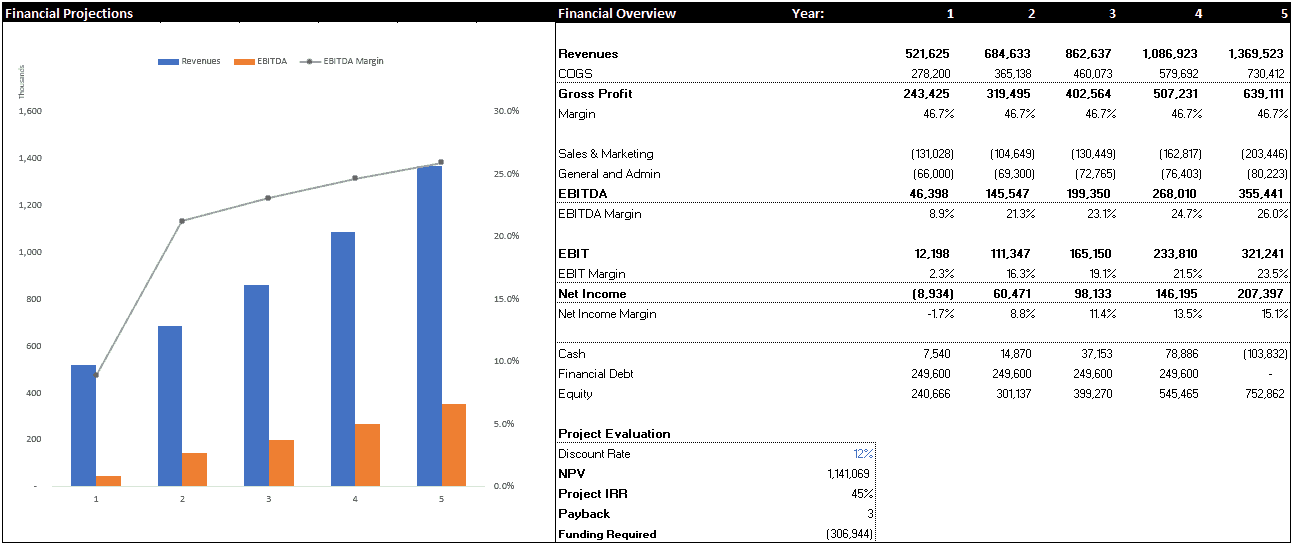
Leverage financial models as essential tools in your franchise evaluation process. These models can help you project potential earnings, analyze cash flows, and assess the overall feasibility of the franchise investment. Here are a few types of financial models that can be beneficial:
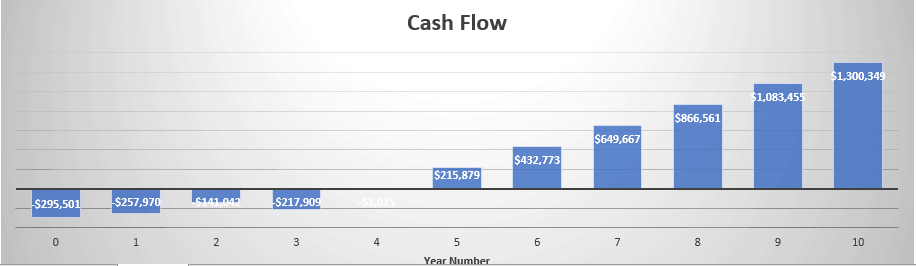
- 10-Year Financial Projections: Develop long-term financial forecasts to visualize growth over a decade.
- Break-Even Analysis: Determine the point at which your investment will start generating profits.
- Discounted Cash Flow Models: Assess the present value of expected cash inflows from the franchise.
- Sensitivity Analysis: Test various scenarios to see how changes in key assumptions impact profitability.
Utilizing these financial models in your planning allows for a comprehensive understanding of your franchise’s potential financial performance. This analysis brings clarity to what could be a daunting financial landscape and enables you to make more informed and confident decisions moving forward.
Conclusion: Take the Next Steps
Starting a franchise can be an exciting yet daunting venture. The path to success necessitates thorough research, careful evaluation of your choices, and attention to key operational aspects. By addressing critical considerations and employing financial modeling, you significantly enhance your capability to navigate this exciting journey.
If you are seeking sophisticated industry-specific financial model templates to assist you further, consider visiting our [Franchise Model page](https://www.efinancialmodels.com/downloads/tag/franchise-model/) to find valuable tools tailored for your franchise investment needs. As you prepare to embark on your franchise adventure, remember that the more informed you are, the better equipped you will be to achieve success.
Frequently Asked Questions
In this section, we address some of the most commonly asked questions about eFinancialModels.com. We understand that financial modeling can be complex, and we want to ensure that you have the information you need to make informed decisions. Below, you will find a collection of frequently asked questions along with their detailed answers. This should help clarify any doubts you may have about our services, financial models, and the financial modeling process.
What is eFinancialModels.com?
eFinancialModels.com is a comprehensive marketplace offering sophisticated industry-specific financial model templates in Excel. We also provide bespoke financial modeling services tailored to your unique business needs. Here are some key features of our platform:
- Access to a wide variety of financial models across multiple industries.
- Ability to purchase ready-to-use Excel templates or request custom financial modeling services.
- Resources and support to help you utilize these models effectively.
Our platform is designed to cater to different users, from entrepreneurs needing robust planning tools to experienced analysts seeking detailed projections. By providing quality templates and custom services, we empower users to elevate their financial planning and analysis practices.
How can I purchase a financial model template?
Purchasing a financial model template is a straightforward process. Follow these steps:
- Browse the categories on our website to find the specific financial model that meets your needs.
- Click on the model template to view its details and features.
- Add the template to your cart and proceed to checkout.
- Complete your payment, after which you will receive a download link for your purchased template via email.
This process ensures a seamless experience when acquiring the necessary financial resources. Should you need any assistance during the purchase or download process, our customer support team is available to help clarify any issues that may arise.
Can I use the financial model templates multiple times?
Yes, you can use our financial model templates multiple times, conditional upon the licensing terms associated with the purchase. Specifically:
- Templates for personal use: You have the freedom to modify and reuse these templates as per your requirements.
- Commercial use templates: These can be used for projects in your business, but resale or redistribution without explicit permission is prohibited.
Understanding the terms of use is essential to ensure compliance. Whenever in doubt, do not hesitate to reach out for clarification regarding our licensing terms to avoid unintentional violations.
What support can I expect from eFinancialModels.com?
We pride ourselves on providing robust support to our users. Our support services include:
- Access to tutorials and documentation that guide you through using different templates.
- Email support for specific queries related to our templates or financial modeling challenges.
- Resources such as blog posts and knowledge base articles that cover topics like financial projections, budgeting, and industry-specific models.
This comprehensive support structure is designed to help users fully leverage our financial models and ensure they can apply them effectively in their business activities. We are committed to empowering our clients by providing them with the tools and knowledge necessary for success.
Where can I find additional resources on financial modeling?
To assist you further, we offer a variety of resources on financial modeling. You can explore these materials to enhance your understanding and proficiency:
| Resource Type | Description |
|---|---|
| Tutorials | Step-by-step guides designed to walk you through the financial modeling process. |
| Blog Articles | Insightful articles that cover trends and best practices in financial modeling. |
| Webinars | Live sessions where experts discuss financial modeling strategies and answer questions. |
These resources are valuable for both novice and experienced users. By utilizing them, you can deepen your understanding of financial modeling and learn how to apply these skills effectively in your career or business. Do not miss out on an opportunity to enhance your knowledge and elevate your financial analysis capabilities.