0 ITEMS

Crafting Your Success: Coworking Space Business Plan Made Easy

Creating a solid business plan for a coworking space is essential for attracting investors and guiding operations.
- A comprehensive plan covers key areas like market analysis, marketing, financials, and management.
- Clear financial projections and assumptions help set realistic goals and monitor progress.
- Understanding your target audience and unique value proposition sharpens your marketing and branding efforts.
- Regular updates to your plan ensure you stay aligned with industry trends and customer needs.
- Using financial models and industry resources enhances decision-making and long-term success.
Keep reading for practical tips on building an effective coworking space business plan.
Building Your Coworking Space Vision
When crafting your business plan, it is essential to effectively communicate your vision. Here are some critical aspects to consider:
- Target Audience: Identify who will benefit from your coworking space. Consider freelancers, startups, remote workers, and small companies.
- Value Proposition: Define what sets your coworking space apart. This could be unique amenities, a vibrant community, or strategic location.
- Design and Environment: Think about the layout, aesthetics, and atmosphere of your coworking space to attract your target audience.
- Community Engagement: Plan initiatives to foster a sense of community among your members, such as networking events or workshops.
Take the time to meticulously outline your vision, as it will not only guide your planning and operations but also resonate with potential investors. By engaging your target audience with a strong value proposition and establishing a welcoming environment, you can cultivate a workspace that dynamic and harmonious.
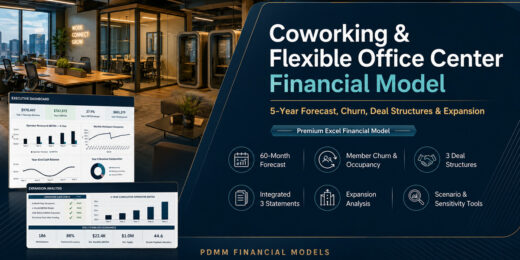
In conclusion, creating a business plan for your coworking space is a critical step toward success. It requires careful consideration of various elements, from market analysis to financial projections. Investing time in developing a detailed plan can significantly enhance your chances of attracting investors and ensuring the long-term viability of your coworking space. As you embark on this journey, be sure to leverage tools and resources available, such as financial modeling templates that can aid in shaping your financial projections and strategic planning. You can explore financial models that can provide insight into creating a robust business plan and producing accurate financial forecasts at eFinancialModels.
Understanding Your Market and Defining Your Niche
In today’s competitive business landscape, understanding your market and defining your niche are crucial steps for success. Thorough market analysis provides insights into customer preferences, competition, and industry trends. Identifying your niche helps you refine your product offerings and target audience. Taking these steps allows businesses to tailor their strategies effectively, ensuring they meet specific market demands rather than spreading themselves too thin.
Conducting Market Research
To effectively understand your market, it is essential to engage in comprehensive market research. This process can involve various methods and tools to gather data. Here are some strategies to consider:
- Surveys: Create and distribute surveys to gather feedback from potential customers about their preferences and needs.
- Focus Groups: Organize focus groups that involve discussions with target customers to dive deeply into their expectations and motivations.
- Competitive Analysis: Analyze your competitors based on their strengths and weaknesses, which can highlight market gaps.
- Industry Reports: Utilize available industry reports that provide relevant data and forecasts about market dynamics.
- Social Media Listening: Monitor social media platforms to assess trends and customer sentiment regarding existing products and services.
Collecting and analyzing information using these methods can provide substantial insights into what your customers want, how much they are willing to pay, and potential obstacles in your industry.
Defining Your Niche
Once your research is complete, the next step is to define your niche. A well-defined niche allows you to focus your marketing efforts, optimize resources, and build a loyal customer base. Key elements to consider while defining your niche include:
| Element | Description |
|---|---|
| Target Audience | Identify your ideal customer segment based on demographics, interests, and behavior. |
| Unique Value Proposition | Define what makes your product or service distinct from competitors and why customers should choose you. |
| Market Needs | Clearly outline the specific needs you aim to meet for your target audience, linking them to your product offerings. |
| Competitive Advantage | Assess your strengths relative to competitors that provide a basis for you to maintain market share. |
This table illustrates critical elements to focus on when defining your niche. Each aspect is designed to help entrepreneurs position their business in a manner that resonates well with specific segments of the market.
The Importance of Continuous Adjustment
Defining a market niche is not a one-time task but an ongoing process. As consumer preferences, technology, and market conditions change, staying attuned to these shifts is imperative. Regularly revisiting your market analysis ensures your business stays relevant and competitive. In summary, understanding your market and refining your niche can lead to increased customer satisfaction and loyalty, which ultimately drives higher profitability.
This foundational knowledge equips you to excel and meet the evolving needs of your target audience, setting your business up for long-term success. As you delve deeper into your niche, be sure to explore tools and resources that can aid your journey, such as our selection of specialized financial model templates available for various industries on eFinancialModels.com.
Developing a Solid Financial Model for Your Business
Creating a robust financial model is essential for any business seeking to navigate its financial landscape effectively. It serves as a pivotal tool for decision-making, helping entrepreneurs and managers visualize the potential outcomes of their strategies and operational plans. A solid financial model is more than just numeric data; it incorporates assumptions, forecasts, and scenarios to provide a comprehensive view of the business’s financial future.
Another crucial aspect of developing a financial model is the need to ensure clarity and simplicity. Your financial model should be easy to understand, allowing stakeholders to interpret the data without specialized knowledge. Below are some critical steps to consider when constructing an effective financial model for your business:
Key Steps in Building a Financial Model
- Define the Purpose: Clearly articulate the objective of the financial model. Are you preparing for investor presentations, forecasting cash flows, or analyzing potential business scenarios?
- Gather Historical Data: Collect relevant historical financial data as it will serve as the foundation for your forecasts and assumptions. Look for trends in revenue, expenses, and profitability.
- Make Assumptions: Establish realistic assumptions based on industry benchmarks, market conditions, and business insights. These assumptions will drive your financial forecasts.
- Build the Structure: Organize the model effectively by creating a logical flow. Typically, financial models include separate sections for revenue, costs, operating expenses, and capital expenditures.
- Incorporate Scenarios: Design the model to account for varying circumstances such as best-case, worst-case, and most likely scenarios. This allows for flexible decision-making.
- Test the Model: Conduct sensitivity analysis to understand how changes in assumptions affect outcomes. This could highlight potential risks and areas of opportunity.
- Gather Feedback: Engage with stakeholders, including team members or advisors, to review the model. Their input can help refine and enhance the model’s effectiveness.
Each of these steps is crucial for constructing a sound financial model that reflects the complexities of your business environment. By following this framework, you can ensure that your financial model is both functional and aligned with your business objectives.
Common Components of a Financial Model
Understanding the essential elements that make up a well-rounded financial model is crucial. Below is a table summarizing the common components of financial models and their significance:
| Component | Description |
|---|---|
| Income Statement | Reflects revenues, expenses, and profit over a period. It shows the business’s operational performance. |
| Cash Flow Statement | Provides insights into cash inflows and outflows, indicating the liquidity position. |
| Balance Sheet | Displays assets, liabilities, and equity at a specific point in time, summarizing the business’s financial position. |
| Assumptions | Document specific assumptions that drive the financial forecasts pertaining to revenue growth, expenses, and working capital changes. |
These components come together to form a comprehensive narrative regarding a business’s performance. They allow stakeholders to analyze the past, comprehend the present, and predict future financial outcomes effectively. Ensuring that these elements are clearly outlined will significantly enhance your financial model’s utility and reliability.
In summary, building a solid financial model is a foundational step towards achieving financial clarity for any business. By following the key steps and incorporating essential components, you can create a model that not only meets your current needs but also anticipates future challenges and opportunities. For further insights and resources to enhance your financial modeling skills, consider exploring our collection of sophisticated [financial model templates](https://www.efinancialmodels.com/downloads/category/financial-model/).
Creating a Marketing Strategy to Attract Clients
In today’s competitive market, creating an effective marketing strategy is essential for attracting and retaining clients. This strategy should be a comprehensive plan that outlines your goals, target audience, marketing channels, and the messages you wish to convey. By developing a structured approach, businesses can enhance their brand visibility and connect with potential clients more effectively.
Key Components of a Marketing Strategy
To establish a well-rounded marketing strategy, several critical components should be considered:
By implementing these components, your business can create a robust marketing strategy that not only attracts clients but also retains them. Moreover, continually revisiting and refining your approach ensures that your strategies stay relevant in an ever-changing marketplace.
Measuring Success: Key Performance Indicators
Establishing Key Performance Indicators (KPIs) is crucial in evaluating the success of your marketing strategy. Selecting the right KPIs will guide your adjustments to drive better results. Key metrics include:
| Key Performance Indicator | Description |
|---|---|
| Website Traffic | Measures the number of visitors and their behavior on your website, indicating interest and engagement. |
| Conversion Rate | Tracks the percentage of visitors who take a desired action, such as signing up for a newsletter or making a purchase. |
| Customer Acquisition Cost | Calculates the cost associated with acquiring a new customer, helping you assess your marketing investment efficiency. |
| Return on Investment | Evaluates the profitability of your marketing efforts by comparing profits gained versus the costs incurred. |
Monitoring these Key Performance Indicators will provide insights into the effectiveness of your marketing strategies. They allow businesses to optimize their efforts and make data-driven decisions, ensuring resources are allocated efficiently for maximum return.
In conclusion, creating a marketing strategy to attract clients is a multifaceted endeavor. By focusing on understanding your audience, setting clear objectives, choosing the right channels, and continuously analyzing performance, you can forge a path to success. As you navigate the marketing landscape, remember to be adaptable and willing to pivot based on feedback and performance metrics. Implementing these strategies effectively will ensure your business stands out and resonates with potential clients, ultimately driving sustainable growth and success.
Furthermore, if you are looking for financial models to support your marketing efforts, consider exploring our extensive financial modeling templates. These tools can provide insights that influence budgeting for your marketing strategies.
Operational Considerations for Running a Successful Space
When operating a successful space—whether it is a physical location like a restaurant or a virtual environment such as an online service—there are several key operational considerations to keep in mind. These considerations can significantly impact efficiency, customer satisfaction, and ultimately the profitability of the space. Below, we explore several fundamental areas that should be prioritized when planning and managing operations.
1. Location Analysis
The location of your space is crucial to its success. Whether it is a retail store, an office, or a service provider, the right location can drive foot traffic, customer accessibility, and overall visibility. Here are important aspects to consider regarding location:
- Accessibility – Evaluate how easily customers can reach your location via public transportation, driving, or walking.
- Demographics – Study the local population to ensure it aligns with your target customers.
- Competition – Analyze your competitors in the vicinity to understand market saturation and potential market share.
- Cost of Rent – Assess the rental costs in relation to potential revenue—ensure the location’s financial implications are sustainable.
Understanding the significance of location can lead to informed decisions that support your operational strategy. A well-chosen location not only boosts customer engagement but also reflects your brand positioning. When looking at potential sites, consider the long-term implications on both customer experience and your bottom line.
2. Resource Management
Effective resource management is essential for ensuring that all operations run smoothly. This encompasses human resources, inventory, and technological assets. Below are key areas to focus on:
- Staff Training – Invest in thorough training programs that not only equip employees with necessary skills but also foster a positive workplace culture.
- Inventory Management – Implement systems to track inventory levels and usage, avoiding both shortages and surpluses.
- Technology Utilization – Leverage technology to streamline processes, improve communication, and enhance customer experience through tools like Customer Relationship Management (CRM) systems.
- Scheduling – Maximize operational efficiency by optimizing employee schedules based on peak times and employee availability.
Resource management can define the efficiency and responsiveness of your operations. Proper training, inventory handling, and leveraging technology ensures that operational tasks are executed seamlessly, leading to enhanced productivity and customer satisfaction.
3. Customer Experience
Focusing on customer experience is paramount for retaining customers and generating positive word-of-mouth referrals. To enhance customer experience, consider the following strategies:
- Personalized Services – Tailor offerings to meet the specific needs of different customer segments.
- Feedback Mechanisms – Regularly solicit and analyze customer feedback to improve service and offerings.
- Consistency – Maintain a high standard of service across all customer interactions, including online and in-person.
- Engagement – Create opportunities for customer engagement through events, promotions, or loyalty programs.
A great customer experience can differentiate your space from competitors. By prioritizing the suggestions above, you create an environment where customers feel valued and are likely to return, thereby boosting your overall business success.
4. Compliance and Risk Management
Ensuring compliance with laws and regulations is not just a legal obligation; it also contributes to managing risks associated with your operation. Here are elements to consider for effective compliance and risk management:
- Health and Safety – Implement necessary health and safety measures to protect employees and customers alike.
- Insurance Policies – Acquire comprehensive insurance policies to cover various business liabilities.
- Regulatory Compliance – Stay updated with local laws concerning your industry, including employment, environmental, and operational regulations.
- Financial Controls – Establish robust financial controls to prevent fraud and manage expenses effectively.
Managing compliance minimizes risks associated with legal issues, financial loss, and operational shutdowns. A proactive approach ensures that your space can thrive without the constant threat of compliance-related disruptions.
5. Financial Planning and Analysis
Lastly, effective financial planning and analysis are vital for sustainable operations. Essential considerations include:
- Budgeting – Create detailed budgets that align with your operational goals and forecasted revenues.
- Cash Flow Management – Monitor cash flow regularly to avoid liquidity issues that may impede operational effectiveness.
- Financial Modelling – Utilize financial model templates to conduct various financial analyses and projections for informed decision-making.
- Performance Metrics – Establish clear performance metrics to assess operational success and make necessary adjustments.
Financial oversight is foundational to your overall operational strategy. Adequate budgeting, coupled with ongoing financial analysis, allows for agile responses to market conditions and ensures that your operations remain sustainable in the long run.
By focusing on these operational considerations—location, resource management, customer experience, compliance, and financial planning—you can create a successful foundation for your space. Each element interplays with the others, building a cohesive operational strategy that ultimately leads to success in your chosen field.
For a deeper insight into financial analysis and effective budgeting practices, consider exploring our financial model templates that cater to various industries [here](https://www.efinancialmodels.com/downloads/category/financial-model/).
Example: A Coworking Space Business Plan in Action
When it comes to establishing a successful coworking space, having a solid business plan is paramount. A well-structured plan serves as a roadmap that guides entrepreneurs through the complexities of launching and operating a shared workspace environment. In this section, we will delve deeper into the essential components of a coworking space business plan, highlighting the critical areas that should be thoroughly addressed to enhance the likelihood of success.
Essential Components of a Coworking Space Business Plan
A comprehensive business plan for a coworking space typically includes several key components. Each component plays a vital role in ensuring that the business not only attracts clients but also maintains profitability. Below are the core elements that should be addressed in your plan:
- Executive Summary: An outline of the business concept, unique selling proposition, and primary objectives for the coworking space.
- Market Analysis: Detailed research on market demand, target demographics, and competitor analysis in the local area.
- Marketing Strategy: A plan detailing how the business will attract and retain clients, including branding, promotions, and partnerships.
- Operational Plan: The logistics of running the coworking space, such as location, layout, amenities, and services offered.
- Financial Projections: An estimation of start-up costs, revenue forecasts, and a break-even analysis to gauge financial viability.
- Management Structure: A description of the team, their roles, and how they will contribute to the business’s success.
Understanding each of these components is crucial for both aspiring and current coworking space owners. By focusing on these areas, you can develop a business plan that not only addresses the intricacies of the market but also lays a strong foundation for sustainable growth. Each element should be well-researched and articulated to provide potential investors or partners with the confidence that your coworking space has a well-thought-out strategy for success.
Market Analysis and Competitive Advantage
Conducting a thorough market analysis is essential for positioning a coworking space effectively. Understanding customer needs and identifying competitors will inform your business strategy and can affect how you differentiate your offering. Here are important aspects to consider during market analysis:
| Aspect | Description |
|---|---|
| Target Audience | Identify whether you are targeting freelancers, entrepreneurs, startups, or established businesses seeking flexibility. |
| Location | Select a strategic location that is easily accessible and has a high concentration of your target audience. |
| Competitor Analysis | Analyze local competitors, their amenities, pricing, and client base. Identify gaps you can fill. |
| Trends | Stay updated on emerging trends in coworking, such as remote work or flexible office solutions. |
By addressing these key aspects in your market analysis, you will be equipped to identify potential challenges and leverage your competitive advantages effectively. Understanding the nuances of your target market allows you to tailor your offerings to meet client expectations, ultimately establishing a loyal clientele base. Considering the trends and the competitive environment also enables you to reposition your space dynamically as the market shifts.
In conclusion, developing an effective business plan for a coworking space requires meticulous attention to detail in various aspects such as marketing strategies, operations, and financial forecasts. By solidifying your market analysis, you can identify opportunities that will guide your business toward success. For those looking for additional resources on financial modeling for various sectors, including coworking spaces, consider exploring templates available at [eFinancialModels](https://www.efinancialmodels.com/financial-models-by-industry/), which can provide further insights and tools to enhance your planning efforts.
Conclusion: Your Path to Coworking Success Starts Here
As you navigate the dynamic landscape of coworking spaces and flexible work environments, it becomes apparent that success hinges on a blend of strategic planning, awareness of market trends, and an understanding of your target audience. To truly thrive in this evolving industry, it is essential to utilize the right tools and resources that can guide your decision-making and operational strategies. In this conclusion, we will outline key steps and considerations to pave your path to coworking success.
Key Considerations for Success in Coworking
Achieving success in the coworking industry is not merely about having an appealing physical space; it involves a multifaceted approach that engages members and streamlines operations. Below is a list of key considerations that can significantly enhance your chance of success:
- Understanding Your Target Market: Conduct thorough research to identify your ideal clientele, their needs, and preferences.
- Creating an Inviting Environment: Ensure that your coworking space is not only functional but also aesthetically pleasing and conducive to productivity.
- Implementing Technology Solutions: Utilize advanced software and technologies to manage bookings, monitor occupancy rates, and integrate member services seamlessly.
- Offering Flexibility: Provide a variety of membership options to cater to diverse needs, whether it is hot desks, private offices, or communal areas.
- Fostering Community Engagement: Organize events, workshops, and networking opportunities to build a vibrant member community that encourages collaboration.
- Monitoring Financial Performance: Regularly assess your financial metrics with tools that offer insights into revenue trends and cost management.
A comprehensive understanding of these key considerations can lead to informed decision-making and effective strategy execution. Each element outlined above either directly influences your members’ satisfaction or reflects on the operational integrity of your coworking space.
Tools and Resources to Enhance Your Coworking Strategy
To further support your growth and operational effectiveness in the coworking sector, the following tools and resources are highly recommended:
| **Resource** | **Purpose** |
|——————————-|————————————————–|
| Financial Model Templates | Provides structured frameworks for budgeting and financial analysis. Explore our [Financial Model Templates](https://www.efinancialmodels.com/downloads/category/financial-model/) for tailored solutions. |
| Customer Relationship Management (CRM) Software | Helps manage interactions with current and prospective members effectively. |
| Scheduling and Booking Software | Streamlines the process of reserving spaces and handling member inquiries. |
| Marketing Automation Tools | Enhances outreach campaigns and nurtures leads effectively. |
Leveraging these resources not only enhances operational efficiency but also improves your customer experience and member retention. Each tool plays a crucial role in streamlining various aspects of your business processes.
In conclusion, the path to coworking success is navigated through a strategic blend of innovative resources, thorough understanding of market needs, and effective community-building efforts. By investing in the right strategies and tools, you position your coworking space for sustainable growth and a competitive edge within the industry. Remember, success is an ongoing journey, and continuous improvement should always be at the forefront of your operations.
Frequently Asked Questions
In this section, we address some of the most common inquiries that our users and potential customers frequently have. This collection of questions aims to provide clarity and assist you in navigating our services and offerings more effectively. Below, you will find a compilation of questions and their corresponding answers categorized for your convenience.
General Information
Here are some essential questions that help you understand our platform and its functionalities:
- What is eFinancialModels.com?
eFinancialModels.com is a marketplace that provides sophisticated industry-specific financial model templates in Excel. We also offer expert financial modeling services tailored to meet your unique business needs. - How can I access the financial model templates?
You can easily access our financial model templates by visiting the appropriate category on our website. Simply browse or search for the model you need, and follow the instructions to purchase or download it. - What industries do you offer financial models for?
We offer financial models across numerous industries, including manufacturing, real estate, agriculture, and more. To explore industry-specific models, visit our industry page.
Understanding these questions can significantly enhance your experience on our platform. We aim to cater to a diverse clientele looking for reliable financial modeling solutions tailored to various industries.
Purchasing Templates
When considering purchasing financial models, you may have additional queries regarding the buying process. Below are some frequently asked questions associated with purchasing our templates:
- Are the templates editable?
Yes, all of our financial model templates are fully editable. You can customize them to suit your specific business needs. - Is there a refund policy for purchased templates?
We offer a refund policy under specific conditions. Please refer to our refund policy page for more detailed information on eligibility and terms. - Can I use the templates for multiple projects?
Each purchase allows you to use the template for one unit. Licensing details are specified during the purchasing process.
These questions are critical as they help ensure that you are well-informed before making a purchase. Being aware of the purchasing conditions can save you potential inconveniences and facilitate a smoother experience when working with our templates.
Support and Assistance
If you encounter any issues or have questions about our services, our more in-depth support structure can be beneficial. Consider the following inquiries:
- How do I request assistance or service support?
You can request assistance through our contact page, where you can fill out a form detailing your query or issue. - Are there tutorials or guidelines available for using the templates?
Yes, we provide a comprehensive knowledge base filled with tutorials, articles, and tips for making the most out of our financial models. - Can I customize the templates according to my specifications?
We offer tailored financial modeling services which include customization. For more details, visit our services page.
These inquiries highlight the importance of accessibility and support within our platform. By knowing how to seek help or utilize our resources effectively, you can make informed decisions and utilize our services with minimal hassle.
In summary, this FAQ section serves as a foundational tool to assist you in navigating eFinancialModels.com effectively. We encourage you to explore our templates and services, as well as read through our knowledge base for further insights and assistance. Should you have additional queries or require further clarification, feel free to reach out for personalized support.