
0 ITEMS

Pricing Analysis
Understanding the art and science of pricing is crucial for any business aiming to thrive in a competitive market. Pricing analysis goes beyond simply setting a price tag; it involves a deep dive into consumer behavior, cost structures, and market trends to find the sweet spot that maximizes sales and profitability. By leveraging pricing analysis, businesses can avoid pricing pitfalls, discover hidden revenue opportunities, and strategically position their products or services for long-term success.
Unlock the full potential of your business with our comprehensive Pricing Analysis Financial Model Templates. Designed to help you pinpoint the optimal price points for your products or services, these templates empower you to make data-driven decisions that maximize profitability and enhance market competitiveness. Whether you're assessing market demand, evaluating cost structures, or forecasting revenue, our templates offer a robust framework to guide your pricing strategy with precision and confidence. Perfect for startups and established enterprises, these tools are your key to strategic pricing success.
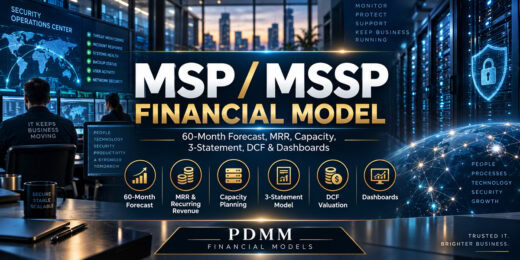

MSP / MSSP Financial Model - 60-Month Forecast, MRR, Capacity,…

EU Battery Passport, Recycled Content & Compliance Economics Model 🔋…
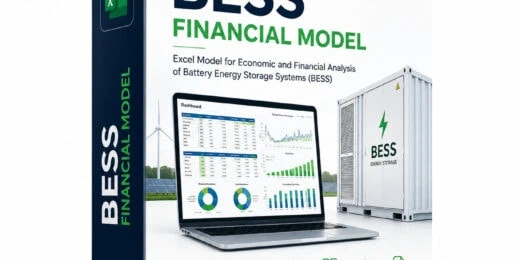

Production-ready Excel financial model for standalone utility-scale BESS projects, bundled…
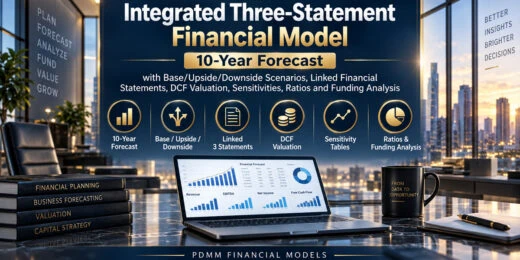
Integrated Three-Statement Financial Model - 10-Year Forecast 📊 What this…

🏥 Skilled Nursing Facility Acquisition & Turnaround Decision Model Underwriting…

🏨 Extended-Stay Hotel Development, Conversion, Length-of-Stay & Debt Financial Model…

Model the economics, reserve architecture, liquidity resilience, regulatory capital, financial…

Build a complete 60-month operating and financial plan for a…
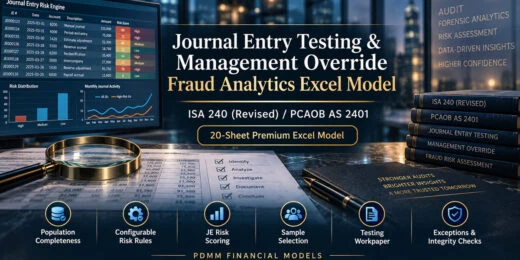
The workbook is designed for external audit, internal audit, forensic…

Build a decision-ready business plan for a roller skating rink…

Plan team capacity, test project fees and track delivery margin…
Turn manuscript, print-run and rights decisions into a connected 60-month…

Airbnb / Short-Term Rental Property Management Financial Model - 5-Year…
Build a complete five-year operating and financial view of a…
A 32-sheet editable Excel decision model for EU CBAM importers…

🚘 Premium Autonomous Vehicle / Robotaxi Fleet Operations Financial Model…

An institutional-style, fully editable model for probability-adjusted pharmaceutical valuation, commercial…

Build, compare and stress-test five major Sukuk structures in one…


Restaurant Menu Engineering & Financial Optimizer is a professional Excel…

Plan, forecast and value a full-service events company with this…

A premium salary-based microfinance lending financial model package built for…

A professional Excel financial model suite for debt funds, built…

A professional 8-12 MTPA Liquefied Natural Gas (LNG) Financial and…
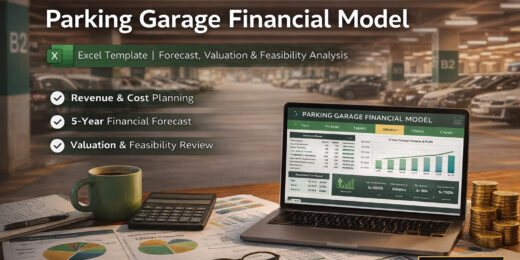
A professional Excel financial model suite for parking garage assets,…


A RICS-aligned residual development appraisal for UK commercial office schemes,…

A professional Excel financial model suite for Airbnb and short-term…

A professional Excel financial model suite for neo bank and…
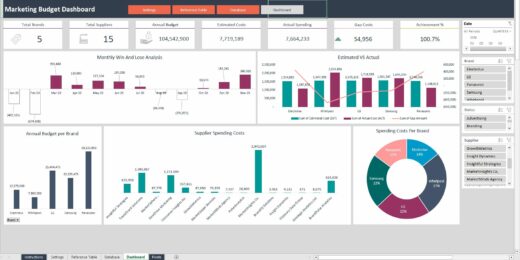

Marketing expenditure refers to the total amount an organization allocates…


A bottom‑up, operator-focused projection model that turns warehouse sizing +…

A tool designed specifically for modeling turnaround projects and then…



A dynamic, ready-to-use Excel template for Hotel Development and Rental…

This is an IC-ready Excel model for structuring and underwriting…

A 10‑year, investor‑grade model for a battery recycling plant at…


Maximize your warehouse investment with this all-in-one Excel financial model.…

Model up to 10 years of ramping and stabilized operation.…

This model is built to handle acquisitions or new develops…

An effective cash flow and financial planning tool for multiple…

A simple startup model for agent-based SaaS businesses. Includes fundraising…

This is the ultimate detail oriented Hotel Revenue Forecast &…

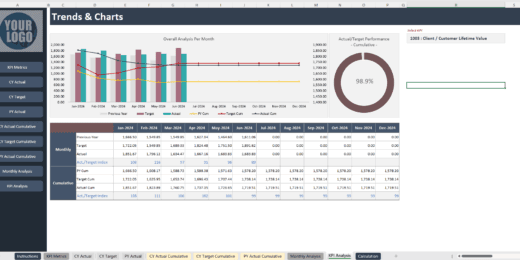


The Events Company Financial Model with a 5-Year DCF (Discounted…


This model is a 500MMSCFD integrated gas monetization model which…

This Yoga Studio Business Financial Plan Template helps yoga teachers…

This template will produce an absorption costing summary, showing your…


A practical template to help you keep track of your…

This is a great tool if you need to understand…
Effectively track and manage your consulting services with this structured…

Professional Syndicated Note Template Excel Model. Transform your real estate…
Introducing the **New Equity Raise Template (Debt-to-Equity Rollover Included)**—an essential…


This financial model is specifically designed for grocery store businesses,…


A comprehensive editable, 5-year 3 statement MS Excel spreadsheet for…


This Optometrist and Eye Clinic Financial Model Template has been…


With our Property Flip Calculator tool, you have all the…

This Excel template provides a comprehensive tool for analyzing a…


This Student Bundle includes financial model templates from various industries…
How to Win Customers With Pricing Analysis

In the competitive business arena, mastering pricing analysis can be your secret weapon to attract and retain a loyal customer base. Take the example of Netflix, which revolutionized the entertainment industry with its pricing model. By initially offering a simple, low-cost subscription that undercuts traditional cable services, Netflix harnessed the power of pricing analysis to grow into a global powerhouse, enticing millions worldwide and fostering a strong, loyal customer base.
Strategic pricing analysis methods aim to determine the optimal price point that maximizes profit while maintaining competitive advantage and customer satisfaction. The process considers various factors, including market demand, competitive positioning, consumer behavior, and cost structures. A key aspect is continuous analysis and adaptation to changing market conditions, ensuring pricing strategies align with business objectives and market realities.
This introductory guide is a transformative resource that will explore the strategic nuances of pricing analysis, providing the tools and insights needed to create pricing strategies that resonate with your target audience. Much like Netflix's game-changing approach that redefined entertainment consumption, this guide has the potential to transform your business and its pricing strategies.
Strategic Pricing Analysis Boosts Customer Loyalty
Pricing is not just about what your product is worth—it's about understanding what customers are willing to pay and why. Strategic pricing analysis serves as the cornerstone of cultivating customer loyalty, offering businesses a profound insight into the optimal pricing strategies that resonate most with their target audience. It is an analytical approach that ensures that pricing decisions are data-driven, aligning product value with customer expectations and enhancing overall satisfaction.
Pricing analysis examines how a product or service is valued in the marketplace and how its price affects consumer behavior and company revenue. Strategic pricing analysis takes this concept further by integrating comprehensive market research, competitive landscape assessment, and customer demand studies to establish a pricing strategy that optimizes profitability and market share. This strategic approach focuses on setting prices and understanding the psychological impact of pricing on consumers, leveraging pricing as a critical element of the marketing mix to drive business objectives.
When customers feel they are getting a fair deal or an exceptional value for their money, they are more likely to return. Strategic pricing analysis aims to discover the optimal price point that maximizes revenue and bolsters customer satisfaction and loyalty, securing a company's long-term success in the marketplace. By identifying the price customers are willing to pay while ensuring they perceive it as good value, businesses can enhance their competitive edge and foster a loyal customer base. This balance is crucial, as it supports sustainable profitability and growth by aligning financial goals with customer expectations.
Top Applications of Pricing Analysis
Pricing analysis is the cornerstone of strategic decision-making across diverse business sectors, driving profitability and market competitiveness. Companies harness the analytical power of pricing analysis to adapt to an ever-evolving economic landscape and refine their financial strategies. Each approach helps businesses optimize revenue streams and stay relevant and resilient in changing market dynamics. Whether tweaking product prices in response to seasonal consumer shifts, adjusting for economic fluctuations, or segmenting markets for targeted marketing campaigns, the applications of pricing analysis methods are vast and critical.- Business Planning: Strategic pricing analysis is crucial in business planning, especially when considering the timing of product launches or adjustments during various seasons and in response to economic changes. For example, businesses often adjust their pricing strategies during peak shopping seasons, such as holidays or back-to-school periods, to maximize sales and profits. Similarly, during economic downturns or periods of inflation, companies may review their pricing to maintain customer loyalty while covering increased costs. This approach helps stabilize revenue and maintain a competitive edge in fluctuating market conditions.
- Economic Analysis: Strategic pricing analysis makes adjustments based on broader economic indicators and market dynamics. Companies utilize pricing analysis to respond to supply and demand shifts, production cost changes, or regulatory impacts. Businesses can make informed decisions about product positioning and inventory management by analyzing how these factors influence pricing. This proactive adjustment ensures pricing strategies align with the overall economic environment, supporting sustained business growth and profitability.
- Marketing: Strategic pricing analysis is a vital tool in marketing for segmenting customers, introducing new products or markets, and planning promotions. It helps marketers understand which price points appeal to different customer segments, enhancing the effectiveness of targeted marketing campaigns. Additionally, when entering new markets or launching new products, businesses use pricing analysis to set competitive prices that attract customers while ensuring profitability. Promotional pricing strategies, such as discounts or bundled offers, are also informed by pricing analysis methods to optimize sales volumes and market penetration.

Key Aspects of Strategic Pricing Analysis
Setting the right price is not just about covering costs or achieving a target margin; it's about understanding market dynamics, consumer behavior, and economic trends. Strategic pricing analysis encompasses a comprehensive examination of all factors that impact prices for products or services in a competitive market. The analysis often includes assessing direct and indirect costs, consumer perception of value, demand fluctuations, supply constraints, prevailing market conditions, competitor pricing, and regulatory impacts. Each component interplays to form a pricing model to optimize financial outcomes while aligning with business objectives and customer expectations.- Cost analysis is a foundational element of strategic pricing, focusing on determining the total cost incurred in producing and delivering a product or service to consumers. Cost of goods sold (COGS) includes both variable costs, which fluctuate with production levels (like raw materials and labor), and fixed costs, which remain constant regardless of output (like rent and salaries). Accurate cost analysis ensures that pricing covers expenses and contributes to profitability. It also aids in identifying cost-saving opportunities, such as economies of scale, which can influence pricing decisions and competitive positioning.
- Consumer perception involves understanding how potential buyers view a product or service, particularly in terms of value, quality, and necessity. This perception significantly influences their willingness to pay. A product perceived as high-quality or offering unique benefits can often command a higher price. Therefore, Strategic pricing must consider consumer attitudes and expectations, using marketing and branding strategies to positively shape these perceptions to maximize price points and revenue.
- Demand and supply dynamics are critical in pricing analysis as they determine the market's price sensitivity. High demand with low supply can allow for higher prices, whereas high supply with low demand may force prices down. Understanding these dynamics helps businesses anticipate changes in pricing levels and adjust their strategies accordingly. This component of pricing analysis requires continuous monitoring of market trends, competitor actions, and changes in consumer preferences to stay relevant and profitable.
- Market conditions encompass the overall economic environment and industry-specific trends that affect pricing strategies. It includes economic indicators like inflation rates, consumer spending habits, and sector growth. Additionally, competitive landscape analysis is crucial, as the number of competitors, pricing strategies, and market share impact how a company can price its products. Businesses must adapt their pricing based on these broader market conditions to remain competitive and capable of capturing consumer interest and demand.
- Pricing strategies involve selecting the appropriate pricing model to achieve business goals, such as penetration pricing to enter a new market or premium pricing for a luxury product. The choice of strategy depends on multiple factors, including cost structure, consumer perception, and market conditions. Other standard methods include cost-plus, value-based, and dynamic pricing, each suited to different market scenarios and business objectives. Effective strategy selection is vital for aligning prices with consumer expectations and maximizing sales volume and profit margins.
- The regulatory environment can significantly affect strategic pricing decisions. It includes compliance with pricing laws, such as anti-price gouging regulations, and industry-specific pricing mandates, like pharmaceutical pricing controls. Understanding the regulatory landscape is essential to avoid legal issues and fines. It also offers opportunities for strategic alignment within those regulations to optimize pricing, such as leveraging tax breaks or government incentives.

Each of these aspects plays a vital role in forming a coherent and successful pricing strategy that supports a company's overall strategic goals.
Explore the Most Effective Types of Pricing Strategies!
Businesses must explore the most effective types of pricing strategies as part of strategic pricing analysis to optimize revenue and ensure market competitiveness. Companies can align their pricing structures with consumer perception and market demand by carefully assessing various pricing models. It helps enhance customer loyalty, maximize profits, and reinforce brand positioning.Cost Plus Pricing Strategy
The cost-plus pricing strategy involves setting the Price of a product by adding a markup to the cost of producing or purchasing it. This strategy is straightforward and ensures that all expenses are covered and a profit margin is secured. It's particularly effective for businesses that have stable and predictable costs, such as manufacturing firms. However, a cost plus pricing strategy may be less effective in highly competitive or rapidly changing markets, where price sensitivity and innovation play a more significant role.The cost-plus pricing strategy formula is calculated as:

For instance, a furniture manufacturing company employs the cost-plus pricing strategy for its product line. To determine the selling price of a new dining table, the company first calculates the total cost of materials, labor, and overhead for producing the table, which amounts to $200. They decide to apply a markup of 50% on the cost to cover operational expenses and ensure profitability. Thus, they set the selling price of the dining table at:

This straightforward approach guarantees that all costs incurred in making the table are covered while providing a transparent and predictable profit margin. It is a suitable strategy for industries with consistent and predictable production costs.
Competitive Pricing Strategy
A competitive pricing strategy involves setting prices based on what competitors are charging. This strategy is common in industries where competitors offer similar products or services. The effectiveness of a competitive pricing strategy depends on the company's ability to compete on factors other than price, such as quality or service. While it can help maintain market share, it might lead to price wars, reducing profit margins.An excellent example of a competitive pricing strategy is Walmart. The retail giant consistently uses a competitive pricing strategy to position itself as a low-price leader in the market. Walmart systematically analyzes the prices of competitors using sophisticated technology and adjusts its prices in real time to ensure they offer lower or matched prices on identical products. This strategy attracts price-sensitive customers and helps maintain Walmart's dominant market position as a go-to destination for affordable goods.
Dynamic Pricing Strategy
Dynamic pricing strategy adjusts prices in real-time based on supply, demand, and other external factors. It's widely used in hospitality, travel, and online retail industries. This strategy can maximize revenue by capturing consumer willingness to pay at peak times, but it requires sophisticated technology and can lead to customer dissatisfaction if perceived as unfair.Uber employs a notable example of a successful dynamic pricing strategy. The ride-sharing company uses a dynamic or surge pricing model that adjusts fares in real time based on immediate demand, traffic conditions, and the availability of drivers. During peak hours or in areas with high demand and few available drivers, prices increase, incentivizing more drivers to be available while managing rider demand. This approach helps balance supply and demand, maximizes efficiency, and boosts earnings potential for drivers during busy times, effectively managing the market dynamics to maintain service reliability and customer satisfaction.
Freemium Pricing Strategy
Freemium pricing offers essential services for free while charging for premium features. This strategy is prevalent in software and online services. It's effective for user acquisition, allowing customers to try a product before purchasing. However, converting free users to paying customers can be challenging and requires compelling value in the premium offerings.Spotify provides a standout example of a successful freemium pricing strategy. The music streaming giant offers a free basic version of its service, which includes ads and limited functionalities, such as shuffle-only mode on mobile devices and no offline listening. Users who want an enhanced experience can upgrade to Spotify Premium, which offers benefits like ad-free listening, on-demand playback, and offline access. This strategy has proven effective for Spotify, allowing it to attract a broad user base initially with free access, and then converting a significant portion of those users into paying subscribers by offering compelling premium features. This approach boosts user acquisition and enhances customer retention and revenue generation.
Premium Pricing Strategy
Premium pricing sets prices higher than competitors to suggest superior quality and exclusivity. This strategy works well for brands with strong reputations or unique offerings. Its effectiveness lies in attracting status-conscious consumers and maintaining high-profit margins. However, continuous investment in quality and brand image is required to sustain the brand.Apple Inc. is a prime example of a company employing a premium pricing strategy. Apple's products, including the iPhone, iPad, and MacBook, are priced significantly higher than many of their competitors' offerings. This strategy is based on the perception of superior design, quality, and user experience that Apple products are known to offer. The premium pricing strategy reflects the high standards of innovation and craftsmanship associated with the brand and establishes Apple as a luxury status symbol.
Penetration Pricing Strategy
Penetration pricing sets prices low to enter a market and attract customers quickly. This approach is practical for gaining market share rapidly and is often used by new companies looking to establish themselves. The downside is that it can lead to low-profit margins initially and may attract price-sensitive customers who are less loyal.Amazon's Kindle e-reader is a classic example of the penetration pricing strategy in action. When it was first introduced, Amazon set the price of the Kindle at a point significantly lower than the cost of production. This strategy was aimed at quickly capturing a large share of the e-reader market, making it difficult for competitors to gain a foothold. By pricing the Kindle low, Amazon attracted many consumers, rapidly increasing its user base. The low price entry point also facilitated the sale of digital ebooks, where Amazon has a high-profit margin, ultimately offsetting the initial losses incurred on the hardware and establishing a dominant position in the market.
Promotional Pricing Strategy
Promotional pricing temporarily reduces prices to boost sales for a short period. It can effectively clear inventory, draw attention to new products, or increase customer traffic. However, frequent promotions may lead customers to wait for sales rather than buying at regular prices.Target effectively employs a promotional pricing strategy by strategically using seasonal sales and special events like the "Deal Days," which coincide with Amazon's Prime Day. These promotions involve deep discounts across a wide range of products, from clothing and home goods to electronics, designed to attract a large influx of online and in-store shoppers. By creating a sense of excitement and exclusivity around these limited-time offers, Target boosts sales during the event. It enhances brand loyalty and customer engagement by providing perceived value and savings, establishing itself as a go-to retailer for smart shopping deals.
Psychological Pricing Strategy
Psychological pricing uses specific price points to influence perception, such as pricing items just below a round number (e.g., $9.99 instead of $10). This strategy plays on customer psychology to make prices seem more attractive. It can effectively increase sales volume but might be considered gimmicky if used sparingly.IKEA is renowned for its effective use of psychological pricing, often showcasing prices that end in odd numbers, such as .99 or .97, to create a perception of value and affordability. This strategy, known as charm pricing, is designed to make customers feel they are getting a bargain, encouraging more purchases. IKEA’s vast range of products, from furniture to home accessories, frequently uses these price points to subtly influence customer behavior, enhancing the attractiveness of their offerings while maintaining a reputation for cost-effectiveness and quality. This pricing approach helps IKEA strengthen its market position as a go-to destination for stylish, affordable home goods.
Skimming Pricing Strategy
Price skimming sets high initial prices that are lowered over time. This strategy maximizes profits from market segments willing to pay a premium before targeting more price-sensitive customers. It is effective for innovative products with little competition but may not work well in markets with fast-following competitors.Sony successfully employed a price-skimming strategy with the release of its PlayStation consoles, particularly evident with the PlayStation 3. When it was first launched, the PS3 was priced significantly higher than its competitors, aiming to capture the maximum willingness to pay among hardcore gaming enthusiasts eager for the latest technology. This high initial price helped recover the substantial research and development costs quickly. Over time, as the market saturation increased and the initial buzz subsided, Sony gradually lowered the price to attract a broader base of consumers, thereby maximizing its revenue potential across different customer segments.
Value-Based Pricing Strategy
Value-based pricing sets prices primarily on the perceived or estimated value to the customer rather than on costs or competition. This strategy focuses on the customer's willingness to pay for the unique benefits provided by a product or service. It can be highly effective in maximizing profits but requires a deep understanding of customer needs and value perception.Tesla Motors employs a value-based pricing strategy effectively, particularly with its electric vehicles (EVs). Unlike traditional automakers that often base pricing on production costs and competitive benchmarks, Tesla sets prices on their vehicles' innovative value and technological advancement, such as superior battery life, autopilot functionality, and zero emissions. This strategy reflects the high value placed on sustainability, cutting-edge technology, and performance, allowing Tesla to attract environmentally conscious consumers and tech enthusiasts willing to pay a premium for a car representing the forefront of EV technology. Tesla's pricing strategy helps to position the brand as a leader in the EV market while maximizing profit margins by capitalizing on its unique value proposition.
The effectiveness of each strategy can be measured and optimized by analyzing data on customer response, market share changes, profit margins, sales volume, and other financial metrics. Companies typically use a mix of the types of pricing strategies. The best types of pricing strategies are often a mix tailored to specific business goals, customer insights, and market conditions.

The Ultimate Guide to Winning Customers Through Smart Analysis
The essential process in conducting a strategic pricing analysis involves thoroughly evaluating cost structures, competitor pricing, customer perceptions, and market conditions. It aims to determine the most advantageous pricing strategy. By leveraging advanced analytical tools and data-driven insights, businesses can optimize their pricing models to respond dynamically to ever-changing market demands and consumer trends, ensuring that their pricing decisions are strategic and profitable.Ascertain Your Pricing Goals
Before diving into the numbers, clearly define what you hope to achieve with your pricing strategy. Are you looking to maximize profits, increase market share, penetrate a new market, or cover costs? Setting specific, measurable, achievable, relevant, and time-bound (SMART) goals will direct your pricing analysis's subsequent steps and decisions. For instance, if market penetration is the goal, you might consider a lower price initially to attract new customers.For instance, a business might set a goal to increase the profit margin on a critical product line by 5% within the next quarter by implementing a tiered pricing strategy. It would involve analyzing current sales data, customer feedback, and market trends to identify optimal price points. To ensure the goal is measurable and specific, the business could use analytics tools to track weekly progress, adjusting tactics based on real-time feedback and sales performance. This approach enhances the precision of pricing adjustments and aligns with broader business objectives, ensuring pricing strategies contribute directly to the company's financial health.
Conduct Competitive Analysis
Understanding how your competitors price their products is vital. Research the pricing strategies of direct and indirect competitors to identify where your offerings stand. This step involves gathering data on competitor prices, discounts, and promotional tactics. Analyzing this information helps you pinpoint opportunities or threats and understand the price range acceptable to your target customers. Tools like price-tracking software can automate this process, providing real-time data to align your strategy with market trends.The best approach begins with identifying your key competitors and gathering data on their products, sales, and marketing strategies. Utilize tools like SWOT analysis to evaluate strengths, weaknesses, opportunities, and threats relative to your competitors. Dive deep into customer reviews and social media to understand consumer preferences and pain points. Additionally, I attend industry conferences and seminars to get a direct feel of market trends and competitor innovations. Integrating these methods will provide a comprehensive view of your competitive landscape, enabling informed decision-making and strategic planning.
Determine Cost and Profit
Calculate the total cost of your product or service, including fixed and variable costs, to ensure that the pricing covers all expenses and achieves profit targets. This step is crucial for maintaining financial health. Consider direct costs (e.g., materials, labor) and indirect costs (e.g., administration, marketing). Once fees are transparent, decide on a profit margin that aligns with your pricing objectives. It will help you set a baseline price that ensures profitability while remaining competitive.Determining the cost and profit of a business operation is a cornerstone of financial planning and strategic decision-making. The most effective method to achieve this is through financial modeling, which allows businesses to represent their financial situation comprehensively. By integrating historical data and forecasting future performance, financial models help decision-makers visualize the impact of various scenarios, manage financial risks, and optimize resource allocation. This approach provides a clear pathway for understanding costs and maximizing profits and supports a robust strategic framework for sustainable growth.
Evaluate Customer Price Sensitivity
Customer price sensitivity, or price elasticity, measures how demand varies with price changes. Conduct surveys and focus groups or utilize historical sales data to gauge how price adjustments impact sales volumes. This analysis will help you understand the price points at which your customers are willing to purchase your product or service and how much they value it. Tools like conjoint analysis can provide detailed insights into the trade-offs customers are willing to make.A pricing analysis financial model template is invaluable for businesses looking to evaluate customer price sensitivity effectively. This specialized model facilitates the analysis of how different pricing strategies impact consumer behavior and demand across various market segments. By leveraging such a model, companies can simulate pricing changes and predict customer responses, allowing them to identify the optimal price points that maximize both sales volume and profit margins.
Formulate Pricing Tactics
With goals set, competitor insights are gathered, costs are calculated, customer sensitivity is assessed, and specific types of pricing strategies are developed. Each tactic should align with your broader marketing strategy and business goals, aiming to attract, retain, or grow your customer base. Formulating an effective pricing strategy is crucial for maximizing profits and staying competitive in the market. The key is to start by understanding your target customers, their willingness to pay, and the cost structure of your products or services.Mixing various pricing strategies effectively requires a nuanced understanding of your market and consumer behavior. Start by employing a cost plus pricing strategy to ensure all costs are covered while adding a reasonable profit margin. Simultaneously, integrate competitive pricing to match or slightly undercut competitors, keeping your offerings attractive. Dynamic pricing can be particularly effective for products with fluctuating demand, adjusting prices in real time to optimize sales and profits. For digital products or services, a freemium pricing strategy could attract users by offering basic features for free while charging for premium functionalities. Implement a premium pricing strategy for high-quality or luxury segments, setting higher prices that reflect superior value. A penetration pricing strategy might be used initially to gain market share, followed by gradual price increases once a customer base is established. Promotional pricing can stimulate demand during slow periods or when launching new products. Psychological pricing, such as ending prices at .99, can encourage more purchases. Skimming pricing is ideal for innovative products, starting high and reducing prices as the market saturates. Lastly, value-based pricing ensures prices are aligned with the perceived value by the customer, enhancing both satisfaction and loyalty.
By carefully blending these strategies based on product lifecycle, customer segments, and market conditions, businesses can create a robust pricing model that maximizes profitability and market adaptability.
Implement Pricing Strategy
Roll out your pricing strategy according to a planned schedule. It involves updating pricing information across all platforms and channels, training your sales force on the rationale behind the price points, and ensuring that all marketing materials reflect the new pricing. Effective communication and coordination across departments are critical to a seamless implementation.For a robust pricing strategy, it's crucial to focus on differentiation and customer engagement rather than just covering costs and matching competitors. Emphasize understanding your product's unique value and tailor your pricing to reflect this perceived value, making adjustments based on customer feedback and purchasing patterns. Regularly monitor and analyze the effectiveness of your pricing strategies through A/B testing and adjust them based on feedback and changing market conditions. Keeping your types of pricing strategies flexible and responsive to market dynamics is crucial for maintaining competitive advantage and customer satisfaction.
Manage and Refine Pricing Strategy
Pricing is not a set-it-and-forget-it element of your strategy. Continuously monitor the performance of your pricing strategy against your set goals. Use key performance indicators (KPIs) such as sales volume, revenue, profit margins, and customer feedback to assess effectiveness. Adjust your prices based on market changes, cost fluctuations, and competitor actions. Regularly revisiting and refining your pricing strategy ensures it remains aligned with business objectives and market dynamics.
By following these steps, you can develop a strategic pricing analysis that supports your business goals and adapts to market conditions and customer preferences.
Unlock Customer Loyalty: How Financial Modeling Elevates Pricing Strategies
Strategic pricing analysis is a potent tool that combines data-driven insights with market understanding to set prices that maximize profitability and customer satisfaction. Knowing how to price your products effectively is crucial in a world where consumers are bombarded with choices. This approach involves evaluating competitor prices, understanding customer price sensitivity, and identifying optimal price points that encourage buying while maintaining a healthy margin. By mastering these pricing strategies, businesses can attract more customers and build lasting relationships based on value and trust. Embrace strategic pricing analysis to refine pricing decisions and turn potential buyers into loyal customers.Understanding the intricacies of pricing can be the difference between flourishing and floundering. Financial modeling offers a robust tool that empowers businesses to adapt pricing with precision and to do so in a way that aligns seamlessly with customer expectations and market dynamics. By integrating these models, your business can anticipate market trends, optimize pricing strategies, and ultimately unlock a treasure trove of customer loyalty and increased sales. Ready to transform your pricing approach and captivate your market? Contact us today to leverage advanced financial modeling and make data-driven pricing your competitive edge.
You might also like:
- 10 Tips to Develop a First Class Business Valuation Report
- Financial Ratios Analysis and Its Importance
- Price Sensitivity Analysis: Get More Revenue by Changing Your Prices
- 10 Ideas to Increase Average Revenue Per User
- How to Build a Capitalization Table
- How to Calculate Annual Recurring (ARR) Revenue for Sustainable Growth
- Business Valuation
- Understanding What is Yield to Maturity and Why It Matters
- Annual Recurring Revenue (ARR)
- Financial Modeling for Startups and Small Businesses
- Financial Statements – Definition, Uses, Contents and Templates
- How to Prepare a Financial Feasibility Study?
- Value Your Business With the EV/Revenue Multiple
- Real Estate Financial Modeling in Excel
- Top-Down vs. Bottom-Up Financial Planning: What’s the Difference?
- Startup Financial Models
- Returns on Investment: How to Measure it Effectively
- Pricing
- 10 Main Elements of a Business Plan
- Understanding Debt Sizing & Project Finance Ratios