0 ITEMS

How to Start an Indoor Sports Facility and Score Big Success

Rising interest in recreational sports and active lifestyles create opportunities to launch indoor sports facilities that serve communities and generate revenue.
- Location choice affects accessibility, visibility, and long-term customer engagement.
- Market research helps identify local demographics, popular sports, and competitive gaps to tailor offerings.
- Financial planning is essential to estimate startup costs like property, equipment, and renovations.
- Diverse programs and community partnerships can attract different customer segments and build loyalty.
- Effective marketing combines online campaigns and local outreach to boost visibility and memberships.
Focusing on these key areas can lay a strong foundation for a successful indoor sports business.
Key Steps in Starting an Indoor Sports Facility
| Step | Description |
|---|---|
| Market Research | Analyze competitors and identify your target demographic to create tailored offerings. |
| Business Plan | Develop a comprehensive business plan outlining your vision, mission, and operational strategies. |
| Location Selection | Choose an accessible location with adequate space and facilities to host various sports. |
| Facility Setup | Invest in quality equipment and facilities that meet safety and sports standards. |
| Marketing Strategy | Formulate an effective marketing strategy to attract your target audience. |
| Financial Planning | Create a detailed financial model to outline initial investments, ongoing costs, and potential revenue. |
The steps outlined above cover the foundational elements essential for establishing an indoor sports facility. It is important to actively engage with your local community to gauge interest in various sports activities. Building a loyal customer base requires more than just offering sports; it involves understanding your clientele’s preferences and ensuring their needs are met. Financial planning is equally crucial; consider analyzing different financial models to project the financial health of your business in the long run, as a well-structured financial model can provide you with insights on initial investments, operating costs, and revenue projections.
In conclusion, the journey of starting an indoor sports facility is filled with opportunities and challenges. With the right planning, market research, and execution, you can turn your vision into a thriving business that promotes physical activity and sportsmanship in your community. As you embark on this entrepreneurial venture, remember to remain adaptable and responsive to the needs of your clientele, ensuring your facility evolves with the changing landscape of sports and recreation.
Market Research
Conducting thorough market research is paramount before making significant investments in your business, especially in the sports industry. By understanding your target demographics and audience, you can make informed decisions about which sports offerings will resonate most effectively. Properly executed market research can give you a competitive edge by identifying trends and customer preferences that could dictate the success of your offerings.
To get started, it is essential to analyze demographic data. Here are some key points to consider when examining your target area:
- Age Distribution: Understand the age groups prevalent in the community. Are there more children, young adults, or seniors?
- Household Composition: Is the area primarily family-oriented, or does it consist of single professionals or retirees?
- Income Levels: Assess the income brackets to gauge the affordability of different sports programs.
- Activity Interests: Investigate the types of recreational activities that are popular in the area.
- Local Trends: Stay updated on emerging sports trends, as interests can change rapidly over time.
Understanding these demographic factors allows you to tailor your offerings effectively. For instance, if the community has a high concentration of families, introducing children’s sports programs or youth leagues could yield optimal responses. Conversely, if the area is populated by young professionals, options like adult fitness classes or competitive leagues might be more appealing. By aligning your offerings with the needs of your target demographics, you can significantly enhance the potential for success.
Competitive Analysis
To deepen your market understanding, it is also crucial to analyze the existing sports facilities in your vicinity. This analysis involves looking at both successful and unsuccessful elements of competitors to pinpoint market gaps that present opportunities for your business. Below is a comparative analysis of your proposed facility concept against existing competitors.
| Facility Name | Strengths | Weaknesses |
|---|---|---|
| Competitor A | Established reputation, diverse program offerings | High pricing, limited facilities for niche sports |
| Competitor B | Affordable pricing, strong community connection | Older facilities, limited class options |
| Your Proposed Facility | Modern facilities, varied classes including niche sports | New entrant, needs to build brand awareness |
Through this competitive analysis, it becomes evident where there are opportunities to differentiate your facility from existing players. By strategically filling the gaps identified—such as introducing niche sports or offering modern amenities—you can provide unique value to potential customers. Furthermore, understanding the strengths and weaknesses of your competitors can also help you develop better marketing strategies and foresee possible challenges.
Choosing the Right Location
The location of your indoor sports facility is a critical factor that plays a significant role in its overall success. Selecting a site that caters strategically to your target audience can lead to increased foot traffic and visibility, which are essential for driving customer engagement and retention. Here are some key elements to consider when choosing the ideal location for your facility:
- Accessibility: Ensure the location is easily reachable by different modes of transportation, including public transit, biking, and pedestrian pathways.
- Visibility: Choose a spot that is highly visible to passersby, as this can greatly enhance walk-in traffic and interest from potential customers.
- Proximity to Schools and Gyms: Being near schools and gyms provides a built-in customer base that can help drive the usage of your facilities, particularly for youth sports.
- Foot Traffic: Assess the level of foot traffic in the area; locations with high foot traffic can yield better attendance and participation rates.
- Surrounding Residential Districts: Consider nearby residential areas to ensure your facility is conveniently located for local families and individuals.
Choosing the right location not only impacts immediate interest but also affects long-term sustainability and growth. It can lead to partnerships with local schools and sports organizations, further enhancing community engagement. A well-placed facility can become a hub for local athletes, ensuring a consistent stream of users.
Facility Size and Layout
The dimensions and design of your indoor sports facility are paramount in determining the range of sports and activities that can be offered. An adaptive layout will enhance customer experience while maximizing the utility of your space. Consider the following aspects when planning your facility:
| Facility Size | Sports Offered | Approximate Capacity |
|---|---|---|
| 5,000 sq. ft. | Multiple courts for basketball, volleyball | 100 – 150 spectators |
| 10,000 sq. ft. | Multi-sport courts, training areas | 200 – 300 spectators |
| 15,000 sq. ft. | Indoor soccer, gymnastics, fitness classes | 300 – 500 spectators |
| 20,000 sq. ft. | Variety of sports, including special events | 500 – 800 spectators |
Choosing the right size not only determines the sports offerings but also affects the overall customer experience. Spacious facilities encourage larger group activities and events, attracting a wider audience. Having a well-planned layout with necessary amenities, such as locker rooms, showers, and spectator seating, can significantly enhance customer satisfaction and retention.
Understanding Financial Challenges
Starting an indoor sports facility involves navigating several financial challenges that can significantly impact your success. Understanding and planning for these expenses is essential for achieving a stable and profitable operation. Below is a breakdown of key costs to consider, along with estimates based on common practices in the industry, presented in the following table.
| Cost Item | Description | Estimated Cost |
|---|---|---|
| Property Acquisition | Costs associated with leasing or purchasing a building suitable for an indoor sports facility. | $2,000 – $10,000 per month (leasing) or $400,000 – $1 million (purchasing) |
| Renovations | Expenses for renovating the space to meet safety regulations and specific sports requirements. | $50,000 – $250,000 |
| Equipment Purchases | Costs for all necessary sports equipment, such as gym accessories, flooring, and safety gear. | $20,000 – $100,000 |
| Utilities and Maintenance | Monthly expenses for electricity, water, heating, and facility upkeep. | $1,000 – $5,000 per month |
| Insurance | Coverage to protect the facility against liabilities and property damage. | $2,500 – $10,000 per year |
| Staff Salaries | Wages for trainers, front desk staff, and maintenance personnel. | $30,000 – $90,000 per year (depending on staff size) |
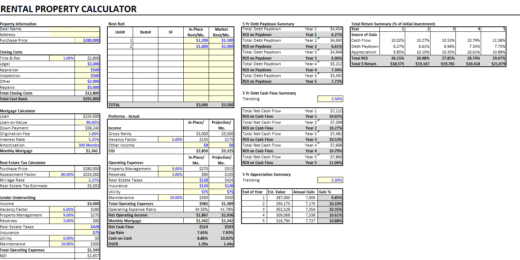
This table outlines the crucial areas of spending that need careful consideration when budgeting for an indoor sports facility. By preparing a detailed budget that takes these estimates into account, you can better anticipate financial needs and make informed decisions about the feasibility of your venture. Having a clear financial model reflecting ongoing expenses and predicted revenue streams can help visualize your operation’s financial health in the long run. Utilizing financial templates will also streamline the budgeting process and provide a structured pathway for financial projections.
Exploring Funding Options
Securing adequate funding is a critical step in establishing your indoor sports facility. Exploring various funding sources can provide the necessary financial support to bring your vision to reality. Below are different funding options to consider, along with a brief description of each.
- Bank Loans: Traditional bank loans can provide you with the capital needed for larger expenses such as property acquisition or major renovations. Be prepared to present detailed financial projections to enhance your chances of approval.
- Investors: Attracting private investors can offer significant funding. Prepare a compelling pitch that outlines potential returns to persuade investors to commit their resources.
- Grants for Community Sports: Many organizations offer grants to promote community sports initiatives. Research available grants and understand the criteria for application to leverage this funding source effectively.
- Crowdfunding Platforms: Online crowdfunding can gather small investments from multiple supporters. Leverage social media and community engagement to drive contributions and create awareness for your facility.
Each funding option has its benefits and potential drawbacks. It is essential to evaluate the terms and conditions associated with each source to select the best fit for your financial landscape. Additionally, having a robust business plan is vital when seeking funding. Describe your vision, operational strategy, and expected returns in detail to establish credibility with funding sources. For more information on creating an effective business plan, you can refer to our guide on how to create a winning business plan.
What Sets Your Indoor Sports Facility Apart
What really distinguishes your indoor sports facility is the diverse range of services and programs you choose to offer. A varied lineup can effectively attract different client categories, enhancing your revenue potential. By implementing unique and engaging services, you will foster a loyal customer base. Below are some essential offerings you might consider integrating into your facility:
Creating Unique Programs
Developing specialized programs tailored to specific demographics is crucial for maximized engagement. Consider the following categories and how they can appeal to distinct groups:
| Program Type | Target Demographic | Focus |
|---|---|---|
| Adult Leagues | Adults | Competitive plays, social interaction |
| Youth Leagues | Children and Teens | Skill development, teamwork |
| Fitness Classes | All Ages | Health improvement, social engagement |
| Coaching & Training Sessions | Individuals & Teams | Skill enhancement, personal development |
| Group Events & Parties | Families & Friends | Celebration, fun activities |
These program types engage various customer segments. Adult leagues foster a competitive yet social atmosphere, while youth leagues focus on developing skills in younger demographics. Fitness classes attract everyone, creating an inclusive environment. Coaching sessions cater to dedicated athletes looking to improve. And group events integrate families and friends, encouraging community interaction and enjoyment.
Additional Strategies
In conjunction with providing diverse programs, fostering partnerships within the community significantly boosts your facility’s visibility and reputation. Here are some effective approaches:
- Collaborate with local schools to host tournaments and workshops.
- Create joint programs with local fitness trainers or wellness coaches.
- Participate in community events to raise awareness of your offerings.
Building these community partnerships fosters goodwill and strengthens your facility’s presence. Inviting local schools to host tournaments not only provides students with outlets for competitive play but also introduces them to your facility. Combining your resources with local fitness experts adds value to your programs, drawing in a more diverse clientele. By taking an active role in community events, you enhance your facility’s visibility and create lasting connections that benefit everyone involved.
Marketing Strategies
Once you have defined your indoor sports facility’s offerings, the next crucial step is to implement strategic marketing initiatives. Effective marketing will not only create awareness but also generate excitement and encourage patronage. To ensure you capture the interest of potential customers, consider utilizing a mix of online and offline marketing strategies. Below is an overview of several effective marketing methods:
Online Marketing Strategies
- Social Media Marketing: Engage with your audience on platforms like Facebook, Instagram, and Twitter. Share news about events, promotions, and facility updates.
- Search Engine Optimization: Optimize your website content to appear higher in search engine results. This will help potential customers find your sports facility easily.
- Email Marketing: Develop a subscriber list and send newsletters or promotional emails to keep customers informed about upcoming events and special offers.
Offline Marketing Strategies
- Printed Flyers: Distribute flyers in local gyms, schools, and community centers to promote your facility and any introductory offers.
- Local Sponsorships: Sponsor local school sports teams or community events to enhance your visibility and demonstrate your support for the community.
- Open House Events: Host open-house events where people can explore the facility, meet staff, and participate in fun activities or classes.
An example to highlight the effectiveness of these strategies can be seen in the case study of “Active Sports Center,” which reported a 40% increase in membership sales after implementing a multi-channel marketing approach that effectively combined social media engagement and community sponsorships.
Incorporating these strategies not only broadens your reach but also builds a solid foundation for long-term relationships with your customers. By using both online and offline methods, you can capture the attention of diverse demographics in your community.
Community Engagement
Community engagement is vital to the success of your indoor sports facility. By actively connecting with local residents, you can foster a sense of belonging and loyalty, which is crucial for sustained patronage. Here are some innovative ways to enhance community connections:
- Organize Community Sports Leagues: Create sports leagues or tournaments that encourage local participation, fostering competitiveness and community spirit.
- Host Free Workshops: Provide free fitness workshops or clinics that can help educate the community on health and wellness while showcasing what your facility has to offer.
- Volunteer for Local Causes: Engage with local charities or community service activities. By volunteering, your facility can make a positive impact while simultaneously demonstrating commitment and care for the community.
Implementing these ideas can not only boost foot traffic but can also solidify your facility’s reputation as a community hub for sports and wellness. Engaging in local initiatives cultivates a supportive atmosphere, encourages feedback from customers, and generates an invaluable sense of loyalty. As your sports facility becomes a recognized part of the community fabric, you will likely see a corresponding increase in customer retention and new member sign-ups.
Starting an Indoor Sports Facility
Launching an indoor sports facility involves much more than just having a passion for sports. It requires a strategic mindset, a thorough understanding of the market, and meticulous financial planning. By engaging in detailed research and community interaction, as well as selecting the right location, you can ensure that your facility stands out in a competitive landscape. Additionally, developing unique services and offerings enhances participation and cultivates a community spirit.
Key Steps for Success
The following key areas are essential to consider when setting up your indoor sports facility. Each step contributes to strengthening your project’s foundation and sustainability:
- Market Research: Conduct comprehensive research to understand local demographics, competitive offerings, and potential interest in different sports.
- Location Selection: Choose a location that is accessible, visible, and aligns with your target audience’s needs.
- Engagement with Community: Build relationships with local organizations, schools, and sports clubs to foster a sense of ownership and pride in the facility.
- Diverse Offerings: Consider unique programs, events, and amenities that can set you apart from competitors.
- Financial Planning: Ensure a solid financial model that accurately reflects your projections and funding needs to sustain operations.
These steps are crucial as they provide a comprehensive framework for potential success. Focus on understanding the dynamics of your specific market and the community that will support your facility, as these relationships can significantly influence your success. Each step should encourage a proactive mindset, allowing you to tackle challenges creatively and efficiently.
Why These Steps are Vital
Implementing these measures not only lays the foundation for your facility but also helps build resilience against unforeseen challenges. Here are some reasons why these steps are essential for success:
- Informed Decisions: Market research ensures that you are making data-driven decisions that align with community interests.
- Resource Optimization: A well-planned approach to financial aspects allows for better allocation of resources, minimizing waste.
- Community Support: Engaging with local communities fosters loyalty and encourages attendance, which is vital for ongoing success.
- Unique Value Proposition: Developing unique offerings can draw in participants who might otherwise seek alternatives.
By following these detailed steps, you can create a thriving indoor sports facility that not only meets the needs of your community but also supports your financial objectives. The checking of progress and adjusting strategies will become a regular part of your management plan.
Take Action
In conclusion, take the first step by conducting thorough research about your target market and community needs. You can also seek assistance with professional financial modeling to ensure that your financial projections are realistic and attainable. This may include accessing templates or consulting services tailored to your industry. Explore the available resources and consider reaching out for support if needed. Your vision for a successful indoor sports facility is achievable—remember to focus on strategic planning and community engagement!
Frequently Asked Questions about Starting an Indoor Sports Facility
This section provides answers to some common questions regarding the establishment of an indoor sports facility. The goal is to provide prospective owners with insights and information needed to effectively start and manage their businesses. If you have any additional questions that have not been addressed, please feel free to submit them!
What is the initial investment required to start an indoor sports facility?
The initial investment necessary to establish an indoor sports facility varies significantly due to multiple factors. Here are some key dimensions that influence the cost of setting up such a facility:
- Location: Urban locations typically demand higher real estate costs compared to rural areas.
- Size of Facility: Larger facilities require greater investment for space and construction.
- Services Offered: The range of sports and activities available can increase equipment and maintenance costs.
- Market Research: Understanding community needs can help tailor services but may also necessitate additional initial expenditures.
Generally, potential owners might expect to invest anywhere from $100,000 to several million dollars, depending on the aforementioned factors. It’s crucial to conduct thorough research and possibly consult financial modeling services to better gauge the expected costs. For detailed financial modeling templates specifically tailored for the sports industry, you may explore our sports financial model templates.
How can I effectively market my indoor sports facility?
Marketing is essential to draw attention to your facility and attract customers. Implementing a comprehensive marketing strategy can optimize your reach and engagement. Consider the following strategies to promote your facility:
- Social Media Marketing: Use platforms like Facebook and Instagram to share updates, events, and promotions.
- Community Engagement: Participate in local events and sponsor community sports programs to build familiarity.
- Partnerships: Collaborate with local schools, organizations, and sports leagues to broaden your customer base.
- Introductory Offers: Encourage new patrons through trials and discounts to bring them in for their first visit.
- Referral Discounts: Implement programs that reward customers for bringing in friends, leveraging word-of-mouth marketing.
By employing these marketing strategies, you can create a strong presence in your community and stimulate interest in your indoor sports facility. Remember, consistent engagement with your audience can lead to a loyal customer base and sustained growth.
What sports should I offer at my facility?
Selecting the appropriate sports offerings for your facility should be guided by understanding your target demographic. Here are some popular options that you might consider, each catering to different age groups and interests:
| Sport Type | Target Audience |
|---|---|
| Soccer | All age groups, popular among youth |
| Basketball | Teens and adults, highly competitive |
| Volleyball | Mixed gender leagues, very social |
| Fitness Classes | Adults and seniors, varying levels of intensity |
| Youth Leagues | Children, instilling teamwork from a young age |
By offering a diverse range of sports, you can attract a broader audience and enhance the usage of your facility. Flexibility based on community interest or seasonal trends can also enhance engagement. It is advisable to keep monitoring which sports are gaining traction to adapt your offerings as needed.
How do I price my services?
Setting the right prices for your services is critical to the profitability of your indoor sports facility. Here are some considerations to keep in mind while determining your pricing strategy:
- Competitor Analysis: Research local competitors to understand the pricing structures in your area.
- Value Proposition: Consider the quality of services you provide, including amenities and customer experience.
- Operating Costs: Calculate your monthly expenses to ensure profitability; this includes rent, utilities, payroll, and maintenance costs.
- Seasonal Factors: Adjust pricing based on seasonal demand; for instance, prices may vary for school holiday camps.
- Tiered Pricing: Develop different pricing levels to cater to varied customer segments, from casual users to dedicated athletes.
By being strategic in your pricing, you can not only ensure competitiveness but also enhance the perceived value of your facility. Keep an eye on customer feedback and make adjustments to maintain a balance between affordability and quality service.