
0 ITEMS

Unlocking Success What Is Contained In A Business Plan

A well-structured business plan is essential for guiding your company towards growth and attracting investors.
- It includes key sections like the executive summary, company description, and financial projections, each serving a specific purpose.
- The executive summary summarizes your business idea and highlights financial and strategic strengths.
- Market analysis demonstrates your understanding of industry trends, target demographics, and competitive positioning.
- Financial projections help forecast profitability and cash flow, proving your business’s viability to stakeholders.
- Thorough planning across these areas builds confidence and lays a solid foundation for success.
Continue reading to see how each component can improve your business planning and strategic decisions.
Executive Summary
The executive summary provides a concise overview of the entire business plan. It outlines the business concept, financial highlights, and the fundamental goals of the business. Typically, this is the first section potential investors will read, so it needs to capture their attention and efficiently convey the business’s potential.
Business Description
This section details what the business does, its mission statement, and the industry it operates in. It is essential for providing context and establishing credibility. A well-written business description helps stakeholders understand the unique value proposition of the business.
Market Analysis
Market analysis involves researching and presenting data on the industry, target market, and competition. It should cover market trends, customer demographics, and competitive landscape. This section demonstrates that you have a deep understanding of the market context in which your business will operate.
Marketing Strategies
Effective marketing strategies detail how the business plans to attract and retain customers. This includes pricing models, promotional tactics, and distribution channels. Marketing strategies are crucial for ensuring that your business reaches its target audience and achieves growth objectives.
Financial Projections
Financial projections provide an overview of the business’s expected financial performance. This includes income statements, cash flow statements, and balance sheets. These projections are vital to not only guide internal planning but also for convincing investors of the business’s profitability and sustainability.
In addition to the above sections, there may be other components like operations plans, management teams, and risk analyses. Each element plays a significant role in constructing a detailed and reliable business plan. By thoroughly understanding and articulating each section, you set the stage for long-term success and growth for your venture.
Executive Summary
The executive summary serves as the introduction to a business plan but is usually crafted last. Its primary purpose is to provide a concise overview of the entire plan, encapsulating the most critical elements. By highlighting essentials such as the business concept, financial aspects, and competitive edges, this section acts as a teaser that should intrigue and engage the reader, compelling them to explore further.
Purpose of the Executive Summary
Understanding the purpose of the executive summary is crucial for writing it effectively. Here are the core objectives:
- Provide an overview of the business plan
- Highlight key points such as business concept, financial features, and competitive advantages
These points ensure that readers immediately grasp the essence of the business and its potential, setting the stage for a deeper dive into the full business plan. The executive summary serves as the hook that captures interest, making it a highly significant section of the plan.
Importance of an Engaging Executive Summary
The executive summary is akin to an elevator pitch; it must be compelling and engaging. A well-crafted executive summary can:
- Actively capture the reader’s interest
- Encourage the reader to read the entire business plan
- Convey the business’s potential quickly and persuasively
Given its role as the gateway to your business plan, a vibrant and engaging executive summary is imperative. It should succinctly summarize the full plan while also generating enough interest to prompt further reading.
Key Elements to Include
Several key elements should be incorporated into the executive summary to make it comprehensive and effective. These elements include:
- Business Concept and Objectives: Outline what your business intends to achieve
- Product or Service Offerings: Describe the products or services you will provide
- Target Market and Market Opportunity: Define your target audience and discuss market potential
- Financial Highlights: Summarize financial projections and key financial metrics
- Summary of the Management Team: Introduce the key members of your team and their qualifications
- Funding Requirements and Exit Strategy: Detail the amount of funding needed and your planned exit strategy
Including these key elements ensures that the executive summary is well-rounded and covers all critical aspects. Each point mentioned provides valuable insights into different facets of the business, offering a holistic view that entices the reader to learn more.
To sum it up, the executive summary is your first—and sometimes only—chance to make an impression. Its purpose is multifaceted: providing an overview, engaging readers, and summarizing vital points. By incorporating the essential elements in a structured and compelling manner, you set the stage for a successful pitch.
Company Description
The company description is a critical component of your business plan that offers a comprehensive overview of your business. This section serves the purpose of delineating your business’s mission, vision, goals, and the specific market needs that your company intends to address. A well-crafted company description allows potential investors to gain a clear understanding of what your business stands for and how it operates.
Overview of Company
Understanding the basics of your company lays the foundation for potential investors and other stakeholders to appreciate the depths of your business operations. Here are the key elements you need to include.
- Company Name, Location, and Legal Structure:
- Company Name: Clearly state the name of your business.
- Location: Specify the geographic location and any regional offices.
- Legal Structure: Define whether it is a corporation, LLC, partnership, etc.
- Mission Statement and Business Objectives:
- Mission Statement: Summarize the purpose and core values of your business.
- Business Objectives: Outline your short-term and long-term goals.
- History and Development of the Business:
- History: Provide a brief history of the business, including key milestones.
- Development: Describe the phases of growth and development your business has undergone.
- Products or Services Offered:
- Describe the main products or services your business provides.
- Highlight any unique aspects or innovations in your offerings.
- Unique Selling Proposition and Competitive Advantages:
- Unique Selling Proposition: Explain what differentiates your business from competitors.
- Competitive Advantages: Point out any specific strengths, such as proprietary technology, exclusive agreements, or expert personnel.
In summary, the company description serves as the backbone of your business plan, providing essential information that helps potential investors and other stakeholders understand your business more completely. By detailing the company name, location, and legal structure, mission statement and objectives, history and development, products or services, and unique selling proposition, you create a comprehensive picture of your business landscape. This detailed portrayal helps to instill confidence and foster trust among potential investors and partners, guiding them to make informed decisions regarding their involvement with your business.
Market Analysis: Demonstrating Market Mastery
The market analysis section plays a critical role in any business planning document, showcasing your deep understanding of the industry and the market landscape in which you plan to operate. This section substantiates that your market strategy is well-informed and meticulously crafted based on thorough research.
Importance of Market Analysis
- Demonstrates industry and market understanding
- Evidences thorough research and strategy development
- Validates your potential to capture market share effectively
Conducting a market analysis is essential because it lays the groundwork for all strategic decisions. By thoroughly understanding market dynamics and the competitive landscape, you can make well-informed choices, reducing risks and uncovering new opportunities for growth. It also helps in convincing stakeholders of your business’s viability and strategic direction.
Key Components of a Market Analysis
Industry Overview and Outlook
The industry overview provides a macro view of the sector you are entering, covering its current state and future projections. This involves analyzing industry size, growth rate, trends, and the key factors driving these trends.
- Current industry size
- Growth rate
- Key industry trends
- Driving factors
Understanding the industry overview enables you to position your business within the larger context, identifying where you can capitalize on trends and how you can navigate potential challenges. This sets the foundation for informed strategic planning.
Target Market Demographics and Segmentation
Defining your target market involves identifying the specific segments you aim to serve, along with their characteristics. This includes demographic details such as age, gender, income level, and other relevant factors.
- Age and gender
- Income levels
- Geographic location
- Behavioral attributes and preferences
Accurate market segmentation allows you to tailor your marketing and sales strategies to meet the specific needs of different customer groups, enhancing the effectiveness of your outreach efforts and maximizing customer satisfaction and loyalty.
Market Needs and Growth Potential
Assessing market needs involves understanding the specific demands and pain points of your target audience. Additionally, evaluating the market’s growth potential provides insights into future opportunities.
- Key customer needs
- Pain points and challenges
- Market demand trends
- Potential for future growth
By recognizing these needs and growth opportunities, you can better align your product or service offerings to address gaps in the market. This alignment ensures that your business remains relevant and competitive over the long term.
Competitive Analysis and Market Positioning
A thorough competitive analysis entails evaluating your direct and indirect competitors, their strengths, weaknesses, and market positioning. This helps identify your unique value proposition and competitive edge.
- Direct and indirect competitors
- Competitors’ strengths and weaknesses
- Market share comparisons
- Positioning and differentiation strategies
Understanding the competitive landscape enables you to carve out a distinct position in the market, differentiating your offerings from other players and highlighting your unique advantages to your target audience.
Regulatory Environment
The regulatory environment component examines the rules and regulations that impact your industry. This includes compliance requirements, industry standards, and potential legal challenges.
- Relevant regulations and compliance requirements
- Industry standards
- Potential legal and regulatory challenges
Keeping abreast of regulatory requirements is crucial for avoiding legal pitfalls and ensuring your business operates within the boundaries of the law. It also demonstrates to stakeholders that you are proactively managing compliance risks.
Organization and Management
The purpose of the Organization and Management section is to provide an in-depth overview of your business’s organizational structure and introduce the team responsible for running the enterprise. Highlighting the skills, experiences, and roles of your management team builds credibility and nurtures confidence among potential investors. Recognizing the importance of this section helps in presenting a clear picture of how the business is structured and who will be steering the company towards its goals.
Key Elements
Organizational Structure and Business Hierarchy
An organizational structure outlines the framework within which your business operates. It defines the hierarchical arrangement of lines of authority, communications, rights, and duties within your company. This element is crucial as it clarifies how roles and responsibilities are distributed within the organization.
- Provides a clear framework for roles and responsibilities.
- Defines lines of authority and communication.
- Helps in resource allocation and decision-making processes.
Having a well-defined organizational structure offers a clear roadmap of how employees and departments report within the company. It ensures everyone understands their role within the system, facilitating smoother operations and efficient workflow.
Details and Bios of the Management Team
This subsection introduces the key members of your management team, outlining their professional backgrounds, skills, and roles within the company. Providing detailed bios of your management team members helps to build trust and demonstrate the collective expertise driving your business forward.
- Introduction to key management team members.
- Professional backgrounds highlight relevant experiences.
- Roles within the company clarify responsibilities.
Crafting comprehensive bios for each team member not only showcases their expertise but also their dedication to driving the company toward success. This transparency adds a personal touch, fostering trust and confidence in their leadership abilities.
Board of Directors or Advisory Board
Including information about your board of directors or advisory board provides additional layers of expertise and guidance. These groups often bring seasoned perspectives and insights that can be critical to strategic decision-making and overcoming challenges.
- Diversifies governance with experienced oversight.
- Provides strategic direction and mentorship.
- Assists in networking and industry connections.
A well-rounded board can be a valuable asset, ensuring the company navigates complex decisions with wisdom and insight. It also highlights a commitment to governance and accountability, which resonates well with investors seeking stability and foresight.
Ownership Structure
The ownership structure section details the company’s equity distribution among its founders, investors, and other stakeholders. It provides clarity on who holds what percentage of the company, helping to understand the distribution of control and financial interest in the business.
- Breakdown of equity distribution.
- Identifies major stakeholders and their shares.
- Highlights any significant financial arrangements or partnerships.
Outlining the ownership structure offers transparency regarding the financial and control landscape of the company. Knowing who holds significant stakes can provide insights into potential decision-making influences and alignments of interest.
Human Resources Strategy
Human Resources Strategy covers the company’s plans for recruiting, training, and retaining talent. It is vital for outlining how the business plans to ensure that it has the right people in place to achieve its goals. This element underscores the company’s commitment to building a strong, capable workforce that is aligned with the business’s vision and values.
- Recruitment plans to attract talented individuals.
- Training and development programs.
- Retention strategies to maintain employee engagement and satisfaction.
An effective Human Resources Strategy stresses the importance of investing in human capital. It shows that the company is committed to fostering an environment where employees can grow and succeed, thus directly contributing to the overall success of the business.
Purpose of Products or Services Section
This section is intended to provide a comprehensive overview of the products or services your business plans to offer. It aims to address how these offerings cater to the needs of your target market and distinguish themselves from the competition.
Specifics of the Products or Services Offered
- Detailed Description of Products or Services
Providing a detailed description of your products or services is crucial. This not only helps potential investors and stakeholders understand what you are offering but also highlights the unique qualities that set your business apart.
Market Need or Problem Being Addressed
- Problem or Need Your Offering Solves
Clearly outline the problem or market need that your products or services aim to address. This section should provide evidence that there is a demand for your offerings and explain how effectively you meet this demand.
Unique Features and Benefits
- Distinctive Features
- Advantages Over Competitors
Highlighting the unique features and benefits of your products or services is essential for differentiating them from what is currently available in the market. These aspects can include superior quality, innovative technology, better user experience, or cost-efficiency. Make sure to focus on what makes your offerings stand out.
Product Lifecycle and Development Stages
- Phases of Development
- Current Stage
Describe the lifecycle of your product or service, from initial concept to development, and finally to market launch and growth. Mention the various stages of development and where your product currently stands. This helps to convey a roadmap to your audience and assures them of the structured progression of your offerings.
Intellectual Property Aspects
- Patents
- Trademarks
- Other Protections
Intellectual property (IP) is a key element that can add significant value to your business. Discuss any patents, trademarks, or other IP protections that you have in place or plan to acquire. This information not only secures your business against competitors but also enhances your credibility and market position.
Research and Development Plans
- Future R&D Efforts
- Innovative Initiatives
- Budget Allocation
Research and development (R&D) are crucial for the continuous improvement and innovation of your products or services. Lay out your future R&D plans, including any new initiatives, projects, or technological advancements you aim to pursue. Allocating a budget for these activities also demonstrates your commitment to growth and innovation.
In summary, this section serves as a vital component in your business plan, providing a thorough explanation of your offerings, the problems they solve, and their unique advantages. By presenting detailed information on each key element, you can effectively communicate the value and potential of your business to stakeholders, investors, and customers.
Marketing and Sales Strategy
Your marketing and sales strategy is crucial for defining how your business plans to attract and retain customers. This section provides a detailed approach to your strategies for marketing, advertising, sales, and customer service, ensuring alignment with your business goals and objectives.
Purpose of Marketing and Sales Strategy
- Outlines strategies to attract and retain customers.
- Includes detailed plans for marketing, advertising, sales, and customer service.
Having a well-defined marketing and sales strategy is essential for the success of your business. It helps you understand your customers better, reach out to them more effectively, and convert them into loyal patrons. By focusing on key strategic areas, you can ensure that your marketing and sales efforts are cohesive and aligned with your overall business objectives.
Key Elements of a Marketing and Sales Strategy
To create a comprehensive and effective strategy, consider each of the following elements. Each one plays a vital role in reaching your target market and achieving your business goals.
Marketing Objectives and Goals
- Define what you aim to achieve with your marketing efforts.
- Set measurable and realistic goals that guide your marketing initiatives.
- Align marketing objectives with overarching business goals.
Clearly defined marketing objectives and goals provide direction for your marketing activities. They act as benchmarks against which you can measure your progress and effectiveness. Ensure these goals are realistic, measurable, and aligned with the overall vision and mission of your business.
Target Market Strategies
- Identify and understand your ideal customer demographics and psychographics.
- Segment your market to tailor your marketing messages effectively.
- Develop strategies specific to each market segment.
Understanding your target market is critical for success. By identifying and analyzing your ideal customers, you can create marketing messages and campaigns that resonate with them. Tailoring your strategies to different segments ensures that each group receives the most relevant and impactful information.
Brand Positioning and Messaging
- Establish your brand’s unique value proposition and market position.
- Create consistent and compelling messaging that reflects your brand identity.
- Differentiate your brand from competitors.
Effective brand positioning and messaging help build a strong, recognizable brand. By clearly communicating your unique value proposition, you can stand out in the crowded marketplace. Consistent and compelling messaging reinforces your brand identity and resonates with your target audience.
Sales Tactics and Sales Process
- Develop a structured sales process to guide your sales team.
- Implement tactics that enhance customer engagement and conversion rates.
- Utilize technology and tools to optimize the sales process.
A well-defined sales process ensures that your sales team can operate efficiently and effectively. By implementing specific tactics to engage potential customers and convert leads into sales, you improve your chances of success. Utilizing modern technology and tools can further enhance the efficiency of your sales process.
Pricing and Distribution Strategy
- Determine competitive pricing that balances profitability with customer attraction.
- Identify the best channels for distributing your products or services.
- Ensure your pricing and distribution align with your overall marketing strategies.
Pricing and distribution are vital components of your sales strategy. Competitive pricing attracts customers while ensuring profitability. Identifying the most effective distribution channels ensures your products or services reach your target market efficiently.
Promotional and Advertising Campaigns
- Plan and execute campaigns that promote your brand and offerings.
- Utilize various advertising platforms to reach a broader audience.
- Analyze campaign results to optimize future efforts.
Promotional and advertising campaigns are essential for getting your message out to a wider audience. A well-thought-out campaign can significantly enhance brand awareness and drive sales. Regularly analyzing the results of your campaigns allows you to fine-tune your strategies and achieve better outcomes in future endeavors.
Funding Request
The Funding Request section is essential for entrepreneurs and businesses seeking financial backing. This section should provide a comprehensive overview of how much funding is required, the specific purposes for which it will be used, and how it will foster business growth and sustainability. Ensuring that your funding request aligns with your financial projections is vital to gaining investors’ confidence.
Importance of Funding Request
- It is crucial for businesses that are pursuing funding.
- This section details the funding amount needed, its intended use, and its impact on business growth.
- Aligns funding needs with the business’s financial projections to provide a coherent financial picture.
Aligning your funding request with your financial projections reassures investors that your business plan is well thought out and realistic. Clear and detailed funding requests increase the chances of securing the necessary capital. The specifics on how the funds will be utilized demonstrate organizational and forecasting prowess.
Key Elements of a Funding Request
When preparing your funding request, ensure to include the following key elements. Each component highlights a critical aspect of your business’s financial needs and future plans.
- Amount of Funding Needed: Clearly state the total amount of funding required.
- Use of Funds: Specify how the funds will be used, whether for capital expenditures, operating expenses, or other specific purposes.
- Future Funding Requirements: Outline any future funding needs to give investors a long-term perspective.
- Funding Timeline: Indicate the time frame over which you will need the funding and any phased requirements.
- Potential Exit Strategies for Investors: Explain possible exit strategies to provide investors with potential opportunities for return on their investment.
Including these key elements ensures that your funding request is thorough and well-structured. Providing specific details about the amount and use of funds, along with a timeline and potential exit strategies, makes your request more compelling to investors. A structured funding request fosters transparency and aligns expectations between your business and potential investors.
In conclusion, a well-prepared funding request is integral to securing financial support for your business. Presenting detailed and structured information reflects your preparedness and strategic planning, which can significantly influence investor decisions. Carefully crafting this section not only supports your immediate funding needs but also sets the groundwork for future financial engagements.
Importance of Financial Projections
Financial projections serve as a fundamental tool for demonstrating the viability of your business venture to potential investors. These projections include a set of detailed financial statements along with future projections that cover at least the next three to five years, effectively showcasing your business’s potential for growth and profitability.
Key Financial Documents
Investors look for specific key financial documents when evaluating the potential of a business. These documents provide a comprehensive view of the company’s financial health and future outlook. Here is a breakdown of the critical financial documents to include:
- Income Statements: These statements offer a summary of the company’s revenue and expenses, illustrating profitability over specific periods.
- Cash Flow Statements: Cash flow statements track the inflow and outflow of cash within the business, highlighting its ability to generate and manage cash efficiently.
- Balance Sheets: Balance sheets provide a snapshot of the company’s assets, liabilities, and equity at a specific point in time, offering insights into its overall financial stability.
- Break-even Analysis: This analysis helps determine the point at which the company’s revenues will equal its expenses, indicating when the business will begin to generate profit without loss.
- Assumptions and Notes: Assumptions and notes explain the basis for the financial projections, including the underlying assumptions and methodologies used to create the projections.
Incorporating these key financial documents into your projections is vital. Each document plays a distinct role in painting a complete picture of your business’s financial standing and future potentials. Presenting this information clearly and comprehensively can enhance investors’ confidence in your business proposal, increasing the likelihood of securing funding and support.
The Importance of the Appendix in Your Business Plan
The appendix is an essential part of your business plan, serving as the repository for any additional information that supports your main document. This section ensures that your main business plan remains concise and easy to read while still providing access to important supplementary details. By organizing this supplementary information in an appendix, you enable your readers to delve deeper into specific areas of your business plan without overwhelming them with lengthy content.
Purpose of the Appendix
- Includes Supporting Information: The appendix is the place to include detailed information that supports your business plan, such as data, reports, and project documentation.
- Keeps Business Plan Concise: By placing this additional information in the appendix, you help maintain the clarity and readability of your primary business plan.
The appendix acts as a supplement to the core areas of your business plan, containing the details that provide greater depth and validation to your proposed business strategies and objectives. It serves to answer potential questions from your stakeholders, investors, or partners without detracting from the main body’s flow. This balance of brevity and detail is critical in creating an effective business plan.
Common Items to Include in an Appendix
Including a variety of supplementary materials in your appendix can greatly enhance the credibility and comprehensiveness of your business plan. Below are some commonly added items:
- Resumes of Key Personnel: Resumes highlight the experience and expertise of your team, showcasing their qualifications and past achievements.
- Product Photos or Descriptions: Visual aids and detailed descriptions of your products help clarify what you are offering and emphasize the unique features and benefits.
- Market Research Findings: Including detailed market analysis data provides evidence of the market need, size, and potential for your business.
- Legal Agreements or Contracts: Any pertinent legal documents such as partnership agreements, contracts, or intellectual property filings give confidence in the legitimacy of your business.
- References and Footnotes: Citing credible sources and referencing important data can bolster the reliability and authenticity of your business plan.
Including these items in your appendix not only adds depth but also builds trust with your readers by offering transparent evidence and comprehensive background information. Ensuring that each appendix item is relevant and directly supports points made in your main business plan can significantly enhance the document’s effectiveness and persuasiveness. Carefully curated appendix content can ultimately be one of the deciding factors for stakeholders when assessing the viability and potential success of your business.
Conclusion: Building a Strong Business Foundation
Summary of Understanding Business Plan Components
Grasping the elements of a business plan is pivotal for charting the course of your business towards success. Recognizing what each component entails can be the deciding factor between a prosperous launch and an unsuccessful start.
- Understanding business plan components is crucial for success
- Essential sections include:
- Executive Summary
- Company Description
- Market Analysis
- Organization and Management
- Products or Services
- Marketing and Sales Strategy
- Funding Request
- Financial Projections
- Appendix
Each of these sections encapsulates a critical dimension of your business, providing a comprehensive overview that underscores your business’s potential to investors and stakeholders. Having a thorough understanding of these elements equips you with the knowledge to effectively convey your business vision.
The Importance of Each Section in Building a Robust Foundation
Each section of a business plan serves an integral role in building a formidable foundation for your business. Let us briefly go over why each section is indispensable:
- Executive Summary: Provides a snapshot of your business, summarizing its goals and how you aim to achieve them.
- Company Description: Offers an in-depth look at your business, detailing its purpose, goals, and unique value proposition.
- Market Analysis: Helps you understand your industry, market trends, and identify target customer segments.
- Organization and Management: Outlines your business’s organizational structure and introduces key management personnel.
- Products or Services: Describes what your business sells or offers, highlighting the benefits they provide to customers.
- Marketing and Sales Strategy: Details how you plan to market your products and convert potential customers into buyers.
- Funding Request: Specifies the funding needed to launch or grow your business and how these funds will be used.
- Financial Projections: Provides financial forecasts, demonstrating the financial viability and growth potential of your business.
- Appendix: Includes additional supporting documents and information relevant to your business plan.
Understanding the significance of each section allows you to weave a compelling narrative that highlights your business’s strengths and potential. A well-constructed business plan communicates clarity, purpose, and strategic direction, crucial for gaining stakeholder confidence.
Encouragement and Assurance
Creating a business plan can initially seem overwhelming, but it is an essential tool that can significantly contribute to your business’s success. Remember, each step you take in developing this document brings you closer to a detailed, organized, and actionable plan.
By following this guide and dedicating time to thoroughly covering each section, you are on the right path toward crafting a comprehensive business plan that will resonate with investors and align with your strategic goals. Embrace the process and understand that this investment of effort will yield substantial returns in guiding your business to new heights.
Frequently Asked Questions about Business Plans
Understanding the essentials of a business plan is crucial for the success and growth of any business. This FAQ section addresses some of the most common questions related to business plans, providing you with comprehensive and easy-to-digest information to help you create an effective plan.
What are the key components of a business plan?
A well-structured business plan comprises several key components, each playing a vital role in outlining your business strategy. Here are the essential elements:
- Executive Summary
- Company Description
- Market Analysis
- Organization and Management
- Products or Services
- Marketing and Sales Strategy
- Funding Request
- Financial Projections
- Appendix
These components together provide a holistic view of your business, from its fundamental nature to its strategic plans for growth and sustainability. Each section should be meticulously crafted to offer clarity and insights to stakeholders, potential investors, and team members.
Why is a business plan important?
The importance of a business plan cannot be overstated. It serves multiple critical functions, such as:
- Acting as a roadmap for your business, guiding you through various stages of development
- Helping to attract investors by demonstrating the viability and potential of your business idea
By laying out a clear path forward, the business plan helps you focus on your strategic goals and measure progress. It boosts your confidence and ensures you are prepared to meet challenges head-on. For investors, it provides the assurance that you have a well-thought-out plan to achieve profitability and success.
How detailed should a business plan be?
The complexity of your business and the requirements of your target audience will significantly influence the level of detail in your business plan. Here are some guidelines:
- The plan should be comprehensive enough to cover all crucial aspects of your business
- It should remain concise and easy to understand, avoiding unnecessary jargon
A well-drafted business plan is a balance between detail and brevity. While it should delve into all necessary information to give a complete picture, it should also be simple and straightforward enough to be digestible. Remember, the clearer the plan, the easier it will be to implement and persuade others to invest in your vision.
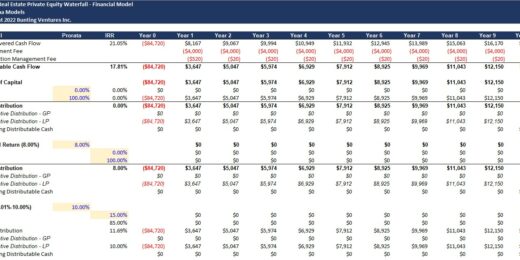
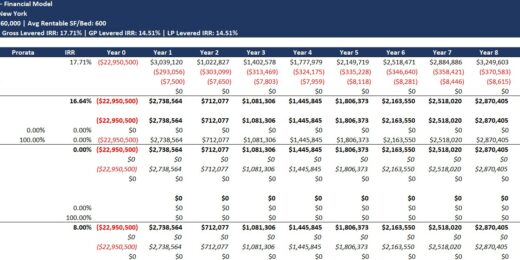
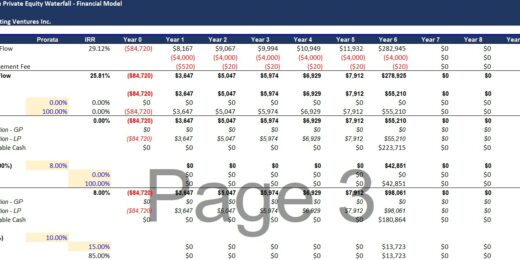
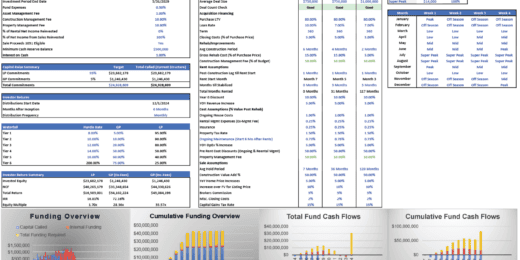
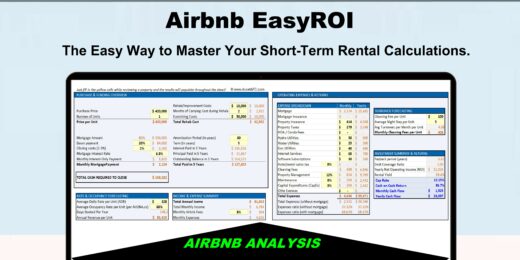
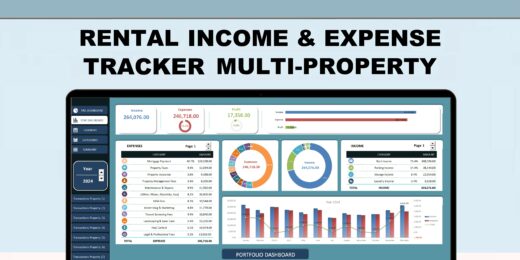
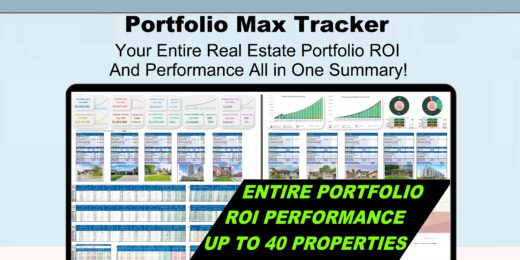
We hope these answers provide clarity and help you in crafting an effective business plan. For more detailed guidance, consider exploring our range of financial model spreadsheet templates specifically designed to support your business planning endeavors.




















































You might also like:
- 10 Main Elements of a Business Plan
- How to Write a Business Plan Step-by-Step
- Creating a Business Plan for your Food Truck Business
- Mastering SWOT Analysis for Business Plan Success
- How to Make a Startup Financial Plan for Fundraising?
- Business Plan Models – Using Business Models as Examples
- 10 Tips to Develop a First Class Business Valuation Report
- Achieve Financial Success By Knowing Your Business Plan Model
- Financial Modeling for Startups and Small Businesses
- Financial Planning for Small Business Owners – Taking an SBA Loan
- Startup Model Templates in Excel that can help your Business Grow
- Financial Modelling PDF Examples
- How Can You Make Your Startup Successful?
- Mastering the Art of IRR Calculation: A Comprehensive Guide for Investors
- Financial Model Templates Easy to Use
- Understanding Debt Sizing & Project Finance Ratios
- Financial Models for Business Valuation
- 10-Step Financial Planning Checklist for Smart Executives
- Farm Business Plan for Dairy
- SaaS Business Financial Model


