
0 ITEMS

Cracking the Code: Decoding Cost of Goods Sold for Business Success

Cost of Goods Sold (COGS) is an important financial metric that can significantly impact a company’s profitability. As such, businesses need to understand what COGS is, how it affects their profitability, and what strategies they can employ to reduce their COGS. This article will discuss COGS, how it affects profit, and several strategies for reducing COGS.
What is the Cost of Goods Sold (COGS)
Cost of Goods Sold (COGS) is the total cost of the goods or services a company has sold during a certain period. It includes direct materials, direct labor, and overhead costs associated with producing the goods or services sold. Direct materials refer to the physical materials used in production, such as raw materials, supplies, and components. Direct labor is the costs of directly producing goods or services, such as wages and benefits. Overhead costs are the costs associated with operating the business, such as rent, utilities, and insurance.
How Does COGS Affect a Company’s Profitability
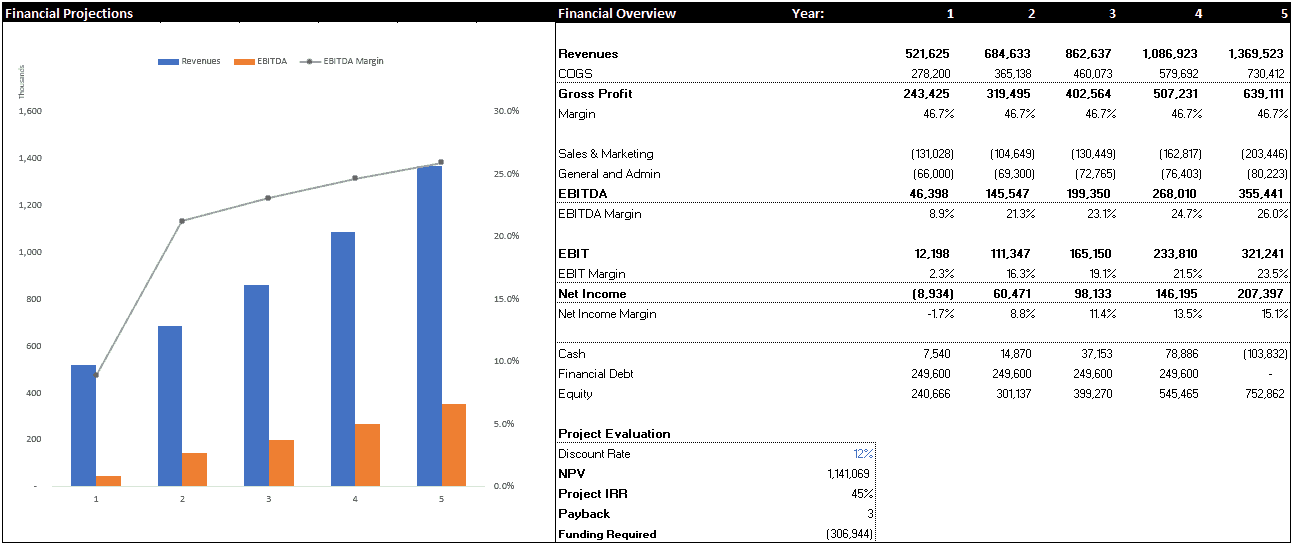
A company’s COGS directly affects its profitability. If a company’s COGS is too high, its gross profit will be lower, and its overall profitability could be affected. On the other hand, if a company’s COGS is low, its gross profit will be higher and could result in greater profitability.
Therefore, businesses must monitor their COGS and strive to reduce them as much as possible. It can be done in several ways: reducing overhead costs, streamlining production processes, and negotiating better prices with suppliers.
Reducing Overhead Costs
One of the most effective ways to reduce COGS is by reducing overhead costs. It includes reducing expenses related to rent, utilities, insurance, and other non-production-related costs. These costs can quickly add up and affect a company’s overall profitability. Therefore, monitoring and controlling these costs as much as possible is important.
Streamlining Production Processes
Another way to reduce COGS is by streamlining production processes. It involves identifying and eliminating any unnecessary steps in the production process and automating certain processes to reduce labor costs. It can help reduce direct labor and materials costs, resulting in lower COGS.
Negotiating Better Prices with Suppliers
It is also important to negotiate better prices with suppliers. It can help reduce the cost of direct materials, resulting in lower COGS. Additionally, negotiating better payment terms with suppliers can help reduce the cost of goods sold over time.
Conclusion
Cost of Goods Sold (COGS) is an essential metric for businesses to understand and monitor to ensure profitability. Businesses can reduce their COGS and maximize profitability by reducing overhead costs, streamlining production processes, and negotiating better prices with suppliers.




















































Key Questions and Answers
Q1: What is the Cost of Goods Sold (COGS)?
A1: Cost of Goods Sold (COGS) is the total cost of the goods or services a company has sold during a certain period. It includes direct materials, direct labor, and overhead costs associated with producing the goods or services sold.
Q2: How does COGS affect a company’s profitability?
A2: A company’s COGS directly affects its profitability. If a company’s COGS is too high, its gross profit will be lower, and its overall profitability could be affected. On the other hand, if a company’s COGS is low, its gross profit will be higher and could result in greater profitability.
Q3: What are some ways to reduce COGS?
A3: There are several ways to reduce COGS, such as reducing overhead costs, streamlining production processes, and negotiating better prices with suppliers.
Q4: What is the difference between COGS and Operating Expenses?
A4: COGS is the cost associated with the production of goods or services that are sold. On the other hand, operating expenses are the costs of running a business unrelated to the production process.
Q5: What is the formula for calculating COGS?
A5: The formula for calculating COGS is COGS = Beginning Inventory + Purchases – Ending Inventory.
Tags: Cost Of Goods Sold