
0 ITEMS

Revolutionize Your Approach to Trucking Expenses Spreadsheet
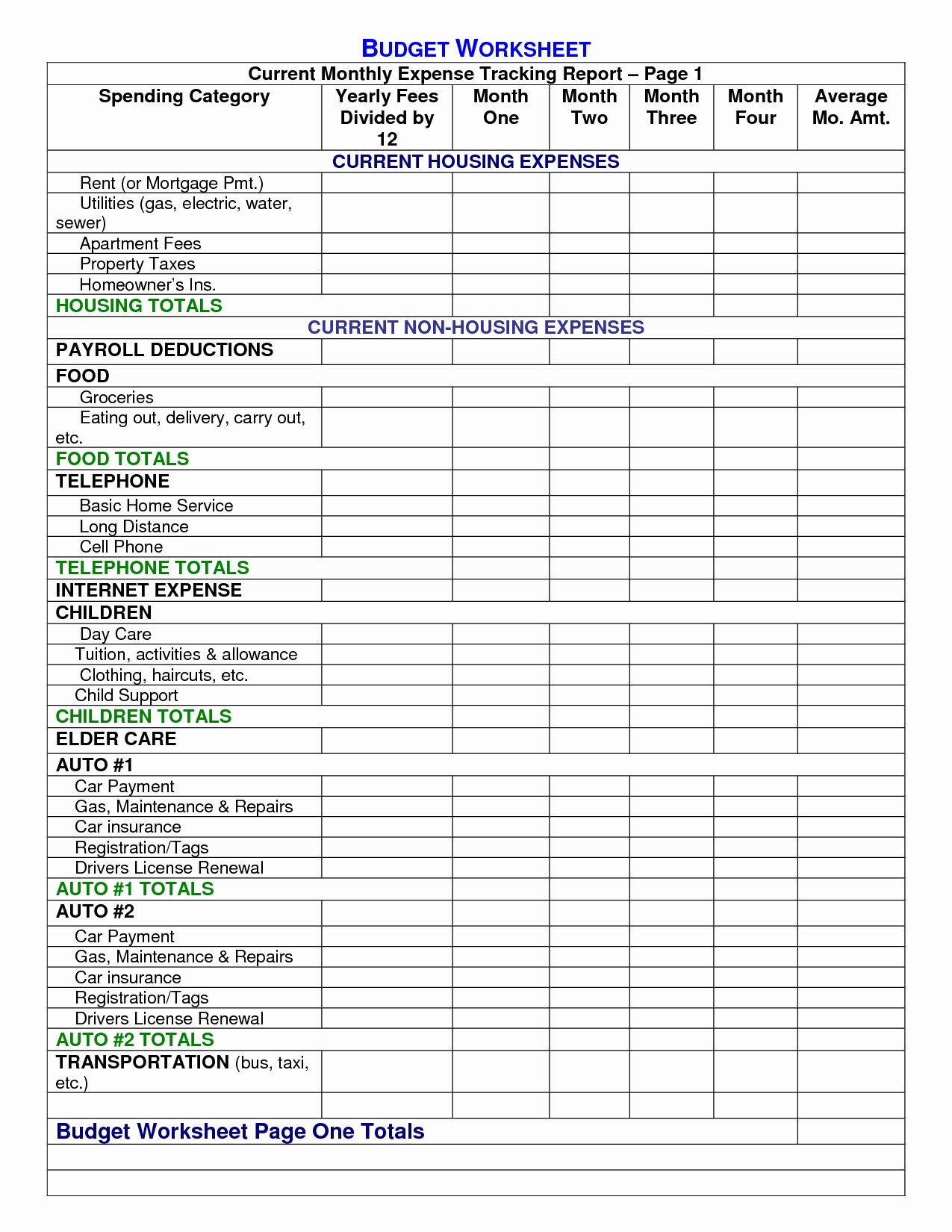
Effective expense management is crucial for trucking companies to boost profitability and control costs.
- Manual spreadsheets are time-consuming and prone to errors, making accurate expense tracking difficult.
- Automated expense tools streamline data entry, categorization, and reporting, saving time and reducing mistakes.
- Cloud-based systems provide real-time data access, enhance security, and integrate with other business tools.
- Better data analysis through visualization helps identify spending patterns and cost-saving opportunities.
- Modern digital solutions improve compliance and prepare your business for financial audits.
Keeping expenses organized and efficient supports better decision-making and long-term growth.
The Importance Of Efficient Expense Management
In the trucking industry, efficient expense management is essential for maintaining profitability and reducing wasteful spending. By revolutionizing your approach to trucking expenses spreadsheet, you can streamline your operations, reduce costs and make better-informed business decisions. In this blog post, we will explore the impact of trucking expenses and the benefits of streamlining your expense management process.
Impact Of Trucking Expenses
Trucking expenses can have a significant impact on the overall financial health of your business. Without proper management, these expenses can quickly spiral out of control and eat into your profits. This is why it is crucial to have a comprehensive understanding of the different categories of trucking expenses and how they can affect your bottom line.
From fuel costs and vehicle maintenance to insurance premiums and driver wages, every aspect of your trucking operation contributes to your expenses. By analyzing these expenses and identifying areas of inefficiency, you can make informed decisions that will help you reduce costs and improve profitability.
Moreover, inefficient expense management can lead to cash flow problems and hinder your ability to invest in necessary equipment and resources. It is therefore vital to keep a close eye on your expenses and implement strategies to minimize waste and optimize your financial resources.
Benefits Of Streamlining Trucking Expenses
Streamlining your trucking expenses brings a range of benefits that can positively impact your operational efficiency and financial performance. Here are some of the key advantages:
- Cost Reduction: By identifying unnecessary expenses and implementing cost-saving measures, you can significantly reduce your overall operating costs. This can translate into higher profits and a more competitive edge in the market.
- Improved Accuracy: Implementing a streamlined expense management system allows for accurate tracking and reporting of expenses. It eliminates the need for manual calculations and reduces the risk of human errors, ensuring that your financial records are reliable and up to date.
- Better Decision Making: With real-time visibility into your expenses, you can make more informed decisions. By analyzing data and identifying trends, you can better allocate resources, identify areas for improvement, and seize growth opportunities.
- Enhanced Compliance: Keeping track of trucking expenses is not only important for financial management but also for regulatory compliance. By streamlining your expense management process, you can ensure that you stay in line with legal and tax obligations, avoiding penalties and legal complications.
In conclusion, revolutionizing your approach to trucking expenses spreadsheet and implementing efficient expense management practices is crucial for the success of your trucking business. By understanding the impact of trucking expenses and the benefits of streamlining your processes, you can optimize your financial resources and position your business for long-term growth and profitability.
Challenges Faced In Traditional Expense Tracking
In the realm of finance management, whether for personal or business purposes, tracking expenses is a pivotal activity that helps in budgeting, forecasting, and overall financial planning. Traditional expense tracking methods, while having served their purpose over the years, present a set of challenges that can hinder efficiency and accuracy. Among these challenges, the complexity of manual spreadsheet management and the risk of errors and inaccuracies stand out as significant obstacles to effective financial oversight.
Complexity Of Manual Spreadsheet Management
One of the most daunting tasks in traditional expense tracking is the management of manual spreadsheets. This method requires individuals or businesses to manually enter each transaction into a spreadsheet, categorize expenses, and ensure that all data is up-to-date. This process is not only time-consuming but also requires a certain level of proficiency with spreadsheet software. Users must know how to utilize formulas, create summaries, and generate reports, which can be a steep learning curve for some.
Moreover, manual spreadsheet management involves a lot of repetitive tasks, such as copying and pasting data, manually updating each entry, and ensuring that all categories are correctly accounted for. This can lead to disorganization and inefficiency, especially for businesses with a high volume of transactions. The complexity of managing these spreadsheets can also deter regular updates, leading to outdated financial data that can affect budgeting and financial decisions.
Risk Of Errors And Inaccuracies
Another significant challenge with traditional expense tracking methods is the high risk of errors and inaccuracies. Manual data entry is prone to mistakes, such as typing errors, duplication of entries, or omission of transactions. These errors can accumulate over time, leading to significant discrepancies in financial records.
The risk of inaccuracies is not limited to data entry alone. Manual calculations, such as summing up expenses, calculating tax deductions, or analyzing financial trends, are susceptible to errors. Such inaccuracies can have serious repercussions, including incorrect financial statements, misinformed budgeting decisions, and potential issues with tax compliance.
Moreover, the lack of real-time data can also lead to inaccuracies. Traditional expense tracking methods often rely on periodic updates, which means that the financial data may not reflect the most current state of affairs. This delay can hinder the ability to make informed decisions quickly, especially in a fast-paced business environment where financial agility is crucial.
In conclusion, while traditional expense tracking methods have their place, the challenges they present, including the complexity of manual spreadsheet management and the risk of errors and inaccuracies, highlight the need for more modern, efficient, and accurate financial tracking solutions. As technology evolves, adopting digital tools and software that automate and streamline expense tracking can help overcome these challenges, leading to better financial management and decision-making.
Modernizing Expense Management With Technology
Revamp the way trucking expenses are managed by embracing modern technology. Streamline processes and enhance efficiency with a specialized expense management solution tailored for the transportation industry. Say goodbye to cumbersome spreadsheets and hello to a more efficient and cost-effective approach.
Automated expense tracking tools represent a significant evolution in the way businesses and individuals manage their financial transactions. These tools, which leverage advanced technologies such as artificial intelligence (AI), machine learning, and cloud computing, automate the process of recording, analyzing, and reporting expenses. This shift towards automation is reshaping the landscape of financial management by offering a blend of efficiency, accuracy, and accessibility previously unattainable with manual methods.
Introduction of Automated Expense Tracking Tools
The advent of automated expense tracking tools has revolutionized the approach to expense management. Traditionally, tracking expenses involved manual entry, which was both time-consuming and prone to errors. However, with the introduction of these automated systems, the process has become significantly streamlined. These tools automatically categorize expenses, scan receipts, and integrate transaction data from various sources, providing real-time visibility into financial data. They employ sophisticated algorithms to detect patterns, making it easier to identify and eliminate unnecessary expenditures. Furthermore, these systems can generate comprehensive reports, facilitating better financial decision-making and strategic planning. By automating routine tasks, businesses and individuals can focus more on core activities, leading to improved productivity and financial health.
Advantages of Cloud-based Expense Management Systems
Cloud-based expense management systems offer a plethora of advantages over traditional, on-premises solutions. Here are some key benefits:
- Accessibility: Being hosted on the cloud, these systems can be accessed from anywhere, at any time, using any internet-enabled device. This flexibility is particularly beneficial for businesses with remote or traveling employees, as it allows for the seamless submission and approval of expense reports.
- Scalability: Cloud-based systems can easily scale up or down based on the organization’s needs. This means businesses can adjust their usage without the need for significant infrastructure changes, making it a cost-effective solution for both small startups and large enterprises.
- Security: With advanced encryption and security protocols, cloud-based expense management systems ensure that sensitive financial data is securely stored and transmitted. These platforms often undergo regular security audits and comply with industry standards, offering peace of mind to users.
- Integration: These systems can integrate with other business tools and systems, such as accounting software, ERP systems, and banking applications. This integration capability streamlines workflows, reduces manual data entry, and ensures consistency across various financial records.
- Real-time Data and Insights: Cloud-based systems provide real-time data updates and analytics, offering valuable insights into spending patterns, budget utilization, and potential cost savings. This real-time visibility enables businesses to make informed decisions quickly, enhancing financial control and strategic planning.
- Cost Savings: By automating expense tracking and reducing the need for manual processing, businesses can save on labor costs and reduce errors that could lead to financial losses. Moreover, the subscription-based pricing model of cloud services eliminates the need for significant upfront investment in hardware and software.
The introduction of automated expense tracking tools and the advantages of cloud-based expense management systems underscore a broader trend towards digital transformation in financial management. These advancements not only streamline processes but also offer strategic insights, driving efficiency, and growth for businesses of all sizes.
Enhancing Data Analysis For Informed Decision Making
Efficient and informed decision making is the backbone of any successful trucking business. With the ever-increasing complexity of managing expenses, it is crucial to revolutionize your approach to trucking expenses spreadsheet. By enhancing data analysis, you can uncover key insights and make strategic decisions that drive profitability and growth.
Utilizing Real-time Expense Data
Real-time expense data is a game-changer for trucking companies. By utilizing this data, you can track your financial performance on an ongoing basis, allowing you to respond quickly to any emerging trends or issues. Real-time expense data provides you with the necessary visibility to identify areas of improvement, optimize your cost structure, and enhance overall operational efficiency.
Implementing Data Visualization Tools
Implementing data visualization tools is an essential step towards revolutionizing your approach to trucking expenses spreadsheet. These tools enable you to transform complex data sets into visual representations such as charts, graphs, and interactive dashboards. By visually depicting your expenses, you can easily identify patterns, outliers, and trends to gain deeper insights into your financial performance.
Data visualization tools not only make data analysis more intuitive and accessible, but they also enable you to communicate and share your findings with stakeholders effectively. Visual representation of your trucking expenses can improve engagement, facilitate discussions, and align everyone in your organization towards achieving common financial goals.
Improving Cost Control And Budgeting
Improving cost control and budgeting are critical aspects of efficiently managing trucking expenses. By revolutionizing your approach to trucking expenses spreadsheet, you can implement effective strategies for cost optimization and enhance budget allocation techniques, leading to improved financial management and profitability.
Strategies For Cost Optimization
Implementing fuel-efficient driving techniques can significantly reduce fuel expenses while regular maintenance of trucks can minimize repair and maintenance costs over time. Employing route optimization software allows for efficient planning, reducing unnecessary mileage and related expenses.
Effective Budget Allocation Techniques
To enhance budget allocation, consider using accounting software to track expenses, thus gaining insights on areas for potential cost-cutting. Negotiating contracts with suppliers and leveraging bulk discounts can help in minimizing procurement expenses, contributing to a more efficient budget allocation process. Additionally, conducting periodic expense reviews helps in identifying cost-saving opportunities and allows for adjustments as necessary.
Ensuring Compliance And Audit Preparedness
Revolutionizing your approach to trucking expenses spreadsheet involves meticulous attention to ensuring compliance and audit preparedness. It’s imperative for trucking companies to adhere to regulatory standards and to be well-prepared for financial audits to maintain operational efficiency and financial transparency.
Importance Of Regulatory Compliance
Adhering to regulatory compliance is a crucial aspect of managing trucking expenses effectively. By complying with federal and state regulations, you can avoid penalties, fines, and legal ramifications that may significantly impact your business’s financial health. It ensures that your trucking expenses spreadsheet is reflective of accurate and lawful financial practices, reducing the risk of violations.
Preparing For Financial Audits
Financial audits are essential for evaluating the accuracy and integrity of your trucking expenses. By preparing for these audits, you can streamline the process and ensure that your financial records are well-organized and transparent. This not only increases your audit readiness but also instills confidence in stakeholders and regulatory authorities regarding your company’s financial practices.
The Future Of Trucking Expense Management
Maximize efficiency and accuracy with the latest technology in trucking expense management. Streamline your processes and eliminate errors by shifting away from outdated spreadsheets to a more innovative approach. Revolutionize how you handle expenses in the trucking industry for long-term success.
Predictive Analytics In Expense Forecasting
When it comes to managing trucking expenses, the use of predictive analytics in expense forecasting is revolutionizing the industry. By implementing sophisticated algorithms, companies can now predict future expenses with astounding accuracy. This technological advancement allows trucking companies to plan their budgets and allocate resources accordingly, saving both time and money.
Integration Of AI In Expense Management
The integration of AI in trucking expense management is transforming the way companies handle their financial operations. With the help of artificial intelligence, companies can automate various tasks such as expense tracking, invoicing, and budgeting. By leveraging AI technology, trucking companies can streamline their expense management processes and reduce the risk of human error. This not only improves efficiency but also increases overall profitability.
Moreover, AI-powered expense management systems can analyze large amounts of data in real-time, allowing companies to make informed decisions regarding their expenses. By identifying patterns and trends, these systems can provide valuable insights that enable businesses to optimize their spending and reduce unnecessary costs.
Another benefit of integrating AI in expense management is the ability to identify anomalies and fraud. AI algorithms can quickly flag any suspicious activity, preventing fraudulent expenses and reducing financial risks. This level of accuracy and control provides trucking companies with peace of mind, knowing that their expenses are being monitored and managed effectively.
Frequently Asked Questions
How Can I Streamline My Trucking Expenses Spreadsheet?
Streamlining your trucking expenses spreadsheet involves organizing data, automating processes, and utilizing expense tracking software. By categorizing expenses, setting up recurring payments, and creating clear labels, you can efficiently manage and analyze your financial data.
What Are The Benefits Of Digitizing Trucking Expense Management?
Digitizing trucking expense management offers real-time data access, enhanced accuracy, streamlined workflows, and improved cost control. By leveraging digital tools, such as mobile apps and cloud-based platforms, you can optimize expense tracking, reporting, and decision-making processes.
How Does Automated Data Analysis Aid In Trucking Expense Optimization?
Automated data analysis in trucking expense optimization leverages algorithms and machine learning to identify patterns, anomalies, and cost-saving opportunities. By harnessing these insights, you can make informed decisions, detect inefficiencies, and proactively adjust your expense strategies for greater financial stability.
Conclusion
To revolutionize your approach to trucking expenses, start by ditching the traditional spreadsheet and embracing digital solutions like expense tracking software. With its seamless automation and real-time data analysis, you can now effortlessly monitor expenses, identify cost-saving opportunities, and streamline your financial management.
Leave behind the complexities of manual calculations and embrace the efficiency and accuracy of modern technology. Boost your trucking business and take control of your expenses with the power of digital transformation.


















You might also like:
- 10 Ideas to Increase Average Revenue Per User
- 10 Main Elements of a Business Plan
- 10 Tips to Develop a First Class Business Valuation Report
- 14 Best Practices in Financial Modeling
- 5 Practical Tips to Help Raise Funds For Startups
- Financial Modeling for Startups and Small Businesses
- Financial Statements – Definition, Uses, Contents and Templates
- How to Build a Capitalization Table
- How to Create a Budget Plan – Using the Best Excel Budget Template
- How to Set up a Car Rental Business: A Roadmap to Success
- Cash Flow Analysis in Excel
- Improve Your Project Management with These Excel Templates
- Creating a Business Plan for your Food Truck Business
- Trucking
- Business Consulting Services
- Financial Modeling
- Financial Planning
- Financial Model Templates Easy to Use
- Trucking Company Financial Model
- Budget Template in Excel – Analysis in 4 Steps


