
0 ITEMS

Trucking
Trucking services are businesses that provide shipping services to the customers (usually businesses) using tractor-trailers. Most of these businesses own their trucks, but there are also others that rely on leasing. There are two primary types of trucking services: truckload and less-than-truckload (LTL). Truckload carriers fill a trailer with the bulk of cargo from a single customer, usually with one destination. In contrast, the LTL trailers fill the truck with small quantities of cargo from different customers and stop at different terminals. The financial model templates are related to trucking.

Build a smarter trucking business with this ready to use…



Boost your car rental business's financial success with our Excel-based…


The Junk Removal Services Business Financial Model with a 10+…



Financial Model providing a dynamic up to 10-year financial forecast…



This detailed 10-year monthly Excel template is specifically designed to…


Build assumptions around scaling deliveries. Smart logic built for truck…


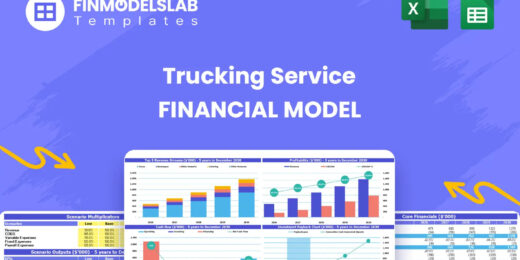

The Trucking Service Financial Model helps entrepreneurs, fleet owners, consultants,…
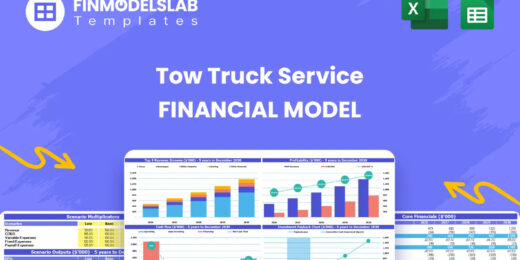
This Tow Truck Service Financial Model Template helps users turn…

Lifetime access to all future templates as well! Here is…

The Dump Truck Company Financial Model helps turn a hauling…


Online Car Rental Platform Business Plan Model is a perfect…

The Freight Brokerage Financial Model Financial Model Template helps entrepreneurs,…
Effective Cost Management Strategies for Trucking Financial Plans
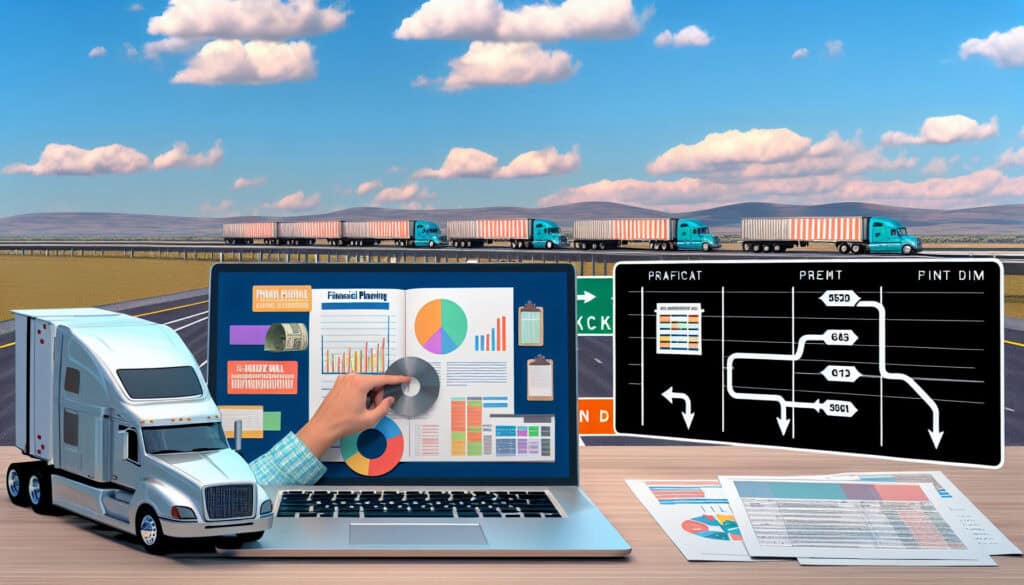
Drive Profitability with Strategic Financial Planning in the Trucking Industry
Financial planning in the trucking industry plays an essential role in steering operations towards profitability and sustainability. As a sector characterized by large capital expenditures and fluctuating operating costs, having a robust financial plan is indispensable for trucking businesses. These financial plans allow companies to manage costs, forecast future scenarios accurately, and optimize resource allocation. Increasing complexity in fleet operations, driver management, and regulatory compliance demands precise financial modeling, which is where sophisticated financial model templates become invaluable. These templates streamline the planning process, providing a structured approach to managing financial data and making data-driven decisions.Leverage KPIs to Enhance Trucking Operations and Financial Strategies
Key Performance Indicators (KPIs) serve as vital metrics to gauge the health and efficiency of trucking operations. Keeping an eye on these indicators can provide insights into where improvements can be made and ensure financial plans are aligned with business objectives. Key metrics include:- Fuel Efficiency: Fuel is one of the most significant costs for any trucking operation. Metrics such as miles per gallon (MPG) or cost per mile are crucial for assessing how efficiently a fleet operates. High fuel efficiency indicates effective route management and maintenance practices, directly impacting profitability.
- Utilization Rates: Utilization rates measure the percentage of time trucks are on the road compared to downtime. Low utilization can indicate inefficiencies in operations or underutilization of assets, both of which can inflate costs and reduce revenue.
- Revenue per Delivered Mile: This metric provides insights into pricing strategies and route planning, indicating how much revenue each mile generates. By optimizing routes and pricing, trucking companies can enhance this KPI, leading to increased profitability.
- Maintenance Costs per Truck: Routine maintenance is essential in cost management, helping prevent unexpected breakdowns that can lead to costly repairs and downtime. Monitoring maintenance costs per truck helps in budgeting and planning future capital expenditures.
Manage Unique Trucking Costs for Better Financial Forecasting
Trucking companies face specific cost components that require careful management and planning to ensure profitability. A thorough understanding and accurate forecasting of these costs are crucial for creating realistic budgets and forecasts. Major cost components include:- Fuel Costs: Fuel prices are notoriously volatile, substantially affecting financial forecasts. Trucking companies must constantly optimize fuel consumption and consider strategies such as route planning and fuel-efficient technologies to manage this variable cost.
- Driver Compensation: Driver salaries, benefits, and incentives form a considerable part of the operating budget. Labor market trends, including driver shortages, can impact this cost component, necessitating competitive compensation strategies to attract and retain talent.
- Vehicle Maintenance and Depreciation: The importance of regular maintenance in minimizing downtime and prolonging vehicle life cannot be overstated. Accurate tracking and forecasting of maintenance costs, along with vehicle depreciation, are indispensable for financial stability.
- Insurance and Compliance Costs: Trucking companies operate under a heavy regulatory framework that influences insurance premiums and compliance costs. These financial obligations are non-negotiable yet carry significant weight in trucking budgets.
Adopt Innovative Strategies to Optimize Cost Management
To maintain a competitive edge, trucking companies can adopt several effective strategies to enhance cost management within their financial plans. Consider implementing the following:- Leveraging Technology: Implementing GPS and routing software can optimize routes, reducing idle time and lowering fuel consumption. This technology also aids in tracking and analyzing real-time data, facilitating more informed decision-making.
- Regular Financial Reviews: Periodic assessment of financial plans against actual performance ensures alignment with business goals. Regular reviews can identify areas for improvement and adapt strategies to address any discrepancies between projected and actual outcomes.
- Employee Training Programs: Investing in comprehensive driver education programs can significantly reduce accidents and maintenance costs. Skilled drivers contribute to better fuel efficiency and less wear on vehicles, ultimately cutting costs.
- Fuel Hedging: Using financial instruments to hedge against fuel price volatility can stabilize operating costs. Fuel hedging allows companies to lock in prices or absorb spikes, safeguarding the budget against unforeseen market fluctuations.
Utilize Excel Templates for Streamlined Financial Planning
MS Excel spreadsheet templates offer remarkable advantages for financial modeling in the trucking industry, providing a framework for detailed analysis and strategic planning. Consider using our Excel financial model templates designed specifically for this industry. These templates present several benefits:- Ease of Use: Excel's user-friendly interface allows quick adjustments and simulations, enabling even those with basic financial knowledge to navigate complex models effortlessly.
- Customizability: Templates can be tailored to accommodate the unique requirements of different trucking businesses, accommodating variables such as fleet size, route characteristics, and regulatory environments.
- Data Visualization: Excel's built-in features allow users to create charts and graphs, making it easier to visualize financial data and communicate insights clearly and effectively to stakeholders.
- Scenario Analysis: Scenario analysis allows trucking companies to test various cost management strategies, assessing their potential impact on financial outcomes. This capability equips decision-makers with valuable insights for navigating uncertain conditions.
Empower Your Business with the Right Financial Planning Resources
Effective cost management is crucial for successful financial planning in the trucking industry. The combination of well-monitored KPIs, a comprehensive understanding of unique cost components, and strategic cost management initiatives can significantly enhance profitability and operational efficiency. Leveraging financial model templates not only simplifies the planning process but also provides a robust foundation for strategic decision-making and forecasting. To achieve financial success and refine your trucking business strategy, consider exploring eFinancialModels’ collection of trucking financial model templates. These tools offer the insights and flexibility needed to navigate the challenges and opportunities within the industry. Empower your business with the right financial planning resources and ensure your operations are not just viable but thriving.FAQ
- What are the keys to successful financial planning in the trucking industry? Financial success in the trucking industry involves robust cost management, leveraging KPIs, understanding industry-specific costs, and utilizing advanced financial model templates to guide strategic decision-making.
- How can technology improve cost management for trucking companies? Technology, such as GPS and routing software, can optimize routes, reduce idle time, and lower fuel consumption, ultimately cutting costs. Real-time data tracking enables more informed decision-making.
- Why are Excel templates beneficial for financial planning? Excel templates provide a customizable and user-friendly framework for detailed analysis and strategic financial planning, featuring data visualization and scenario analysis capabilities.
- What is the role of KPIs in financial planning for trucking? KPIs provide insights into operational efficiency and financial health, helping trucking companies align their financial plans with business objectives and identify areas for improvement.
You might also like: