
0 ITEMS

Shipping
Shipping is the transport of cargo and passengers, typically through the sea. The transportation of freight is widely used way back in time until today as a mode of delivering traded products. It plays a crucial role in the global economy as it facilitates the transport of raw materials and the import/export of finished goods. The shipping industry generates over half a trillion USD in annual income in freight rates. The financial model templates here can be used for businesses related to shipping.
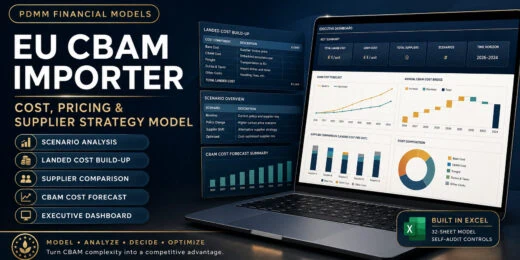

A 32-sheet editable Excel decision model for EU CBAM importers…

Build a smarter trucking business with this ready to use…

🚀 Premium eVTOL / Urban Air Mobility Financial Model A…

🚘 Premium Autonomous Vehicle / Robotaxi Fleet Operations Financial Model…

A professional Excel and Google Sheets financial model built for…
A professional Excel financial model suite for shipping vessel investment…



Financial Model providing a dynamic up to 10-year financial forecast…

Highly versatile shipyard business 8-Year financial projection model with 25…

The Offshore Marine Services Financial Model with a 10-Year DCF…
The Shipyard Financial Model with a 10-Year DCF (Discounted Cash…


A comprehensive editable, 5 Year 3 statement MS Excel spreadsheet…


This Boatyard 3-Statement Financial Projection Model l provides a complete…

The Maritime Technical Support Services Financial Model with a 10+…

This Charter Boat Rental Financial Model Template has been built…

This Dropshipping Financial Model Template has been built for use…

The Drone Delivery Services Financial Model with a 10+ Years…


The Freight Management Worksheet is a comprehensive tool for efficiently…
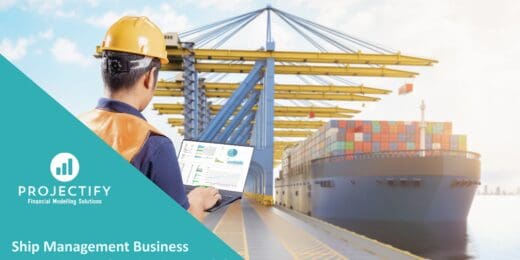
5 year rolling financial projection Excel model for a startup…
5-year rolling 3 statement financial projection with a monthly timeline…


This comprehensive 10-year monthly Excel template offers an ideal basis…

10-Year financial model for a yacht marina acquisition projecting revenue,…
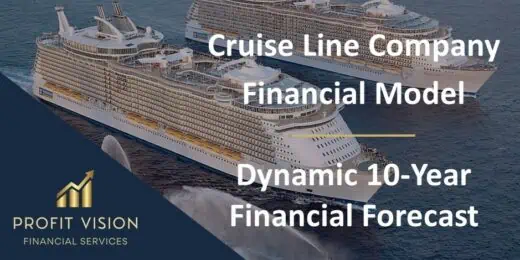
Financial Model providing a dynamic 10-Year Financial Plan for a…
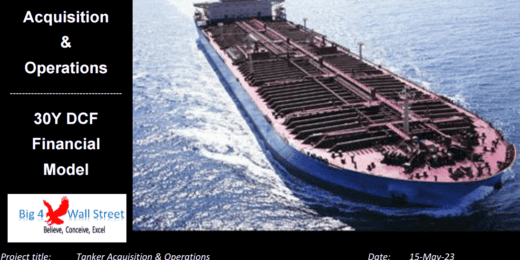
The "Tanker Acquisition & Operations - DCF 30Y Financial Model"…

Financial Model presenting a business scenario of a Port Operator…

Shipping Business user-friendly 3 statement yearly rolling financial projection Excel…
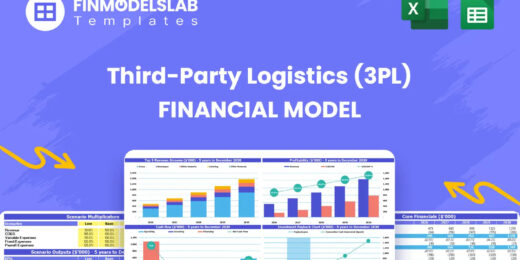

The Third-Party Logistics (3PL) Financial Model helps users turn a…

Financial Model presenting an Investment scenario of a Shipping Vessels…

The Freight Brokerage Financial Model Financial Model Template helps entrepreneurs,…
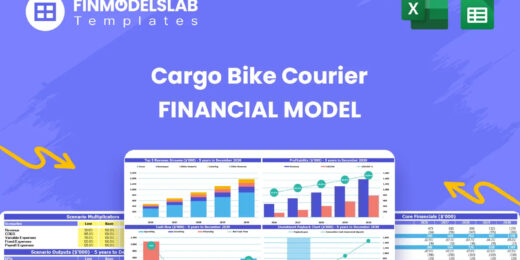
The Cargo Bike Courier Financial Model helps users turn a…

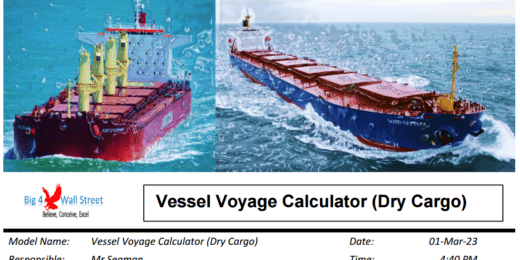
Shipping Vessel’s Financial Model presents the business case of the…
Charting Cash Flow for Stability in Shipping Financial Plans

In the bustling world of global trade, the shipping industry stands as a cornerstone, facilitating the movement of goods across continents and oceans. From the smallest local trading vessels to gargantuan container ships, this sector is crucial in ensuring that commerce continues to thrive. As globalization accelerates, the demand for shipping services is on an upward trajectory, yet alongside this growth are complexities that industry players must navigate. One of the most pressing challenges today is maintaining cash flow stability—a critical element for ensuring operational continuity and fostering growth. As shipping companies grapple with fluctuating fuel prices, port congestion, and geopolitical risks, a well-charted financial plan becomes indispensable. In this climate, the importance of developing robust financial models that can help in steering through uncertainties cannot be overstated. To chart a course through such volatile waters, industry players must harness specific Key Performance Indicators (KPIs) and leverage advanced financial modeling tools to safeguard their cash flow.
Understanding the Shipping Industry Landscape
The shipping industry plays an indispensable role in the mechanics of global trade, transcending mere transportation to serve as the backbone of international commerce. With the vast majority of the world's goods moving by sea, shipping remains a pivotal facilitator of the global supply chain. The industry’s importance is underscored by the fact that it handles around 80% of the goods by volume traded internationally, marking it as a vital cog in the machinery of global economic activity. Current trends impacting the shipping industry paint a picture of rapid evolution, driven primarily by globalization and an increasing focus on sustainability. The rise of e-commerce has further fueled this growth, necessitating quicker and more efficient shipping solutions. Environmental regulations have also emerged as a defining trend, with shipping companies striving to reduce their carbon footprint by adopting greener technologies and more efficient vessels. Amid these shifts, cash flow stability becomes crucial, helping companies manage day-to-day operations and financing longer-term growth initiatives. Despite its integral role, the shipping industry faces significant challenges. Fluctuating fuel prices, a perennial concern, can unpredictably affect operating costs, leaving companies grappling with increased expenses. Port congestion, particularly in major hubs, can cause costly delays, disrupting supply chains and affecting cash inflows. Additionally, geopolitical risks, such as trade tensions and maritime disputes, add a layer of uncertainty, influencing market conditions and impacting financial planning. Navigating these challenges requires a focused approach to managing cash flow, ensuring resilience against unforeseen disruptions.Key Performance Indicators (KPIs) for Financial Planning in Shipping
Effective financial planning in the shipping industry hinges on a thorough understanding of specific KPIs that directly impact cash flow management. Among these, freight rate trends hold significant sway. As a reflection of market supply and demand, freight rates are a crucial barometer for setting competitive pricing strategies. When demand for shipping exceeds supply, freight rates tend to rise, positively impacting cash flows. Conversely, excess supply can drive rates down, necessitating strategic adjustments to maintain financial balance. Vessel utilization rates also play a critical role in cash flow management. This KPI focuses on maximizing cargo loads and minimizing deadweight to enhance revenue generation from operational activities. A vessel that sails at full capacity operates more efficiently, translating into healthier profit margins and improved cash flow stability. Closely linked to this is the average turnaround time, which measures the speed and efficiency with which a vessel completes its loading and unloading cycles. Reduced turnaround times lead to increased operational capacity, thereby positively influencing cash inflows. Lastly, operating cash flow emerges as a fundamental metric for short-term cash flow stability. By measuring cash generated from core operational activities, this KPI helps companies gauge their financial health, providing insights into liquidity and operational efficiency. It is essential for ensuring that operational revenues adequately cover expenses and contribute to sustained growth. Importantly, these KPIs do not exist in isolation; they directly influence financial modeling and projections, serving as key indicators for making informed strategic decisions.Crafting a Robust Cash Flow Forecast
Creating a robust cash flow forecast tailored for the shipping industry requires a meticulous approach, incorporating both predictive analytics and scenario-based planning. The first step lies in accurate revenue projections, crucially influenced by freight volume and seasonality. Understanding market demands, peak shipping seasons, and prevailing economic conditions allows for more precise revenue forecasts, ensuring companies can align their resources effectively. Closely tied to revenue projections is comprehensive expense management, differentiating between fixed and variable costs unique to shipping operations. Fixed costs, such as vessel maintenance and crew salaries, remain relatively stable, while variable costs, like fuel prices and port fees, fluctuate with market conditions. Successfully managing these expenses is integral to maintaining healthy cash flows. Additionally, attention must be paid to working capital needs, involving the effective management of receivables, payables, and inventory. Balancing these elements ensures sufficient liquidity, preventing potential cash flow snags that can impact operational efficiency. An essential component of cash flow forecasting is scenario analysis—a critical tool for preparing for unpredictable cash flow variations. By simulating different market scenarios, companies can evaluate the impact of various operational strategies, identify potential risks, and develop contingency plans. This proactive approach to financial planning fosters resilience, empowering shipping companies to navigate uncertainties with greater confidence and agility.Leveraging Excel Templates for Effective Financial Modeling
In the realm of shipping financial planning, MS Excel templates offer a robust solution, providing flexibility, automation, and enhanced scenario-planning capabilities. Excel’s flexibility allows for customization, enabling the development of financial models that align with specific business models and operational needs. Companies can tailor templates to reflect their unique revenue streams, cost structures, and market dynamics, ensuring that their financial models remain relevant and actionable. Automation, another key benefit of using Excel templates, streamlines data input and calculations, significantly reducing the risk of human error and enhancing operational efficiency. By automating repetitive tasks and calculations, shipping companies can allocate more resources towards strategic decision-making, driving productivity and ensuring accuracy in financial planning. Importantly, Excel's scenario-planning capabilities allow shipping companies to conduct comprehensive “what-if” analyses, assessing the viability of different operational strategies. By modeling various scenarios, companies can visualize potential outcomes, evaluating the impact of changes in key assumptions such as freight rates, fuel costs, or market demand. This analytical approach provides clarity and precision, supporting informed decision-making under different market conditions. eFinancialModels' specialized Excel templates facilitate the seamless integration of KPIs into financial models, enhancing clarity and precision in financial planning. Providing industry-specific templates tailored for the shipping sector, these tools offer a sophisticated framework for cash flow management, incorporating best practices and expert insights. Armed with these tools, shipping companies can foster a culture of strategic financial planning, ensuring resilience in the face of evolving market challenges.Conclusion: Stabilizing Your Shipping Financial Plans with Effective Tools
In the intricate world of shipping, the importance of cash flow stability cannot be overstated. By focusing on specific KPIs and leveraging robust financial models, shipping companies can safeguard against uncertainties, steering their operations towards sustained growth and long-term success. A structured cash flow forecast, supported by industry-specific insights and advanced financial modeling tools, offers a reliable compass for navigating the complexities of the global shipping landscape. eFinancialModels provides specialized Excel templates tailored for the shipping industry, empowering companies to enhance their financial planning processes and achieve greater financial stability. By exploring these tools, industry players can position themselves for success in an increasingly competitive and dynamic market. We invite you to delve into the offerings at eFinancialModels.com to elevate your financial planning and ensure that your cash flow remains as steady as the seas upon which your vessels sail.Frequently Asked Questions
- How does the global trade impact the shipping industry? The shipping industry is vital for global trade, handling around 80% of goods by volume. As globalization grows, the industry faces increased demand but must also contend with challenges like fuel price fluctuations and port congestion.
- What are the primary challenges in maintaining cash flow stability in shipping? Shipping companies deal with fluctuating fuel prices, port congestion, and geopolitical risks, all of which can unpredictably impact cash flows and necessitate robust financial planning.
- Which KPIs are essential for financial planning in the shipping industry? Key KPIs include freight rate trends, vessel utilization rates, and operating cash flow, all of which directly affect cash flow management and financial health.
- Why is Excel beneficial for financial modeling in shipping? Excel provides flexibility, automation, and robust scenario-planning capabilities, enabling shipping companies to customize their financial models and conduct “what-if” analyses efficiently.
- How can shipping companies enhance their financial planning processes? By leveraging specialized Excel templates and focusing on cash flow stability through effective KPI management.</
You might also like: