
0 ITEMS

Investing
Investing strategies are the cornerstone of successful wealth generation, serving as a blueprint for navigating the complex world of finance. At its core, an investing strategy involves carefully selecting and managing investments to achieve specific financial goals. A well-crafted investing strategy considers an investor's financial situation, risk tolerance, and investment horizon, incorporating diversification to manage risk and enhance potential returns. Understanding and implementing the correct investing strategy is pivotal for investors aiming to build and maintain wealth over the long term.
In this light, financial model templates emerge as indispensable tools for investors. These templates provide a structured and efficient way to analyze and forecast the financial performance of investment opportunities, enabling investors to make informed decisions. By offering a standardized approach to financial analysis, these models allow for comparing different investment options on a like-for-like basis, factoring in various financial metrics such as cash flows, return on investment, and risk assessments. Moreover, financial model templates can be tailored to fit specific investing strategies, whether it be for real estate, stocks, bonds, or startups, facilitating a deeper understanding of potential investments.


A genuinely complete private equity fund model — and one…


Institutional-grade multi-tranche debt schedule in Excel: Revolver, Term Loan A/B,…


10-year financial model for a family office platform providing forecasts,…


A fully dynamic, granular banking 5 Years Quarterly financial model…


Take control of your finances with our all-in-one Personal Budget…


For Hotel or Guesthouse businesses, this comprehensive Excel Valuation &…




The Professional Services Financial Plan Excel Template is a comprehensive…


A versatile and advanced Financial Forecasting Model built to suit…


Mortgage, Loan, and HELOC Amortization Spreadsheet. This comprehensive Excel sheet…
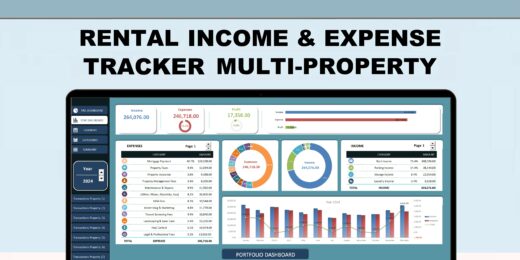
The RENTAL INCOME & EXPENSE TRACKER MULTI-PROPERTY is the ultimate…


User-friendly Excel template to compare financial outcomes of buying versus…

Elevate your venture capital strategy with the VC Startup Portfolio…
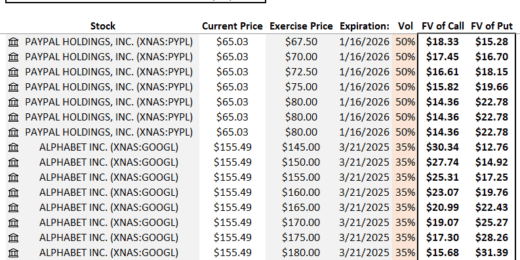
The Equity Options Fair Value Calculator (Black-Scholes) is your go-to…

User friendly template including Amortization Schedules for Loans, Mortgages, Operating…

Financial Model providing an advanced 5-year financial plan for a…
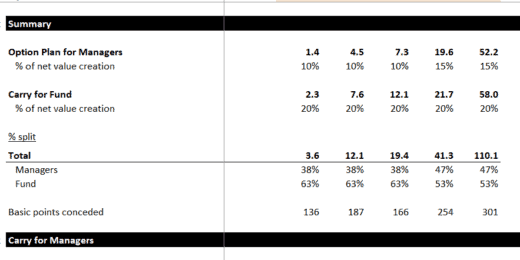

Common practice stock options plan for companies and company managers.…

One Excel file for this bundle of Valuation and Financial…
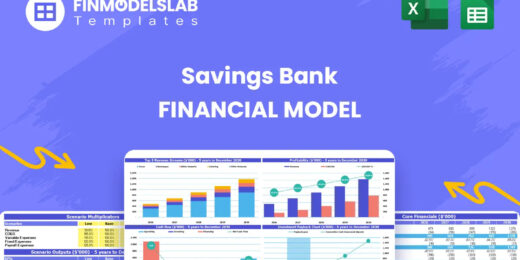

The Savings Bank Financial Model helps entrepreneurs, bank founders, consultants,…



Lifetime access to all future templates as well! Here is…

A fund management tool to track many positions over time…
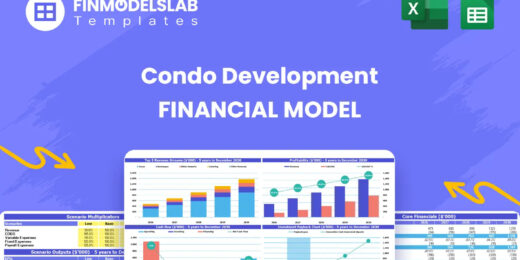
The Condo Development Financial Model helps developers, investors, analysts, consultants,…
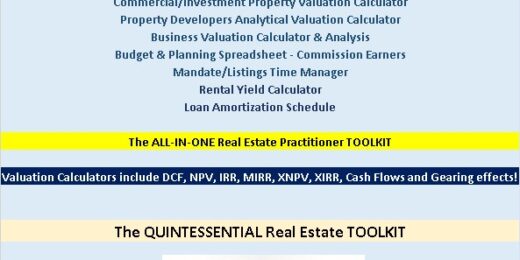
Professional Realtors need a professional Toolkit which allows them to…
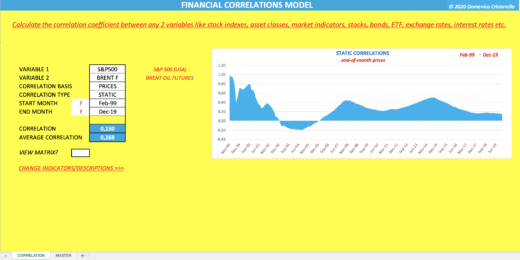

Calculate the correlation coefficient between any two variables, whether they…


Take control of your businesses, financial with this contracting, manufacturing…

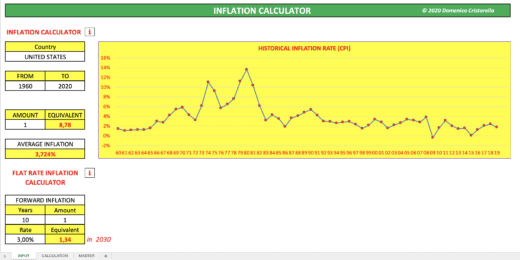
INFLATION CALCULATOR NEW FULLY EDITABLE VERSION (COVERING 50 COUNTRIES). A…


This Crowdfunding Platform Business Plan Model is a perfect tool…
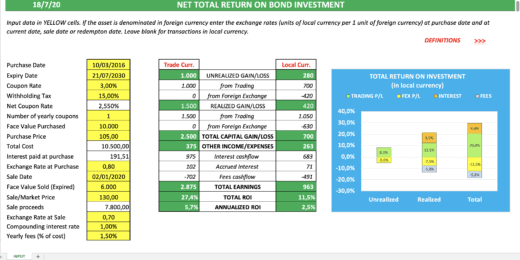
CALCULATE NET TOTAL RETURN ON BOND INVESTMENT DENOMINATED IN ANY…
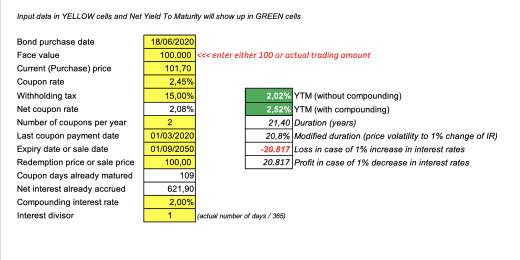
CALCULATE THE EFFECTIVE NET YIELD-TO-MATURITY (OR TO SALE DATE) OF…
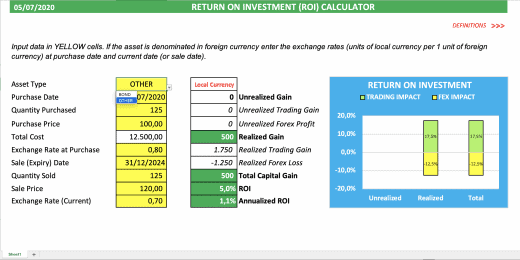
CALCULATE RETURN ON INVESTMENTS DENOMINATED IN FOREIGN CURRENCY, SPLIT BETWEEN…



See if your income generating assets will be enough to…
Best Long-Term Investing Strategies for Maximum Returns

Long-Term Investing: A Path to Prosperity
Investing is allocating resources, typically money, with the expectation of generating an income or profit. It can involve purchasing assets you believe will increase in value, such as stocks, bonds, real estate, or other financial products. Investing aims not only to grow your initial investment but also to outpace inflation, thereby increasing your purchasing power over time. Investing involves risk management, including the loss of principal, and there's no guarantee that investments will provide positive returns over time. However, long-term investing involves holding onto assets for an extended period, often years or decades, to benefit from compound returns and the potential appreciation of those assets over time. This strategy allows investors to weather short-term market volatility. It aligns with pursuing significant financial goals and ensuring financial security. People invest for several reasons:- Achieving Financial Goals: Investing can help individuals achieve specific financial goals, such as buying a home, funding a child's education, or starting a business. By investing wisely, they can grow their savings to meet these goals sooner.
- Generating Income: Some investments, like dividend-paying stocks, bonds, or real estate, can generate regular income. It can particularly appeal to those seeking a steady income stream, such as retirees.
- Inflation Hedging: Over time, inflation erodes money's purchasing power. Investing in assets that typically appreciate or generate returns above the inflation rate can protect and increase an individual's purchasing power.
- Retirement Planning: Many people invest as part of their retirement planning. Investing in retirement accounts like 401(k)s or individual retirement accounts (IRAs) can help ensure they have enough money to support themselves after they stop working.
- Wealth Accumulation: Investing is one of the most effective ways to accumulate wealth over the long term. By investing in various assets, individuals can earn higher returns than keeping their money in savings accounts with low-interest rates.

Different Types of Investment Options
Investing can be an effective way to grow your wealth over time, and there are many different types of investment options available, each with its own level of risk, return, and liquidity. Understanding these can help you make informed decisions that align with your financial goals and risk tolerance. Here's a breakdown of the different types of investment options:- Bonds are debt securities issued by corporations, municipalities, states, and sovereign governments to finance projects and operations. They represent loans made by investors to corporations, municipalities, states, and sovereign governments issued to fund projects and ongoing operations. Owners of bonds are debt-holders, or creditors, of the issuer. Bonds are considered a fixed income instrument because they typically pay a fixed interest rate (coupon) to debtholders, and this interest income is received at regular intervals until the bond matures. Upon maturity, bondholders get back the principal amount they initially invested. Bonds are generally considered safer investments than stocks but offer lower returns.
- Business Venture investments involve putting money into a startup or a small business with the expectation that the company will grow and the value of your investment along with it. It can be highly rewarding but comes with significant risks, including the potential loss of your entire investment if the business fails. The success of this investment type often depends on the business's growth and profitability, which can be influenced by the entrepreneur's skill, market demand, and other external factors.
- Hedge assets, such as precious metals like gold and silver, are used by investors to protect against economic downturns and inflation. These assets are considered a "safe haven" during market volatility because they tend to retain their value. Investing in precious metals can be done through physical ownership, purchasing stocks in mining companies, or through financial instruments like exchange-traded funds (ETFs) representing a claim on the physical metal.
- High-yield savings accounts offer a much higher interest rate than traditional ones, making them an attractive option for investors looking for a low-risk investment. Online banks typically offer these accounts with lower overhead costs than traditional brick-and-mortar banks. While the return on high-yield savings accounts is lower than what might be achieved with other investments, the risk is also significantly lower, making them a good option for preserving capital.
- Mutual funds are collective investment schemes that gather capital from numerous investors to buy various financial instruments. This diversification reduces risk, making mutual funds popular for individual investors. Mutual funds are managed by professional portfolio managers who allocate the fund's investments and attempt to produce capital gains or income for the fund's investors. The composition and management of a mutual fund's portfolio are designed to align with the investment goals outlined in its prospectus.
- Peer-to-peer (P2P) lending allows individuals to lend money directly to borrowers through an online platform, bypassing traditional financial institutions as intermediaries. Investors can earn higher returns than traditional savings and investment options, as the interest rates on P2P loans are generally higher. However, this investment comes with the risk of borrower default, which can impact returns.
- Real estate investing involves purchasing property to generate rental income or to sell at a higher price for profit. Real estate investments may encompass residential, commercial, and industrial properties. They can offer significant returns but require more capital upfront and have higher carrying costs and management requirements. The value of real estate can be affected by various factors, including market conditions, location, and interest rates.
- Stocks represent ownership shares in a company. Investors who buy stocks buy a portion of the company with the hope that the company will grow and the value of their shares will increase. Stocks are known for their potential for high returns but have a higher risk than bonds or savings accounts. The stock market can be volatile, and the value of stocks can fluctuate significantly in the short term.

Best Long-Term Investing Strategies to Build Wealth
The best long-term investing strategies are fundamental for building wealth over time. Together, these steps form a comprehensive approach to investing that aims to grow wealth and safeguard against unforeseen financial hurdles, ensuring financial stability and peace of mind for the future.Assess Your Risk Tolerance
One of the best long-term investing strategies encourages you to evaluate your comfort level with risk. Risk tolerance varies from person to person and influences the investments suitable for you. Some individuals may be comfortable with high-risk investments that offer the potential for high returns, such as stocks, while others may prefer safer options, like bonds or savings accounts, which generally offer lower returns. Understanding your risk tolerance is crucial as it helps you make investment choices you're comfortable with over the long term, avoiding undue stress or panic during market fluctuations.Build a Financial Plan
Creating a financial plan involves setting clear, achievable goals and outlining the steps to reach them. This plan serves as a roadmap for your investment journey, specifying your financial goals, such as retirement savings, buying a house, or funding education, and how you plan to achieve them. It involves determining how much money you need to invest, the time horizon for your investments, and the strategies you will use. A well-thought-out financial plan keeps you focused and disciplined, making navigating the complexities of investing and financial decision-making easier.Choose a Balanced Investment Portfolio
Selecting a balanced investment portfolio means diversifying your investments across various asset classes to spread out risk and potential returns. A balanced investment portfolio is designed to reduce the impact of market volatility on your investments. If one asset class performs poorly, others in your portfolio may perform better, thereby offsetting losses. This approach requires careful selection of investments to ensure they align with your financial goals, risk tolerance, and investment horizon. A well-balanced investment portfolio is critical to achieving steady growth over the long term without exposing yourself to unnecessary risk.Leverage Compounding
Compounding is the process where the earnings from your investments generate their own profits. By reinvesting dividends and interest, you can significantly increase the value of your investment over time. The key to leveraging compounding is investing as early as possible and reinvesting your earnings. This strategy takes advantage of the time value of money, allowing investors to build substantial wealth over the long term by accruing earnings on top of earnings, essentially making money work for you.Maintain an Emergency Fund
An emergency fund is a crucial component of a long-term investment strategy, acting as a financial safety net that covers unexpected expenses without the need to liquidate investments, which may not be timely or could incur losses. Typically, this fund should cover three to six months' worth of living expenses and be easily accessible, like in a savings account. An emergency fund ensures that you're prepared for unforeseen events, such as job loss or medical emergencies, and helps maintain your investment strategy on track without disrupting your investments during short-term financial crises.Regularly Update Your Strategy
The final strategy emphasizes the importance of periodically reviewing and adjusting your investment strategy. As your financial situation, goals, and the economic environment change, so should your investment approach. Regular updates allow you to adapt to changes and economic shifts affecting your investments. This proactive approach ensures that your investment strategy remains aligned with your goals, risk tolerance, and market conditions, helping you to stay on course towards building wealth. The best long-term investing strategies can set a solid foundation for financial growth and stability over time.
Optimize Investing with Strategic Financial Modeling Insights
In the rapidly evolving financial landscape, the integration of strategic financial modeling stands out as a cornerstone for optimizing investment decisions. By harnessing the power of sophisticated financial models, investors and analysts can uncover valuable insights about the different types of investment options. It is one of the best long-term investing strategies. Financial modeling elevates the precision of investment strategies and fortifies the resilience of a balanced investment portfolio against unforeseen market fluctuations. As we navigate the complexities of global finance, the adept use of strategic financial modeling insights emerges as an indispensable tool, empowering investors to make informed, data-driven decisions that maximize returns and sustain long-term growth.
You might also like: